

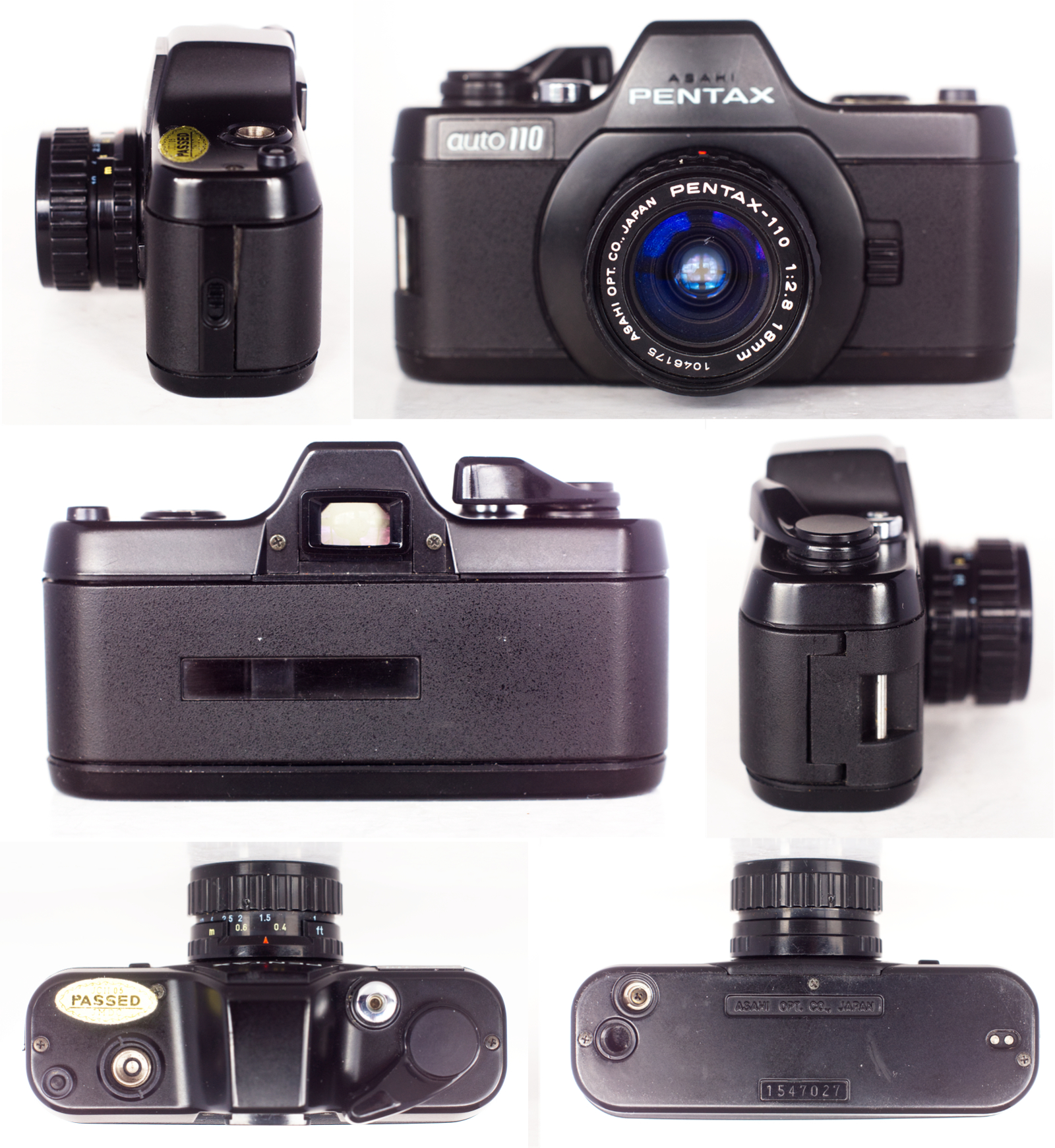
In pre-digital days, I would rarely own more than one camera, adding a second for colour as home processing colour negative gained ground. As a post-digital, long time empty nester it has been possible to afford several modest examples to chose from over the past 20 years though never reaching the giddy heights of the really big names. I have my favourites of course and these tend to get more use so when one of them seems to have made its last exposure I have to see if I can get one last film out of it.
The Camera
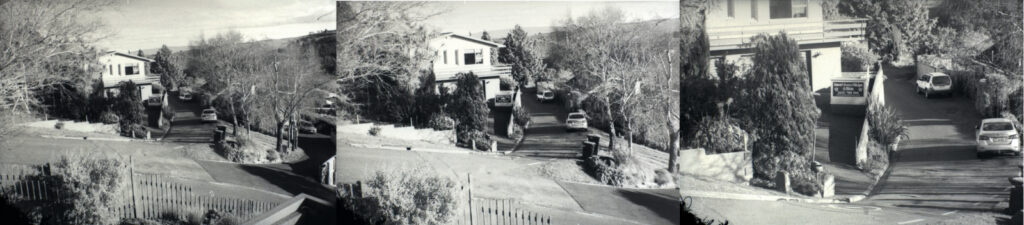
The camera in question here is a Pentax Auto 110 SLR. It came to me in pretty poor condition to start with having suffered from very bad battery leakage and some attempts at repair with incompatible adhesive that had turned some of the body into powder. That had worsened the effects of the brittle plastic these little cameras are unfortunately known for putting it realistically beyond economic repair. The film speed sensor had come loose, leaving ISO 80 the only option, plus extensive damage to the body around the battery area. Recently, the film door came away when the end of the body next to the battery compartment and carrying the hinge pins broke off. Several eroded threads in the plastic added to the difficulty of getting at anything. Even though I thought it was curtains for this very sophisticated subminiature I thought it deserved a final outing.
Addressing the problem
Reading up on the problem I came across a suggestion that the back hinge could be replaced by some tough tape. It only needs to keep the cassette firmly pressed in register after all and would only need to be light tight. I epoxied the part of the outer body that had parted company back into position but without the hinge pins which I hadn’t been able to gat back in place. I then applied the fabric repair tape as suggested, reinforced with duct tape. This proved quite effective though a little light leakage crept in when the camera was exposed to the sun so taping over the joints would be needed for security outdoors
The back hinge is an offset design which pivots it away from the end of the camera as it is opened. Unlike a butt hinge, this type needs a bit of masking to stop the repair tape sticking to the exposed end of the camera and preventing it from opening.
The film factor
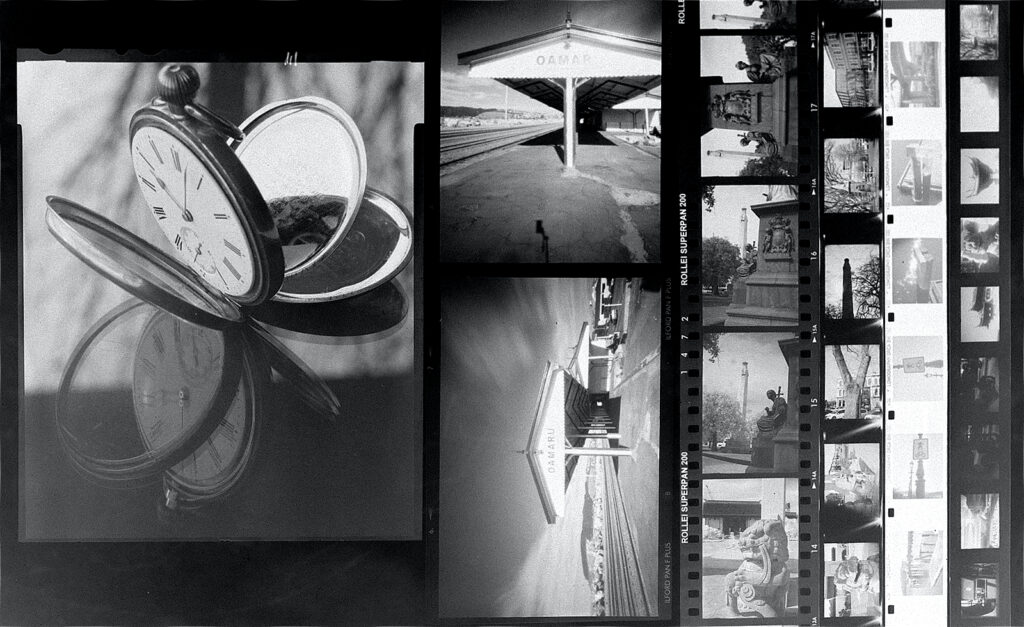
What has impressed me the most throughout my exploration of 16mm gauge formats over the past few years has been the huge advances made by manufacturers of monochrome films. These latest films, many based on surveillance emulsions it appears, have such fine grain, wide latitude and keen acuity, even in my favoured Rodinal, not the very best choice for finest grain. They are a perfect fit for these tiny formats and combined with my first film slitter that provides three lengths of 16mm from a 120 roll, it is economic into the bargain. This, despite having to wrestle coils of film and backing paper in complete darkness, not great for my blood pressure. The 35mm version I made later is a little less economic, only two films per cassette, but much easier to manage with no backing paper to confuse the issue.
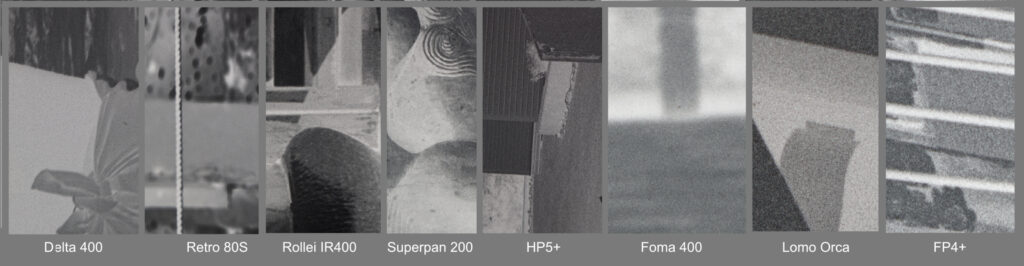
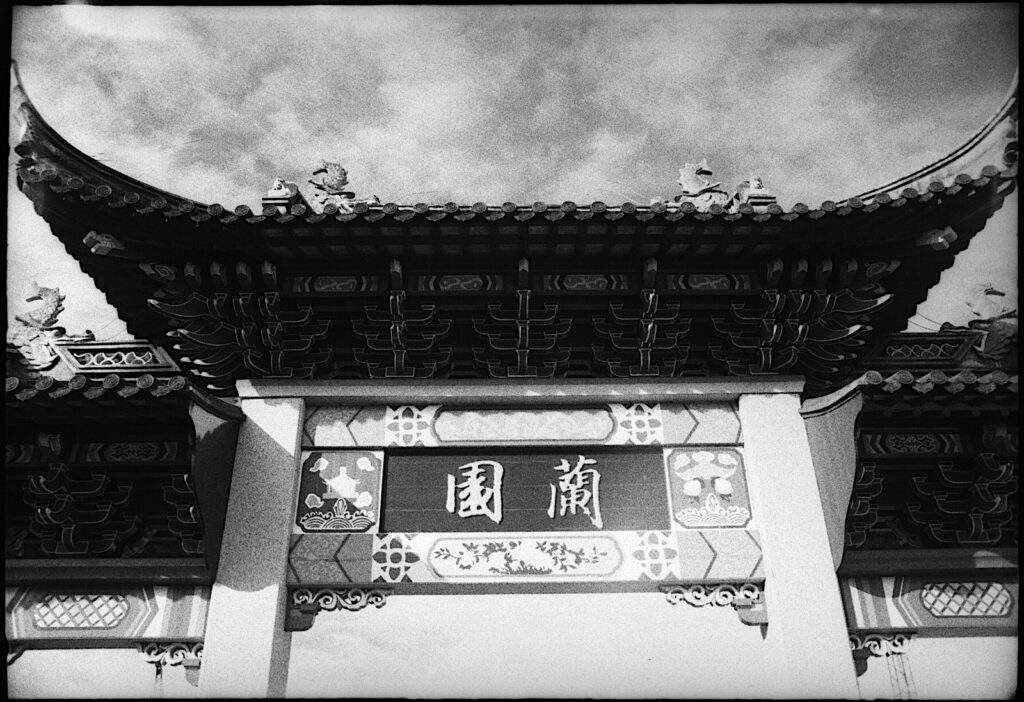
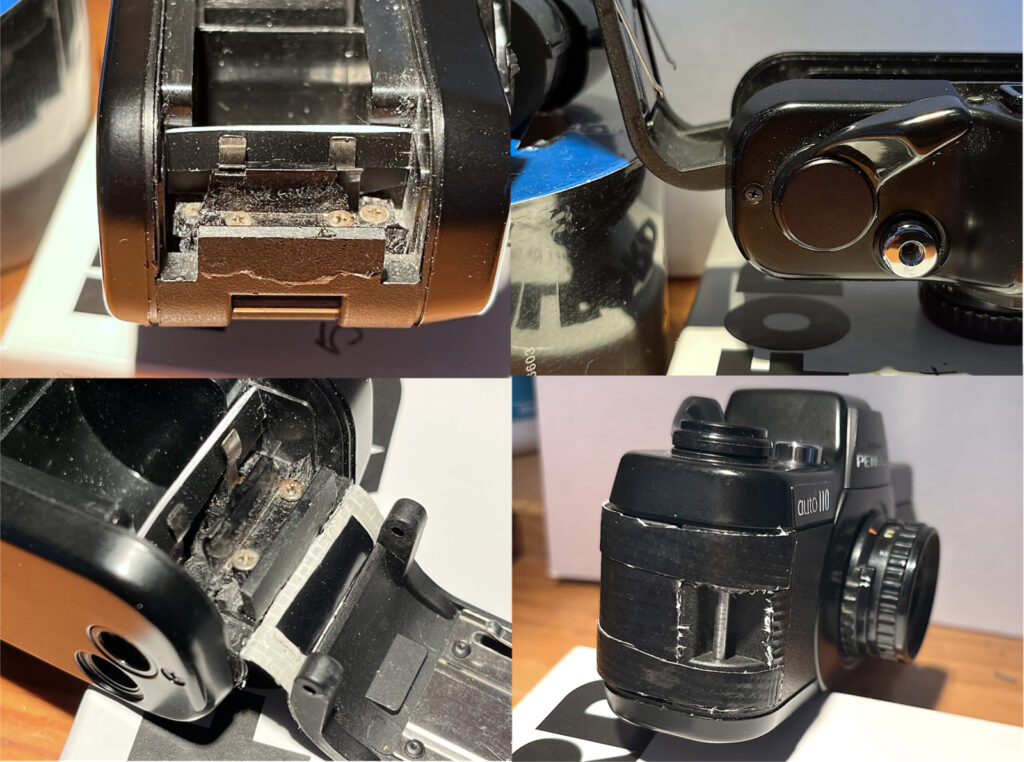
I had had decent results from Rollei’s Superpan 200 at box speed in Rodinal 1:50 for the very first outing with the camera and before the latest damage. It was 1 1/3 stops over exposed but I have repeated things for this exercise.
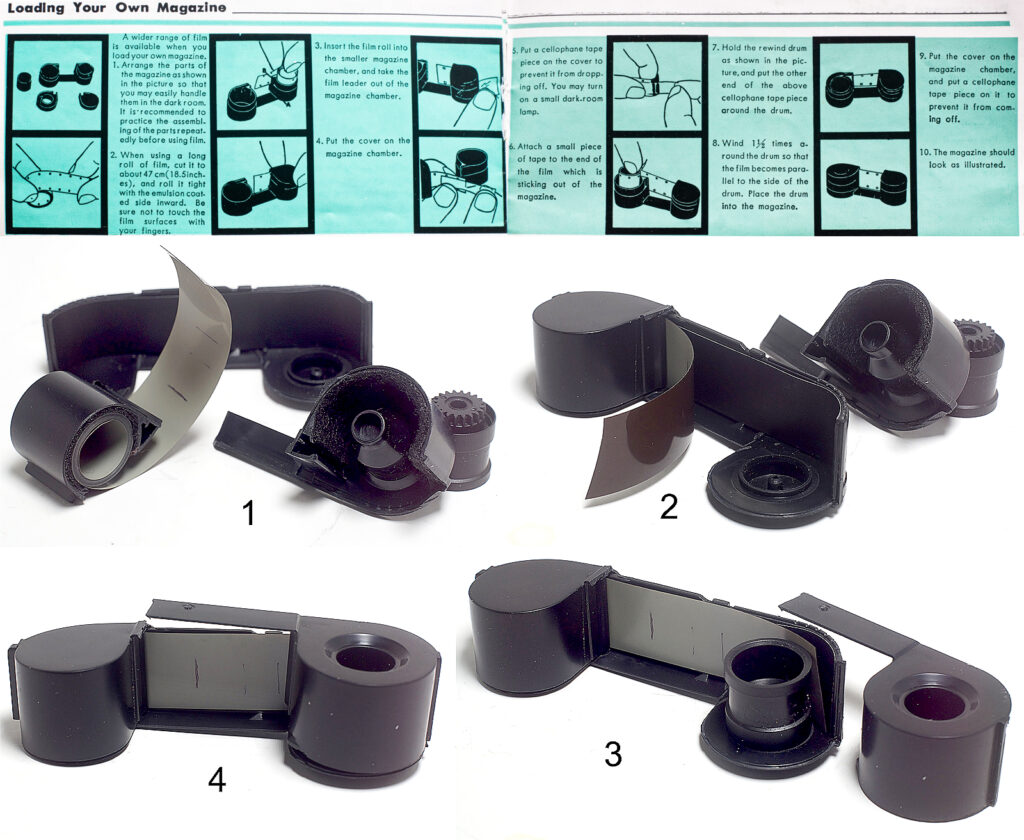
Having stripped another three lengths they were loaded into recycled cassettes, a new Lomo Orca one, unmodified, and two I have modified to load in a similar way to Minolta 16mm cassettes as shown above along with the Minolta instructions.
Examples
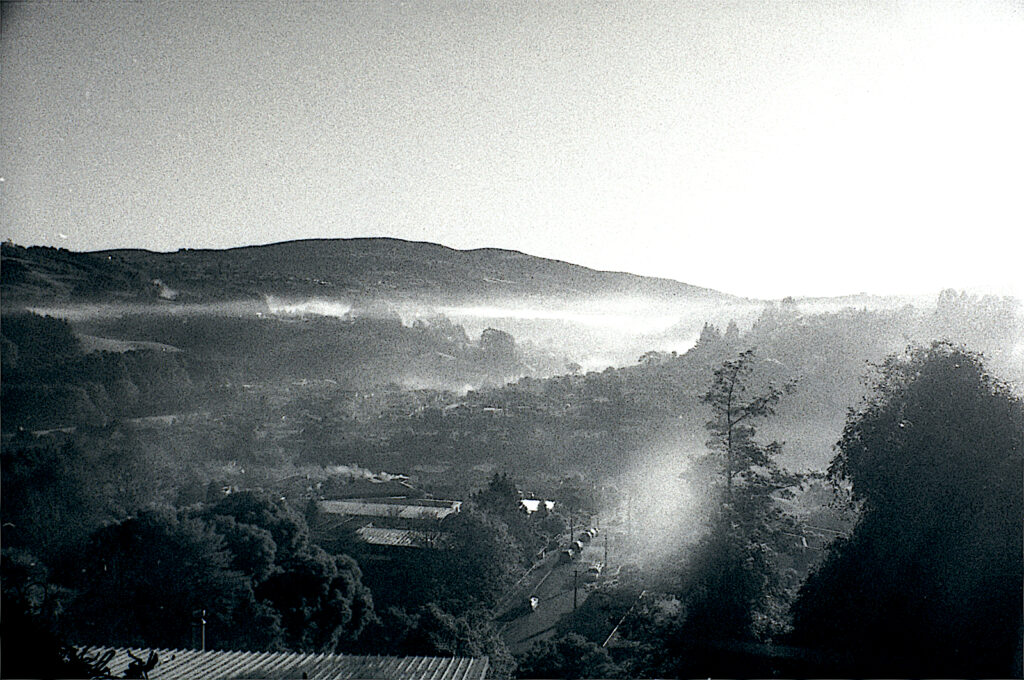
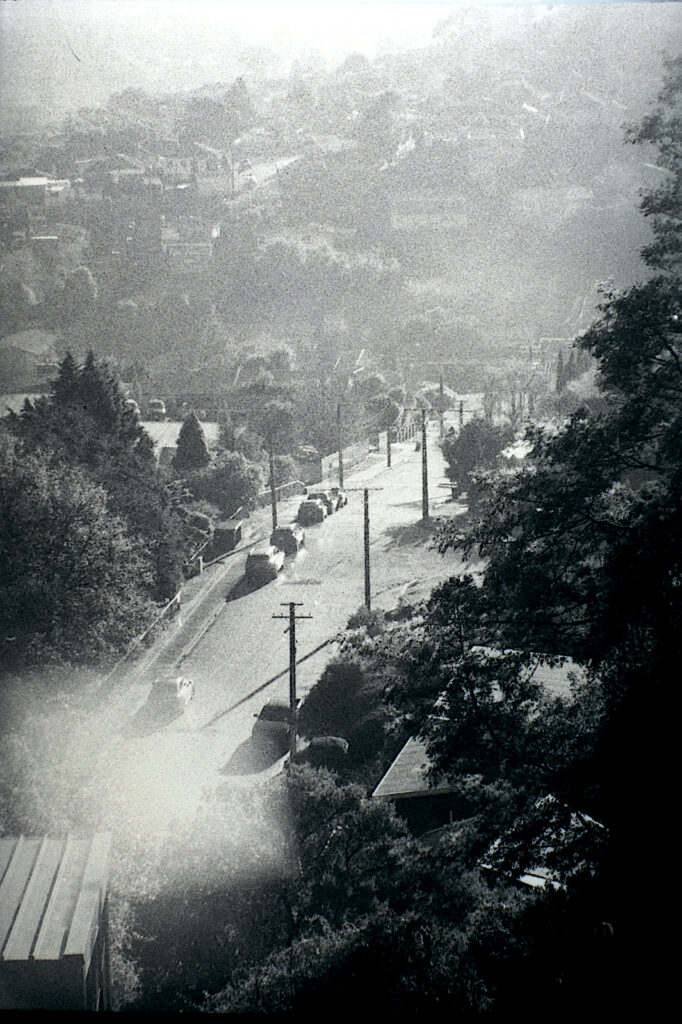
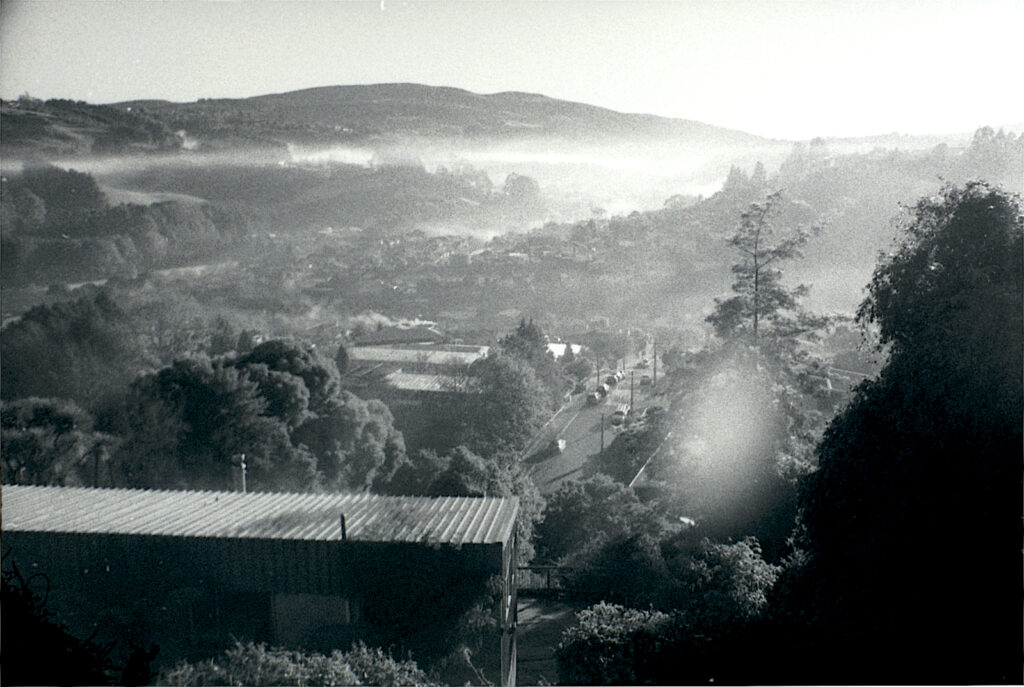
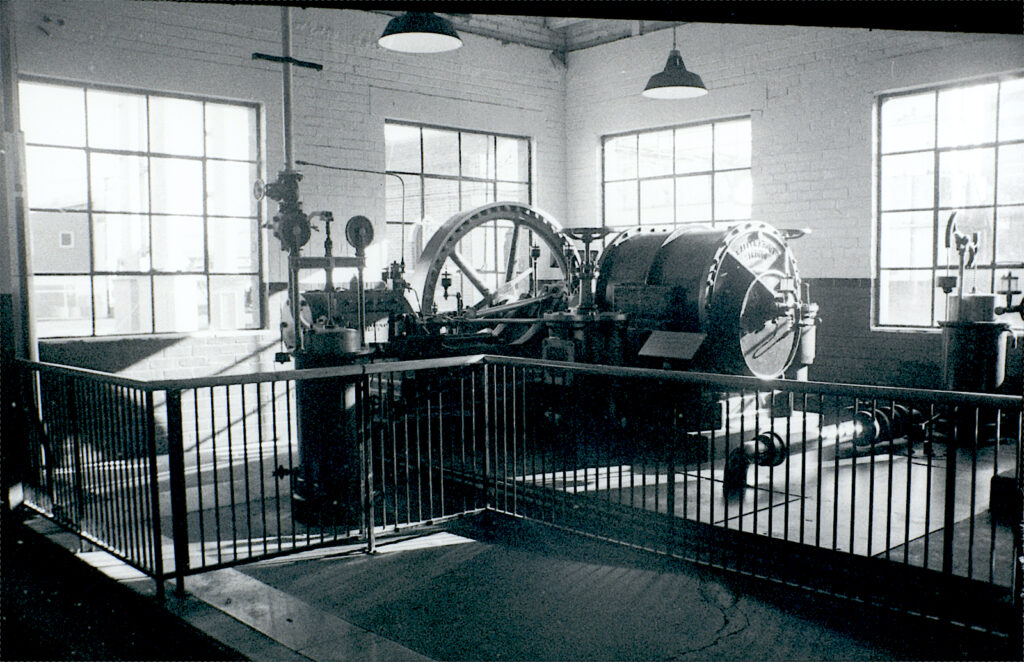
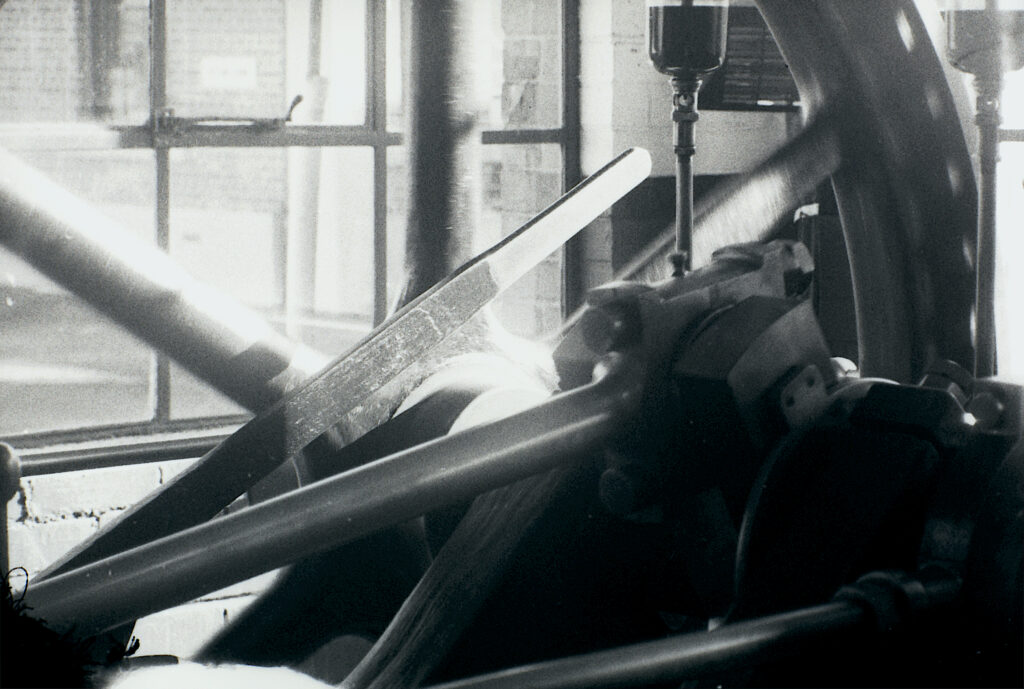
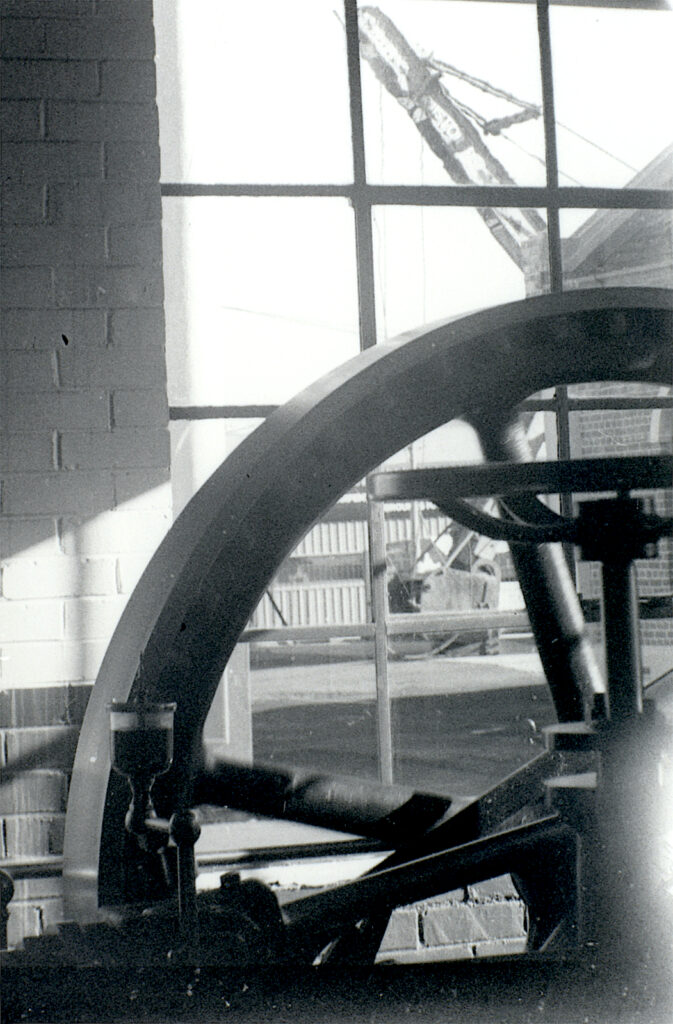
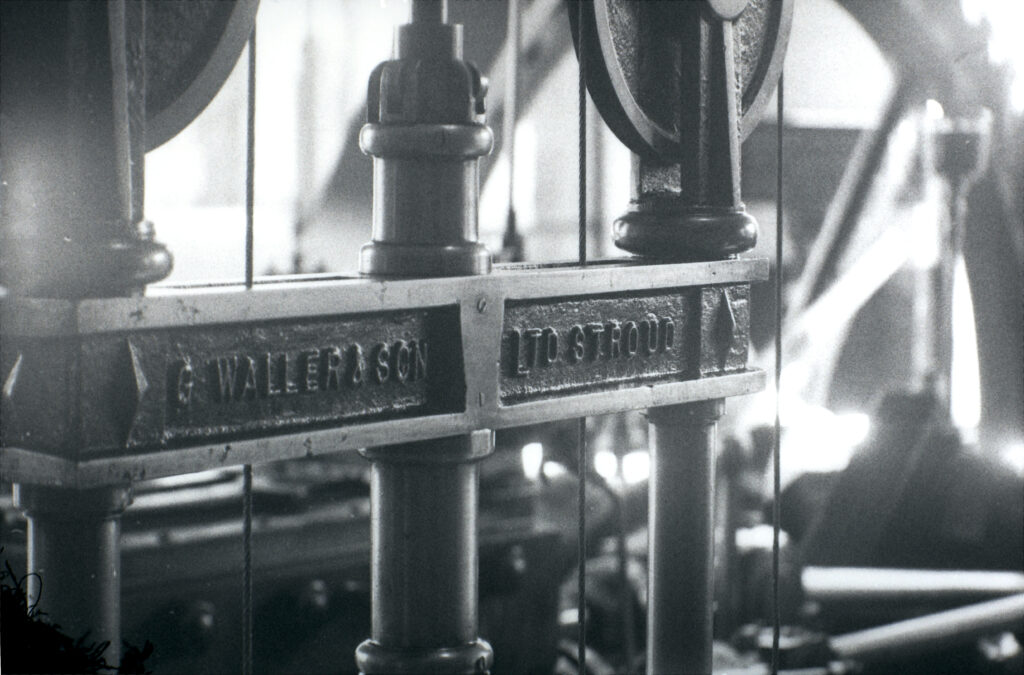
The following examples are on Rollei Superpan 200 processed in Rodinal 1:50.
Conclusion
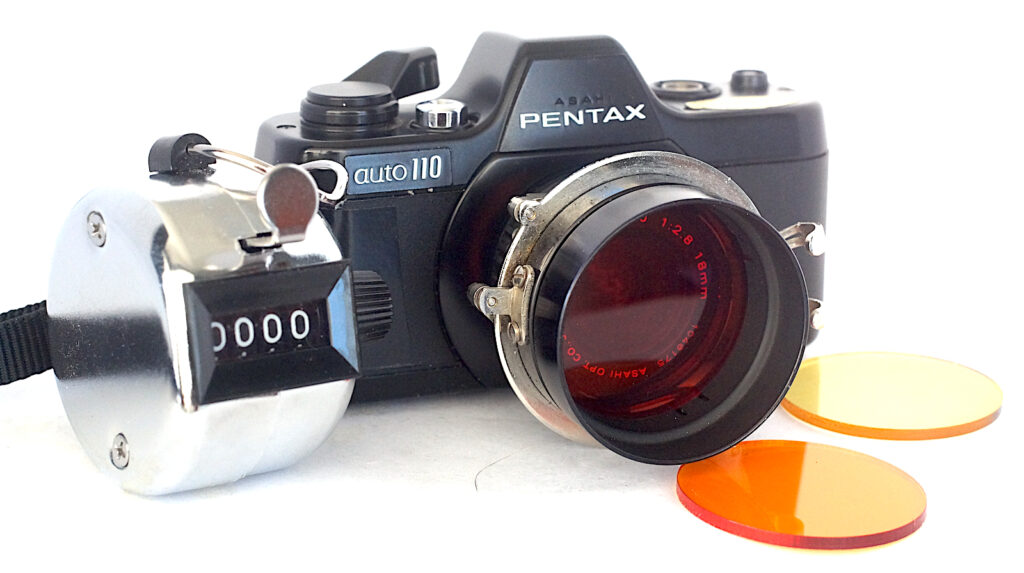

I am very pleased to be able to give this camera a final chance to show what it can do. It was sold originally as a very comprehensive kit with flash unit, motor drive, filters and close up lenses and still commands decent prices, even body only. What I have is a very capable, basic outfit. The Handcross clip on filter holder/lens hood I use with many of my older cameras allows me to use filters accepting the vignette. The camera is also extremely compact and accepts reloaded 110 cartridges without modification but with no control of frame spacing. Overlap is not a problem, spacing simply becoming very generous, just fewer frames per film, 19 or 20 exposures rather than the proscribed 24 with commercial film.
While I really enjoy using this sophisticated little camera, my eyesight is not up to the task of focussing it easily any more and some of the results bears this out. But it deserved another, final outing to stretch the legs of its decent little lenses before it went off to another home. Apart from digital, a TLR or scale focus will have to be my main choices from now on.
From a purely hobby point of view, there is something very satisfying about teasing decent results from less than perfect gear but sadly I have to say goodbye to this little gem.
Share this post:


Comments
Bob Janes on Pentax Auto 110 – A favourite camera and thoughts on film for subminiature.
Comment posted: 06/08/2026
- apologies, but I couldn't resist the gag... Surely it is worth looking for another Auto 110 Tony?
Comment posted: 06/08/2026
Martin on Pentax Auto 110 – A favourite camera and thoughts on film for subminiature.
Comment posted: 06/08/2026
My favourite 110 camera is the Minolta 110 Zoom SLR Mk.2, BTW. I prefer it over the Pentax because of its slightly bigger size. I find it difficult to use the Pentax without winder mounted becuse it is REALLY small.
Take care and best regards from Austria
Comment posted: 06/08/2026
David Pauley on Pentax Auto 110 – A favourite camera and thoughts on film for subminiature.
Comment posted: 06/08/2026
Comment posted: 06/08/2026
Ed on Pentax Auto 110 – A favourite camera and thoughts on film for subminiature.
Comment posted: 06/08/2026
Comment posted: 06/08/2026
Neal Wellons on Pentax Auto 110 – A favourite camera and thoughts on film for subminiature.
Comment posted: 06/08/2026
I slit my 16mm but leave 110 film to Lomo.
Comment posted: 06/08/2026
Comment posted: 06/08/2026
Comment posted: 06/08/2026
Gary Smith on Pentax Auto 110 – A favourite camera and thoughts on film for subminiature.
Comment posted: 06/08/2026
That said, I'll leave the 110 format to others.
These days I'm trying to resist a GR IV Monochrome (I have my gx9 set to mono with the M.Zuiko 17 mounted, we'l see how that goes).
Comment posted: 06/08/2026
Chris Giles on Pentax Auto 110 – A favourite camera and thoughts on film for subminiature.
Comment posted: 07/08/2026
Comment posted: 07/08/2026
Alexander Seidler on Pentax Auto 110 – A favourite camera and thoughts on film for subminiature.
Comment posted: 07/08/2026
Comment posted: 07/08/2026
davesurrey on Pentax Auto 110 – A favourite camera and thoughts on film for subminiature.
Comment posted: 07/08/2026
Mainly for nostalgic reasons I have a full set including a Safari body and pan-focus, 70mm telephoto and zoom lenses. But the Super body has eluded me so far, at least one which works.
It does have weaknesses, not just finding somewhere that will do a good job of processing but also, as others have pointed out, mainly the winder mechanism which is a point of failure. But I still find it a little marvel.
Comment posted: 07/08/2026
Keith A Yeo on Pentax Auto 110 – A favourite camera and thoughts on film for subminiature.
Comment posted: 08/08/2026
Comment posted: 08/08/2026
ja on Pentax Auto 110 – A favourite camera and thoughts on film for subminiature.
Comment posted: 08/08/2026
Its amazing having a complete lense set a flash and a slr in one pocket but i find the lack of manual controls a bit frustrating. And despite having very small hands its quite fiddly to use.
I think for me O prefer my agfamatic sensor for point and shoot duties and minolta 16 for playing at being a photographer in miniature (and feeling a bit james bond)
Having said that i haven't run anything other than orca through it so maybe i should do some slitting to try out some 127 and sub miniatures
Comment posted: 08/08/2026