

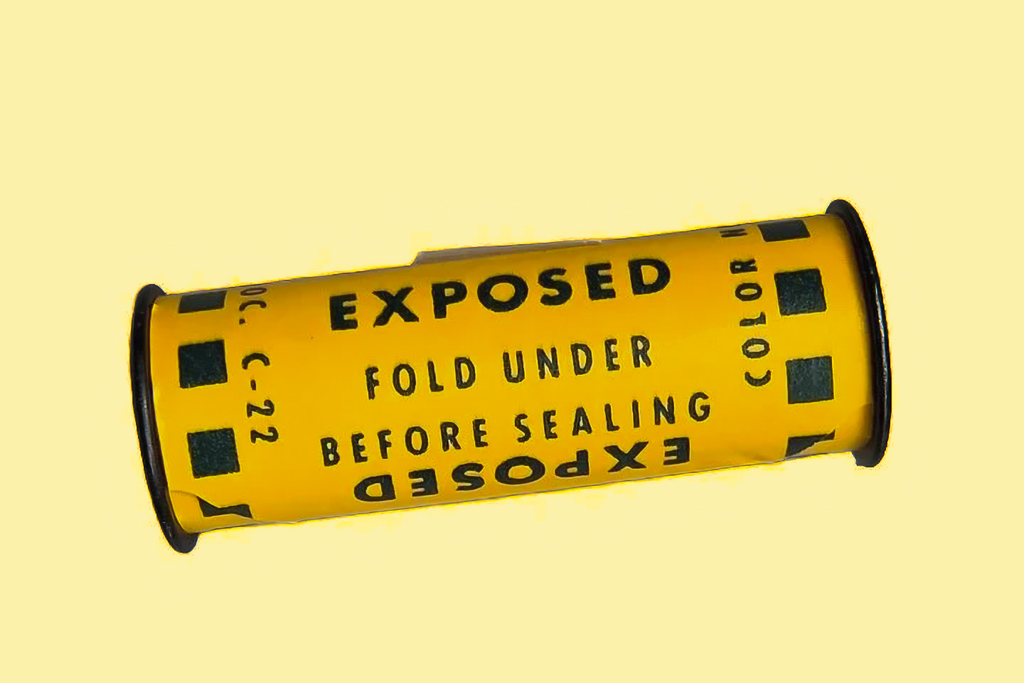
I have an interest in abandoned film. More to the point, I’m interested in abandoned film that’s been exposed yet remains undeveloped. The attraction to me is the potential reveal,…the notion that serendipity may bless you with the discovery of people long forgotten by family and friends. This is poignant to me. It’s like I’m giving their anonymous souls life again.
I recently acquired an exposed roll of Kodacolor-X, a color negative film that Kodak manufactured between 1963 and 1974. Kodacolor-X was processed in C-22 developer. The C-22 process has been obsolete for decades. It was superseded by the C-41 process, which of course is now used universally for color negative film. A few specialty labs still offer C-22 processing, but these are labs that specialise in recovering vintage film. (See below for some recommendations.) Since I don’t know what, if anything, is actually on any roll of abandoned film I come across I can’t justify the expense of using a specialty lab.
Those of us who develop our film at home, however, can process C-22 ourselves. I’ve read that there are ways to use C-41 chemistry and maybe recover some color. I can’t vouch for this. For me the simplest method is just to develop the film as black and white.
I use Rodinal developer almost exclusively, and although I had cross-processed C-41 and E-6 (slide) films in Rodinal with success, I had never developed C-22 film.
A quick web search failed to turn up any good tips about C-22 in Rodinal. I did, however, find a related article right here on 35mmc. (See the link below.) That author had used D76 developer so it wasn’t what I was looking for. Nevertheless I appreciated his recommendation to pre-soak the film, since it may be prone to cracking after 50 or 60 years. My Kodacolor-X was certainly frail; it tore when I was trying to remove the tape that holds the film onto the spool.
Lacking any recommended development times I decided a “stand” development in Rodinal might have a good chance of recovering images from my C-22 film. Stand development uses a highly dilute developer in which the film is left to stand for a lengthy period of time.
I used a 1+100 dilution of Rodinal to water and a development time of one hour. I agitated the developer at the beginning of the hour and again at 30 minutes. (I believe this actually makes it a “semi-stand” technique.)
So here, in summary, is how I processed my Kodacolor-X:
Chemical temperatures: 68-70 degrees F.
- Pre-soak 10 minutes
- Rodinal 1+100 for one hour. Agitate the canister at the beginning and again at 30 minutes.
- Stop Bath for one minute
- Fix for 10 minutes
- Wash
I scanned the images using View Scan on my old Epson Perfection V500 Photo scanner.
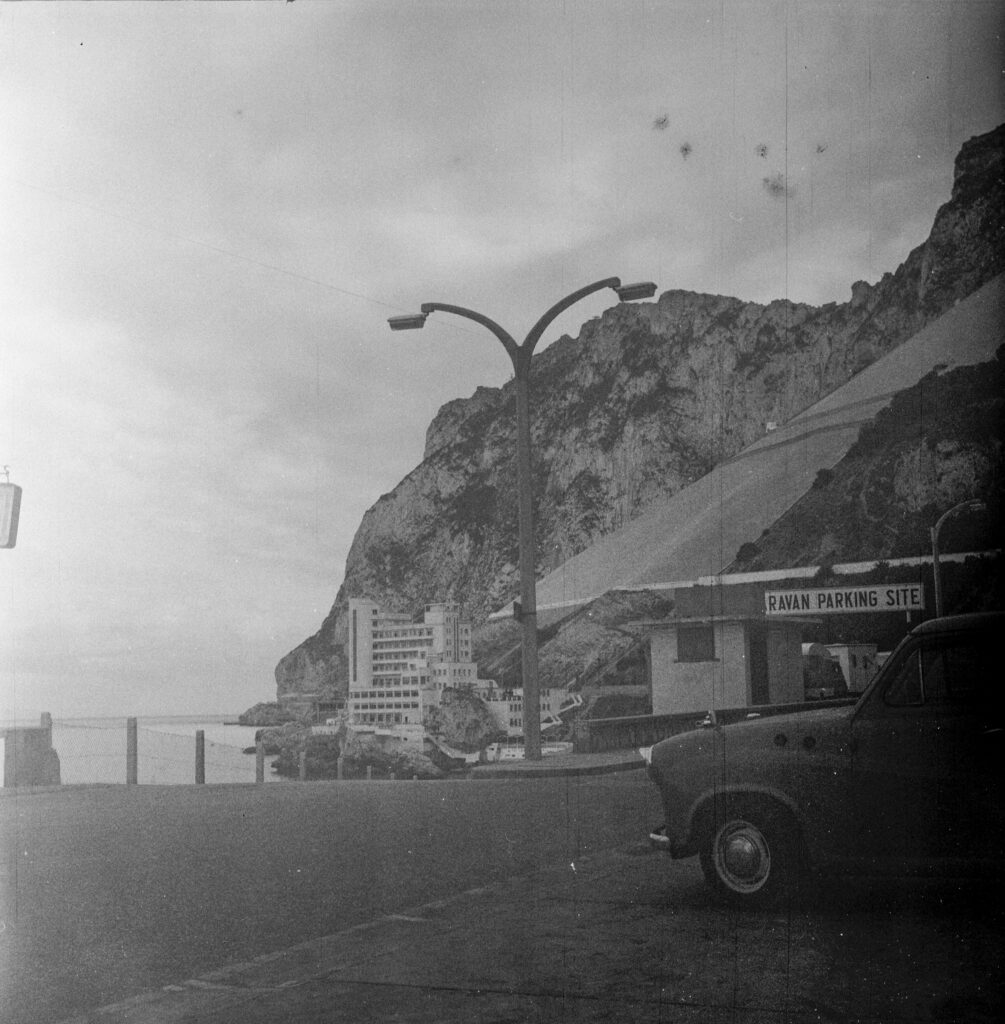
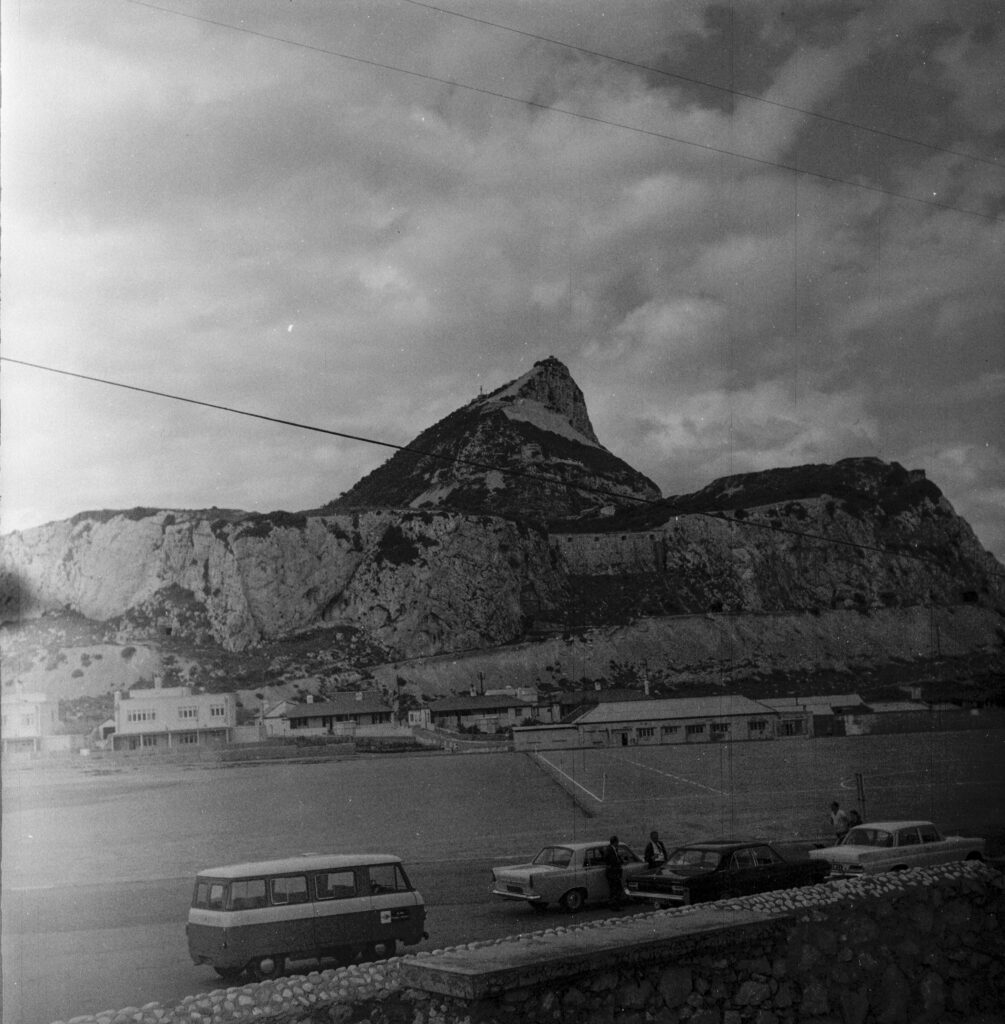
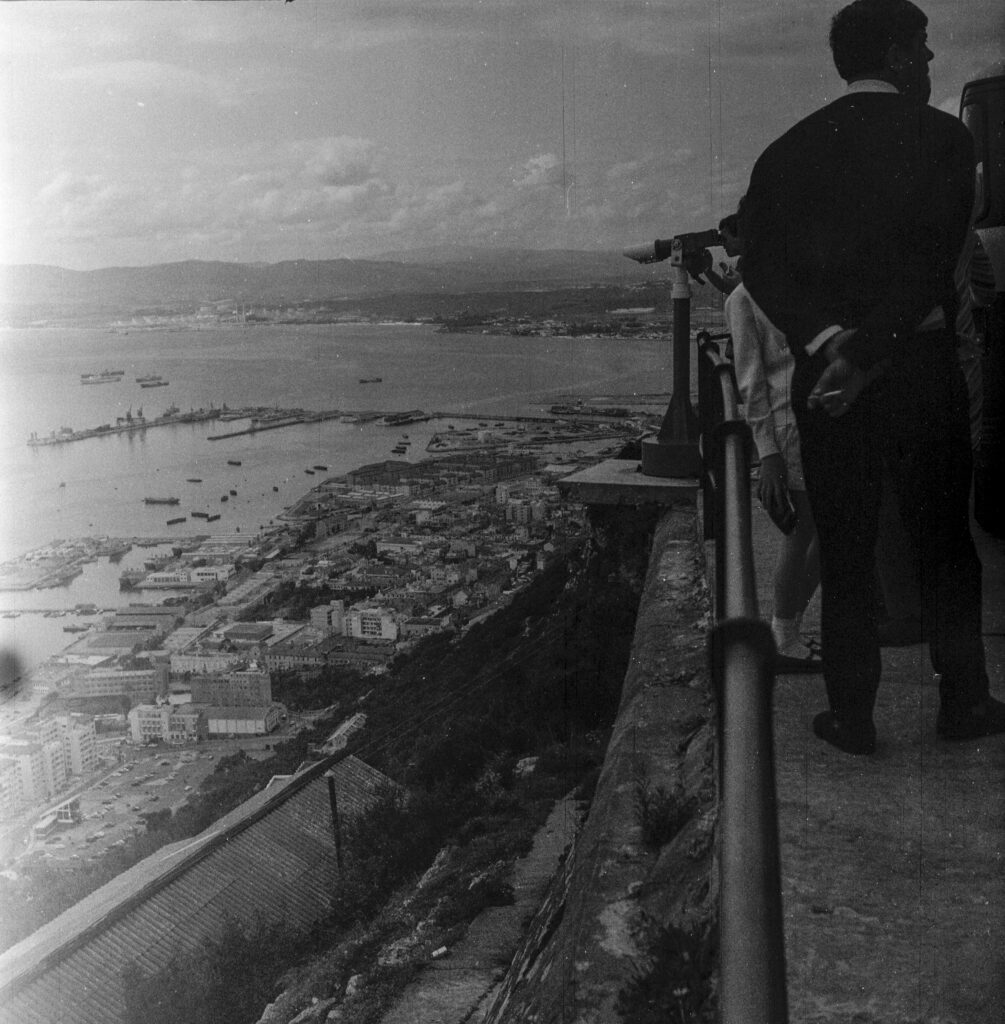
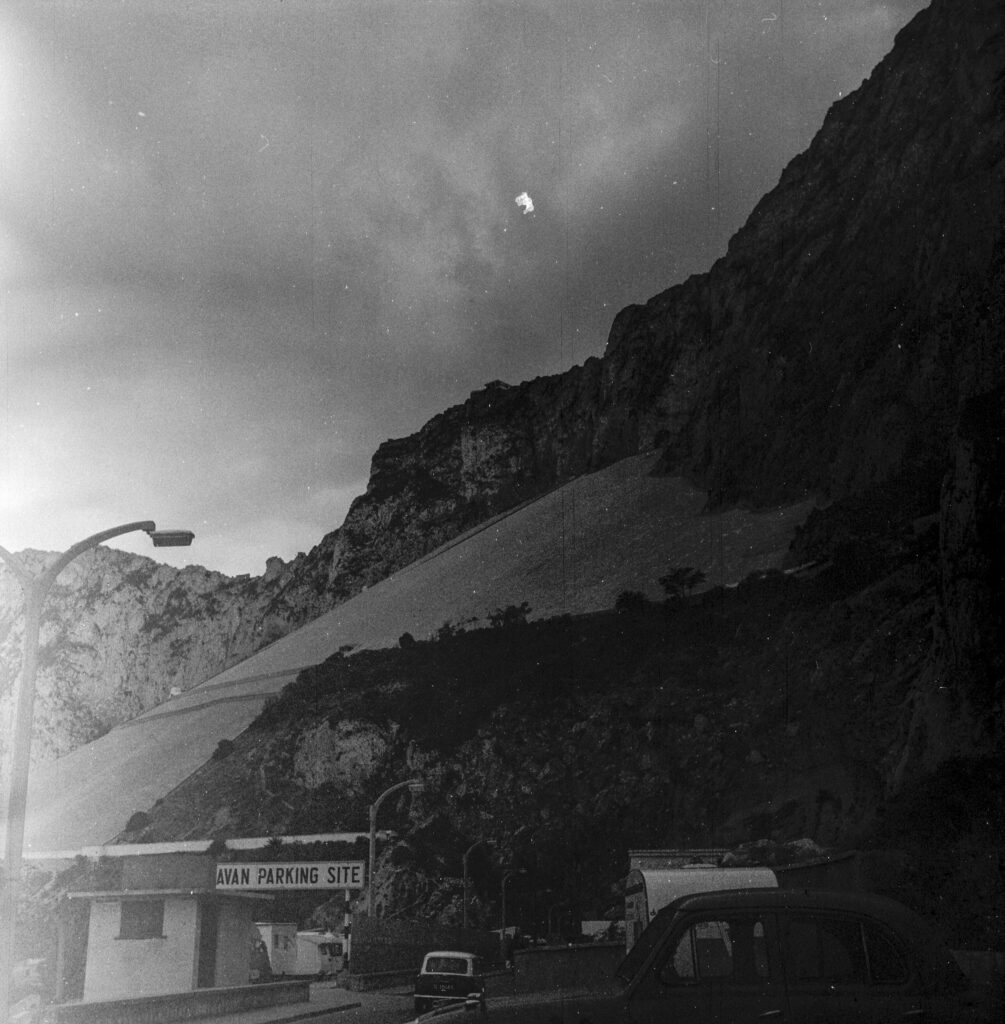
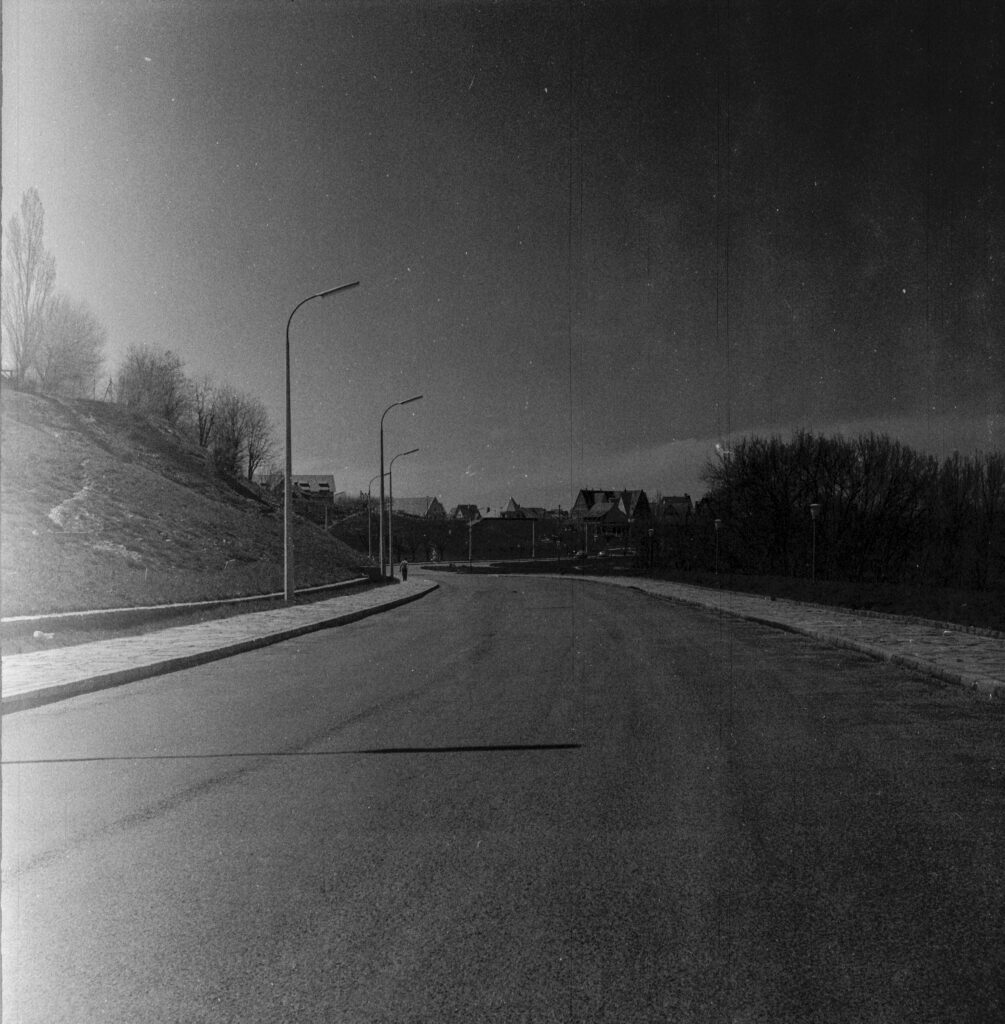
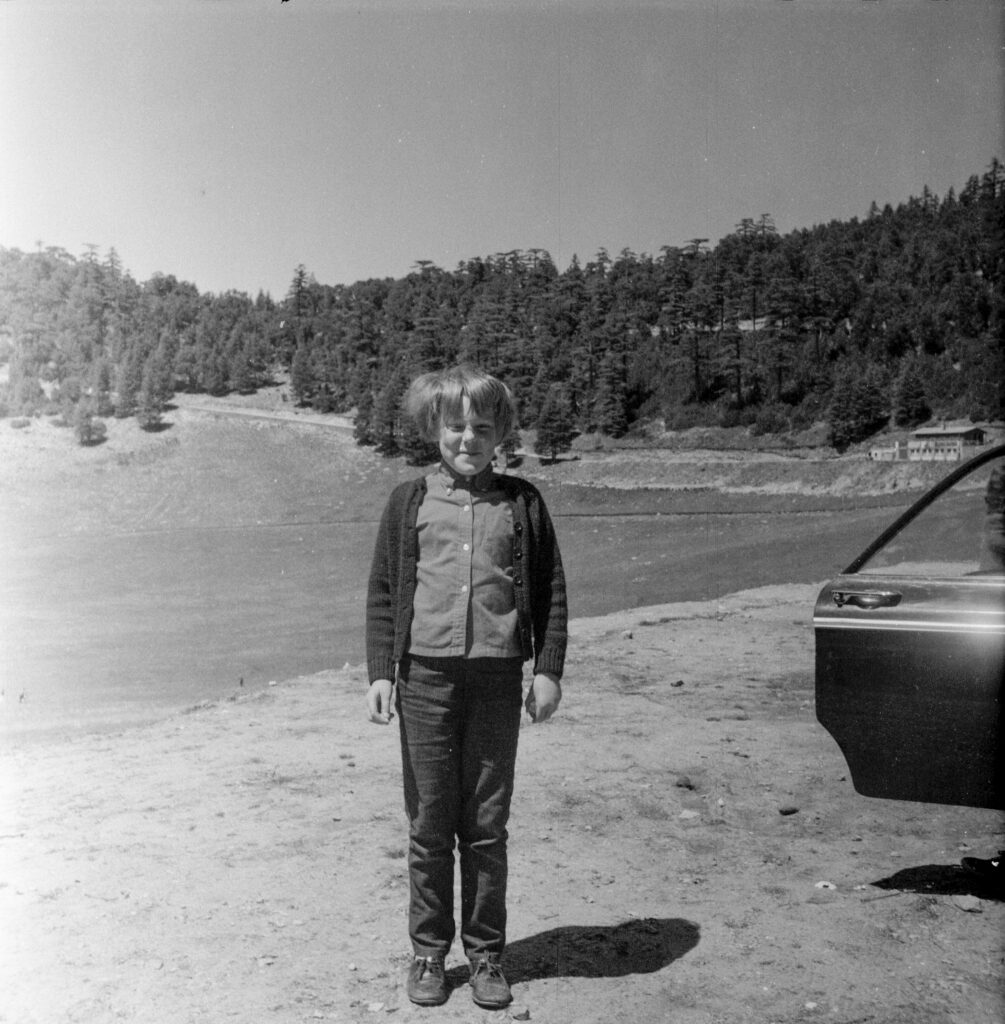
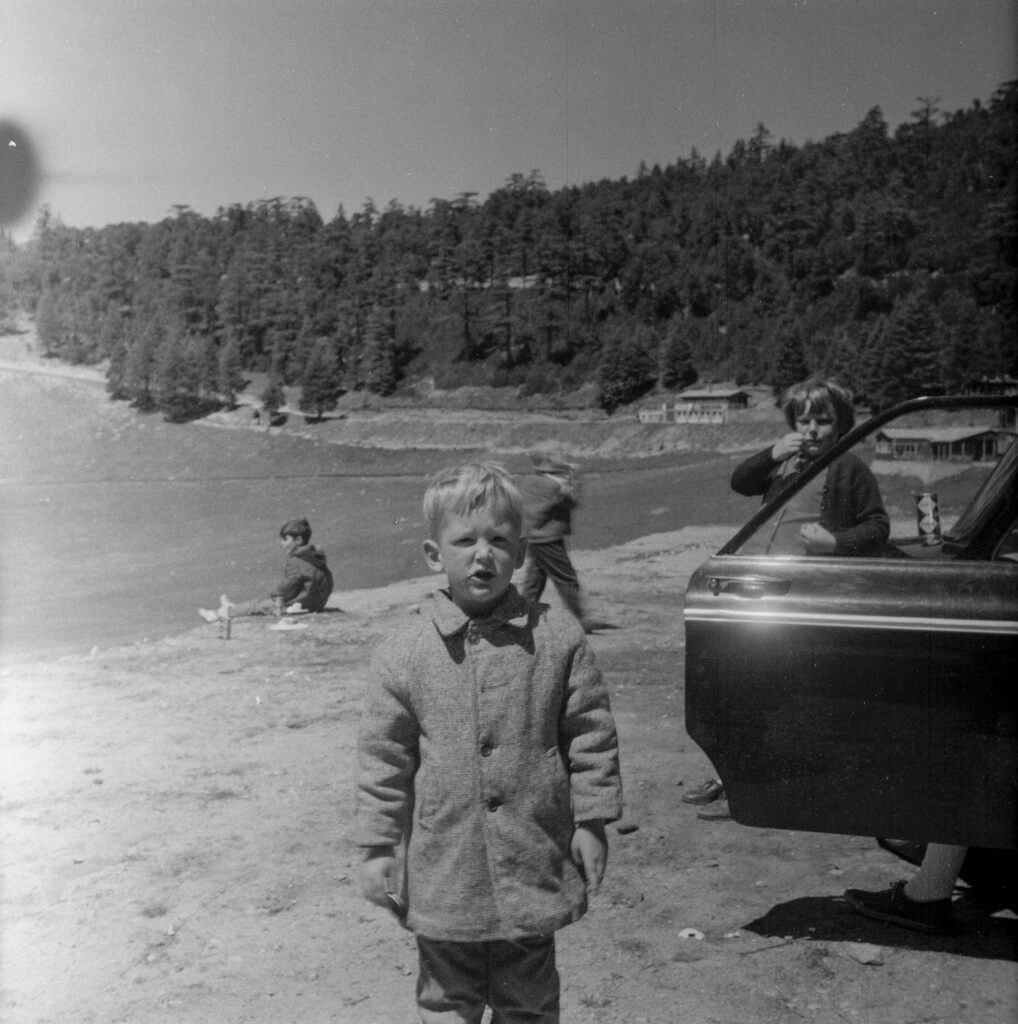
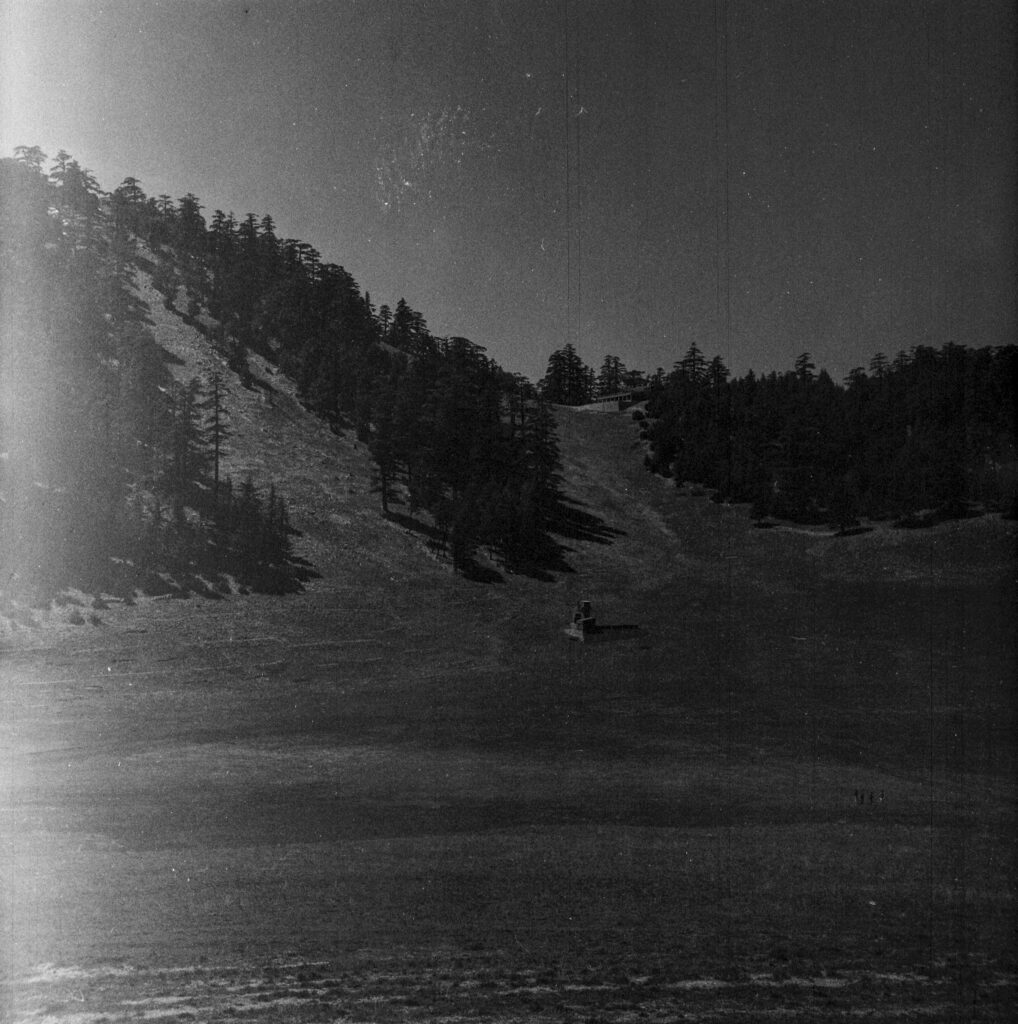
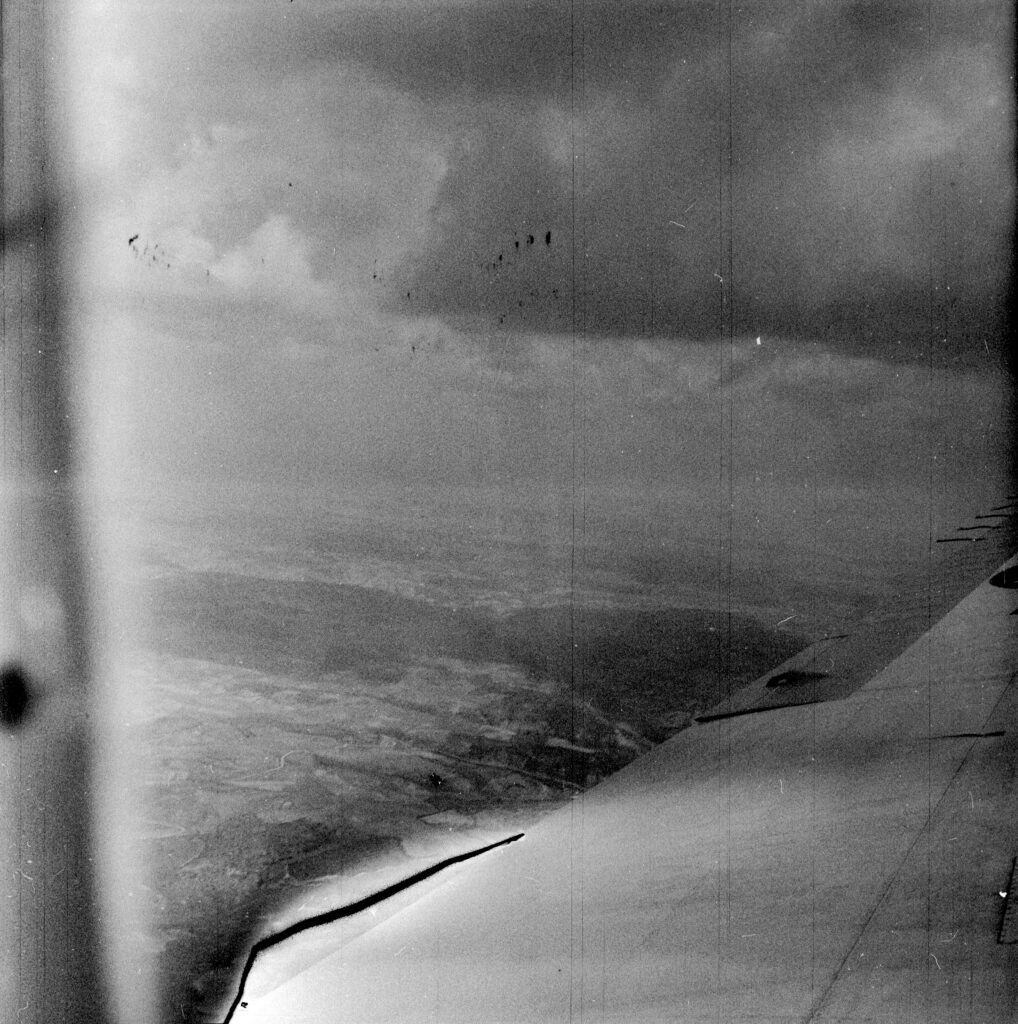
So how did my abandoned film turn out? Certainly the ravages of time had taken a toll on the film but I successfully recovered nine frames. Three frames were blank.
To my surprise at least two of the images can be identified as taken in Gibraltar, some 6000 miles from where I acquired the film. I’ve no idea who the people in the photos are. I’m sure they’ll remain anonymous, but now that I have released them into the atmosphere at least they are no longer forgotten. I’ve given them a kind of life again. Such can be the serendipitous–and to me delightful–nature of developing abandoned film.
A few resources:
Labs that offer color development of C-22 film
- Needfilmdeveloped.com (Philadelphia, Pennsylvania)
- Film Rescue International (Saskatchewan, Canada)
Labs that develop C-22 in B&W only
- Old School Photo Lab (Dover, New Hampshire)
- Analogue Wonderland (High Wycombe, UK)
Helpful article I found here on 35mmc
Thanks for taking the time read this article.
Me on Instagram
Me on Flickr
My website
Share this post:





Comments
Ralph Turner on Processing Kodacolor-X Film in Rodinal
Comment posted: 12/08/2026
All the best, Ralph.
Comment posted: 12/08/2026
shannon on Processing Kodacolor-X Film in Rodinal
Comment posted: 12/08/2026
cheers, Shannon
Comment posted: 12/08/2026
Michael Aaron Sherman on Processing Kodacolor-X Film in Rodinal
Comment posted: 12/08/2026
Comment posted: 12/08/2026
Peter Brixey on Processing Kodacolor-X Film in Rodinal
Comment posted: 12/08/2026
Peter.
Comment posted: 12/08/2026
David Pauley on Processing Kodacolor-X Film in Rodinal
Comment posted: 12/08/2026
Comment posted: 12/08/2026
Richard Scott on Processing Kodacolor-X Film in Rodinal
Comment posted: 12/08/2026
Come in on a Sunday, machine chemicals are only at 20C
Normal C41 is 38C
Not the best images as film is brittle but we generally were successful
Comment posted: 12/08/2026
Gary Smith on Processing Kodacolor-X Film in Rodinal
Comment posted: 12/08/2026
Comment posted: 12/08/2026
JK on Processing Kodacolor-X Film in Rodinal
Comment posted: 12/08/2026
Comment posted: 12/08/2026
Comment posted: 12/08/2026
Tony Warren on Processing Kodacolor-X Film in Rodinal
Comment posted: 13/08/2026
Comment posted: 13/08/2026
Michael Kaplan on Processing Kodacolor-X Film in Rodinal
Comment posted: 13/08/2026
Such an interesting set of images. I really love how the processing and age of film have left you with an aesthetic that speaks to faded memories and the latency of the image. “Found” images always seem to raise questions. In this case, why was this roll never developed? How did it come to be in your hands? You managed to salvage something quite remarkable in your process. Great article.
Comment posted: 13/08/2026
Edward Whiten on Processing Kodacolor-X Film in Rodinal
Comment posted: 13/08/2026
Comment posted: 13/08/2026
Erik Brammer on Processing Kodacolor-X Film in Rodinal
Comment posted: 13/08/2026
Comment posted: 13/08/2026
Jeffery Luhn on Processing Kodacolor-X Film in Rodinal
Comment posted: 14/08/2026
Comment posted: 14/08/2026
Ken Tuomi on Processing Kodacolor-X Film in Rodinal
Comment posted: 18/08/2026
Comment posted: 18/08/2026