

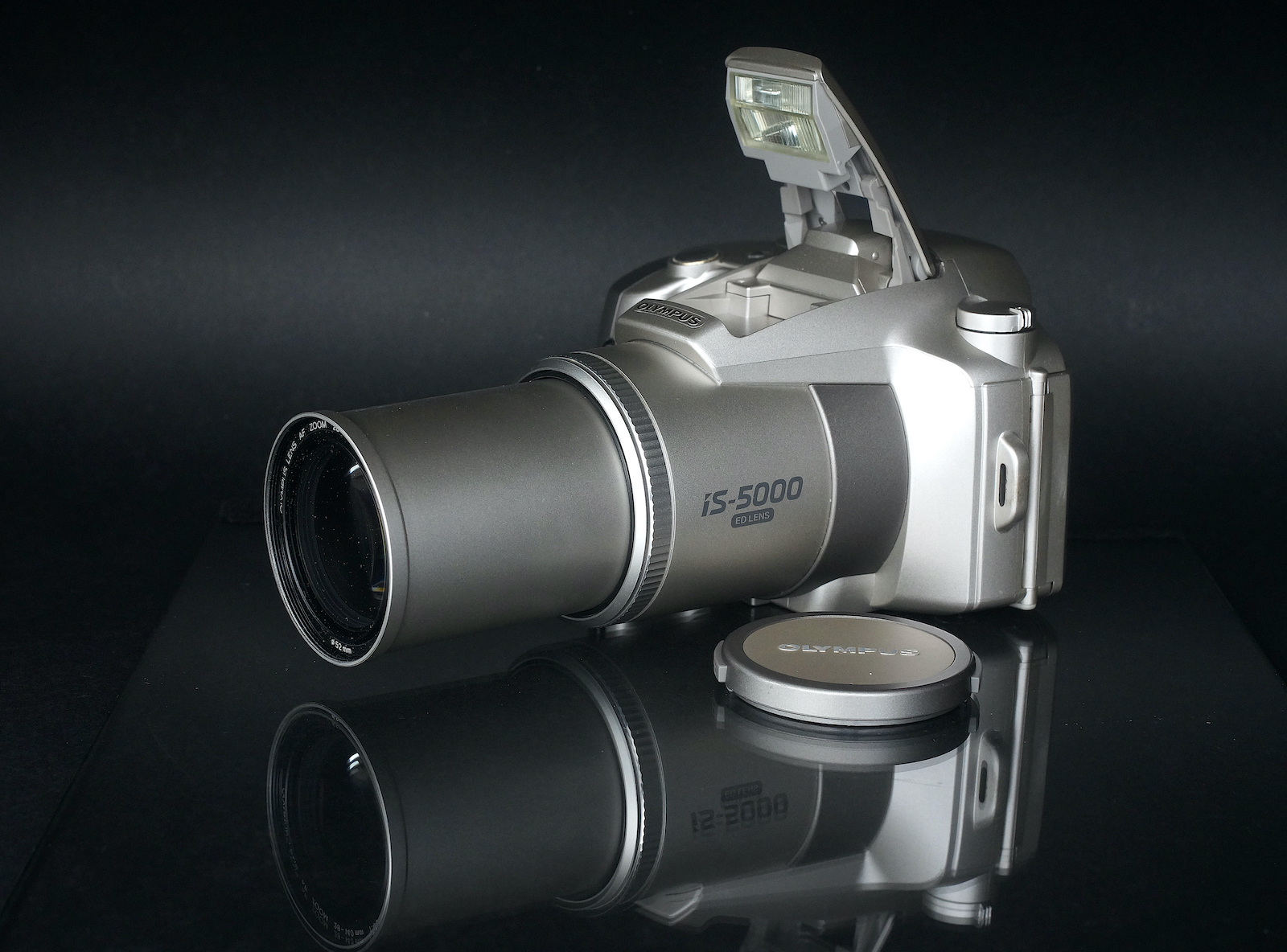
How often do we say ”I really shouldn’t have let that one go”? Well I recently had the chance to test this out on an Olympus IS-5000 from 2002 I reviewed some time ago. I had passed it on to my grandson who took to it immediately. But he is off to Canada on his “big OE” as they say down here in New Zealand and wanted his last FP4+ processed before he left.
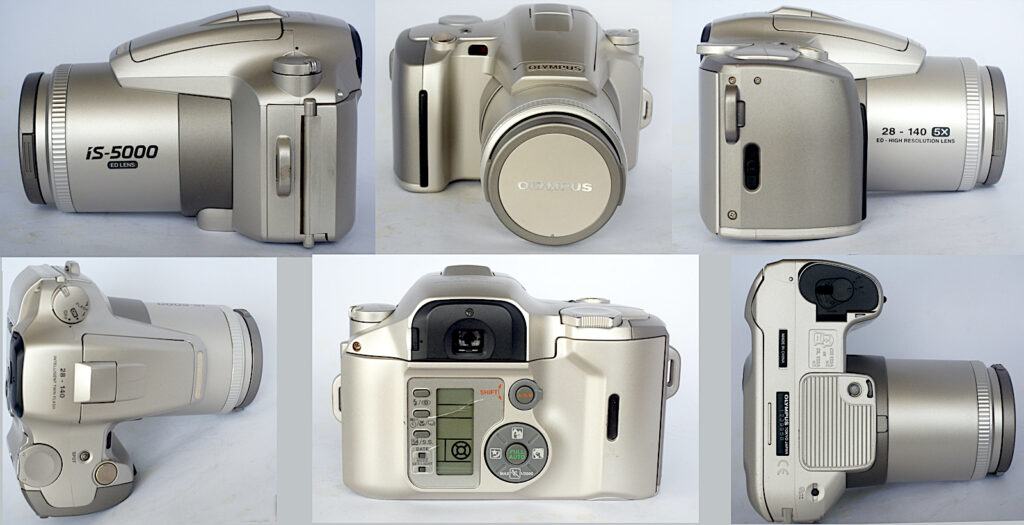
With there being a few frames left I shot them off before taking the film out. This impressed me more than the first time I used it. The ergonomics are really well thought out for an easy user experience. There is still the 85% finder to contend with but, as I had thought earlier, this is probably intentional. Aimed as it is at someone who would mostly use colour negative film, trade processed, allowance would be made for trade processing tending to crop slightly as a matter of course. Allowing for this makes sense in its intended market. No one is going to appreciate having bits cut off around the edges if they have framed the shot tightly.
The five
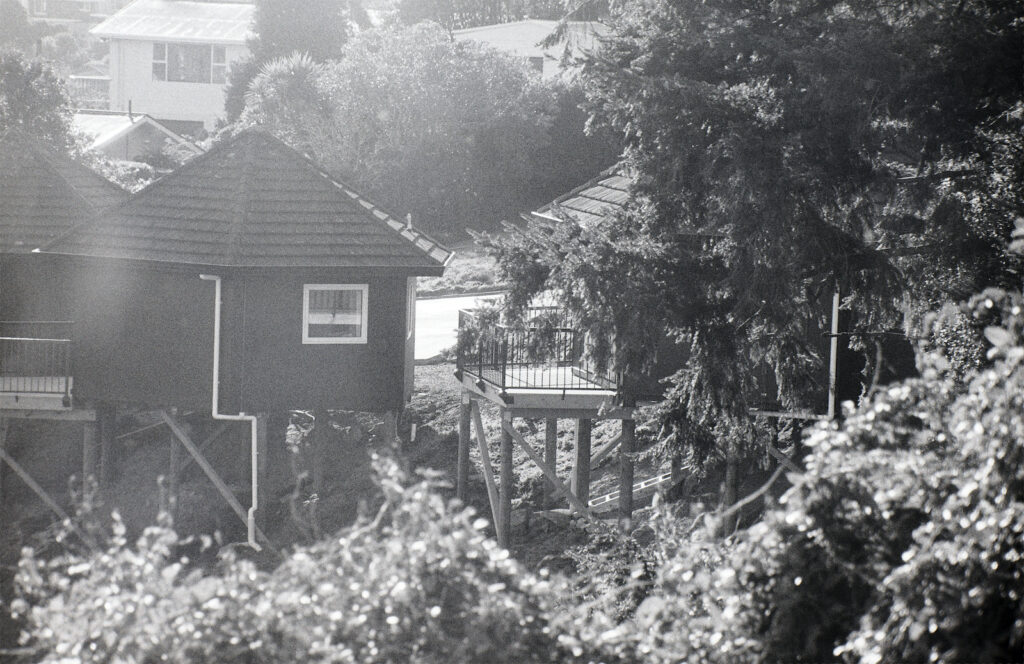
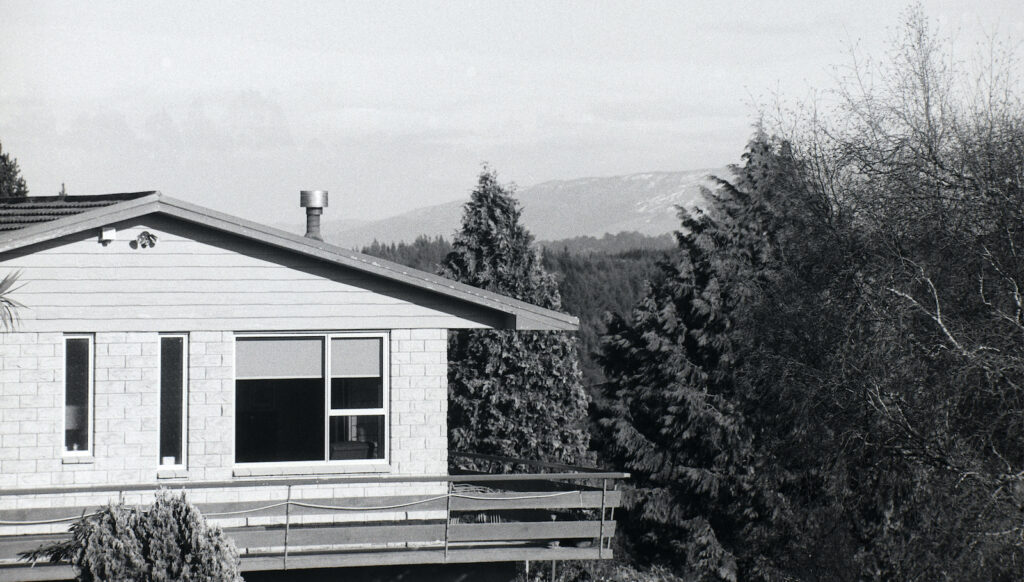
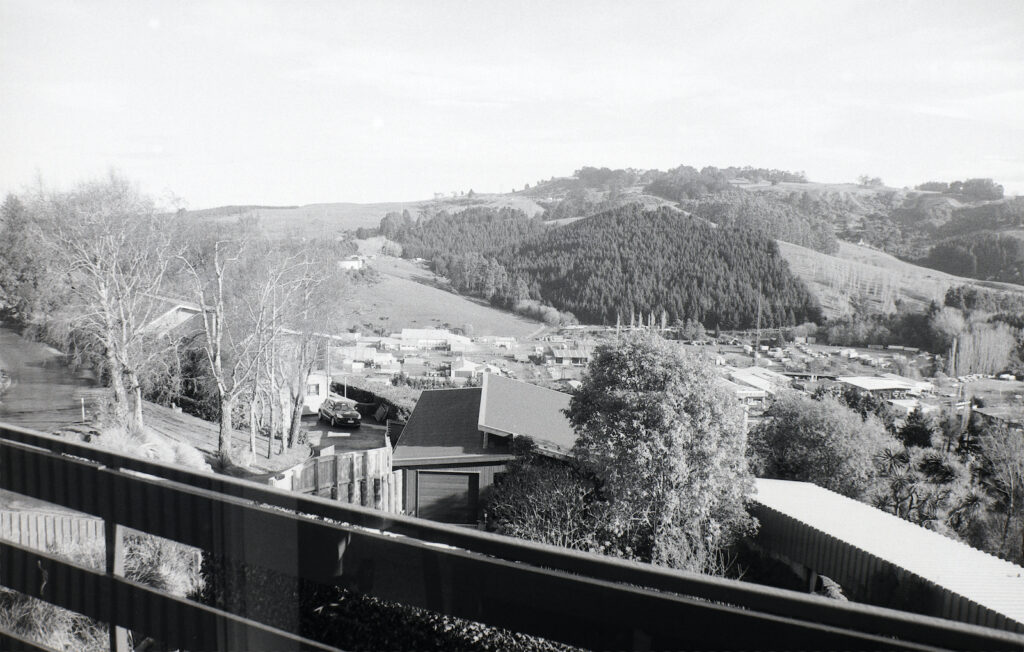
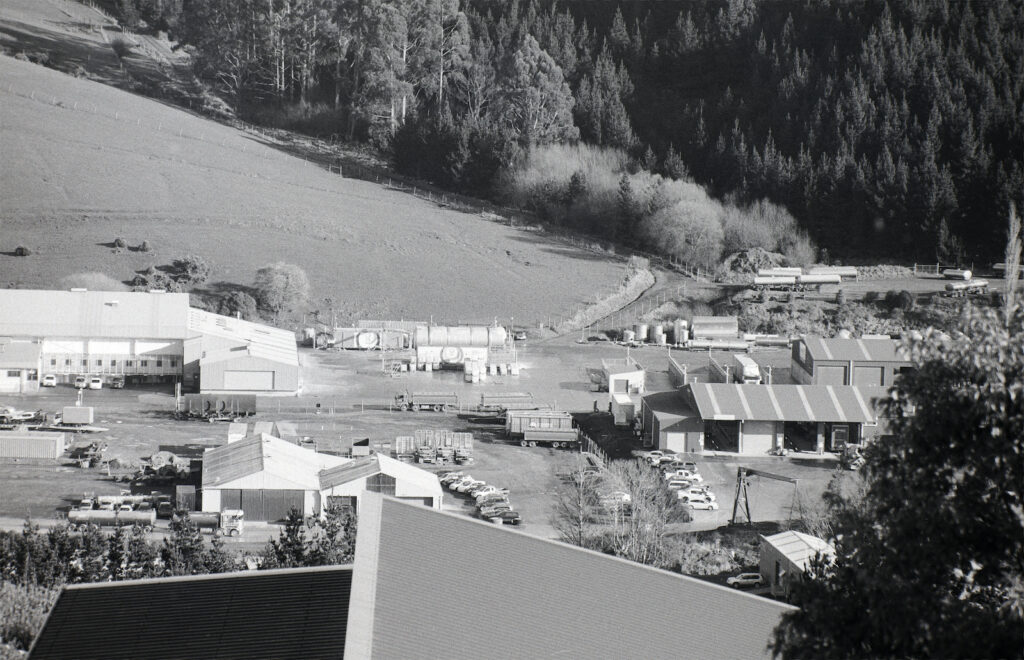
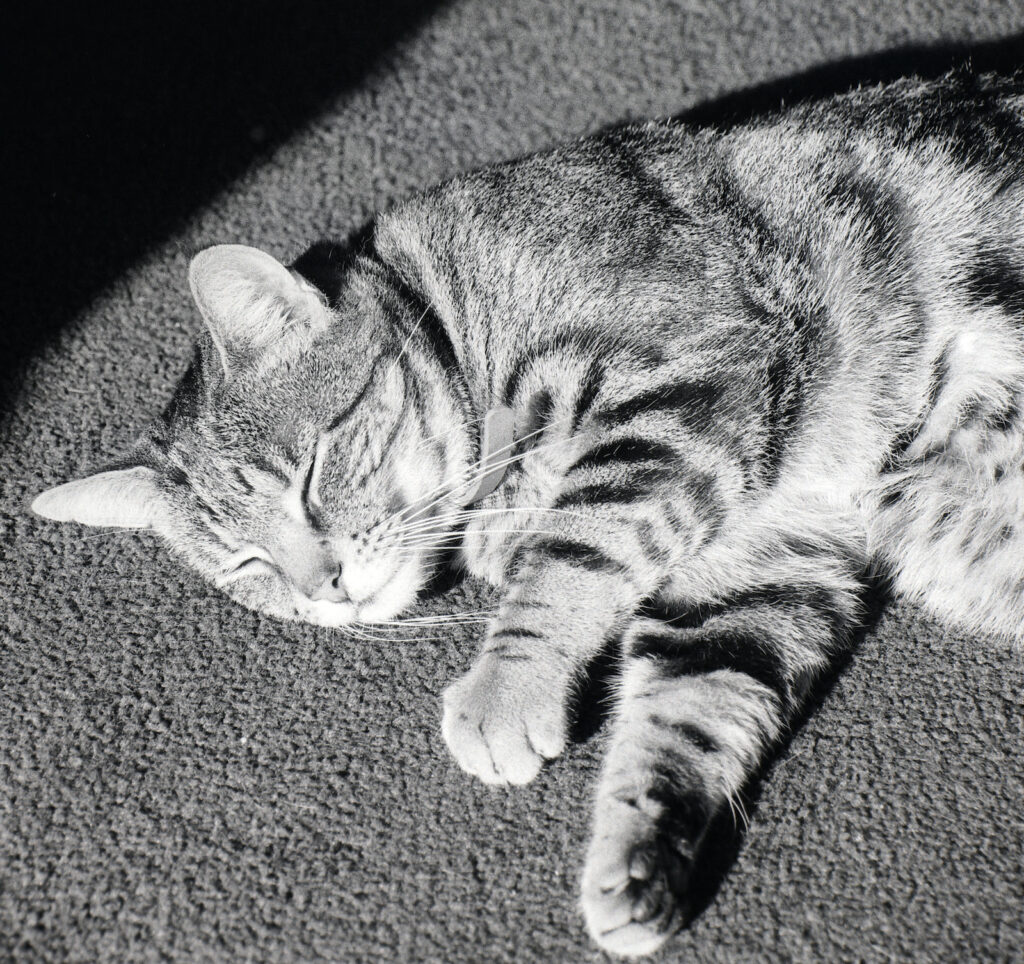
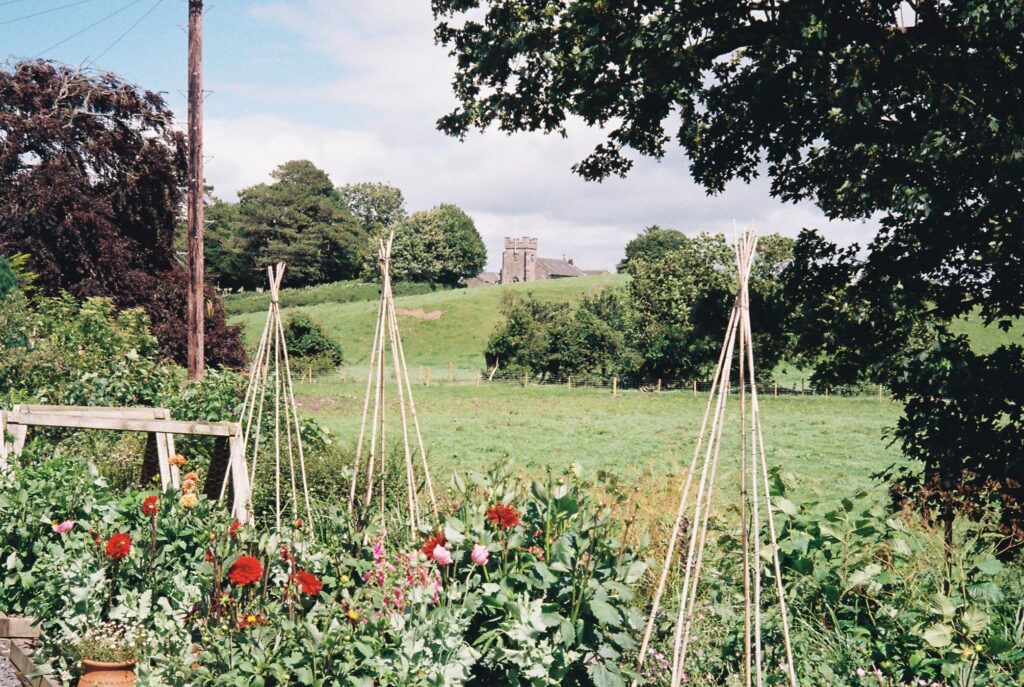
I think trade processed colour negative really suits the camera too. The FP4+ in Rodinal at 1:25 as used here is a tad contrasty. I usually use 1:50 which would have been a little less harsh given the quite strong light conditions. My grandsons exposures had been largely taken in quite flat lighting which is why I had selected that dilution.
All these were taken within a few minutes of each other, quite early in the morning on a clear, early spring day.
Comment
Though this beautifully designed little camera is ideal for the casual shooter, it is not one I regret having let go, especially as it seems to be fuelling a 22 year olds interest. It does represent one of the last iterations of the consumer fixed lens 35mm SLR which could be said to be itself a bridge from film cameras to the bridge camera of digital days but with much simpler control system to deal with.
Share this post:


Comments
No comments found