

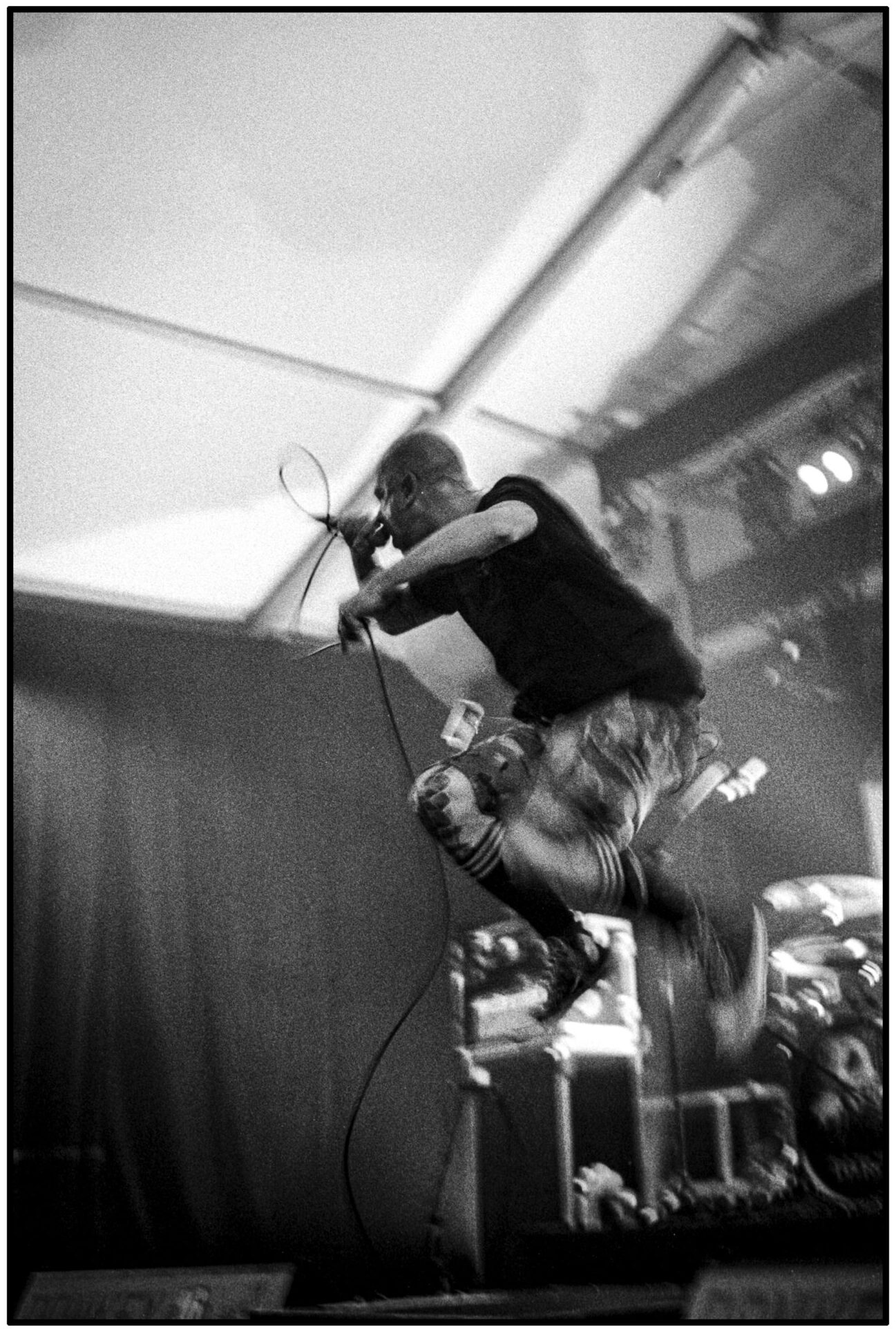
Ever since I was a child, I loved music. I still do. In fact, it is one of my motivators in life, it always boosted me and put me in the right state of mind. The experience of listening to a live performance is very difficult to explain verbally. First, even before the show starts there is the mood of the people around you and the waiting and anticipation for when the music starts.
Then there is the brutal bass that literally passes through your body, and eventually the voice of the singer and the whole arrangement. The closer you are to the stage, the closer it gets, if you are watching a musician that is on good form and enjoying him/herself on stage, you can feel it. It takes over your own emotions and pushes you into a collective experience that is shared with the audience as well as the performers. Quite often at a concert, people tell me that having a camera dulls my senses, as I’m constantly concentrating on my camera, moving around to find the right light, changing shutter speed, focusing, and not being in the present moment to soak up the experience of the music. This is so far from the truth!
After many years of practice, I can shoot a performance on pure instinct while I enjoy the show and the camera acts as an amplifier for these musical and emotional vibes/frequencies that fill me to the top. Each time, I leave a venue, if the musicians and I were in sync, I’m heart warmed, full of energy and feeling soooooo good!
Early Efforts
One day I arrived by chance at a café concert in a small town equipped with my favorite camera, a rangefinder. The bands were great, and as a first rule from doing street photography I had my camera on me, ready to shoot. Not knowing the basics of good exposure nor the basics of concert photography, I just followed my instinct, trusted my in-camera light meter, and went on to shoot a lot!
These first results were catastrophic: underexposed images, images taken from too far away where I had too many people in front of my subject or even shots from the wrong place to see or feel the moment. This is the digital age, so yes, I could crop to get closer, but no amount of digital manipulation can rescue a shot taken from a poor angle or one with exposure issues beyond reach. My experience as a photographer told me that wasn’t the way to do this.
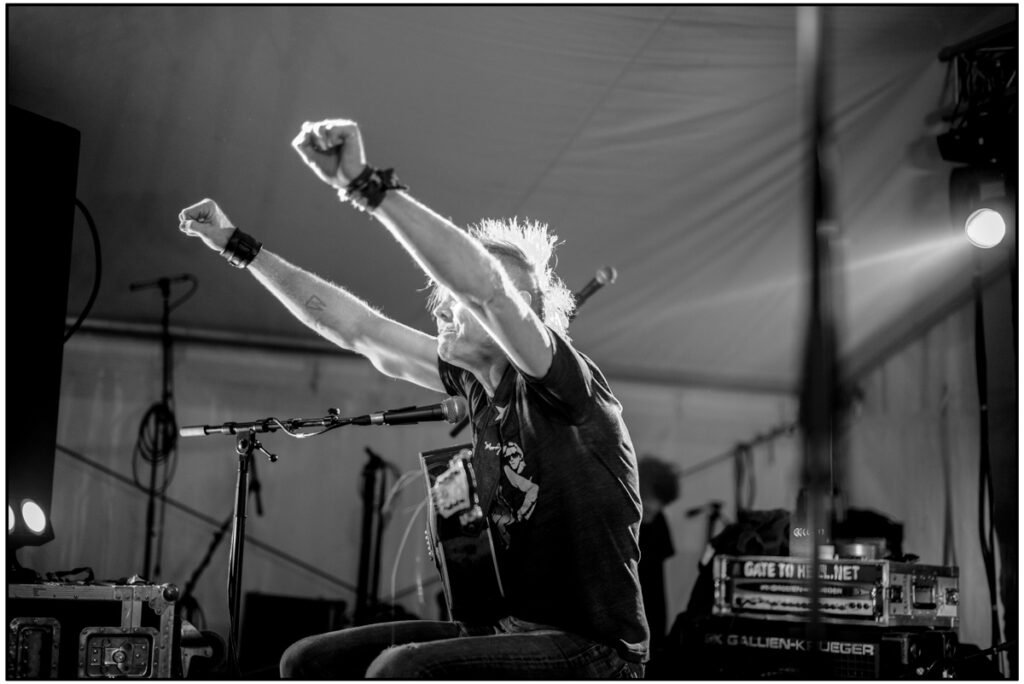
I love the moment in the photo above, but the angle ruined the image and he is too far to the left. A better composition would have given a keeper. The mood was terrific!
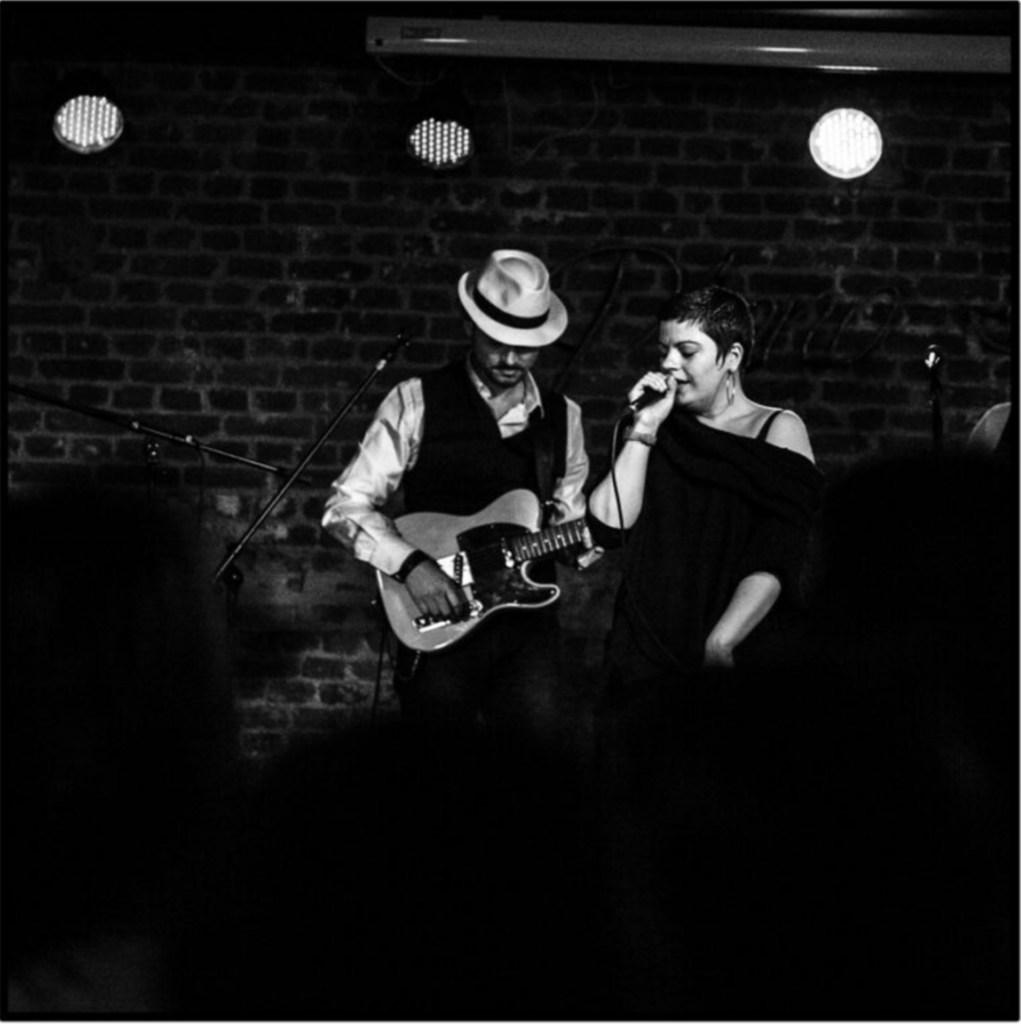
I this shot, the people are swallowed in black shadows, as I had to crop the hell out of this picture to get an image that has any feeling for the performer
First Successes
I hadn’t a clue how difficult it would be to shoot musical artists on stage, especially performers who move a lot as they sing or play. The challenges can be compounded with all too common bad or constantly changing lighting. I think this is one of the most difficult kinds of photography I’ve ever attempted, especially with an all-manual camera. I was always chasing focus and trying to hit a good moment for lighting & composition. Sometimes, I was lucky and could pull focus then shoot, but most of the time, I was too late. This taught me to focus like a bat out of hell, later adding the framing in a fluid movement. If I am unlucky, my subject will shift suddenly away from the spot I had focused on, usually doing the rocking chair on the mic. That left me with two approaches: set my focus and hope he/she moves into that point, or constantly following my subject, adapting focus and framing along.
With a lot of practice that resulted in something like these:
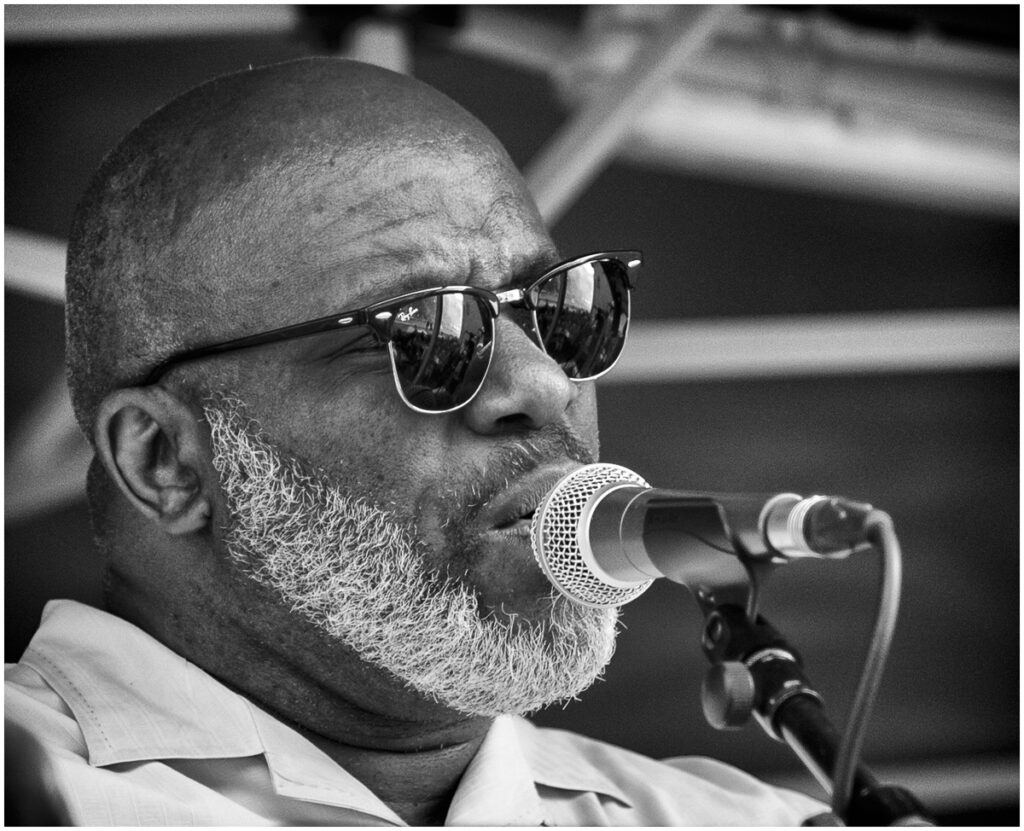
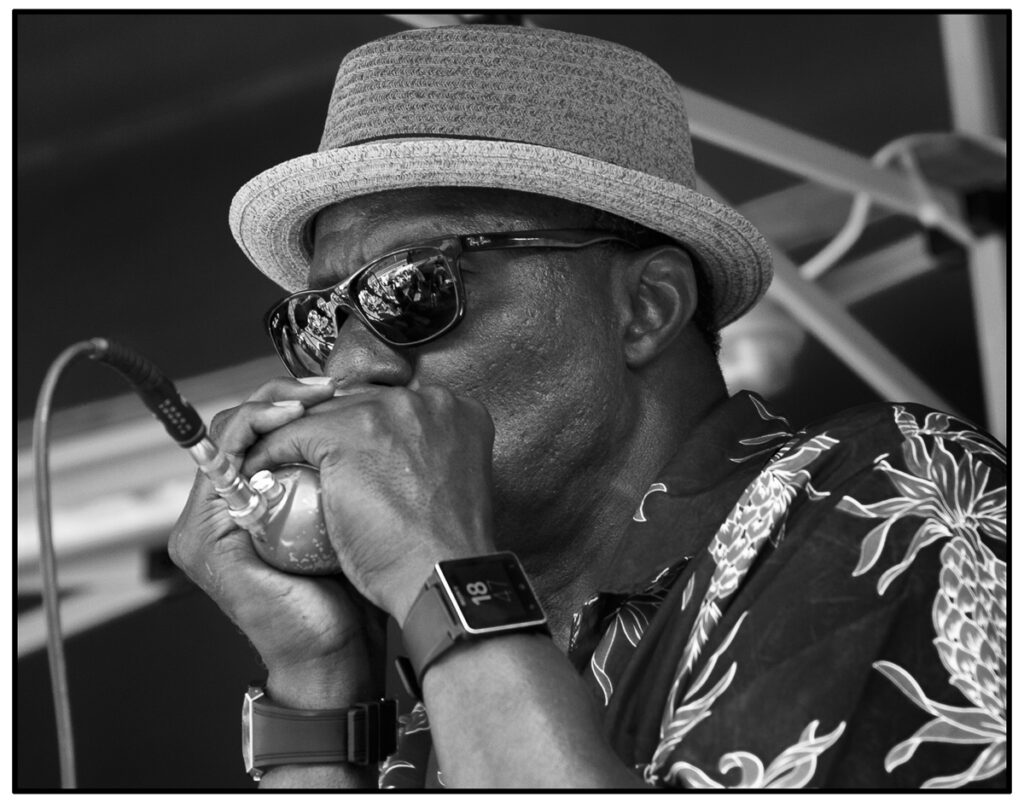
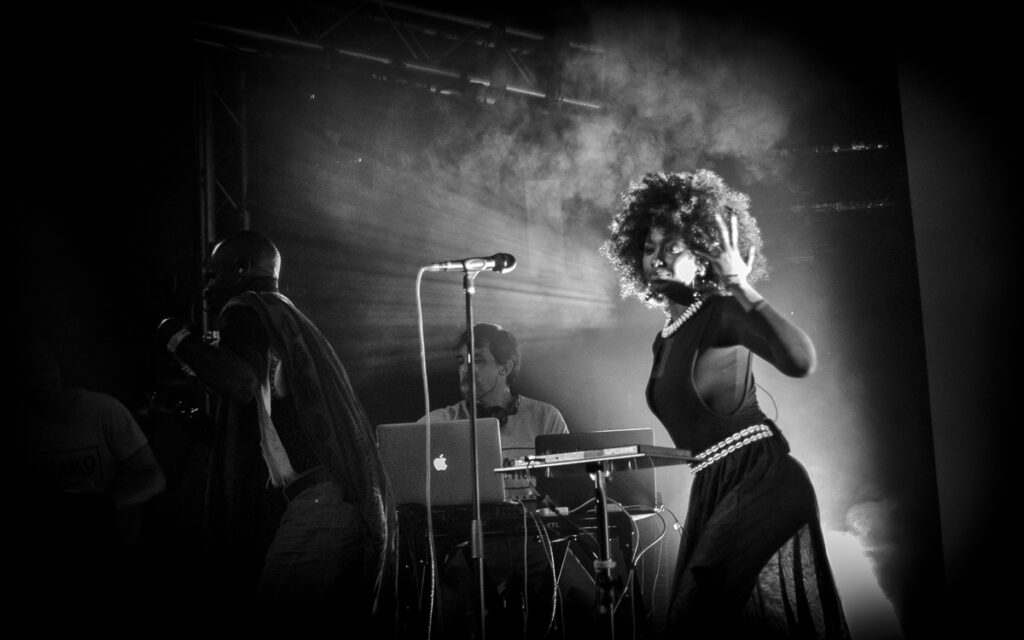
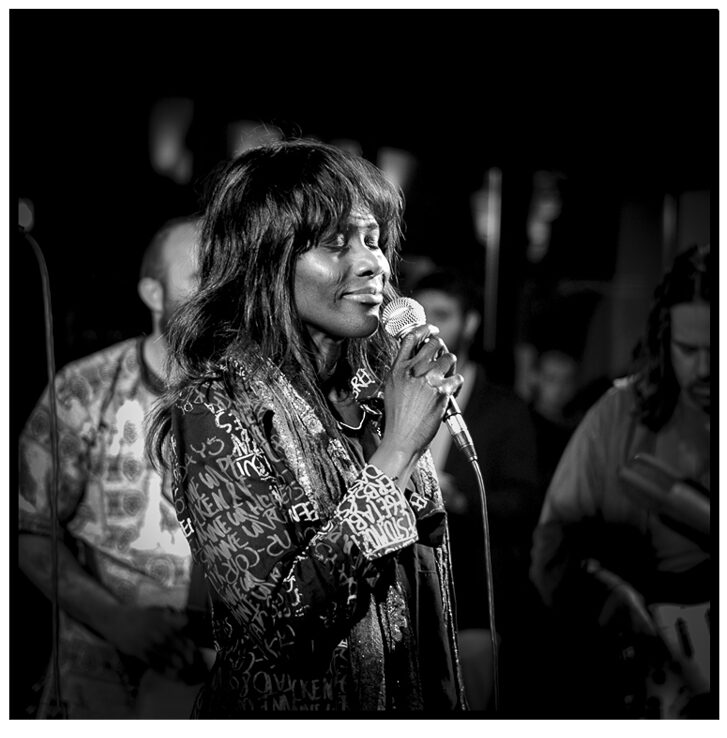
At least, I was getting some pictures, that were not awful to see, including an occasional keeper. However, we are talking about 500 to a 1000 images taken on an evening!
Starting with Film.
Shooting a lot with a friend who switched from digital to full analogue film, often shooting the same subject side by side made me realize the beauty of film. Seeing his results and comparing them to mine was, I think one of the biggest catalysts for me to return to film. As I did start shooting on film in the 90’s, it made me wanted to try again.
Switching from digital to film photography is the best decision I ever made as a photographer. It taught me the essentials of photography: how to frame, how to develop and how to process an image with an enlarger. All these new tricks and techniques where directly applied to my way of processing an image, whether from digital or film capture. Central to my emerging style is to try to to let my subject come out naturally as the first and hopefully the only point of interest in an image. No need for a lot of tricks in photoshop (like adding blur, too much vignetting, etc.), knowing my lenses and their DOF allowed me to have just what I wanted in focus, the rest in the bokeh. Shooting film taught me that that.
You may ask yourself, why with film and not digital? The answer is kind of simple: I firmly believe that film is the way to go to really understand the basics of photography, especially if you shoot a lot, as I did. With film, you only see your result after processing. With me it could take time, sometimes month before I develop a batch of film. So when I eventually see the images for the first time, seeing only a black frame, bad composition, bad exposition and so on, adding the cost of these rejects, you begin to shoot differently. This is where the knowledge of the basics is so important. That is why I say that I learned photography through film, not digital (where you see instantly the result and correct it. I tend to forget what I did afterward). With film, sticking to one ISO, one emulation and one developer, made me learn how to react to bad lighting, frame better, choose the image I wanted
As for dealing with the challenging lighting conditions, and how to achieve a quality exposure, well, I spent 2 years with a handheld light meter, firing it up every time I saw the light change. People used to look me like I was an Alien! But with practice, I was using it to confirm my guesses, and now the game has completely changed for me, in an instant I know what the light condition are (80% of the time I’m spot on, 10% false by one or two stops and the last 10 % are rejects). I still have my hand-meter with a spot meter, which helps when back lighting and front lighting plays their games.
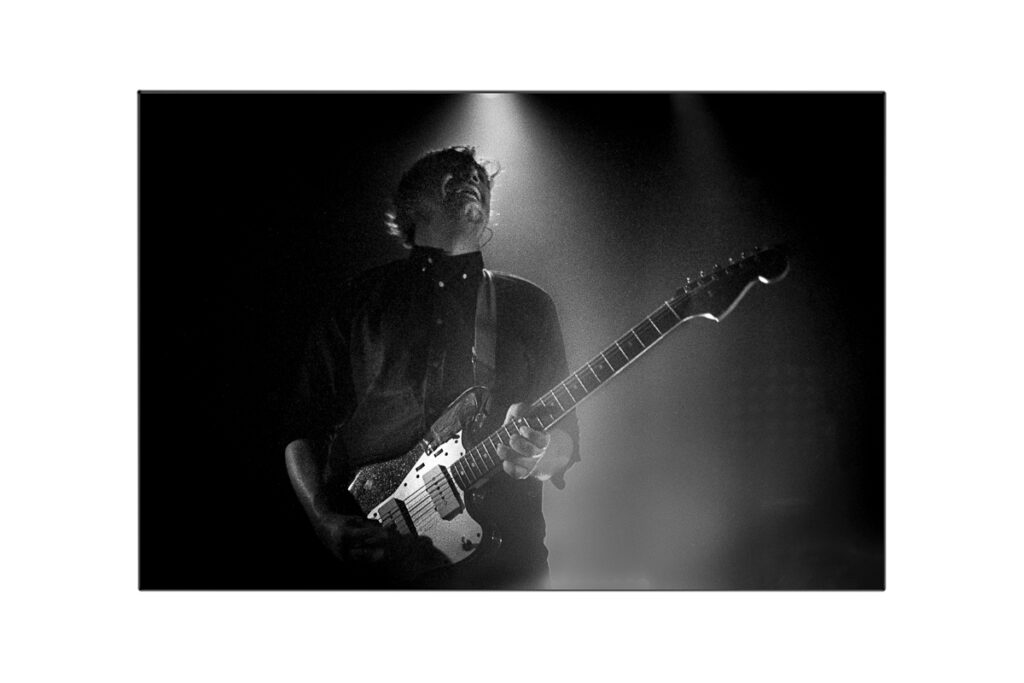
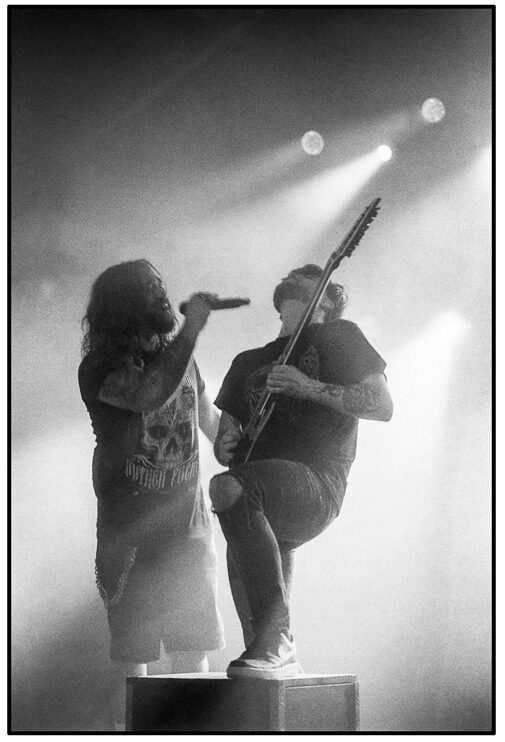
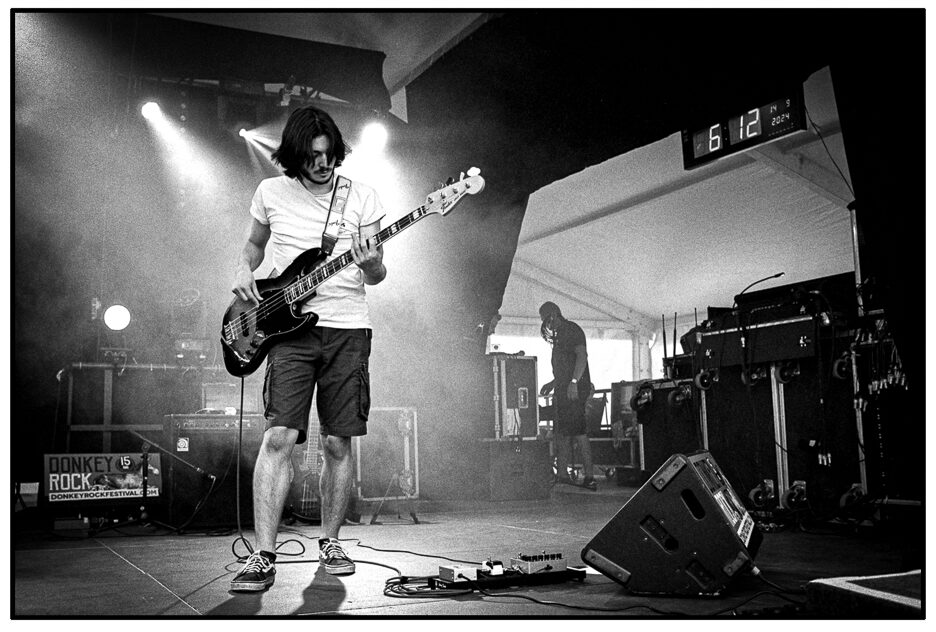
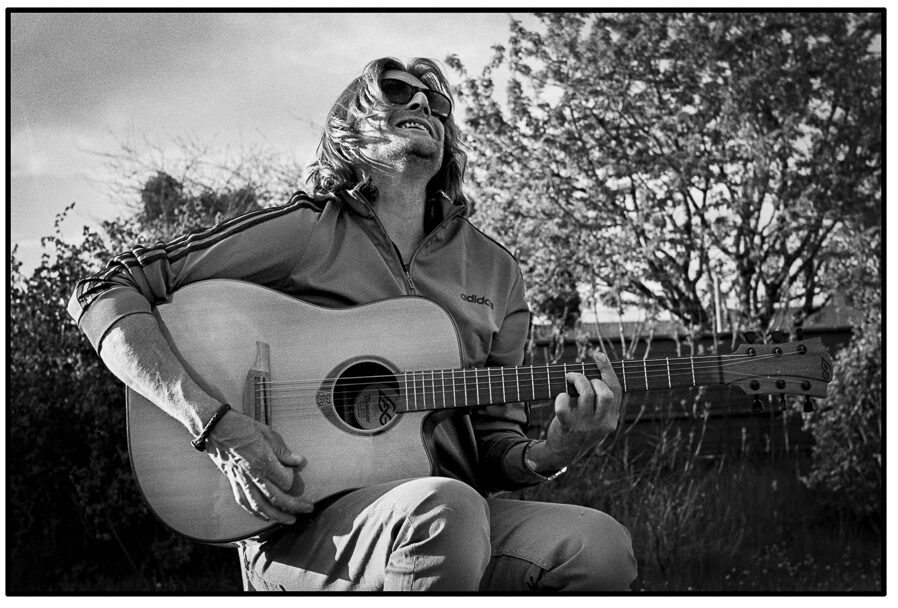
Leveling Up
All, the trials, and errors, all the technique, studying great music-photographers have prepared me to stand in the ring again. But this time, I will be in front of the scene, at 400ISO, with at leat three cameras: M2 – 50, MP – 75, R8 – 100, sometimes also MA – 35.
I always shoot with at least 3 camera on me. The switch with R8 is simply because I’ve always loved it and the price is so low (500 euros for a good one in box) that I bought it to complete my collection. I tried it once at a concert with a 60mm macro 2.8 and the viewfinder was magnificent: easy to use and focus, I knew I had to find a good lens for that gem, and the result I get from the 100mm lens are so good I must have it with me!
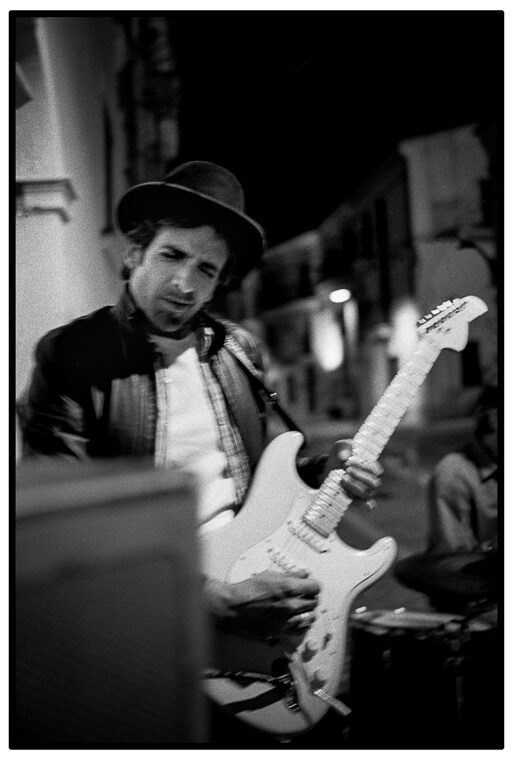
Now with hundreds of concert shoots under my belt, when I see something coming, I instinctively know which lens will give me the best result. I then take the corresponding body, frame, focus and wait for the moment! Also, all this experience, instinct and preparation, enables me to follow some musicians going into the crowd, where shooting in dim light at a distance of 3 feet, accurate focus/framing is an absolute, giving me keepers of people playing/singing at 1/30 (and bellow) on a 400ISO film.
Here is an example of a musician doing an impromptu walk outside the scene, he was walking and I was in front of him at about 3 feet in very dim light : Change of speed/Focus/Frame/Shoot!
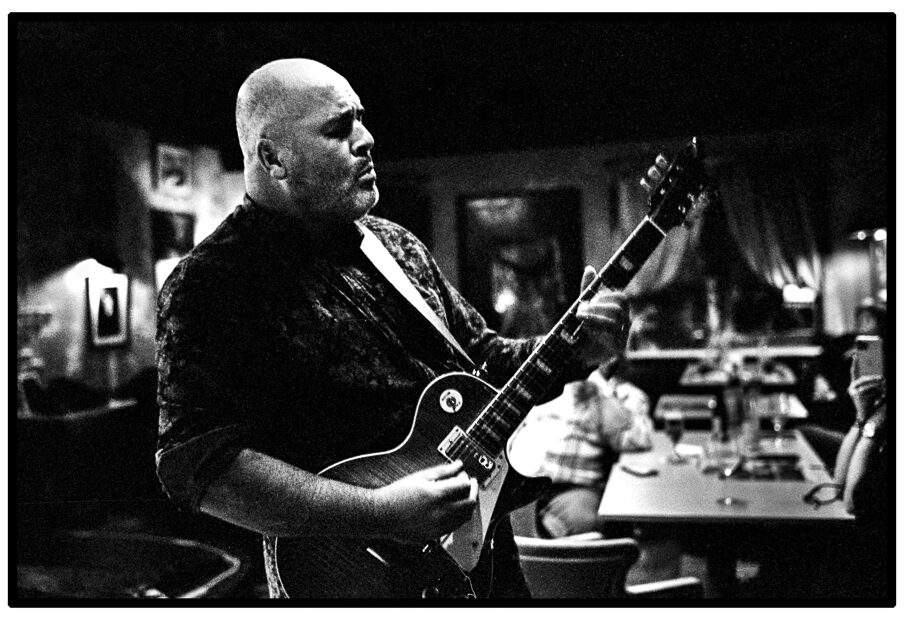
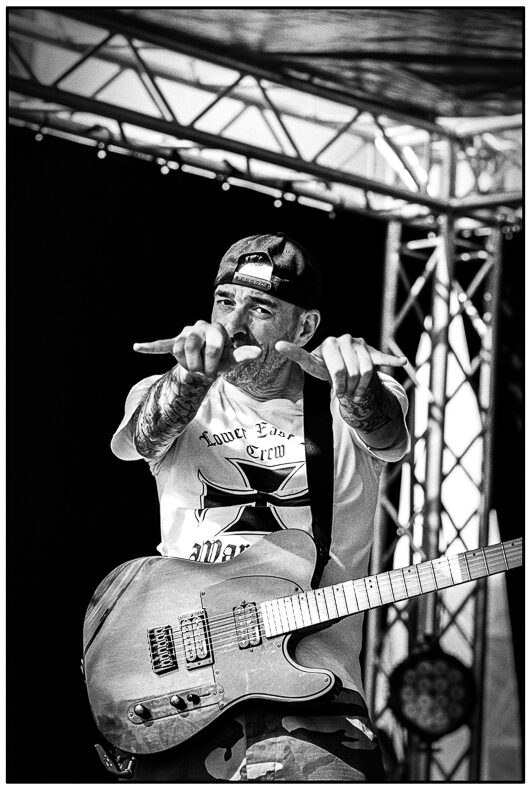
Having raised my levels to the point where I’m able to shoot images that are technically satisfying, I’m now chasing after emotion!
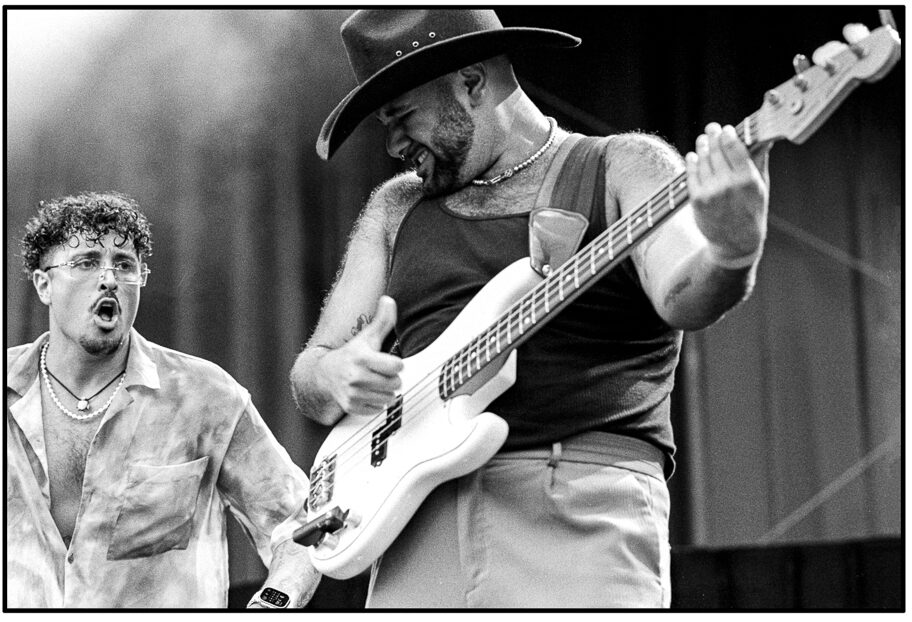
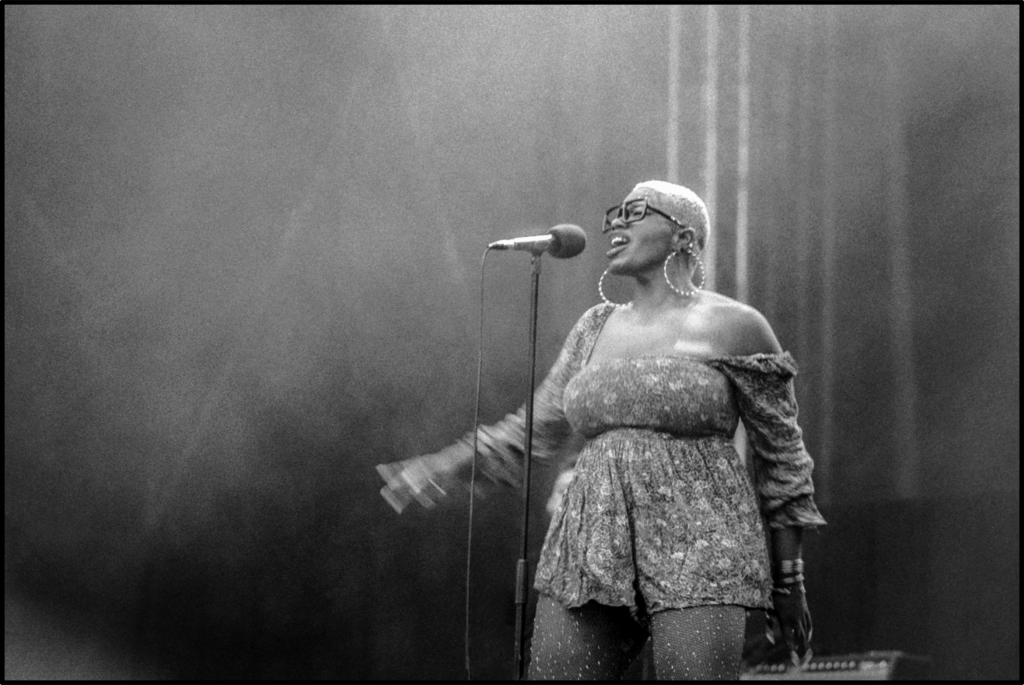
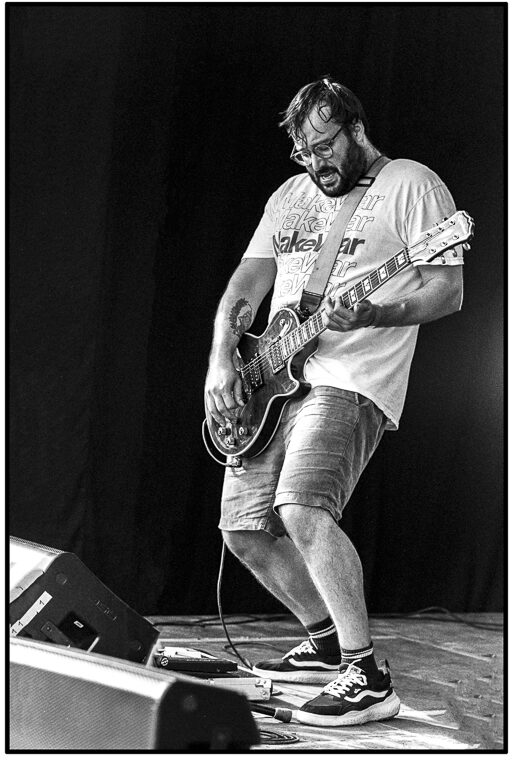
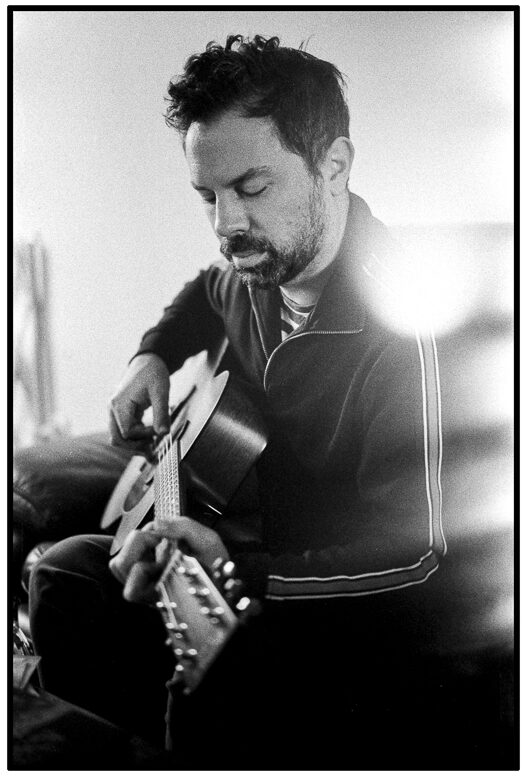
M2 – 50 APO
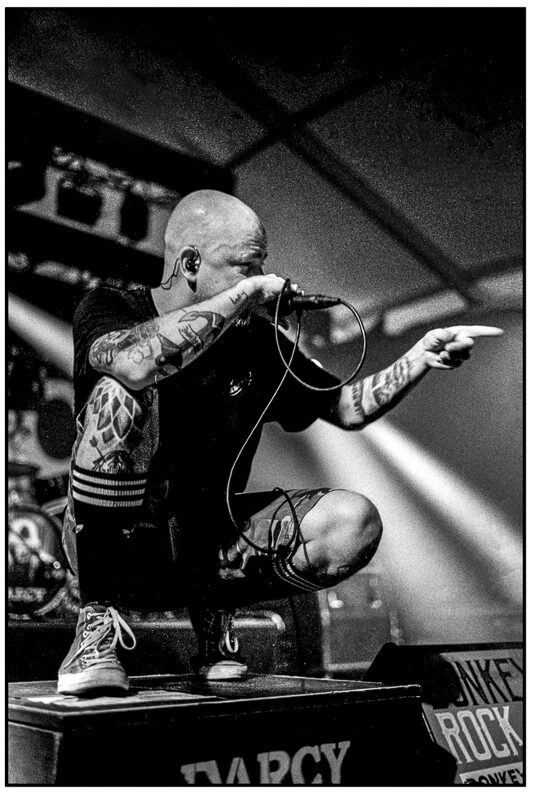
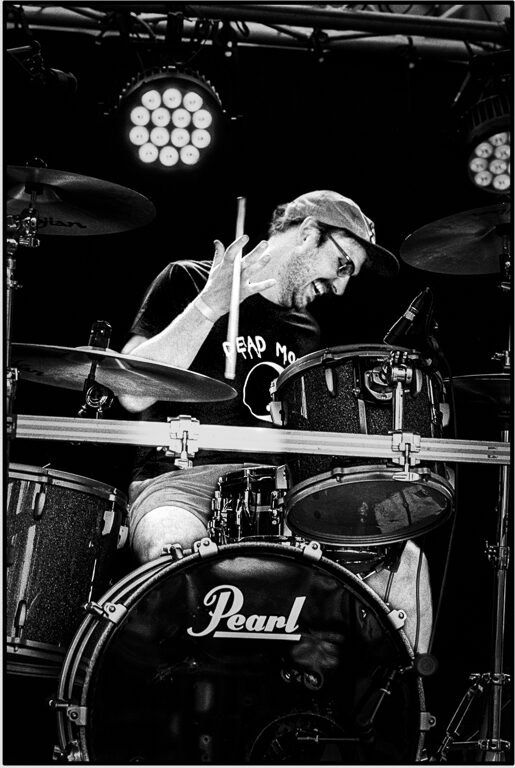
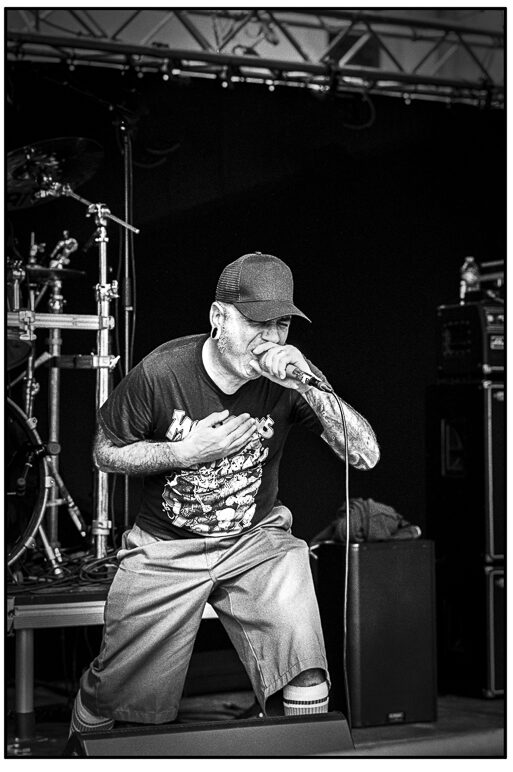
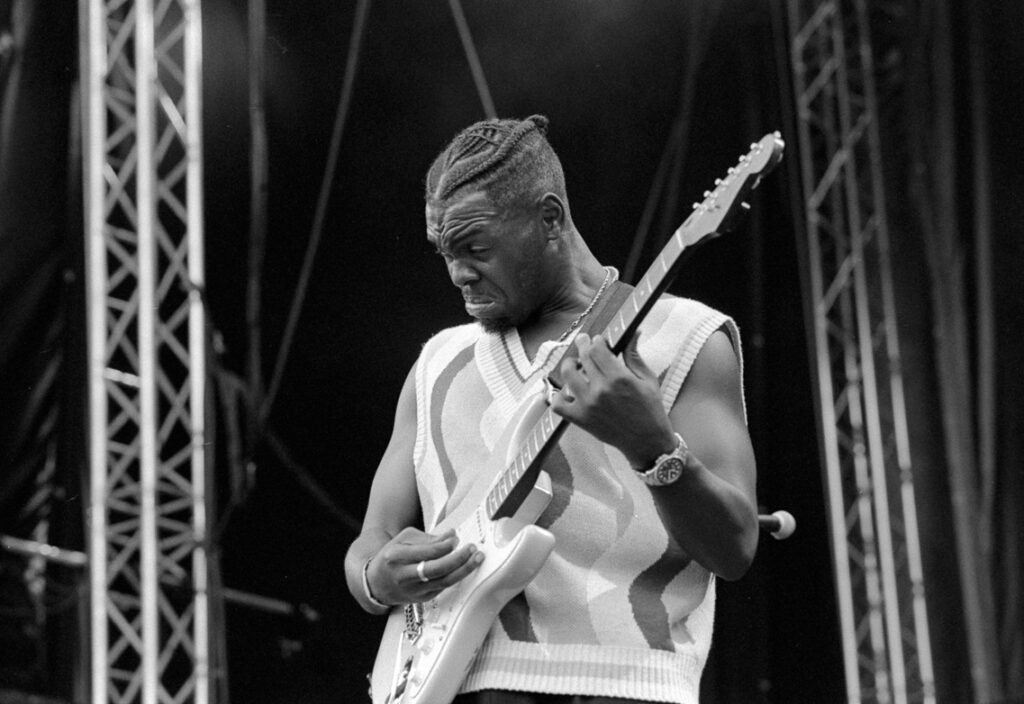
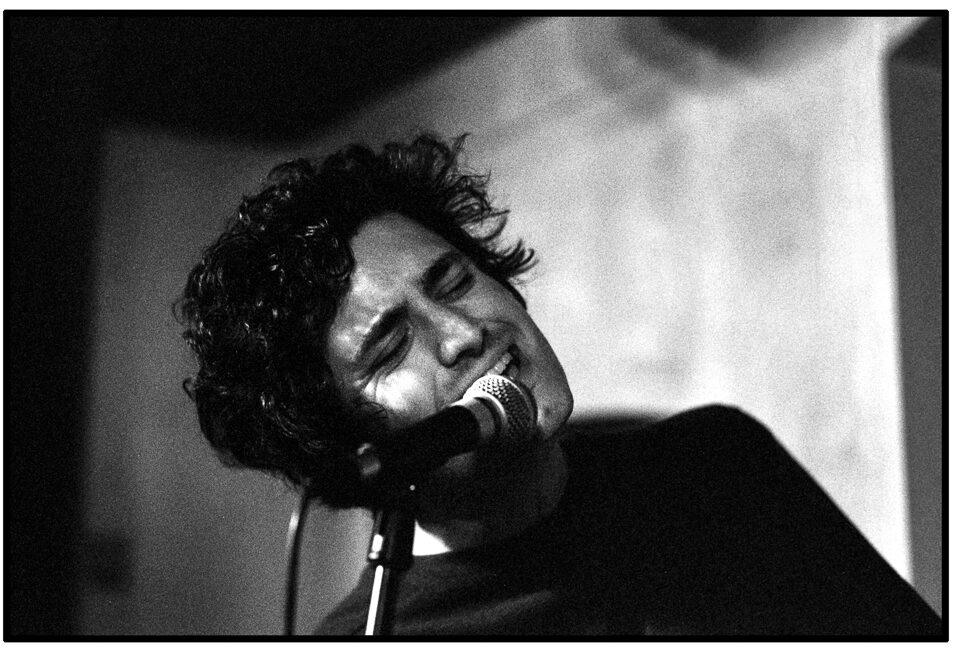
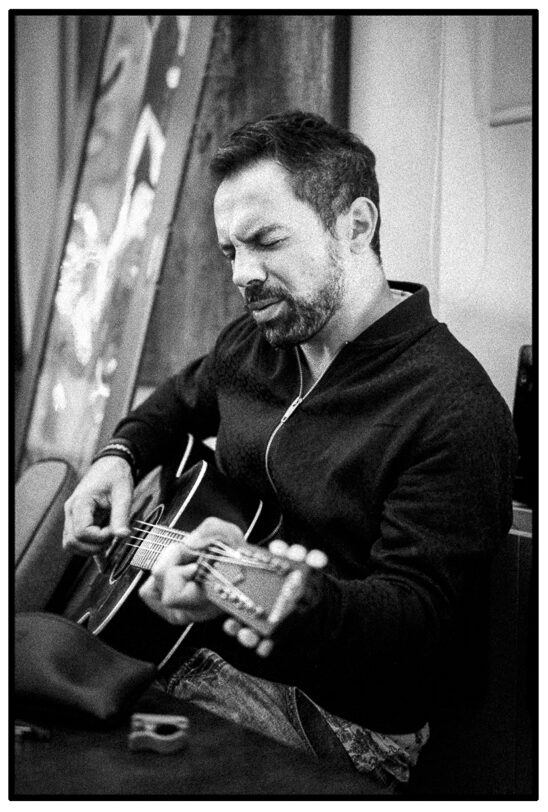
The above shot is the typical “Mic-shoot’, where my focus is on the mic instead of the face of the singer. In this case, I find that it add something, there is soo much emotion coming from the musician that in or out of focus doesn’t make any difference to me.
The connection
The world of small concert venues is a small world down here, so I’ve always sent the musicians images when the photos were good enough to share. That, along seeing me at nearly every venue, has made me become more than an acquaintance, I have became friends with many performers, who love receiving their images. We often eat together before a concert, my camera at my side, allowing me to take more intimate shots.
On occasions I might get a bit of a light leak, making for a happy accident. This happens in my case because for some time now, I have self-rolled my film, buying a rolls of a 100 foot of film, using primarily kodak snapscan as the canisters. It’s cost efficient and easy once someone has explained to you how it works. The only problem, is that the snapscan are between 30 and 50 years old. If like me you shoot a lot and uses them, the bottom cap that seal the canister can sometimes loosen (if I drop it, or simply if it’s very worn). At that time, the film take on a bit of light and can ruin your images or add a “petit je ne sais quoi” that gives some unwanted effects to the picture.
Life outside the music
There is a whole world all around you when you go to a concert. A world full of life and images behind the music, more street style and full of energy. For or me seeing people enjoying the music, getting around the musicians or behind them is kind of magic!
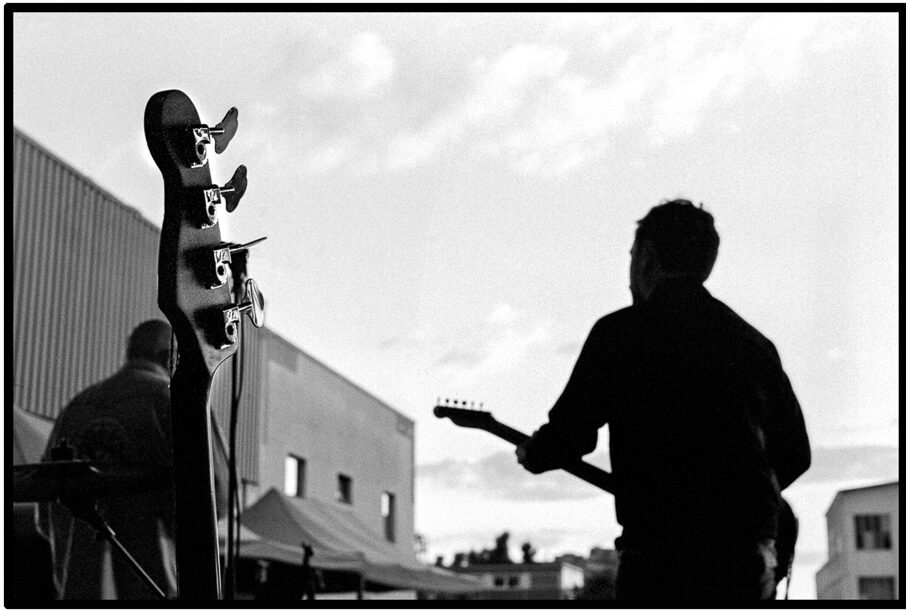
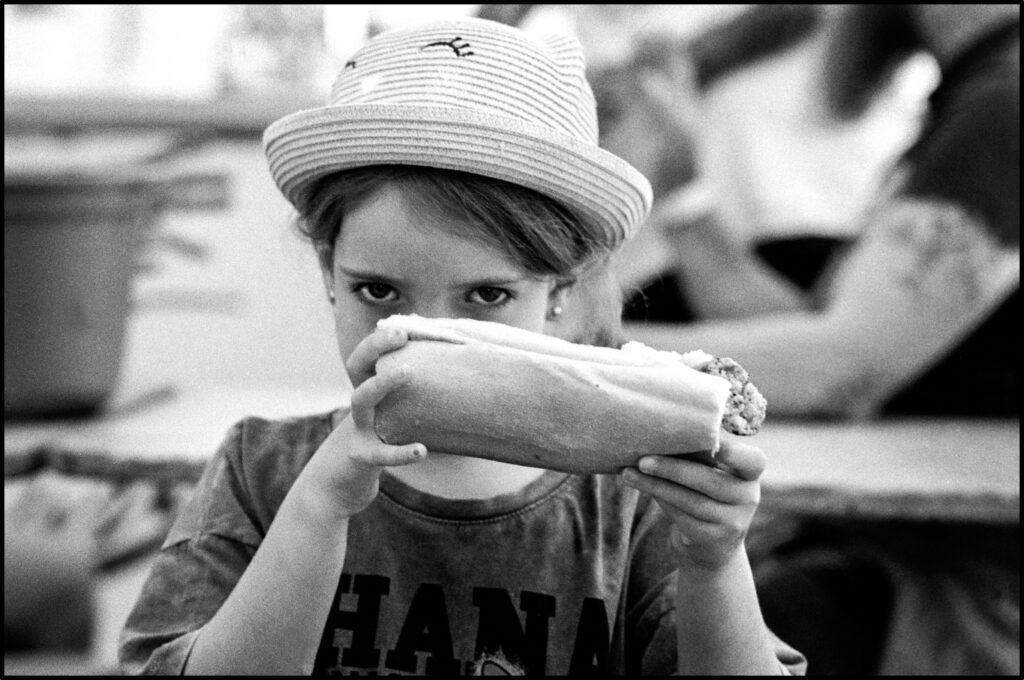
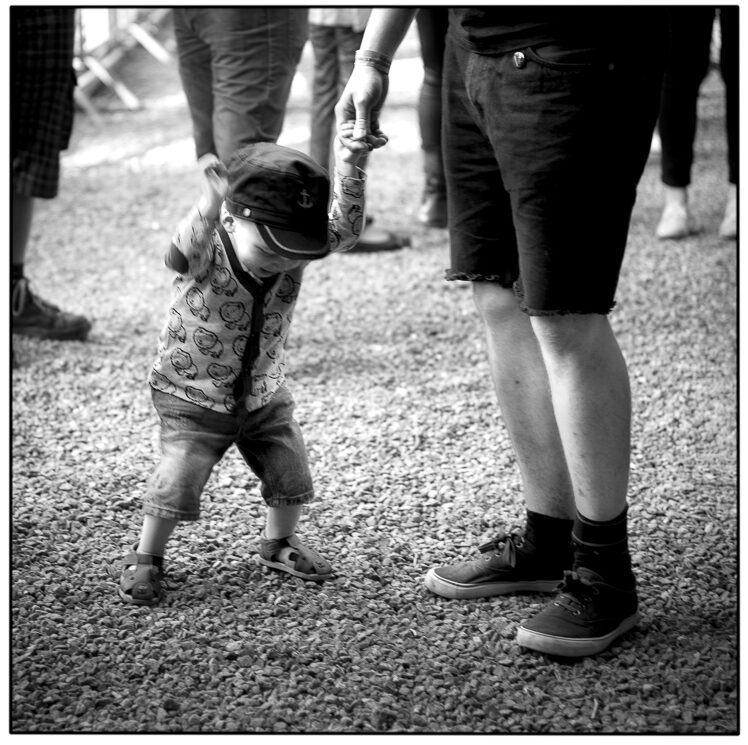
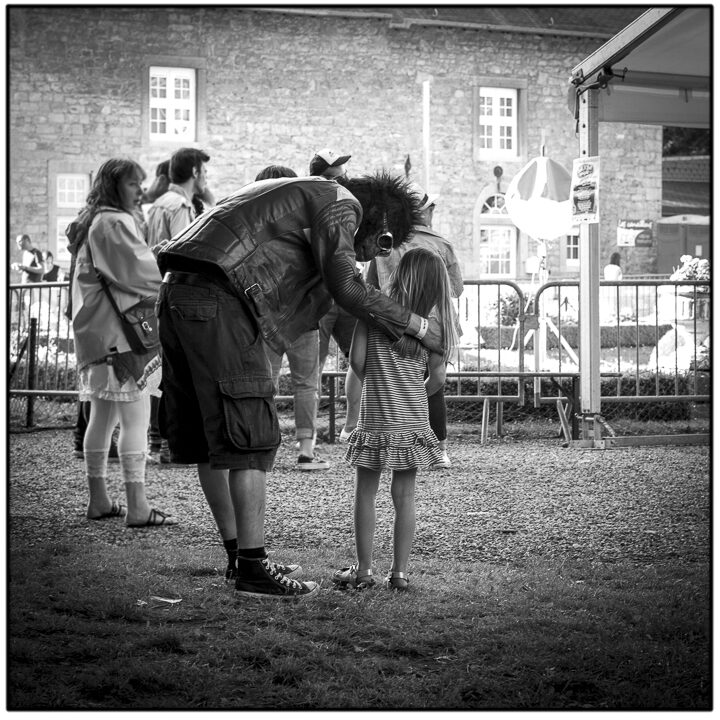
Funny story with this one, after the event was finished, I sent my pictures to the organizer. He replied to me that he was absolutely thrilled as this was a photo of him and his daughter 😉
That’s it for today, enjoy shooting and please do comment and critique, that is the whole point of contributing!
Cheers
Alex
A very big thank you to Scott Ferguson, who helped me a lot both in correcting my text and for his input and questions who made this post possible without the use of AI or (hopefully) making Hamish go nuts! (Hamish/editors note: Thanks Alex and Scott, yes, much easier to work with!)
Share this post:

Comments
Ibraar Hussain on My Journey into Photographing Performing Musicians
Comment posted: 17/05/2026
And hats off for using a manual focus range finder in a convert!
Comment posted: 17/05/2026
Walter Reumkens on My Journey into Photographing Performing Musicians
Comment posted: 17/05/2026
What more could you ask for! Thanks for sharing!
Comment posted: 17/05/2026
Scott Ferguson on My Journey into Photographing Performing Musicians
Comment posted: 17/05/2026
It was a pleasure to work with you on this post! I think the photography and the discussion of your process are really fascinating and the photos are terrific. I’ve really learned a lot from you as a photographer from this collaborative process, noting that the ideas abs images are all 100% yours and if I had a contribution it was to help shape things a bit for an English speaking readership.
All best!
S
Comment posted: 17/05/2026
Gary Smith on My Journey into Photographing Performing Musicians
Comment posted: 17/05/2026
Comment posted: 17/05/2026
Jeffery Luhn on My Journey into Photographing Performing Musicians
Comment posted: 17/05/2026
Comment posted: 17/05/2026
Marcus Gunaratnam on My Journey into Photographing Performing Musicians
Comment posted: 18/05/2026
Comment posted: 18/05/2026
Graham Line on My Journey into Photographing Performing Musicians
Comment posted: 18/05/2026
Comment posted: 18/05/2026
David Pauley on My Journey into Photographing Performing Musicians
Comment posted: 19/05/2026
Comment posted: 19/05/2026
Art Meripol on My Journey into Photographing Performing Musicians
Comment posted: 19/05/2026
Comment posted: 19/05/2026