

The single lens reflex with a focal plane shutter (fps) has been around for a long time. A far from exhaustive flick through McKeown’s turned up the Mentor from 1898 and the better known Graflex from 1902. These were bulky, specialised cameras with quite labour intensive operation. No instant return mirror or any other form of automation. Shutters were hand wound, with complex speed setting and the aperture manually set for exposure.
In Germany in the 1930s, Ihagee introduced its 35mm Kine Exakta, Exa range and after WWII the East German Contax D and the Pentina (leaf shutter) appeared in the 1950s, the West German Contarex in 1958 and the Leicaflex in 1964. These were joined by a stream of models from Japan, East Germany and Russia soon afterwards.
In West Germany, only the high end models sported a fps. Leaf shutters, so common and well developed, were the commonest form of shutter on many cameras. I have read that both the main manufacturers were controlled by Zeiss who therefore had an interest in seeing the type used widely. A significant reason for their persistence in Germany.
Voigtländer’s Vito range had used Prontor shutters mounted behind the lens a few years earlier to allow helical focussing for better lens performance than front cell focussing. Deckel also produced a Compur shutter mounted behind the lens. Voigtländer and others used them in rangefinder models. The interchangeable mount system was called the ‘DKL’ by Deckel and ‘SKL bayonet’ (to avoid confusion with the Merc) by Gauthier for the Prontor version. There was an East German version, Vebur?, which would have been used on the Pentina mentioned above.
There were 7 versions of the DKL mount and none of the respective lenses can be mounted on any of the others, even within the Voigtländer range, for some strange reason. Being able to use a range of lenses would seem to us now to be a good thing but maybe back then they felt the name and reputation had to be protected.
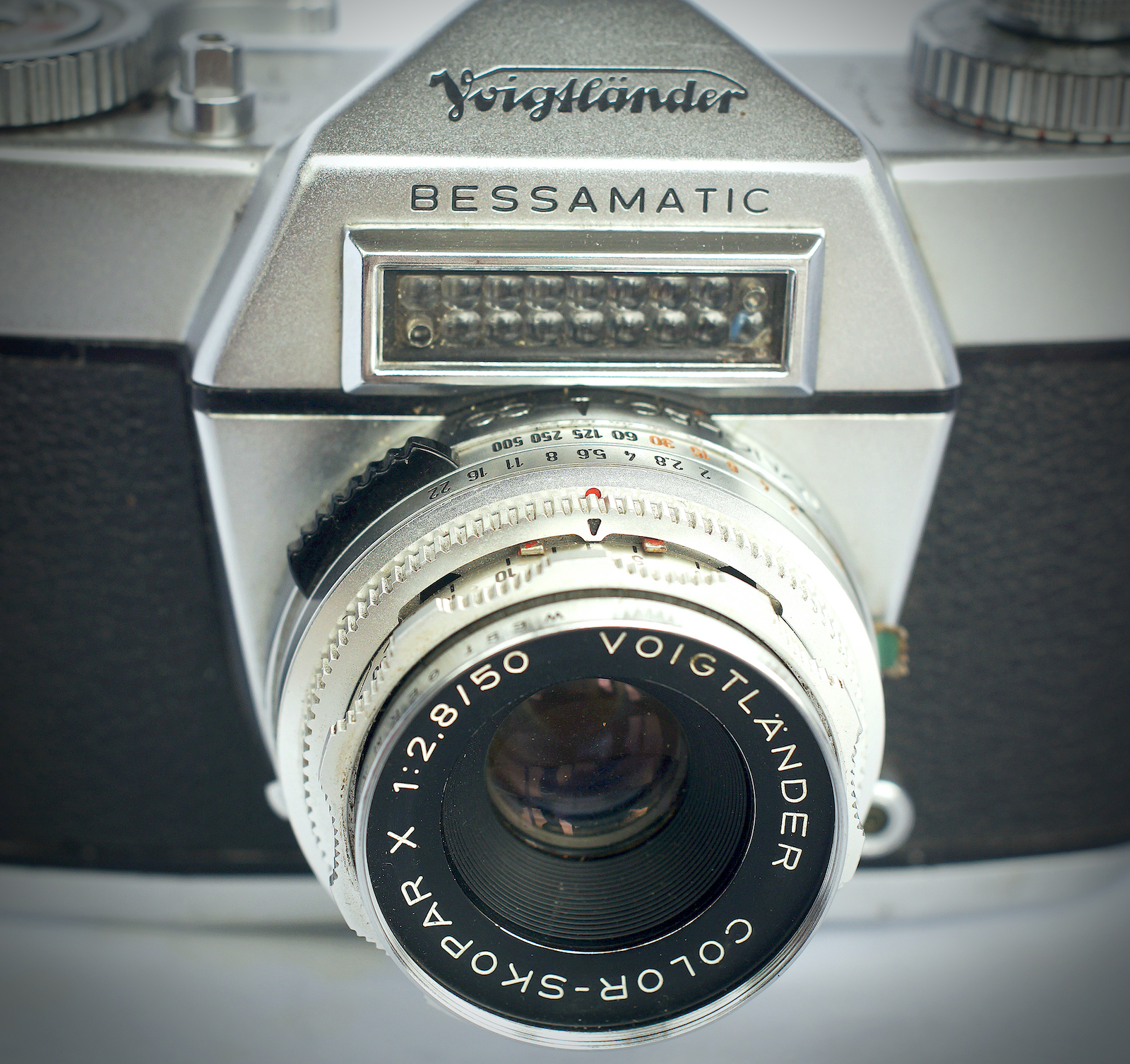
So where does the 1958 Bessamatic fit into the picture? Voigtländer were a very early camera maker. Their brass, bullet-like Daguerrotype camera from 1840 is well known. Zeiss obtained an interest in the company in the 1940s and the two firms merged in 1956 (Wikipedia), though Voigtländer products continued independently. This camera would seem to be in direct competition with the Contaflex which had been introduced a few years earlier. The difference was that the Contaflex used front cell interchangeability. limiting the range of focal lengths, whereas the Bessamatic lenses were seperate units with a wider choice of focal length and maximum aperture. Operationally they were very similar to many other products using the DKL system.
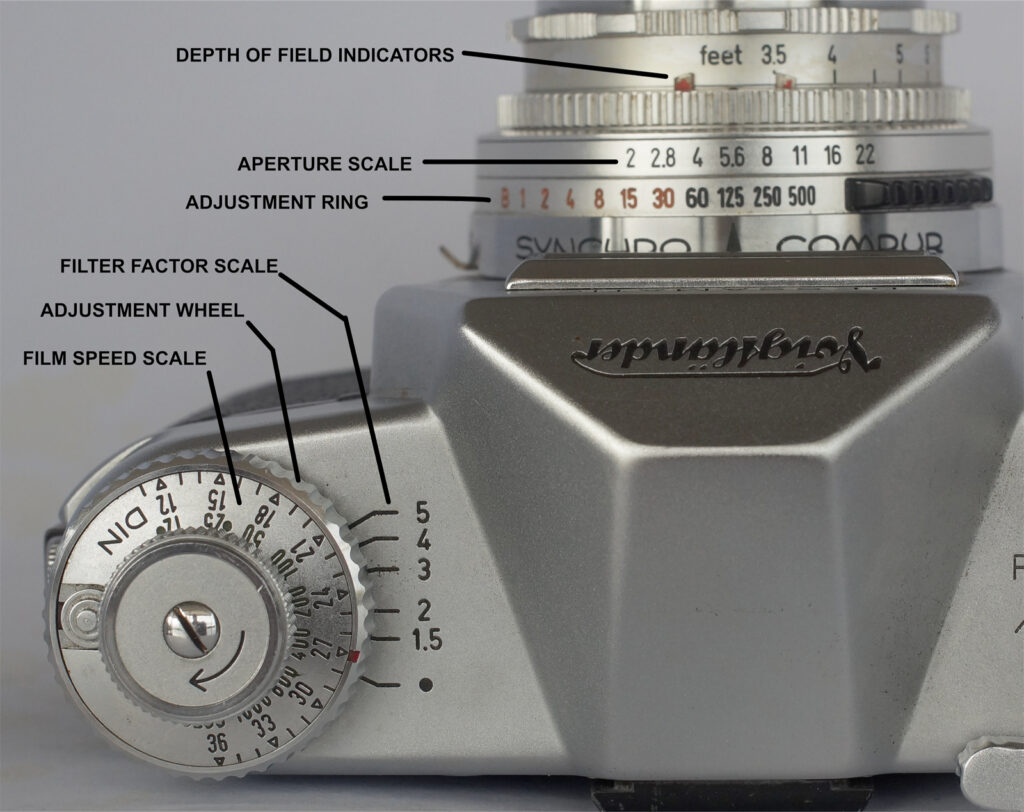
The shutter system offered the feature, first developed for the likes of the Vitomatic and others, of match needle, semi-automatic exposure measurement. with linked shutter and aperture settings, light value style, a bit complex but effective. The Bessamatic uses a similar system, the manual instructing that the aperture is set with the adjustment wheel beneath the rewind knob and then the target in the finder is aligned with the needle by further altering the adjustment wheel. This alters the aperture against whatever speed is set on the adjustment ring so it is effectively a shutter priority system.
After that the adjustment ring setting can be changed if a different speed is needed which adjusts the aperture counter to the shutter speed at the same time to maintain correct exposure. I have found that it is best to set 1/30 or 1/60 or what you expect to need as a starting point before adjusting the target ring. It can slightly simplify the process..
Why a leaf shutter?
Because it permits a much more compact body design, being part of the lens assembly, and synchronises with flash at all speeds, unlike the focal plane shutters of the period that were limited to a 1/60 or sometimes, for the vertical running versions, a 1/125 maximum.
They would simplify manufacture by being a single, seperate component that was built in during assembly. And one design selling in quantity to several makers would keep the cost down or the profits up. The Japanese found they could apply this approach to the fps a little later with the Copal Square shutter unit that was used widely, avoiding the need for manufacturers to design and make their own. Being vertical running it also helped keep the size down.
The Bessamatic
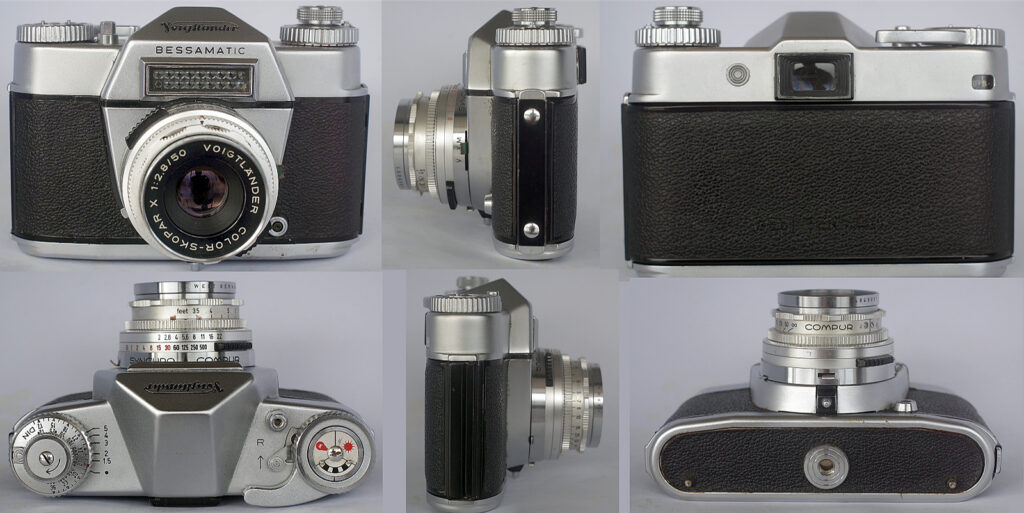
The Bessamatic is basically a single lens reflex of familiar design with a built-in selenium meter for semi-automatic exposure measurement, with an auto pre-set aperture but no instant return mirror. Just like the Hasselblad the screen blacks out as the shutter fires but with a rather noisy clunk instead of a thump. Considering the complex sequence of actions needed an instant return mirror would have put more stress on the mechanisms of the time which has to be complex because when the shutter is released a whole string of things happen:-
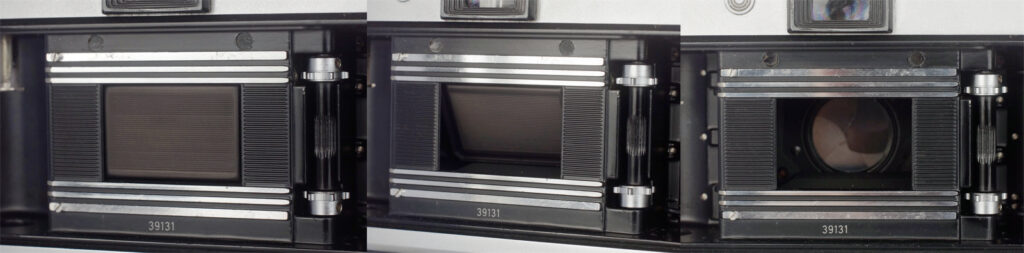
1. The shutter, open for focussing and composing, closes.
2. The aperture closes to the set value.
3. The mirror rises to cover the finder.
4. A capping plate that has protected the film opens.
5. The shutter opens and closes.
All this in the blink of an eye. To achieve an instant return of the finder image would have required all these to happen again in reverse after the shutter has closed. The fps Asahiflex IIb from 1954 had been the first to offer an instant return mirror so probably it was not a priority for Voigtländer ahead of reliability.
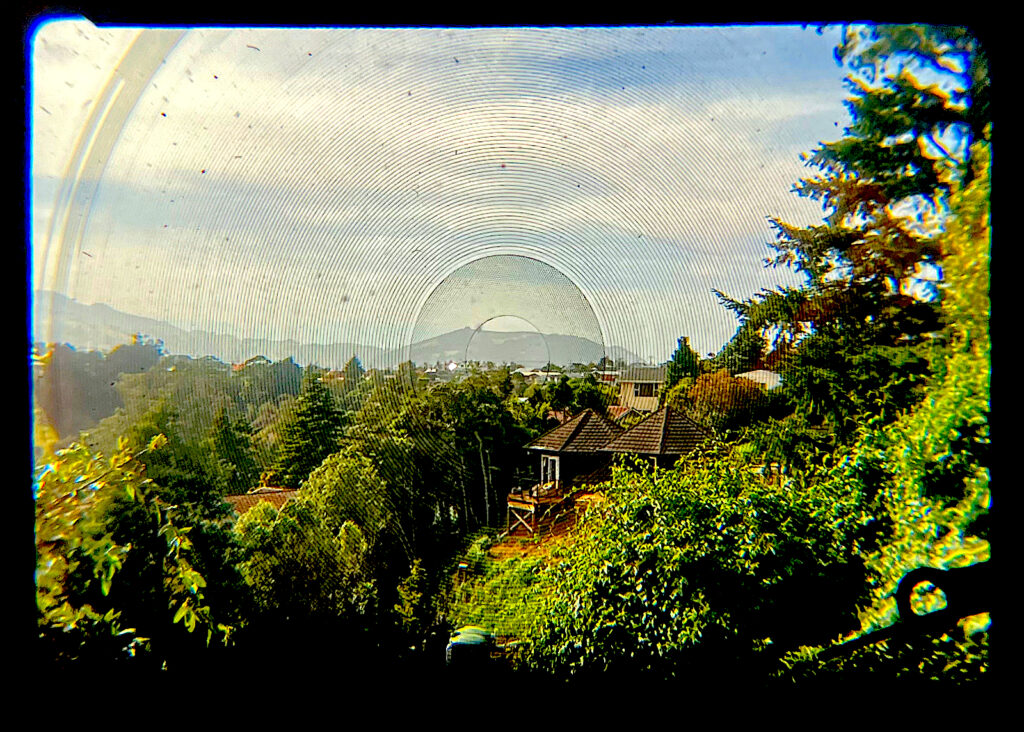
The focussing screen is another feature, also found on other examples from this period, having a condenser lens rather than a ground glass with just a circular patch in the centre containing a ground glass outer ring and a horizontal split image in the centre. Like the ground glass versions there is a fresnel lens below the screen for even illumination. Unlike a rangefinder the whole screen showed the image area whatever lens was fitted with nothing visible outside the frame.
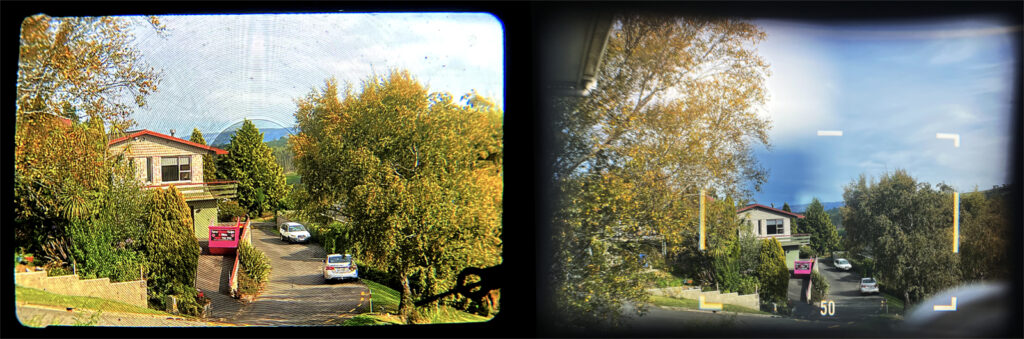
This design makes for a bright screen but it is very different for someone today who has become used to the whole ground glass screen going in and out of focus, then fine tuning with the centre patch when using manual focus. The one here is more like the finder of a rangefinder camera which probably accounts for the choice. It would have been much more attractive in the marketplace of the day, making it more familiar to users of coupled rangefinder cameras. It certainly allows you to concentrate on the subject and composition without the distraction of obvious limited depth of field, the image remaining in focus constantly, again like a rangefinder, but you have to remember to focus – it isn’t autofocus even if it gives that impression.
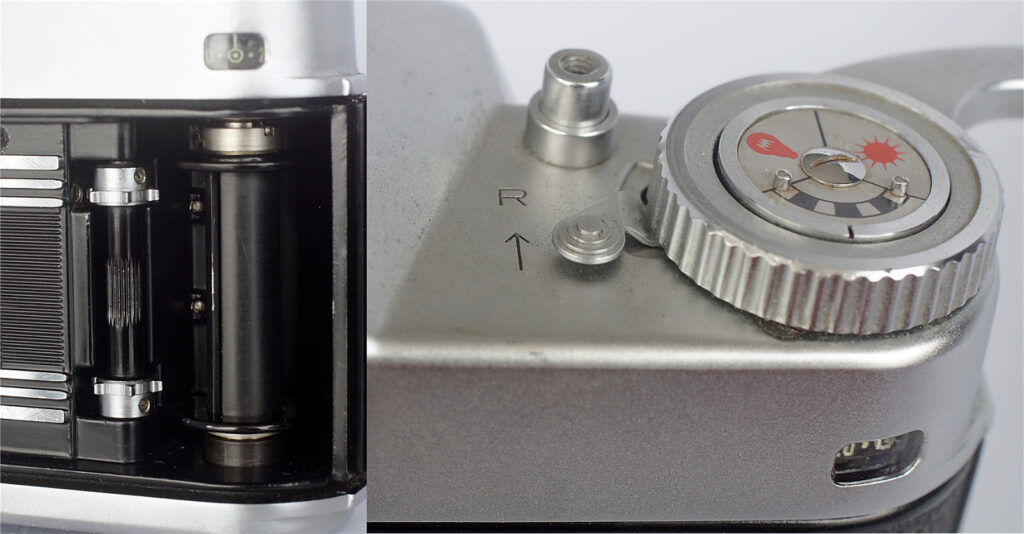
Setting the frame counter is another quirk. This has to be done before loading the film. The take-up spool has a knurled section that allows it to be turned in either direction once the rewind lever is set to ‘R’. A later model added a small knob to do this at any time but here it is something to catch out the photographer in a hurry.
In just about every other way operation is very familiar. It is a hefty beast and needs a case because there are no strap lugs provided. The accessory shoe is also seperate, like an OM1, now lost along with the meter window diffuser as often happens.
A bit of whimsy seems to have crept in with the small circular feature to the left of the viewfinder. It doesn’t move and is possibly to help grip with your left thumb but looks to be simply decorative.
In action
Well, action isn’t the best word to use. The Bessamatic is a camera that needs a deliberate approach and is a challenge with some subjects. But that is to judge by today’s standards of course. In its day, the big, bright finder, precise framing, a familiar focus method, and relatively easy exposure setting would have been very attractive.
The weight of over 2lbs or almost 1 kg (check a bag of flour) can be useful to help reduce vibration and movement and the finder is bright, clear and uncluttered, only the needle and target arm intrude on the right hand side. I can also see the whole screen wearing my glasses.
Once familiar with the system, exposure setting is trouble free and the meter appears pretty accurate, well within useful tolerances. It falls short in low light sometimes, a common problem with selenium meters and why the Weston has its low level flap and scale, the near 2”/5cm dia. sensor becoming fully uncovered to deal with lower light levels more accurately.
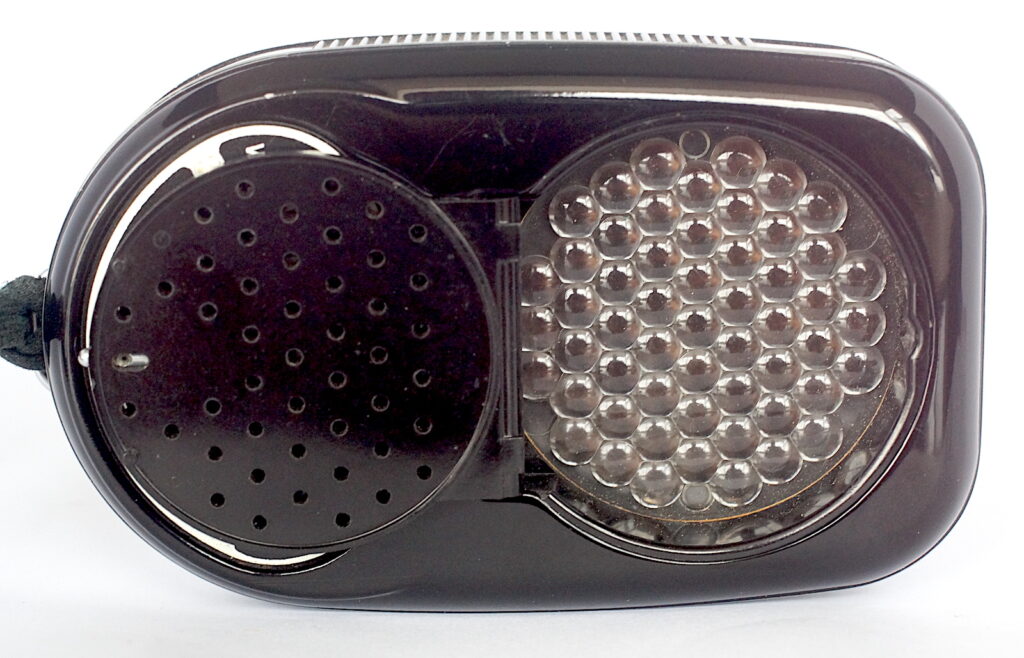
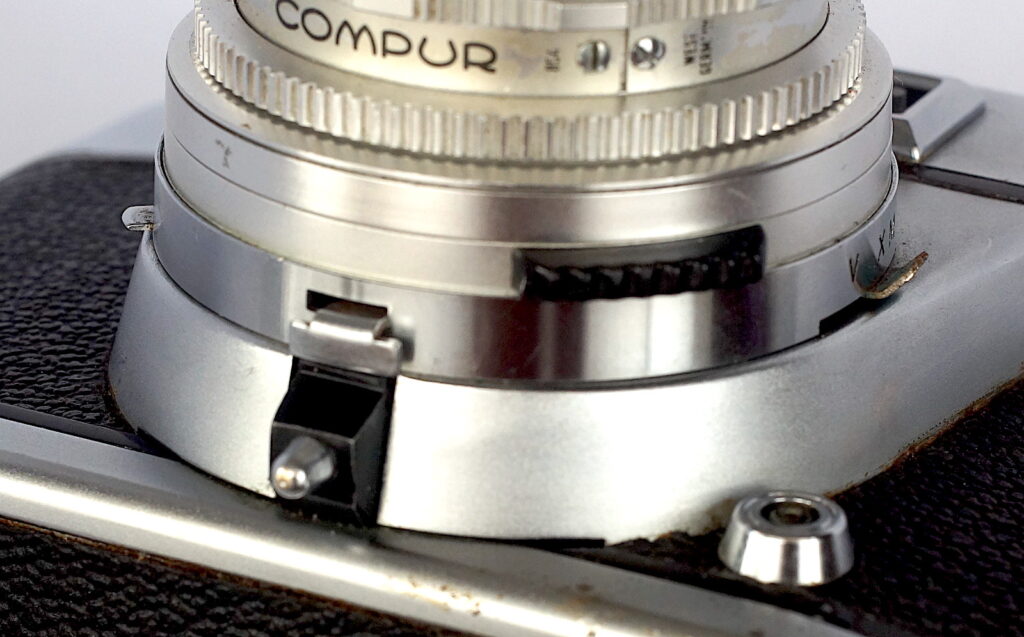
The shutter action itself is very quiet and the delayed action still works but hesitantly so best avoided. At first I thought the DA wasn’t working at all but then realised the capping plate and mirror operate as soon as the release is pressed and then the very quiet escapement winds down to an equally quiet click of the shutter. No chance of vibration from the mirror etc spoiling the exposure. There is a lock that has to be pressed to free the MXV lever which is situated on the opposite side of the lens barrel, something else that was confusing at first.
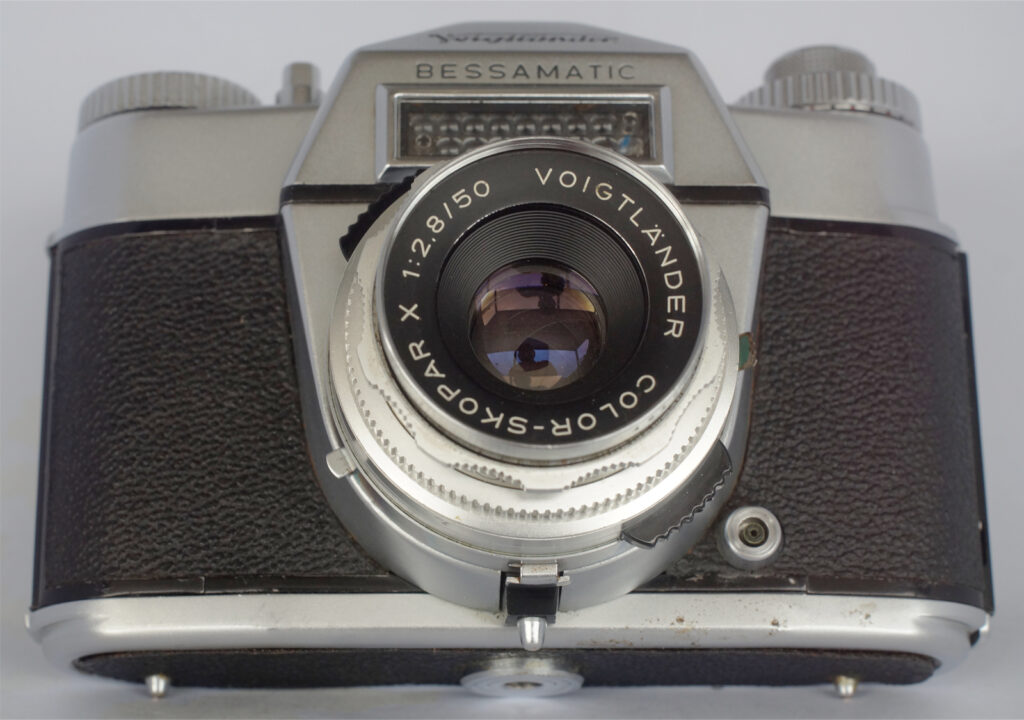
The Color-Skopar X ( for exchangeable I presume ) is clean and bright, no sign of major nasties and dismounts and mounts easily. It has a 40.5mm filter thread so takes a step up ring to use my 52mm filters and lens hood from Nikon and 5×4 days.
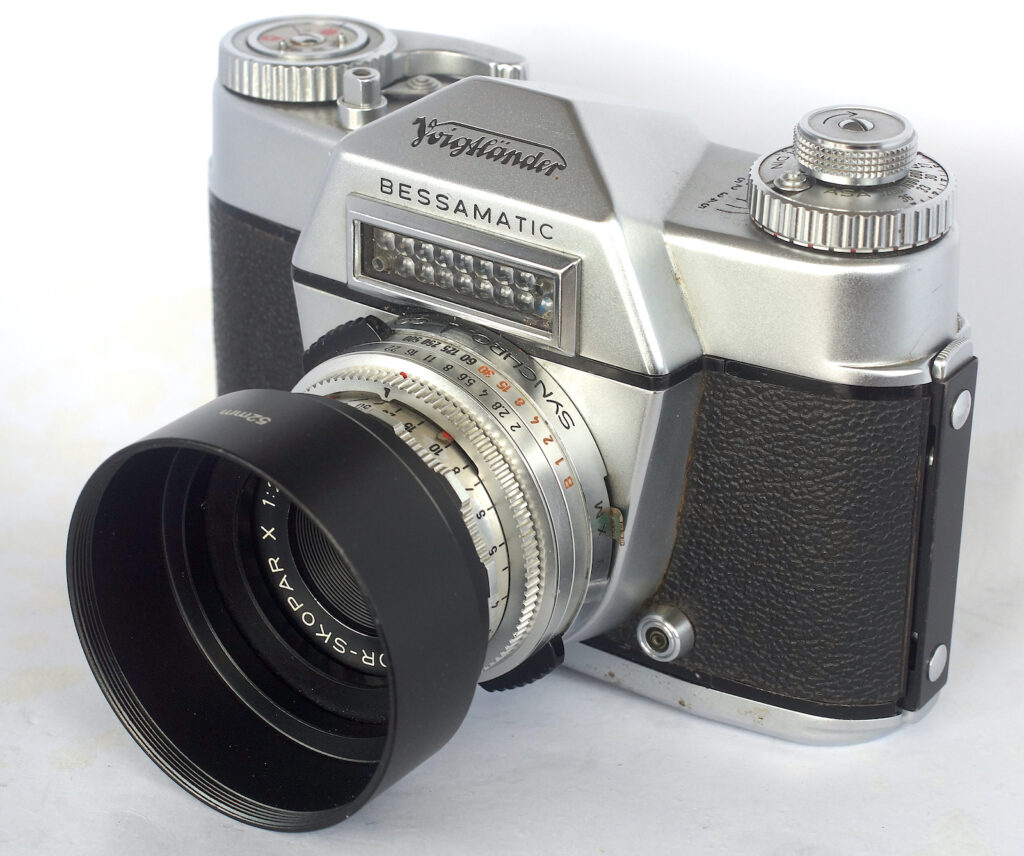
Focus is from 3.5m to ∞ and no depth of field scale is provided. DoF is indicated by two opposing red pointers that move towards or away from each other over the distance scale as focus distance changes against the set aperture.

Another useful feature, the filter mount doesn’t rotate with focus so use of a polariser is hassle free.
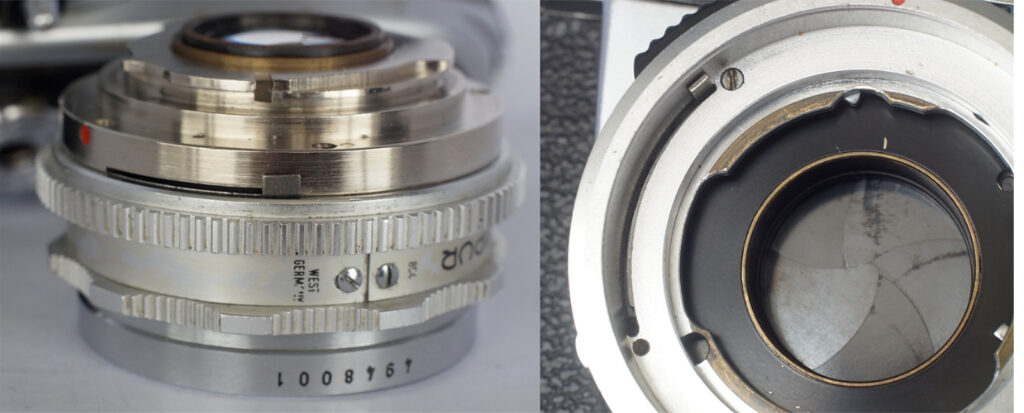
The aperture ring is on the body and connects with an internal sprung lever on the side of the lens barrel which operates the iris. The scale is marked with f2 to f22 which covers all the lenses available, only the current lens’ maximum aperture can be reached and is sprung closed to f22 when off the camera. Apertures are changed with the wheel below the rewind which also is the location for film speed setting as shown earlier. The aperture is at widest opening until the exposure is made.
The rewind/adjustment/film speed assembly also incorporates a filter factor adjustment. Very awkward and probably best done by shifting the aperture suitably. Filters don’t affect the meter TTL fashion. I experimented to find how to misalign the target ring to compensate.
The proof of the pudding
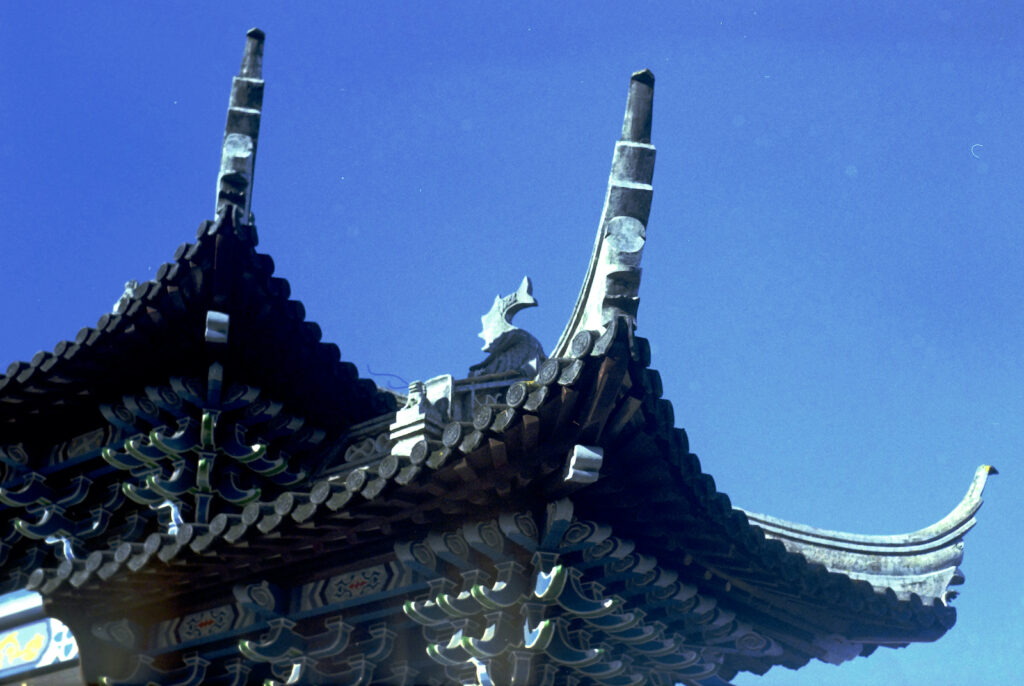
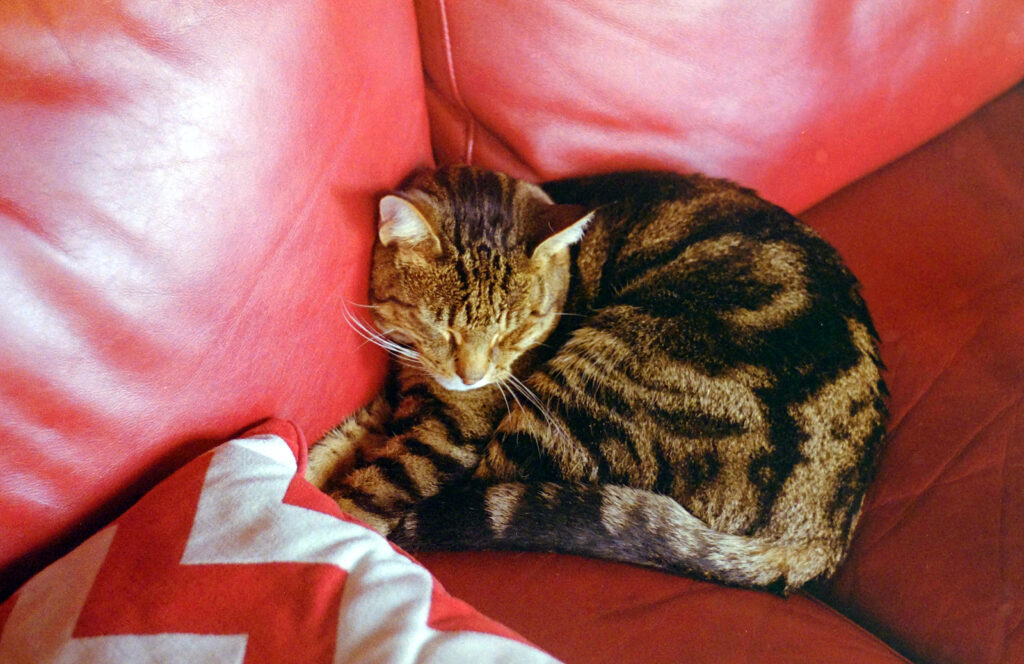
With a wrist strap attached for security, since it came without a case, and a roll of Fuji 200 colour negative I set it to work.

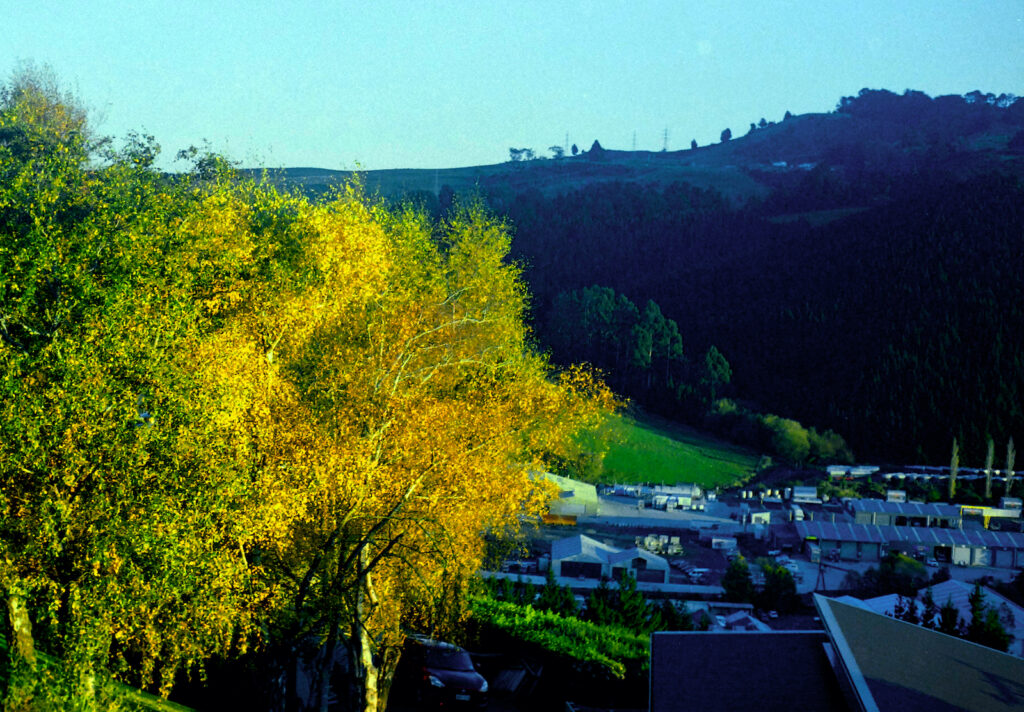
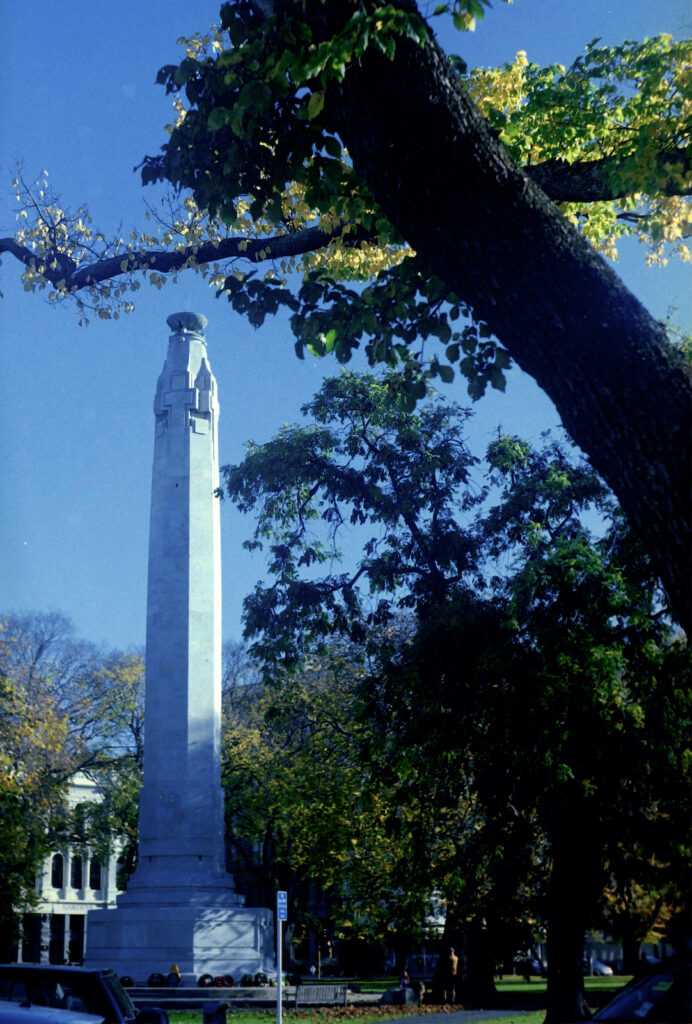
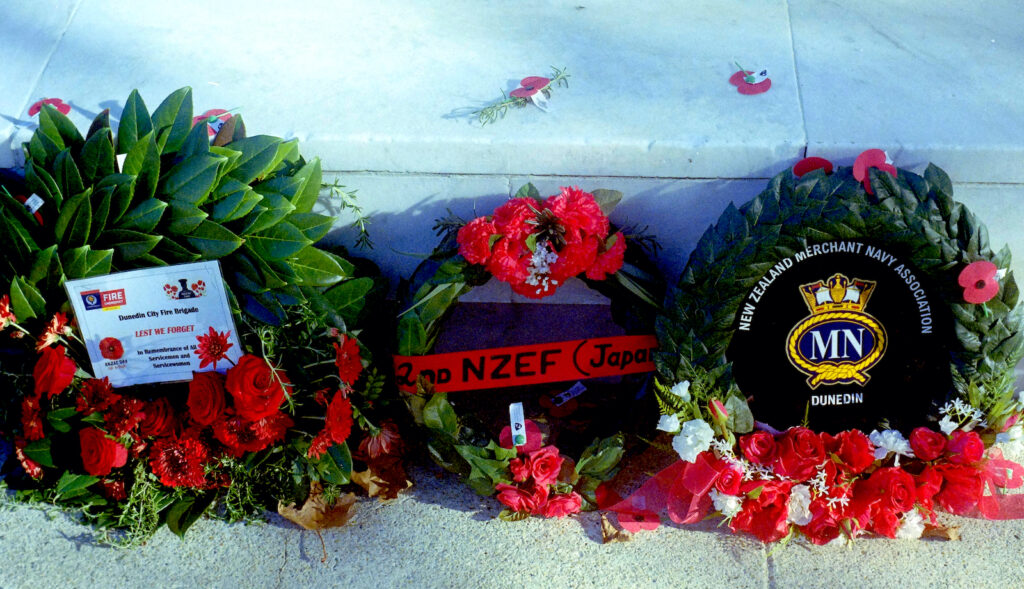
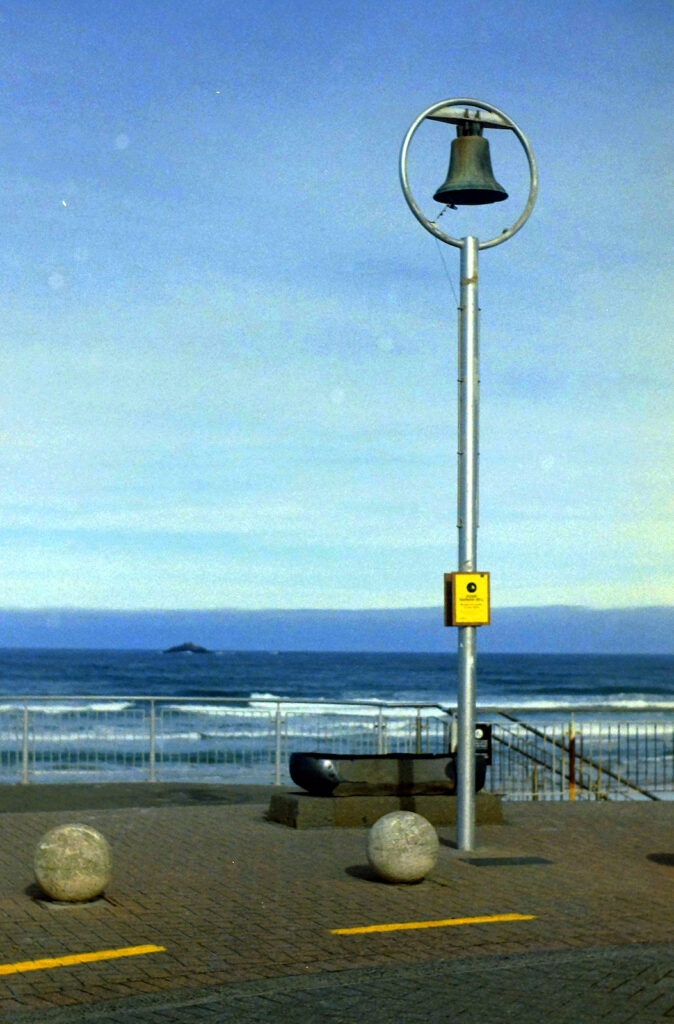

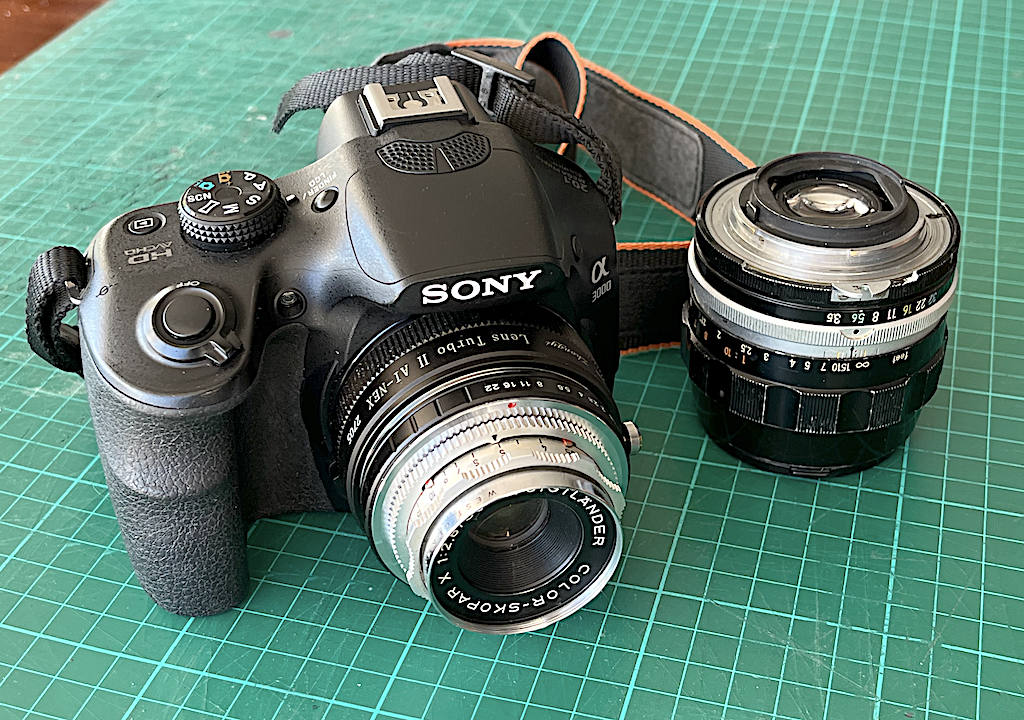
I have obtained a DKL to Nikon F adapter to mount the lens on my Sony digital via an F to E full frame adapter. It was the worst made item I have had out of China and I had to ease it to allow the lens to seat fully. I lost the detente for the aperture click stops in the process so I need to hold the aperture ring with a finger otherwise it springs to f22. The Lens Turbo full frame adapter gives an extra stop so the Skopar becomes an effective f2 usefully.
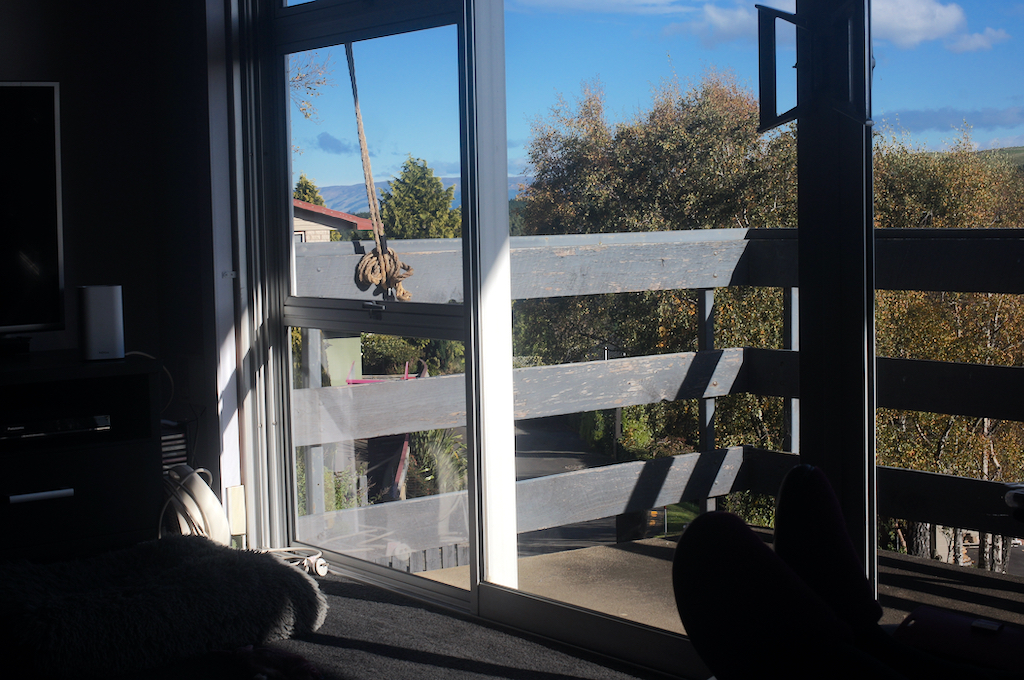
I found the Bessamatic very satisfying to use. That positive clunk and blacked out finder gives a definite punctuation to capturing the image, a very positive confirmation and no spray and pray even possible, not even a quick one more for luck. And the finder is really good in use, even wearing glasses, bright and clear. The split image is no better or worse than most rangefinders but the ground glass circle I didn’t find particularly useful. I believe microprisms were used on later cameras which would be more positive.
Final thoughts
When using a camera from this era, modern thinking is counter-productive to enjoying the experience. The Bessamatic was a quality instrument in its day but sadly, also a dead end. For many and varied reasons the camera makers in the west couldn’t compete with Japanese products, with Leica, Zeiss and Hasselblad being notable exceptions, though even they have partnered with Japanese firms to varying degrees. They made high quality products without a doubt, but in the end their names and expertise were what retained value. They made a significant and lasting contribution to photographic development throughout its history, however, and, from my point of view, left an enduring legacy for us to enjoy and appreciate.
Share this post:

Comments
Ibraar Hussain on Voigtländer Bessamatic Review
Comment posted: 02/06/2026
Thanks to you I now have a Deluxe version and an Ultramatic.
The sound of an SLR with leaf shutter firing is a thing of beauty - satisfying and an experience.
I found the VF to be very bright and large - and easy to focus using the split image RF and micro prism dot.
It’s a camera which is a pleasure to use and to own.