

When you are reading this article on an electronic device, I am sure you are living in a society with some degree of modern civilisation. So let’s look at everything around you and ask yourself a question: is there anything without a touch of human design? Start with the iPad and iPhone. Their sizes are carefully calculated to fit your palm and be easy to operate. The shape of the table and chair is designed to make you feel comfortable. The buildings and roads are constructed to separate the use of land and communities. Basically, everything around you is designed by some entity with intelligence.
That brings me to another question: do we really have free will? The design of my iPhone leads me to type with my two thumbs, the design of the chair shapes my sitting position, and my walking paths are guided by the designed roads. It’s not that my actions are completely predictable, but they are shaped by those behind these creations. I’m not going to dig further into this idea in the context of the internet and AI—we all know this well enough. Every search, every click, every scroll is analysed and exploited by tech companies
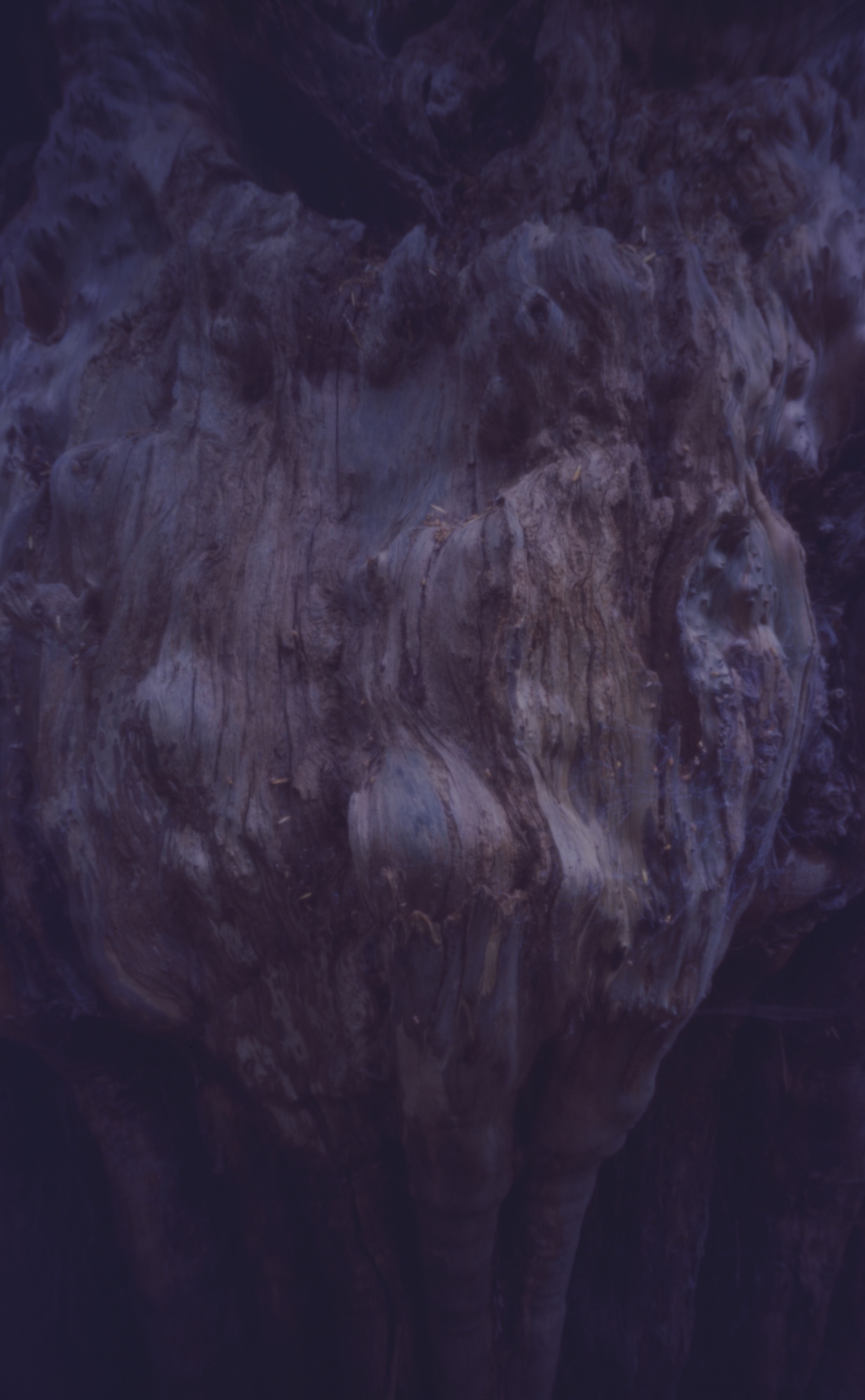
So, what else is left that does not involve human creativity? One of them is the tree. I find myself falling in love with the beauty of trees that are hundreds or even thousands of years old. These original, undesigned, natural beings make me feel comfort and relief. They do not grow to appeal to human aesthetic judgment. They don’t put on makeup, pose, or get photoshopped. After all, they don’t care whether you like them or not.
This leads to the final question in my practice: how can I photograph a natural art piece in a way that conveys the idea of “undesigned”? My choice is a combination of a pinhole camera, ISO 100 slide film, and a 6×9 format—the closest I can get to the golden ratio. I let the light fall directly onto the image sensor: no lens distortion, no digital processing in image capture. Interestingly, the final products are far from natural in the common sense: the images are blurred due to diffraction, even though everything is technically in focus; the colours shift with unpredictable temperatures and the quirks of expired film. After all, the act of photographing itself is an artificial process.
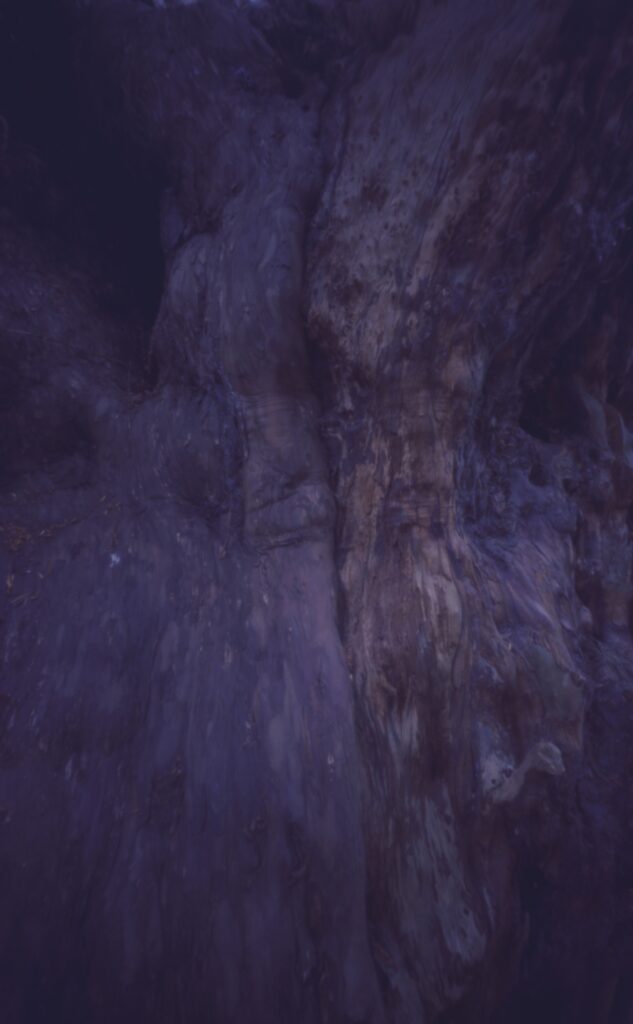
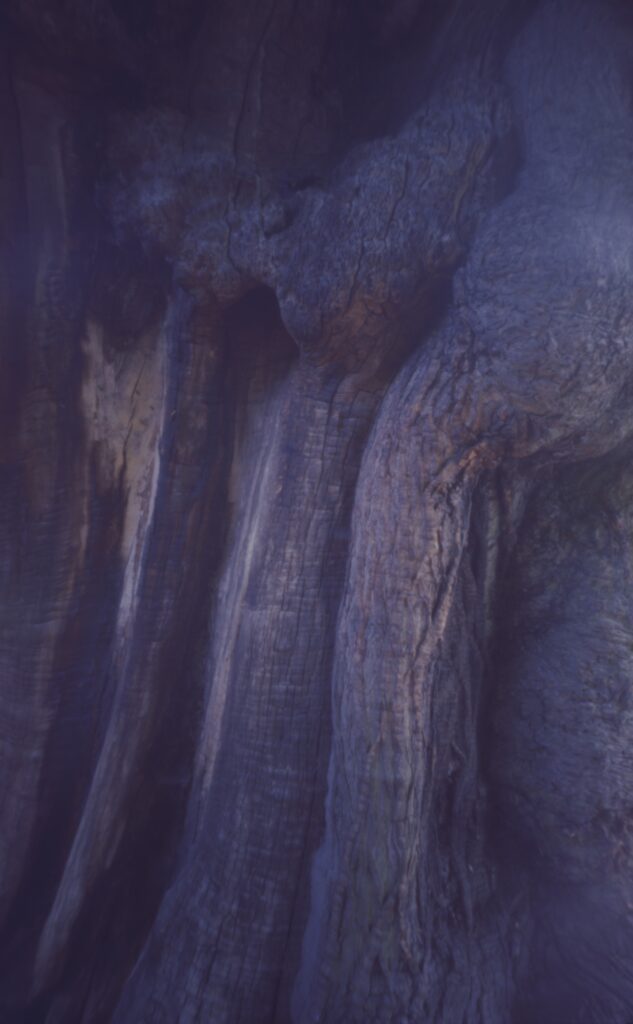
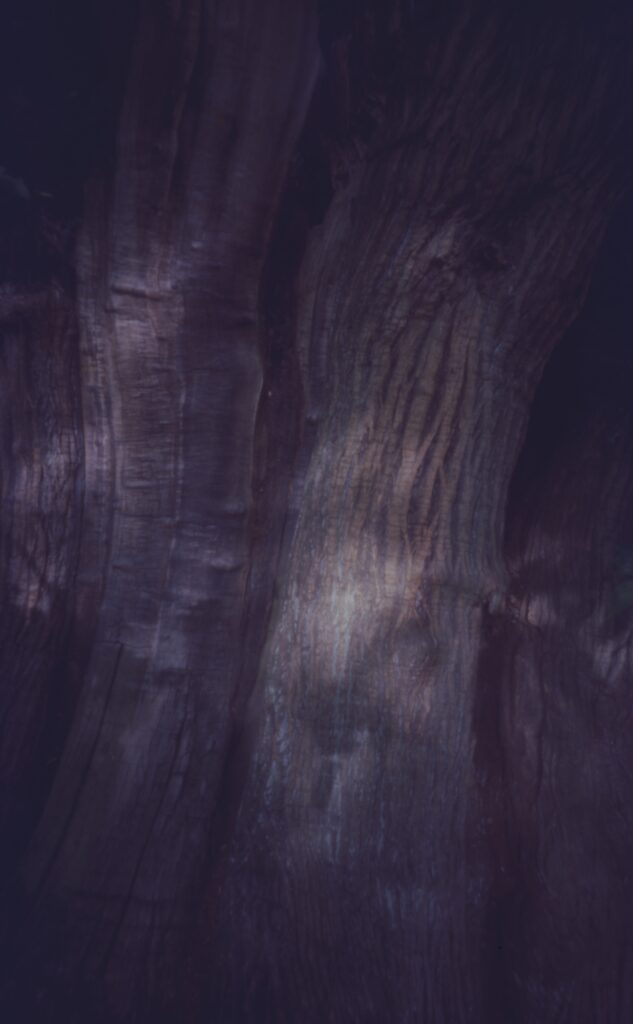
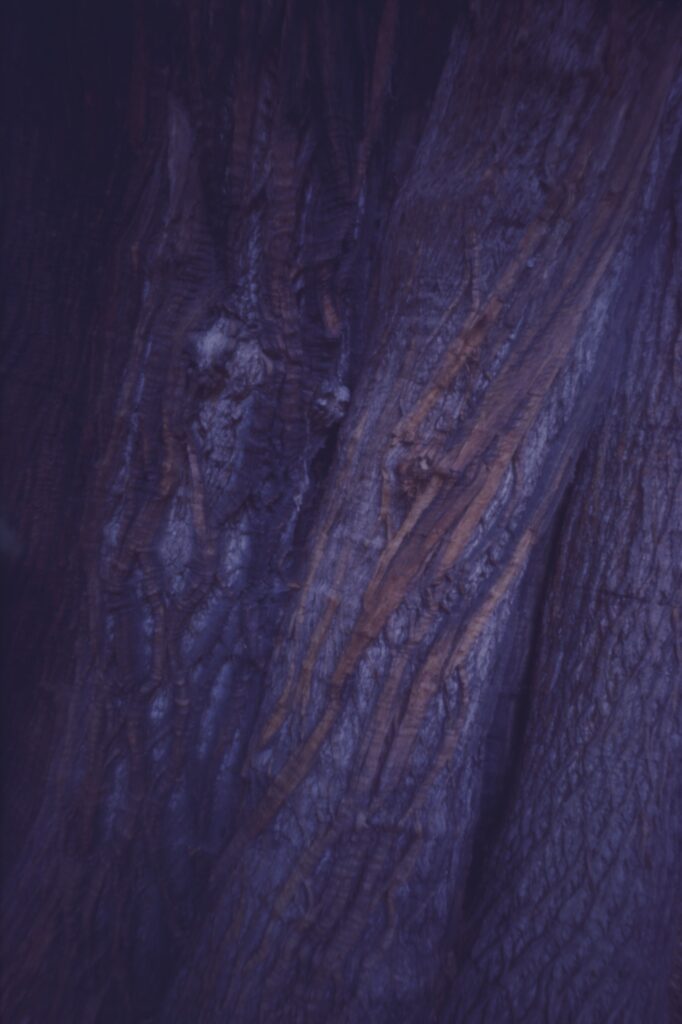
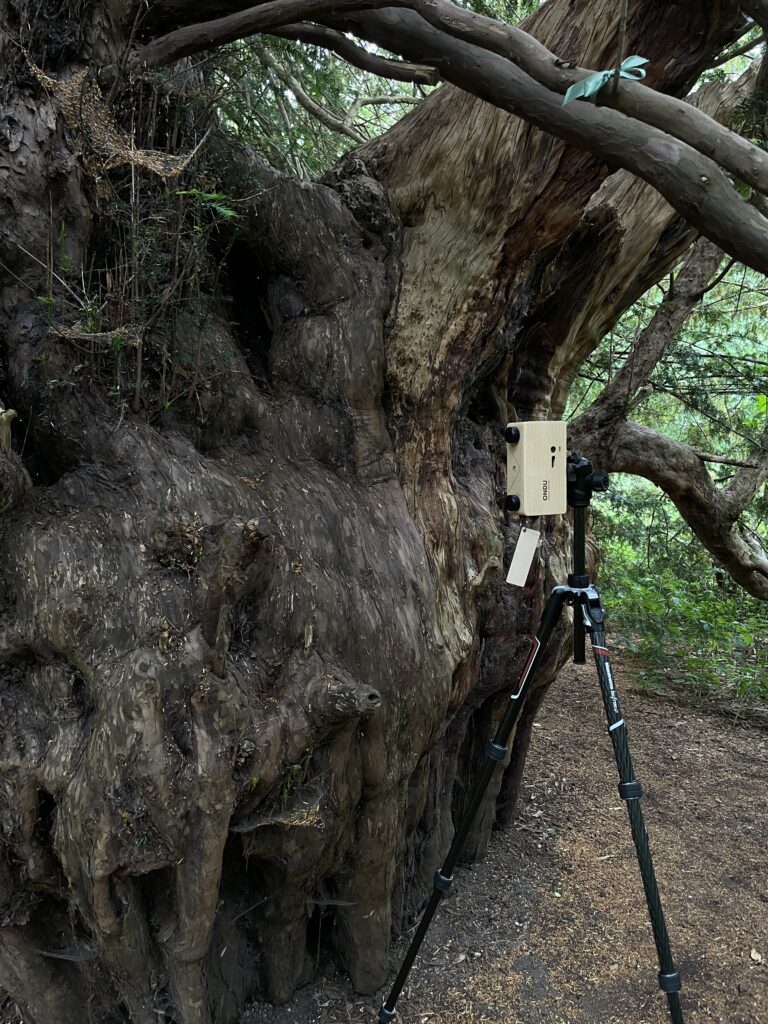
Camera: ondu 6×9
Film: Kodak E100GX
www.ssilencioo.com
IG: ssilenioo.s
Share this post:

Comments
Charles Young on Original, Freewill, Artificial
Comment posted: 05/11/2025
Gary Smith on Original, Freewill, Artificial
Comment posted: 05/11/2025
Having just re-read some philosophy books just last week, we won't argue semantics or freewill.
Glad you have thought about what you shoot and why and how!
Thanks for your article.
RichardH on Original, Freewill, Artificial
Comment posted: 05/11/2025
I find that positive film transparencies have their challenges and rewards. Frequently I will pull out old mounted slides and ponder how best to view them. Modern scanning provides viewing opportunities, but my eyes are most delighted seeing images on a wall or screen through a traditional slide projector. I recently found a very small 35mm slide projector that is nothing more than a light, lenses, and a slot to drop a slide into. Perhaps you could find a medium format slide projector for viewing your transparencies. Or, a light box of some sort might be possible?
Comment posted: 05/11/2025
Keith Shesron on Original, Freewill, Artificial
Comment posted: 06/11/2025
Humans, are an oddity in creation. Their capacity so high, they are in control of almost everything for which they desire control. But many just walk the earth consuming. I appreciate that we have the capacity to choose whether to create the chair (or photo) rather or just use one, and it is good to appreciate the tree that never has to become a chair too. Thank you Raymond.
David Pauley on Original, Freewill, Artificial
Comment posted: 06/11/2025
Erik Brammer on Original, Freewill, Artificial
Comment posted: 06/11/2025
Geoff Chaplin on Original, Freewill, Artificial
Comment posted: 07/11/2025
Comment posted: 07/11/2025