

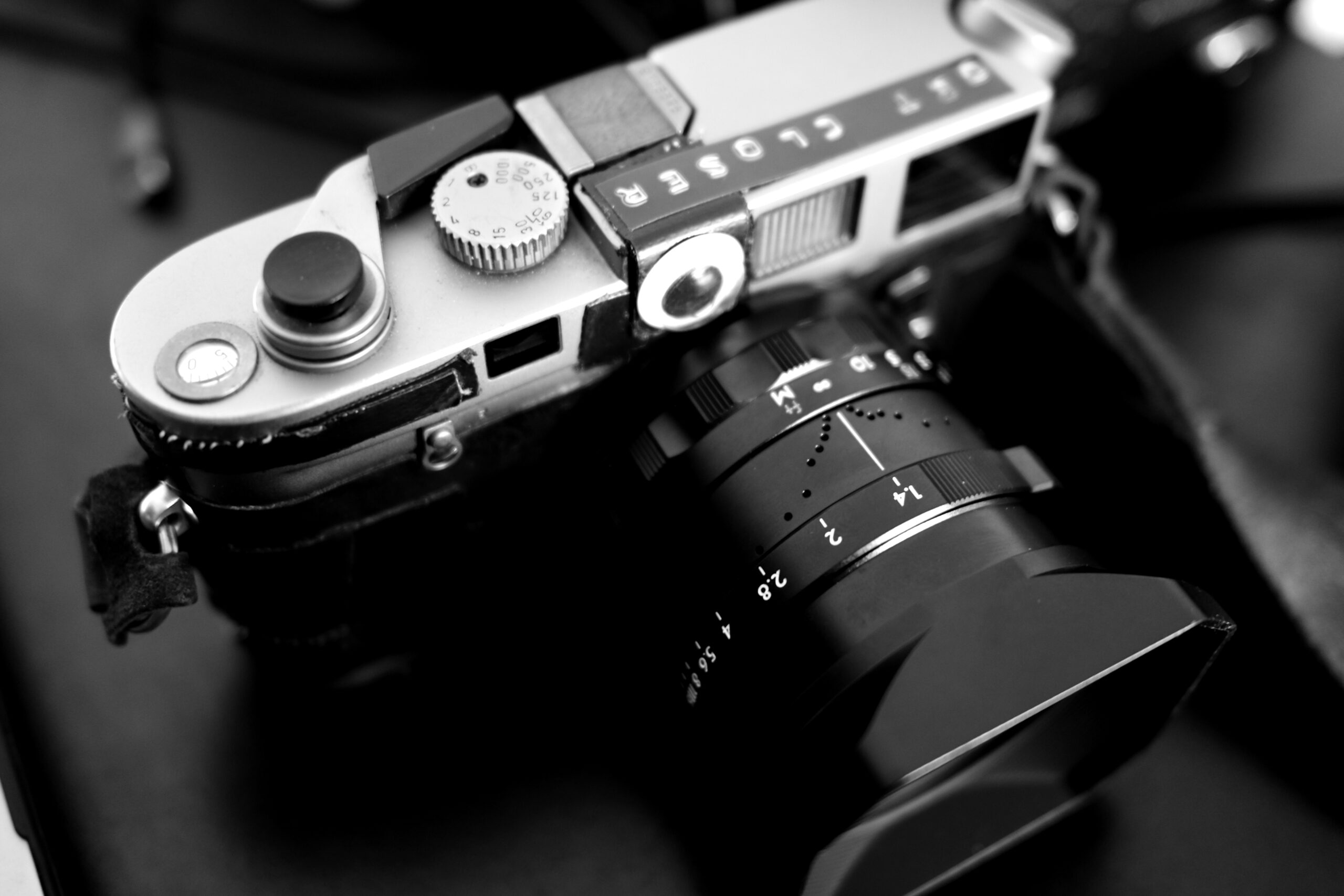
The first question I need to ponder for this particular lens seems to be whether it’s worth no longer being able to pocket my M with it on during my commute. I am spoiled by my flat 35mm and 50mm lenses, they fit perfectly onto my M and into my jacket pocket, but not with this 28mm lens (or my 90mm’s, or my non flat 50’s of course). Should that matter? Can I not simply take it off and put it in a bag? If I take it off then it won’t feel as everyday as my 35/50 which can stay on always, and always serve the purpose I need them for. So yes, it does matter a little bit to me. Well, if it’s worth losing that pocketability, what am I gaining exactly? Where does the compromise work out?
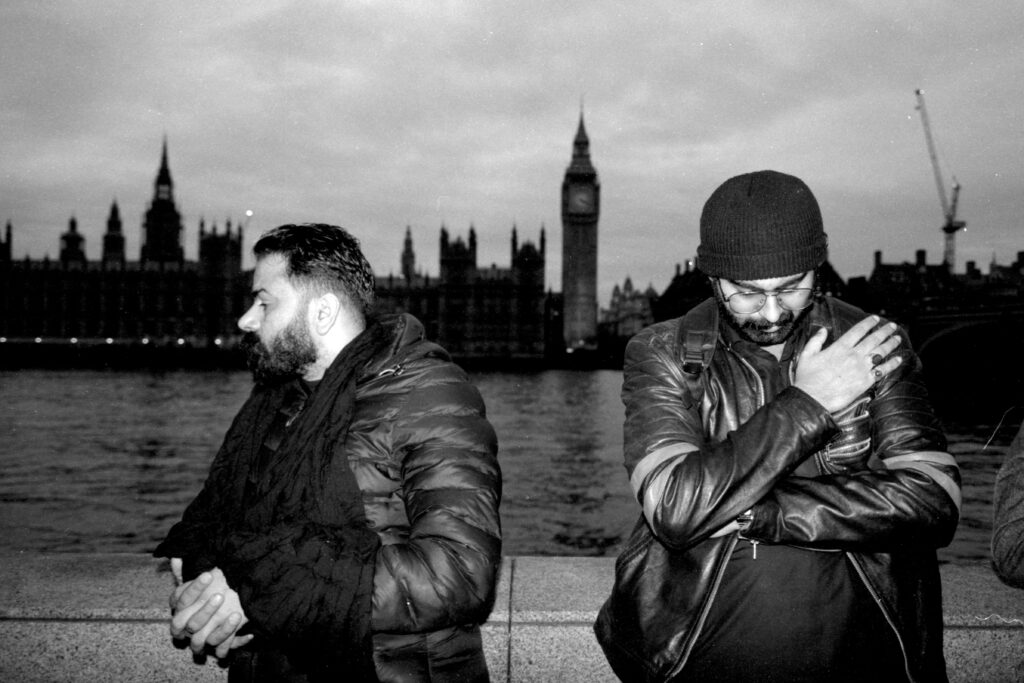
I have given myself a second chance at 28mm, or maybe a first chance, by way of the incredibly straightforward viewfinder on my Contax G camera, which I picked up again after several years gathering dust, after an accident in 2024 which left my left hand and wrist damaged and unable to manually focus with rangefinder. It was only around mid 2025 that I was able to fine tune again without much pain, and I am slowly reintroducing my manually focusing M’s back into my workflow.
The Contax G system has few but legendary lenses in it’s lineup, one of which being a 28mm f/2.8 Biogon, which has been described as one of the best, flawless even. No special look, no distortion, simply a moderately wide field of view and accurate rendering. Significantly for me, when mounted on a G system camera, it functions no differently than the 45mm, ie there is difficulty in what you see through the viewfinder aside from the field of view, what you see is (roughly) what you get, focus, and fire the shutter. There are no special accomodations needed, if you can use the 45mm without issue then you’ll be able to shoot 28mm as well, just with that slightly wider FOV.
Not so with the Leica M, and the changing framelines within a set magnification window. If you’ve read any of my past thoughts on 28mm in the past it is in part informed by this monumental drawback, that with my preferred camera system I cannot actually see the framelines in order to compose my shot, as I wear glasses so cannot get my eye close enough to the viewfinder for them to be visible. The first set of frames I can actually see clearly are 50mm, so when using a 35mm I am more or less imagining the frame, although I can see everything that would be inside it, and with practice this has become easier. With 28mm, I would be not only imagining my framing, but also having to prophesize further than that, into what may actually be happening on the edges of my frame. If not, I will have to be spiralling the camera, and my eye, to see and double check each edge of the frame at a time, before finally pressing the shutter. Not ideal for the kind of fast, close quarters work I am enjoying at the moment. Not enjoyable for me when I miss something obvious.

Having said that one of my favourite images made with a 28mm lens, taken by David Babaian, was made during chaotic conditions and heavy rain, with a viewfinder that was totally fogged and unusable at the time. If he can shoot blind and make such an impactful result what’s really stopping me? Comfort? Self doubt? Apparently yes.
I’ve trusted the framing method of the Contax to use that 28mm while travelling, and alongside my M with a 50mm or 90mm as the wide option while producing documentary work, and it has consistently delivered impeccable results, and most importantly as perfect framing as I could hope for.
28mm is a very popular focal length, especially on Leica M, however its prevalence means that results are a bit hit or miss, either it’s a fantastic image where you can’t really tell what focal length it is, just “wide” or its a terrible image where you can really see “oh this was definitely made with a 28”. I really strongly associate 28mm with the iPhone 4 lens, and other mobile snapshots of that era, although the standard for mobile phones now is slightly wider, 24-26ish mm. For others, they may think of the Ricoh GR series, both film and digital, which have superb optics and a legendary reputation. Or maybe the Leica Q, which i myself used nearly a decade ago in its first iteration.
I remember that it was a wonderful digital gadget, and I enjoyed shooting with it, but I was such a different person and photographer at that time is there any value in comparing the Leica Q with my current experience with the Contax? Isn’t this supposed to be about a completely different lens I haven’t even mentioned yet? I know that a 28mm can be used to make great photographs. I have enjoyed work by others from that focal length, and have done so myself, in very tricky conditions.
All of that in mind, I had the confidence, albeit briefly, to purchase a 28mm lens for my Leica M system. To at least attempt to make it work for me in a way that would really mesh with the rest of my approach and ethos at the moment. Motivated by my consistent success with the Contax G, I was certain I could transpose some of that onto my use of Leica M.
What’s the best I was hoping for? A slower, heavier, less maneuverable version of the Contax Biogon? That does seem to be how it worked out so far.
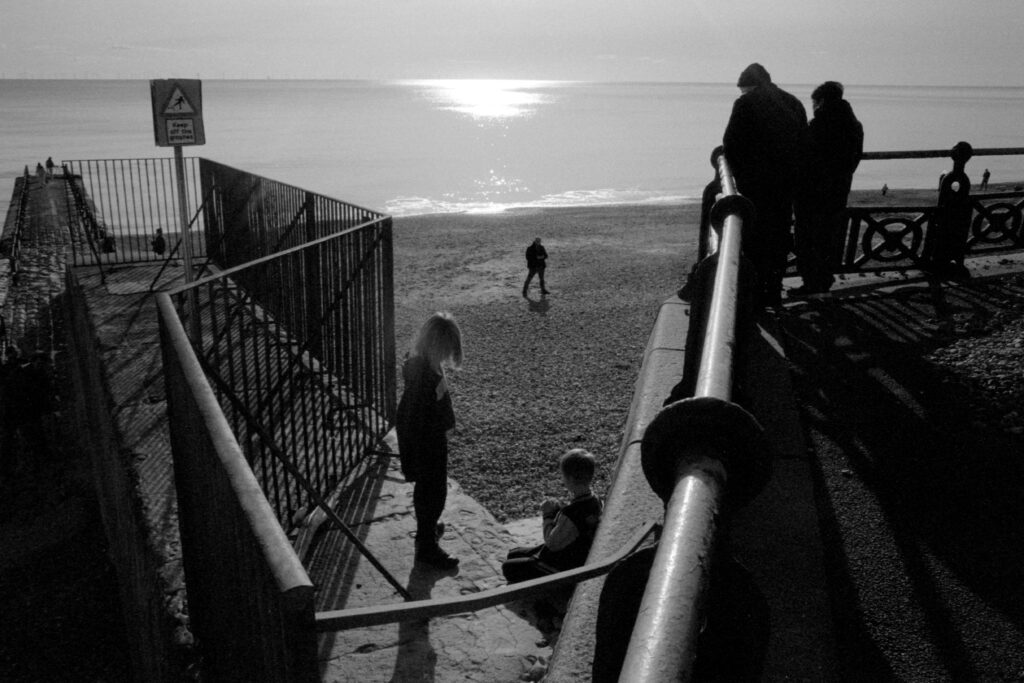
I went for the Thypoch for a few reasons. I really liked the design of the lens, especially the red bubbles to indicate the depth of field scale. I have had overall positive experiences from these “challenger” manufacturers, and in comparison with the other options this lens offered a few things that others did not. At f/1.4 this would be the brightest aperture lens I currently own, which for some of the low-light indoor situations I have been facing is appealing. The form factor is familiar, with a crescent lens tab as well as knurled focusing ring around it to ensure ergonomics and precision in use. The lens hood is included as standard, and has the corner cutout which in theory should help with framing through the blockage.
It was between this lens and the Voigtlander 28mm f/2 Ultron ii, a compact and similarly priced lens with excellent reviews and reputation. However, with poor availability secondhand it was priced a little over the Simera, which I bought brand new. I also really wanted to try out Thypoch in general for the design elements and overall appeal. Compared with the Leica 28mm f/1.4 Summilux, which I cannot afford and would never consider, the Simera is just over 100g lighter, which to me makes a huge difference. From comparisons online I don’t see a huge difference in the actual output between the Thypoch and the Leica, so even if the price was lower the weight would still be the winning factor there.
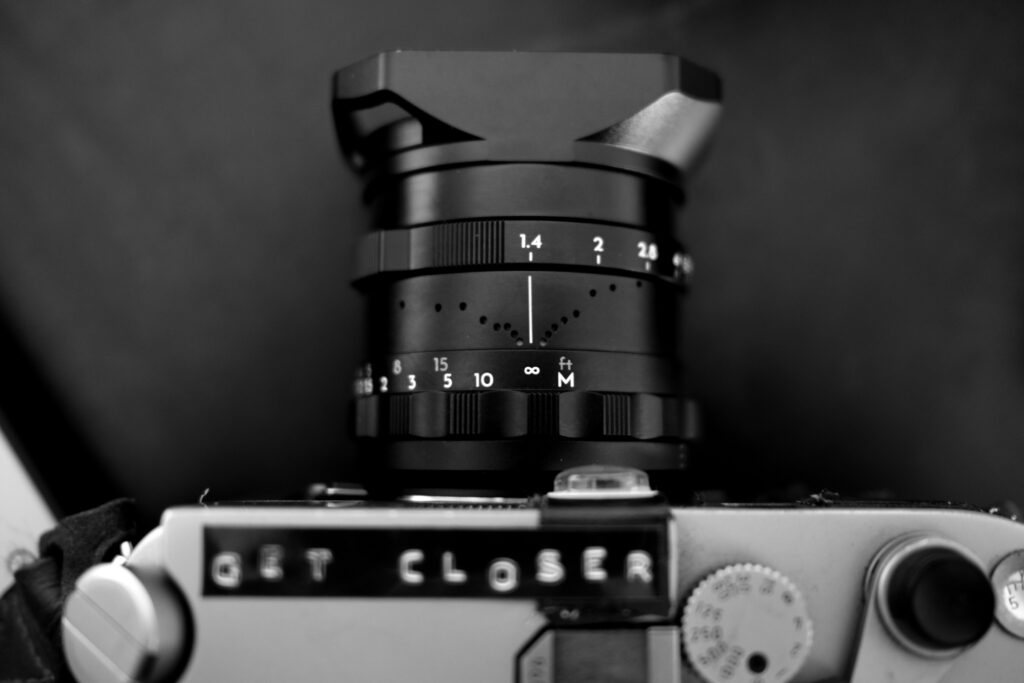
The Thypoch is still pretty hefty (relatively), about 100g heavier than the Voigtlander 50mm f/2.5 Colour-Skopar, which I’ve been using a lot on M, nearly 200g heavier than the 35mm f/2.5 Colour-Skopar ii, and 180g heavier than the Contax 28mm f/2.8 Biogon. However, it is 170g lighter than my 90mm f/2 APO, which is almost always with me, the weight of which I can absolutely justify on merit of the works I have produced with it. In order to justify the weight and consequent handling of this 28mm Simera, I would need to be confident that the photographs I harvest with it are similarly strong, iconic, and worthy of the projects they will belong to.
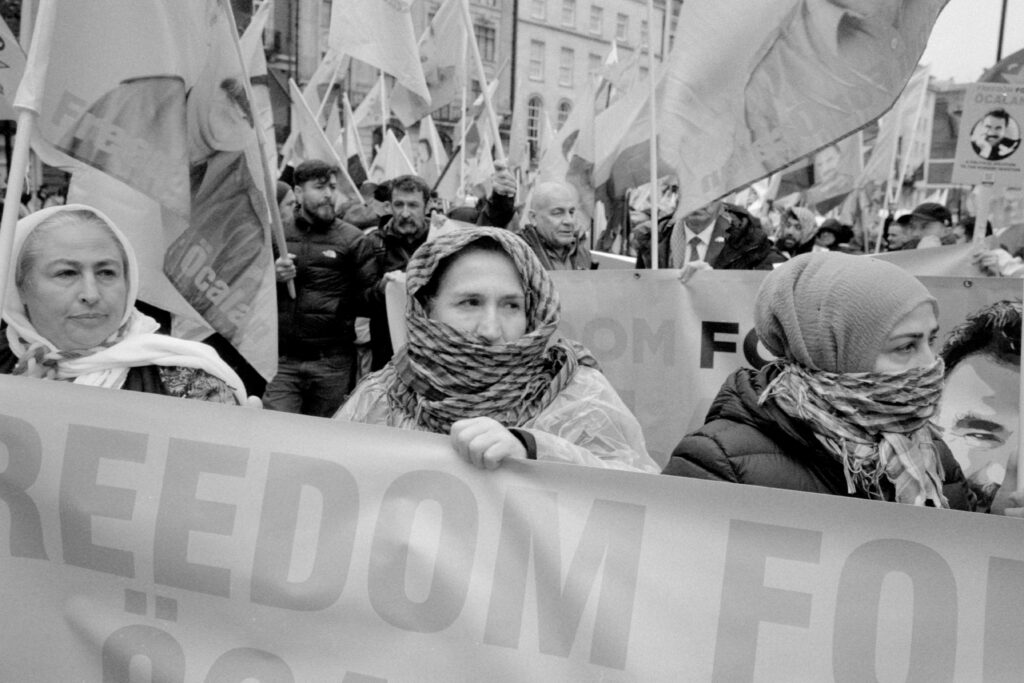
As soon as I had locked this lens onto my M, the first ever 28mm I have ever owned for the mount, and the first time I have ever mounted one onto my camera, I was filled with doubt. Why have I done this to myself? Why not just stay in my comfort zone with 35mm and stick with 28mm on Contax, a combination I know I can trust? So much of my relationship with this lens is not actually to do with the lens itself, but my struggle with the focal length on M, the difficulty with glasses and framelines. These are the hurdles and mental blocks any results from this lens need to overcome, to allay those fears that it simply isn’t possible for me to work this way.
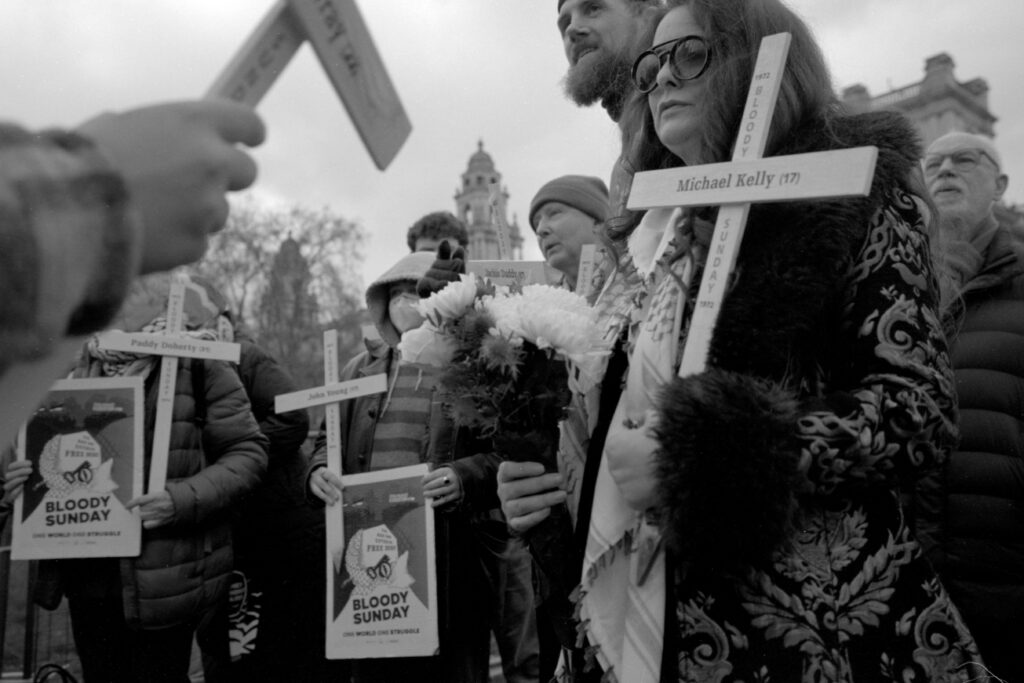
My use case for this focal length hasn’t changed, I need it to perform equivalent to the Contax, usually close operating within ten meters of events unfolding in front of me. Rapid action, reaction, the need to speedily focus, frame, and click. With my Contax, this is incredibly straightforward as the autofocus is snappy and accurate once you get used to it. I tend to miss only. few frames every handful of rolls, and in general I’d say you either nail it, or miss it entirely, there’s no middle ground.
A manual lens is obviously a bit more tricky, as you either get it, or you almost get it, with only the occasional total miss due to something incredibly unexpected. I think it’s easier to accept a total miss to a shot that’s nearly right but not quite perfect, I personally feel a lot more anguish over the latter.
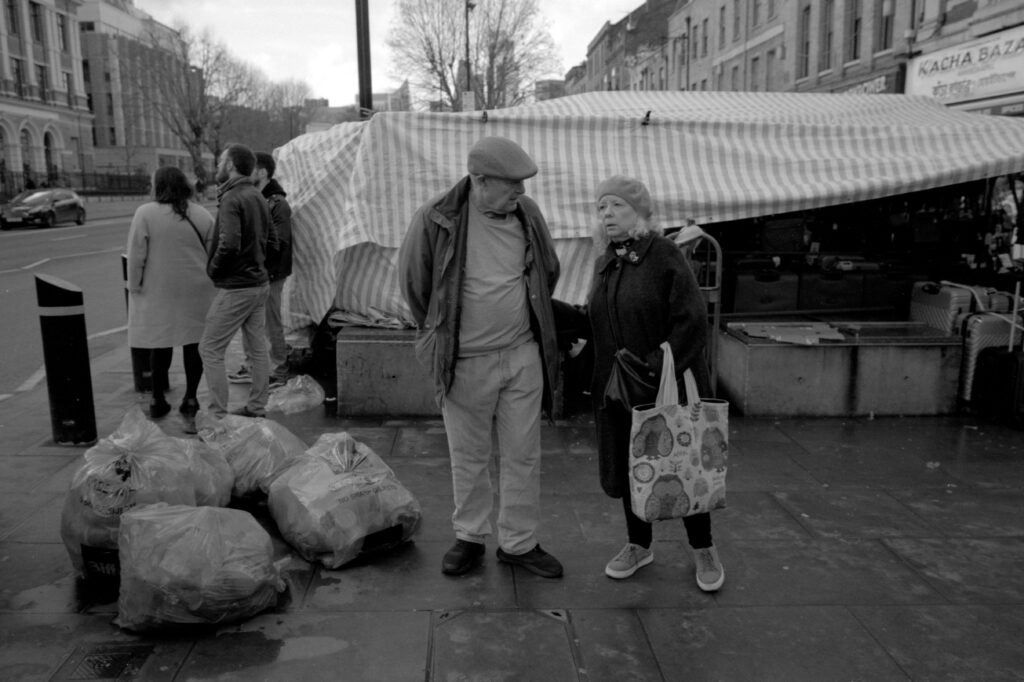
Stopped down to around f/8, hyperfocusing is fairly easy and difficult to mess up using the very enjoyable “visifocus” red dots to gauge what distance range will be in acceptable focus. The visifocus dots are originally seen on Alpa lenses as far as I’m aware, a wonderful vintage homage, and example of niche and interesting design features from the past being rediscovered and reappropriated in modern productions.
I do find the shade of red a little difficult to see in many lighting conditions (I’m not colorblind!) and I think white, or bright yellow would have been a better option. I’ll have to see whether I can find someone to paint a different colour, or even glow in the dark! Or maybe just go over them with tip-ex and a toothpick.
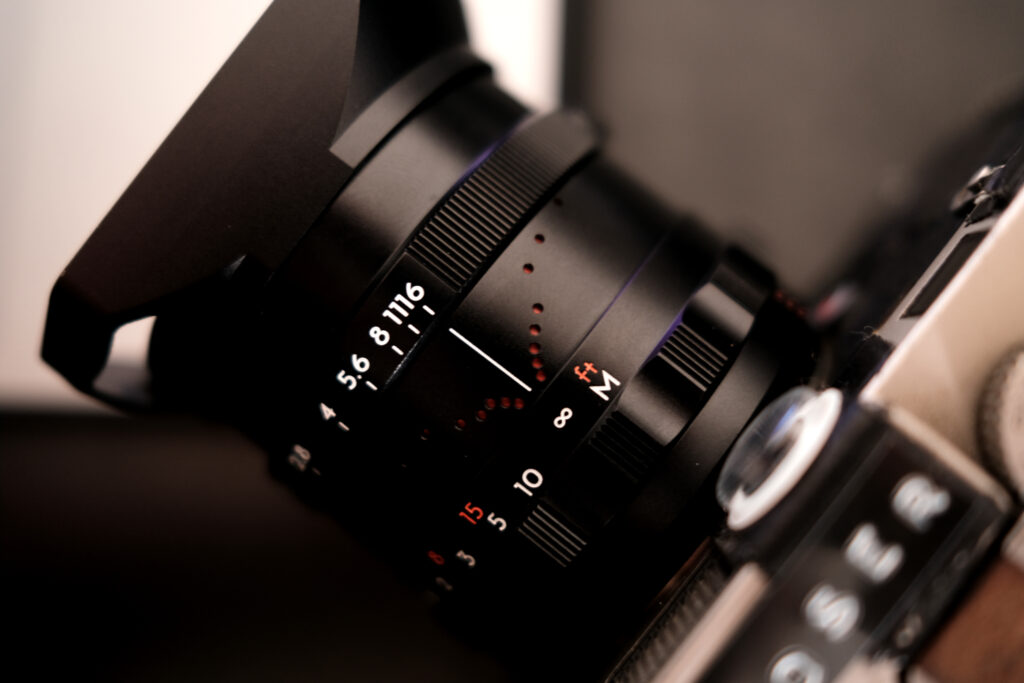
The visifocus inclusion really is fascinating to me when assessed with some of the other design choices we are seeing with challenger lens companies. Leica has an extremely valuable reputation and rich history, but the expense of their lenses compared with lenses that seek to copy them are difficult to stomach. Some manufacturers are even using original Leica lens designs and characteristics, such as FLE, ASPH, APO, and so on, and the actual photographic results are basically 90%+ of what you’d hope for from “real” Leica glass, for a fraction of the price. Leica have a solid position in the market as the last manufacturer of rangefinder film cameras, and one of the few producing film cameras at all, and they do a lot to stay relevant and engage with their dedicated customers.
I imagine a time where the majority of Leica M photographers are using their Leica cameras with exclusively third party lenses (likely Chinese, as the Thypoch is). The standard lenses Leica is well known for, 28mm, 35mm, and 50mm, now all have vastly more inviting options available from non-Leica product lines.The only Leica lenses I still own are my 90mm’s, and their quality is sublime. I think sentimental attachment to these would mean I wouldn’t give them up for a cheaper competitor, even if the results were the same.
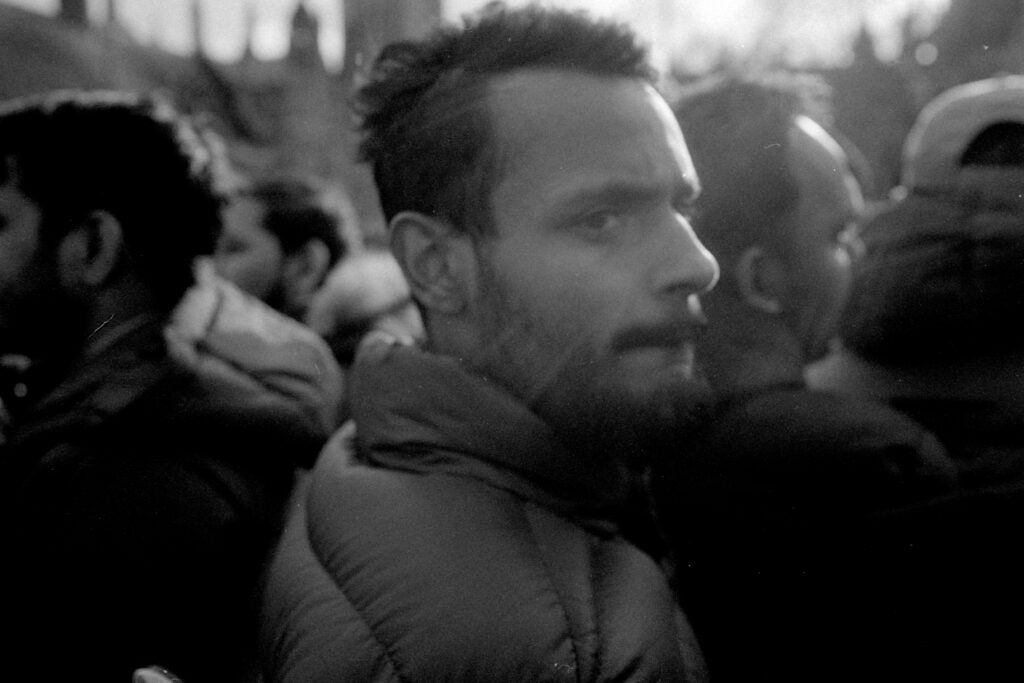
Critically focusing using the rangefinder patch while stopped down, then maintaining distance tends to work out for me in a busy environment, and when in a solid crowd I only need to refocus a couple of times while shooting to catch the action I’m after. In more intimate settings I prefer to put the effort into nailing the focus with the rangefinder each time, slowing down to make sure evrythign is as I need it to be.
Colour nit-pick aside, I really like the visifocus zone focus scale. I find it much less cluttered to the more common version which shows each f/number and an according line, which can feel more like reading a map key than operating a tool. I do worry a little that in dusty or sandy conditions these holes may clog, or allow grit into the mechanism, but the build tolerances seem tight so that’s reassuring, but if it ever happens I will come back and update this article.
The lens focuses down to 0.4m, reasonably close, with a haptic stop at 0.7m. The issue here is that instead of a smooth transition between the regular/rangefinder focal range and the close focus, the lens sort of jumps and you’re set at 0.4m/ So it feels like a minimum distance of 0.7, with a kind of hard-leeway to jump down a step, but not the admittedly minor increments between them. A little mushy feeling in actual use.
The aperture dial itself has an odd discrepancy in the spacing between the marks, with the haptic clicks happening in sets of three towards 1.4, then two then only one click at the end, from f/16 to f/11 to f/8. This makes it odd to operate by feel alone, which I can confidently do with my Leica, Zeiss, and Voigtlander lenses. With my Zeiss 50mm f/2 Planar I know for sure that every three clicks is one stop, so if I meter dead on and want to adjust I can do it anywhere in the range. With this lens I need to physically check how much I am moving it after metering if I want to compensate, which may be possible to learn and memorise, but unlikely for me to adopt just for this lens. Instead it’s just a momentary break in my workflow, but still a frustration when I’d rather keep my eye to the viewfinder.
If I mess up towards the wider apertures I may be off by a fraction of a stop. At the deeper end it could be the difference between two or three stops! Not fun. Not reliable. But also not the end of the world to workaround. I’m sure there will be a stand out moment where it causes me to miss a shot, and then I’ll dislike it even more.
At this point this is my brightest M lens at f/1.4, with all the rest I own at f/2 and above. My slowest wide aperture M lens is the 15mm f/5 Laowa. As I said before, my only native M lenses are my 90mm’s, my 35mm is Voigtlander, and I have 50mm’s by Zeiss and Voigtlander. Lens mass production has advanced significantly, and I think even the worst lenses for M produced today, if made fifty years ago with a red dot, would be hailed as classics with heaps of character, and fetch four to five digit values on the secondhand market. I do not believe there are any truly bad lenses, as I’m sure I’ve said before. Just imperfect expectations and use cases. My expectation quality-wise for this lens was set high by various reviewers and critics I researched before buying it, and I was not let down. As far as rendering capability, this lens is more than enough for a slow, sharp film, and I’m sure it performs wonderfully well on digital although I have not tried that.
I don’t miss brighter M lenses as much as I thought I would, which is odd as I gravitated to the bright glass when I was starting out. These days the lower weight makes it an easy decision, and I am simply not a bokeh photographer. I’d rather stop all the way down and get everything in focus and compose well to accommodate, than to isolate one thing at a time.
The bright f/1.4 aperture on the Simera is the cause of all the main drawbacks of the lens itself for me, as it contributes to the physical size and weight, the consequence of that being the inability to pocket it, as well as the actual handling challenges it offers. I have to carry this lens as if it’s my 90mm, keeping the camera in hand while shooting, not slung around my neck as I’d prefer for my wide lens option when dual wielding a combo of wide/mid or wide/long.
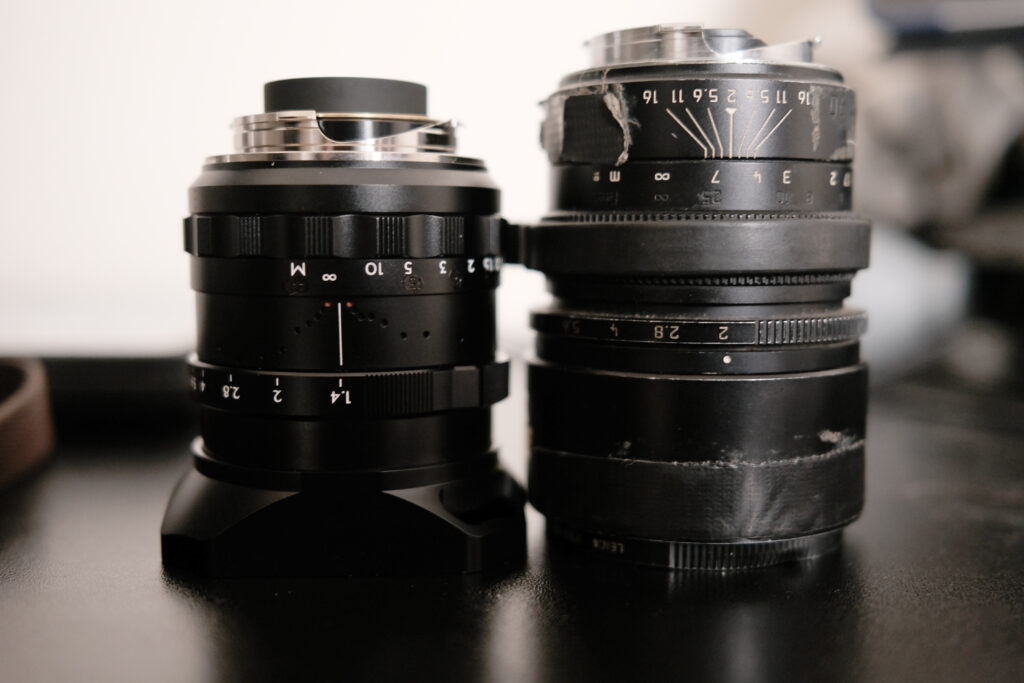
On top of the aperture, there are qualities to the design and glass itself that add to both the weight, and rendering quality. A floating lens element (FLE) means better performance close up, and an aspherical element reduces the number of corrective lenses internally, but again adds to that weight. Externally the metal chassis is an anodized aluminum alloy, lightweight but feels as sturdy as any other metal lens I own. I mentioned before that the lens I have uses a crescent shaped focusing tab, and some may have seen that early reviewers all seem to mention the infinity lock found on their early variations. I understand that the situation there is now that the tab is the standard, with infinity lock available as special order, the reverse of how it was when the lens was originally released. I think I would have the same issues others found with the infinity lock, but luckily I don’t have to think about it.
Something I noticed after a few rolls is that this is an internally focusing lens, so nothing on the outside of the lens moves when you focus, which I think is quite rare for a rangefinder. It’s definitely the only M lens I own that does this, I think the Leica MATE also had this, and I think I’ve only had a couple of SLR zooms that work like this. This is great for keeping things compact throughout use, although it means you have to rely on the position of the tab and markings to check focus, whereas with other lenses I can see from how far the barrel is out just when picking the camera up whether it needs focusing adjustment as I’m lifting it to my eye.
I think smaller is better on M, my comparison earlier highlighted only other rangefinder lenses, and I think the best use case of M is portability and nimbleness, quick reaction to your surroundings. Yet a broader comparison may tell a different story; against the Nikon 28mm f/2.8 AI-S, as used by Sagar Kharecha, someone whose 28mm work is a constant inspiration, we see that the size and weight difference is not as great as with rangefinder lenses, especially taking into account lens hoods. The Simera is a unique package taken as a whole and compared against more than just other rangefinder lenses. In my situation however, attempting to use it as an everyday lens, that size and accumulated weight of all the various factors, causes things to falter a bit. I will never be as fast with this lens as I am with my pancake 35, maybe not even as fast as I can be with my 90mm, which tends to have more particular parameters to the situations that allow me to work very quickly with it.
I think to overcome those I would need to change this lens for the Voigtlander f/2 Ultron ii, which seems to be the more ideal combination of size, weight, and function. I’m in no rush to make that change, and I think I have to keep using this lens until I hit a real wall, and I put it on my shelf for a few months without use, which is how I know something needs to be sold, or rotated somehow to stay relevant and not dead weight to my inventory.
So there is more than just pocketability and portability at stake here, there’s the more baseline ability to even use the lens in any meaningful way. If I can’t, and admit defeat, then I’d need to return to a status quo of 35mm being my widest M lens (that I look through the viewfinder to compose with). If I’m still hung up on that then switching for a different brand, or even the new Eureka release from Thypoch, which promises another vintage design with modern optics, compact 28mm f/2.8, then there’s seemingly always going to be a shadow over my use of this lens or any other 28mm, a constant steady pressure distracting me from the task at hand.
I can’t separate my experience of this lens in particular from my experience using any 28mm on M, they are one and the same. So much of that comes down to something so totally unrelated to the lens, to how it works with a particular camera, that it feels almost unfair to them. I have tried a 0.58x viewfinder to see whether that would be a workaround, but even there the best case would be something similar to how I use 35mm, a marginal improvement that wouldn’t be as clear a vision as I’d prefer to justify the price tag associated with a whole new camera just for that viewfinder and lens use case. It is frustrating that the G2 has this edge, allowing me to perfectly frame the whole photograph at once, and quickly, with minimal interference from the viewfinder and other factors exactly how it should be with M, but exactly how it isn’t.
It really feels like, without that ability to frame the way I want, any other feature or benefit is pure compromise, whether that’s the immaculate glass, lovely rendering and sharpness, the wide aperture potential, all things considered, there’s no point to any of it if I’m struggling this much. If there were an option for something like goggles to widen the viewfinder, as exists for some 35mm lenses, maybe that would be what’s missing, and while I’m sure one may come along from Thypoch or similar, whether it works for 28mm (I don’t think such a thing has been attempted before?) is unknown, and more importantly whether it actually works for me.
I know external viewfinders exist for 28mm, and I may see if I can try one of those, but it would feel like more of a fix for its own sake, I’d much rather use the camera as designed, with focus patch in the viewfinder rather than separated. It’s much easier with the Contax where autofocus can be achieved very quickly then move your eye to adjust framing, whereas the manual aspect leaves more room for mistakes. An external viewfinder is almost it’s own particular workflow, one that works for 21mm, but not in my mind for 28mm. Maybe that will change. I’ll give that a try.
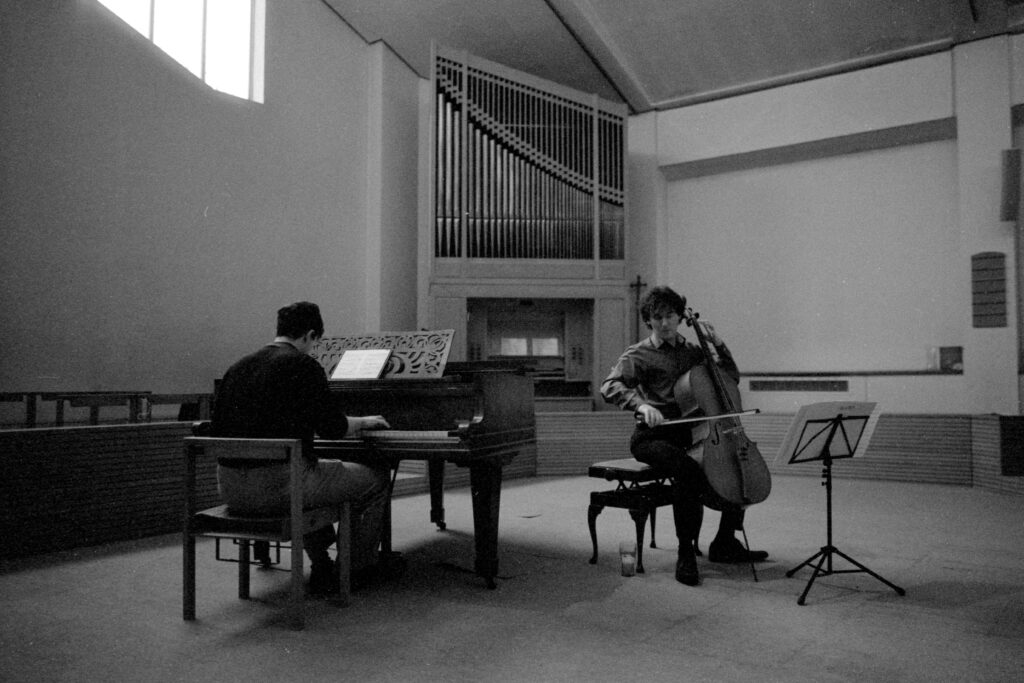
I think you can tell from how much I’ve written just how much I want to get on with this lens. I really, really value what the focal length offers, and I’d love to find a way to make that work for me on my favourite camera system, my favourite way of seeing. This isn’t it. Maybe none of that matters for you, and I’m sure it is the perfect lens for a great many of you reading this hoping for help making a decision.
I recently introduced a medium format camera to my workflow, the Fujica GW690. I like the idea of dual wielding this Simera 28mm lens along with the 40mm equivalent there; two rangefinders, a wide/mid combo of lenses, overall a very inviting documentary photography lineup. However, if I cannot make 28mm work the way I need it to, what are my options?

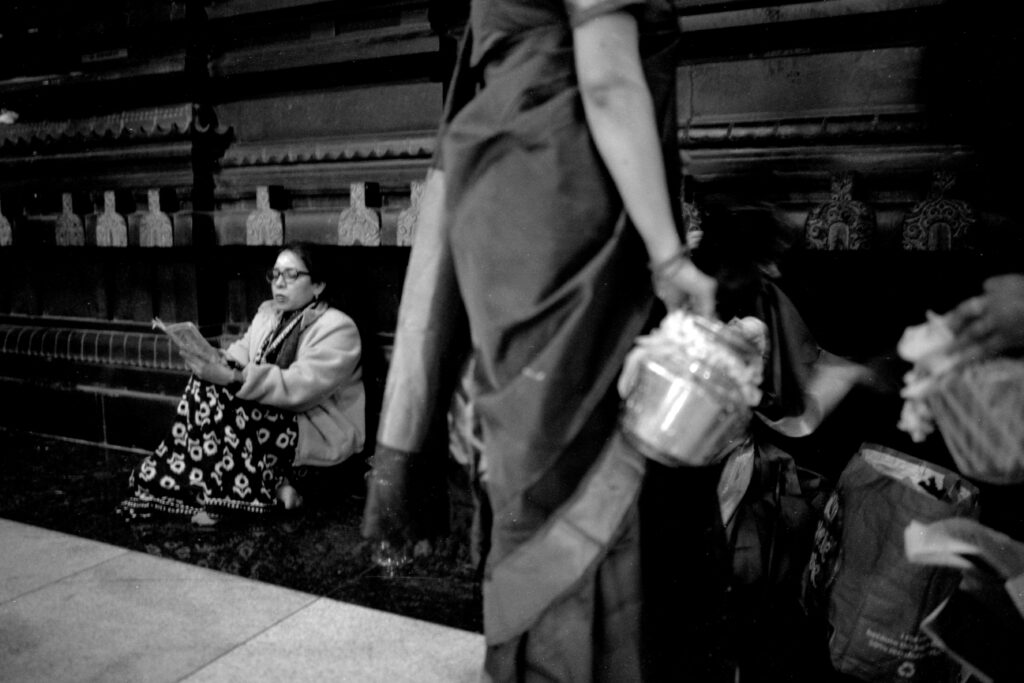
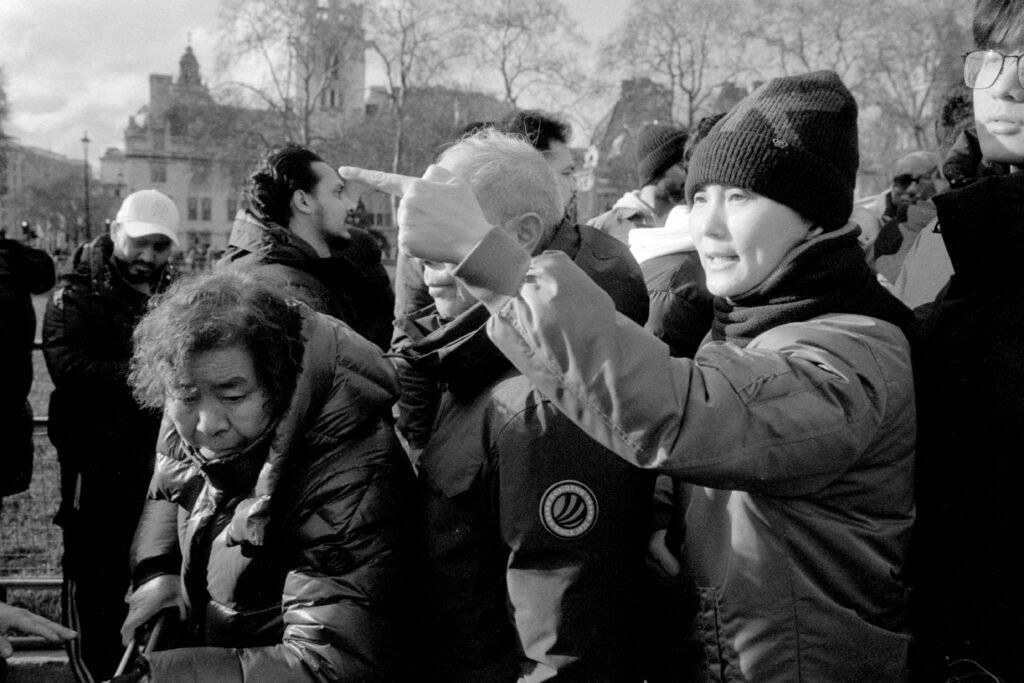
I tried this out, using this lens (on my M6) with the GW690iii at the Thaipusalm celebration at my local Murugan Temple in East London. Previously I used 21mm which had some difficulty with vignetting and flash, and although I had the brighter aperture potential here I still used a flash at times, swapping it out between the two cameras, and using available light when possible. This was a reminder why I don’t use flash with my M6, as the flash seemed to trigger before the shutter was opening, I suspect electronic desynchronisation but I’ll solve that by just not using flash on my M6 again. I lost some good photographs as a result of this, with others salvageable though underexposed. Annoyingly due to the flash switching I also ended up missing a frame on the GW690iii, but other than that I liked the combination, and I think it will be good moving forward as a 28/40ish combo in regular use.
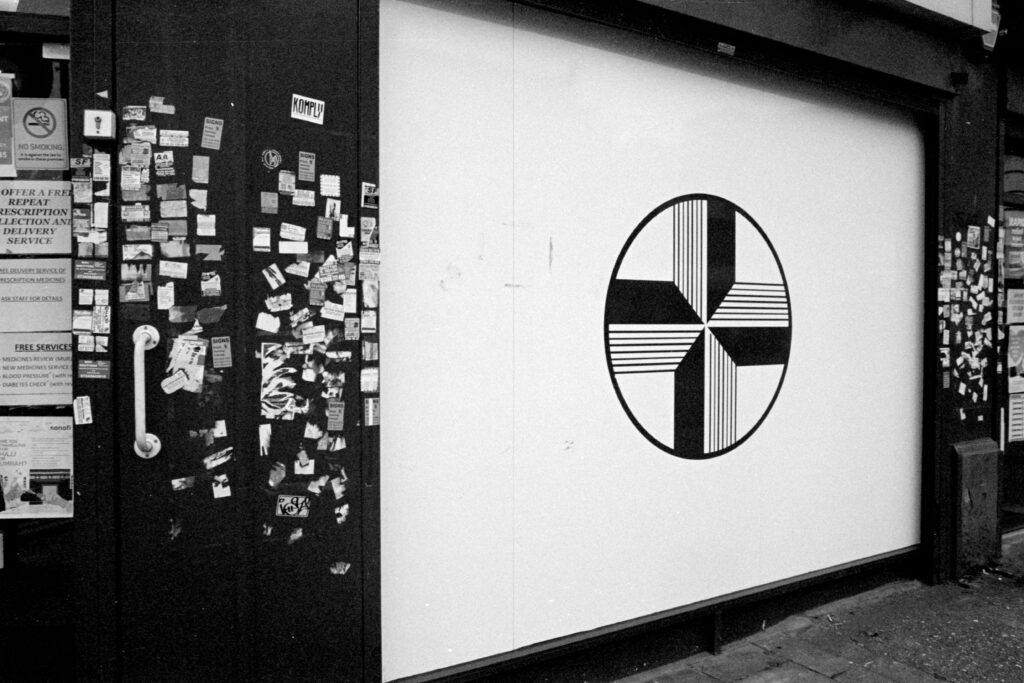
Anyway, what I care about is whether the compositions are what they needed to be, or within a tolerable, acceptable margin of error. I was very conscious of the limitations while trying to force myself to work as I normally would; I can see when something I want in my frame is on the left, and peering through the lens hood cutout I can tell when something is to the right. Will it be precise? Will the edges fall where I need them to? I’ll never know, total mystery. Or rather, not in the moment, I’ll obviously know once everything is developed.
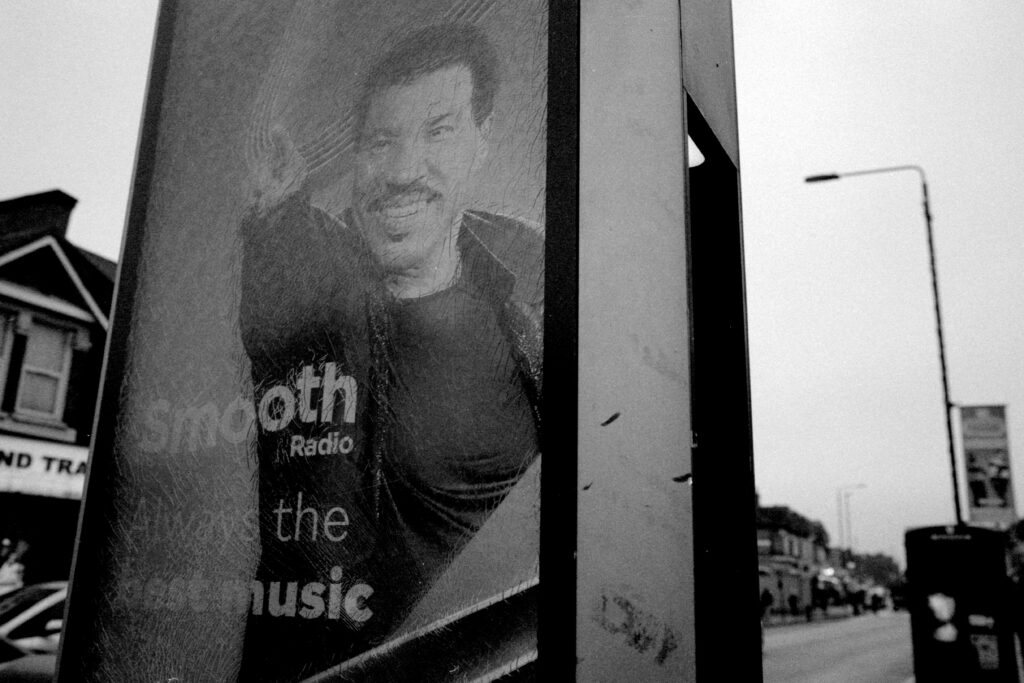
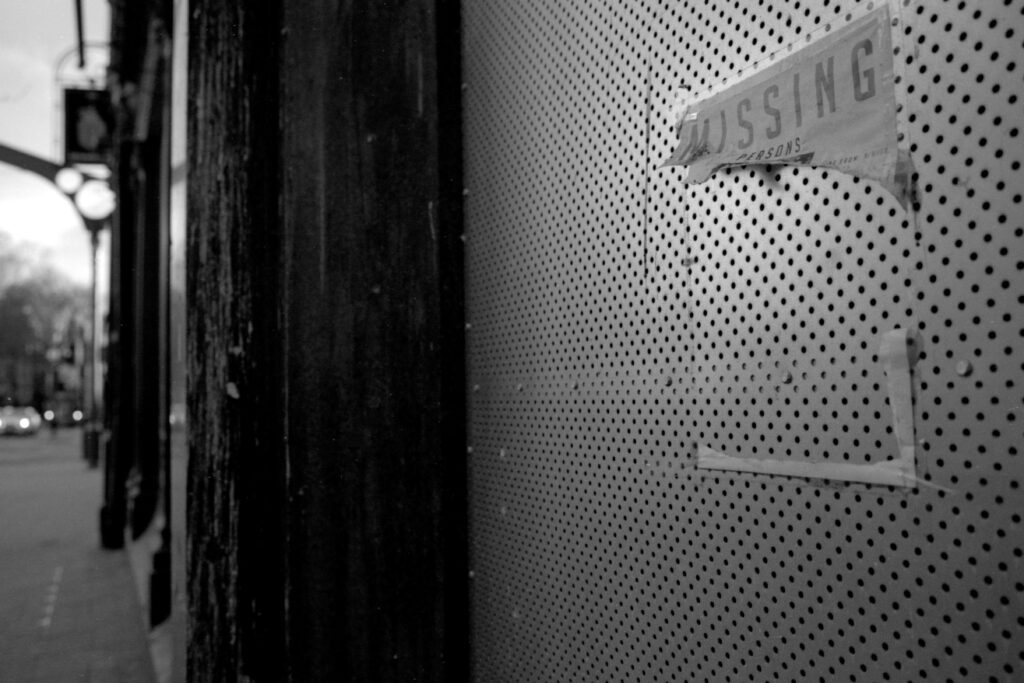
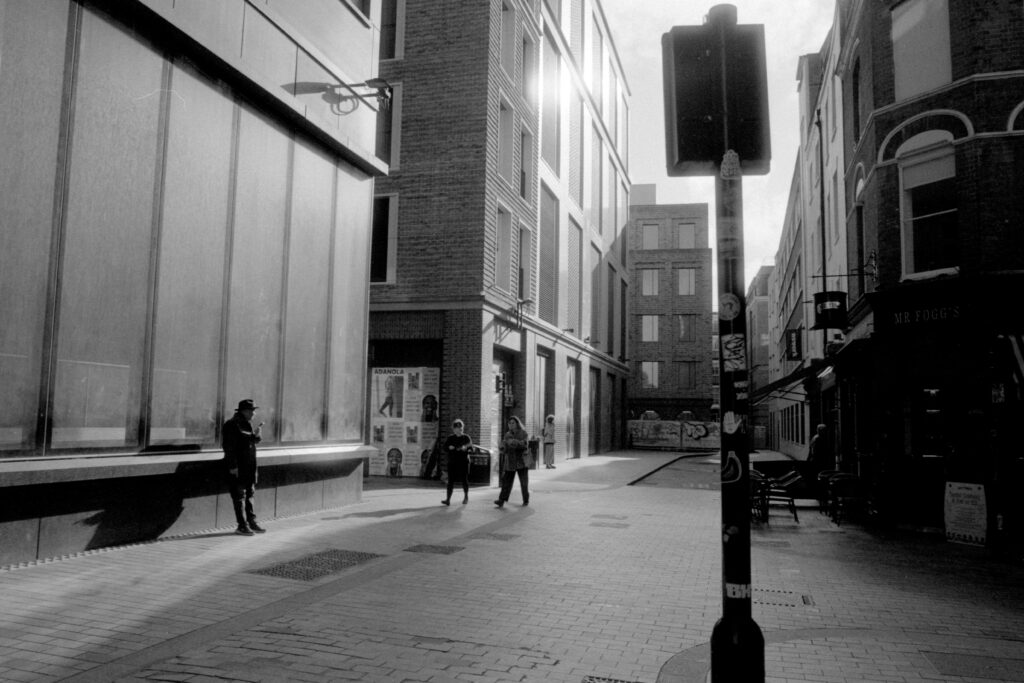
This photograph (above) was a good one to test how the edges of the viewfinder seemed to match with the scene. I placed the streetlamp on the right just at the edge and top of the right and uppermost framelines, so the extra space you can see is how much further the lens sees compared to what I can. I like the broken texture of the glass of the advert, juxtaposed with “smooth”.
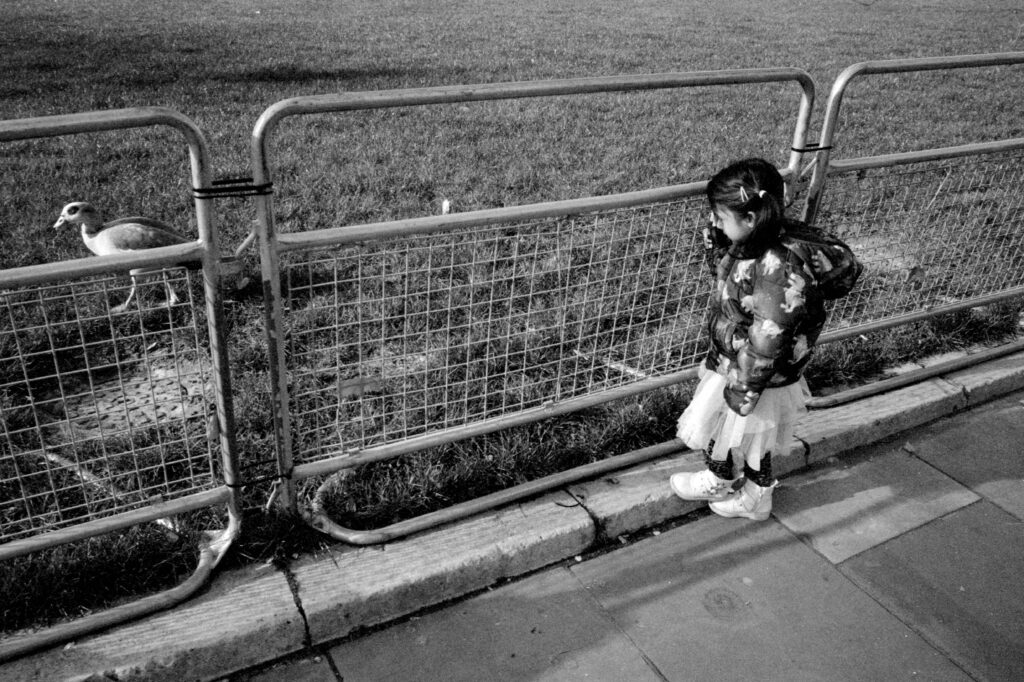
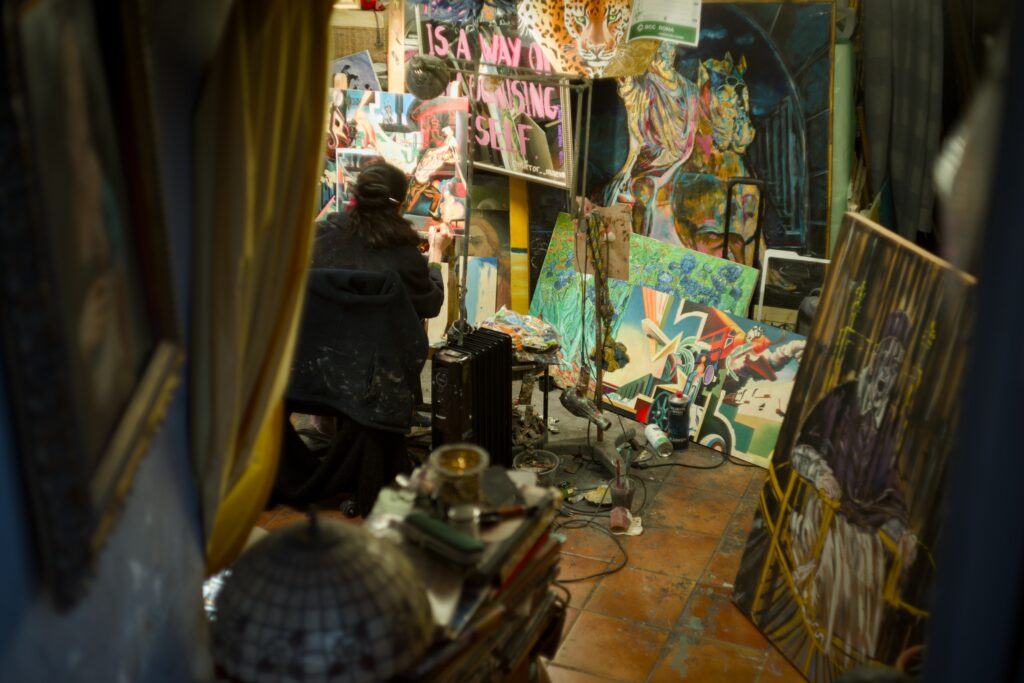
For the photograph below I placed the lower frameline on the edge of the closest banana leaf, and the top frame just above the horizontal wall detail above the radiator, so again you can see the further extent I will have to account for in practice, my blind spot.
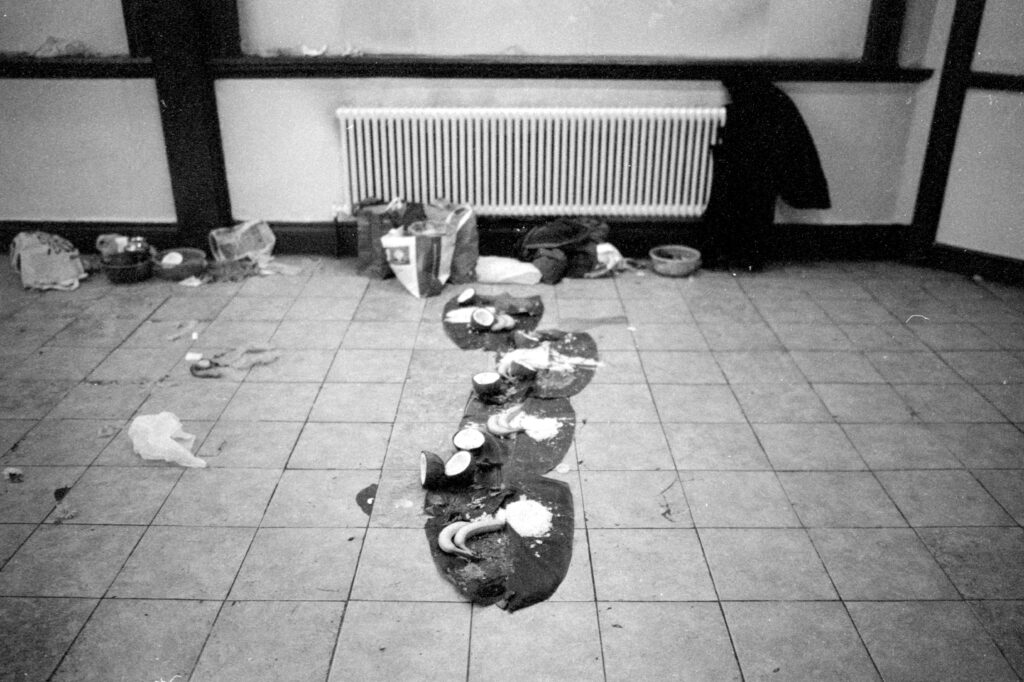
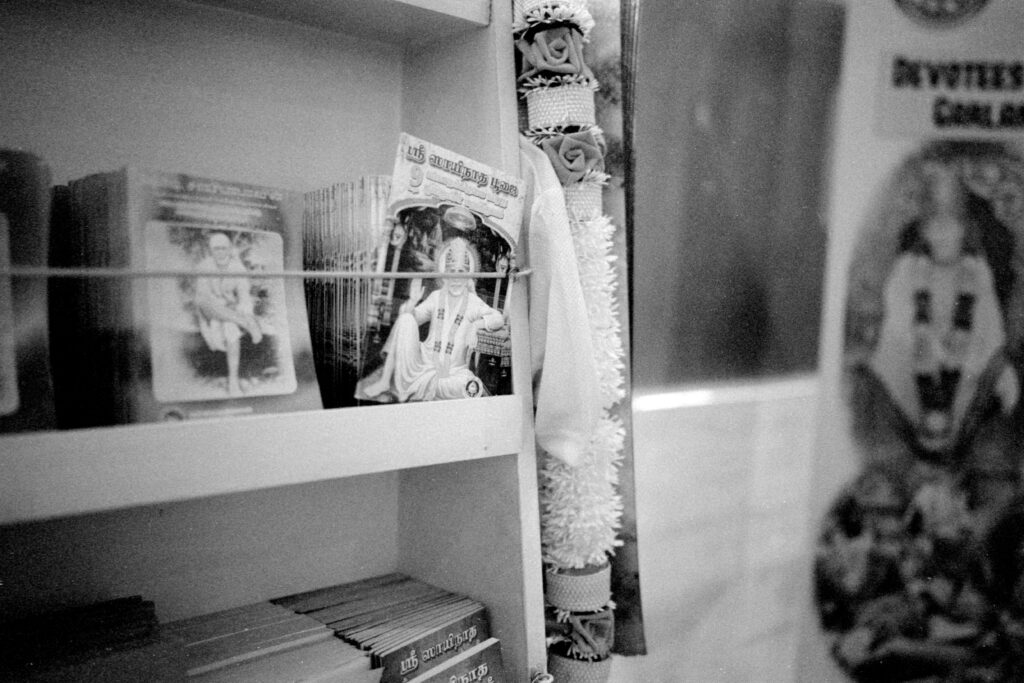
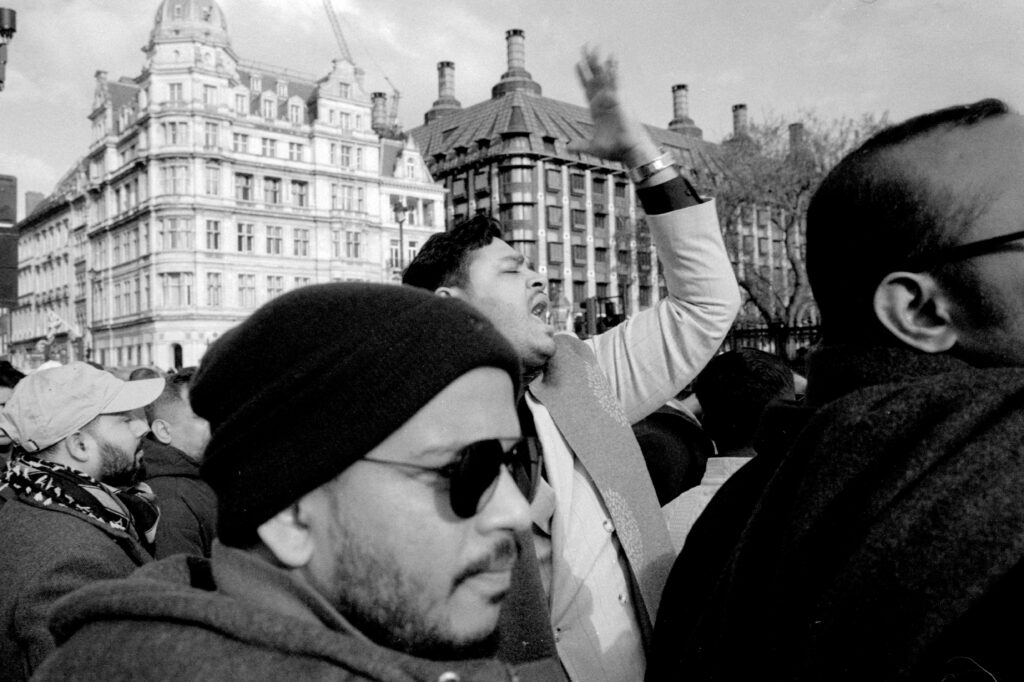
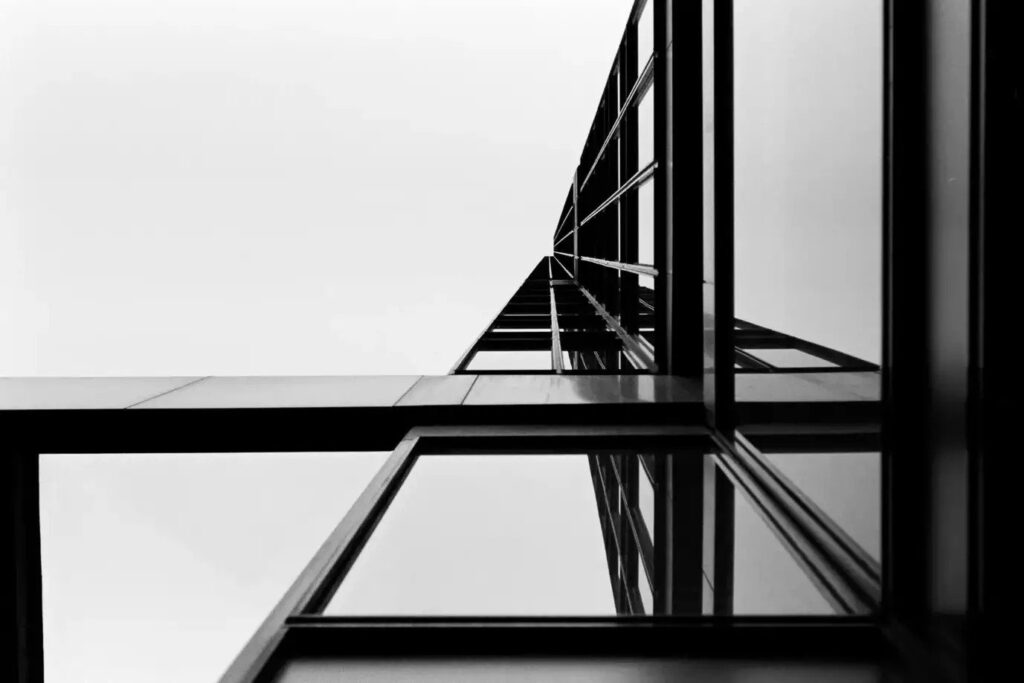
I think you can actually tell from all of the photographs in this article in the way I’ve composed them that I was feeling out the edges. You can almost see my mentality, composing in ways that would emphasise to me any shortcoming in those far edges and corners. You can also tell when someone was in, or stepped into, the lower right hand corner; the most difficult to see even with the lens hood hole, due to parallax. I like to be without mental strain such as this while working, the second guessing and pre-empting.
But then, isn’t that just the reality of rangefinder? It explicitly isn’t a “WYSIWYG” experience. And isn’t it quite similar to my Nikon FM2, where the edges of the frame are concealed from me by nature of the 93% coverage? I’ve never noticed any issues there in practice, so why not take the same mentality here?
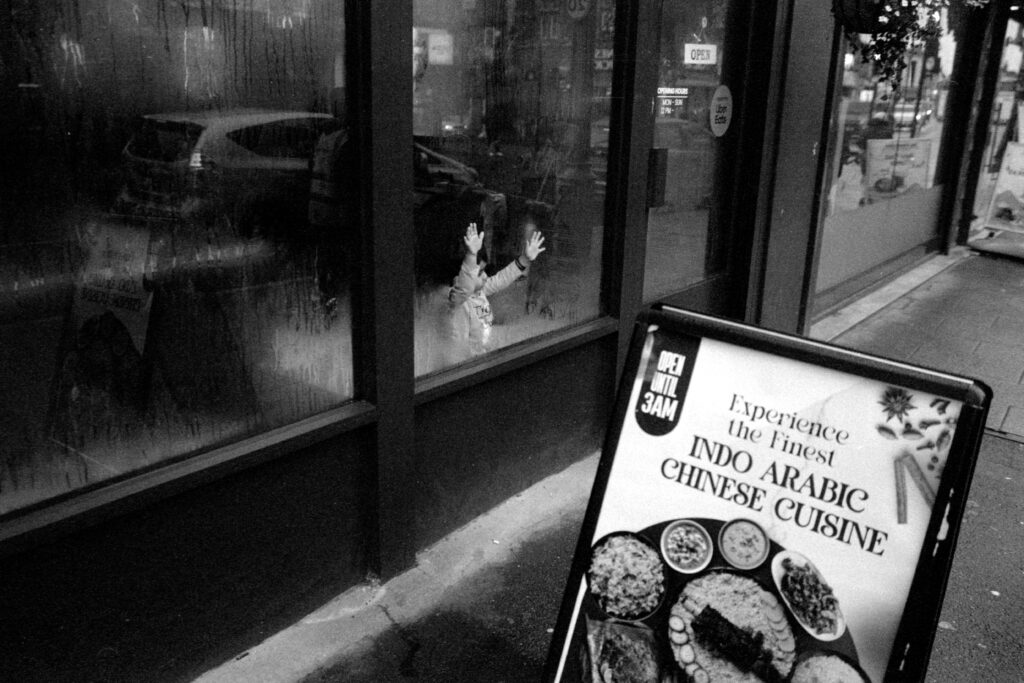
The results are…basically fine? Obviously the lens itself is quality, focus accurate without adjustment (which I know some are concerned about with some of these lenses), a strong image quality and rendering under a range of conditions. But the compositions, I think I’m yet to make that frame that really cements this lens, that justifies it and retroactively makes me realise that this was what I was working towards. The same thing happened with 90mm, which I often refer to as the lens I’ve made the most keepers with. It wasn’t always that way. i owned it a few times ad had to force myself to use it exclusively before I really learned it.
28mm is a step up from 21mm (skipping 24/25mm, which I have for Nikon, and use without fault), a focal length I have been enjoying a lot recently, and one I hope to reintroduce to my M lineup. I previously owned the Zeiss 21mm f/2.8 for M, which would be what I return to, however Thypoch have released a new line of lenses called the Ksana, the first of which is a 21mm f/3.5, only a stop below 2.8, and tiny, so exactly what I would need as a complete package. I would likely use this similarly to how I use the 15mm f/5, without a viewfinder (although I can always just use the one I have been on G mount), just pointing and hoping. I enjoyed that the 15mm was close enough in use to 21mm and only started thinking about an option for M after my time with the Simera 28mm. I will think twice about whether I really do need a 21 for M on top of what I already have for G. That’s the problem with gear trains of thought like this, it quickly spirals, and if this is the final note of the review, on a totally different lens, what I might be able to somewhat replace it with, I think that says something as well. Not necessarily about the lens itself. But definitely something.
Please consider following my Instagram where I share a rolling feed of images from my archive. I buy the majority of my film from Analogue Wonderland.
Share this post:



Comments
Peter Schu on Thypoch Simera 28mm f/1.4 ASPH on my Leica M6 – Second Guessing Myself in the Form of a Long-Term Review
Comment posted: 16/03/2026
when I decided to get myself a rangefinder camera I was interested in an M6, mainly because it is mechanical and works also without batteries. However, I am wearing glasses and I can just see 35mm frames lines and just a little bit more. So I cannot make use of one advantage of a rangefinder camera, namley also seeing what is left out of a scene, with my favorite focal length. When I looked through the Zeiss Ikon ZM, I could see almost the entire viewfinder area, which is a field of view of about 25mm and so seeing the 28mm frame lines and abit more is not problem. So, I got one and I like to use it a lot. I do have the ZM 25mm, which is outstanding and I also use it on my Lumix SD5 IIx. So, if you get the chance to look through a ZM viewfinder, you should just try it.
Comment posted: 16/03/2026