

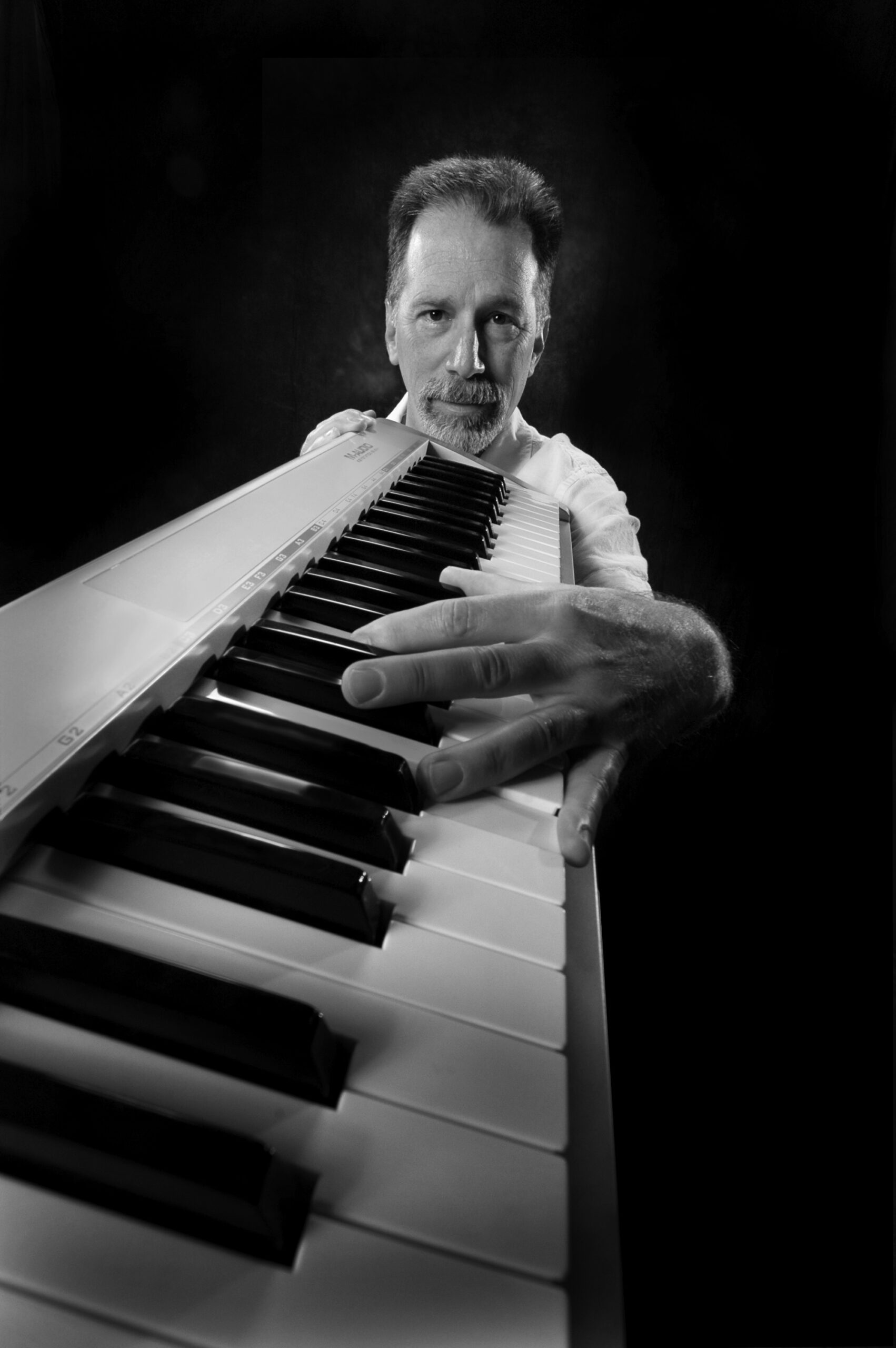
I got the Hasselblad Superwide C around 1977. It was built in 1954, so it was rather old at the time. Mine was well worn, but in the 40 years I used it, it never needed servicing. I’m sorry I sold it and I’m currently looking to buy another. Models in good condition are about $2200 USD. Ugh! I had sellers remorse the moment I shipped mine away!
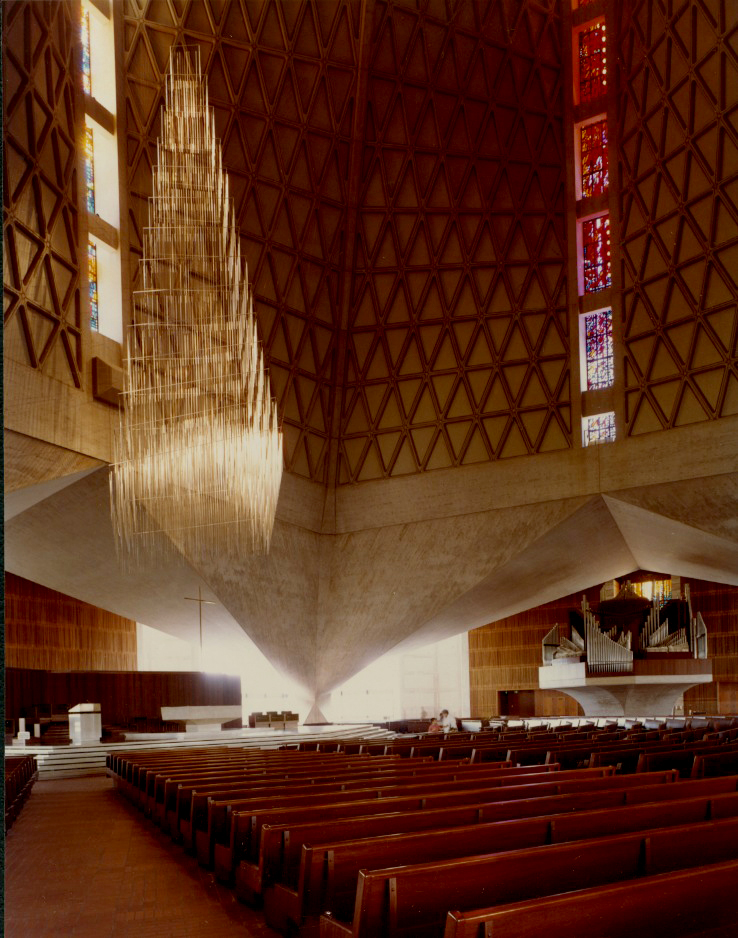
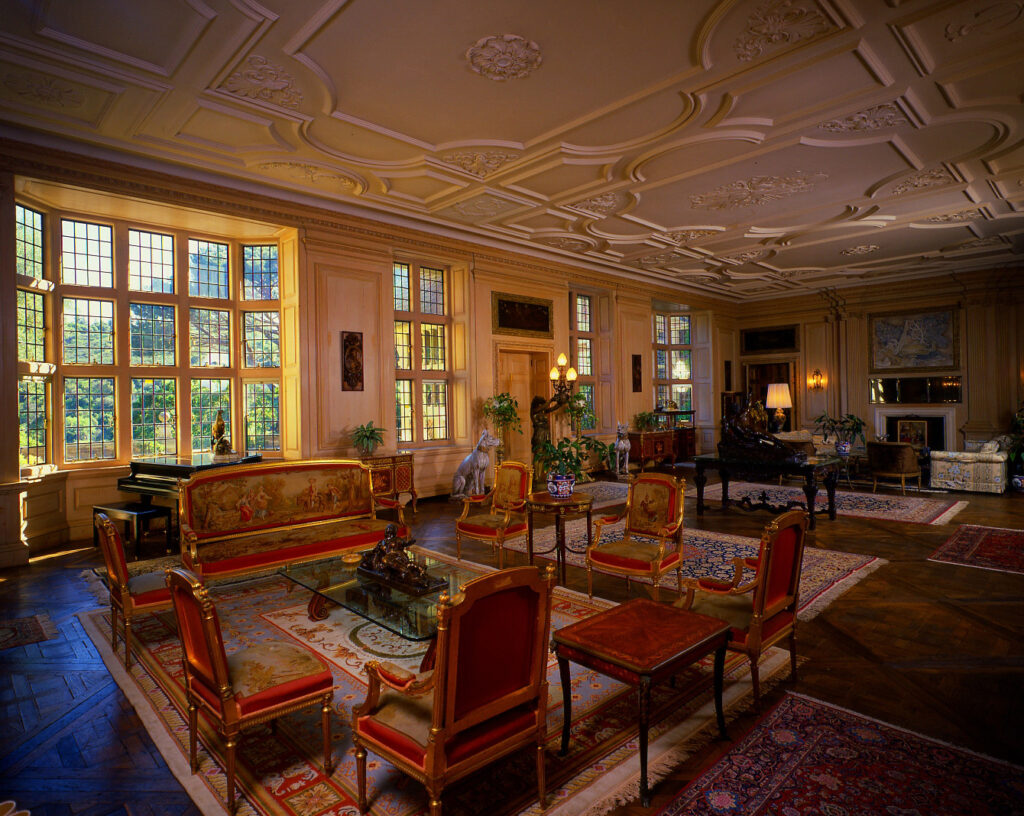
I originally bought the Super Wide for architecture. The 38mm lens is quite good for large interiors, which was a big part of my business in the 1980s. It was much faster to use that a 4×5 and the film was cheap in comparison. A busy day involved five or six locations, so even with bracketed exposures the cost savings was significant. The 38mm Biogon is about the same coverage as a 22mm on a full frame 35mm camera. The big plus with the Hasselblad is NO DISTORTION OR SOFT EDGES. Compared to any zoom lens, the glass on the Superwide is a cut above in every category.
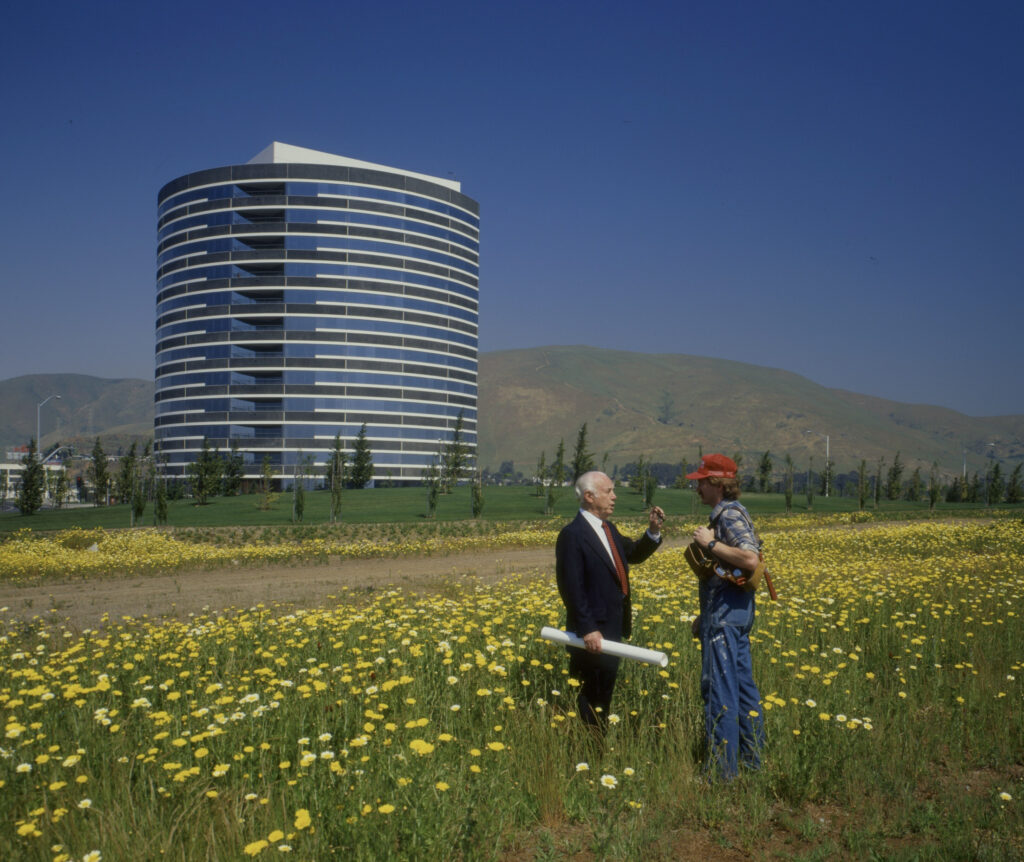
This shot of St. Mary’s Cathedral in San Francisco gives you an idea about how accurate the lines are as long as you use the built-in bubble levels to get the camera perfectly straight.
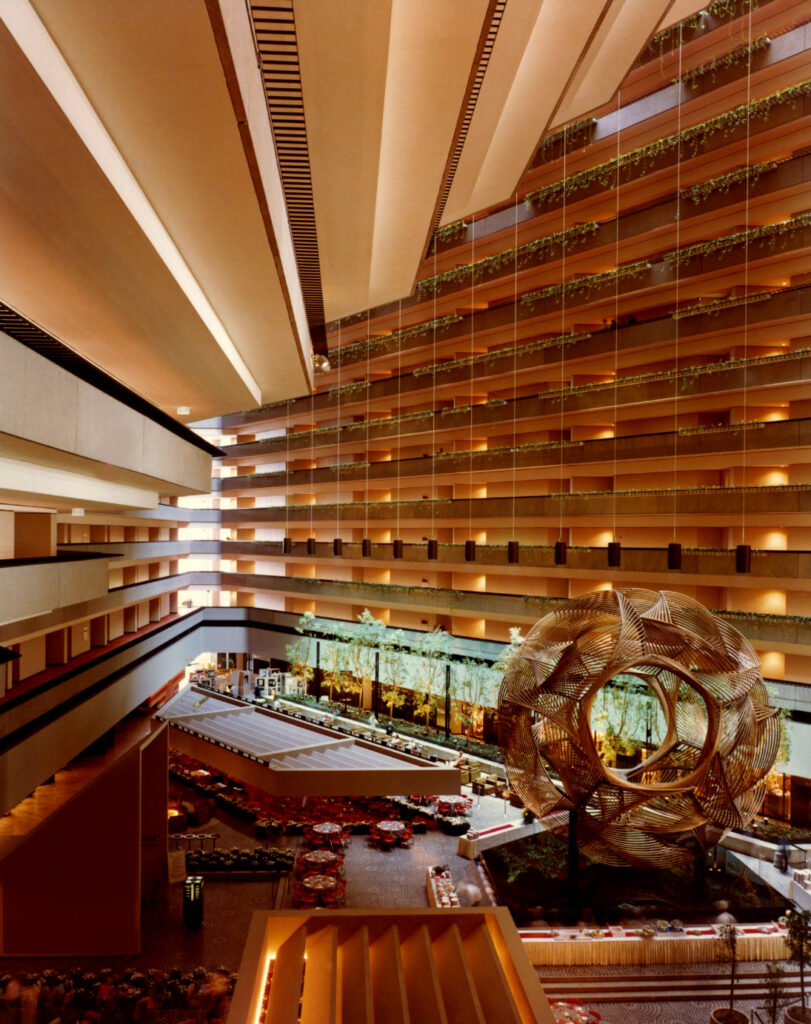
This shot of the Hyatt Embarcadero hotel in San Francisco was taken over the railing on the 4th floor. With that little camera, a photographer could be done in minutes without dealing with hotel security.
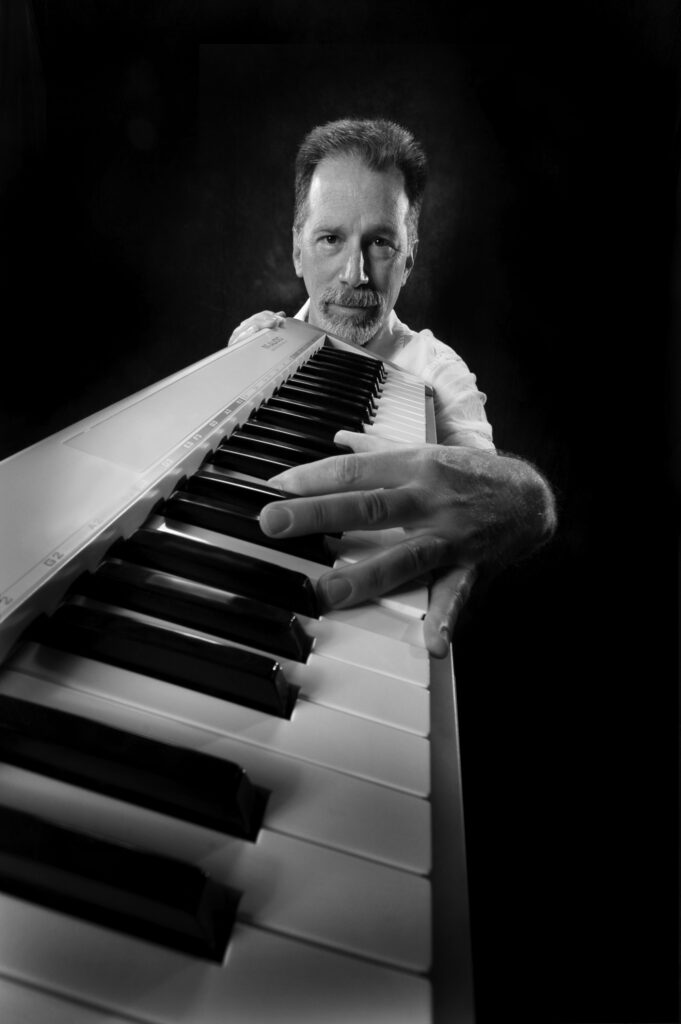
What I soon came to appreciate was how great the camera was for portraits! One drawback is that you have to guess at the distances, but stopping down to f/22 makes it easy to obtain good depth of field with no noticeable diffraction. On the good side, the viewfinder is accurate, so there’s no guesswork on framing.
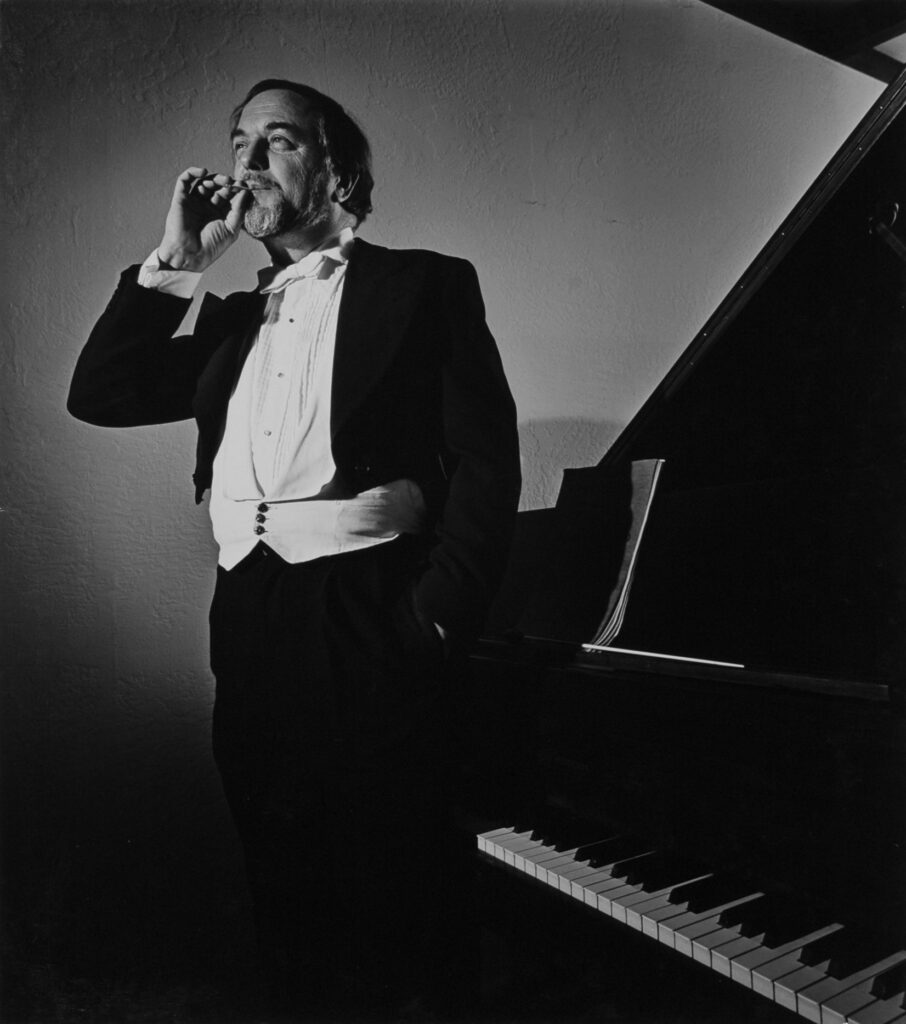
Doing shots like this is a lot easier on a wide angle DSLR, but if you want a medium format film negative to print, I can’t think of a better camera.
That’s it. I can’t wait to locate a Super Wide at a decent price.
Share this post:

Comments
Sergio Palazzi (aka @CanonF1) on 5(ish) Frames with a Hasselblad Super Wide C
Comment posted: 16/10/2026