

Mourning, remembering, honouring, designing, maintaining, developing: a cemetery is first and foremost a place of mourning and remembrance, but also a significant cultural space which, as a peaceful, green setting, invites people to take a breather and relax.
It is also a meeting place for families and relatives of the deceased and helps to counteract the social isolation of the bereaved.
And a cemetery is a place of integration and peace. “Our cemeteries are also places for the living, which, far beyond personal mourning rituals, have identity-forming significance for our society,” says the representative of the municipal cemetery administration in my home town of Mönchengladbach in North Rhine-Westphalia, Germany, which manages 13 cemeteries in a city with a population of 270,000, situated between Düsseldorf and Cologne and the Dutch border.
Intangible Cultural Heritage: Mönchengladbach Main Cemetery
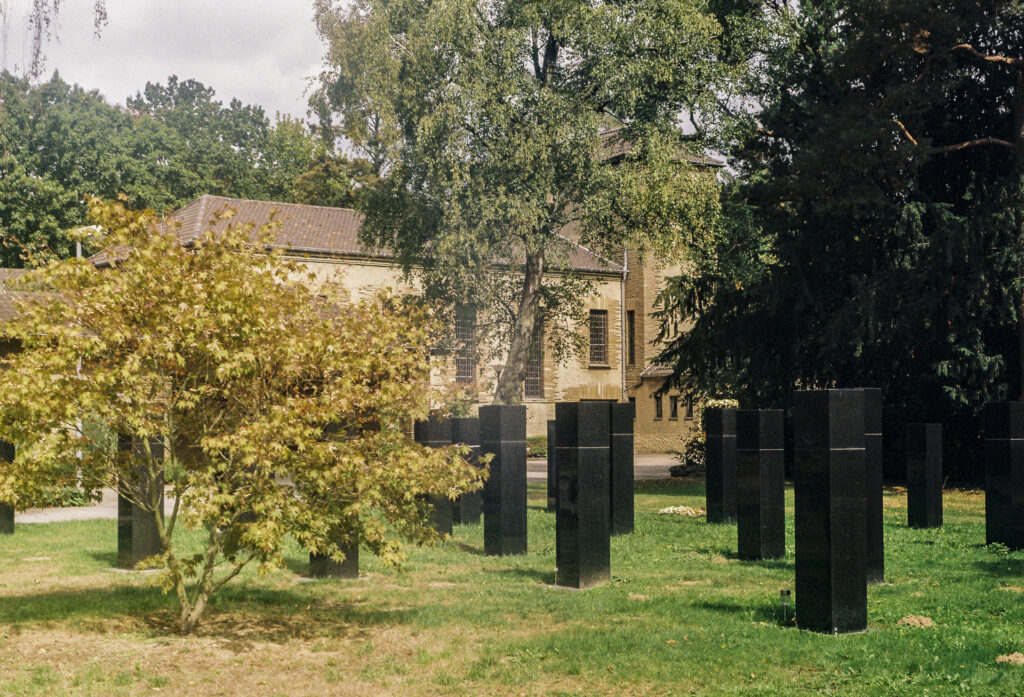
Cemetery culture is exemplified at Mönchengladbach’s Main Cemetery, which has been designated as intangible cultural heritage by the Standing Conference of the Ministers of Education and Cultural Affairs on the recommendation of the German UNESCO Commission. Signs marking this designation can be found in cemeteries across 100 towns and cities nationwide, including at the Main Cemetery and the cemetery in Rheydt. According to the Standing Conference of the Ministers of Education and Cultural Affairs, the fundamental criterion for the designation is ‘the vitality of the cultural expression’.
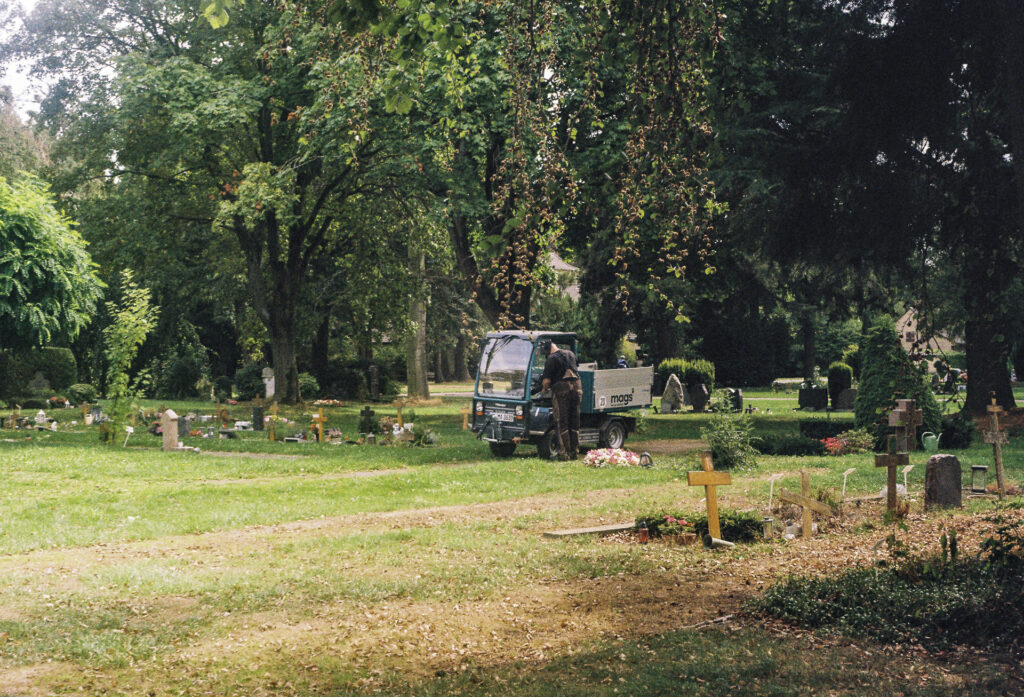
In this context, the focus is also on the contemporary development of cemeteries. Funeral services have been expanded and adapted to meet people’s individual wishes. In addition to traditional coffin and urn graves, urn graves with decorative features and low-maintenance columbaria, the approximately 50-hectare, park-like Main Cemetery also features tree, woodland and rose graves, as well as a scattering ground for ashes.
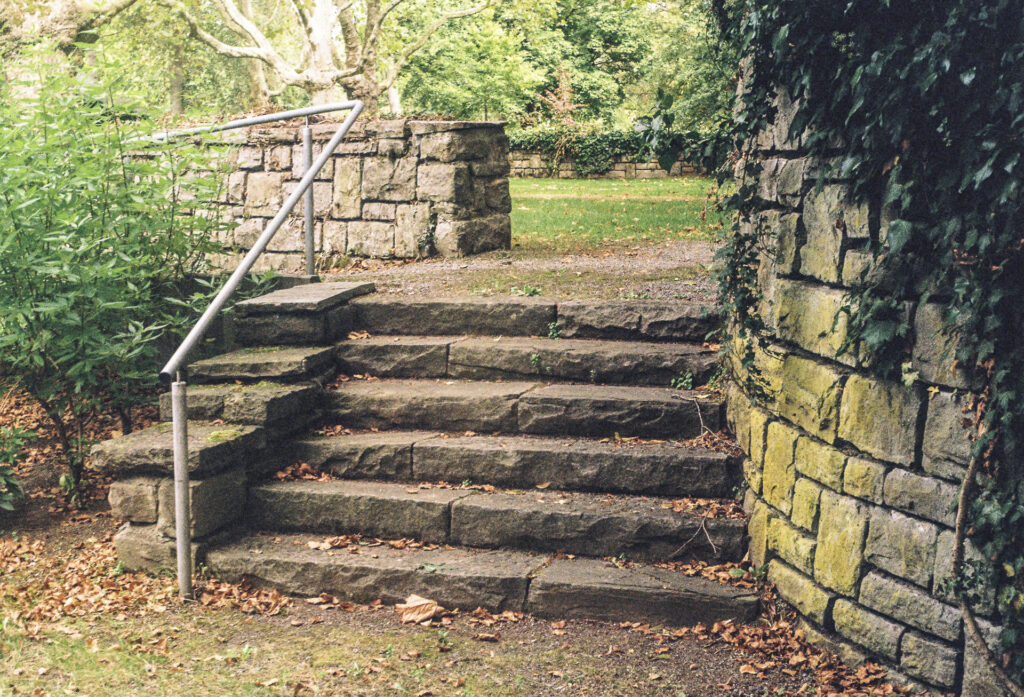
Cemeteries are for everyone. To facilitate specific religious rites, burial plots are provided for Muslims, Buddhists and Hindus, as well as for Sinti and Roma.
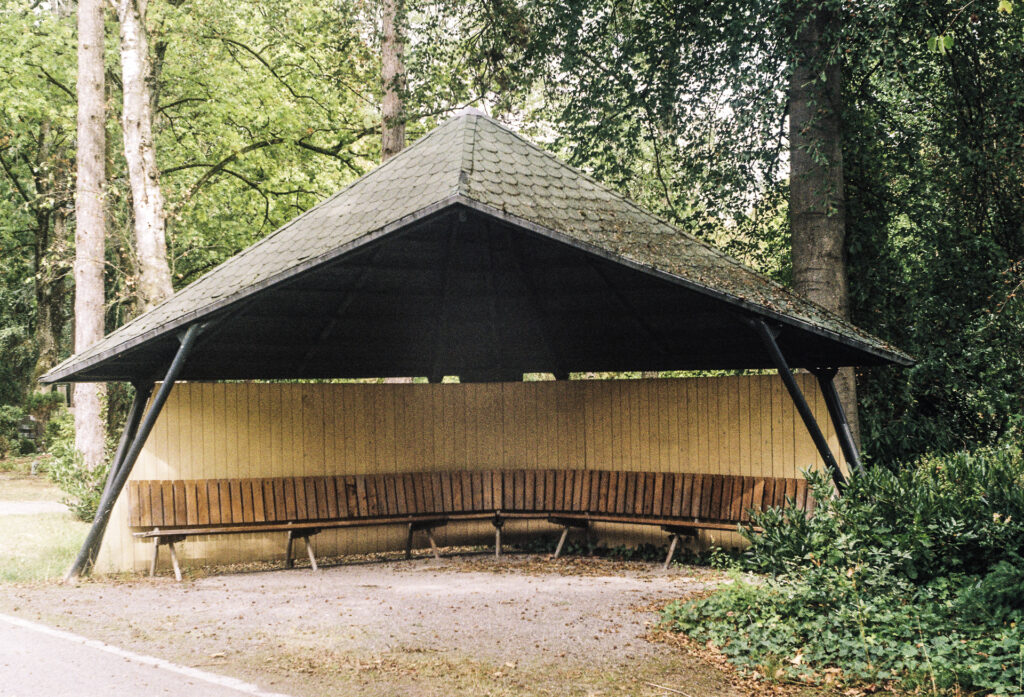
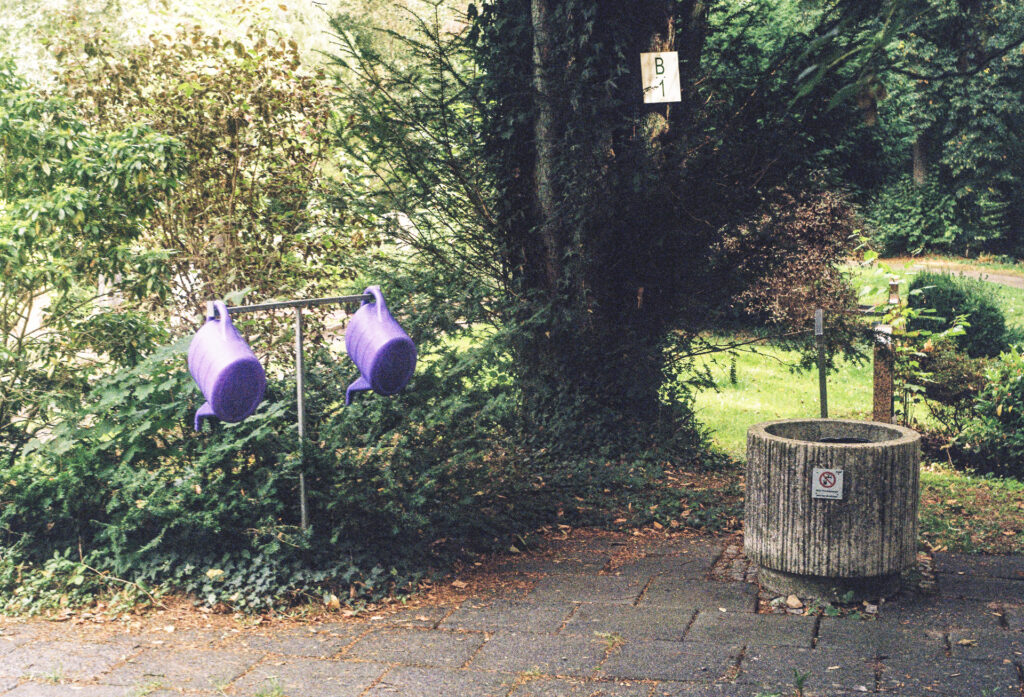
This may be a rather unusual introduction, but I would like to share a few photos of this cemetery that I took on 2 September 2026 whilst strolling through these park-like grounds. The photos have no specific captions; they are simply there to be looked at.
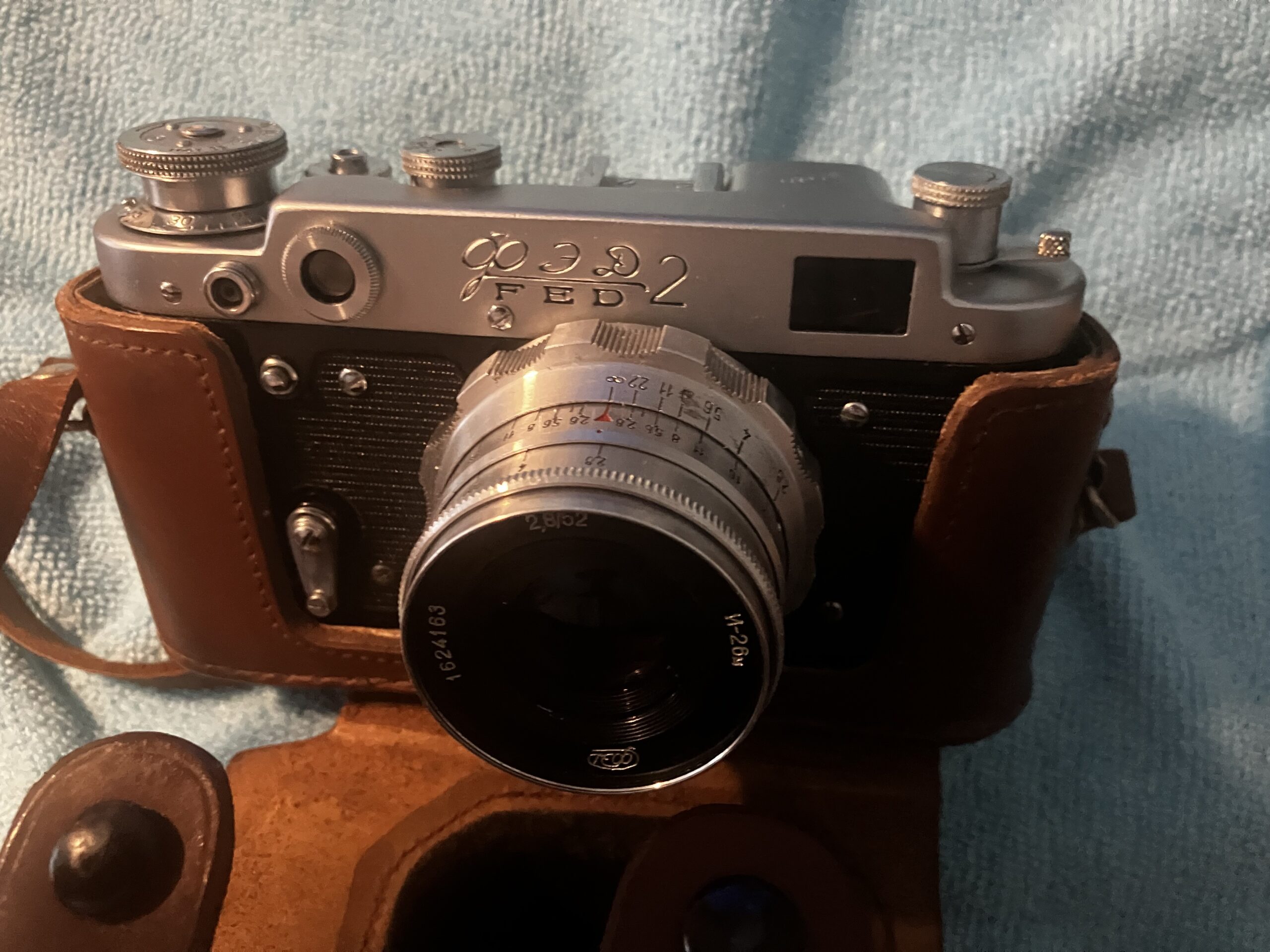
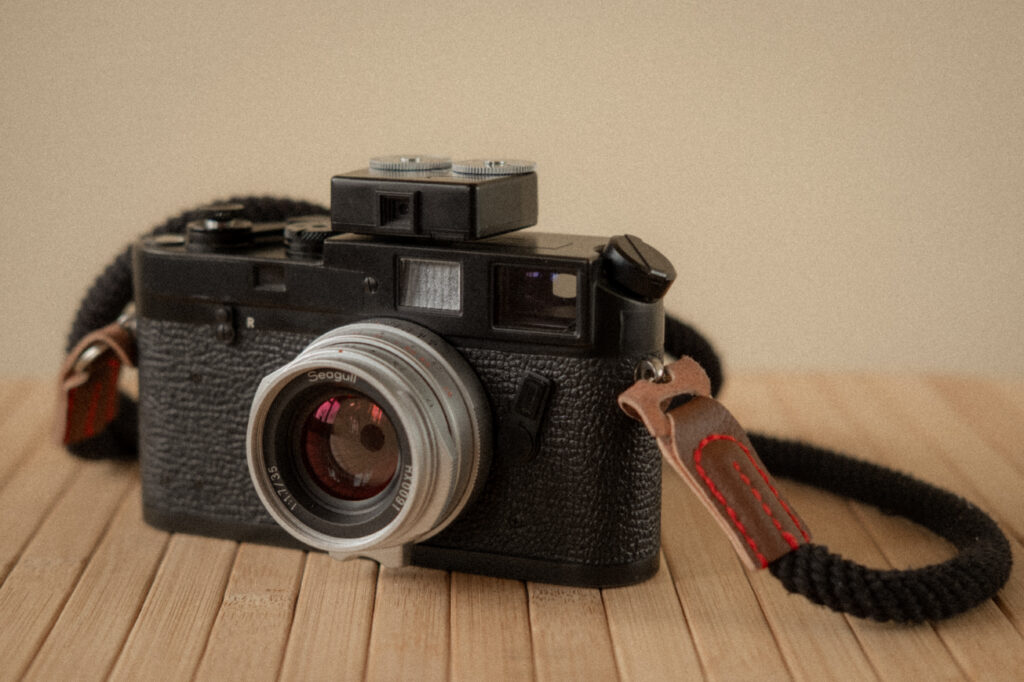
I’m deliberately not highlighting the camera kit, especially as it consists only of a simple rangefinder with a lens from the former USSR. I bought both parts four years ago from a Ukrainian dealer; the camera had been serviced. There are better versions available under the Industar name, which were manufactured by FED and KMZ. At just under €200 for the lot, I couldn’t resist. What can I say? You can take photos with this camera and lens. Everything works; you don’t go unnoticed, but people don’t ask if it’s a Leica M. And that’s just as well!
Equipment: FED-2 (1968 model) with Industar 26M 2.8/50mm (manufactured in 1955, Kodak Gold 200, exposure taken with a Gossen Variosix F, developed and scanned by a specialist laboratory (3578×2433)
Thank you for reading.
Share this post:

Comments
Gary Smith on Cemetery culture
Comment posted: 16/10/2026
Comment posted: 16/10/2026
RichardH on Cemetery culture
Comment posted: 16/10/2026
Comment posted: 16/10/2026