

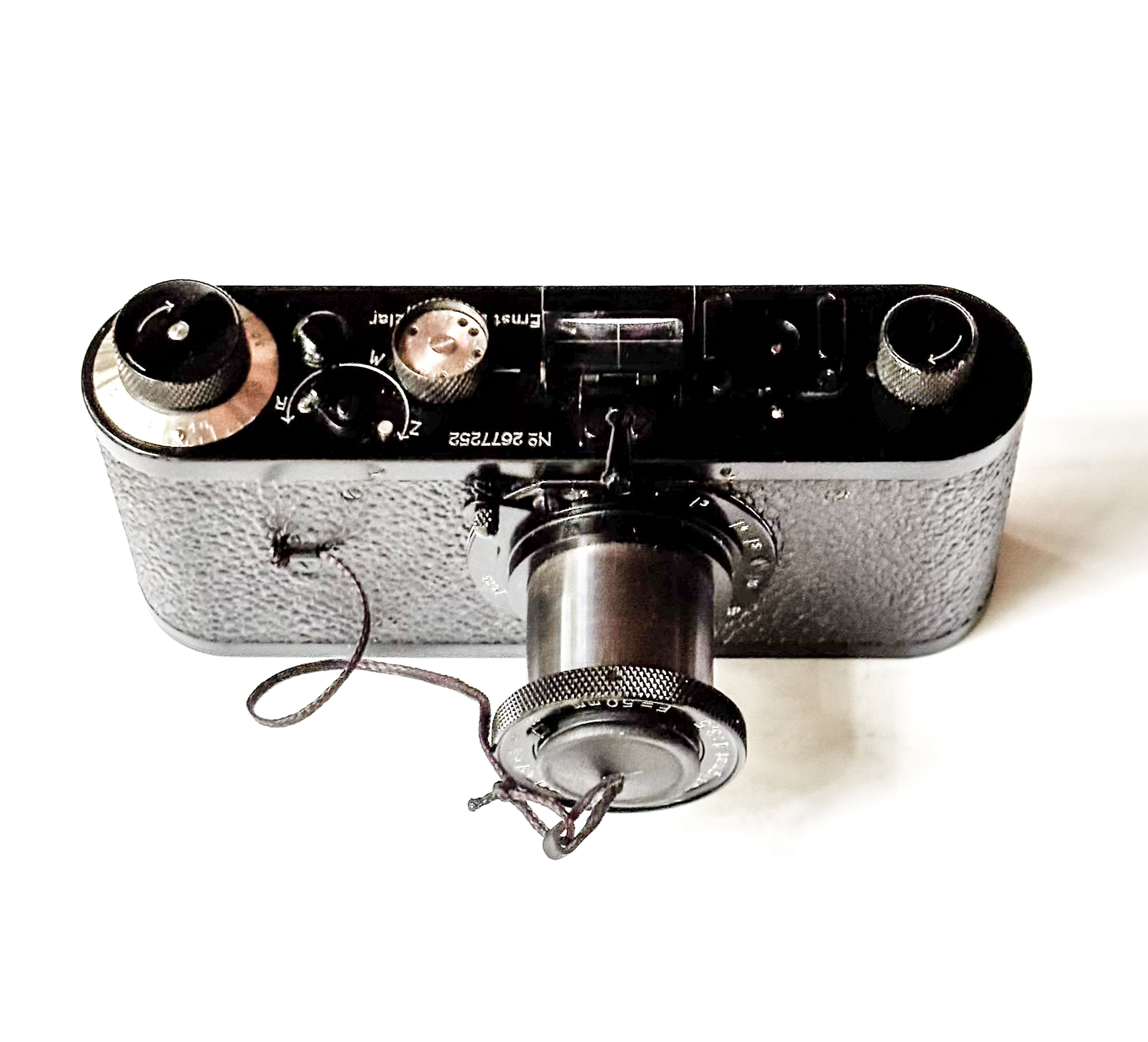
In 1923 Leitz introduced the Leica 0 camera which was a test bed for Leitz employees to use and give feedback. That led to the development of the first commercially successful 35mm production camera in 1925, the Leica I. About 25 Leica 0 cameras were produced and are now priced in the million dollar range. (For comparison, about 57,000 Leica I cameras were produced.) Fortunately in 2000 and 2004, Leica produced replica/reissues of a few thousand of the Leica 0 cameras and they are readily available. I thought about buying one for years and in early 2026, bought mine. These Leica 0 series cameras were similar to the introduced model 1 with just a few differences.
In the images below, the top camera in each set is the modern remake Leica 0 and the bottom is the Leica I.
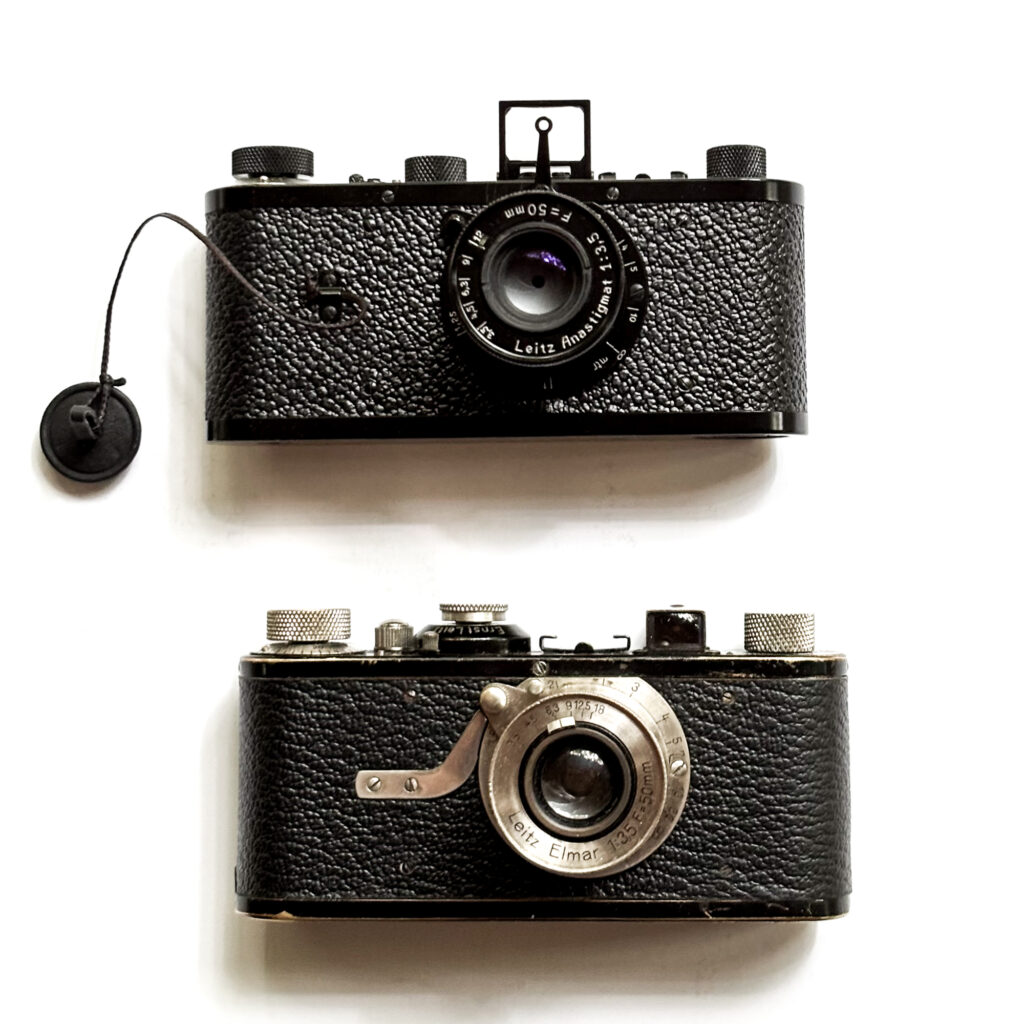
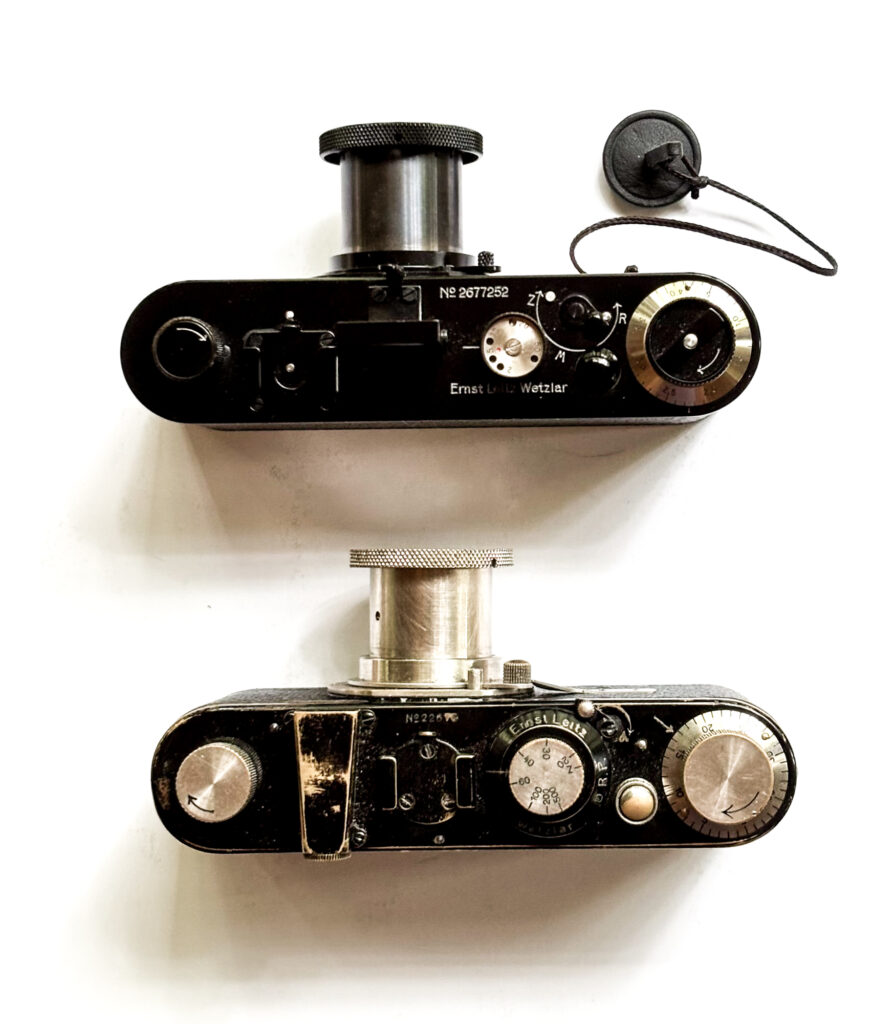
Instead of shutter speeds on the dial, the Leica 0 has focal plane shutter slit widths.
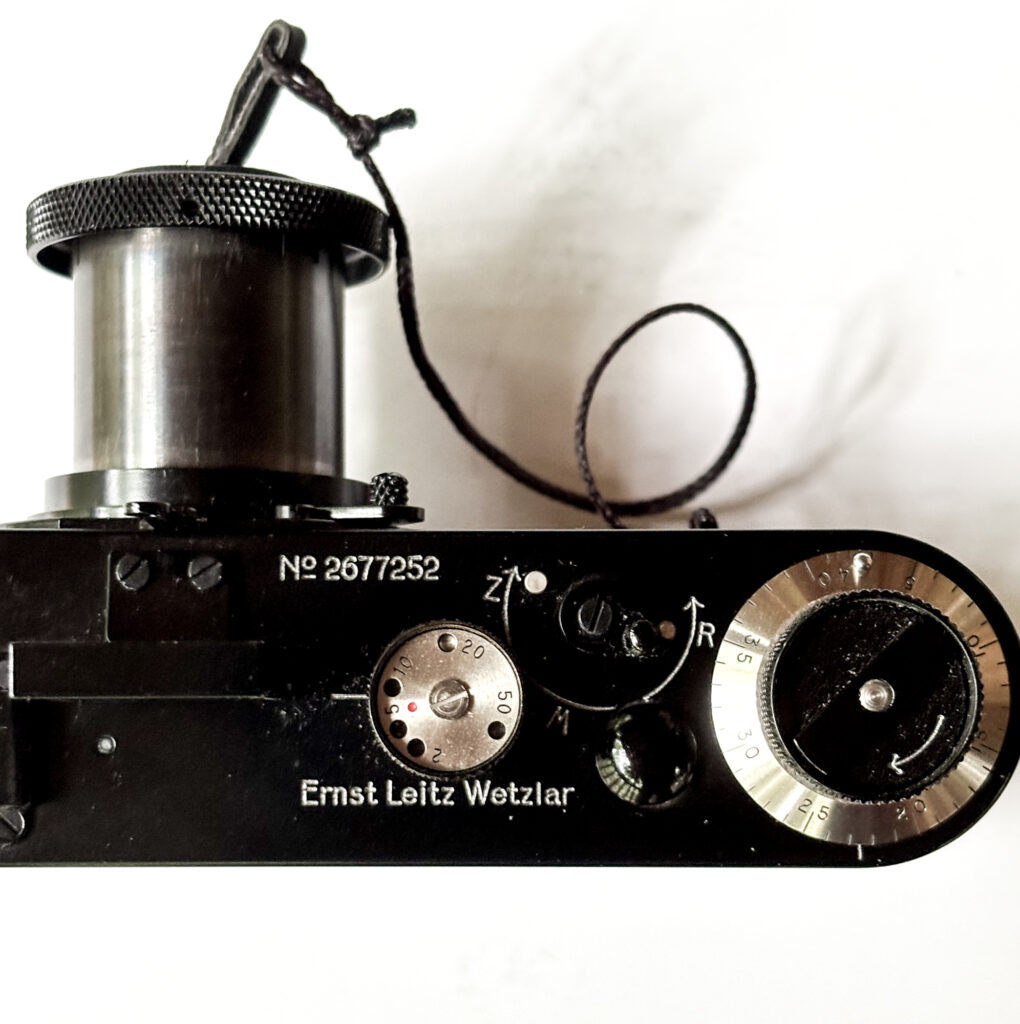
On the dial, 2 represents 1/500, 5 -1/200, 10 – /100, 20 – 1/50 and 50-1/20 second exposures. A very unusual feature is that the shutter speed can only be changed when you have wound the film about halfway but at least there is a marking on the rotating speed knob that lets you know when you have reached the spot. (See the red dot on the shutter speed dial above.)
Some of the f/stops are unusual today and were carried on to the Leica I – f/3.5, f/ 4.5, f/6.3, f/9 and f/12.
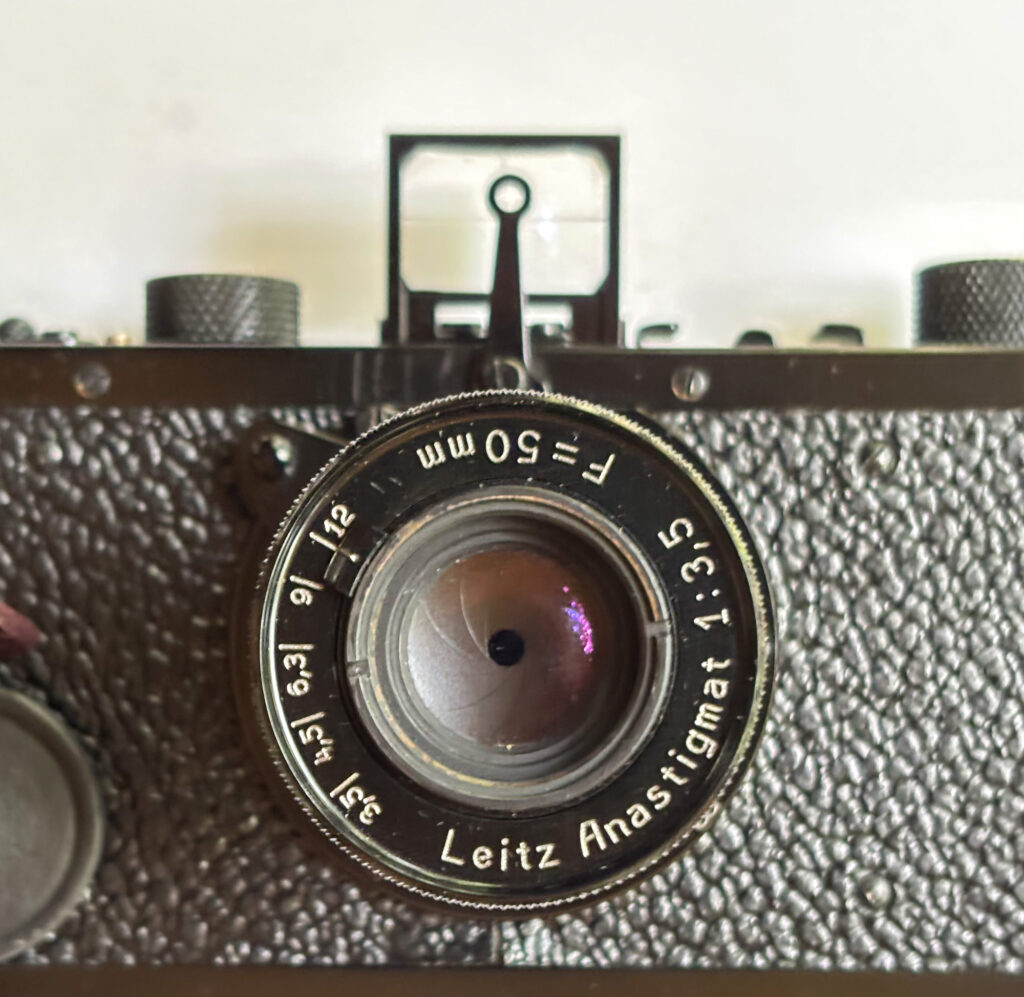
The Leica 0 viewfinder is a bit of an oddity compared to later cameras and was changed during the run of the model 0 to a tubular version. The original viewfinder requires the camera to be held away from the body about 10 inches to give the correct sight picture. That feature takes a bit of getting used to and has caused me some poorly framed pictures.
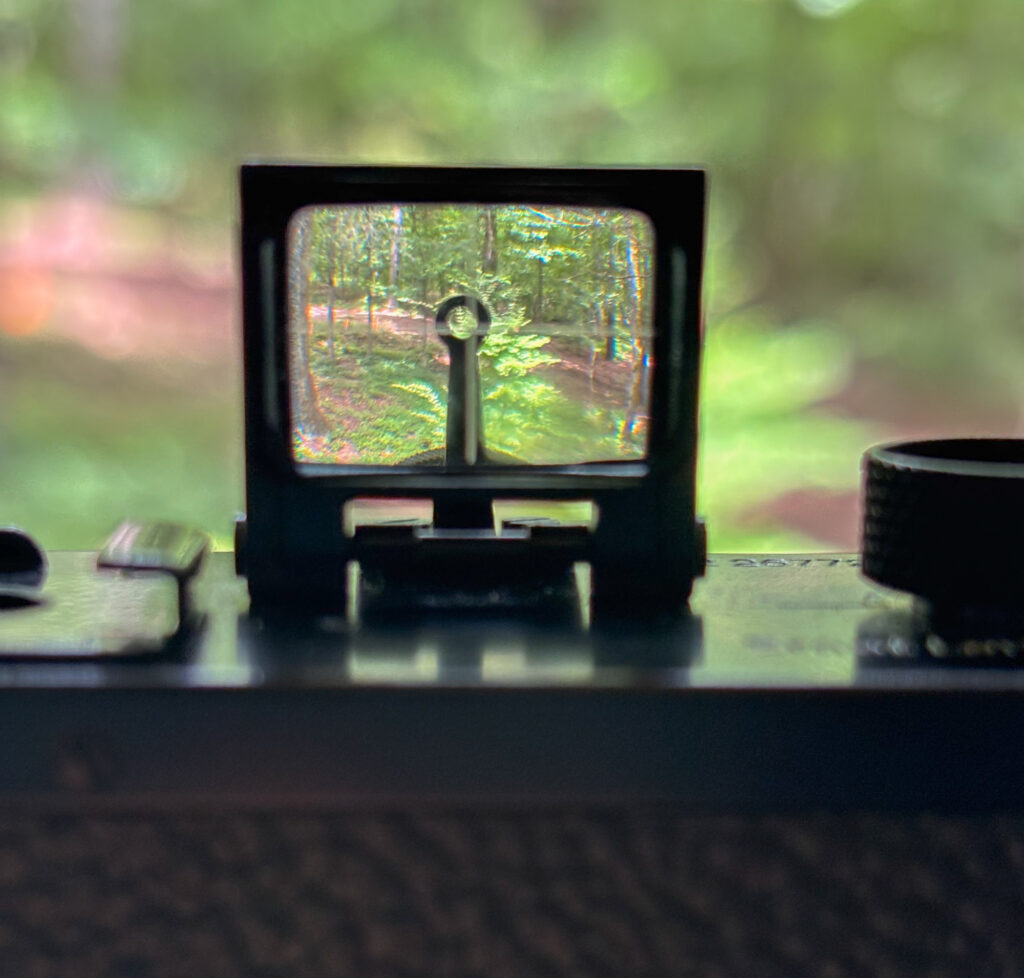
The oddest feature, and one that has cost me quite a few ruined exposures, is the lack of a second shutter curtain to block the film when the camera is wound and the focal plane slit moves across the film. Later focal plane shutters use two curtains; the Leica 0 requires that you replace the lens cap before you wind. Sounds simple but is easy to forget.
Like later Leicas, the camera bottom loads. This is challenging to new users but no problem for those familiar with those used to shooting any of the many Barnack Leicas or copies from other countries. Like the production Leica I there is no rangefinder and photo-electric exposure meters were not yet invented. Since I zone focus and shoot Sunny 16, this camera is relatively easy for me (except maybe remembering the lens cap each time).
The camera is surprisingly compact. With the lens retracted, it will easily fit in my pants pocket.
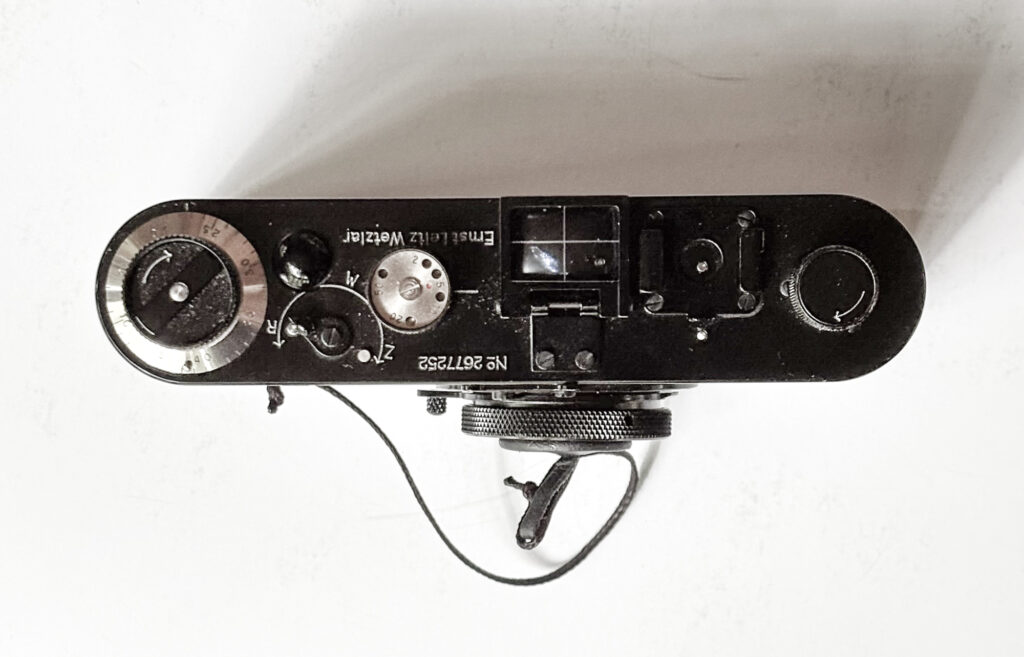
Samples – with a nod to 1923
It appears that during the development of this camera, film speeds went from 1 in 1913 to as high as 25 in the early 1920s and the most readily available films were orthochromatic. I went to the Film Photography Project store and found Ukrainian Svema ISO 6 ortho film and decided to try it. I also wanted to use old style chemicals and that was easy. Rodinal developer was introduced in 1892 and Sodium Thiosulfate fixer was introduced in 1819. I already had Rodinal and fixer so I was ready to go.
It might seem hard to use ISO 6 film hand-held but in bright sunlight, it is no challenge. For Sunny 16, I use f/5.6 and 1/50.
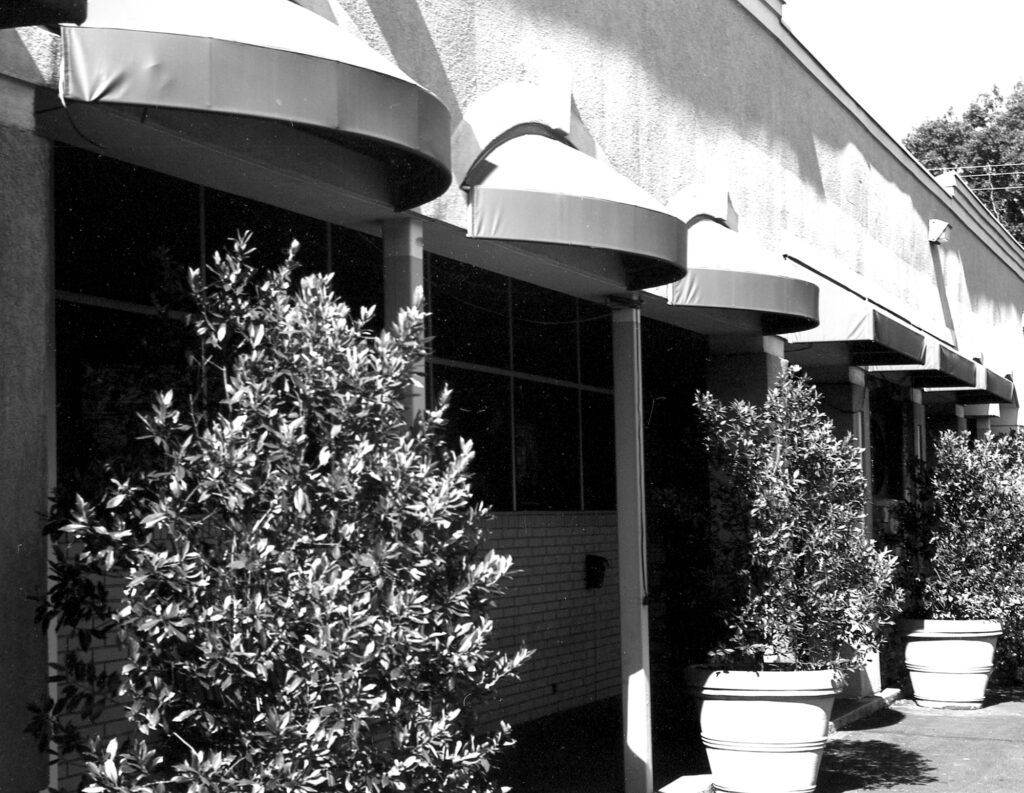
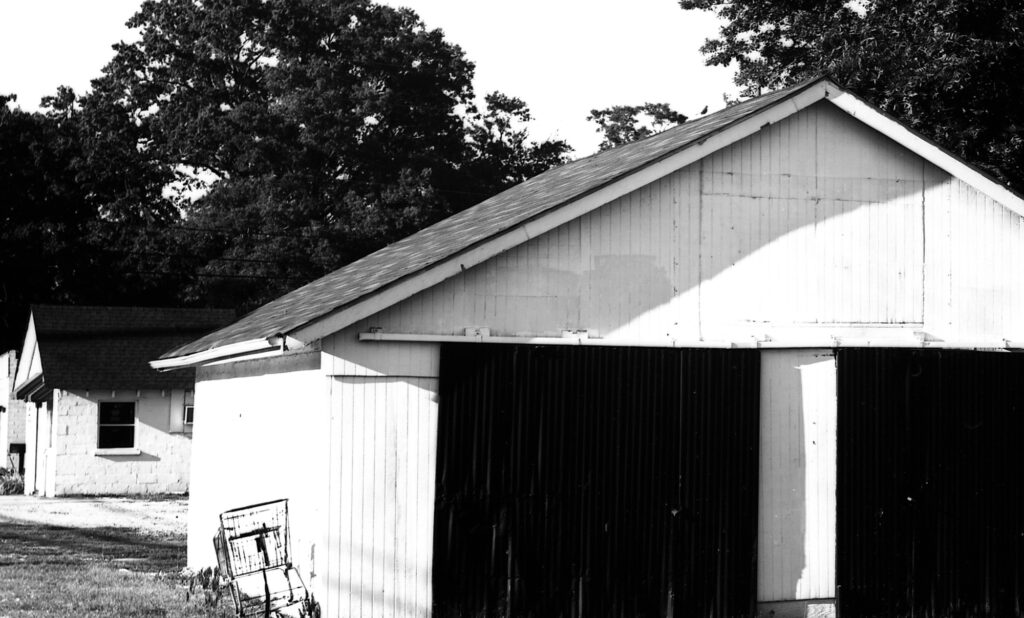
The main challenge I had with this film was very high contrast and low exposure latitude.
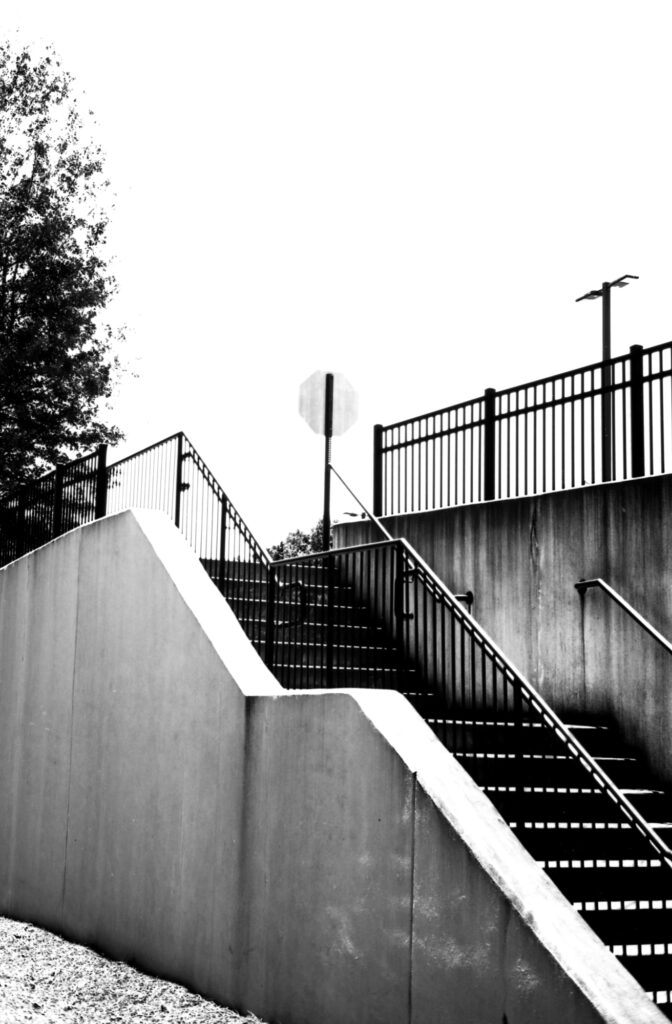

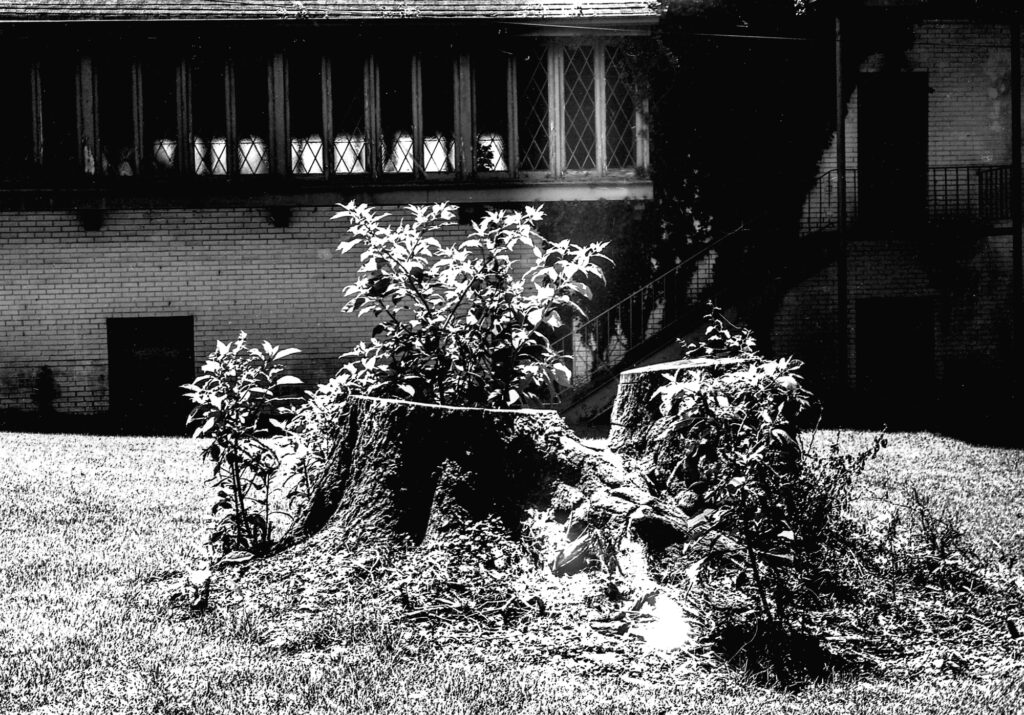
I tried a roll of Rollei Ortho 25, also developed in Rodinal. There is more latitude and I can get better mid-tones.
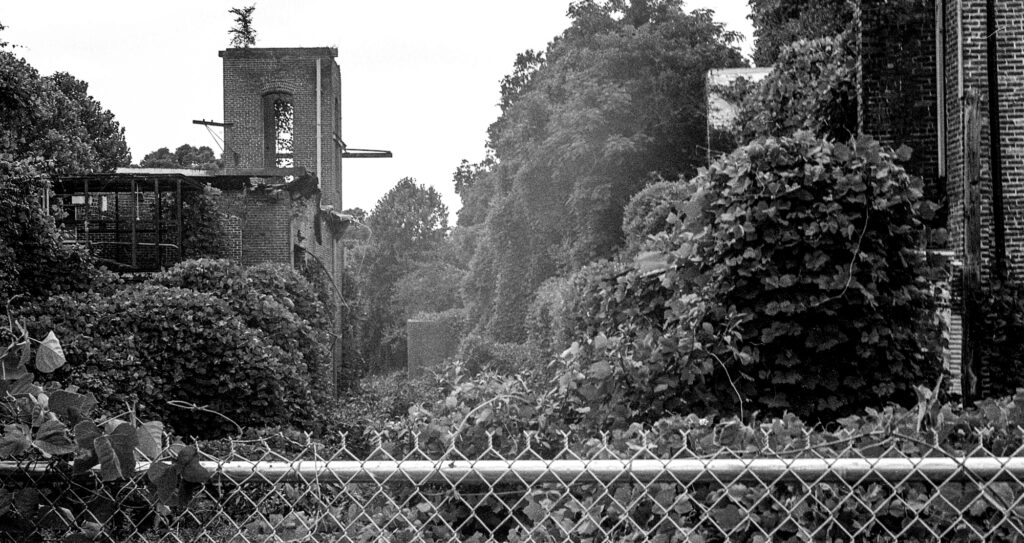
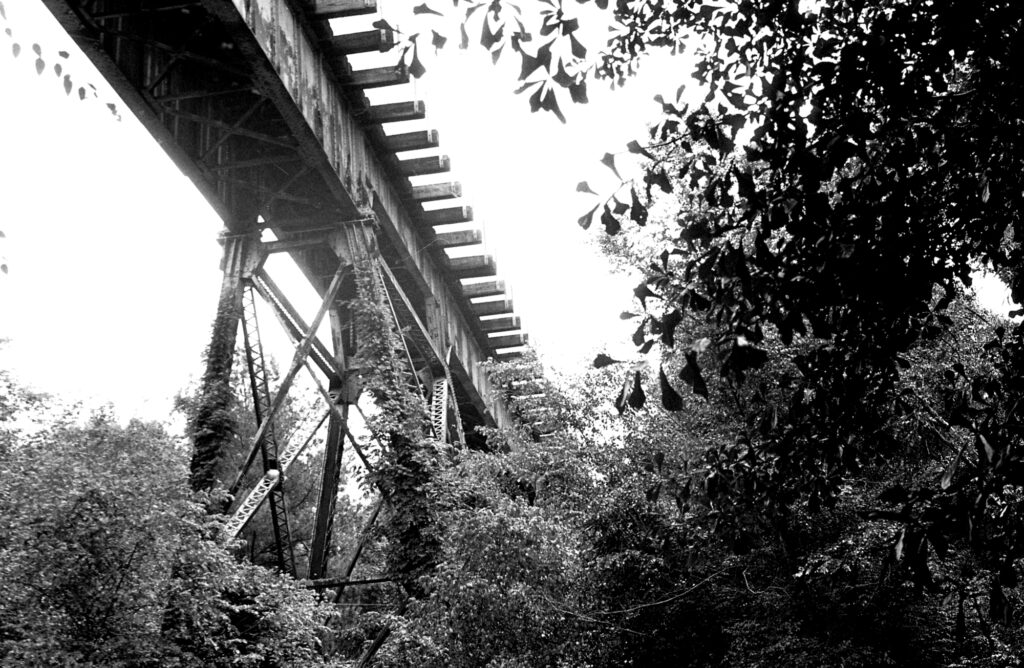
I’ve shot a few rolls with more common films and, as expected, results are equal to more modern cameras.
I like to collect and shoot old film cameras and this really hit my sweet spots. My favorite cameras don’t have meters and many don’t have rangefinders. Shooting early cameras like the Leica 0 is not challenging for me as they are already in my comfort zone. I found the money was well spent for this beauty and I am still having lots of fun using it.
Share this post:


Comments
Andrew on Leica 0 Review and Photos with 1923 Limitations
Comment posted: 17/07/2026
I’m interested to know more about the lens. I see it is labelled “Leitz anastigamat”, which would imply a 5- element lens with the diaphragm right behind the front element. But is it really 5 element, or is it a 4 element Elmar design? It would be extraordinary for Leitz to have resurrected the 100+ year old lens design, and I wonder if they “cheated” a bit?
Comment posted: 17/07/2026