

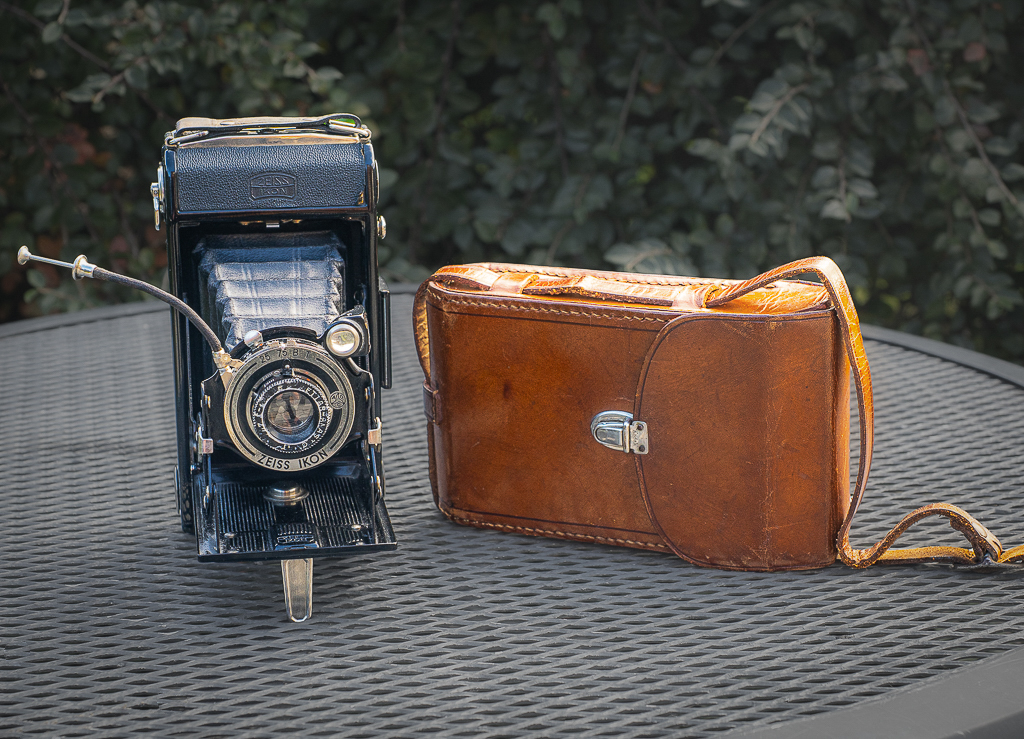
Since taking up photography as a hobby in 1975 some 50 or so cameras must have passed through my hands, with just over half being film cameras. I have always longed to try out a vintage folding camera but when looking at what was on offer was overwhelmed by the many variations available so never followed through on buying one.
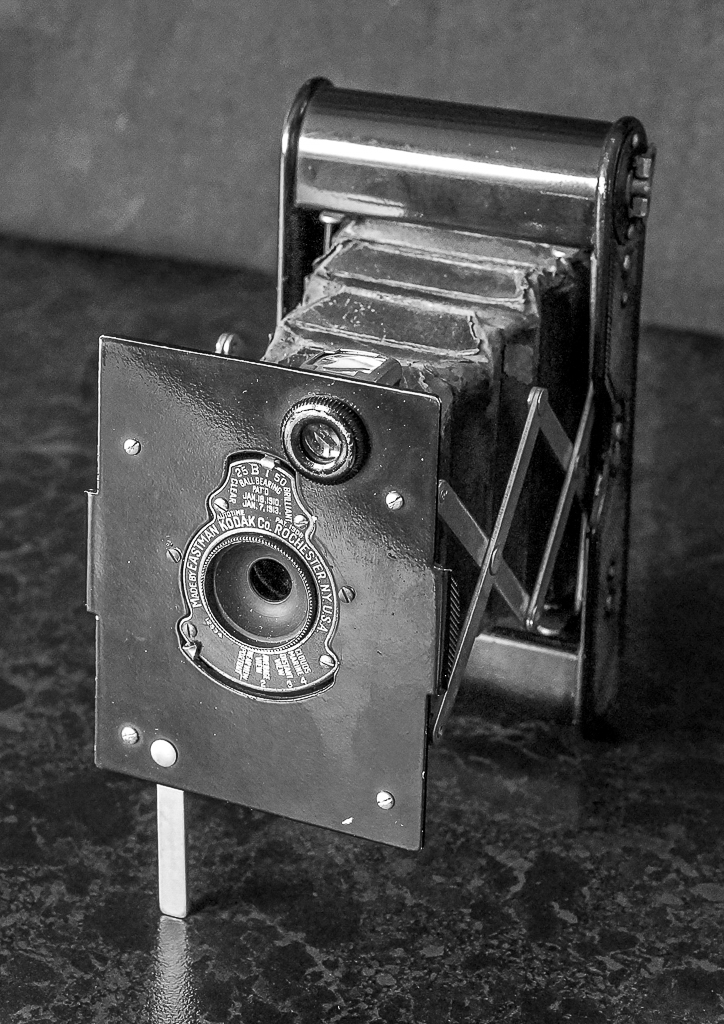
Then in 2017 an article on photography during WW1 brought to my attention the Kodak Vest Pocket Autograph. Interest stimulated I found one on eBay, complete with the writing stylus. Unfortunately it was faulty and none of the pictures turned out. It would have made a nice decorative desk piece but I’m a non-clutter type of person so sold it on.
My interest in folding cameras faded into the background until I came across Hamish’s article on 35mmc offering a free Zeiss Icon Nettar 510/2 folding camera which had been donated to him. The only caveat being that Hamish would like the recipient to provide an article for 35mmc. I noted my interest and the camera along with a leather case arrived soon after. My thanks to Hamish and the previous owner.
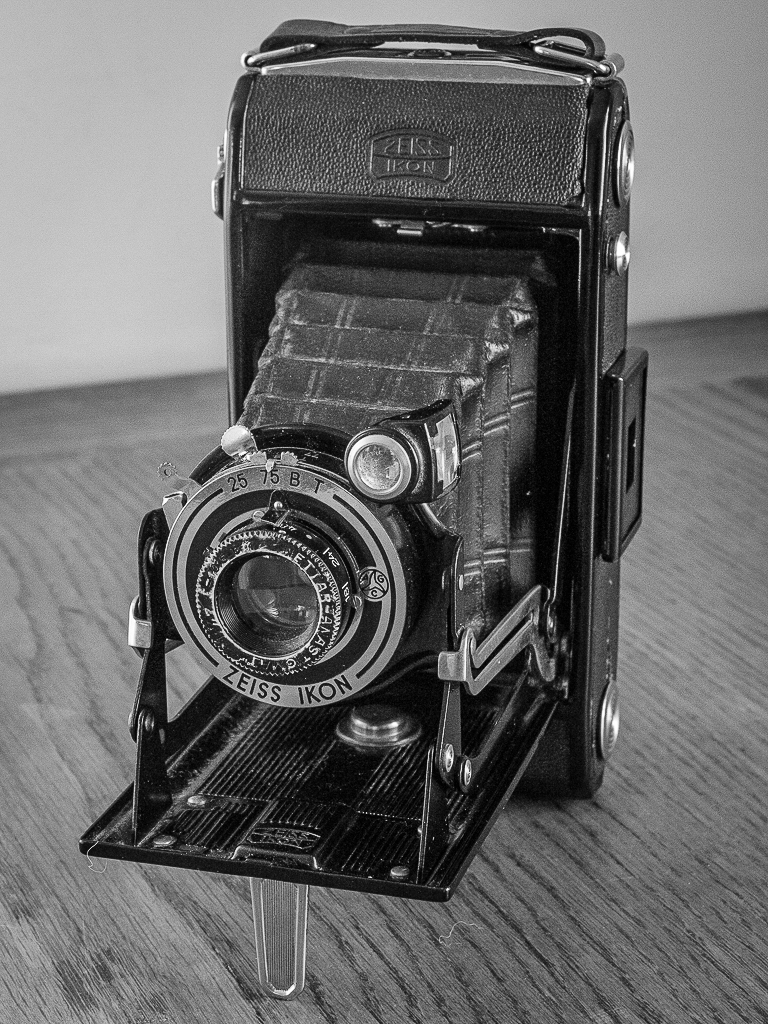
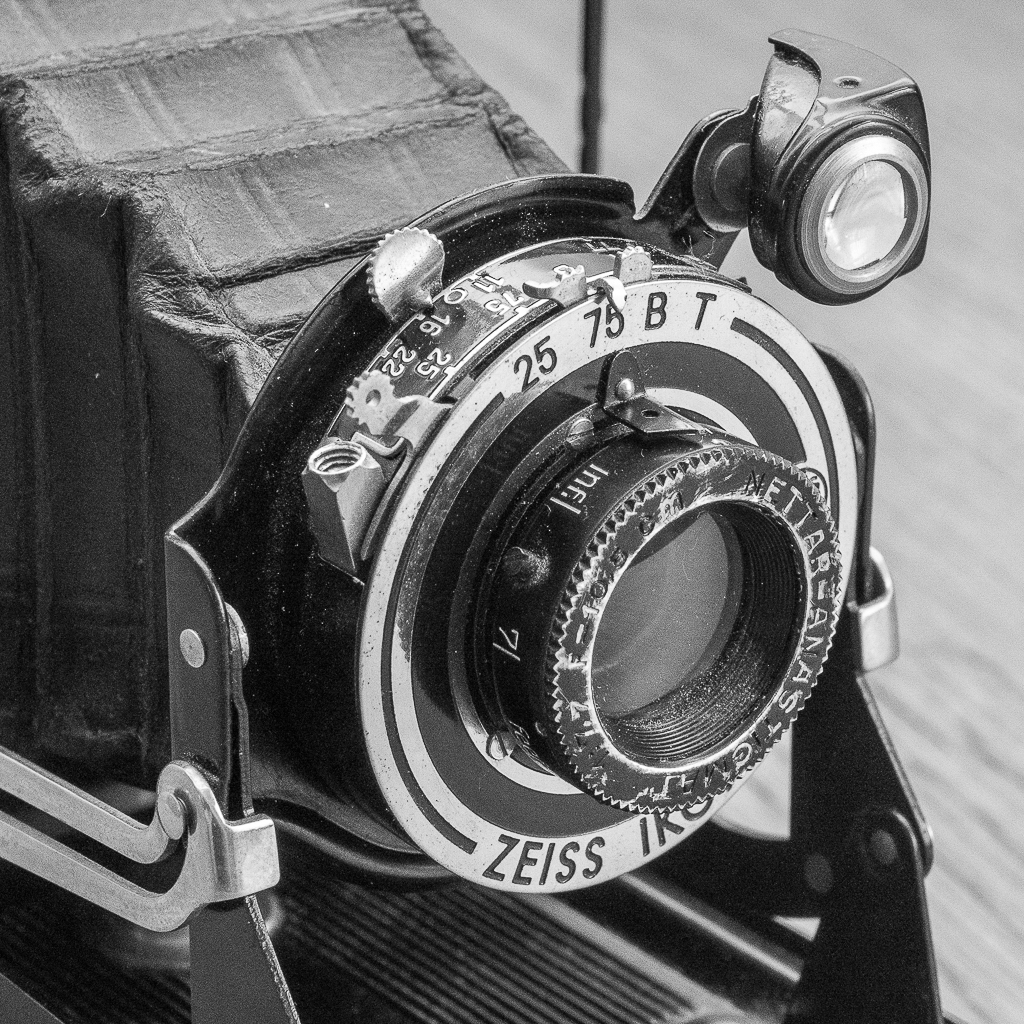
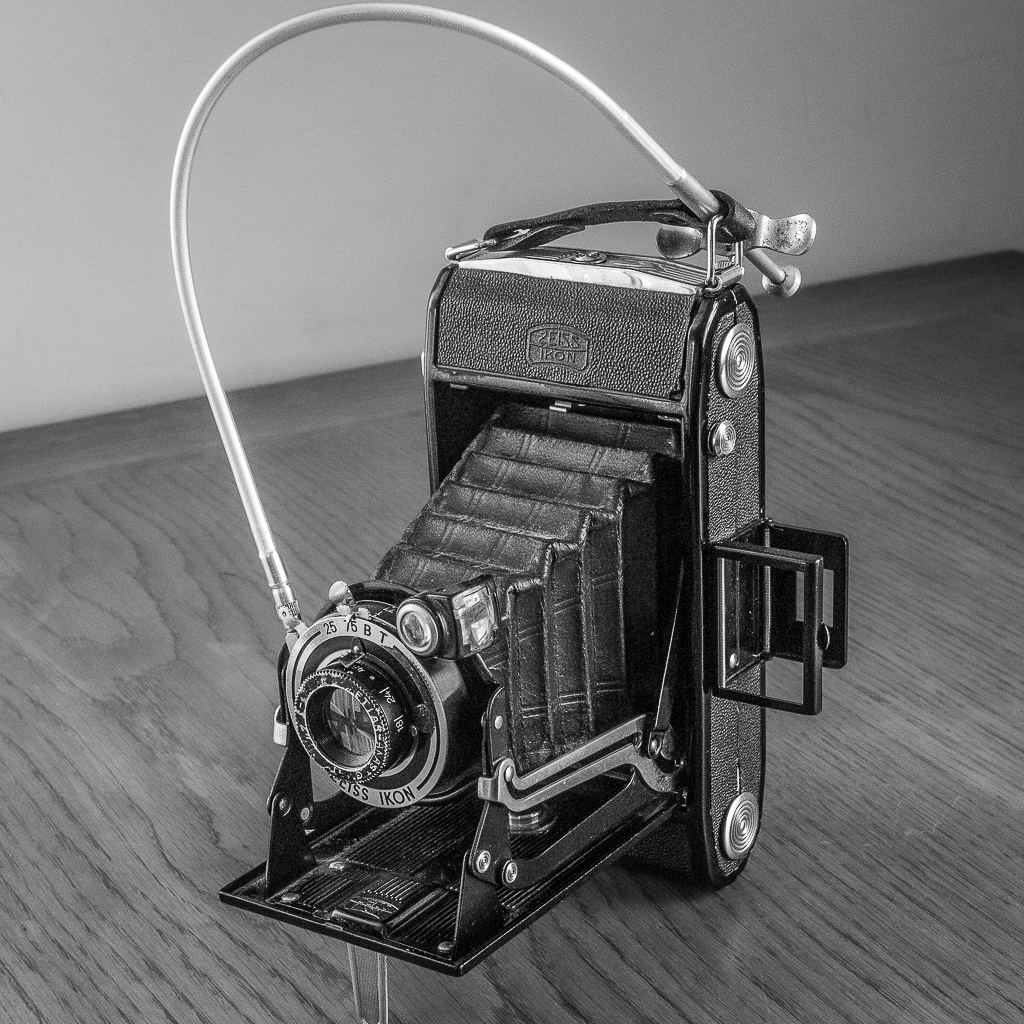
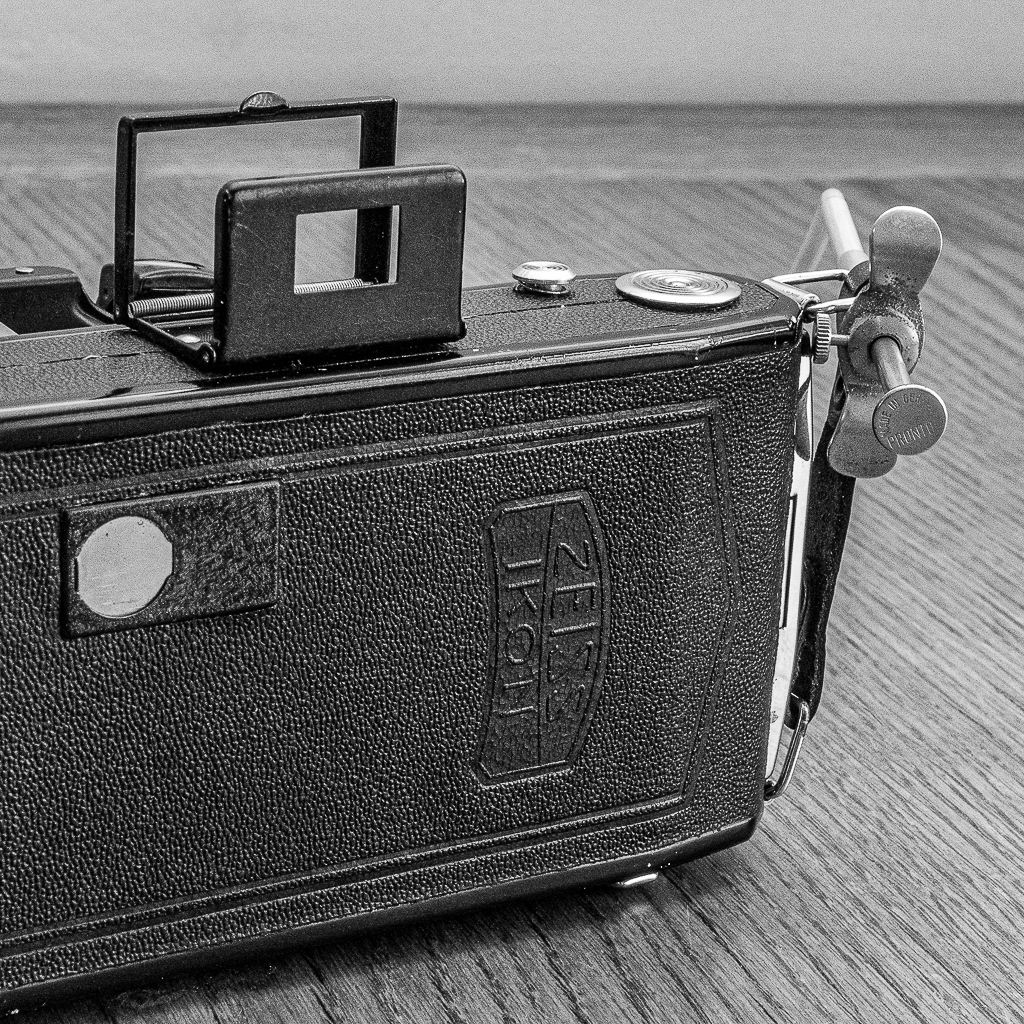
The camera has very simple controls with the aperture, shutter release and focussing scale positioned at the front of the camera. The film wind knob is on the base. The composition aids are a tiny glass cube, which the manual calls the brilliant reflective viewfinder, and a metal frame finder.
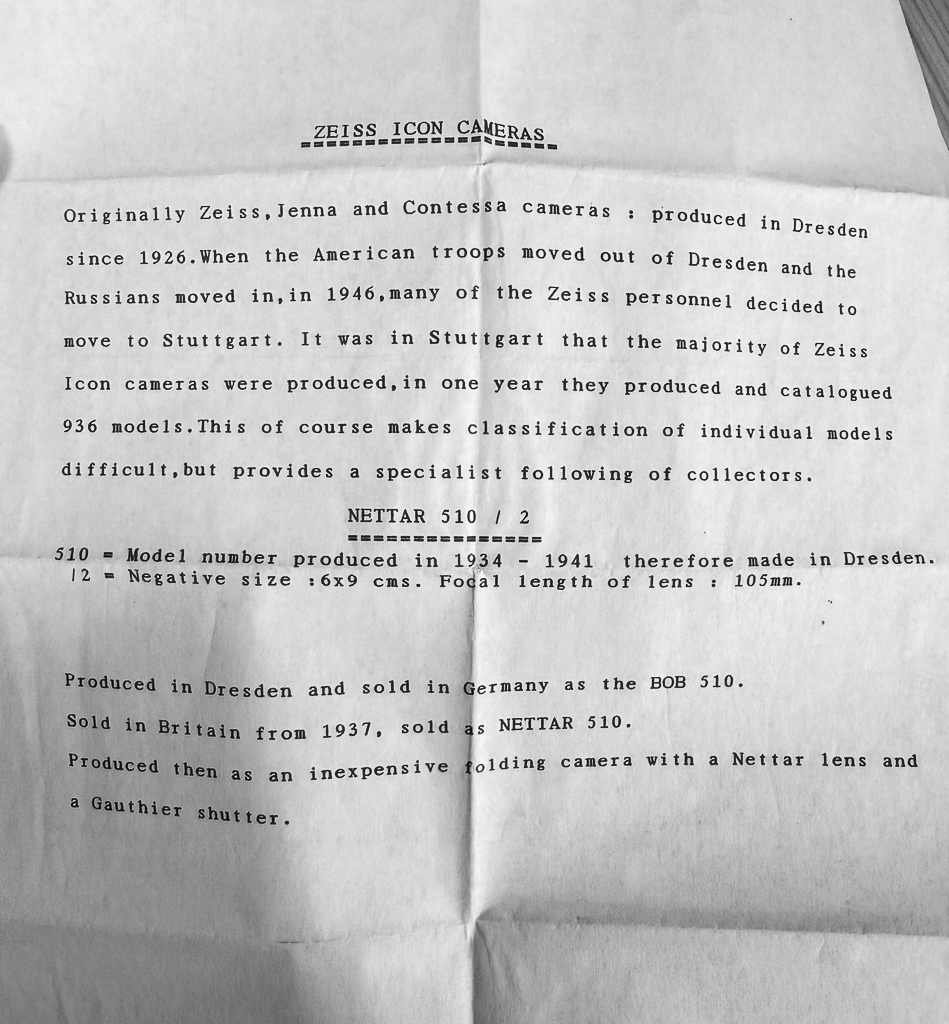
Just two shutter speeds of 1/25 and 1/75 but there is also T and B settings. The 105mm lens (approximately 45mm on a 35mm camera) has an aperture range of f7.7-22. It takes 120 roll film which produces eight 6 x 9cm negatives. On the back of the camera is a small red window, with sliding cover, which displays the frame number from the film backing paper. Also included was a note with information on the camera.
Given the cameras shutter speed limitations I had to match the film ISO to the weather conditions but was eager to start using it so loaded up some T-Max 400 which I had to hand. Rather than shooting a set of random shots I opted for something local preferably with a theme to it. I ended up with The Lost Petrol Stations of Prenton.
By way of background; in 1982 when I moved to Prenton, there were eight petrol stations in the local vicinity. Over the years six of them closed down but gradually they were regenerated by a variety of businesses. Not the most exciting set of pictures but the main objective was to check out the camera, here is a selection of what I got from it. I have omitted one of the sites as the former petrol station has been demolished and replaced with a bland brick building.
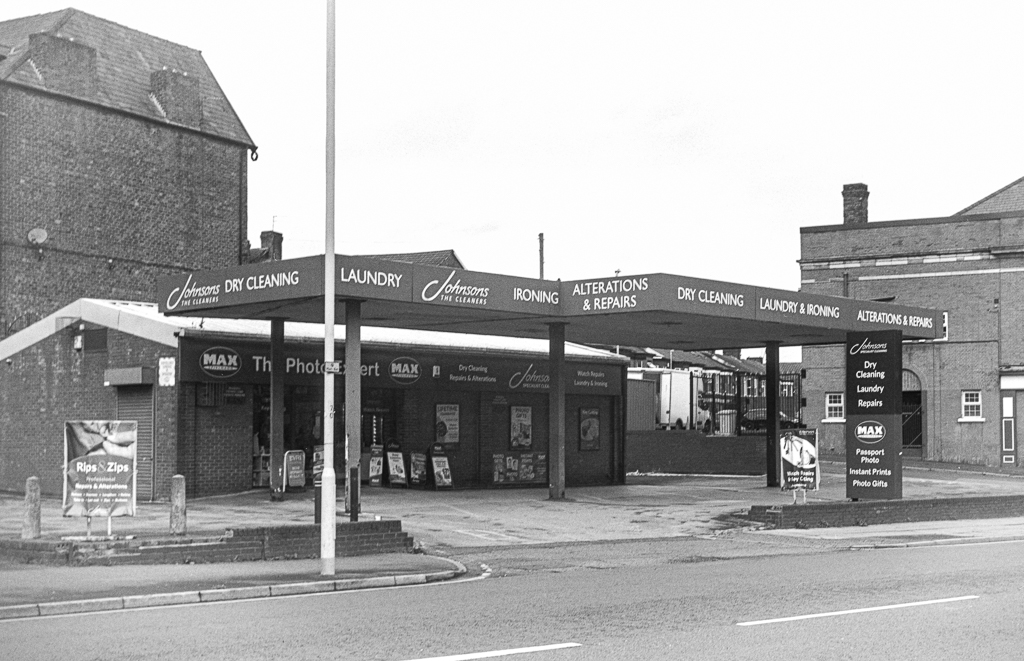
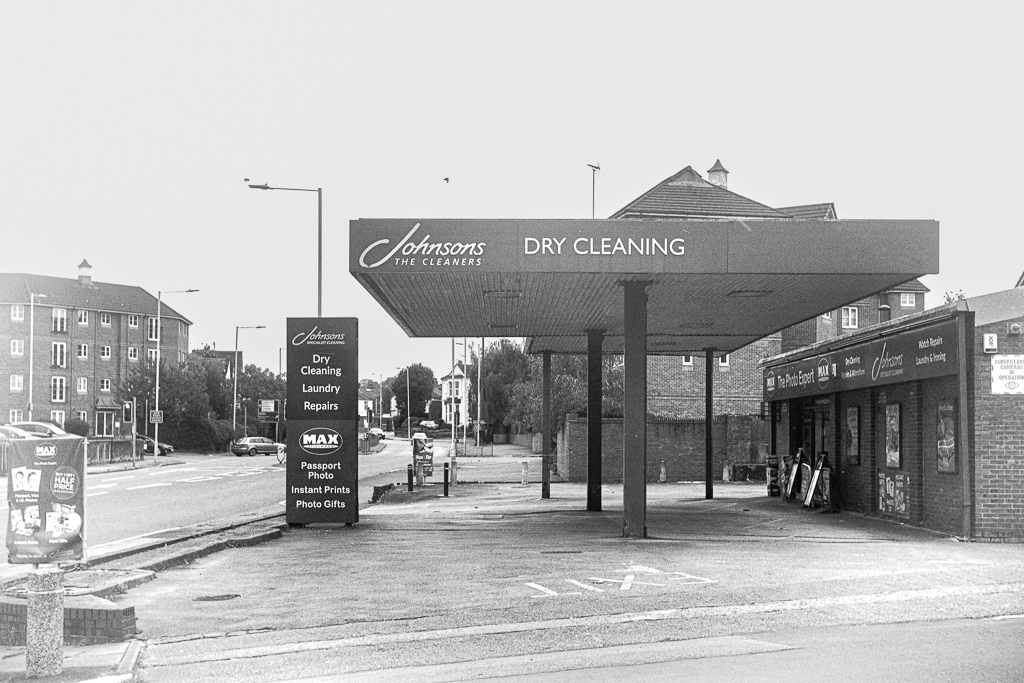
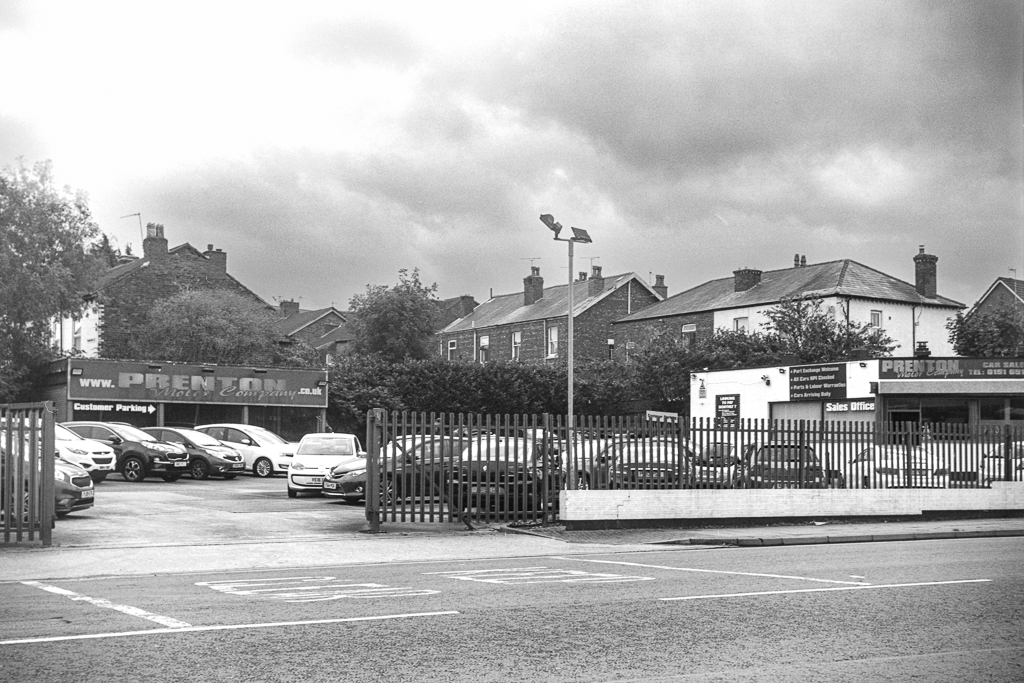
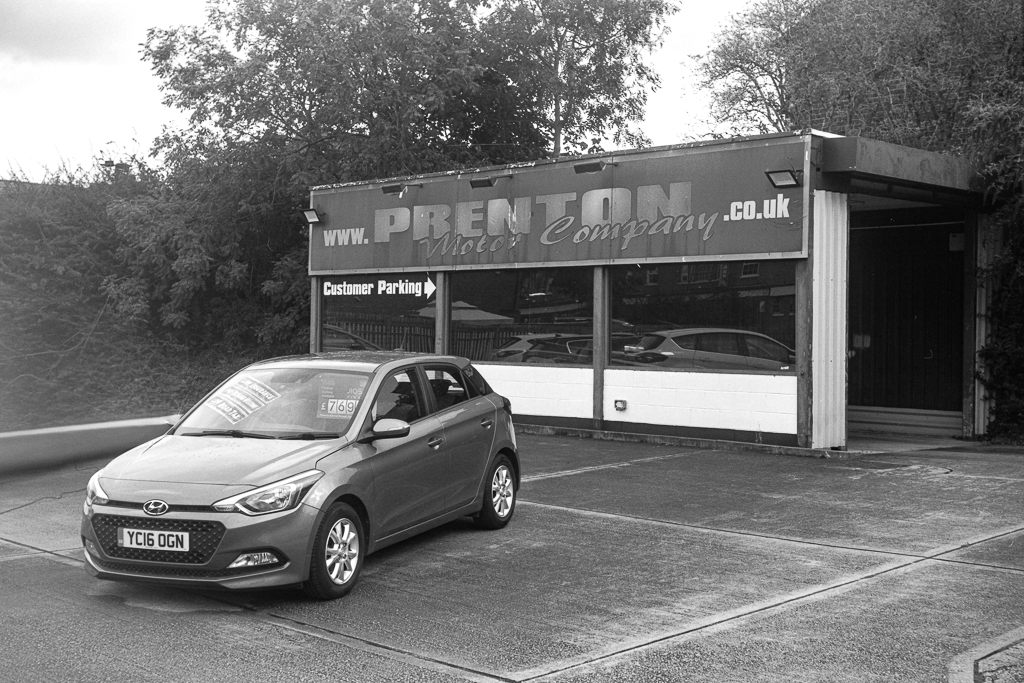
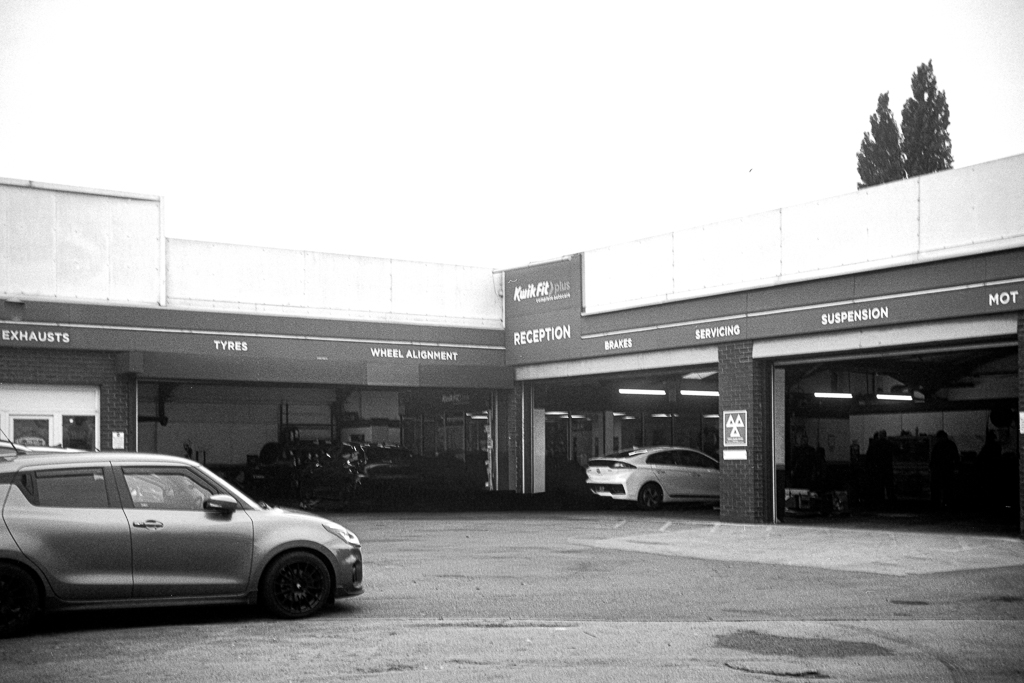
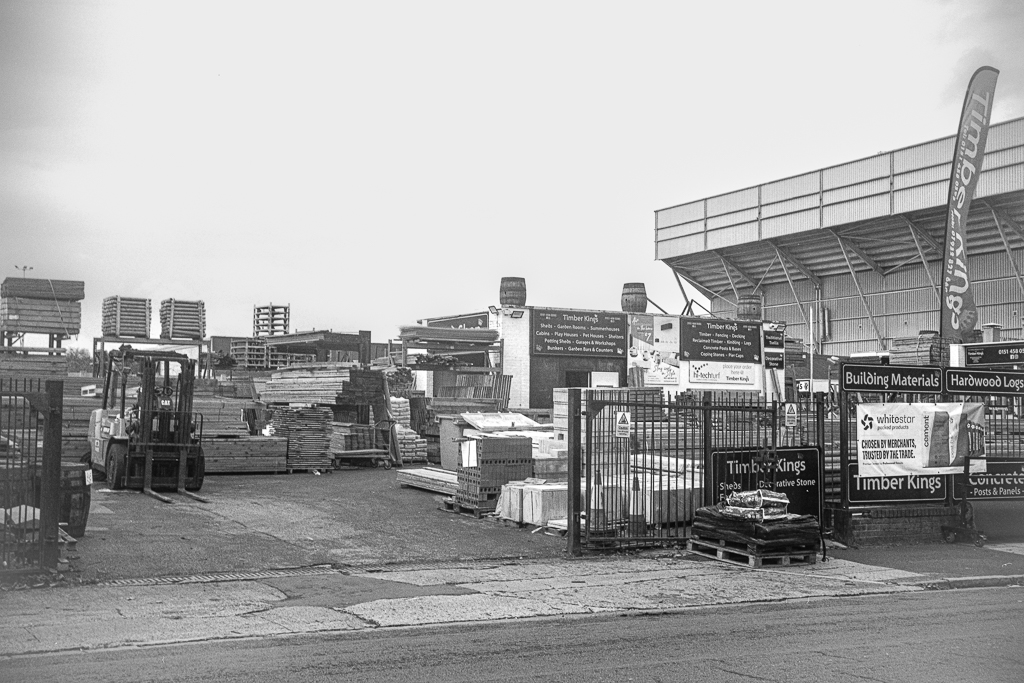
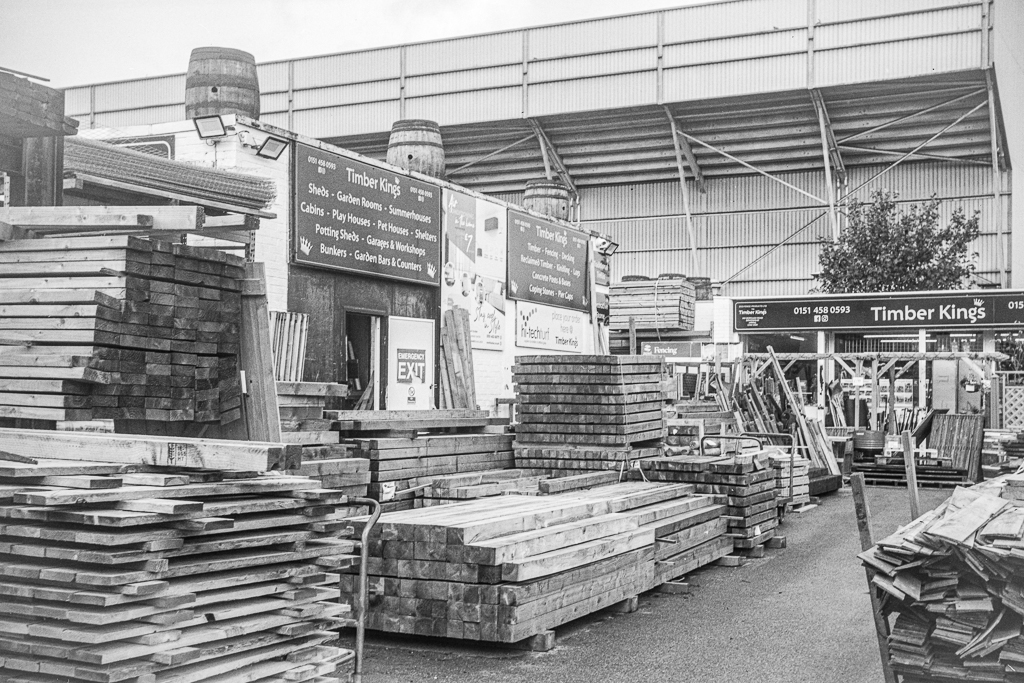
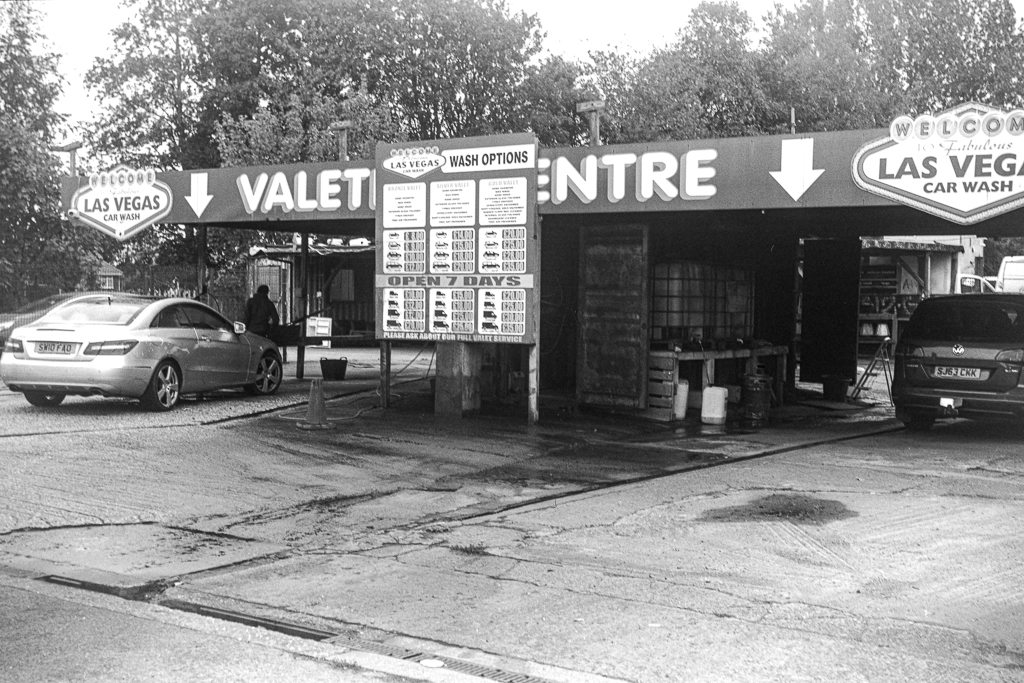
The film was lab processed then scanned by me on a CanoScan 9000F with Vuescan. The resulting tiff file was processed in Lightroom.
Overall the Zeiss Ikon Nettar 510/2 was quite easy to use but I should have done a dry run before taking it out. I opted to use the metal frame finder to compose the shots but as I don’t have a left hand releasing the shutter proved a little tricky whilst trying to hold the camera steady. I resolved this for the next roll of film with the aid of a 12 inch cable release which I could fire with my thumb.
In summary I enjoyed using the Zeiss Ikon Nettar 510/2. It produced ok results for its age and I will happily use it again, probably with a slower colour film say Portra 160 to capture the autumn colours for my ongoing cemetery project. I will also investigate the market again for, probably, a 6×9 rangefinder model. Recommendations appreciated.
Share this post:


Comments
David Rusling on Zeiss Ikon Nettar 510/2 and the ex-petrol stations of Prenton
Comment posted: 21/11/2026