

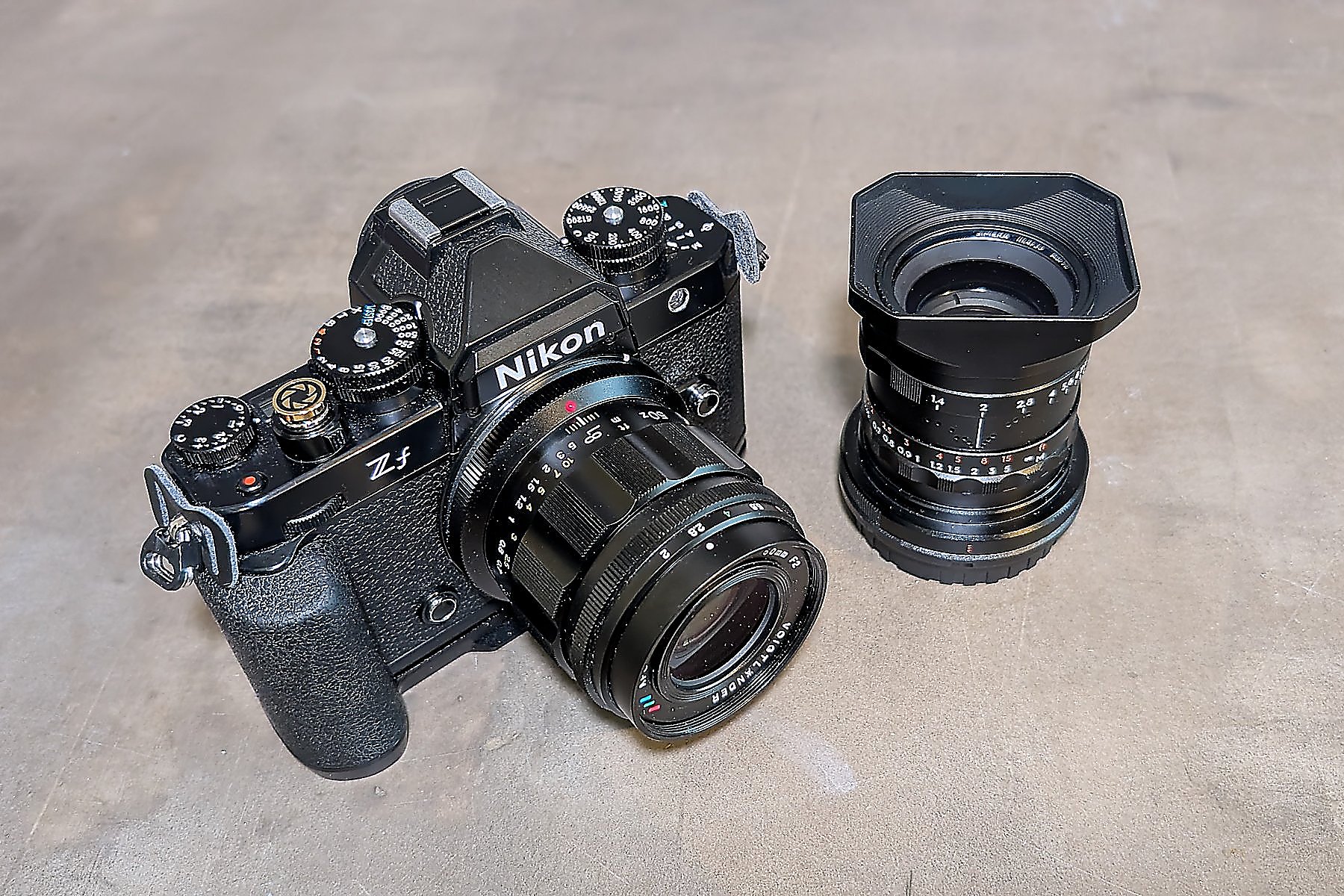
Sometimes the right camera doesn’t just take better pictures – it changes the way you feel about photography. The Nikon Zf did exactly that for me.
If you’re looking for a camera built for sports, birds, or fast action, the Zf probably isn’t it. It can do those things very well, but there are potentially better tools out there. But if you want a camera that can help slow you down if you want it to, draw you into the process, and makes you want to go out and shoot for the simple joy of it, the Zf might be exactly what you’re looking for. This isn’t a technical review. It’s about something different; it’s about how a camera helped me reconnect with photography.
I started photography in the mid-80s while in the Air Force. My dad had a Pentax film camera, and I picked up a Pentax Program Plus that traveled with me across the U.S. and parts of Europe. Like many, I eventually moved to digital – Pentax, then Panasonic, and later OM Systems. But over time, something changed. After more than forty years, I realized I didn’t want to shoot the same way anymore. I stepped away from weddings and most portrait work. The excitement of taking hundreds of photos and sorting through them later had faded. What I wanted instead was to slow down – I wanted to get it right in camera and spend less time editing.
For a while, I thought that meant going Leica. I looked hard at older models like the M8 and M240, but I couldn’t justify the cost. Then I came across a video by Jack Wang from Bokeh Therapy comparing a Leica M to the Nikon Zf – and that’s when things clicked. The Zf felt like the balance I was looking for: modern when needed, but with a shooting experience that felt closer to film. Manual controls, physical dials, and easy use of manual lenses at a price that made sense. Last August, I traded in my OM-1 and most of my lenses through KEH and picked up the Zf with a TTArtisan 75mm f/2. It felt like a leap – but the right one.
When the Zf arrived, something shifted right away. It wasn’t just the build or the design – though both are excellent – it was how the camera made me feel. It pulled me in. I added a TTArtisan 40mm f/2 and an adapter for my old Asahi-Pentax lenses, and before long, those vintage lenses became my go-to. Slowing down, manually focusing, and using physical dials changed the experience completely. It reminded me why I started photography in the first place.
The surprising part is how quickly I adapted. I did pick up a Nikkor 24–70mm f/4 S as a safety net, but I rarely used it. Eventually, I sold it and replaced it with lenses that better fit my approach: the Thypoch Simera 35mm f/1.4 and the Voigtländer 50mm f/2 APO-Lanthar. At this point, about ninety percent of what I shoot is with manual focus lenses, usually in full manual mode – though I’ll admit, I still lean on Auto ISO now and then.
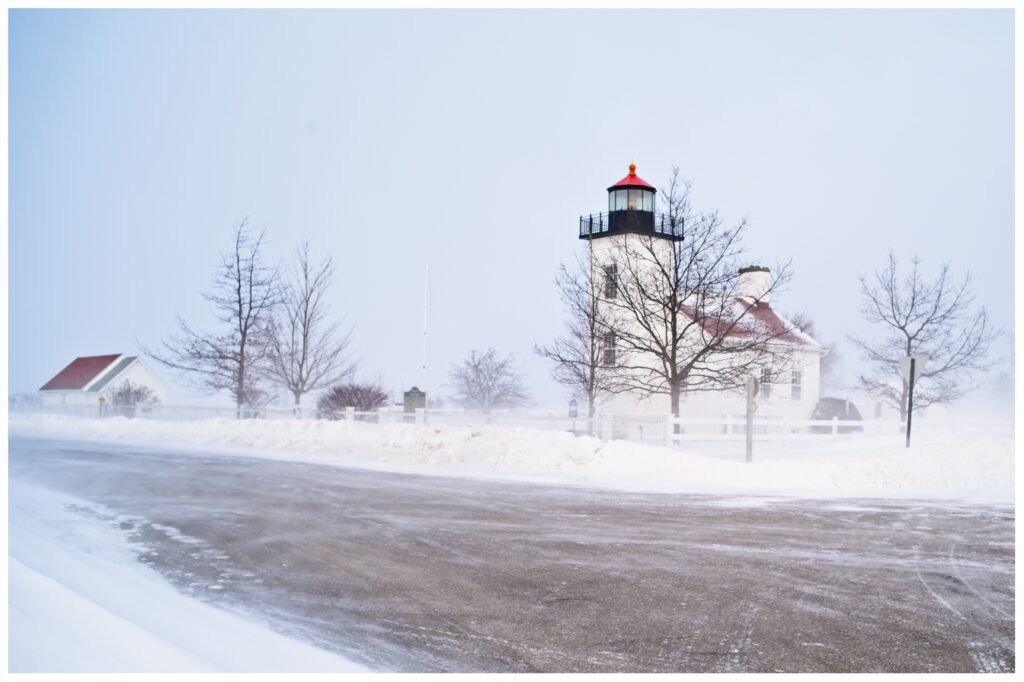
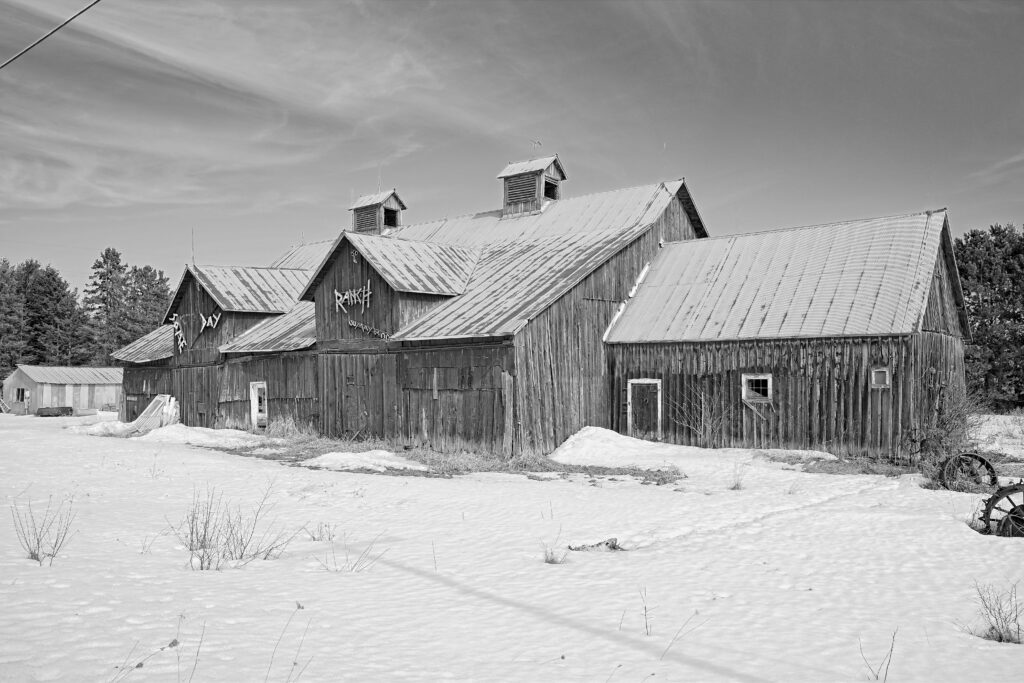
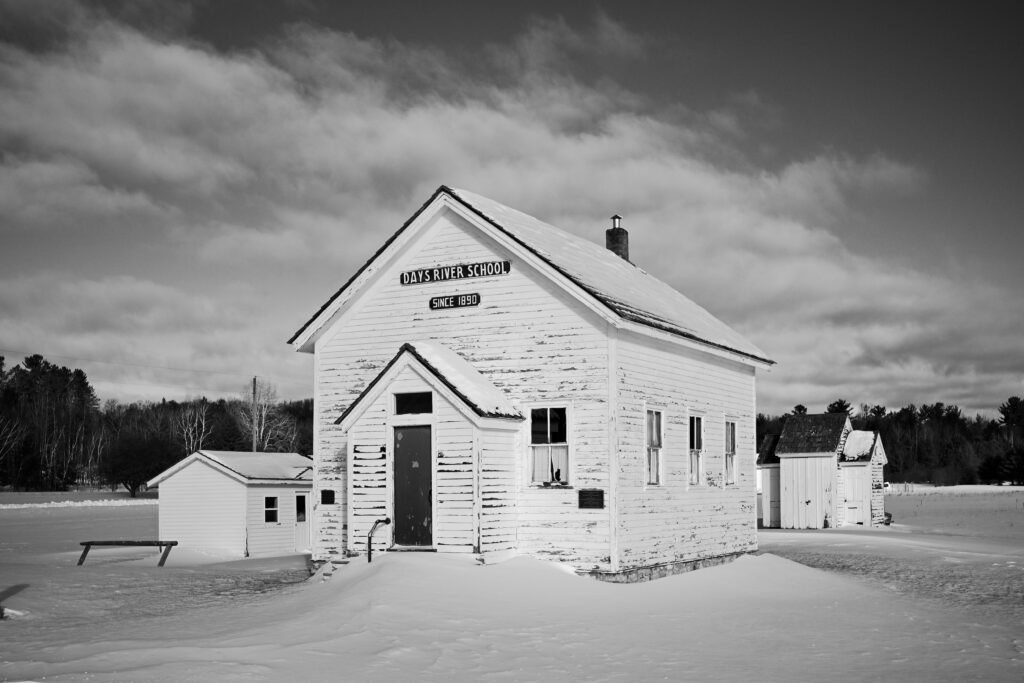
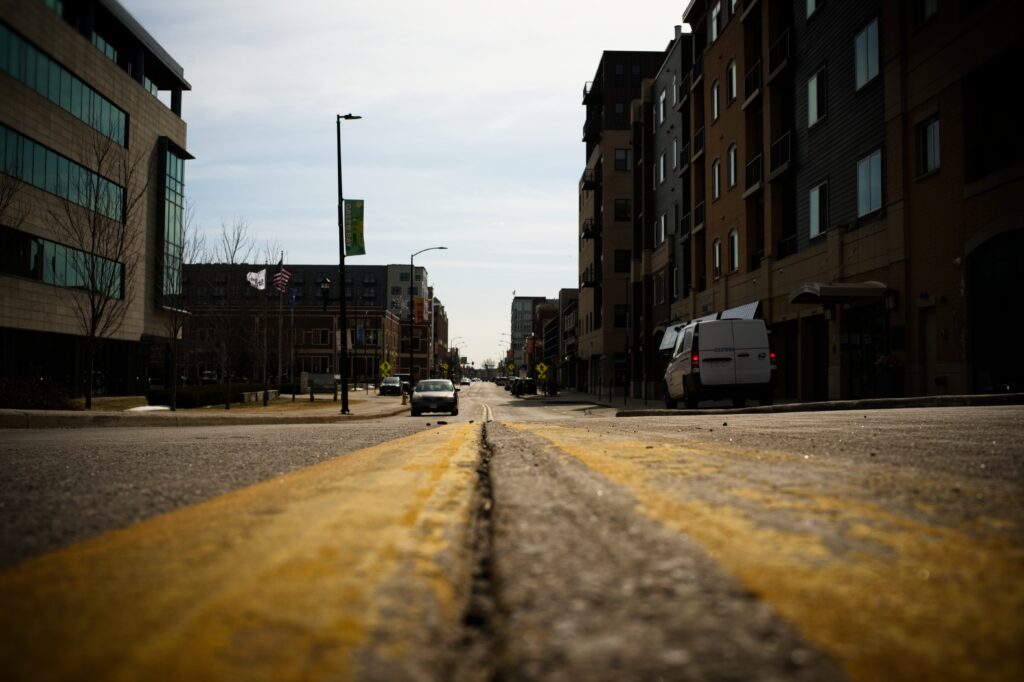
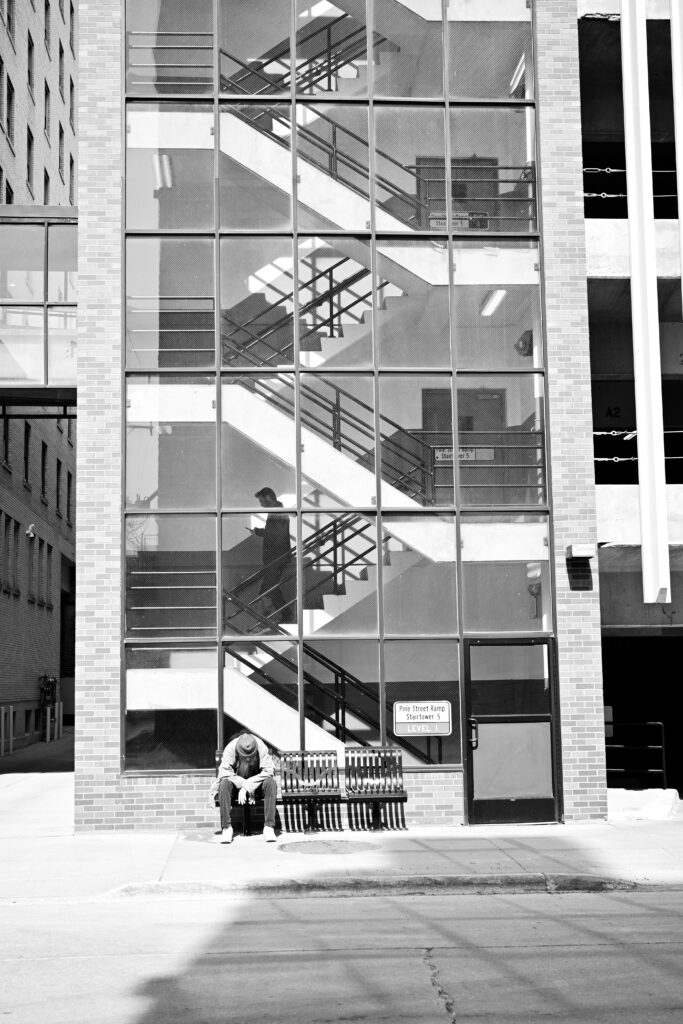
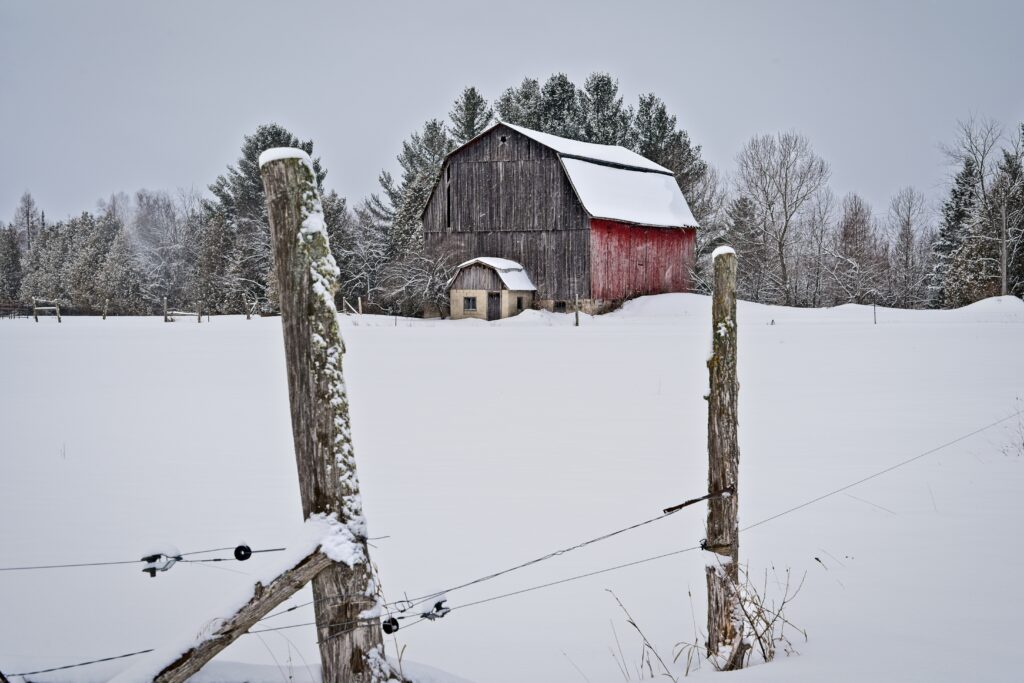
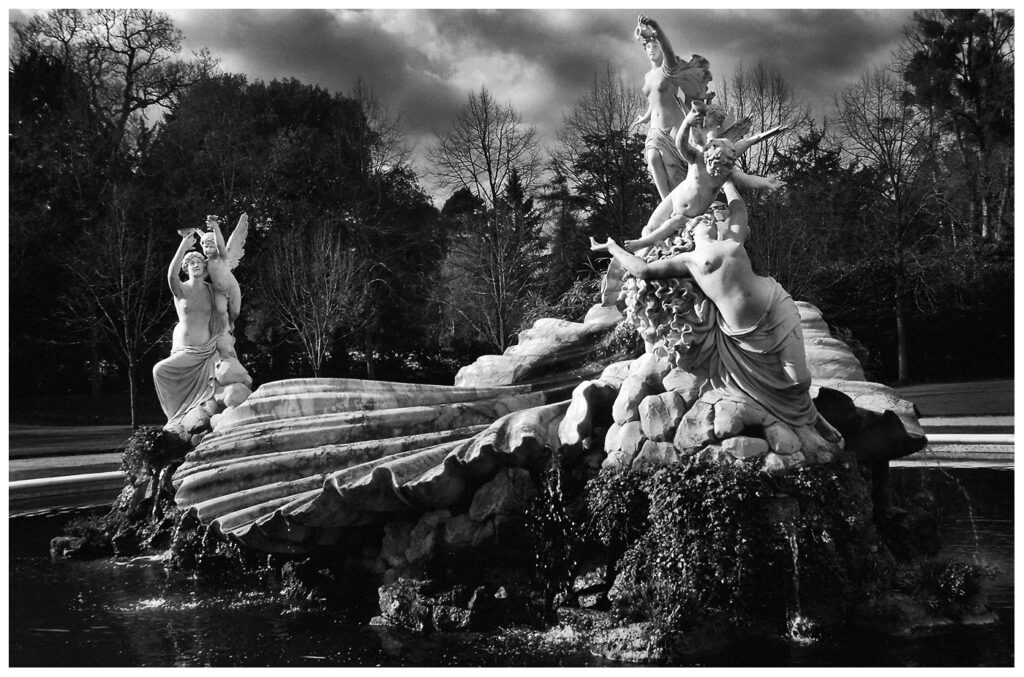
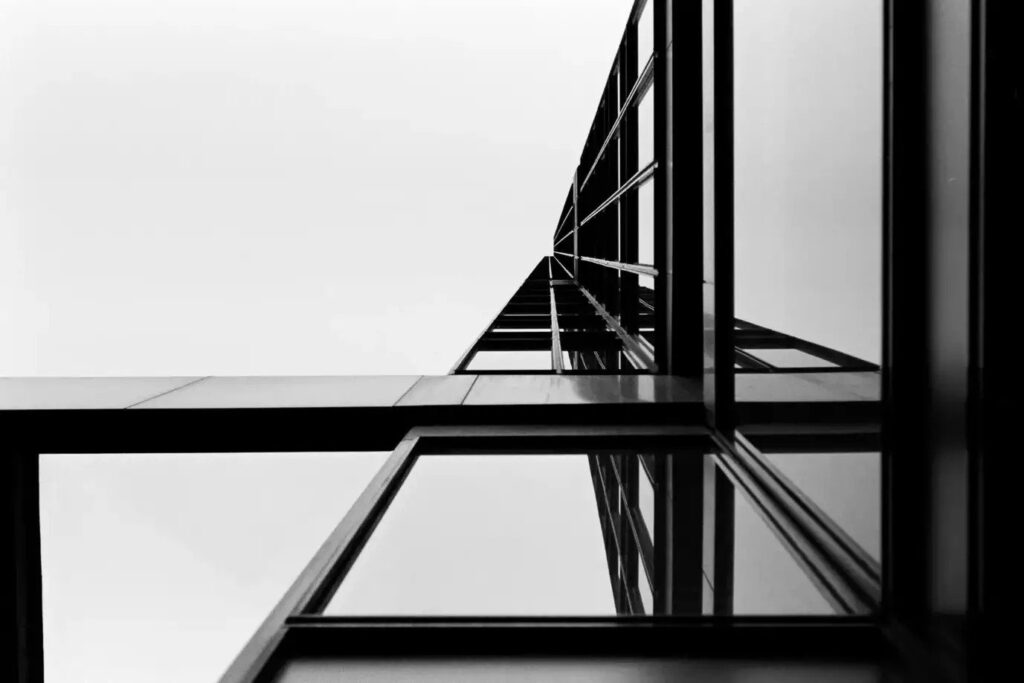
Will I go back to a more modern autofocus system? I doubt it. My photography now focuses on small towns, historic buildings, and rural life – often in black and white. For that kind of work, the Zf feels like it was made for me. More importantly, it changed how I think about cameras. It’s easy to chase the next best thing. But the Zf reminded me to find the camera that fits your style – the one that makes you want to pick it up and go shoot. For me, this is that camera.
Scott
Share this post:

Comments
Jukka Reimola on Nikon Zf – How a Camera Made Me Love Photography Again
Comment posted: 29/04/2026
Comment posted: 29/04/2026
ian bromehead on Nikon Zf – How a Camera Made Me Love Photography Again
Comment posted: 29/04/2026
I has a very similar experience with a few subtle aspects that maybe your Zf can offer, I'm not familiar.
Mine started when I bought a Olympus Pen-F, suddenly the dials available made me look, feel, play and understand how my process could slow down. A lot like when I dig out my old OM cameras, and when I load my TLR and Mamiya medium format film cameras.
The Pen-F has a dial on the front that changes the camera into B&W in 1 sec, or if preferred loads it into film simulations like Kodachrome 25. or Fuji.
Nice to hold easy to use, its in my pocket all the time
Comment posted: 29/04/2026
Peter Schu on Nikon Zf – How a Camera Made Me Love Photography Again
Comment posted: 29/04/2026
Comment posted: 29/04/2026
Comment posted: 29/04/2026
Comment posted: 29/04/2026
Charles Young on Nikon Zf – How a Camera Made Me Love Photography Again
Comment posted: 29/04/2026
Thanks for sharing your photos. Good to see some near local scenes including winter.
I live almost nearby ... Houghton MI. Lots of old stuff to photograph here. And I have plenty of old cameras to use ... no batteries!
Comment posted: 29/04/2026
Ibraar Hussain on Nikon Zf – How a Camera Made Me Love Photography Again
Comment posted: 29/04/2026
This is quite similar to the Nikon Df - the retro styled DSLR which is still quite pricey to buy used.
Comment posted: 29/04/2026
Alex Galt on Nikon Zf – How a Camera Made Me Love Photography Again
Comment posted: 29/04/2026
Comment posted: 29/04/2026
Comment posted: 29/04/2026
Comment posted: 29/04/2026
Kodachromeguy on Nikon Zf – How a Camera Made Me Love Photography Again
Comment posted: 29/04/2026
Comment posted: 29/04/2026
Gary Smith on Nikon Zf – How a Camera Made Me Love Photography Again
Comment posted: 29/04/2026
Thanks!
Comment posted: 29/04/2026
Curtis Heikkinen on Nikon Zf – How a Camera Made Me Love Photography Again
Comment posted: 29/04/2026
Comment posted: 29/04/2026
Walter Reumkens on Nikon Zf – How a Camera Made Me Love Photography Again
Comment posted: 30/04/2026
Comment posted: 30/04/2026
Comment posted: 30/04/2026
Omar Tibi on Nikon Zf – How a Camera Made Me Love Photography Again
Comment posted: 30/04/2026
Alastair Bell on Nikon Zf – How a Camera Made Me Love Photography Again
Comment posted: 06/05/2026
Life became good again. And what is probably more to the point along with the renewed interest in digital photography came a reawakening of the desire to shoot film.
Comment posted: 06/05/2026
Andrew Moore on Nikon Zf – How a Camera Made Me Love Photography Again
Comment posted: 11/05/2026
I really like the article and pictures, thanks. These days, the more I read it seems to me that people are increasingly gravitating towards a more 'considered' photographic experience - slowing-down the activity, and choosing gear accordingly. I've never given up on 35mm film (mostly monochrome) although I've had an APS-C camera for years. Not unlike you I now find myself thinking of a change. Annoyingly I can't afford a full-frame body just now, but owning a fair few NIkon AF lenses - and hating the APS-C crop factor - I'm in a bit of a bind. My current solution is to carry a tiny digital compact, then when I see somehting interesting I'll return later with a film camera. Take less pictures on film having put more thought in - is that the ultimate photographic mindfulness? :-)
Comment posted: 11/05/2026
Comment posted: 11/05/2026
Comment posted: 11/05/2026