

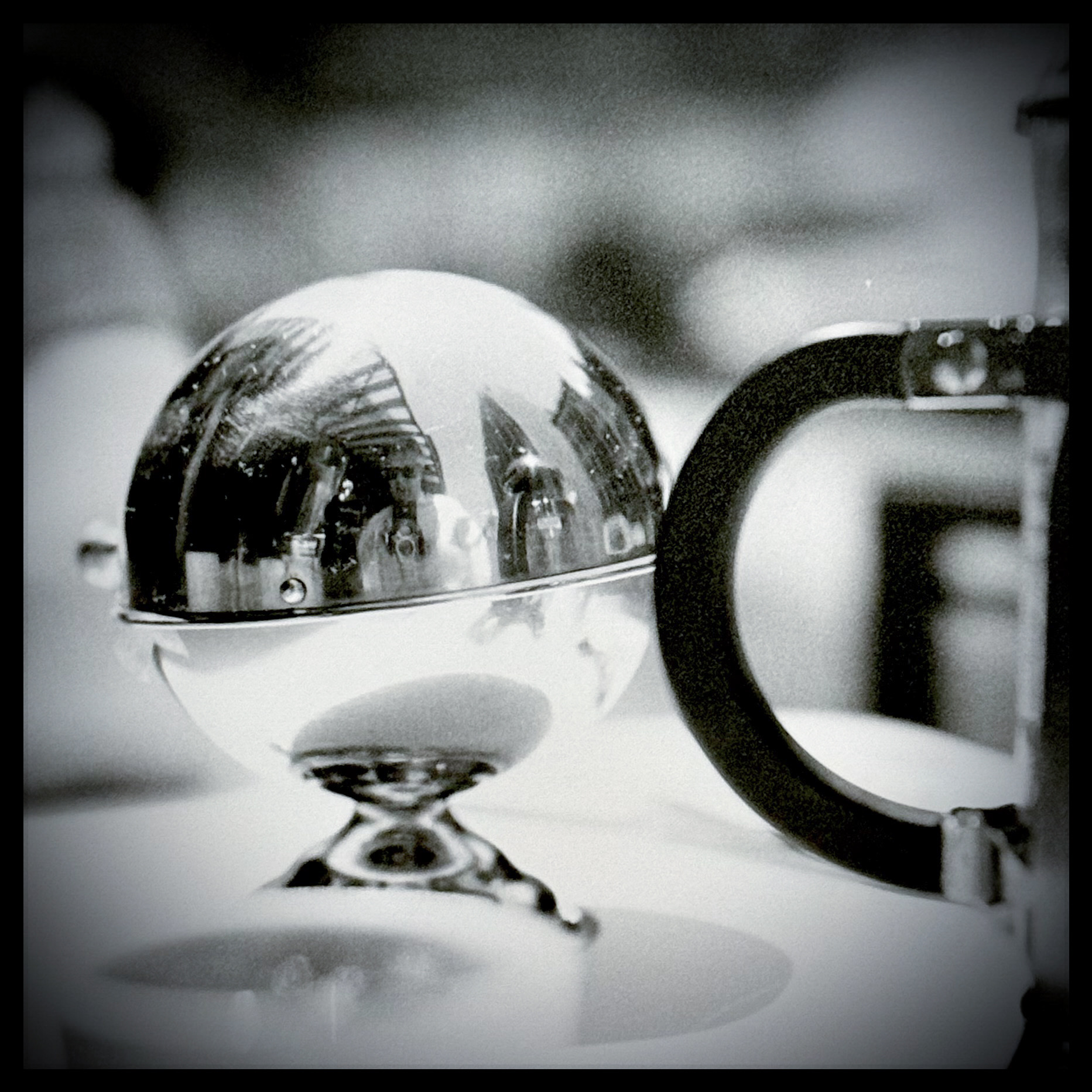
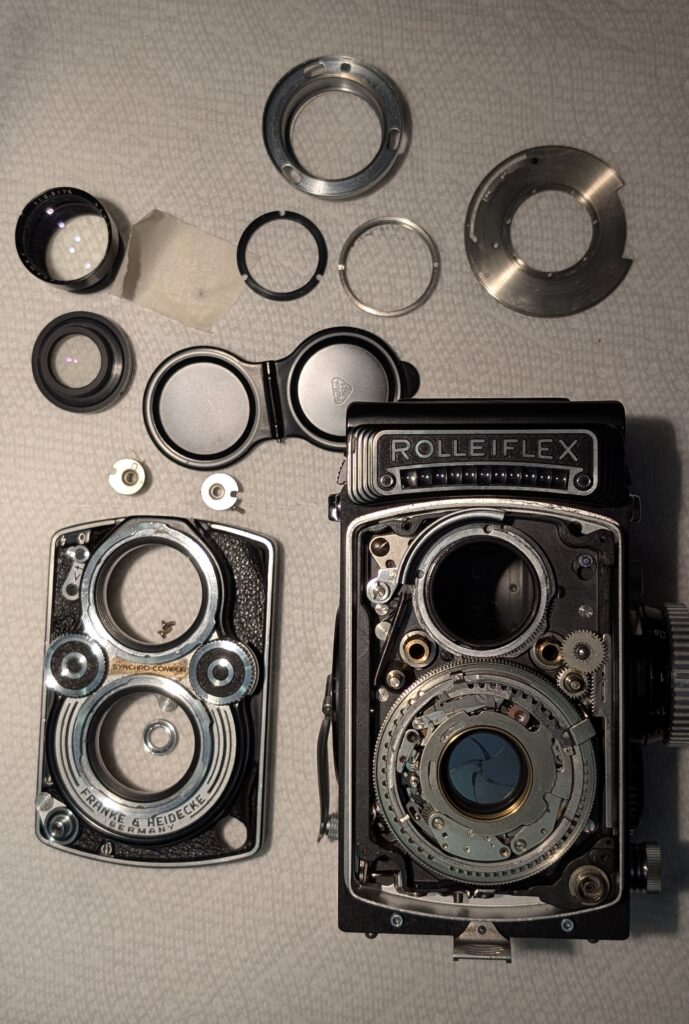
My 1958 Rolleiflex 3.5F, my most-used camera, recently came back from Georgia-based technician Peter Jiang after a thorough rehabilitation. For a camera I’ve relied on since 2019, its absence has been deeply felt, and its return even more so.
This isn’t a post about the CLA, though I must acknowledge that Peter’s work is very good indeed. Instead, it’s about what it’s like to return to a camera that, despite being a longtime favorite, has recently been nudged aside by its fancier sibling, my 1967 Rollei 2.8F (acquired, like much of my kit, in a moment of GAS a few years back).
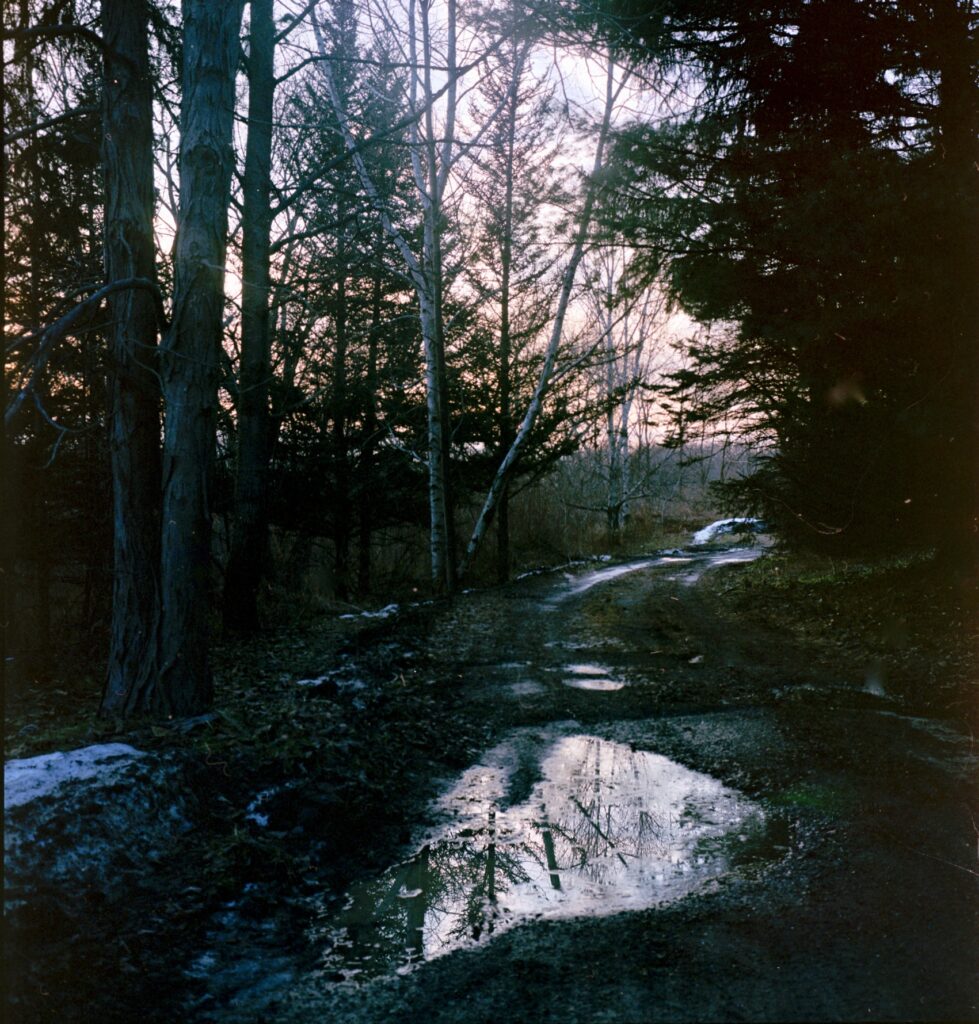
Though I love my 2.8F, some of the urban legends surrounding it—the superlatives about its rendering, the laments about its bulk—don’t entirely hold up. (I’ve posted a weight comparison that may surprise you on my website, and may soon do a side-by-side film test of the two F/Planars). What does distinguish the cameras most palpably, in use, is something subtler but more consequential: focal length. The 3.5F’s 75mm Planar, only 5mm wider than the lens on the 2.8F, nonetheless feels noticeably broader and airier to me. With the 3.5F, I find myself allowing more of the world into the frame, sometimes approaching the expansive way of seeing that I’ve been exploring, on a much wider canvas, with the Hasselblad SWC.
The difference in maximum aperture, on the other hand, has always struck me as more psychological than practical. Although I’m grateful for the extra two-thirds of a stop the 2.8F provides, neither camera is especially speedy compared with a fast 35mm setup. Both reward a certain steadiness: bracing manually or with a tripod in low light to make use of slower shutter speeds, or, increasingly in my case, incorporating flash in certain situations. Here both Rolleiflexes excel. Their leaf shutters allow sync at all speeds, opening possibilities for mixing ambient light and strobe that are off limits with my Leica cameras, where flash sync tops out at 1/50th of a second.
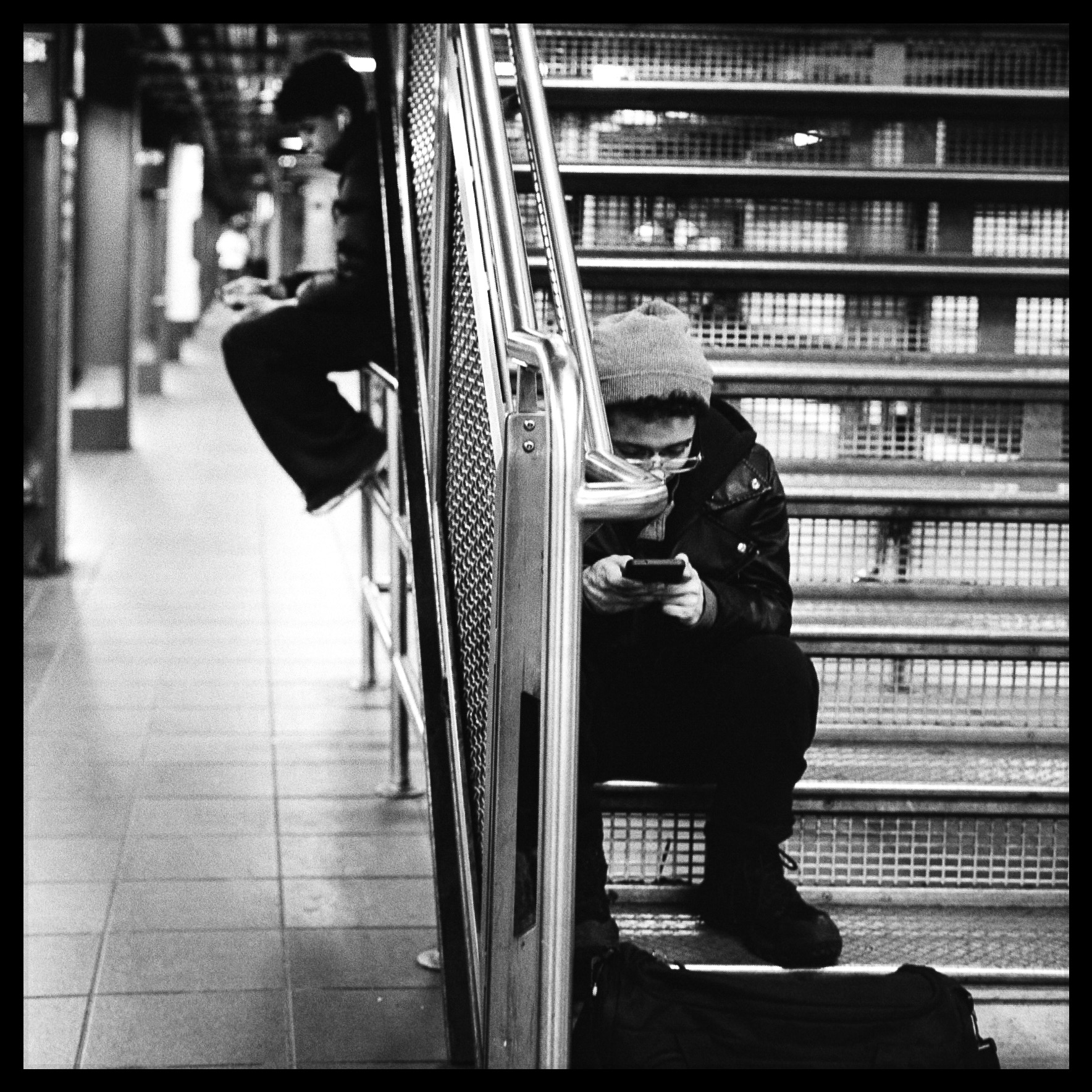
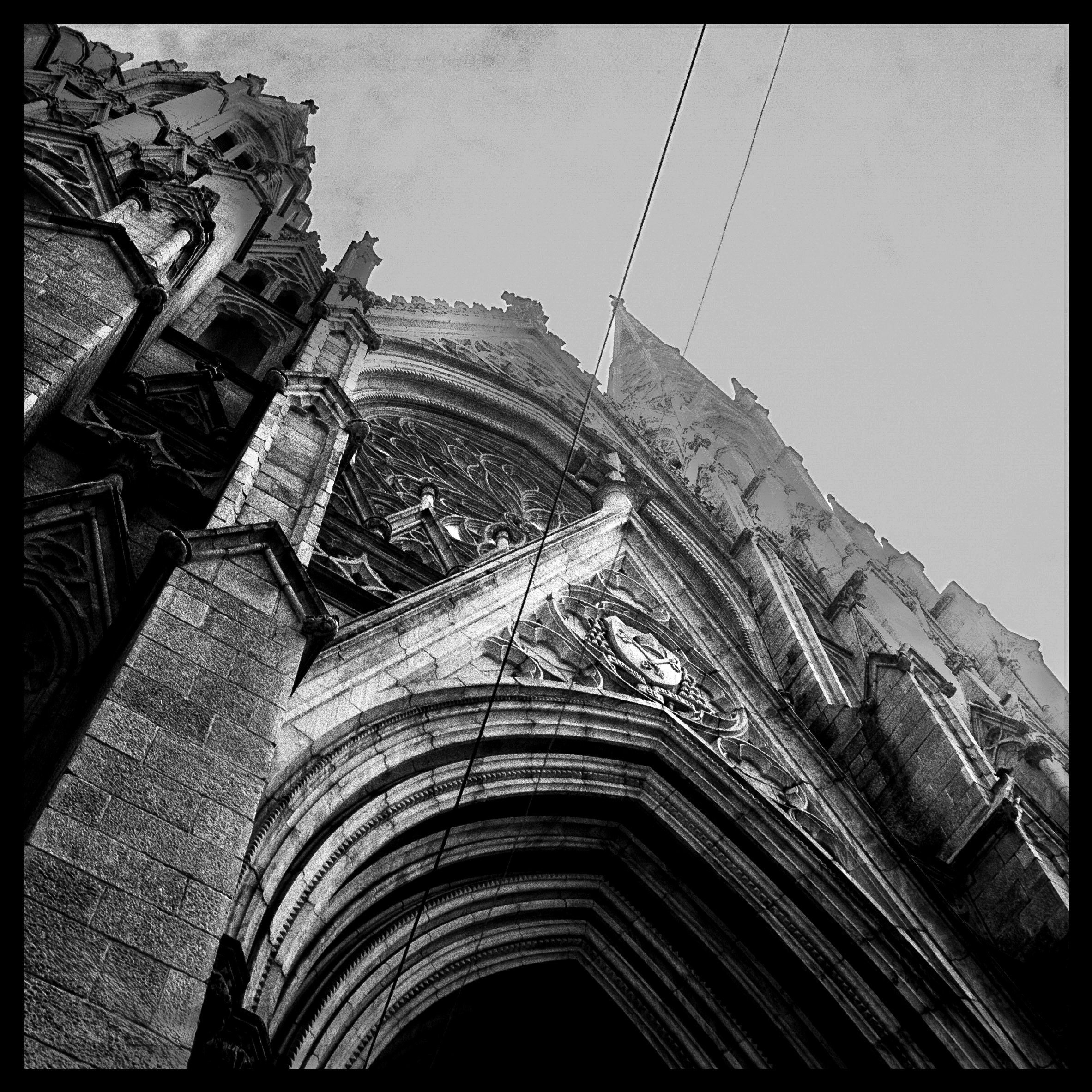
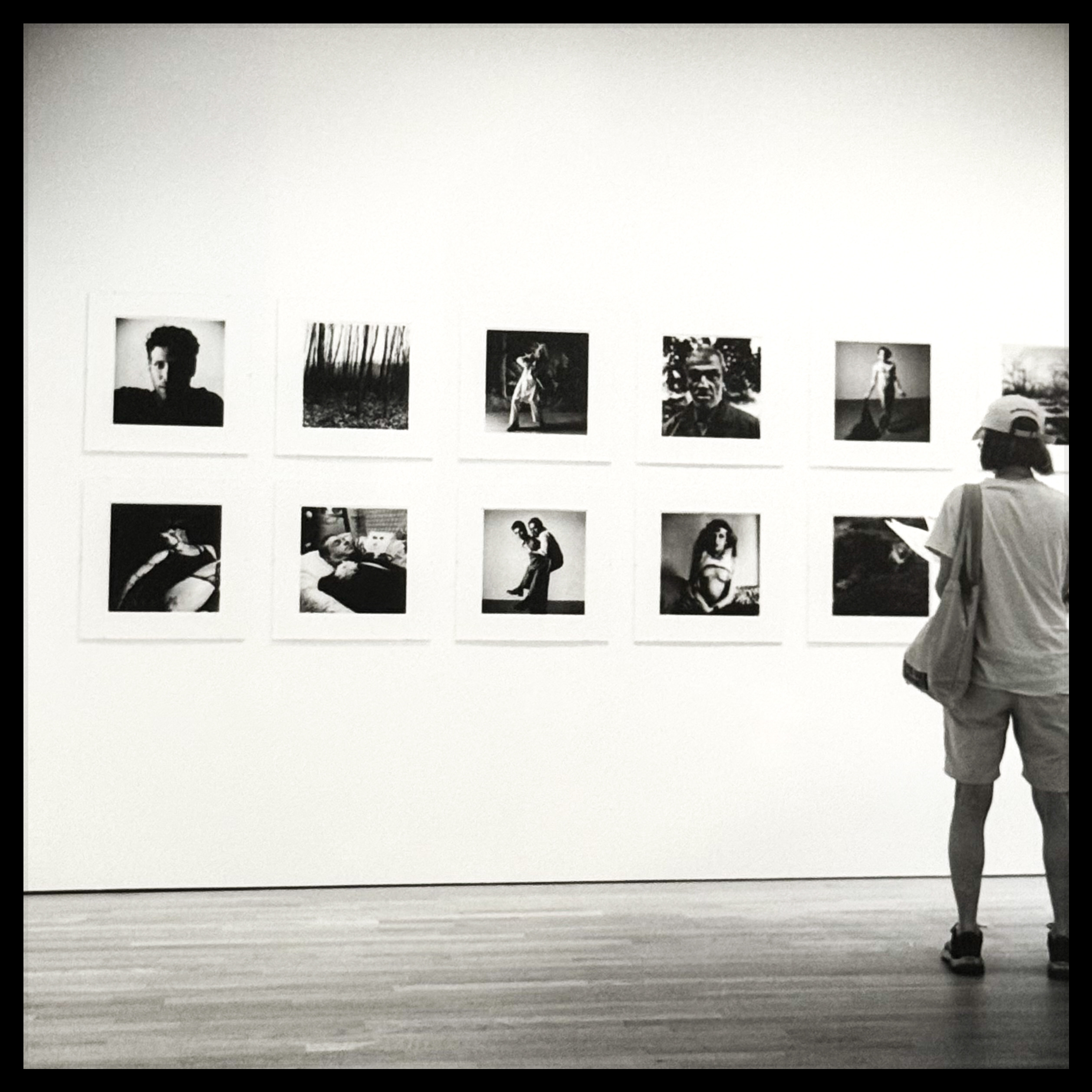
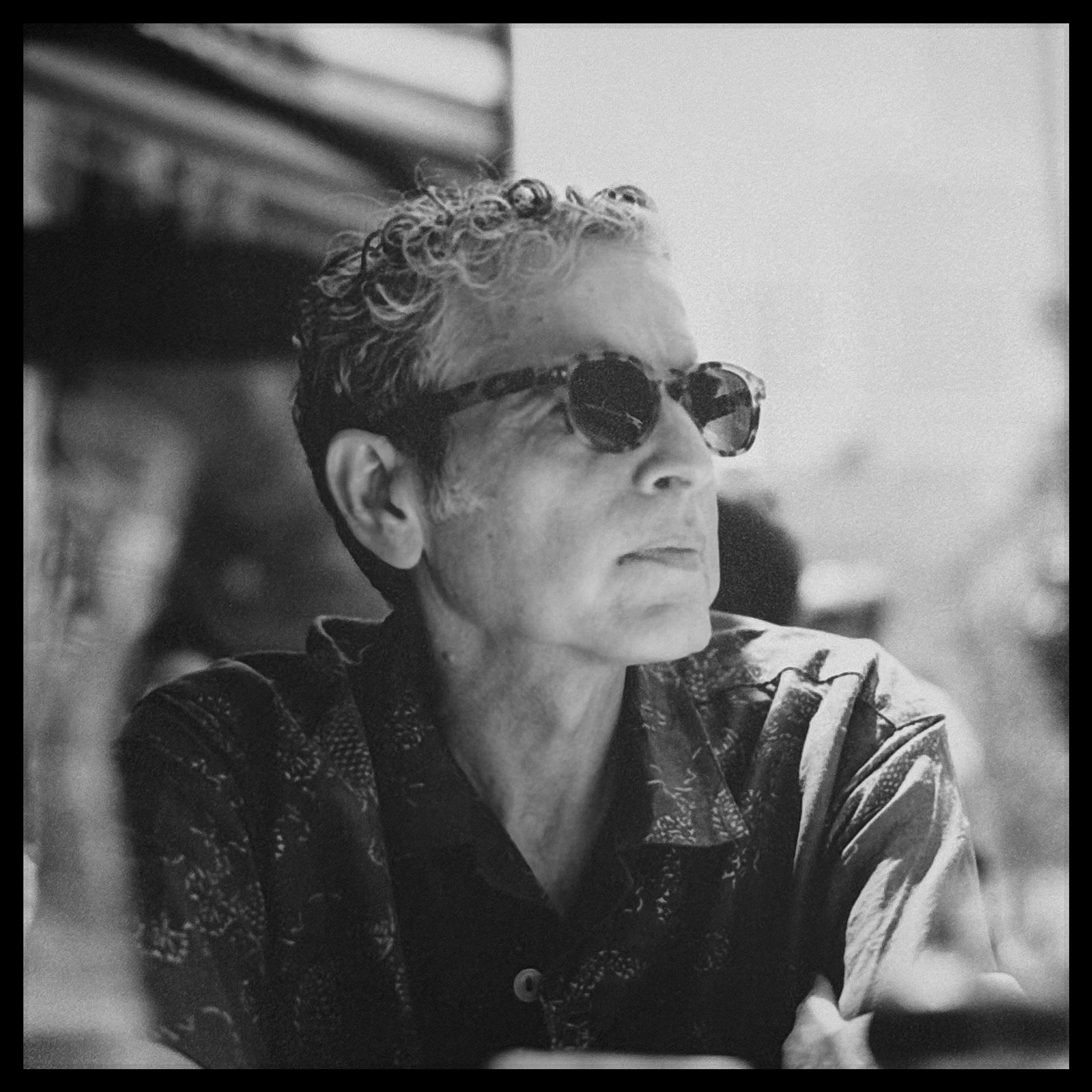
The photographs that follow, all made with Kodak Tri-X 400, were taken in subway stations and at locations around Manhattan. They give some small sense of the 3.5F’s versatility and of the endless uses to which it can be put on a walk around the city.
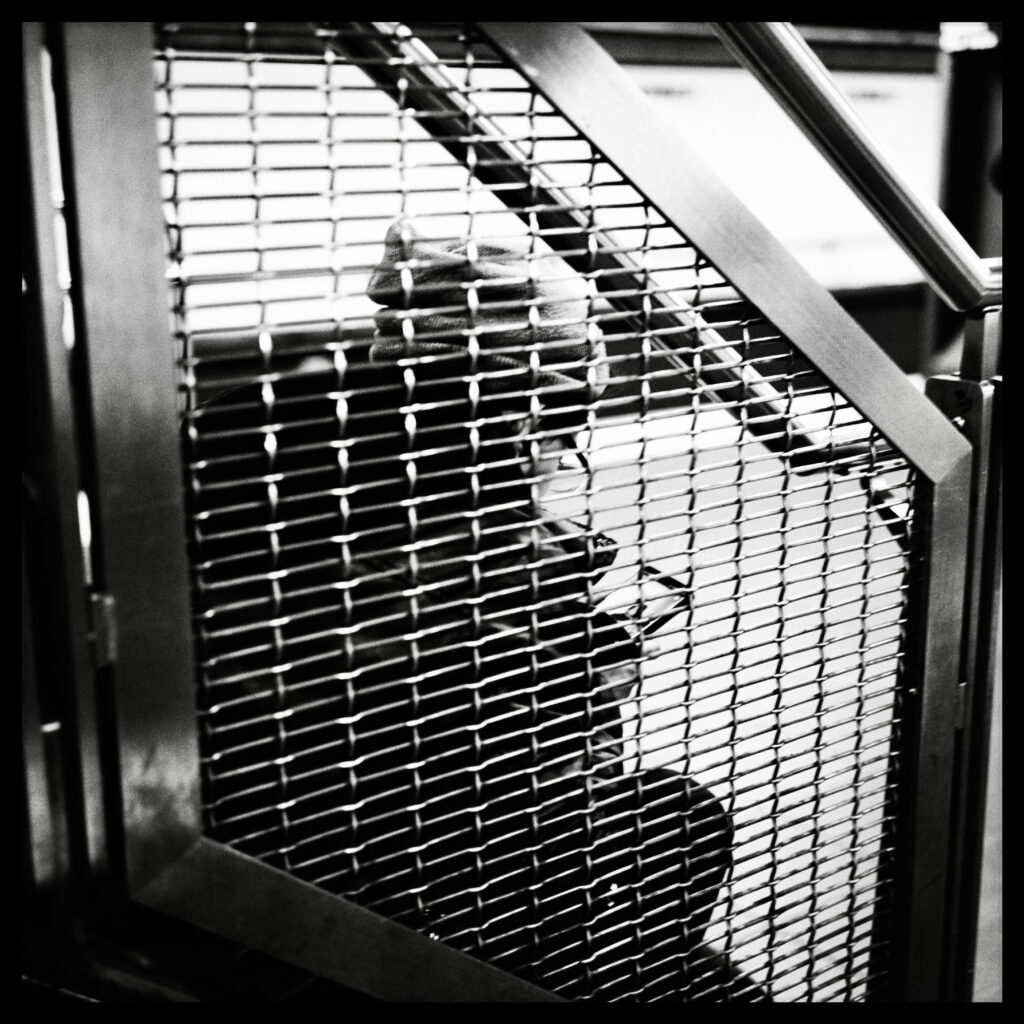
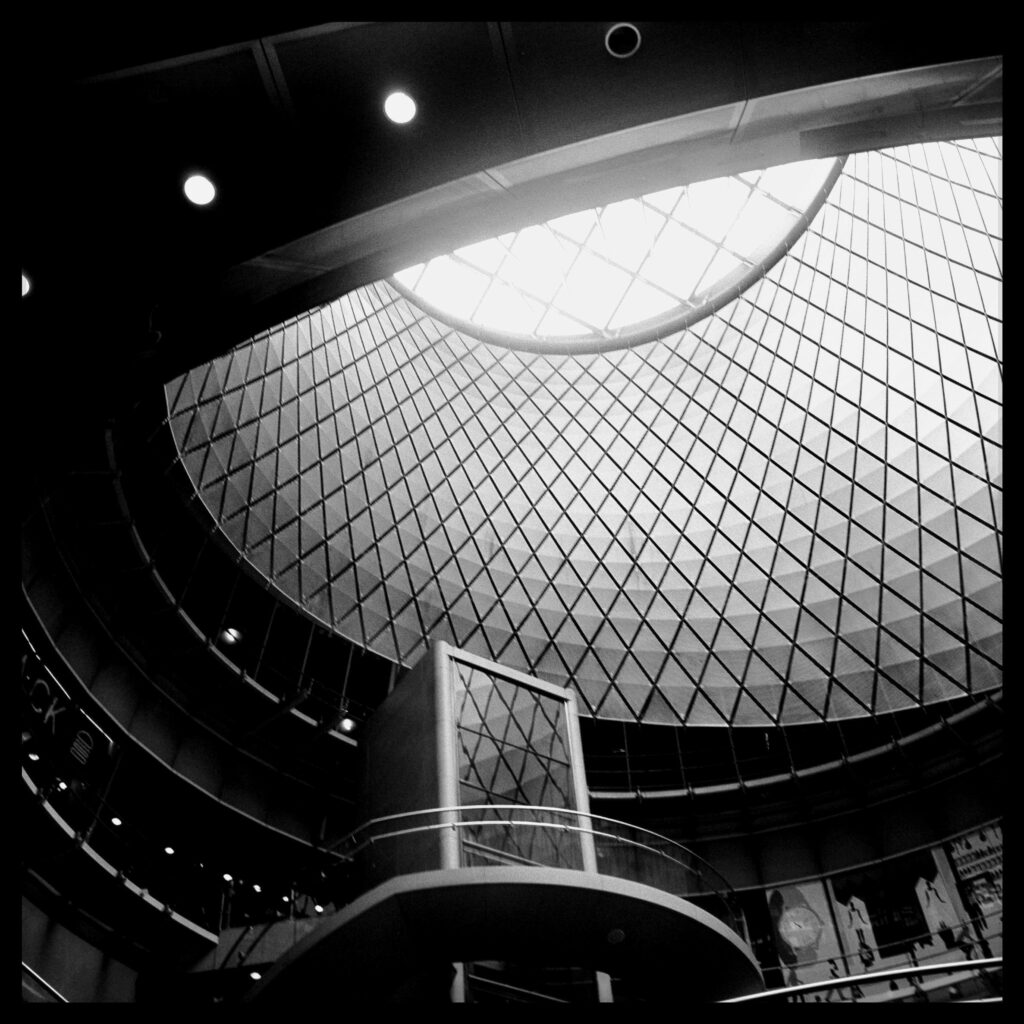
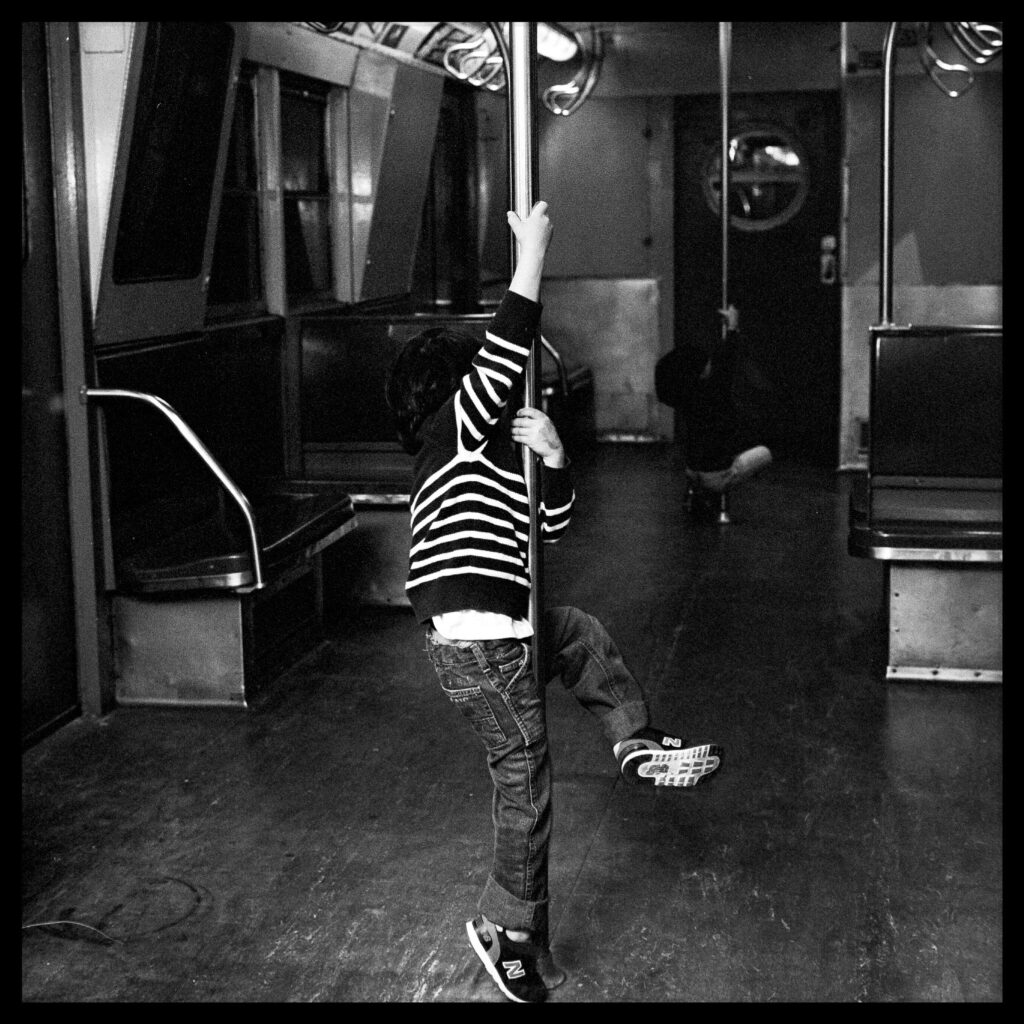
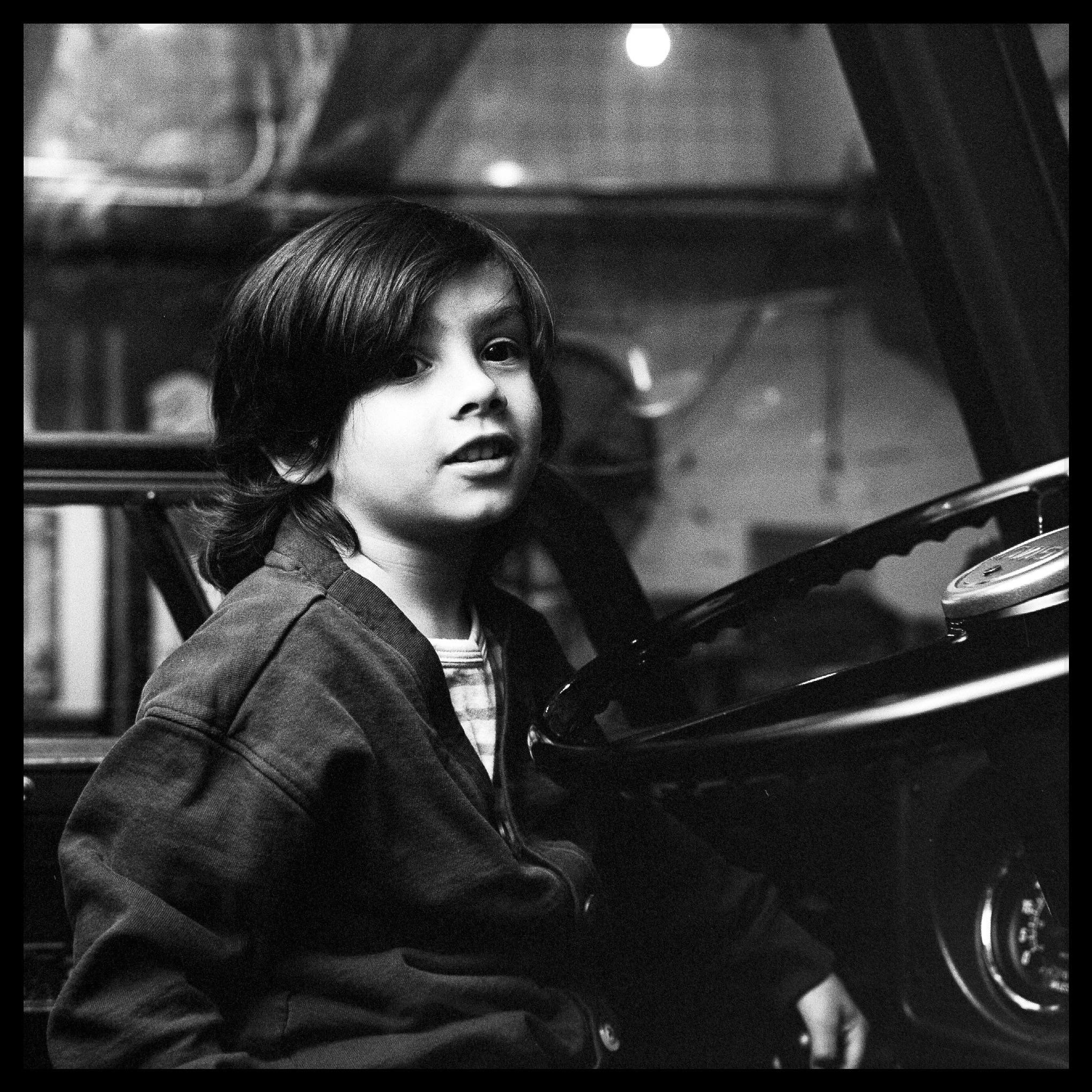
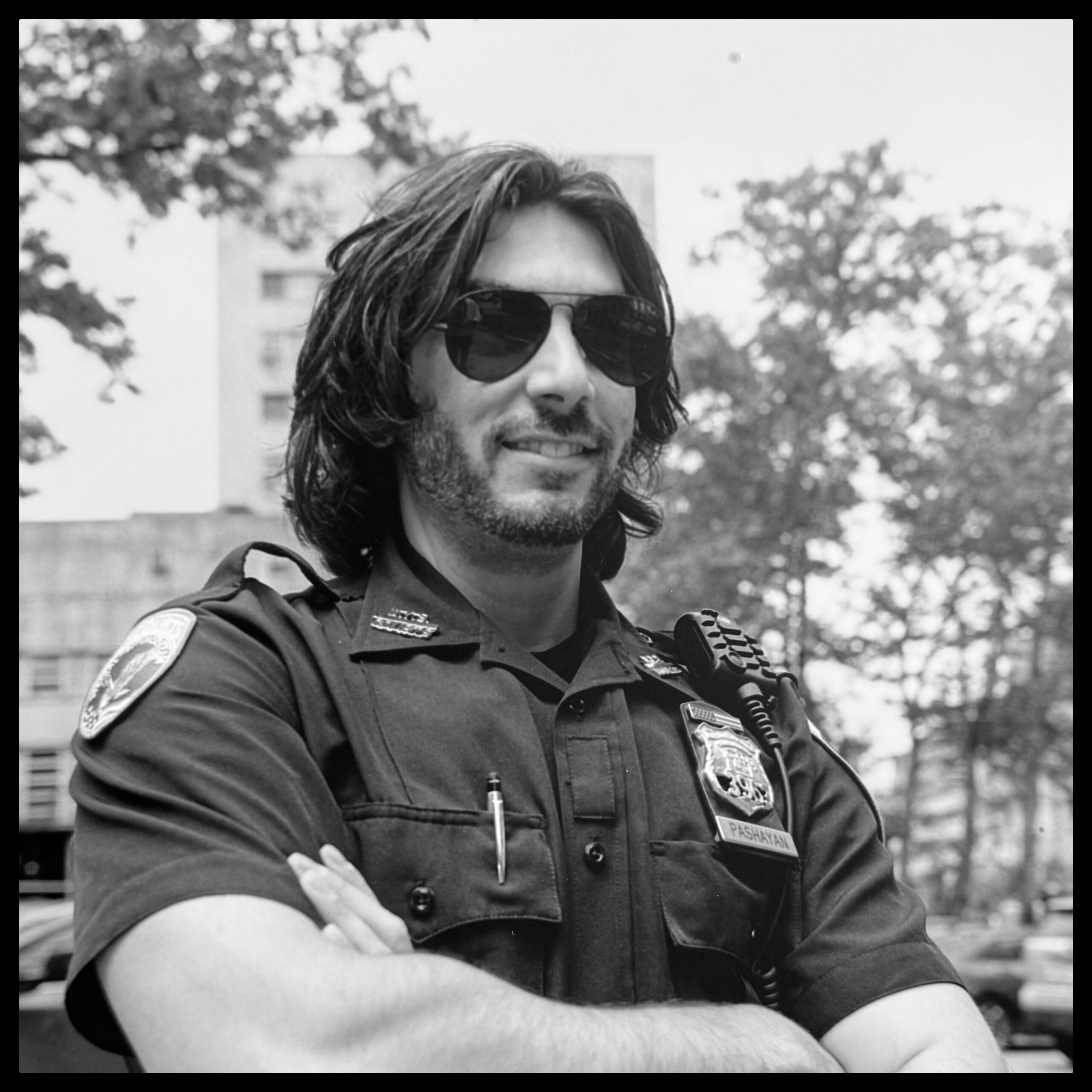
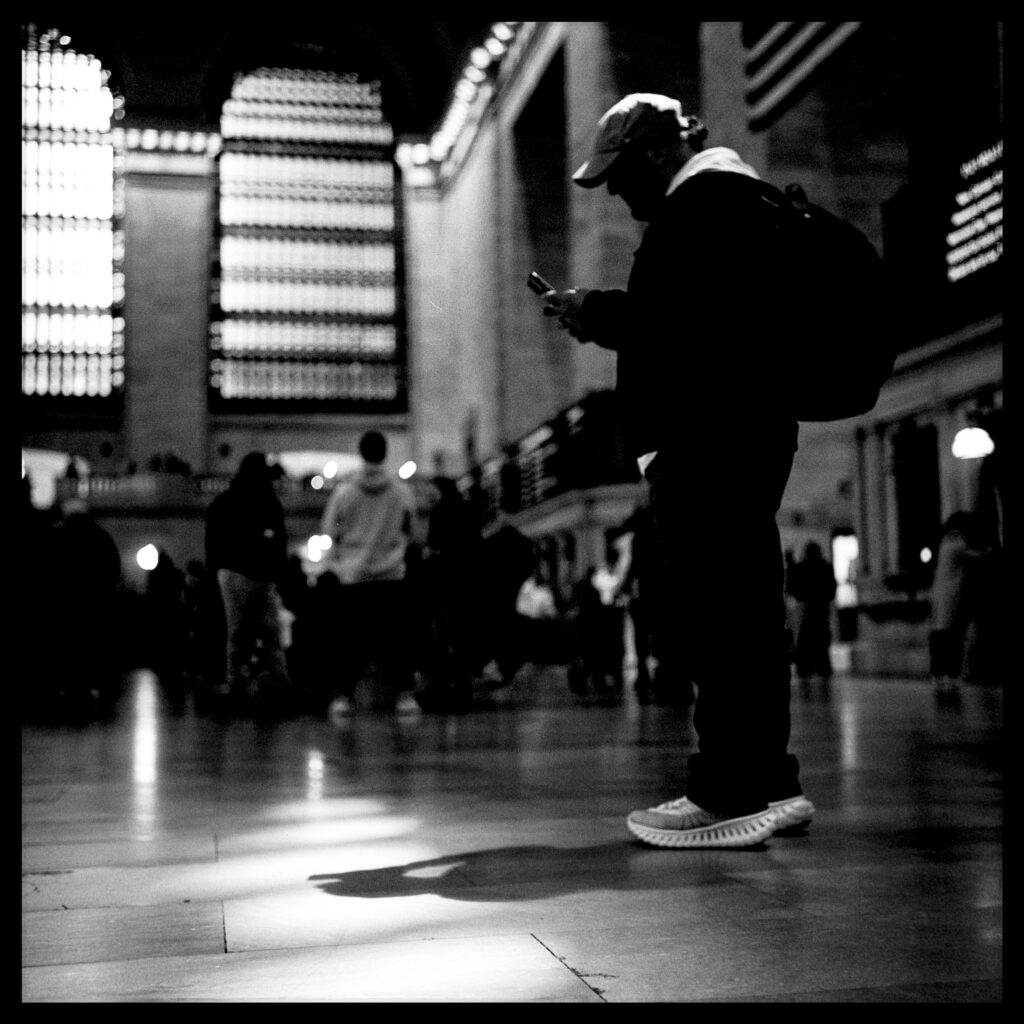
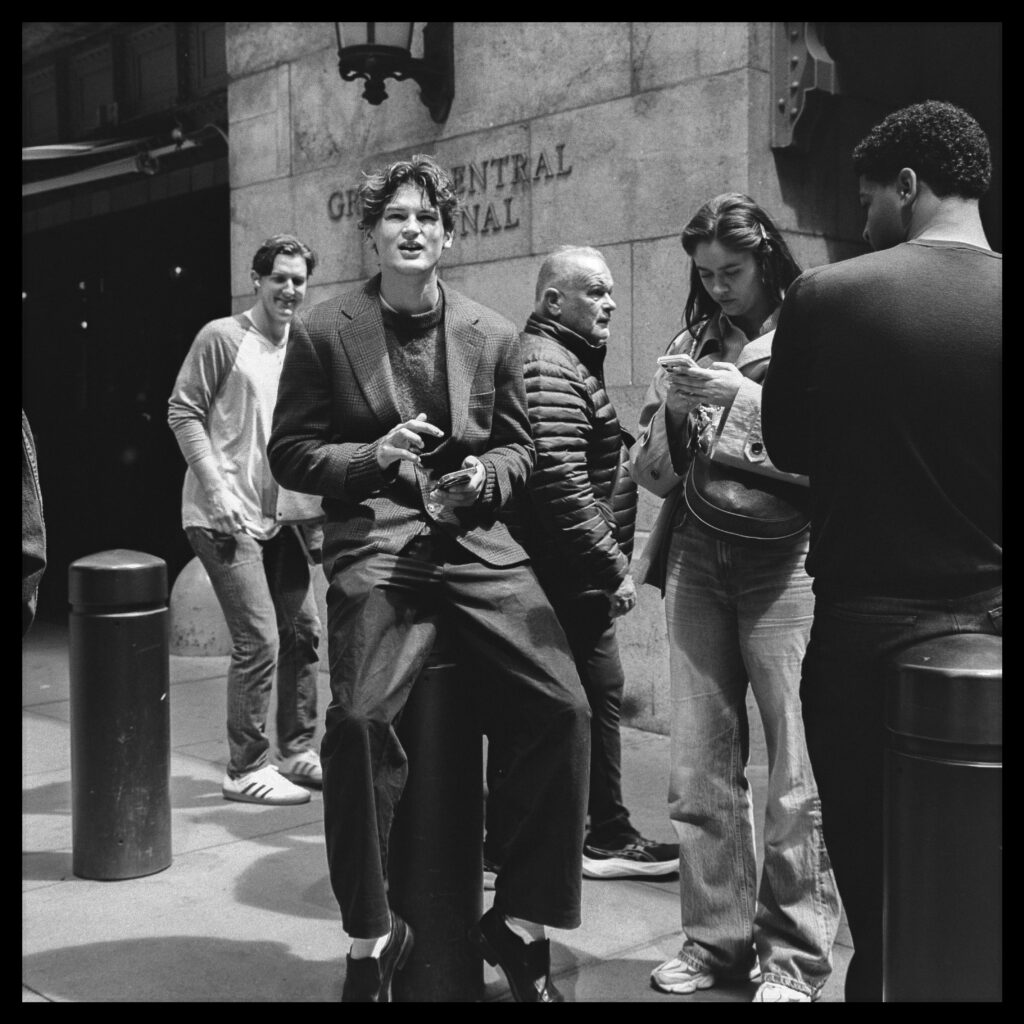
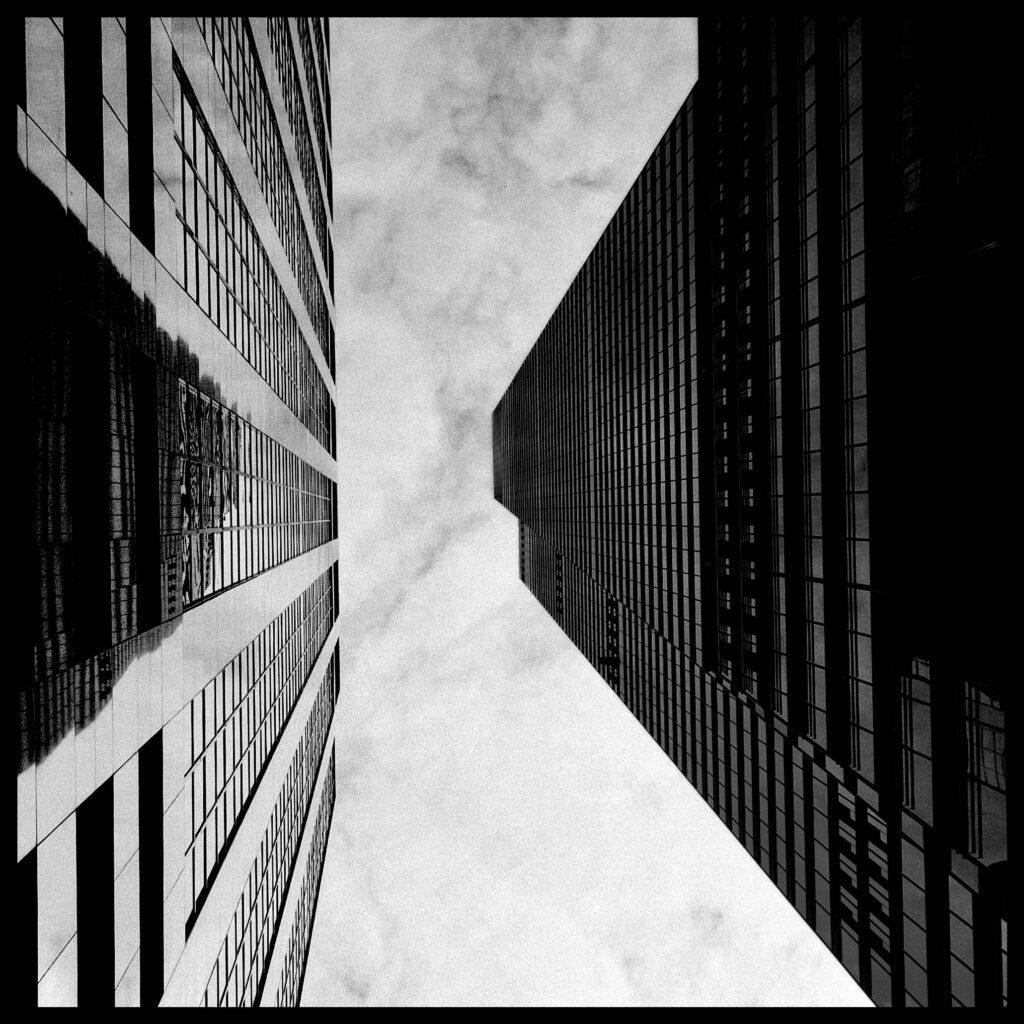
I don’t imagine the folks at Franke and Heidecke ever expected that the Rolleiflex they designed for professionals in the 1950s would remain in use seventy years later, or that its owner during the past decade would be someone like me, an enthusiast seeking magic from a tool whose heyday is long past. While I’m grateful for the range of equipment I’ve sampled since 2019, picking up my 3.5F and putting it through its familiar paces confirms a simple truth: I will never exhaust the possibilities contained in this one compact package.
That realization—humbling, invigorating—keeps me coming back for more.
Thanks for reading.
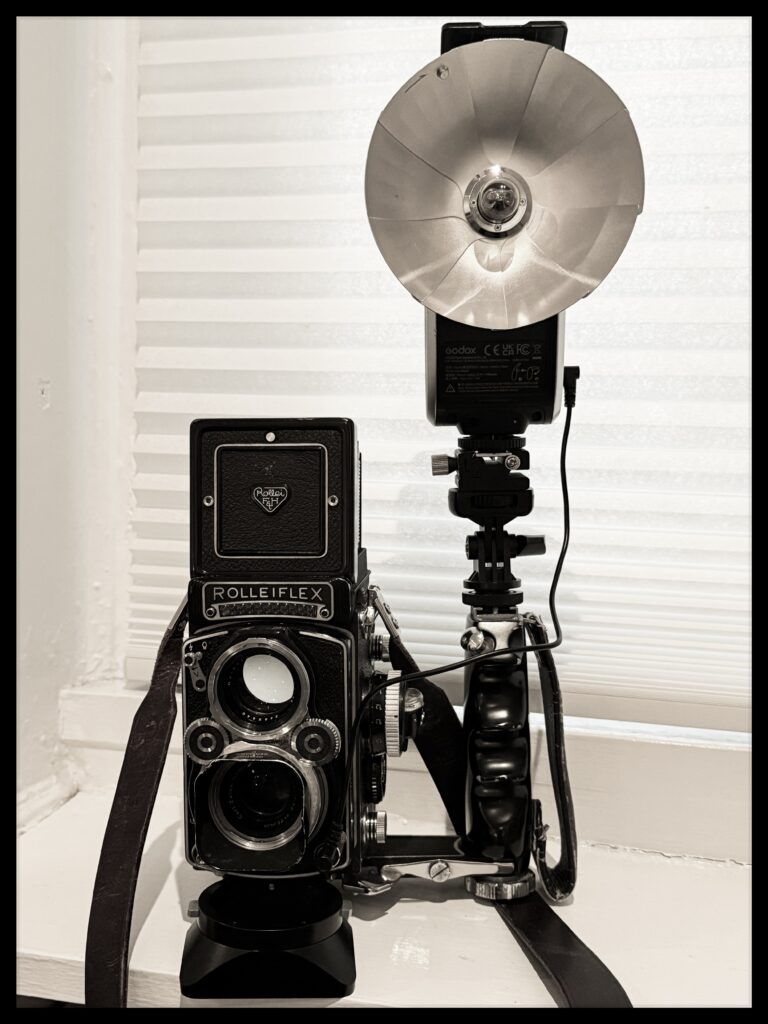
PHOTO LIST: 1. (featured image) Sugar Bowl Self-Portrait, Odéon downtown, made with Rolleinar II; 2. Jay Street Duo; 3. subway Stairwell portrait; 4. Fulton transit hub oculus; 5. cousins twirling; 6. aspiring bus driver, NYC Transit Museum; 7. Gregory, a Court Police Officer; 8. Shadow, Grand Central; 9. Bollards outside Grand Central; 10. Billionaire Megaliths; 11. Saint Patrick’s Cathedral; 12. Peter Hujar Exhibit, “Gracie Mansion Show, 40 Years Later,” Ortuzar NYC; 13. my luncheon companion, Rajiv; 14. restored 3.5F & Godox Lux Senior flash mounted on a Bronica hand grip (iPhone photo).
You can see more of my work at leica1933.com
Peter Jiang, Rolleiflex specialist, can be reached by email at si*******@***il.com.
Share this post:

Comments
Erik Brammer on Underground and Around Town with my Rolleiflex 3.5F, Freshly CLA’d
Comment posted: 29/05/2026
I, too, really like my Rolleiflex 3.5F which in my copy is fitted with the Schneider Kreuznach Xenotar 75/3.5. The way one typically holds the camera combined with the rattle-free leaf shutter really allow very slow shutter speeds, at least compared to, say, the Hasselblad 500 C/M or Nikon F2 or even the Leica CL with its light meter arm flapping around with each exposure.
Looking forward to your next series!
Comment posted: 29/05/2026
Charles Young on Underground and Around Town with my Rolleiflex 3.5F, Freshly CLA’d
Comment posted: 29/05/2026
Comment posted: 29/05/2026
Martin on Underground and Around Town with my Rolleiflex 3.5F, Freshly CLA’d
Comment posted: 29/05/2026
Thanks and thanks for sharing your wonderful phototgraphy.
Comment posted: 29/05/2026
Stephen Hanka on Underground and Around Town with my Rolleiflex 3.5F, Freshly CLA’d
Comment posted: 29/05/2026
Comment posted: 29/05/2026
Walter Reumkens on Underground and Around Town with my Rolleiflex 3.5F, Freshly CLA’d
Comment posted: 29/05/2026
Did the company’s founders and their heirs give any thought to the product’s lifespan? Probably too much thought. They failed to notice how demand for TLR and roll-film cameras was declining noticeably; within the company, the engineers’ improvements and new ideas were met with derision, It was only three years after the TLR was discontinued that the first SLR was released; it was arguably more in keeping with the times than the SLRs of their German competitors, but it failed to meet the high standards set by the Japanese. Outsourcing production to Singapore led to a decline in quality; the cameras were still too expensive, and bankruptcy was inevitable. This marked the inglorious end of the West German camera industry, from which only Leitz remains. But only by luck, and with massive help from Japanese firms in the construction of the R-series and later in digital technology.
.
Comment posted: 29/05/2026
Comment posted: 29/05/2026
Comment posted: 29/05/2026
Comment posted: 29/05/2026
Comment posted: 29/05/2026
Comment posted: 29/05/2026
Comment posted: 29/05/2026
David Pauley on Underground and Around Town with my Rolleiflex 3.5F, Freshly CLA’d
Comment posted: 29/05/2026
Comment posted: 29/05/2026
Comment posted: 29/05/2026
Comment posted: 29/05/2026
Andrew on Underground and Around Town with my Rolleiflex 3.5F, Freshly CLA’d
Comment posted: 29/05/2026
Comment posted: 29/05/2026
Comment posted: 29/05/2026
Comment posted: 29/05/2026
Comment posted: 29/05/2026
Scott Ferguson on Underground and Around Town with my Rolleiflex 3.5F, Freshly CLA’d
Comment posted: 29/05/2026
Fantastic post and stellar images as usual. It warms my heart to see the 3.5 f back in action in your capable hands, I'm impressed with the sheer range of styles that you can do so well -- portraits, street/documentary/architecture/cityscapes. As usual with your posts I read it with a strong mix of joy, appreciation and envy! I love the cover photo/self portrait, the kids and the almost abstract up angles of the atrium and the mid century office building.
I want to pick your brain on using flash -- while it looks clear to me that you used it in the Transit museum shots with the kids, I don't notice the presence of overpowering glare you often see in snapshot style flash photos, so appreciate the subtlety and taste that you show in using it for illumination.
Exciting to see!
Comment posted: 29/05/2026
Kodachromeguy on Underground and Around Town with my Rolleiflex 3.5F, Freshly CLA’d
Comment posted: 29/05/2026
Comment posted: 29/05/2026
Gary Smith on Underground and Around Town with my Rolleiflex 3.5F, Freshly CLA’d
Comment posted: 29/05/2026
Comment posted: 29/05/2026
Jeffery Luhn on Underground and Around Town with my Rolleiflex 3.5F, Freshly CLA’d
Comment posted: 29/05/2026
All these shots are great! The occulus (sp?) is a real winner. I also liked the people shots a lot, especially the last one. I don't think time has left these cameras behind, because they still do a stellar job in good hands. The brilliant design remains brilliant. I have lots of TLRs; Yashicas, Mamiyas, Graflex, and two Rolleicords. The Rolleis really speak to me. Taking them out and shooting is like holding hands with a former lover I still care about.
Comment posted: 29/05/2026
Ibraar Hussain on Underground and Around Town with my Rolleiflex 3.5F, Freshly CLA’d
Comment posted: 29/05/2026
Lovely compositions and love the lush tones and everything about them. Masterful stuff!
Wonderful use of the square format in urban scape, people and portraits.
Really enjoyed this a lot!
Comment posted: 29/05/2026
Comment posted: 29/05/2026
Eric Rose on Underground and Around Town with my Rolleiflex 3.5F, Freshly CLA’d
Comment posted: 29/05/2026
Comment posted: 29/05/2026
Reed George on Underground and Around Town with my Rolleiflex 3.5F, Freshly CLA’d
Comment posted: 29/05/2026
It’s rare to see someone use a manual film camera with flash these days when digital makes it so easy. Good on you!
Reed
Comment posted: 29/05/2026
Oliver G. on Underground and Around Town with my Rolleiflex 3.5F, Freshly CLA’d
Comment posted: 30/05/2026
Taken with an iconic camera from a time when “planned obsolescence” was still a foreign concept.
I live not far from Braunschweig/Germany and often pass by the original store of Paul Franke and Reinhold Heidecke at Viewegstraße 32.
It always makes me happy to see people who still use these cameras decades later.
Looking forward to your next article.
Best regards, Oliver
David Pauley on Underground and Around Town with my Rolleiflex 3.5F, Freshly CLA’d
Comment posted: 30/05/2026
Comment posted: 30/05/2026
Comment posted: 30/05/2026