

I have been a bit dismissive of the current crop of new £100/$100 35mm cameras, mostly to myself but sometimes in print so I though I’d try and prove I was right and the world was wrong. I bought the first 35mm compact auto-focus-with-flash camera I could find on eBay. A Rolleimat AF. Total cost: £24.01, and including a Skylight filter.
My next move was to see what 35mmc-ers had written about this camera. To my surprise – nothing. Consequently I’m going to have to do a proper review for once.
The Rolleimat AF was the first camera badged as a Rollei to have auto-focus. In fact it’s one of the very first cameras at all to have this feature using the patented Visitronic system from Honeywell, of which, more later. It was only produced from 1980 to 1981 and possibly 60,000 units were made. It’s mostly plastic and conventional-looking for the period. There are a couple of nice touches: the CdS cell is within the filter ring so no adjustment is necessary for a filter; the main power switch on the top plate also locks the shutter; the flash has it’s own power switch so it’s either on or it isn’t and everything is powered by two AA cells. The auto-exposure switches over to flash when it is turned on. We have a 38mm f/2.8 lens of four glass elements in three groups and full auto-exposure from 1/8sec to 1/450sec, f2.8 to f17. Focus-lock can be achieved by a half-press of the long-travel shutter release button, which is threaded for a cable. Film speed setting is only from 25 to 400 which is a bit limiting.
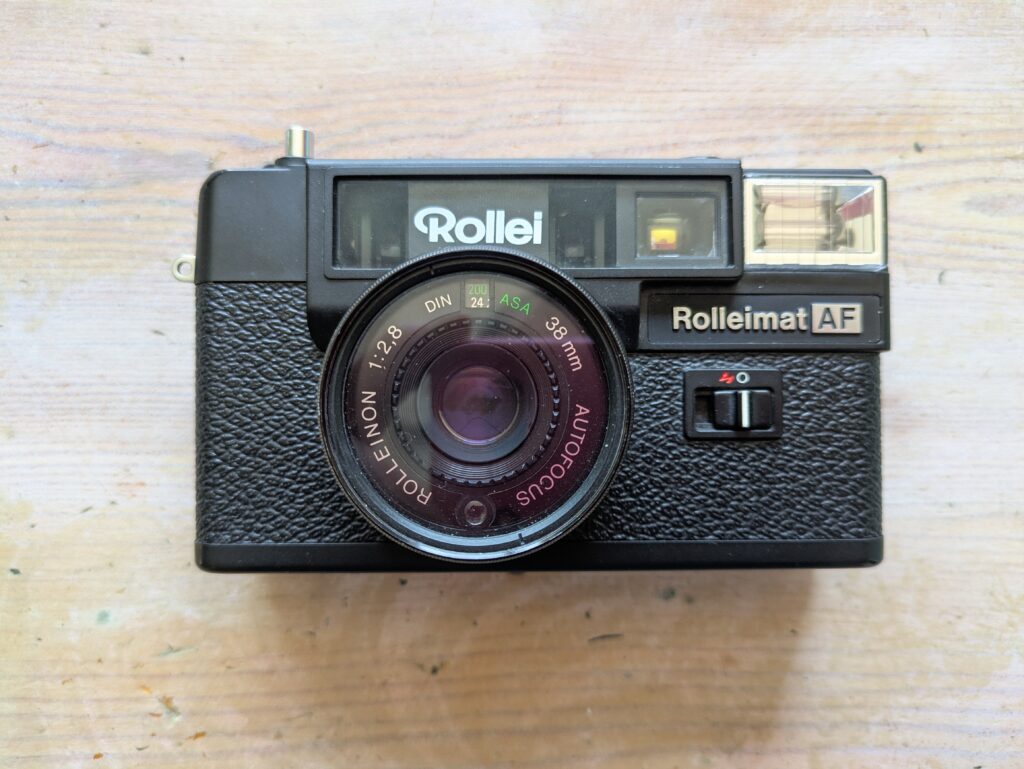
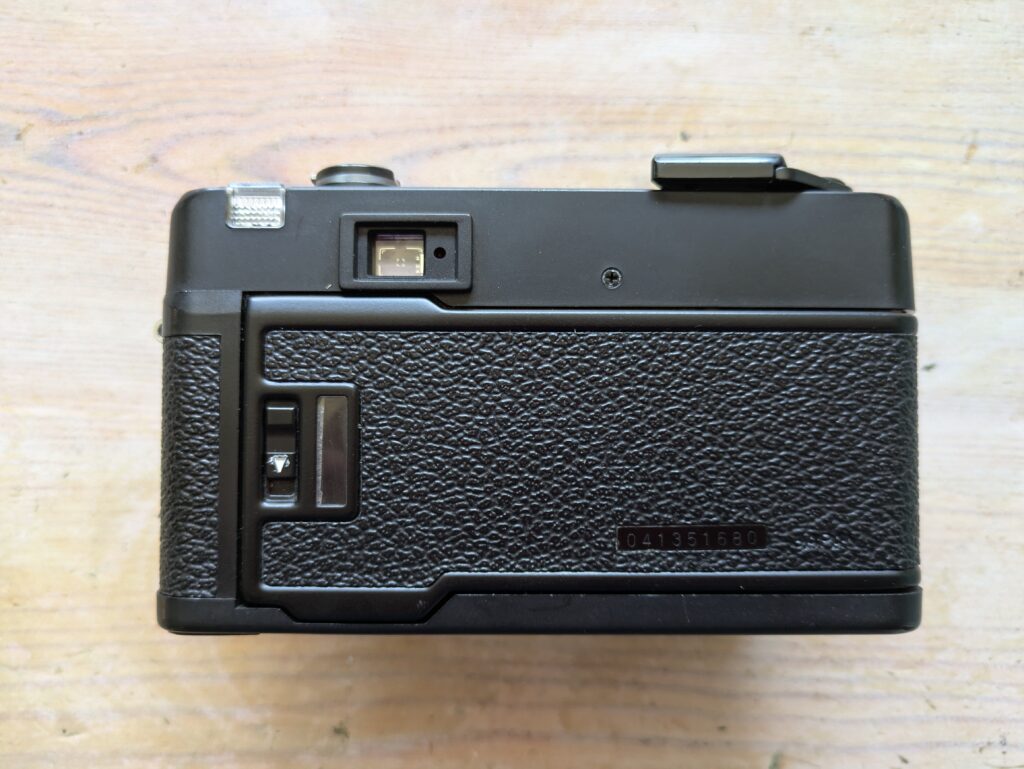
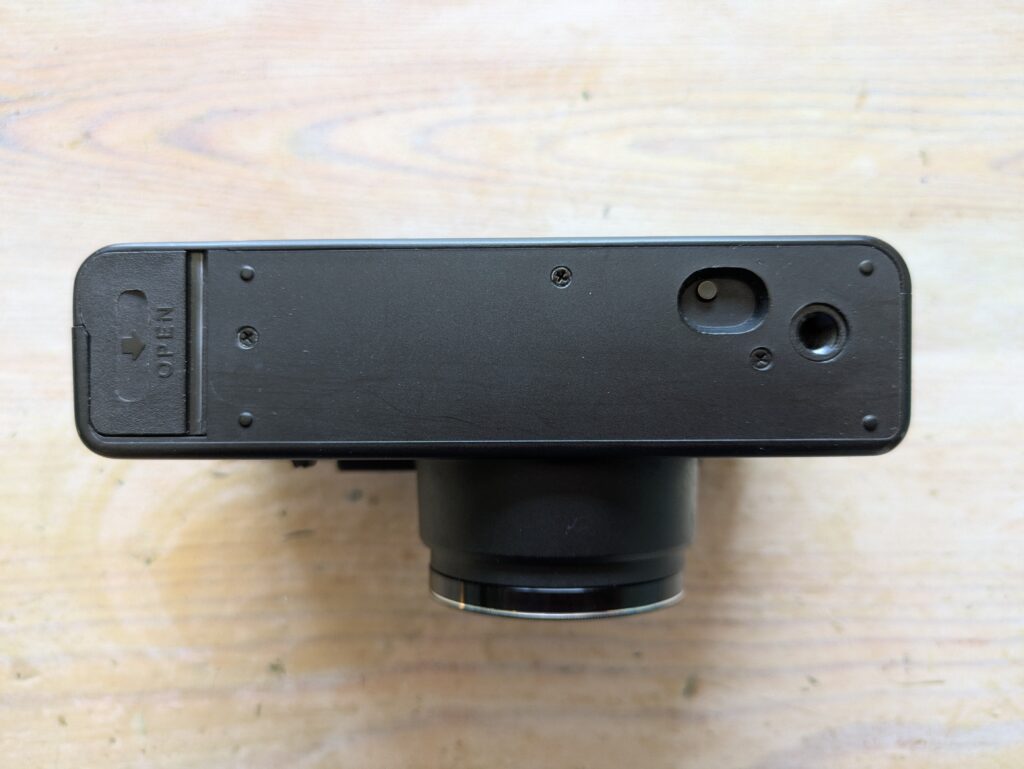
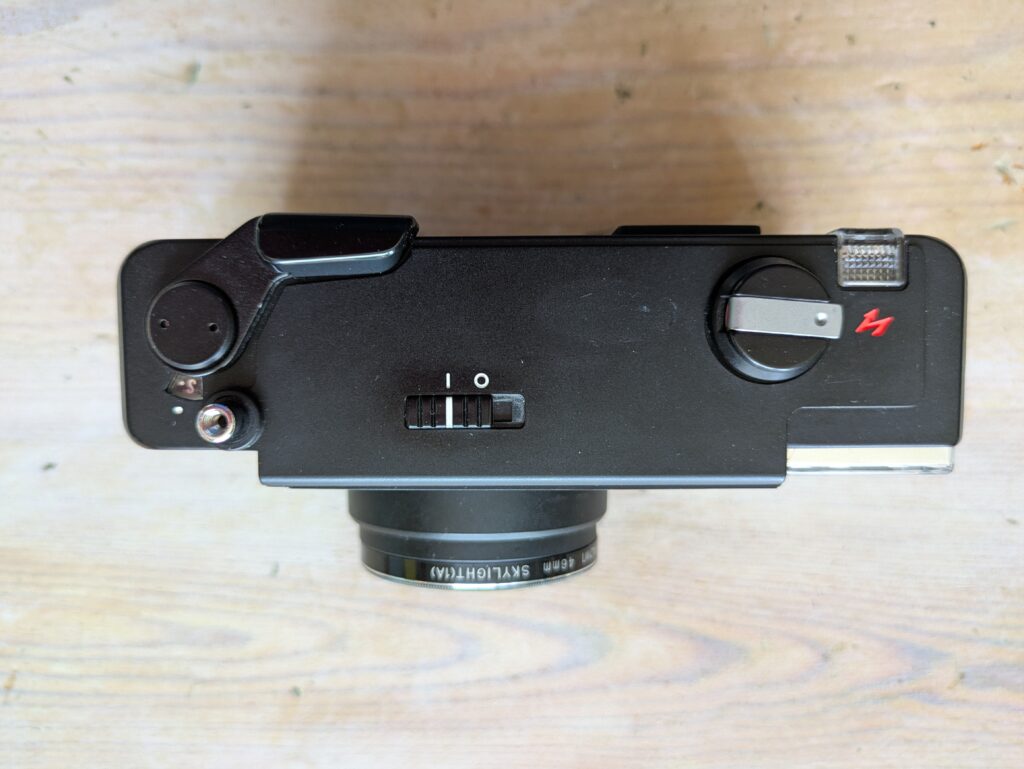
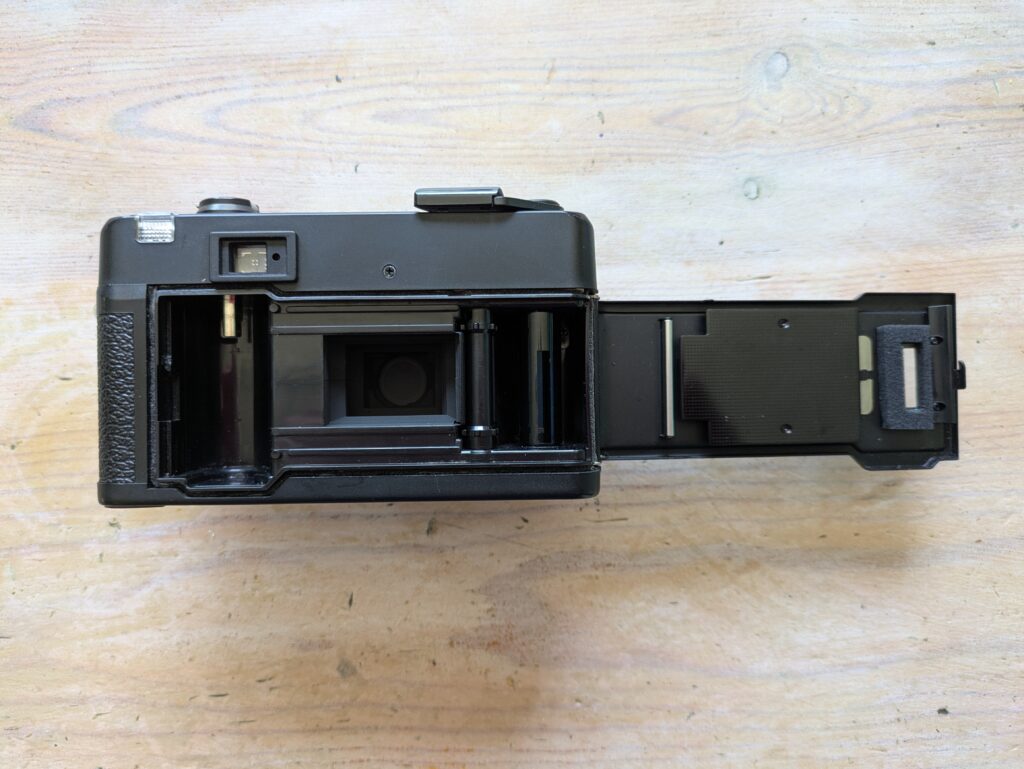
My Rolleimat AF is as near-mint as it’s possible to get.
Having downloaded and memorised the user manual I loaded it up with a roll of Gold 200 and went for my usual walk. The auto-focus works a bit like a rangefinder. There is a mirror fixed at 45 degrees behind the left window as one looks from above and behind the right window is a similar mirror which pivots as you depress the shutter button. Simultaneously in the right-hand side of the viewfinder a pointer descends passing through the usual symbols for one person, many people, mountains. The two images from the mirrors are compared by a dual sensor which looks for matching contrast. When, or if it finds it the pointer is locked and focus has been obtained. I was shooting away at my favourite subjects but the pointer never seemed to come below half way in the viewfinder, although the shutter was firing happily. Outside in the bright light I looked into the rangefinder windows and I could immediately see that the pivoting mirror was leaning at a 45-degree angle backwards.
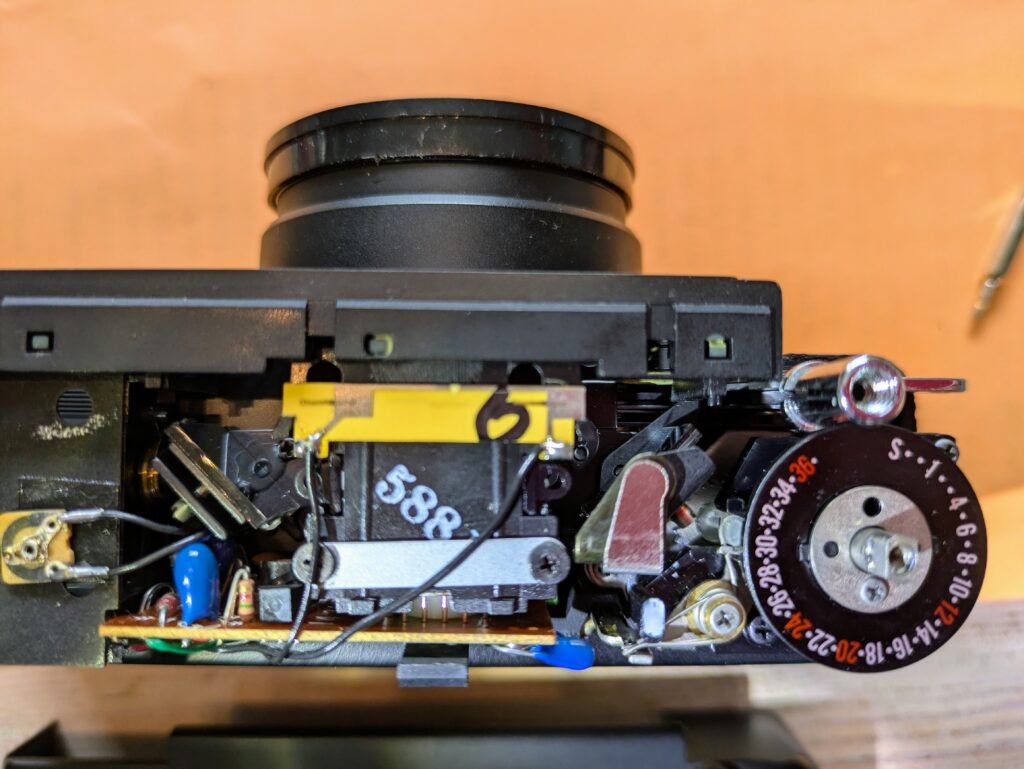
Back at home I stripped the top casing off and discovered that the faulty mirror was held by a fixed pin as the bottom bearing and what I took to be a missing ball-bearing through a hole in the top bracket that should be held in place with a springy plate to maintain tension. My first guess at 1.5mm was too small but 2mm fit perfectly (I have 499 left if anyone has the same problem). Foolishly I only took one picture of the camera disassembled but it was quite easy to work on.
Back out again to shoot the remaining one-third of the film I was pleased to see that infinity could be obtained.
It is a perfectly pleasant camera to use. Perhaps a bit large to go in a pocket at 132 x 56 x 75mm but only 395g due to all that plastic. I’m definitely keeping it and I’d be surprised if any of the new crop of cameras produced better pictures. Did I mention it was only £24.01?
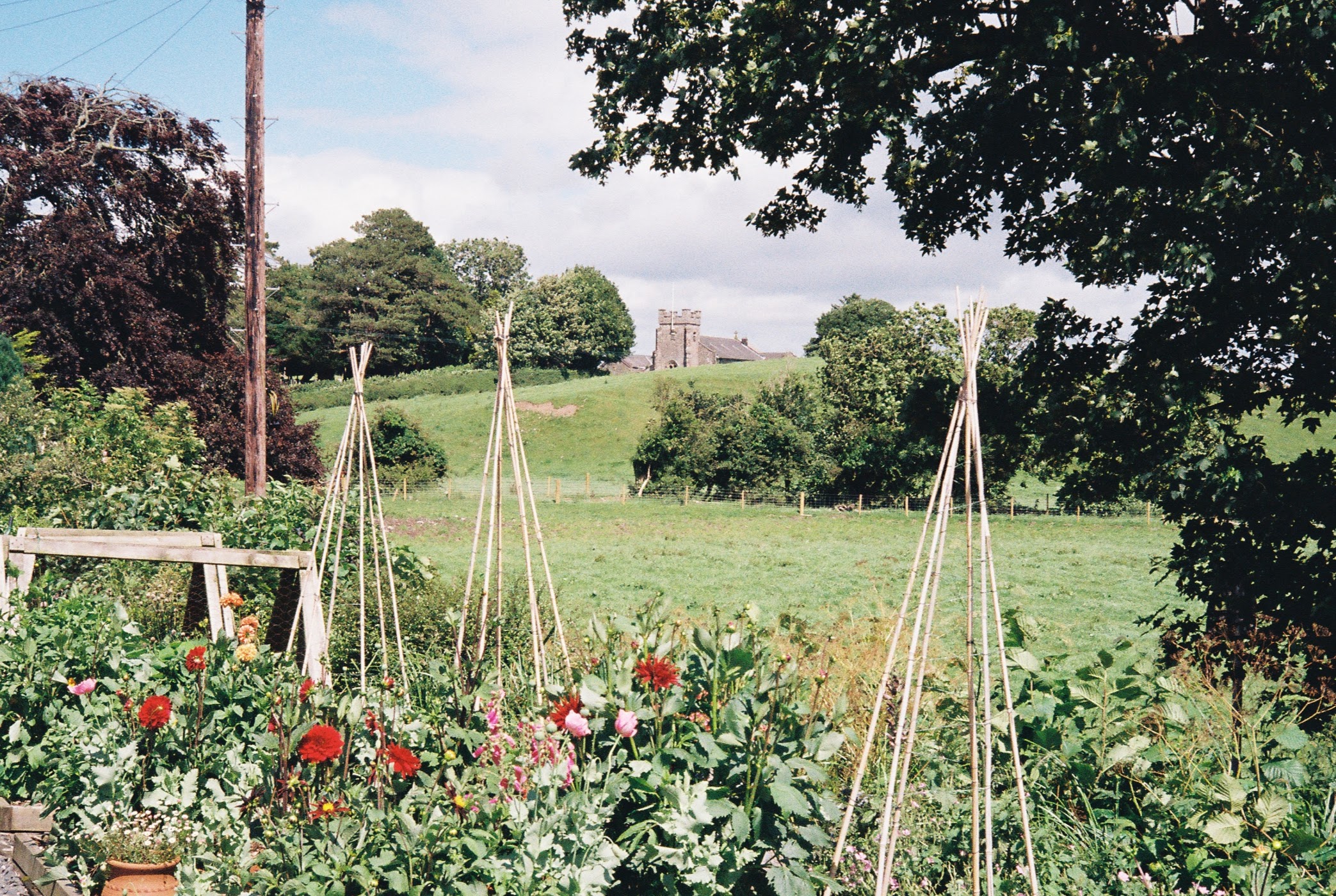
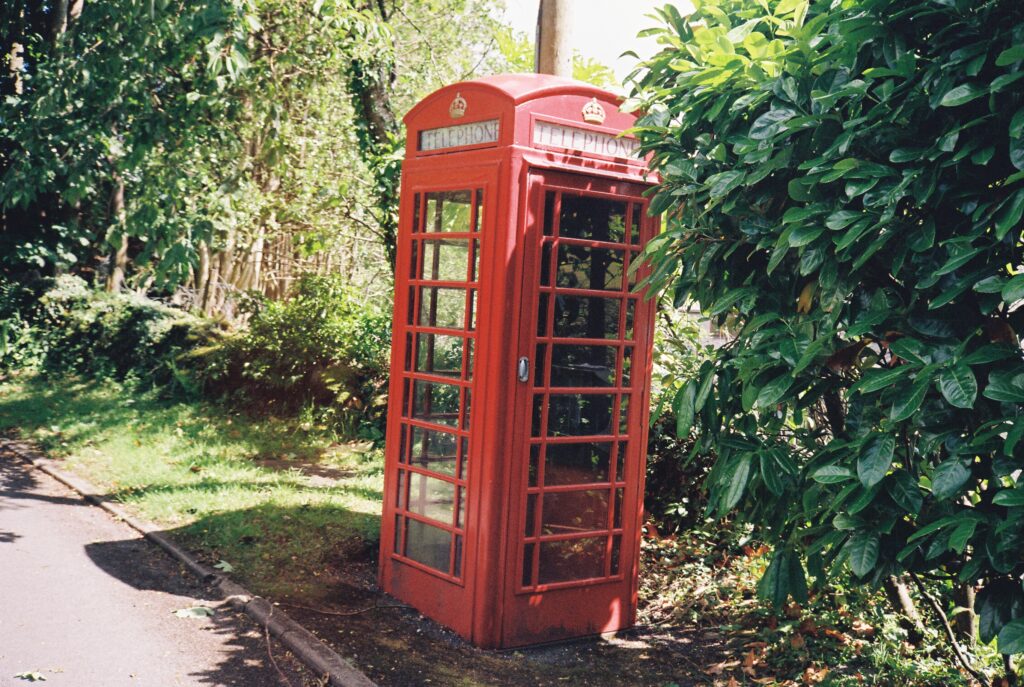
Here are a few of the in-focus photographs. A special mention to Filmprocessing.co.uk who developed the reel and uploaded the scans in less than 24 hours after I posted it to them.
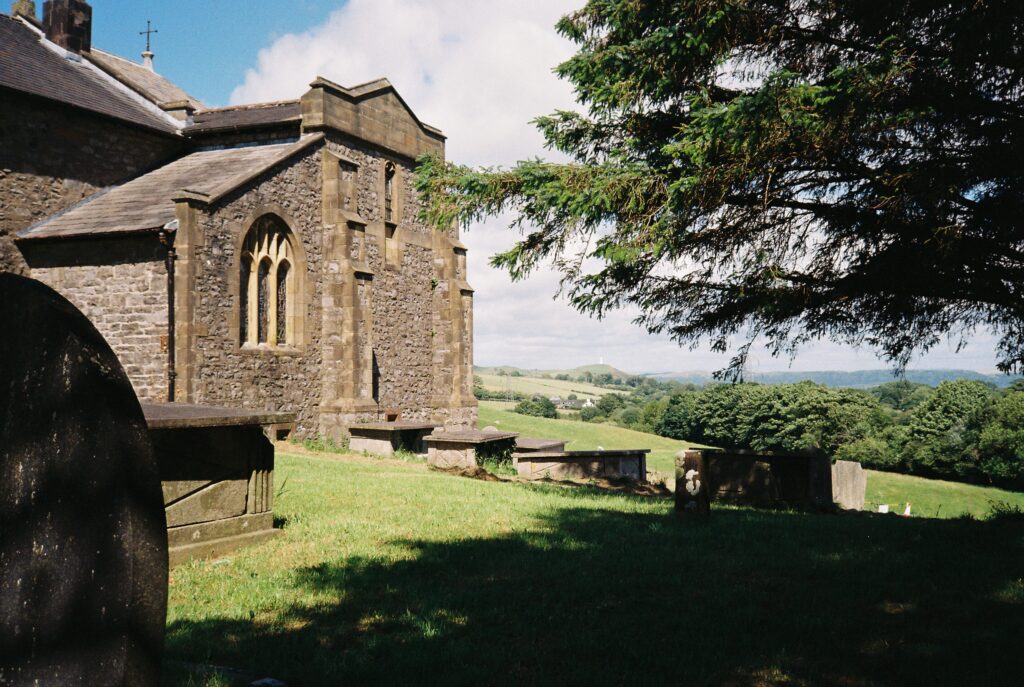
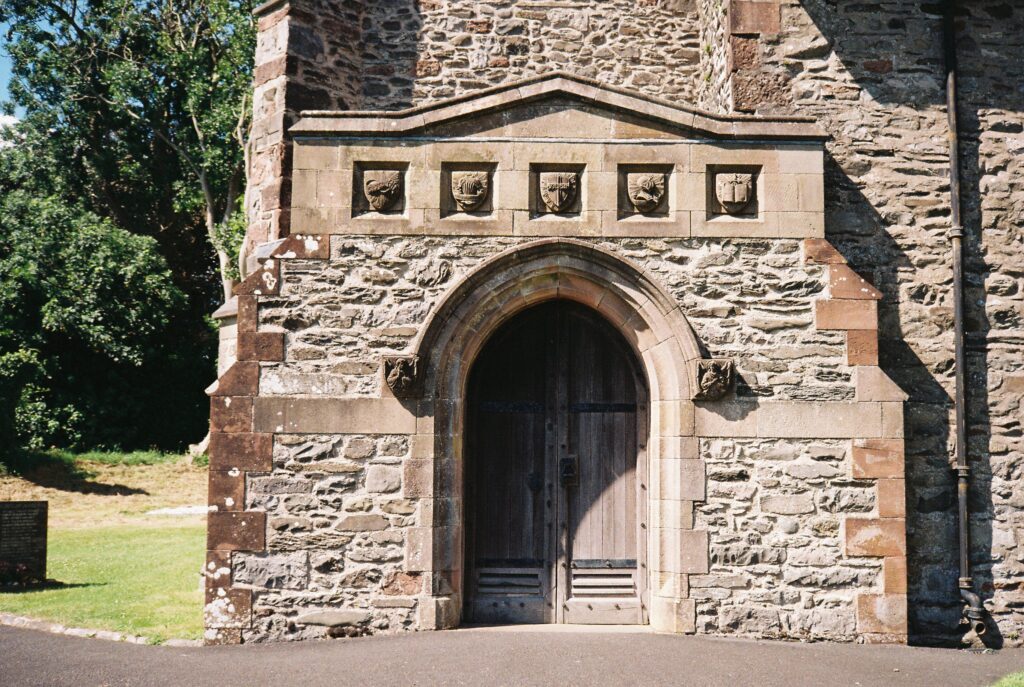
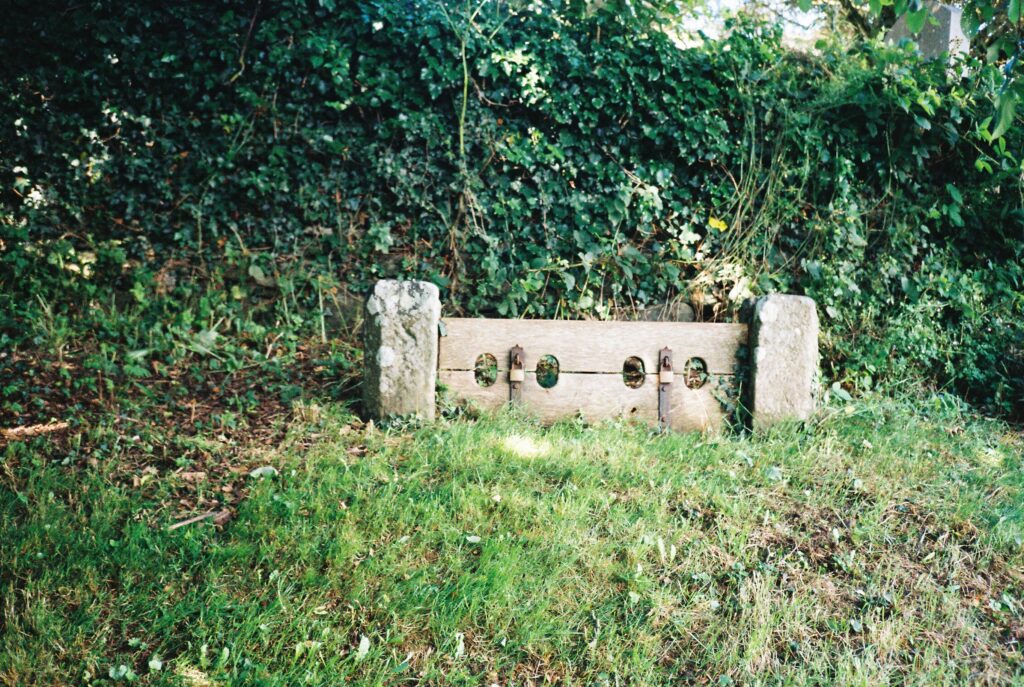

My featured image is a 200% crop of the view across a field of Pennington Church
More details of the Rolleimat F, AF and AFM can be found here
Share this post:

Comments
David Pauley on Rolleimat AF with Kodak Gold 200
Comment posted: 31/07/2026
I wanted to dislike your photos as the Rolleimat seemed to me like an embarrassing bid from the
company that had in better days produced my favorite cameras, the 2.8 and 3.5F. Alas, you and the inexpensive plastic camera produced some fine images...the closeup shot of the church and its beautiful stonework could have come from a Nikon, Leica or any other bit of kit. I'm impressed you had the technical know how to repair the viewfinder/focusing mechanism. Definitely beyond my skills.
Comment posted: 31/07/2026