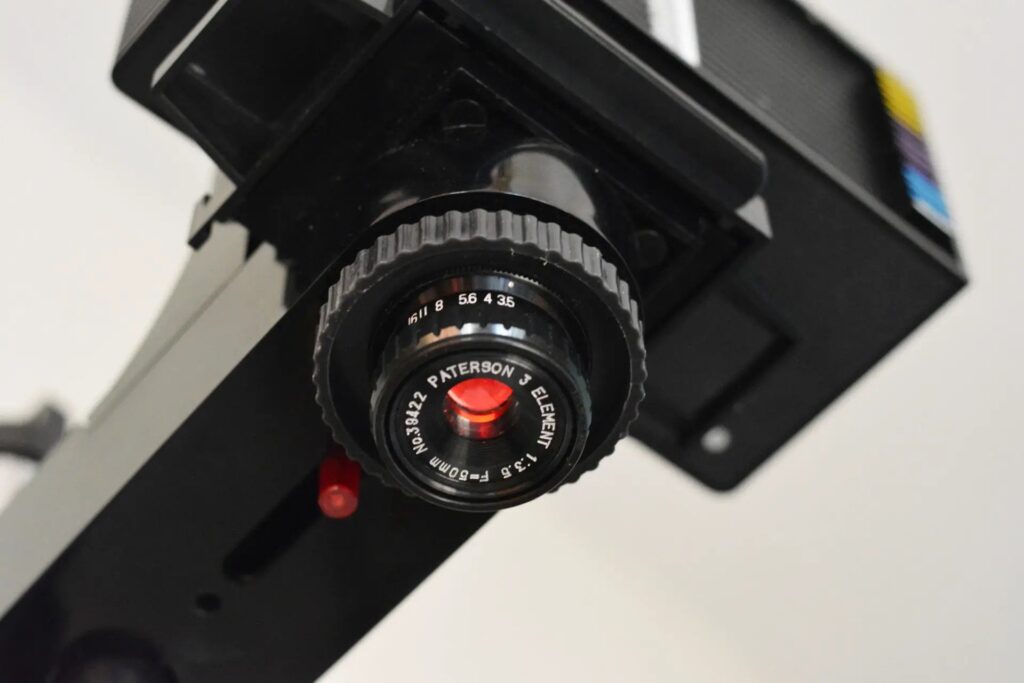
Olympus Pen D

Olympus Pen D From – Digital Street to Half-Frame

By Rodrigo Aviles

For many photographers, there is a clear divide between shooting digital and shooting film – not just because of the intrinsic qualities of each medium, but also because of the different mindsets applied when using different formats.

In my photographic journey, I was initially attracted to the “film” look. At the time, rather than just shooting film for the sake of it, I was drawn to that “lo-fi” quality celebrated by movements like Lomography. I started shooting with a Holga 135 and later a Canon TLB that had shutter curtain issues. Later on, I transitioned to mainly shooting digital with a micro four-thirds camera. My experience with SLRs made me realize that I truly valued a small form factor, regardless of whether the cameras were truly pocketable or not.

My main interest eventually shifted toward street photography. Digital felt comfortable because it suited my workflow: the vast majority of the photos I took were rejected during the culling process once I imported them to my computer. Last year, I bought a Fujifilm X-Pro 2 but kept that same workflow, strongly preferring the standard horizontal format the camera naturally provides. You can see some of my work on my Instagram.

My Story with the Camera

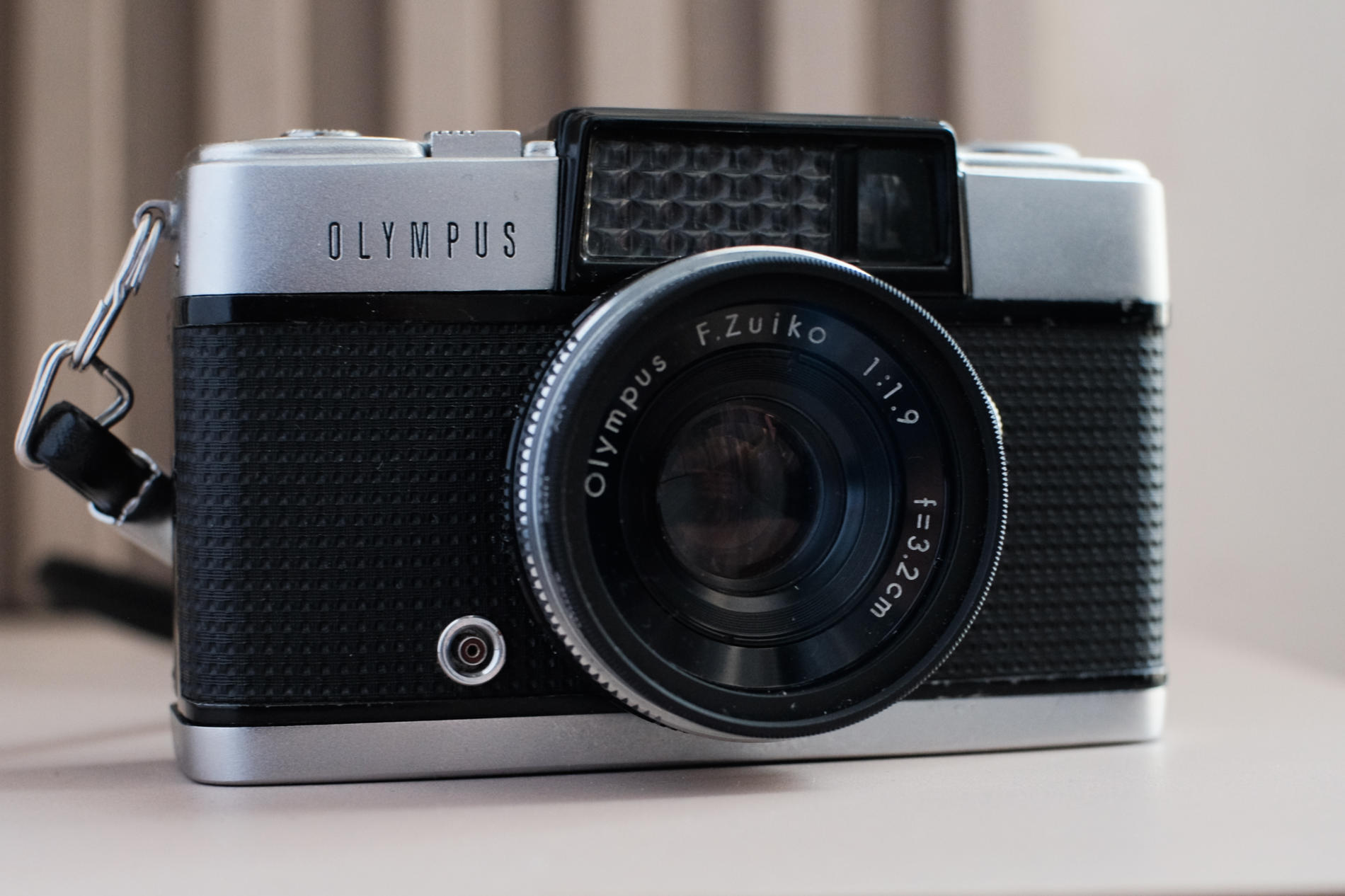
Earlier this year, while visiting an analog photography fair that takes place occasionally here in Santiago, Chile, I stumbled upon a booth selling a couple of half-frame cameras. Among them was an Olympus Pen D.

Usually, at these kinds of fairs, most gear is quite worn out by the years, or at the very least, in desperate need of a CLA. What immediately caught my attention about this Pen D was how great it looked—the viewfinder and the lens were spotless compared to the rest. I also noticed that this model didn’t feature the classic “portrait, group, mountain” zone focus icons; instead, it had a detailed distance scale in meters.

The lens on this camera is a 6-element F.Zuiko 32mm f/1.9, which is quite fast and sharp compared to other half-frame cameras. Moreover, the light meter doesn’t require batteries; it uses a selenium cell, and surprisingly, it seemed to be working perfectly. Even though I went to the fair strictly with the intention of selling some unused lenses and maybe buying a roll of film, I ended up walking away with the camera for around $110 USD.

To test the camera, I bought a bulk-loaded roll of Kodak Vision2 250D, which was developed by the same home lab that respooled it: Semilab.
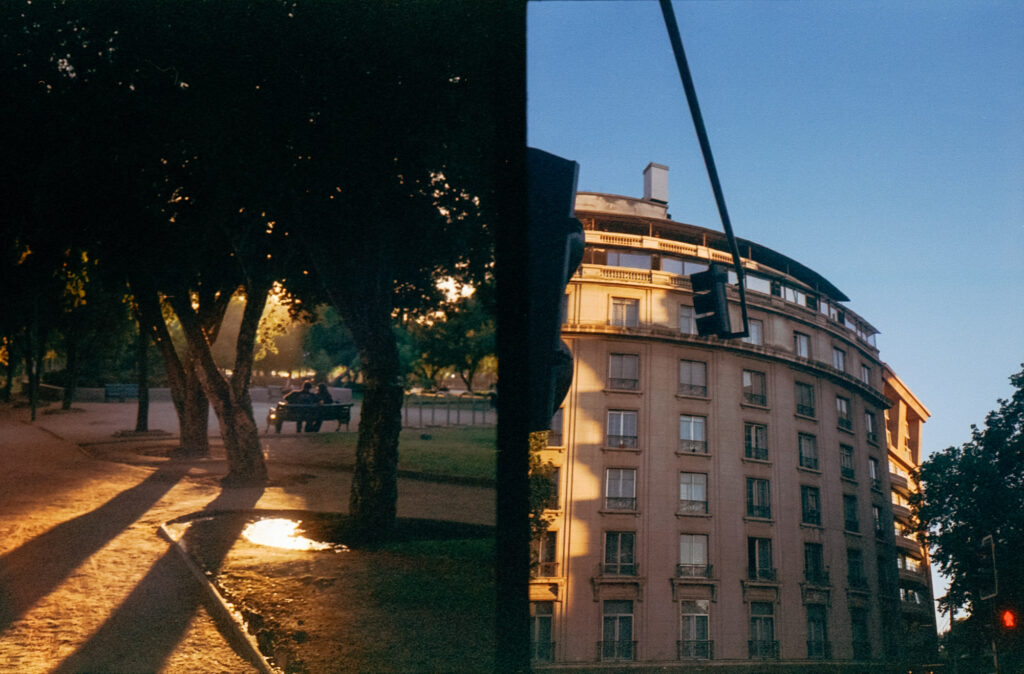
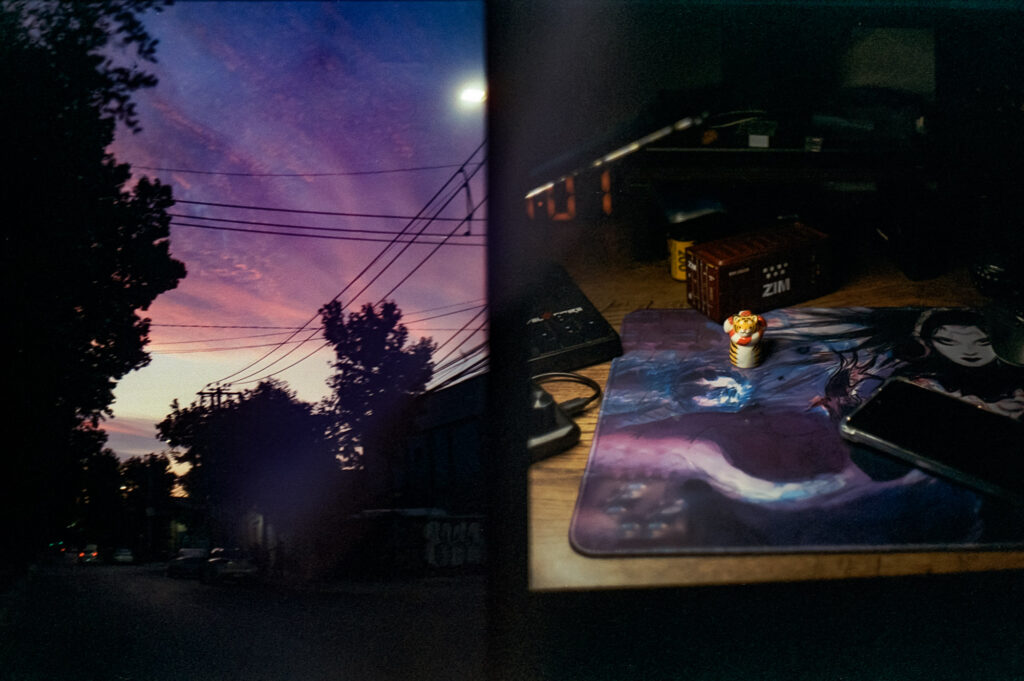
Photos from the first roll - Kodak Vision2 250D
Photos from the first roll – Kodak Vision2 250D
Photos from the first roll - Kodak Vision2 250D
Photos from the first roll – Kodak Vision2 250D

I wasn’t entirely happy with that first roll. I missed focus and botched the exposure on many shots. Also the seals needed work. I was clearly too accustomed to using autofocus combined with auto-exposure or aperture priority on my X-Pro2. At first, I blamed the camera’s selenium meter, assuming it had simply fallen out of calibration over the decades.

However, I really liked the size of the camera and the novelty of the native vertical format. I kept experimenting with bulk-loaded motion picture film. Since these are usually 24-exposure rolls, shooting half-frame gives you 48 shots. This gives the roll a really nice, extended lifespan for casual shooting.
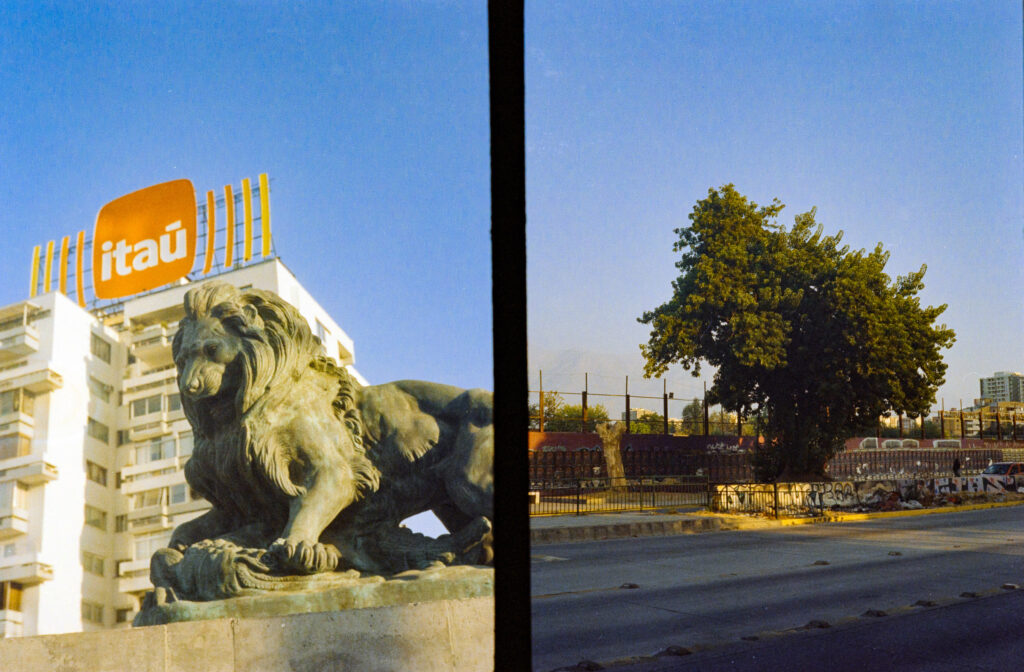
Photos from the second roll - Kodak Vision2 250D
Kodak Vision2 250D

While this might bother some film purists, part of my process has always been tweaking my photos in Lightroom. With my digital files, I mainly edit to adjust exposure, highlights, and shadows, but primarily to give them a look closer to film, as the clinical digital look has never been my thing. With these film scans, however, it’s mostly just about adjusting exposure and contrast. With the lab I work with now, Empty Club, I choose the standard scanning process where they scan two half-frames together as a single image, generating an average exposure for both. For me is ok since I can always scan again a “hit” if I want.
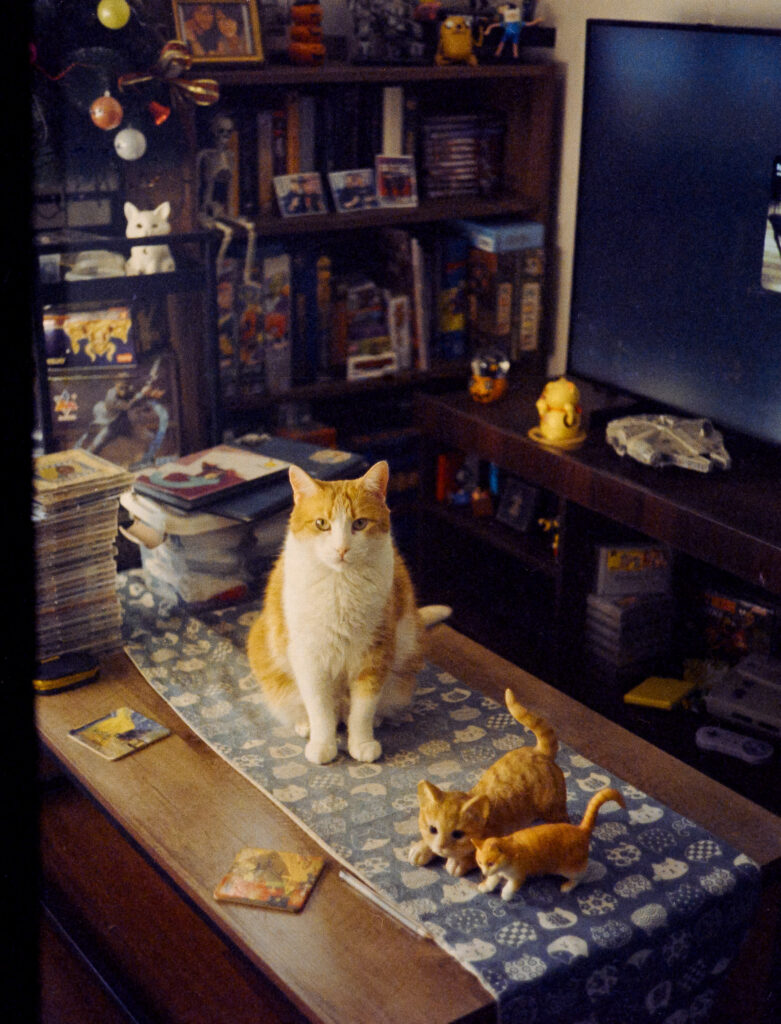
Mimi - shoot with Kodak Vision2 250D
Mimi – shoot with Kodak Vision2 250D

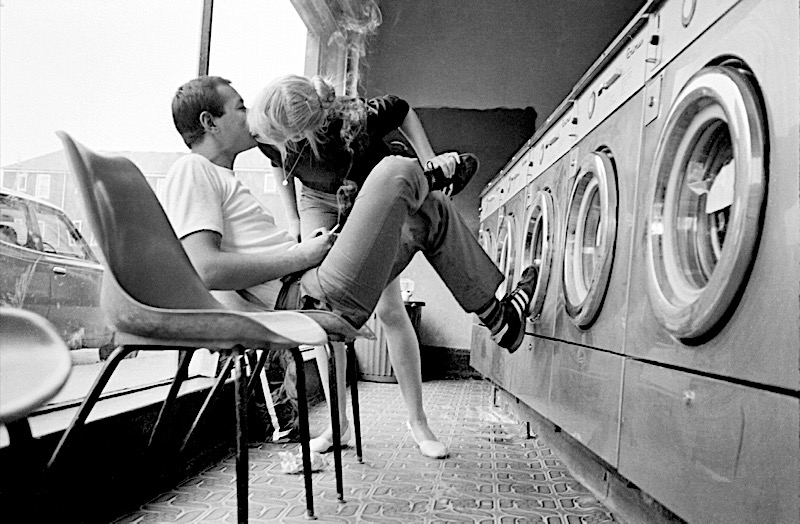
Going back to film brought some very rewarding surprises, like this photo. I was lucky enough to nail the distance (since the camera doesn’t have a rangefinder or a prism to confirm focus), and the exposure turned out quite well despite the low indoor light.

It turns out the light meter on my camera is actually quite accurate in good lighting, and the EV-based metering system becomes incredibly logical for finding shutter speed and aperture combinations. This led me to develop a habit of stopping down the aperture as much as possible while maintaining a decent shutter speed. Relying on a deeper depth of field helps immensely in getting the zone focus right.
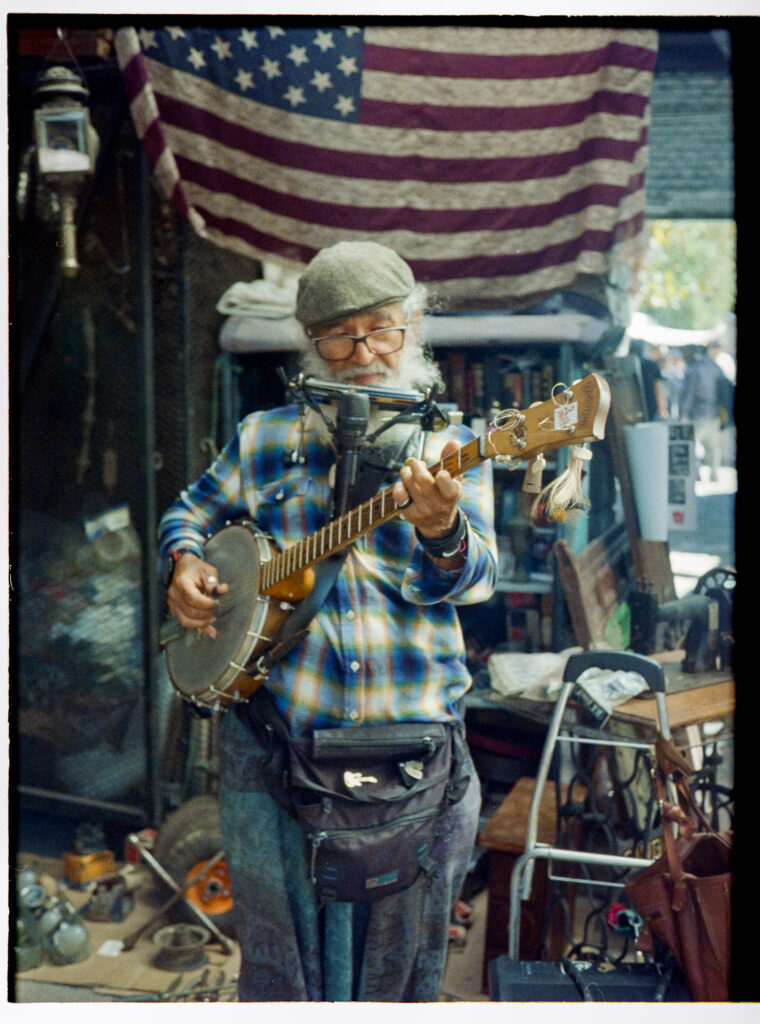
shoot with Kodak Gold 200

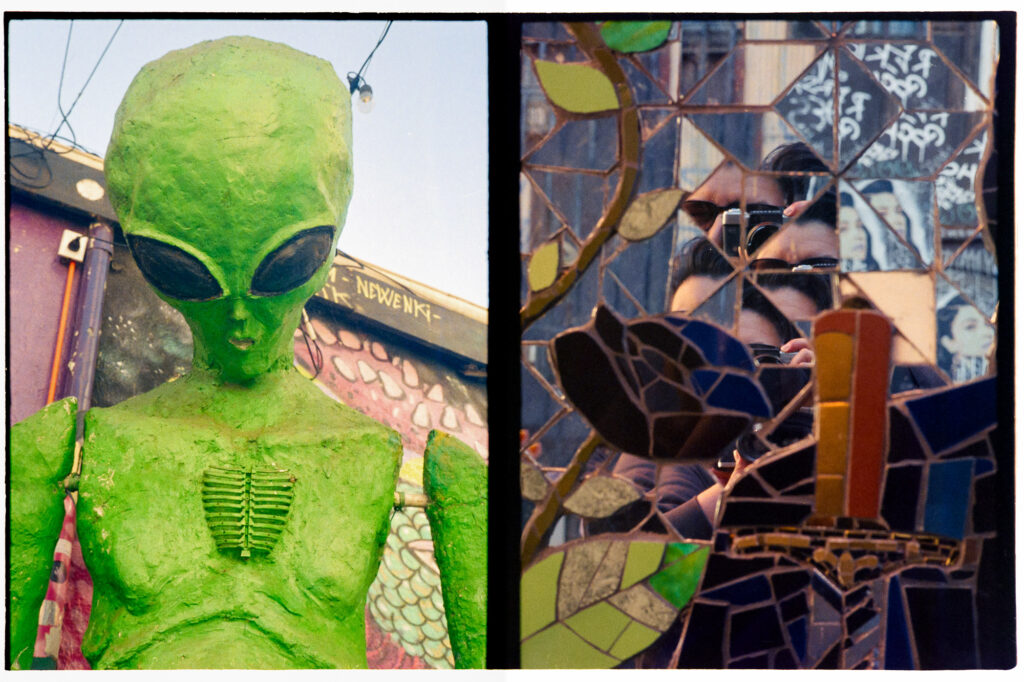
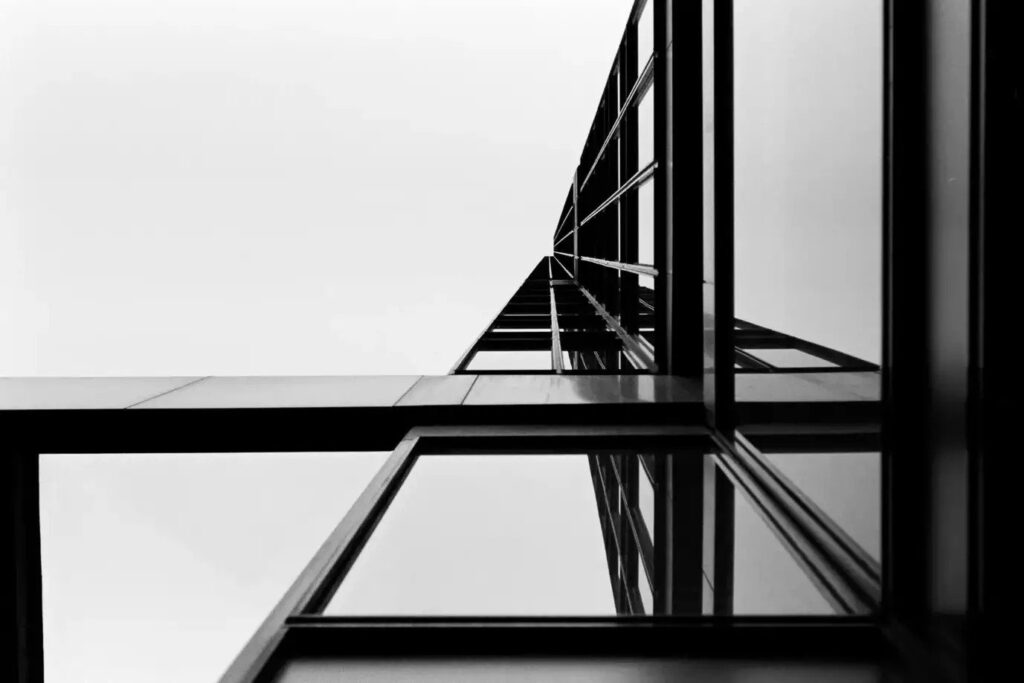
The Olympus Pen D quickly became my go-to companion for photo walks, acting as a sidekick to my digital camera. While my goal with the X-Pro2 is to capture intentional street photography, with the Pen, I simply pay more attention to colors, light, or random things that catch my eye. One interesting result is the accidental diptychs created by scanning two photos together. Sometimes they work out beautifully, sometimes they don’t, but I don’t put any pressure on myself to force them.
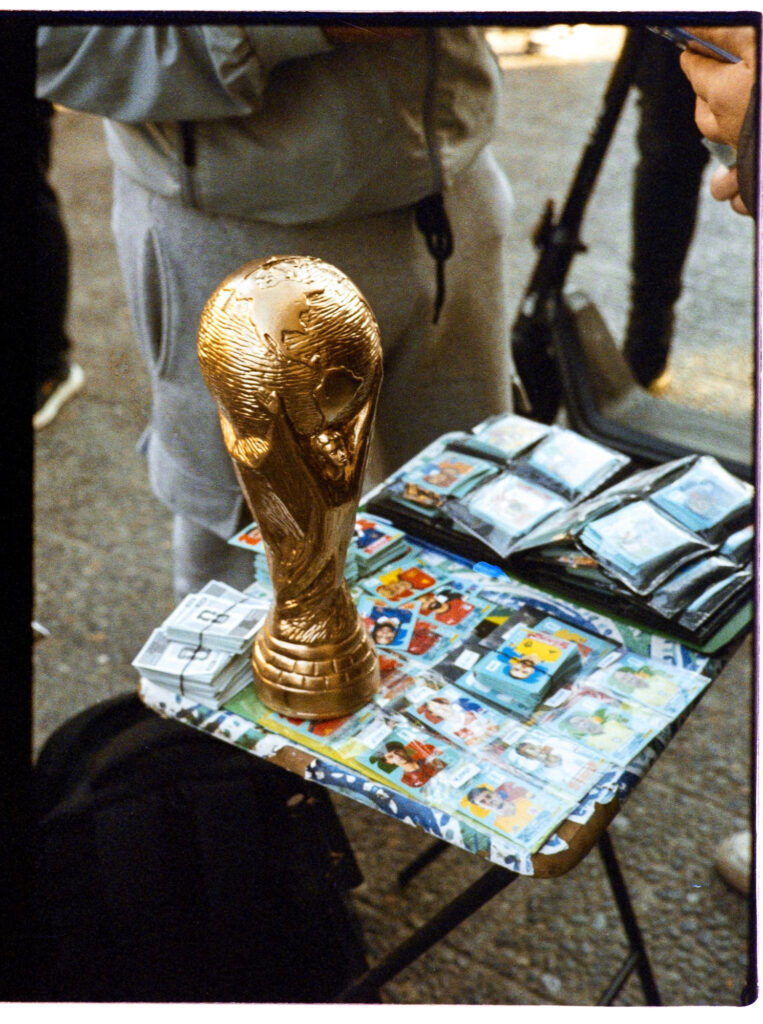
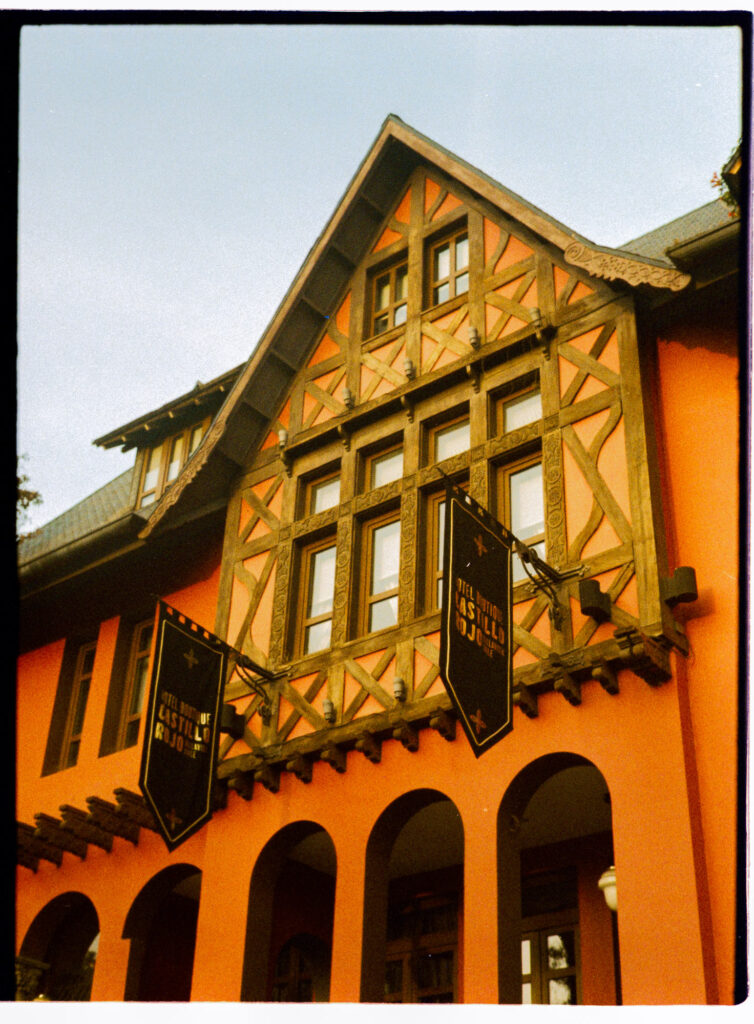
Shoot with Lucky Color 200

A couple of months ago, I took a short trip to the beautiful coastal cities of Valparaíso and Viña del Mar. I brought my usual digital + film combo, but having used the Pen for a while now, I ended up shooting 90% of the trip’s photos with it. Aside from nailing the focus, my main concern was watching out for lens flares. With this lens, flares are quite common when the sun is directly in front or at certain angles, so using a lens hood is highly recommended.
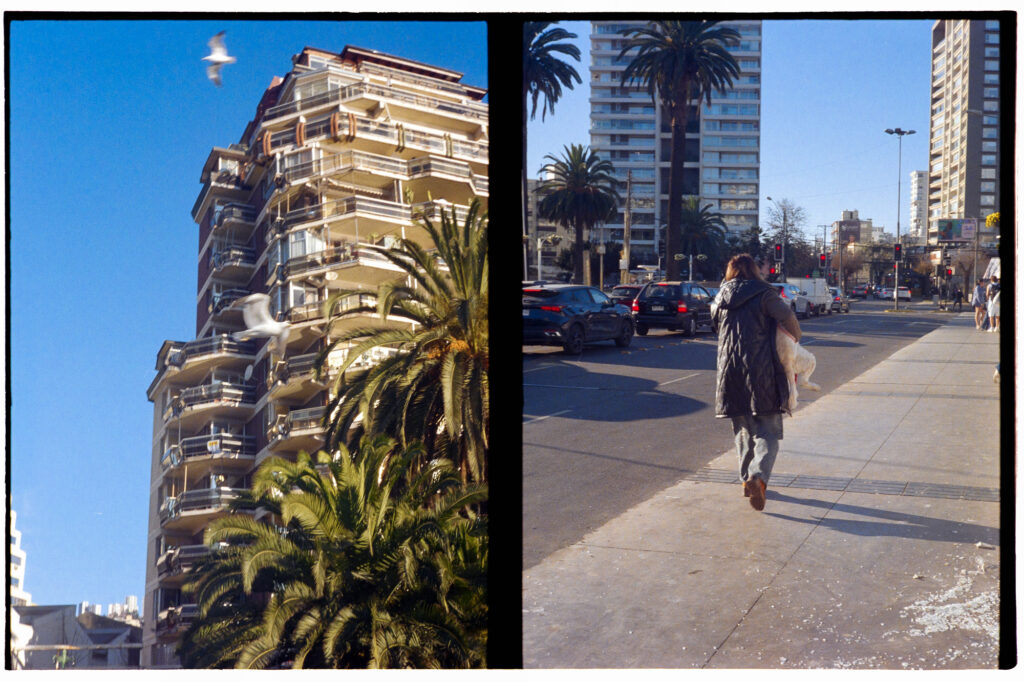
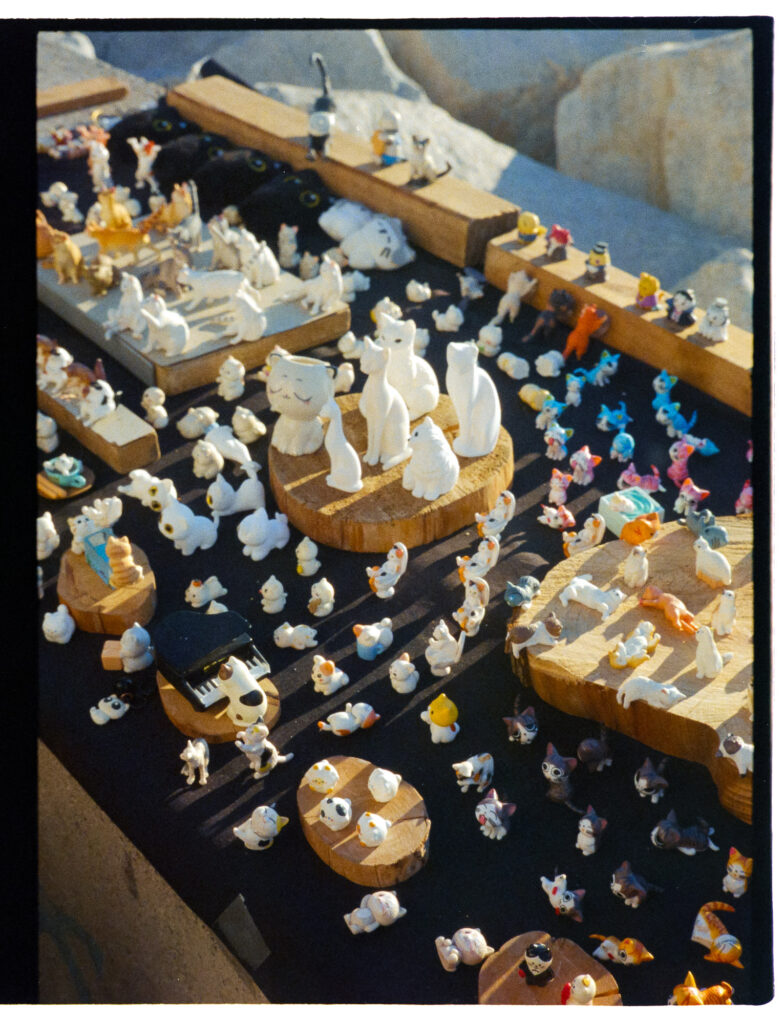
shoot with Fuji 400
shoot with Fuji 400 – which I suspect is just repackaged Ultramax anyway
shoot with Fuji 400 - which I suspect is just repackaged Ultramax anyway
shoot with Fuji 400 – which I suspect is just repackaged Ultramax anyway
shoot with Fuji 400 - which I suspect is just repackaged Ultramax anyway
shoot with Fuji 400 – which I suspect is just repackaged Ultramax anyway

Conclusion

Ultimately, shooting with the Pen D is just a very fun experience, which undoubtedly wouldn’t be the case if the camera and lens weren’t in such great condition. In the beginning, adapting to a fully mechanical camera with zero automation was tough, as was training my eye to gauge distances.

I don’t mind the half-frame image quality or the grain. In fact, I find that less detailed, gritty look highly appealing, especially since this isn’t my primary camera. The beauty of this setup lies in the contrast: having the endless options of a modern digital camera is great, but sometimes the most refreshing thing you can do for your photography is to deliberately embrace the limitations of another format.
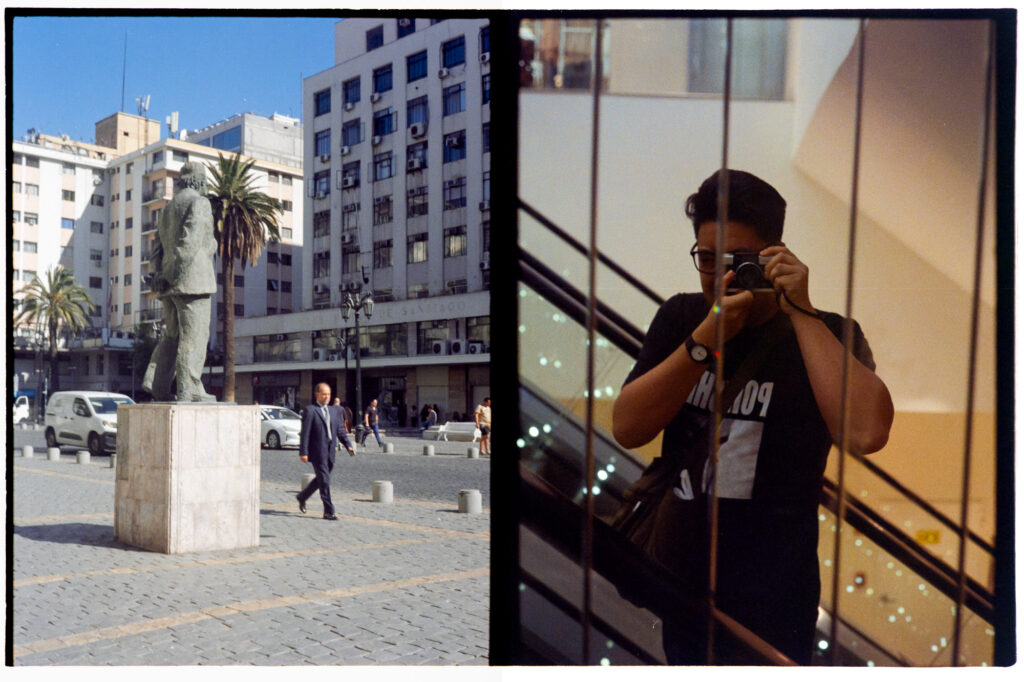
Shoot with Kodak Gold 200

Share this post:

About The Author

By Rodrigo Aviles
Professional Illustrator and Amateur Photographer. I like to shoot Digital and Film.
Read More Articles From Rodrigo Aviles

Find more similar content on 35mmc

Use the tags below to search for more posts on related topics:

Donate to the upkeep, or contribute to 35mmc for an ad-free experience.

There are two ways to contribute to 35mmc and experience it without the adverts:

Paid Subscription – £3.99 per month and you’ll never see an advert again! (Free 3-day trial).

Subscribe here.

Content contributor – become a part of the world’s biggest film and alternative photography community blog. All our Contributors have an ad-free experience for life.

Sign up here.

Make a donation – If you would simply like to support Hamish Gill and 35mmc financially, you can also do so via ko-fi

Donate to 35mmc here.

Comments

Ian Bromehead on Olympus Pen D From – Digital Street to Half-Frame

Comment posted: 12/10/2026

I like doing both too. Are these images a little soft, maybe the net that does that, maybe the originals are sharper?
Olympus kit always seemed to be judged 2nd rate IMHO, I dont know why really, their Zuiko lenses were as good at most esp for the price, and I'll defy anyone to not fall in love with the Pen D, the Pen-F (2016 generation) and old OM1N/OM2N cameras which are such as joy to hold and use
Reply

Leave a Reply

Your email address will not be published. Required fields are marked *

Rodrigo Aviles replied:

Comment posted: 12/10/2026

Yes, originals are sharper. Olympus seem always been shadowed by bigger manufacturers, but the PENs and those small SLRs are great

Reply

Leave a Reply

Your email address will not be published. Required fields are marked *

Omar Tibi on Olympus Pen D From – Digital Street to Half-Frame

Comment posted: 12/10/2026

Enjoyed hearing about your journey Rodrigo, great job with the Pen D. Impressive that the selenium cell still works after all of this time, it must've been babied by its previous owner(s)...or just perhaps a great stroke of luck, either way, congrats :) Looks like you're really making use of the half-frame format, would you consider a full frame camera in the future at all too?

Happy shooting!
Reply

Leave a Reply

Your email address will not be published. Required fields are marked *

Rodrigo Aviles replied:

Comment posted: 12/10/2026

Is not usual to find old cameras here in such good state, I was very lucky! Half frame is very fun and alleviate the actual price for film and developing. I want to try some film rangefinder next, I'm quite satisfied with my digital tools. Thanks for commenting Omar!

Reply

Leave a Reply

Your email address will not be published. Required fields are marked *

Juna on Olympus Pen D From – Digital Street to Half-Frame

Comment posted: 12/10/2026

Amazing results! I have a heart for the Olympus half frames (own the Pen, Pen S, Pen W, Pen F and Pen FV). Now I think of getting a D as well. had to smile about the cat photo and loved the musician. Thank you for sharing it all.
Reply

Leave a Reply

Your email address will not be published. Required fields are marked *

Rodrigo Aviles replied:

Comment posted: 12/10/2026

I'm glad you liked the article, the Pens are lovely cameras!

Reply

Leave a Reply

Your email address will not be published. Required fields are marked *

Gary Smith on Olympus Pen D From – Digital Street to Half-Frame

Comment posted: 12/10/2026

Great article Rodrigo and some equally great images! I also tweak my film shots once I get the scans back. It's all about what I want. As your summer approaches, may you have some great shooting weather!
Reply

Leave a Reply

Your email address will not be published. Required fields are marked *

Rodrigo Aviles replied:

Comment posted: 12/10/2026

Totally agree!, every step is part of a process, and the in the end, is not just the result but also the enjoyment of that process is what matters. Thanks Gary!

Reply

Leave a Reply

Your email address will not be published. Required fields are marked *

Cosme Lapena on Olympus Pen D From – Digital Street to Half-Frame

Comment posted: 12/10/2026

Lovely piece, Rodrigo. What stayed with me is how the Pen changed what you look for rather than just how you shoot: the X-Pro2 for intentional street, the Pen for colour and light. I carry two cameras around Barcelona and have noticed something similar, each one quietly pushes me towards a different kind of picture. The accidental diptychs from scanning two half-frames together are a great bonus, too. Happy shooting in Valparaíso next time!

Cosme
Reply

Leave a Reply

Your email address will not be published. Required fields are marked *

Rodrigo Aviles replied:

Comment posted: 12/10/2026

Thanks Cosme! I wish I could visit Barcelona someday to take photos and eat tapas, I heard that it is a lovely city!

Reply

Leave a Reply

Your email address will not be published. Required fields are marked *

ivan mendez on Olympus Pen D From – Digital Street to Half-Frame

Comment posted: 12/10/2026

excelente y muy interesante articulo
un abrazo grande desde Santo Domingo RD
para todos ustedes
Reply

Leave a Reply

Your email address will not be published. Required fields are marked *

Rodrigo Aviles replied:

Comment posted: 12/10/2026

Gracias Ivan, genial saber que hay Latinoamericanos por aca, un abrazo desde Chile!

Reply

Leave a Reply

Your email address will not be published. Required fields are marked *

David Hume on Olympus Pen D From – Digital Street to Half-Frame

Comment posted: 12/10/2026

Hi Rodrigo. Thanks for the article… When I was looking at it before I read anything the first thing I thought was, "hey nice scans" so that caused me to read it and I agree totally with your rationale of adjusting the scans in Lightroom. It's something of a soapbox of mine that people are content with what a shop scan will give them, whereas to my way of thinking a good shop can is IpsoFacto something that needs to be tweaked by the user to their tastes. Even if it's no more than setting the blacks and whites. Anyway, these look really nice and good to read about someone having fun. Someone lent me a half frame camera, and I think it was a Canon. It had a 35mm 1.7 lens from memory and was really nice. Totally manual with no light meter but a lovely bit of kit so I can empathise with the attraction.
Reply

Leave a Reply

Your email address will not be published. Required fields are marked *

Rodrigo Aviles replied:

Comment posted: 12/10/2026

Yeah, there is a lot of variables in scanning, the machine, what the technician did etc. I wish I could have the space and time to do the scans myself, but I'm pretty happy with what I can do with the files I get. Thanks for passing by David!

Reply

Leave a Reply

Your email address will not be published. Required fields are marked *

Sneakerzoom on Olympus Pen D From – Digital Street to Half-Frame

Comment posted: 13/10/2026

Awesome piece, thank you for sharing! I'm a lucky owner of a Pen EE-2 and I don't use it enough. Maybe because it takes forever to finish a roll? What a conundrum. Perhaps it's just the focussing for me, I yet have to get used to it. The images it produces...well there's absolutely nothing wrong with them, half-frame or not. It's an excellent piece of kit and a joy to handle.
Reply

Leave a Reply

Your email address will not be published. Required fields are marked *

Rodrigo Aviles replied:

Comment posted: 13/10/2026

A 36exp roll really takes time to finish on a half frame, right? Some years ago I gifted a Pen EE-2 to an ex-gf and she loved it. My way of using this type of camera is just bring it along with me in my bag, without many expectations. Focusing has been the hardest thing for me too, but i'm slowly getting better to estimate distances. Thanks for commenting!

Reply

Leave a Reply

Your email address will not be published. Required fields are marked *

Alexander Seidler on Olympus Pen D From – Digital Street to Half-Frame

Comment posted: 17/10/2026

Beautiful photos, Rodrigo !
Reply

Leave a Reply

Your email address will not be published. Required fields are marked *

Leave a Comment

Leave a Reply

Your email address will not be published. Required fields are marked *