

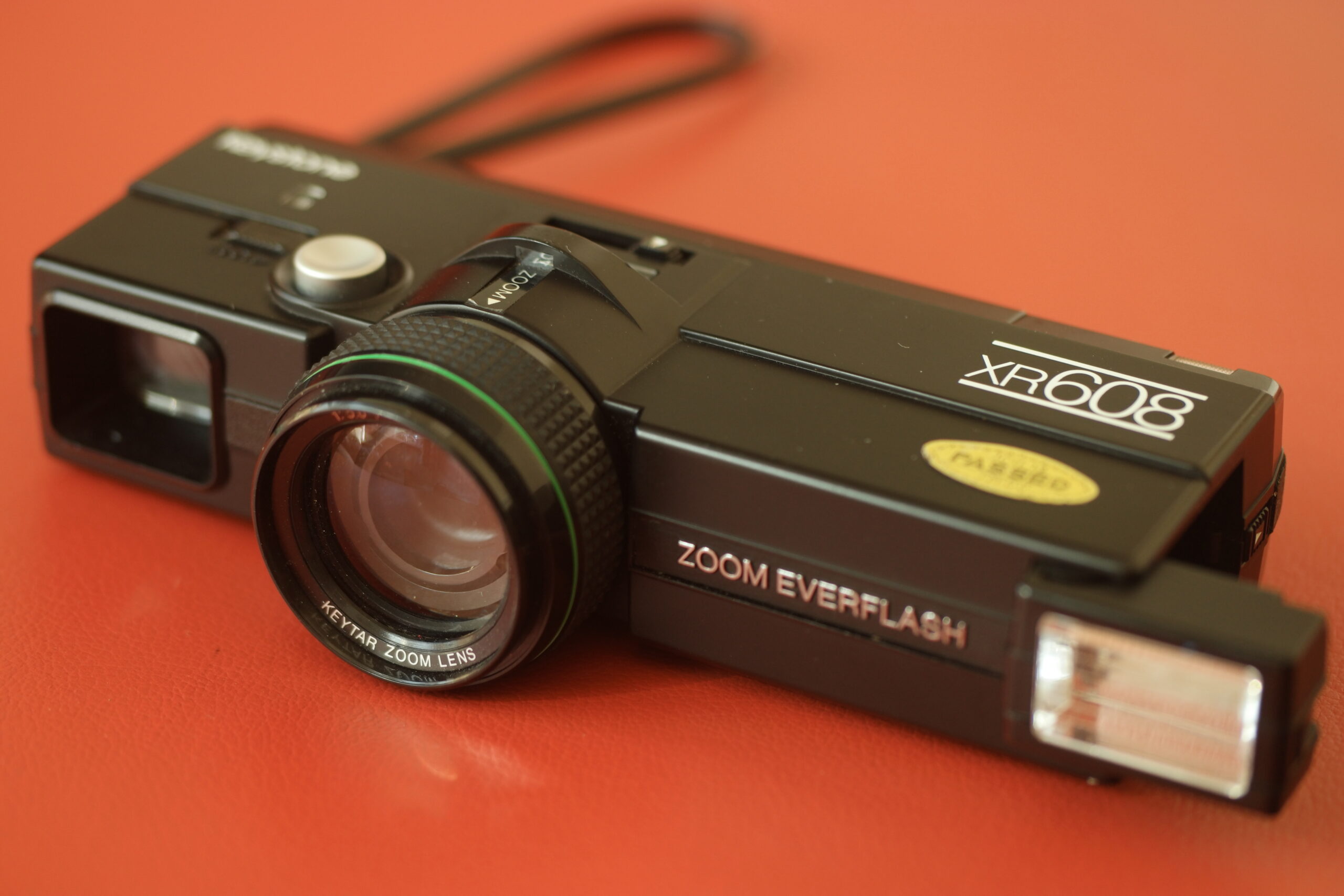
The Keystone Zoom EverFlash XR608 110 camera was made during the 1980s. It is one of hundreds (if not thousands) of ‘chocolate bar’ 110 cameras marketed during the heyday of the 110 format. The camera style is reminiscent of the Fujica series of 110 cameras, such as the Pocket 330 Zoom. I don’t think the Keystone camera was of the same quality as the Fujica, but the features of the EverFlash are very similar to Fujica’s product. The camera was made in Japan although Keystone was a US company. Keystone was a major player in the American camera market, and was active from 1919 to the early 1990s when the company ended in bankruptcy.
Key Features
The XR608 EverFlash is, in essence, a point-and-press camera with the added feature of a simple push-pull zoom. The zoom range is 25-42mm in 110 terms, equivalent to 50-84mm in 35mm format. Helpfully the field of view in the finder is adjusted dynamically as the zoom is moved in and out. The aperture is a slow f/5.6 and the focus is fixed at any of the focal lengths. An exposure setting can be chosen using a slider based on full sun, hazy or overcast conditions. The camera is quite well built with a smooth black plastic exterior. The film is wound using a ridged wheel underneath the camera rather than a lever.
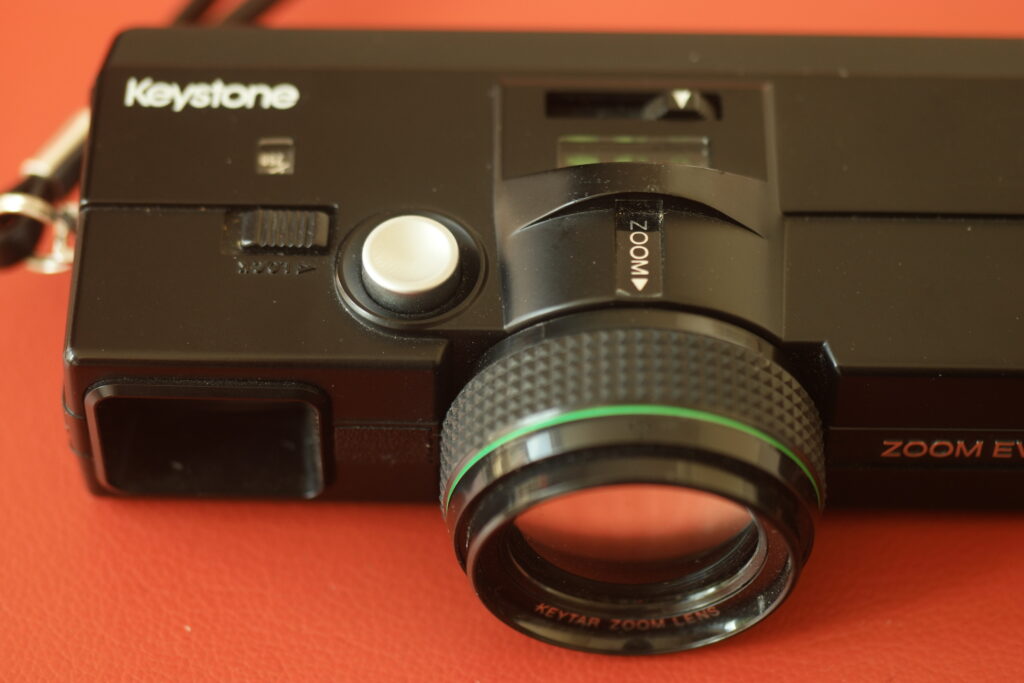
The built-in flash pops out from the left-hand side of the camera. It is powered by two AAA batteries which fit into a neat slide-out holder. The built-in flash avoided the need for external bulbs or flash guns. Unfortunately I was unable to test the flash because I couldn’t get it to work. The battery contacts were somewhat corroded, an affliction of many older cameras that have been stored in drawers with the batteries installed. This is the EverFlash that never flashed!
In the spirit of 110 photography the camera is very simple to use. Cartridge loading removed the need to fiddle around with film leaders and spools. There is no need to rewind the film at the end of the roll. The zoom and exposure settings, although basic, would have added another dimension to the user’s experience. This might have been designed to appeal to photographers who wanted to move beyond fixed focal length cameras.
Image Quality
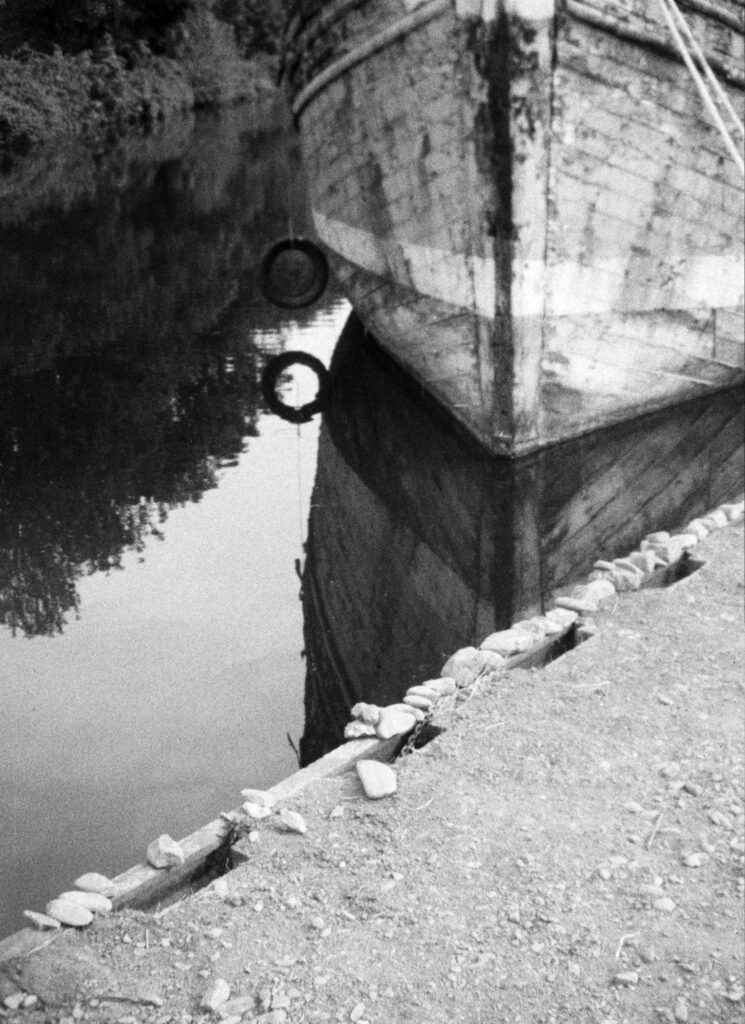
The image quality is ‘impressionistic’ at best. This is, in itself, quite attractive but any photographer wanting sharp, clear pictures would have been disappointed. The images here are made with Lomography Orca, rated at ISO 100. From memory, the day was quite overcast. The camera might have done better with a faster ISO 400 film. I also tried the camera with some rolls of expired film. The results were fairly similar whichever film was used.
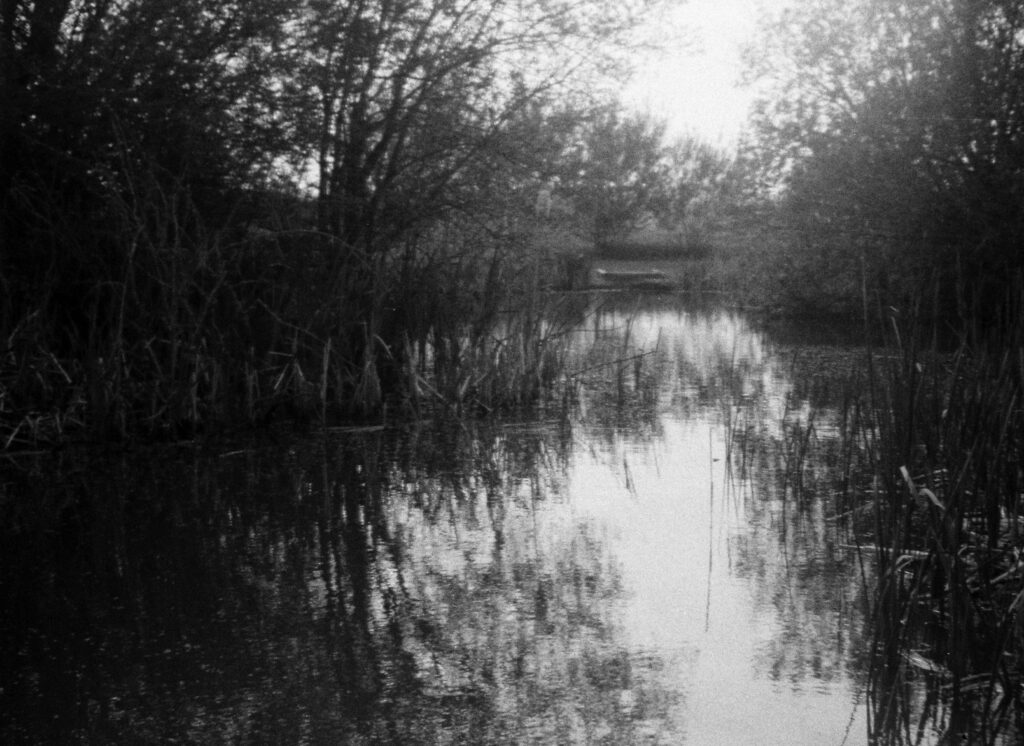
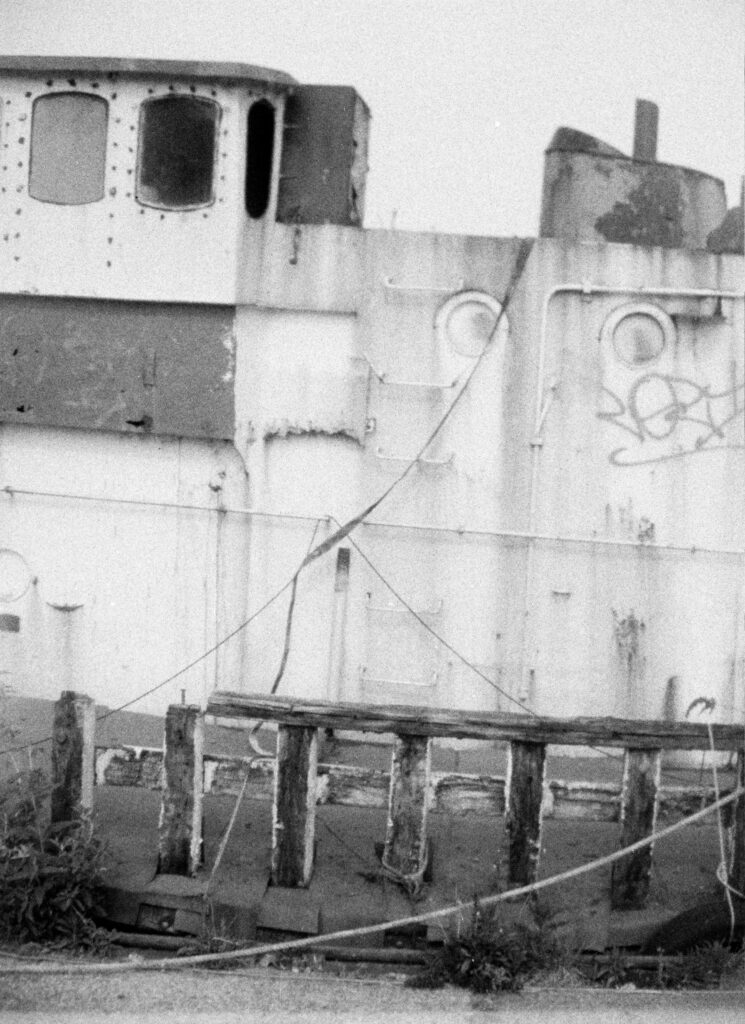
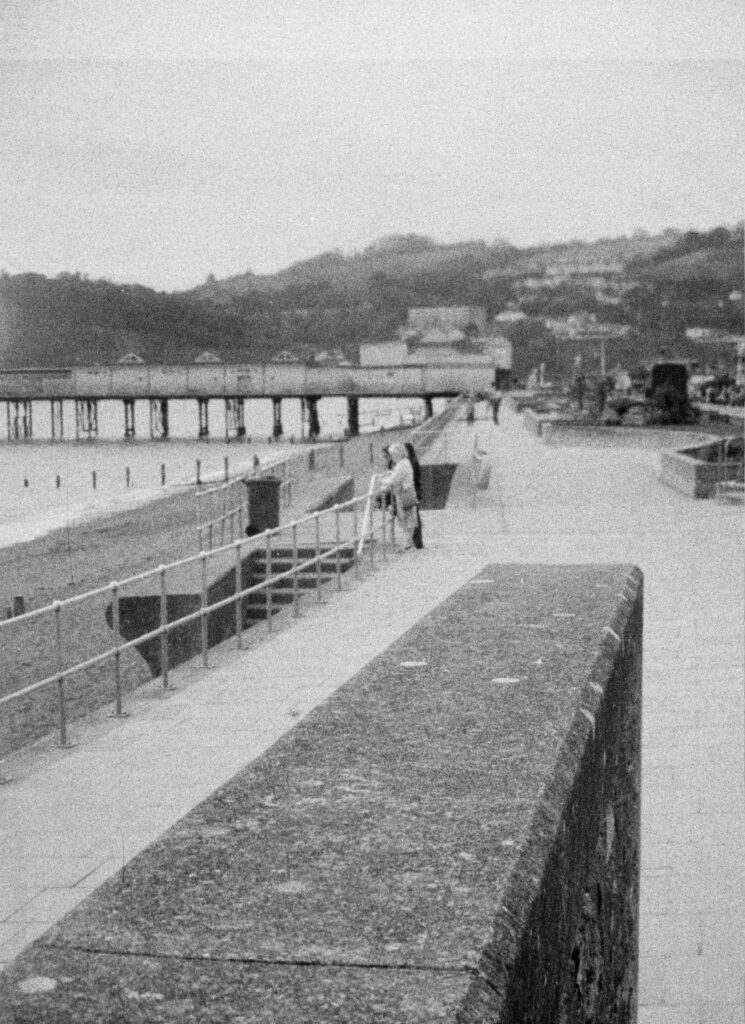
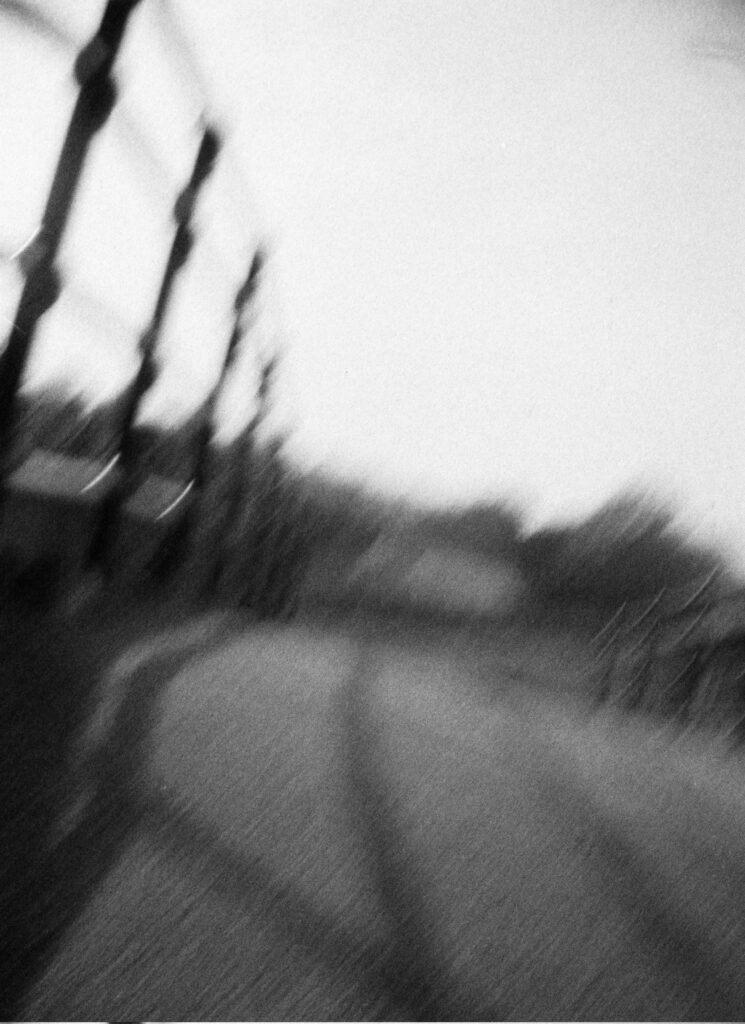
Of course the most interesting image was taken by accident. The Keystone has a very sensitive and almost silent shutter which, despite the option to lock it, occasionally responds to a gentle, serendipitous press.
Conclusions
The camera an be picked up cheaply on auction sites. Readers will have to judge whether it is worth their time and money. Nevertheless, it is an interesting camera and, on reflection, the images it makes are better than one might expect. The XR608 tried to extend the 110 experience beyond point-and-press, by offering the zoom feature and simple exposure adjustment. However, it was not the only camera to do this, and the Fujica series probably offered a higher quality experience.
Links
https://www.analogcams.com/brands/keystone
https://en.wikipedia.org/wiki/Keystone_Camera_Company
Developing and processing by Photo Hippo Lab: https://photohippo.co.uk/
Share this post:



Comments
Michael Zwicky-Ross on Keystone Zoom EverFlash XR608 110 Camera
Comment posted: 23/08/2026