Rolleimat AF with Kodak Gold 200

By Michael Zwicky-Ross

I have been a bit dismissive of the current crop of new £100/$100 35mm cameras, mostly to myself but sometimes in print so I though I’d try and prove I was right and the world was wrong. I bought the first 35mm compact auto-focus-with-flash camera I could find on eBay. A Rolleimat AF. Total cost: £24.01, and including a Skylight filter.

My next move was to see what 35mmc-ers had written about this camera. To my surprise – nothing. Consequently I’m going to have to do a proper review for once.

The Rolleimat AF was the first camera badged as a Rollei to have auto-focus. In fact it’s one of the very first cameras at all to have this feature using the patented Visitronic system from Honeywell, of which, more later. It was only produced from 1980 to 1981 and possibly 60,000 units were made. It’s mostly plastic and conventional-looking for the period. There are a couple of nice touches: the CdS cell is within the filter ring so no adjustment is necessary for a filter; the main power switch on the top plate also locks the shutter; the flash has it’s own power switch so it’s either on or it isn’t and everything is powered by two AA cells. The auto-exposure switches over to flash when it is turned on. We have a 38mm f/2.8 lens of four glass elements in three groups and full auto-exposure from 1/8sec to 1/450sec, f2.8 to f17. Focus-lock can be achieved by a half-press of the long-travel shutter release button, which is threaded for a cable. Film speed setting is only from 25 to 400 which is a bit limiting.
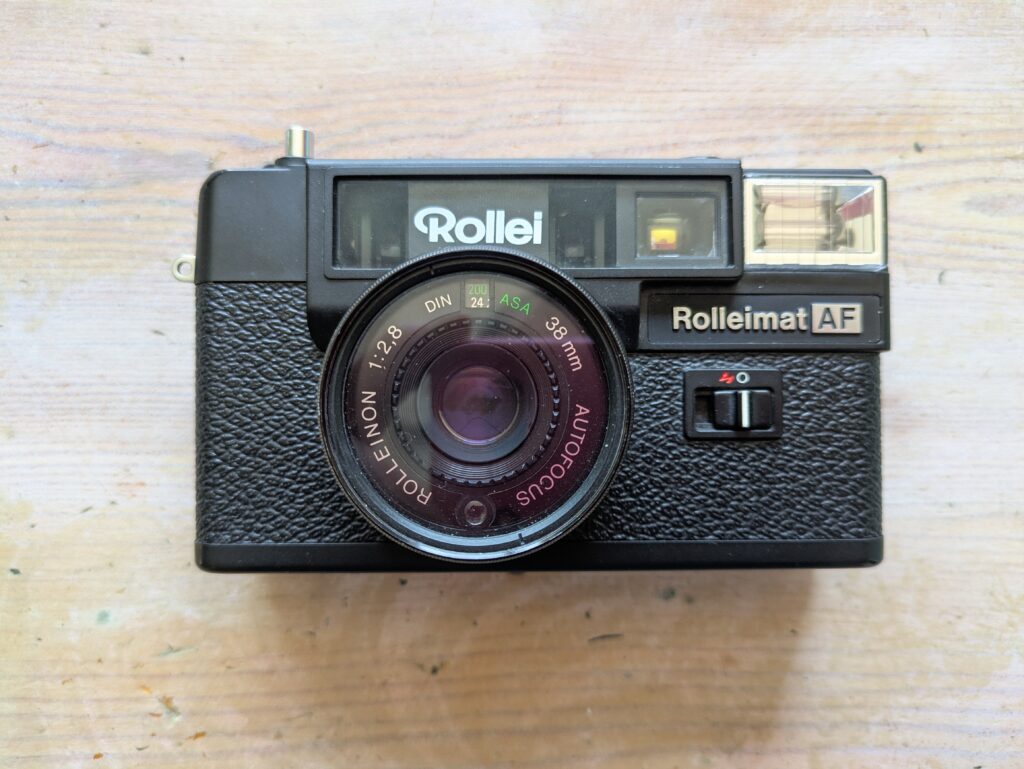
A Rolleimat AF
The frontal view showing the flash switch, the CdS cell and the ASA window. The ASA is set by the knurled ring closest to the lens. The rangefinder windows can be seen either side of the Rollei badge.
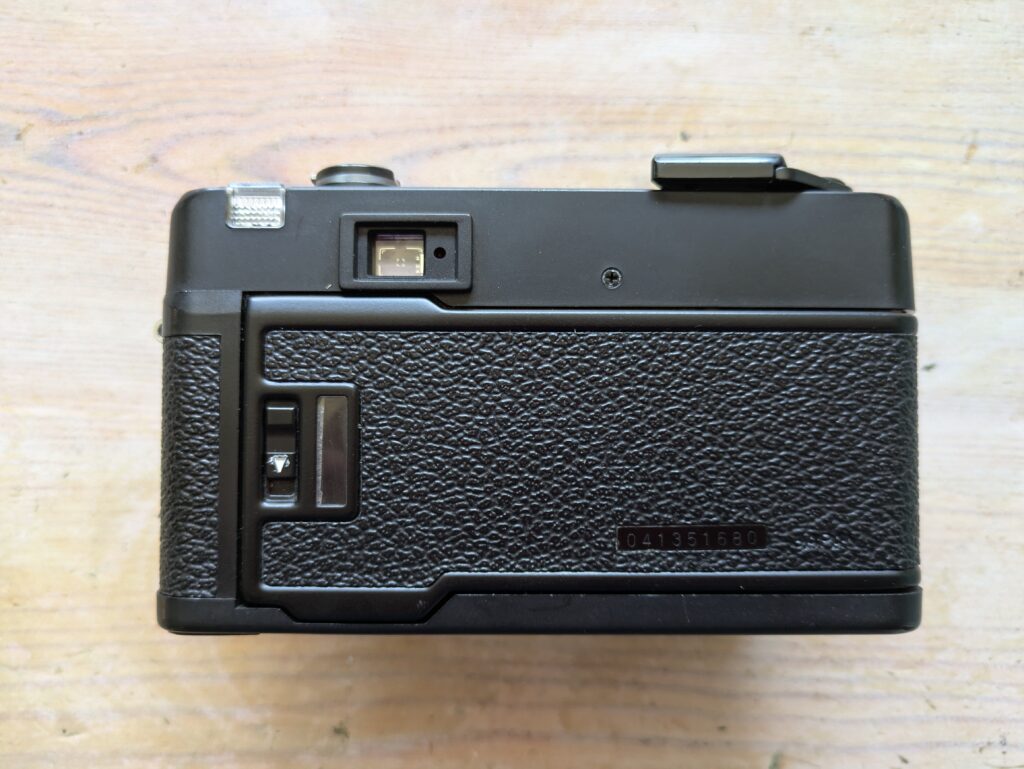
The rear of a Rolleimat AF
The bright-frame view-finder, alongside is a red light to warn of a long exposure. The flash-ready neon and the door release.
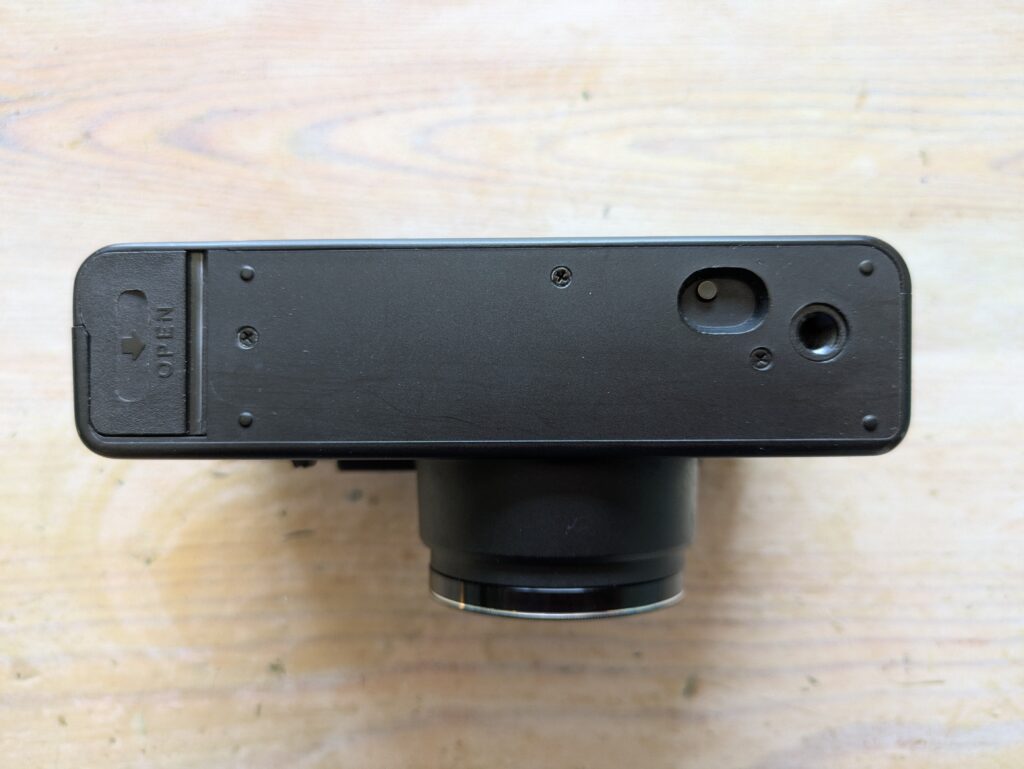
The underside of a Rolleiflex AF
Not a lot to see here: battery door, rewind release button and tripod socket. Presumably that’s the only place on the base where the plastic is thick enough.
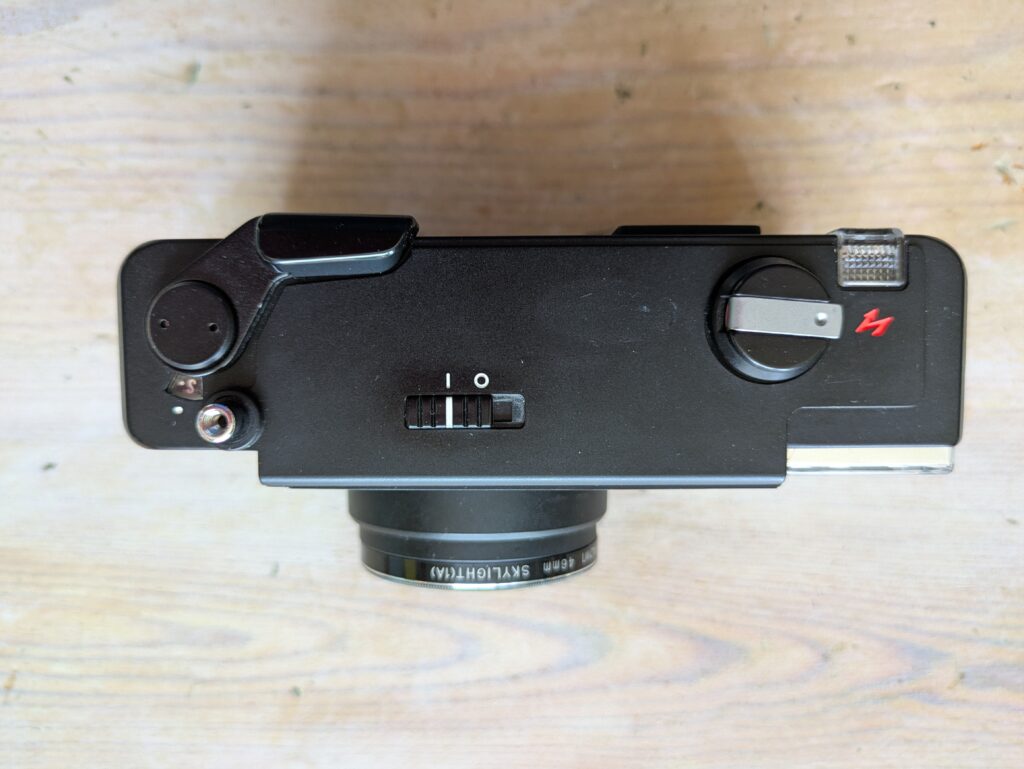
The top plate of a Rolleimat AF
Film advance lever which has a 30 degree standoff when in use, main power switch, rewind lever and flash-ready neon.
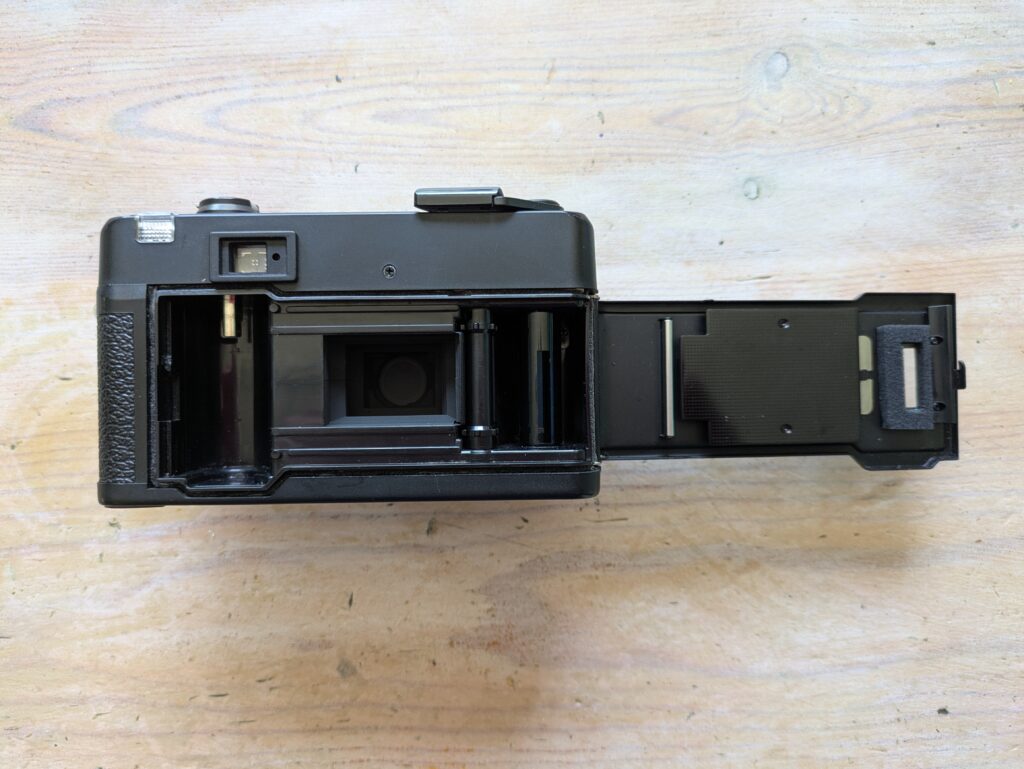
The open back of a Rolleimat AF
Metal pressure-plate and roller, film label window. I did change the light-seals to be on the safe side.

My Rolleimat AF is as near-mint as it’s possible to get.

Having downloaded and memorised the user manual I loaded it up with a roll of Gold 200 and went for my usual walk. The auto-focus works a bit like a rangefinder. There is a mirror fixed at 45 degrees behind the left window as one looks from above and behind the right window is a similar mirror which pivots as you depress the shutter button. Simultaneously in the right-hand side of the viewfinder a pointer descends passing through the usual symbols for one person, many people, mountains. The two images from the mirrors are compared by a dual sensor which looks for matching contrast. When, or if it finds it the pointer is locked and focus has been obtained. I was shooting away at my favourite subjects but the pointer never seemed to come below half way in the viewfinder, although the shutter was firing happily. Outside in the bright light I looked into the rangefinder windows and I could immediately see that the pivoting mirror was leaning at a 45-degree angle backwards.

Back at home I stripped the top casing off and discovered that the faulty mirror was held by a fixed pin as the bottom bearing and what I took to be a missing ball-bearing through a hole in the top bracket that should be held in place with a springy plate to maintain tension. My first guess at 1.5mm was too small but 2mm fit perfectly (I have 499 left if anyone has the same problem). Foolishly I only took one picture of the camera disassembled but it was quite easy to work on.
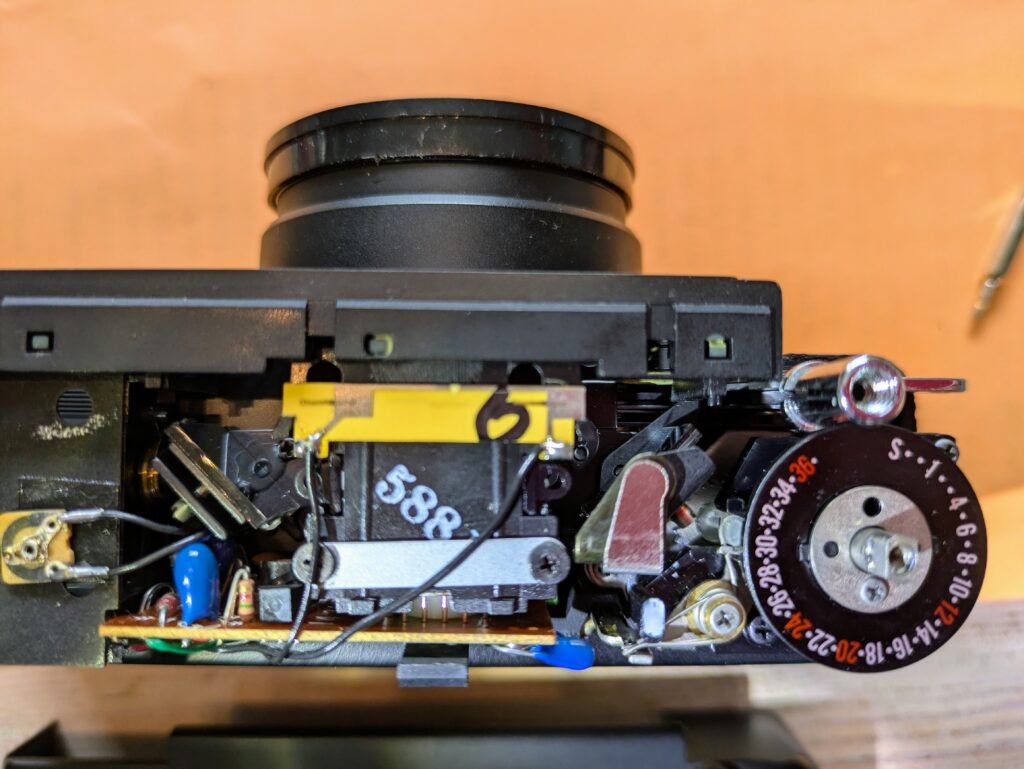
a dismantled camera
Here you can see the two mirrors and coloured red is the springy bracket pushing down on the 2mm ball-bearing.

Back out again to shoot the remaining one-third of the film I was pleased to see that infinity could be obtained.

It is a perfectly pleasant camera to use. Perhaps a bit large to go in a pocket at 132 x 56 x 75mm but only 395g due to all that plastic. I’m definitely keeping it and I’d be surprised if any of the new crop of cameras produced better pictures. Did I mention it was only £24.01?

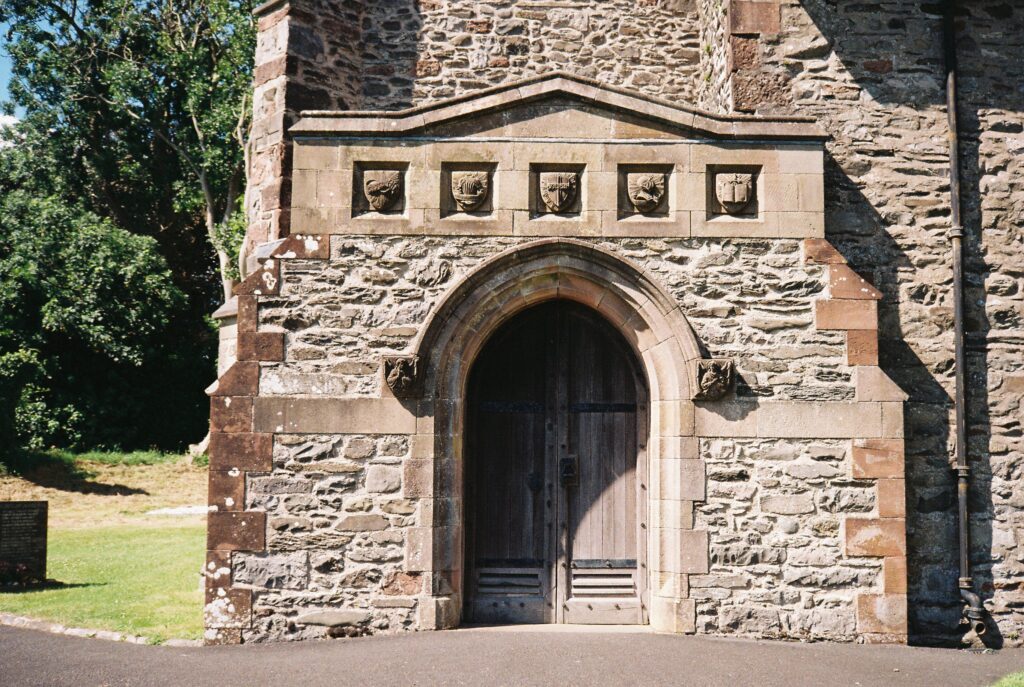
Here are a few of the in-focus photographs. A special mention to Filmprocessing.co.uk who developed the reel and uploaded the scans in less than 24 hours after I posted it to them.
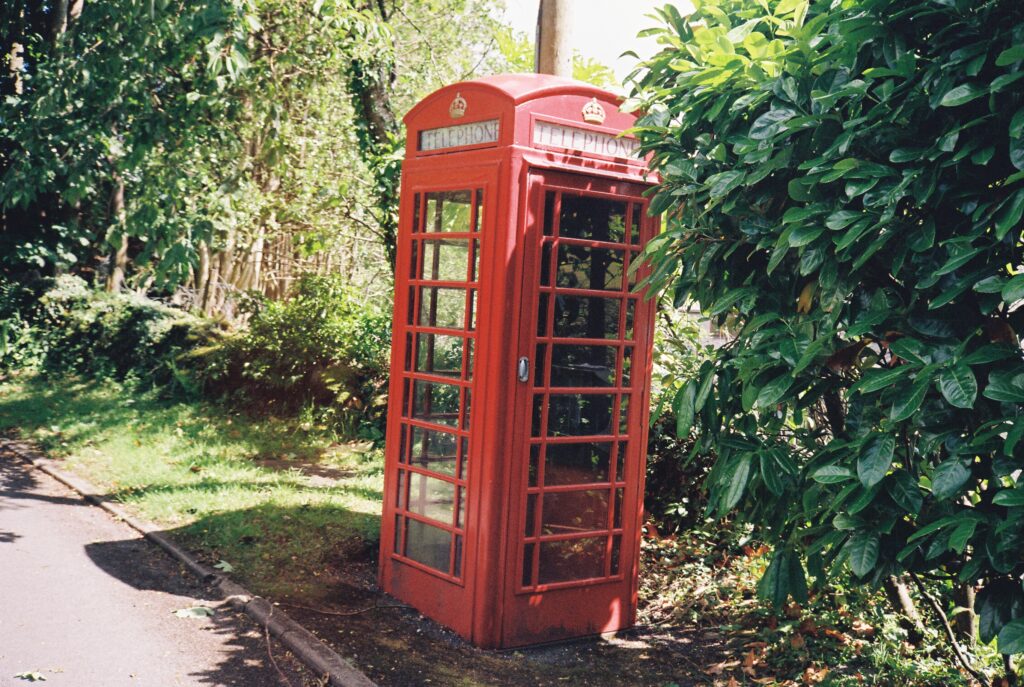
a red phone box
Yes, it does lean like that
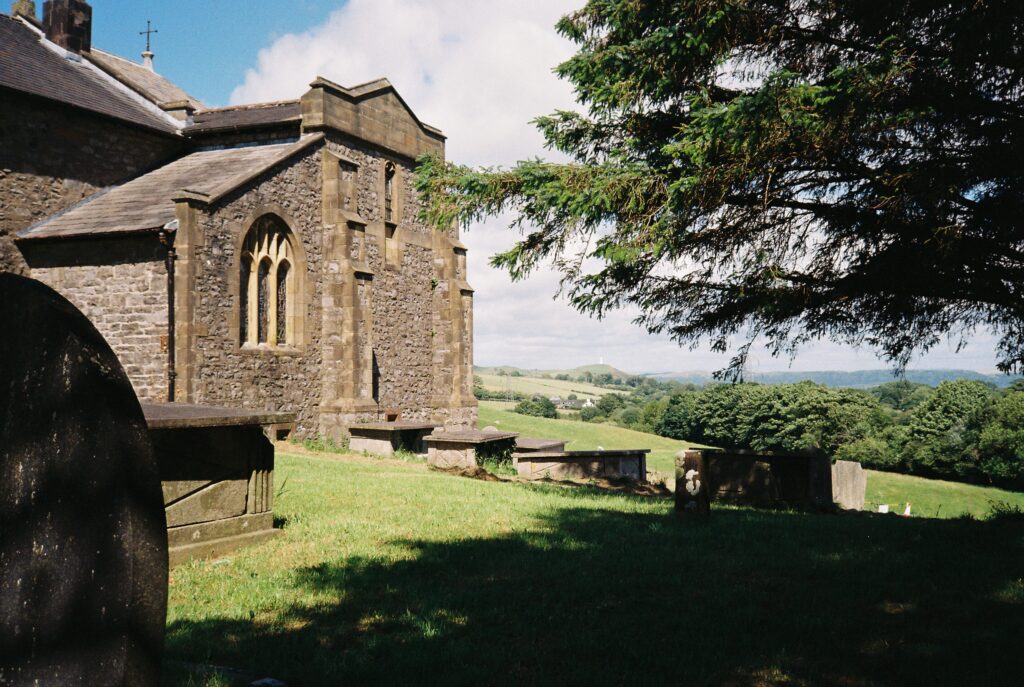
Pennington Church
Pennington Church with the Sir John Barrow Monument in the distance. An example of focusing to infinity.
church porch
Pennington Church
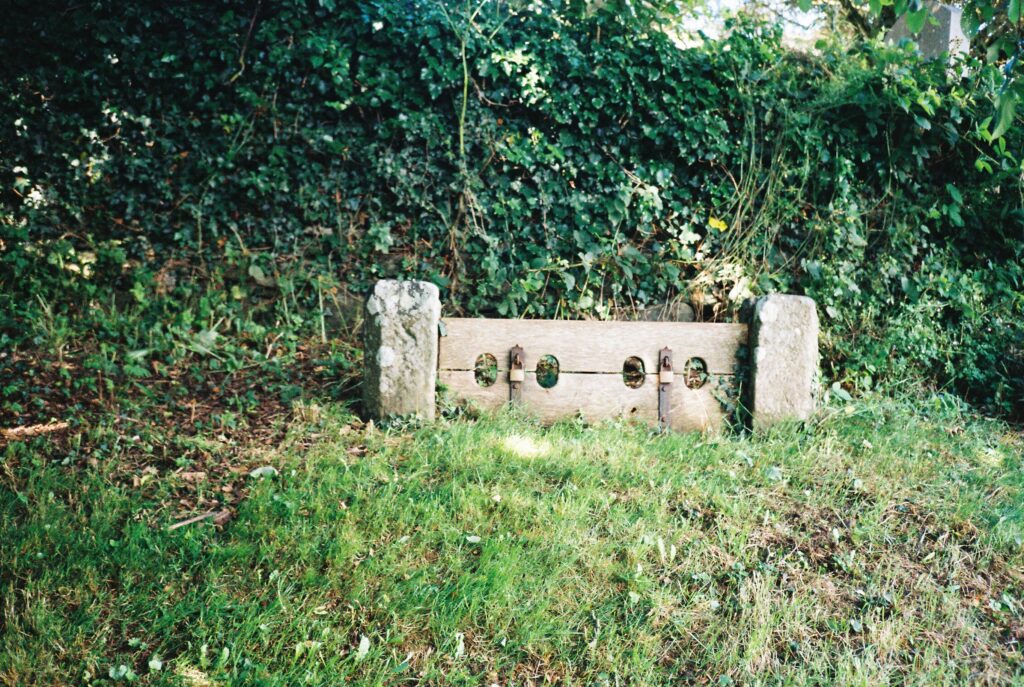
the stocks at the church
The stocks at Pennington Church. It was quite shaded there but the camera exposure coped well.
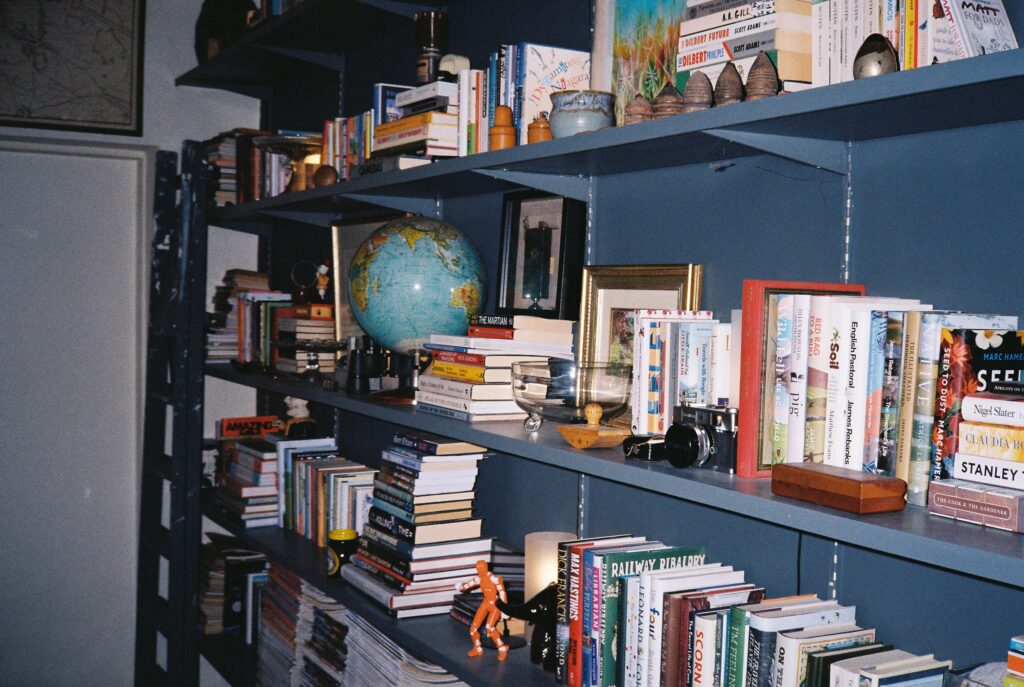
bookshelves
Just testing the flash to be honest.

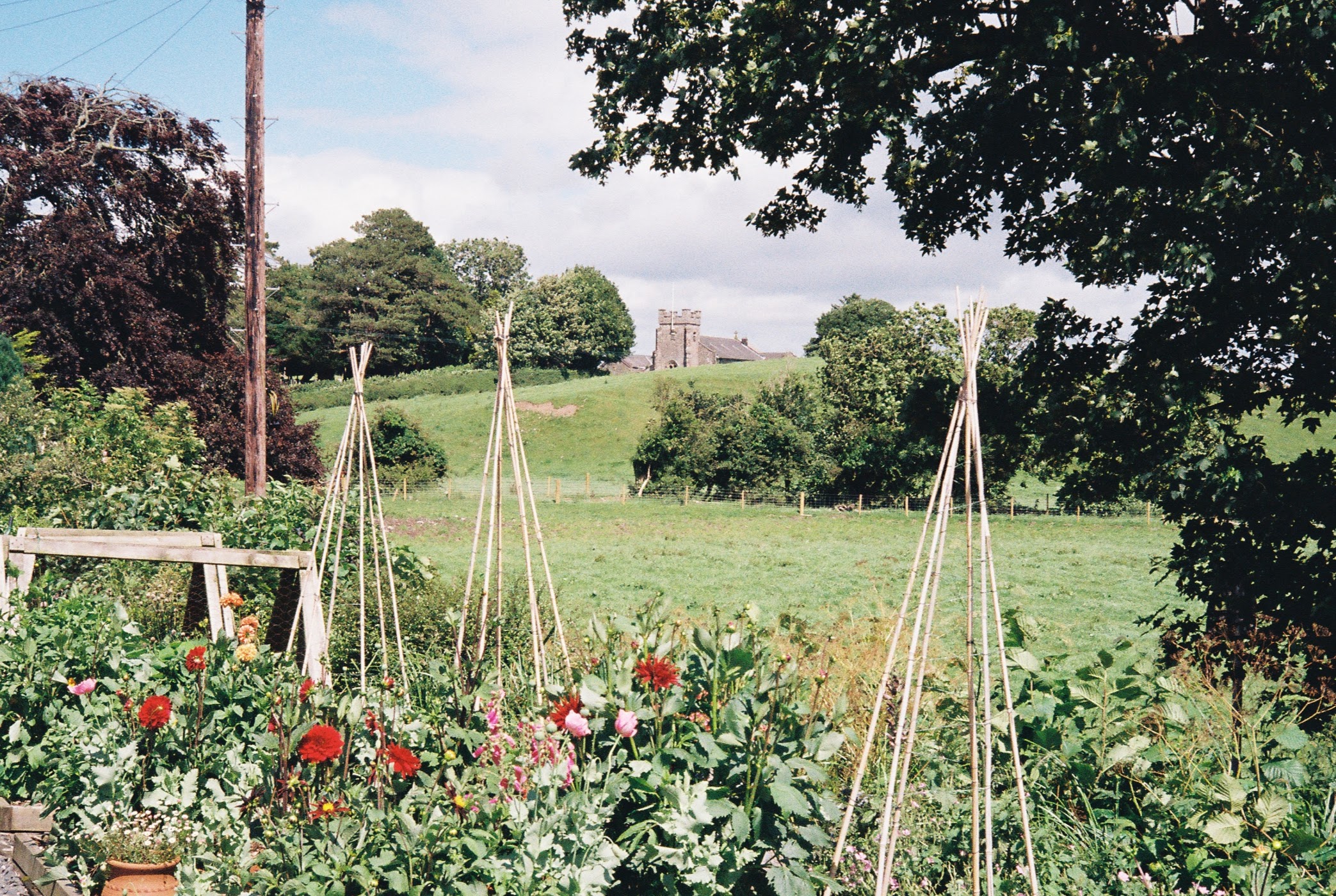
My featured image is a 200% crop of the view across a field of Pennington Church
More details of the Rolleimat F, AF and AFM can be found here

Share this post:

About The Author

By Michael Zwicky-Ross
Enthusiastic amateur and collector of all things Kodak
Read More Articles From Michael Zwicky-Ross

Find more similar content on 35mmc

Use the tags below to search for more posts on related topics:

Donate to the upkeep, or contribute to 35mmc for an ad-free experience.

There are two ways to contribute to 35mmc and experience it without the adverts:

Paid Subscription – £3.99 per month and you’ll never see an advert again! (Free 3-day trial).

Subscribe here.

Content contributor – become a part of the world’s biggest film and alternative photography community blog. All our Contributors have an ad-free experience for life.

Sign up here.

Make a donation – If you would simply like to support Hamish Gill and 35mmc financially, you can also do so via ko-fi

Donate to 35mmc here.

Comments

David Pauley on Rolleimat AF with Kodak Gold 200

Comment posted: 31/07/2026

Hi Michael,

I wanted to dislike your photos as the Rolleimat seemed to me like an embarrassing bid from the
company that had in better days produced my favorite cameras, the 2.8 and 3.5F. Alas, you and the inexpensive plastic camera produced some fine images...the closeup shot of the church and its beautiful stonework could have come from a Nikon, Leica or any other bit of kit. I'm impressed you had the technical know how to repair the viewfinder/focusing mechanism. Definitely beyond my skills.
Reply

Leave a Reply

Your email address will not be published. Required fields are marked *

Michael Zwicky-Ross replied:

Comment posted: 31/07/2026

Good afternoon David Your comments are very kind. I must admit I was impressed with the lens and auto focus once it was working ok. Having four glass elements sets the camera apart from the current crop of retro cameras with at the most two plastic ones. When it came to repairing this I spent 40 years at an electrical repair bench so I'm happy to have a go at most things!

Reply

Leave a Reply

Your email address will not be published. Required fields are marked *

Walter Reumkens replied:

Comment posted: 31/07/2026

Hello Michael & David! This does raise the question of what exactly is ‘Rollei’ about this camera. The camera is very similar to the Konica C35AF. In 1977, it was the first camera in this segment to feature autofocus. The Rolleimat AF came onto the market three years later. Both cameras use an autofocus module from Honeywell. Whilst the Konica, with its excellent Hexanon lens, was manufactured by Konica itself, the Rolleimat was produced by Nitto Kagaku in Japan – a lens manufacturer (Kominar) and supplier to camera brands such as Olympus, Fuji, Ricoh and Nikon. The Konica and Rollei models are not identical in construction, but they are very similar. I own the Konica C35AF; the autofocus isn’t always entirely reliable. But the photos are superb, and the Hexanon is generally a very good lens. I can’t comment on the Rolleinar, but I think the results are good. I’d just be surprised if Rollei had designed and built it themselves.

Reply

Leave a Reply

Your email address will not be published. Required fields are marked *

Paul Quellin replied:

Comment posted: 31/07/2026

Just wanted to agree with Walter. I have a C35AF too and there are a number of components such as the film advance, rewind and battery compartment door that look very familiar. Easy to underestimate any of these cameras; I think the ethos around this time was to use cheaper materials for the casing but to still marry it all with some good quality glass. Must move my little Konica to the front of the queue for another roll.

Reply

Leave a Reply

Your email address will not be published. Required fields are marked *

Michael Zwicky-Ross replied:

Comment posted: 31/07/2026

Thank you for your comments Walter. The Konica is on my shopping list, I just haven't found the right one yet. My limited research established that it was not made by Rollei but I couldn't find the manufacturer so that's useful info. I could tell it was Japanese-made as the shadow of the typical oval sticker is still visible on the top plate.

Reply

Leave a Reply

Your email address will not be published. Required fields are marked *

Tony Warren replied:

Comment posted: 31/07/2026

Some excellent resuts after your careful attention Michael. There seems to have been qute a bit of collaboration going on around this time. Understandable given the high cost of developing these devices, as Gary points out from his experience. But so what. Many cameras from earlier days were a box made by the named producer, holding the film, with a lens by Zeiss and a shutter by Gauthier attached. There were many other combinations, all I imagine to produce an affordable item. And with results like these it comes down to preference, a competent tool or a badge. Lovely part of the world here too.

Reply

Leave a Reply

Your email address will not be published. Required fields are marked *

Michael Zwicky-Ross replied:

Comment posted: 31/07/2026

Thank you Paul for another endorsement of the Konica. Following Walter's information I have established that the body was made by Nitto Kagaku, better known for producing plastic model kits and chosen for their high quality injection moulding capability and confusingly the lens was made by "the optics powerhouse Nitto Kōgaku". It's not clear where final assembly was made but probably at Nitto Kōgaku as they also manufactured the Olympus Trip 35.

Reply

Leave a Reply

Your email address will not be published. Required fields are marked *

Michael Zwicky-Ross replied:

Comment posted: 31/07/2026

Thank you Tony. I'm happy to have rescued the camera as I hate to see things discarded for want of a little attention. I'm currently trying to fix the meter on a Konica Auto S2, to feature here if successful.

Reply

Leave a Reply

Your email address will not be published. Required fields are marked *

Gary Smith on Rolleimat AF with Kodak Gold 200

Comment posted: 31/07/2026

I was hoping to read more on the Honeywell Visitronic connection. I worked for Honeywell for a year trying to advance their attempt at turning their linear array of photo receptors into a viable industrial camera system. It was too early and too expensive. While there were a few intrepid early adopters it was a tough sell.
Reply

Leave a Reply

Your email address will not be published. Required fields are marked *

Michael Zwicky-Ross replied:

Comment posted: 31/07/2026

How interesting Gary to have a forum member with a Honeywell connection. I hope my description of the Visitronic system was roughly correct. Here is an AI version of how the system works: https://share.google/aimode/eDzdF995TNCx8x4sd Incidentally, if one asks AI, specifically Gemini, about the Visitronic system the first article referenced is the one above!

Reply

Leave a Reply

Your email address will not be published. Required fields are marked *

RichardH on Rolleimat AF with Kodak Gold 200

Comment posted: 01/08/2026

Hello Michael! I am always pleased to see an old film camera restored to be used again. You have some charming landscapes with that Kodak Gold. I was looking at the photo of the “stocks at Pennington Church”, and I have to ask: Is it common to see stocks of this sort in churchyards?
Reply

Leave a Reply

Your email address will not be published. Required fields are marked *

Michael Zwicky-Ross replied:

Comment posted: 01/08/2026

Good morning Richard. Thank you for your kind comments. Gold is my favourite for landscapes I think. And also reasonably affordable. The stocks are actually just outside the churchyard wall, as you imply it would probably be unusual for them to be in the actual church environs!

Reply

Leave a Reply

Your email address will not be published. Required fields are marked *

David Michek on Rolleimat AF with Kodak Gold 200

Comment posted: 03/08/2026

Nice results. I have a very similar Mamiya 135AF camera, which also takes beautiful photos.
Reply

Leave a Reply

Your email address will not be published. Required fields are marked *

Michael Zwicky-Ross replied:

Comment posted: 03/08/2026

Thank you. I've just looked up your 135AF and it certainly does look very similar, even down to the 38mm lens and 1/8sec to 1/450sec

Reply

Leave a Reply

Your email address will not be published. Required fields are marked *

Omar Tibi on Rolleimat AF with Kodak Gold 200

Comment posted: 04/08/2026

Michael, thanks for showing us around this interesting camera! I'm always interested in how camera tech developed to where it is now, and this is a piece of history. And what a steal you got it for; impressive how well the images came out despite the otherwise plastic fantastic construction. Have fun using it and thanks for the shots!
Reply

Leave a Reply

Your email address will not be published. Required fields are marked *

Michael Zwicky-Ross replied:

Comment posted: 04/08/2026

Thank you Omar. Yes, I didn't realise what I was buying at the time but researching it led me down the usual internet rabbit hole. Unlike some impulse purchases I shall definitely keep this one.

Reply

Leave a Reply

Your email address will not be published. Required fields are marked *

Leave a Comment

Leave a Reply

Your email address will not be published. Required fields are marked *