

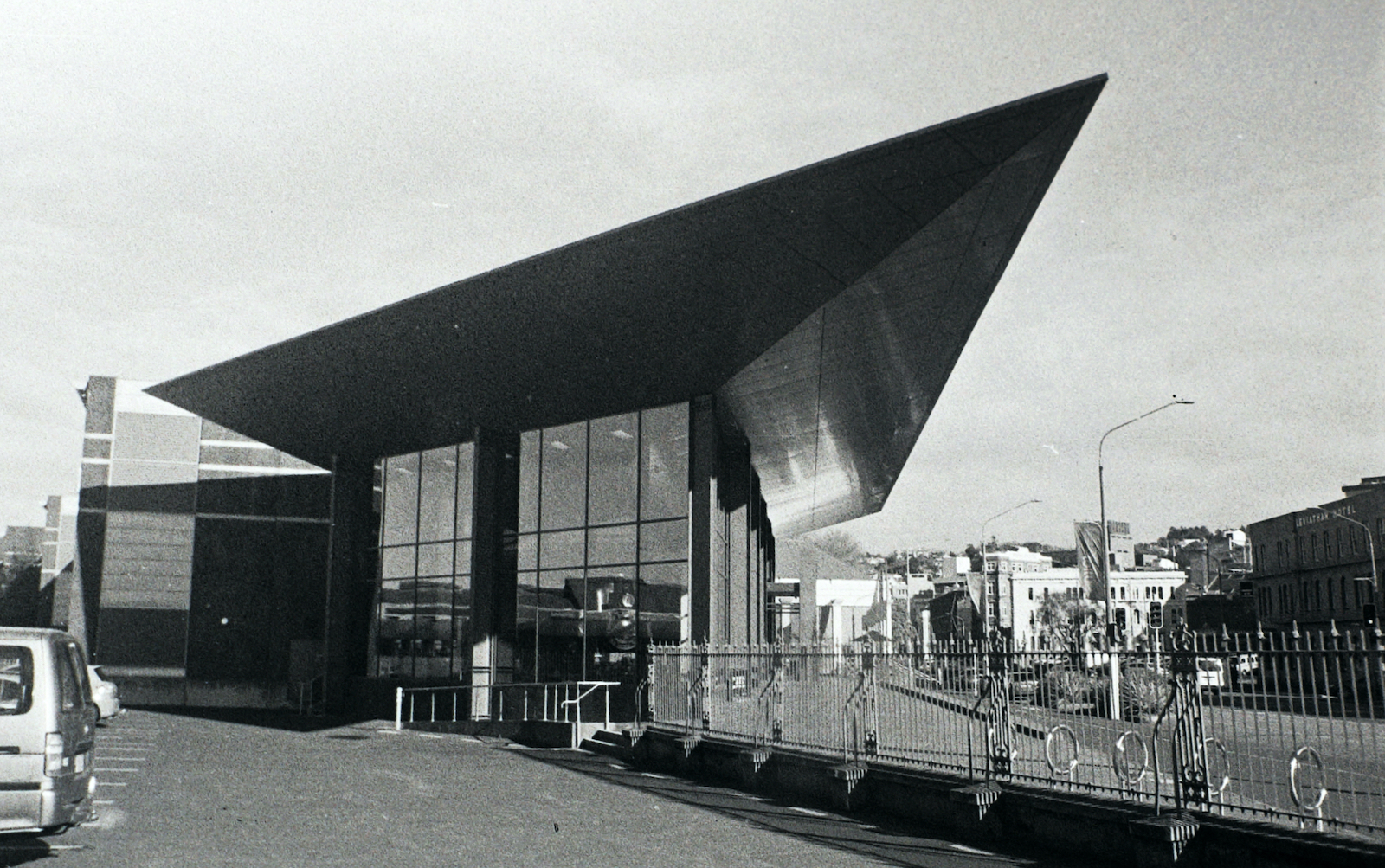
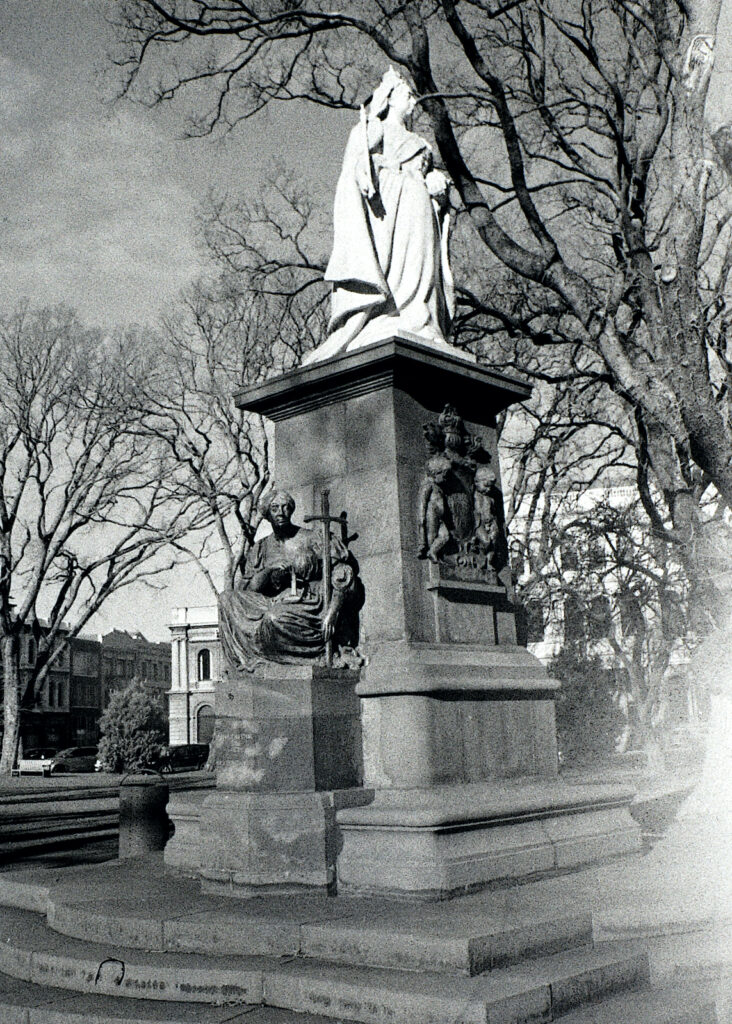
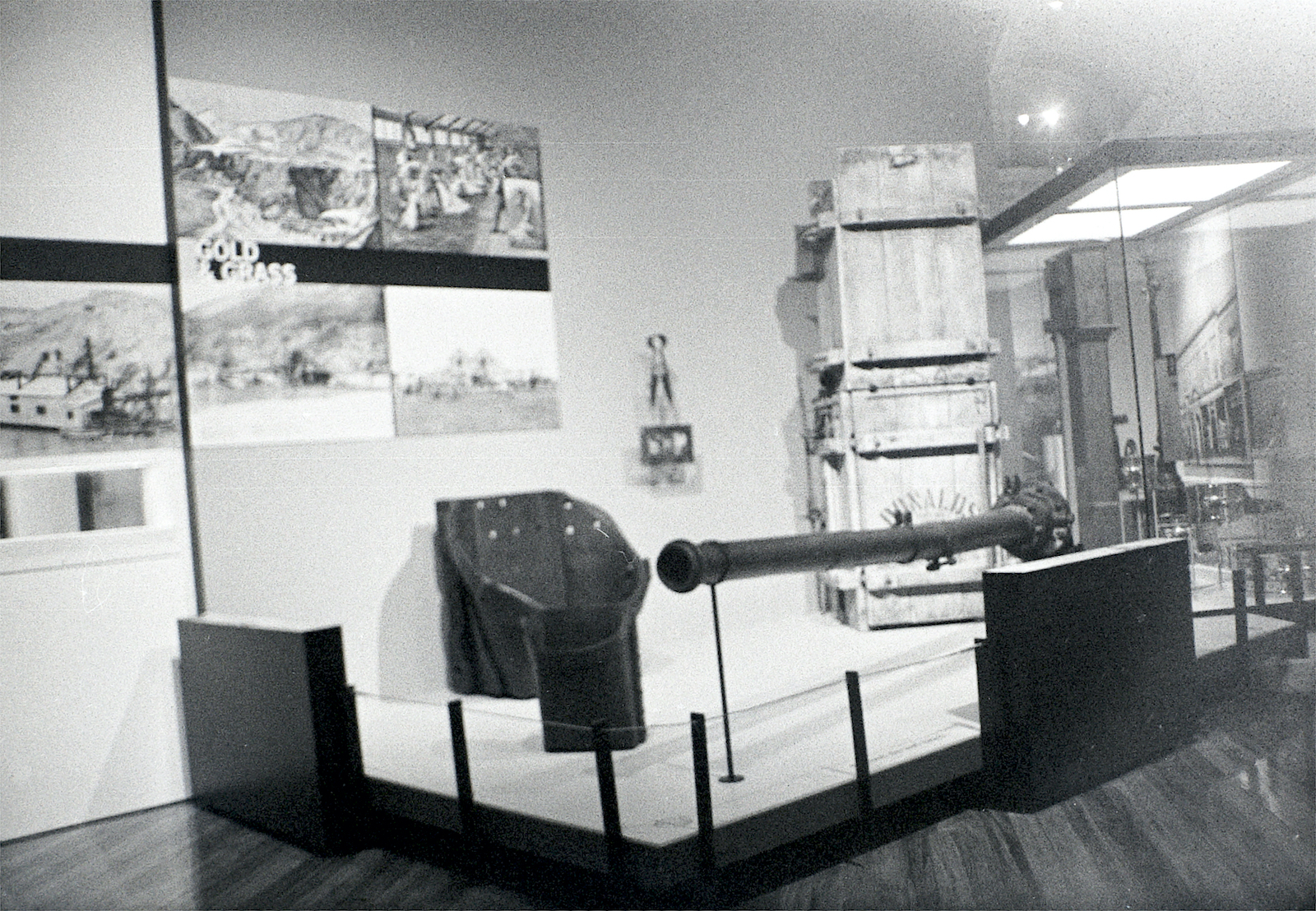
I recently wrote about Dunedin’s Gasworks Museum. Another museum, Toitu, the Early Settlers Museum, has also featured in various posts but usually supporting some other subject. When I gave my sad little Pentax Auto 110 what was to be its last outing, the Gasworks was part of the the subject matter. Not to be, however. I decided to take it out for a last last time, this time around Queen’s Gardens here in Dunedin on a beautiful mid-winter, blue sky morning. The Cenotaph, Queen Victoria’s memorial and the Chinese Gardens are regular subjects for me here around Queens Gardens. It is also the location of Toitu, the Early Settlers Museum, another fascinating collection Dunedinites are fortunate to have on their doorstep.
The Museum
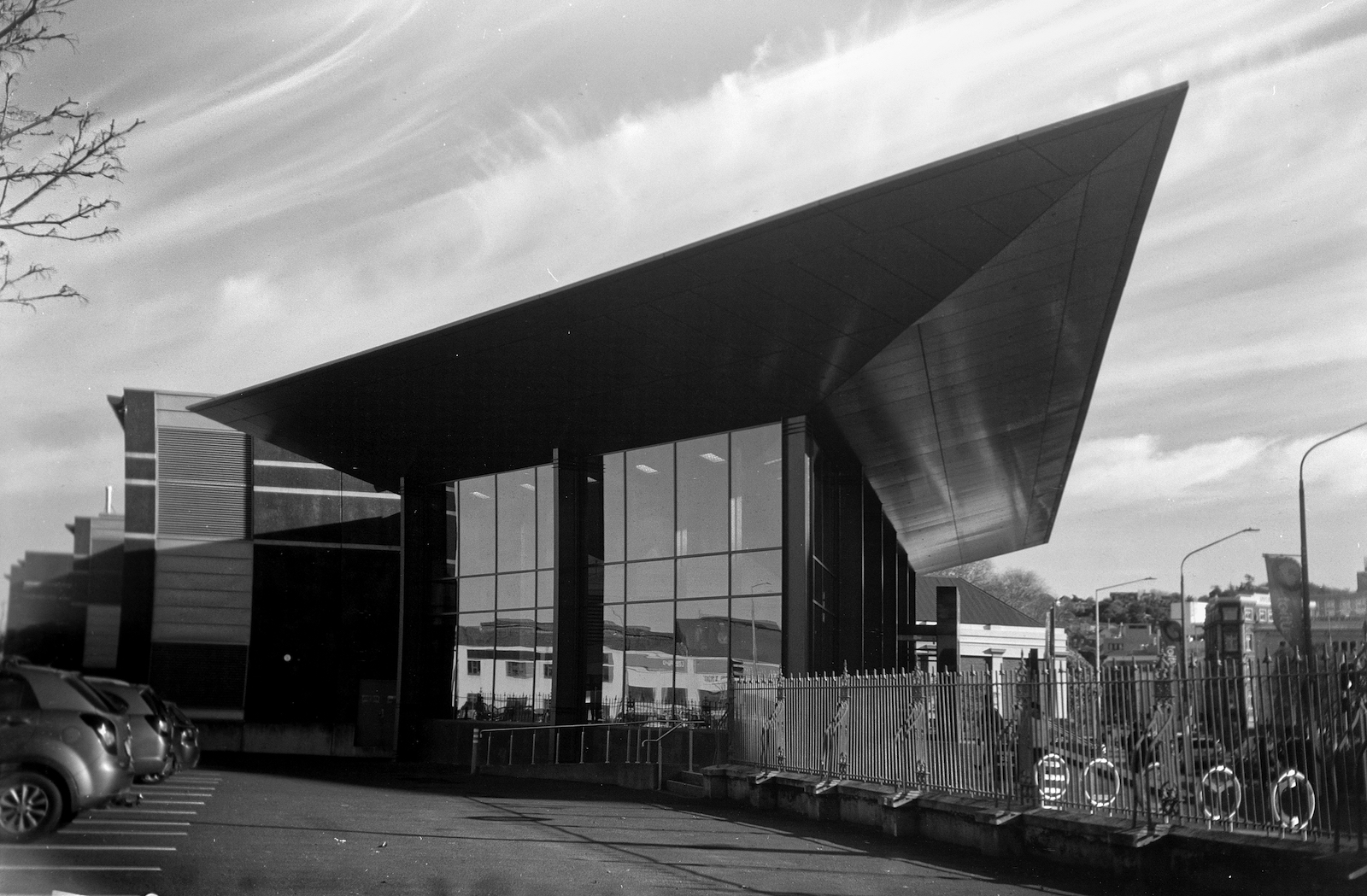
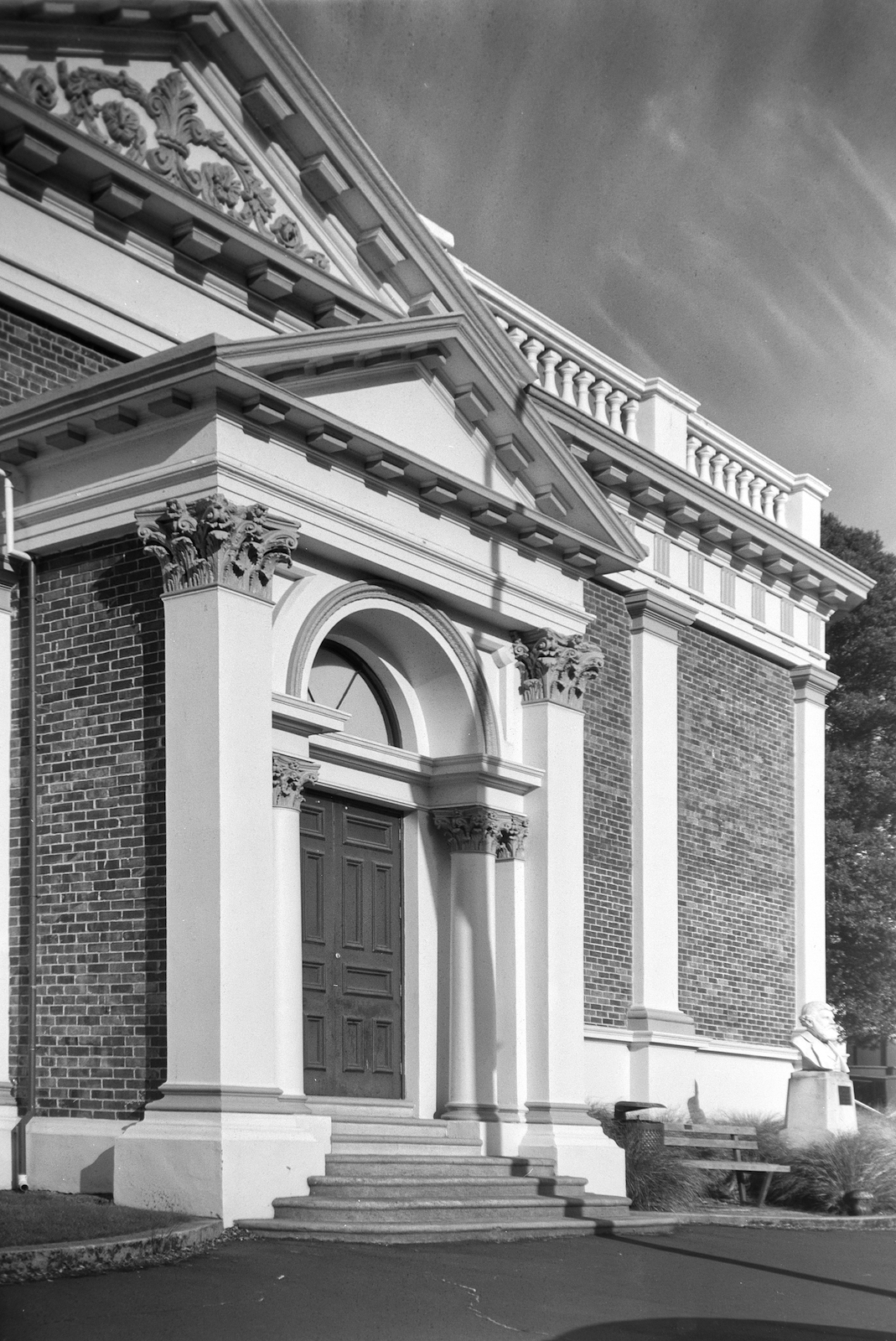
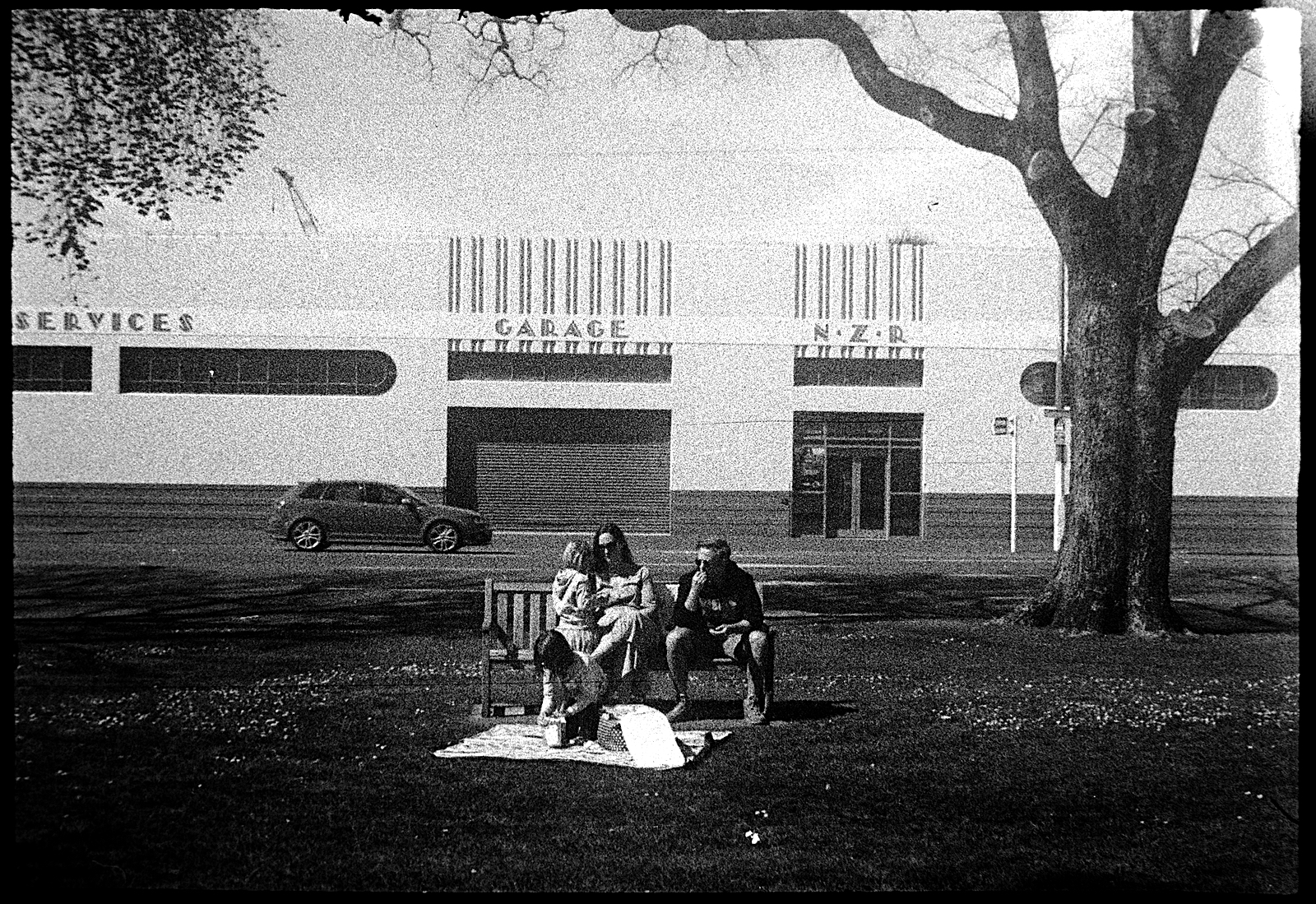
The building is in three parts, a modern extension with main entrance, reception desk, activity space, shop and café, a classical revival central section and the adjacent Art Deco New Zealand Railways coach depot. This last dates back to the days when rail passengers would start or complete their journey by coach, serving the less accessible parts of the country, and is arranged in a way that is similar to a railway station.
The official website is at www.toitusm.com if you want learn more.
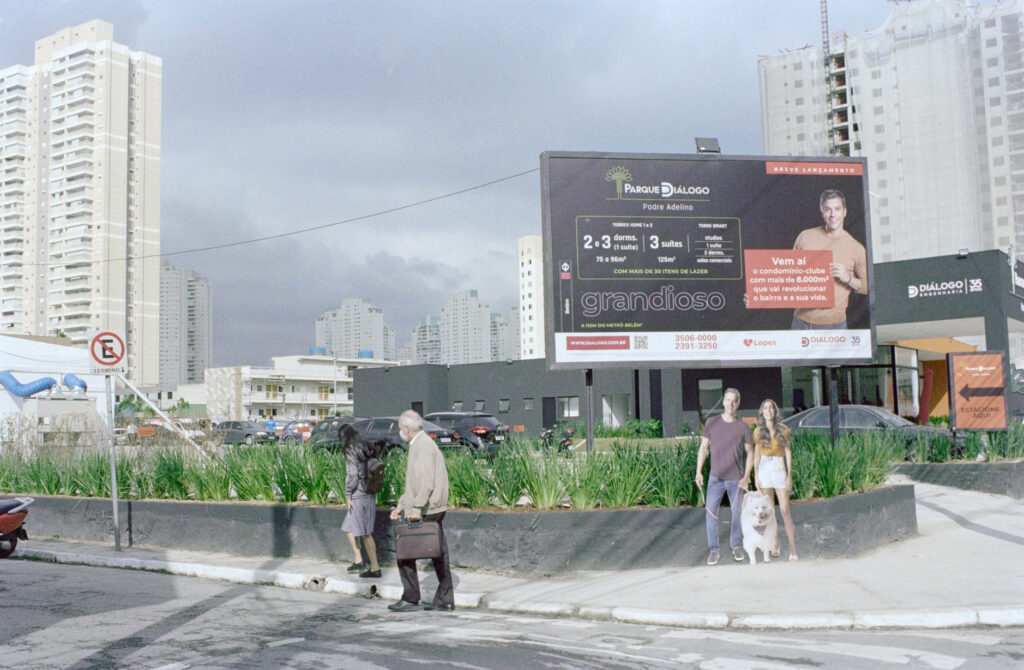
I intended to illustrate this with that last last film from the 110 Pentax, but I used an unmodified, light-leaky, recycled cartridge which spoiled many of the frames so I have had to add shots taken with other cameras at various times and with variable quality. I am unable include some of the fascinating spaces I tried to show, such as the portrait gallery housing several hundred period portraits of the people who lived through those times. An excuse for another visit.
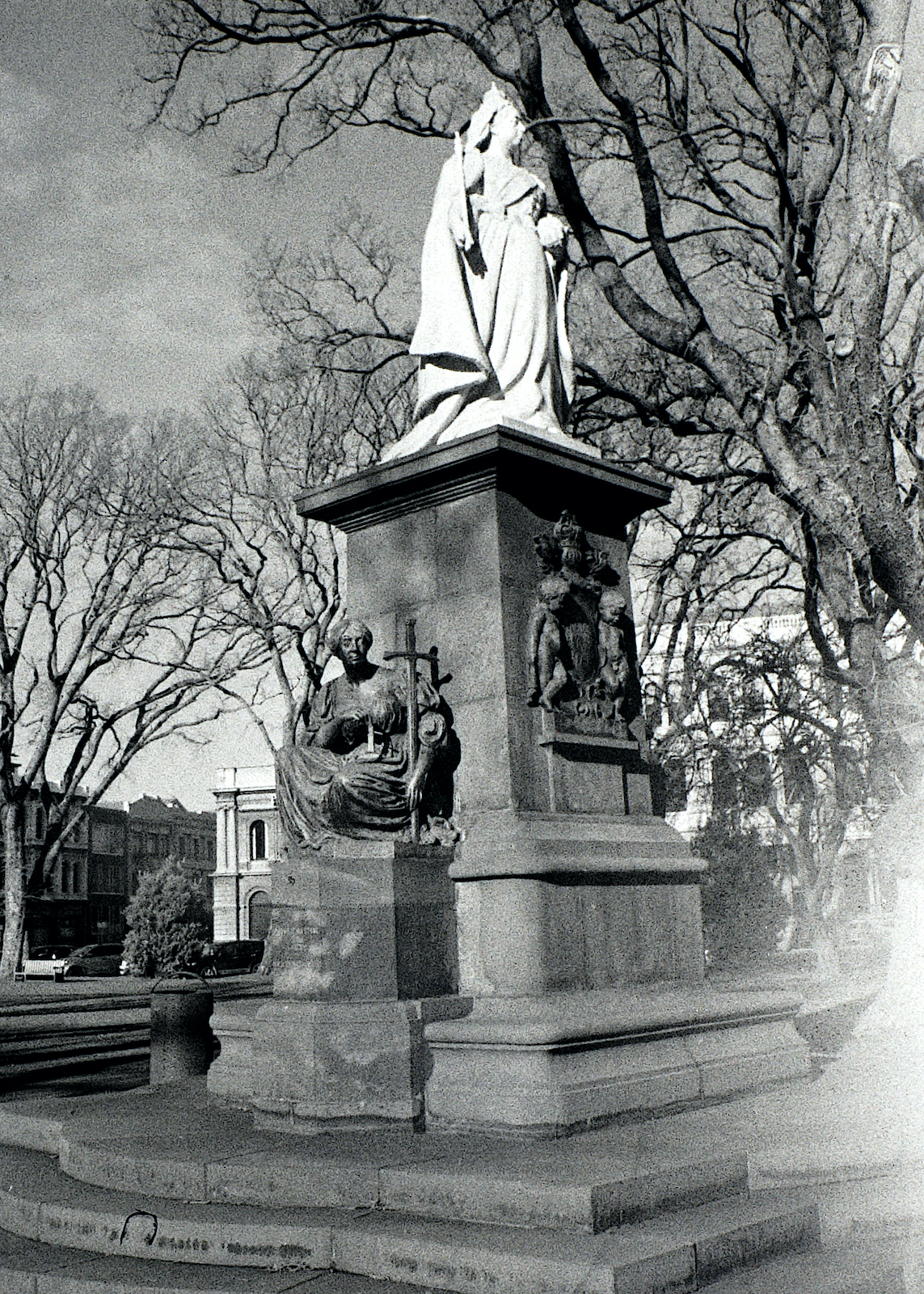
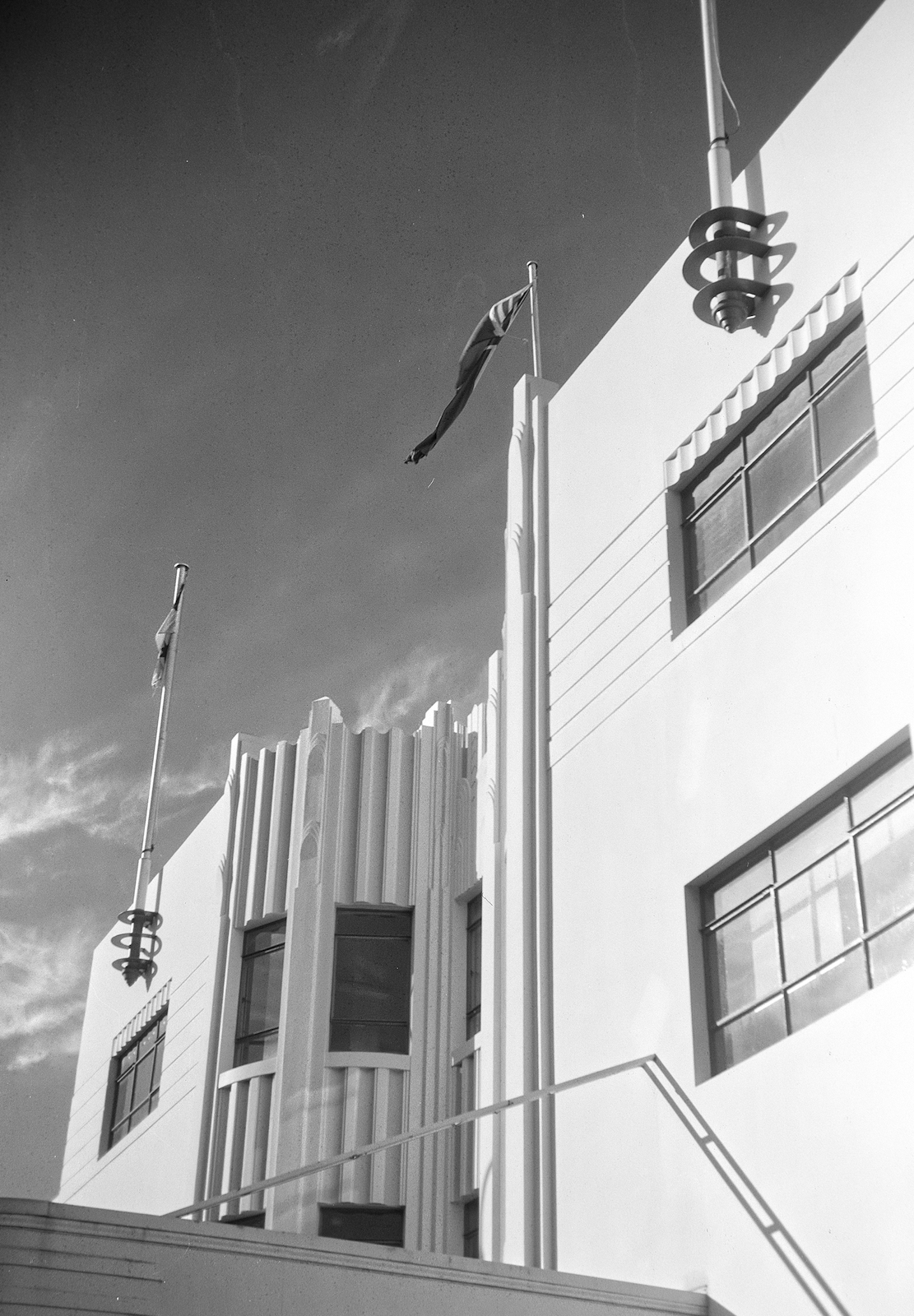
This first set of images shows the buildings. A mainline locomotive has its own building between the Railway station and the museum. All but the last image is from a Zeiss Box Tengor, the last one using a Minolta 16 MG sub-miniature.
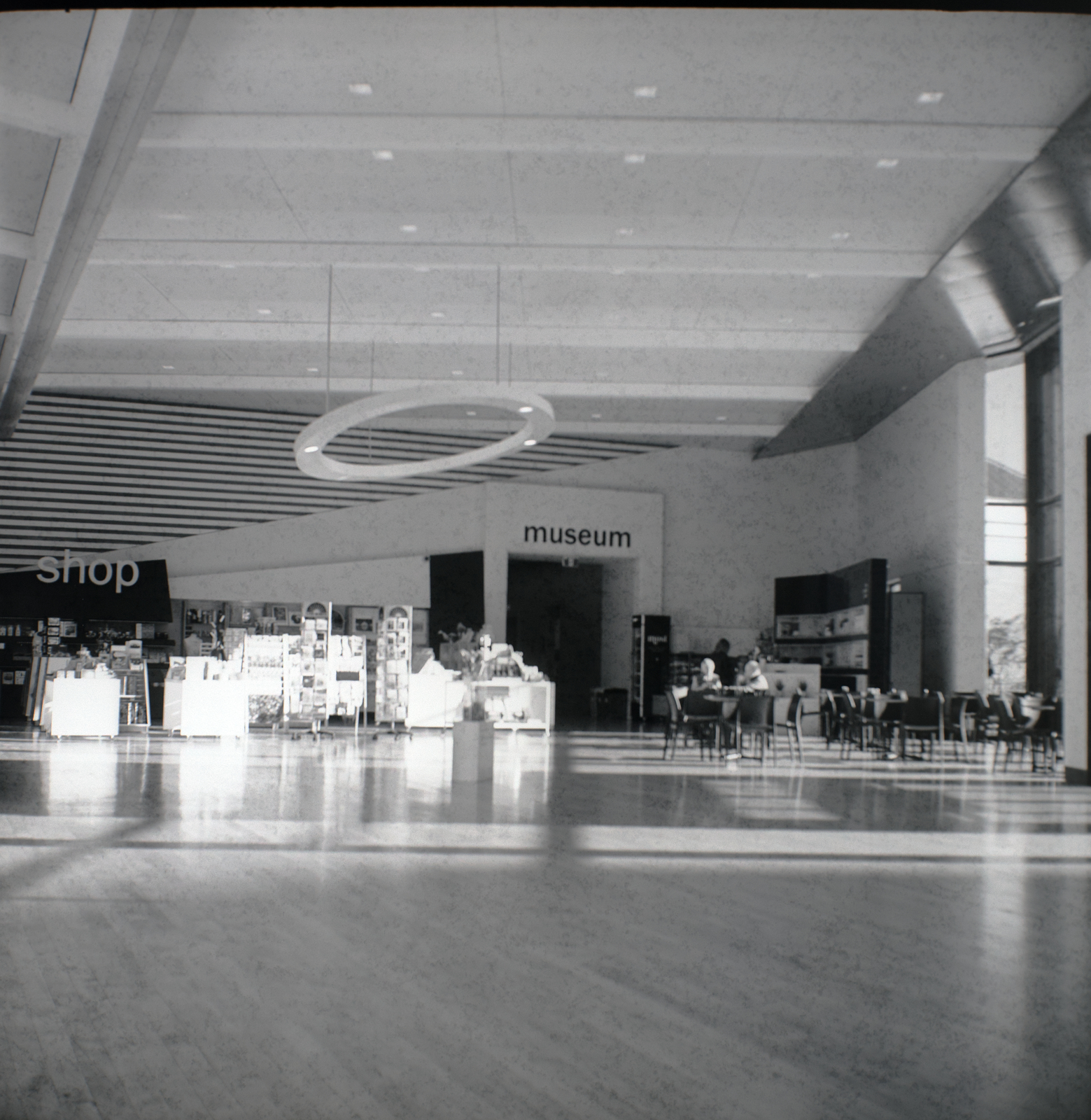
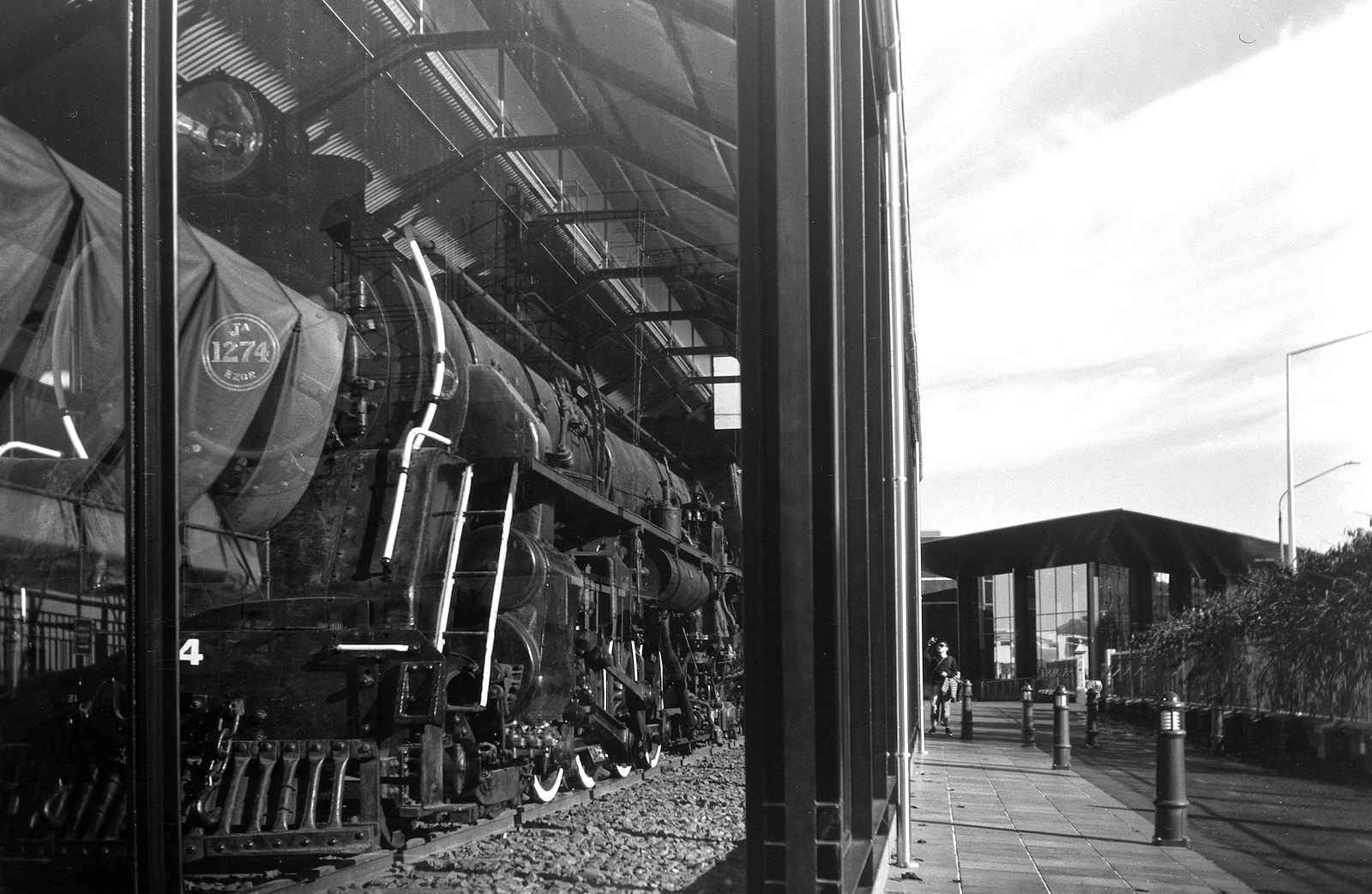
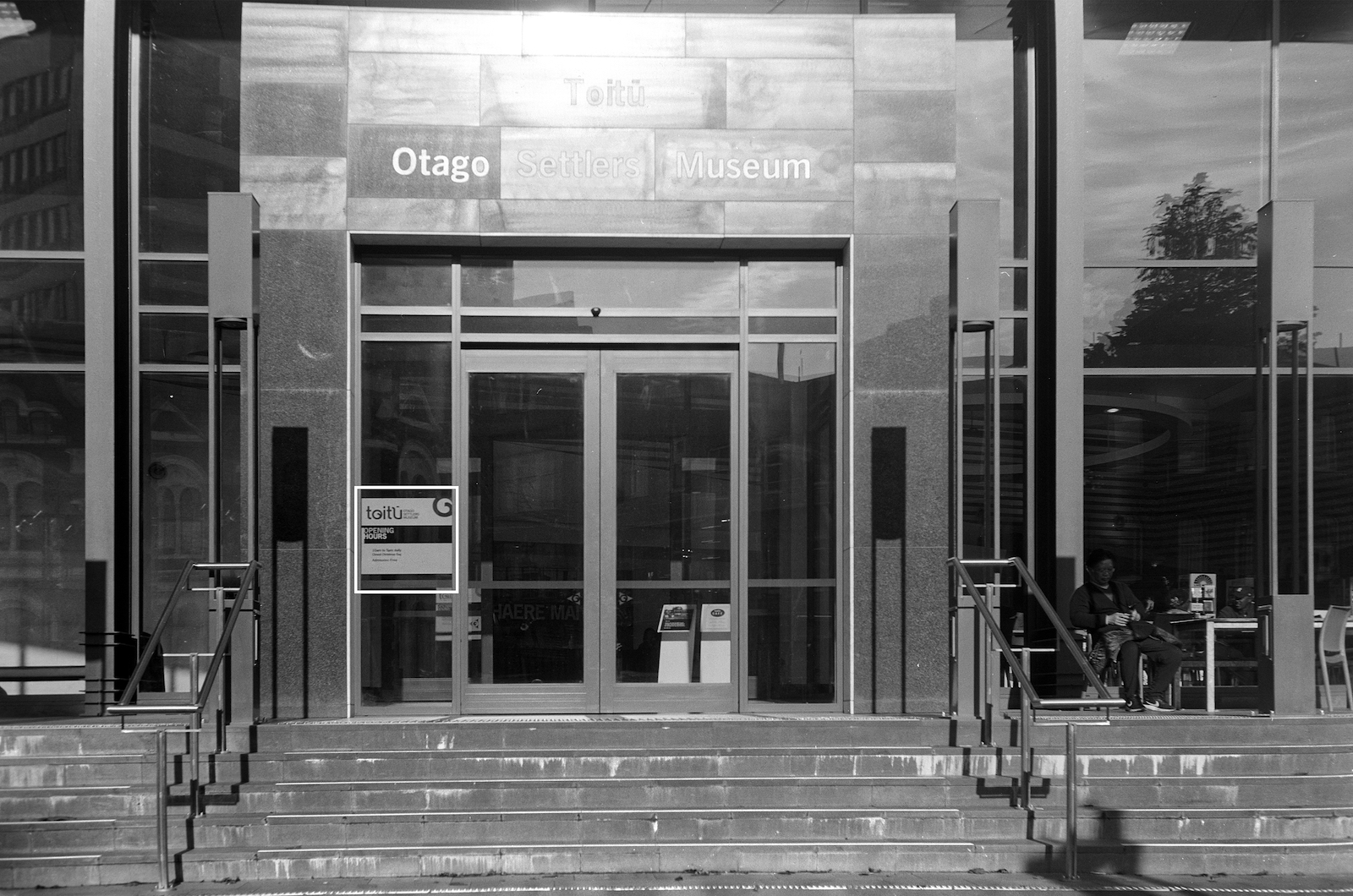
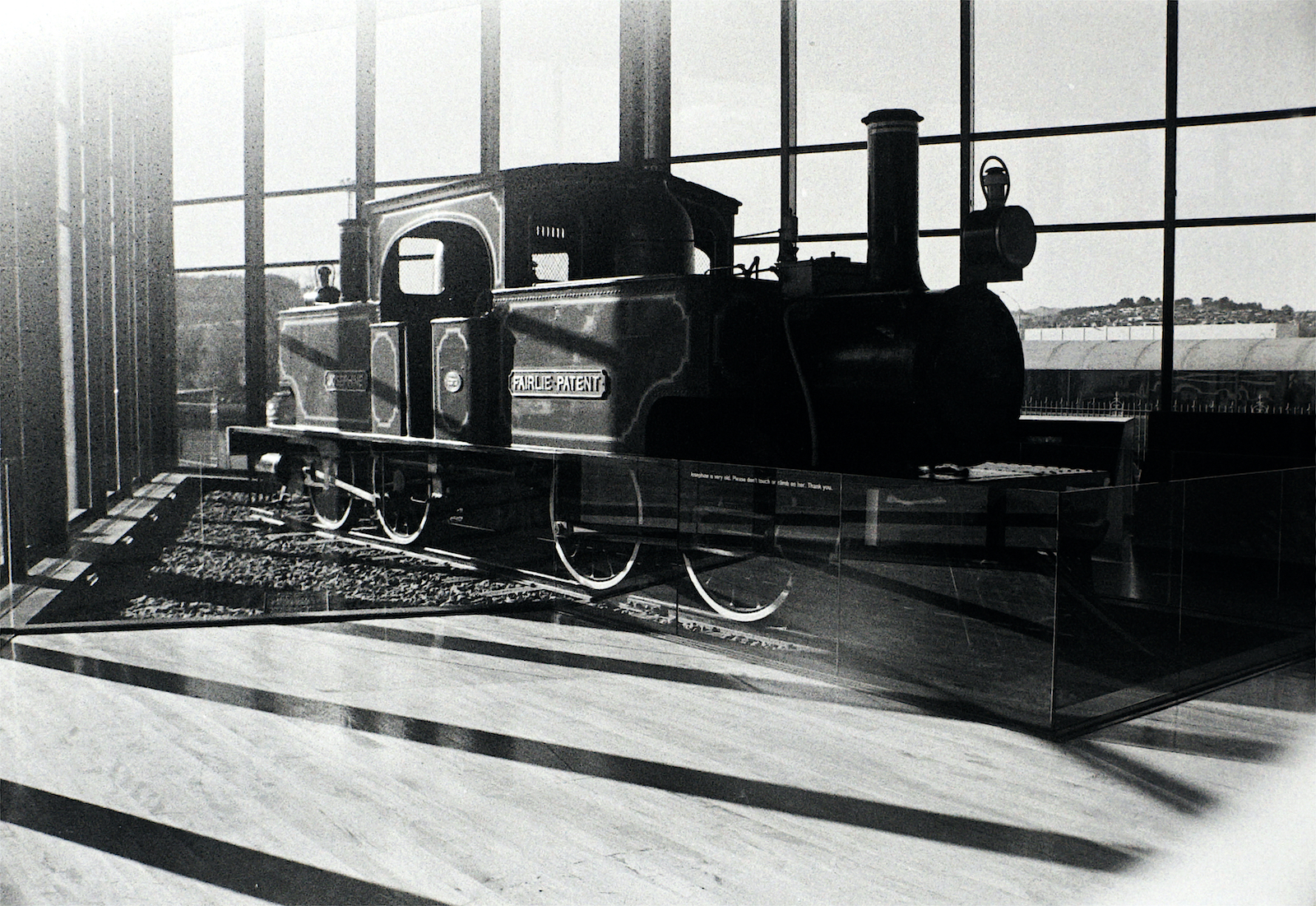
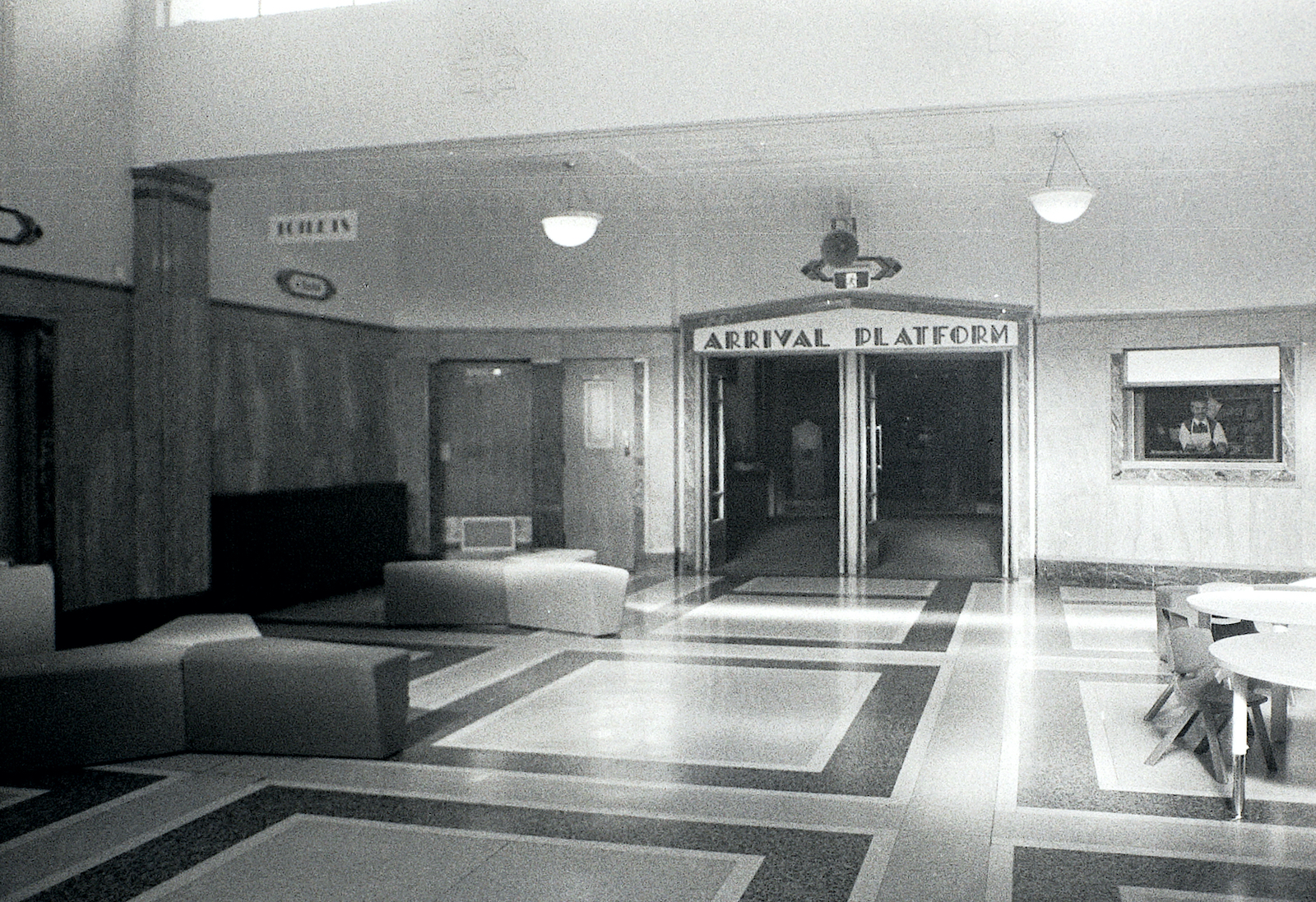
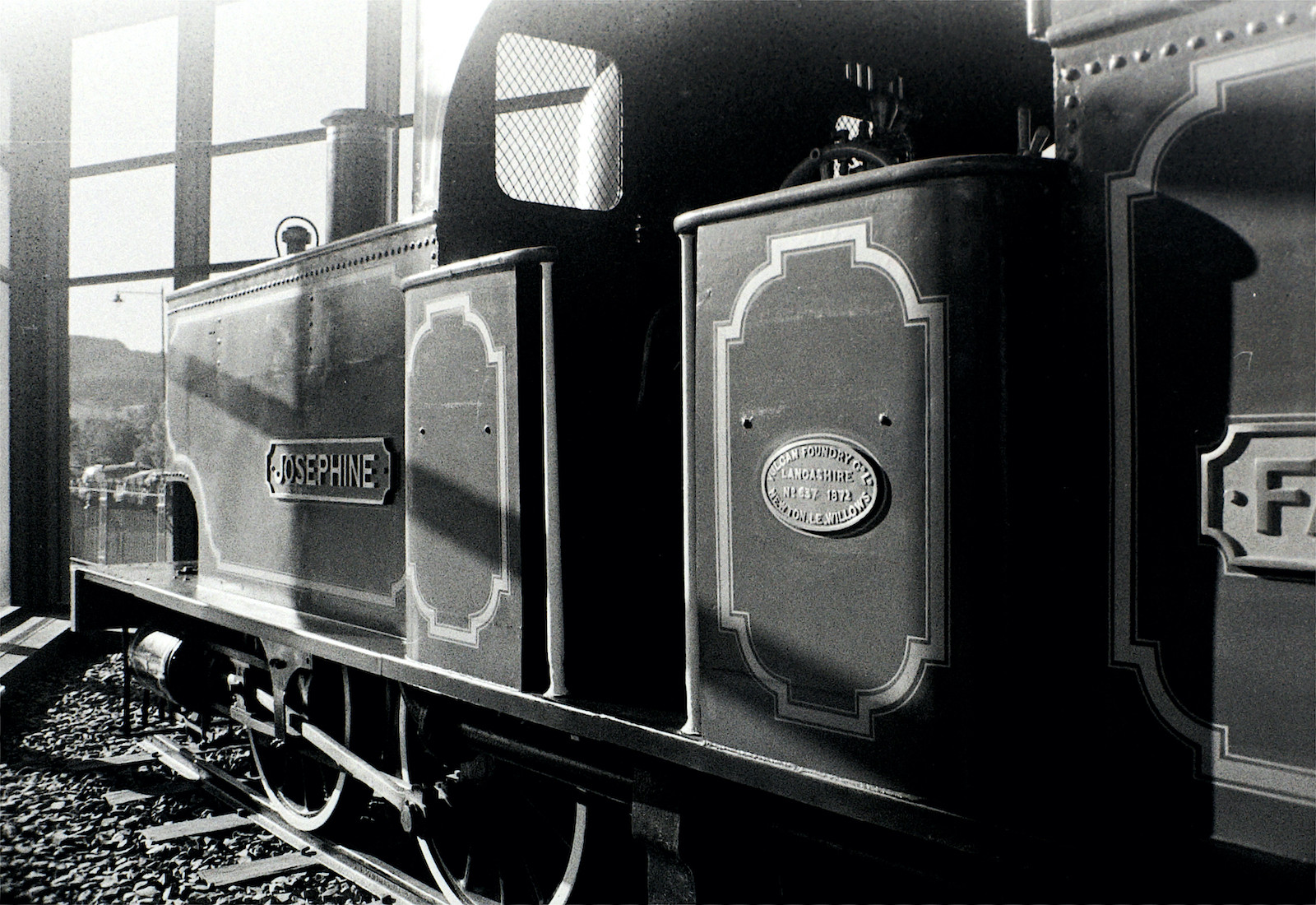
This second set shows the main reception area where activities are arranged and a shop and café satisfy other needs. Josephine, a Double Fairlie locomative once used by NZ Railways to cope with some of the more challenging sections of the lines is a prominent feature of the main foyer. The coach station “concourse” is arranged to be similar to a small railway station. Josephine and the “concourse” on the Pentax, the main reception with a Kalloflex TLR.
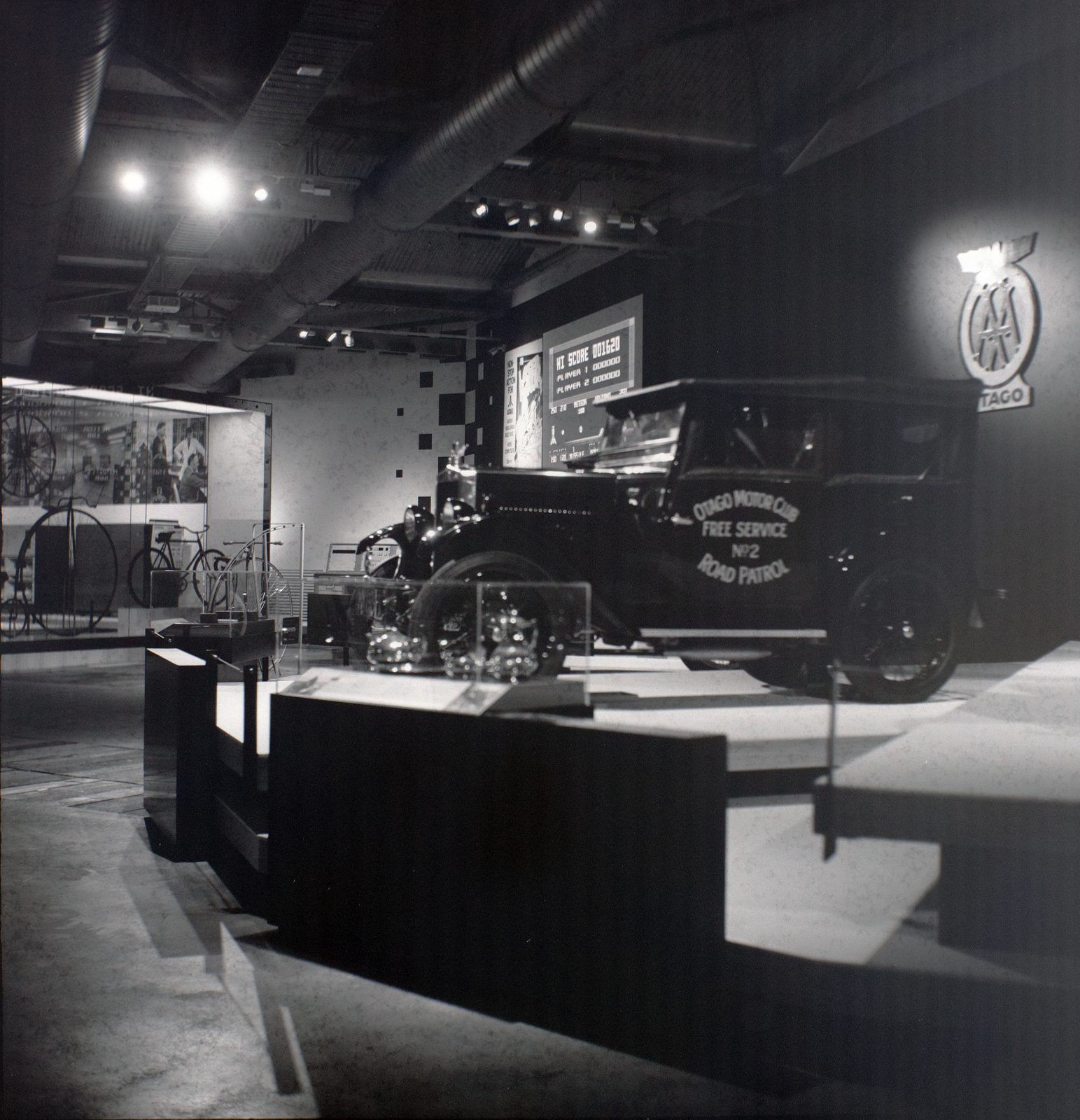
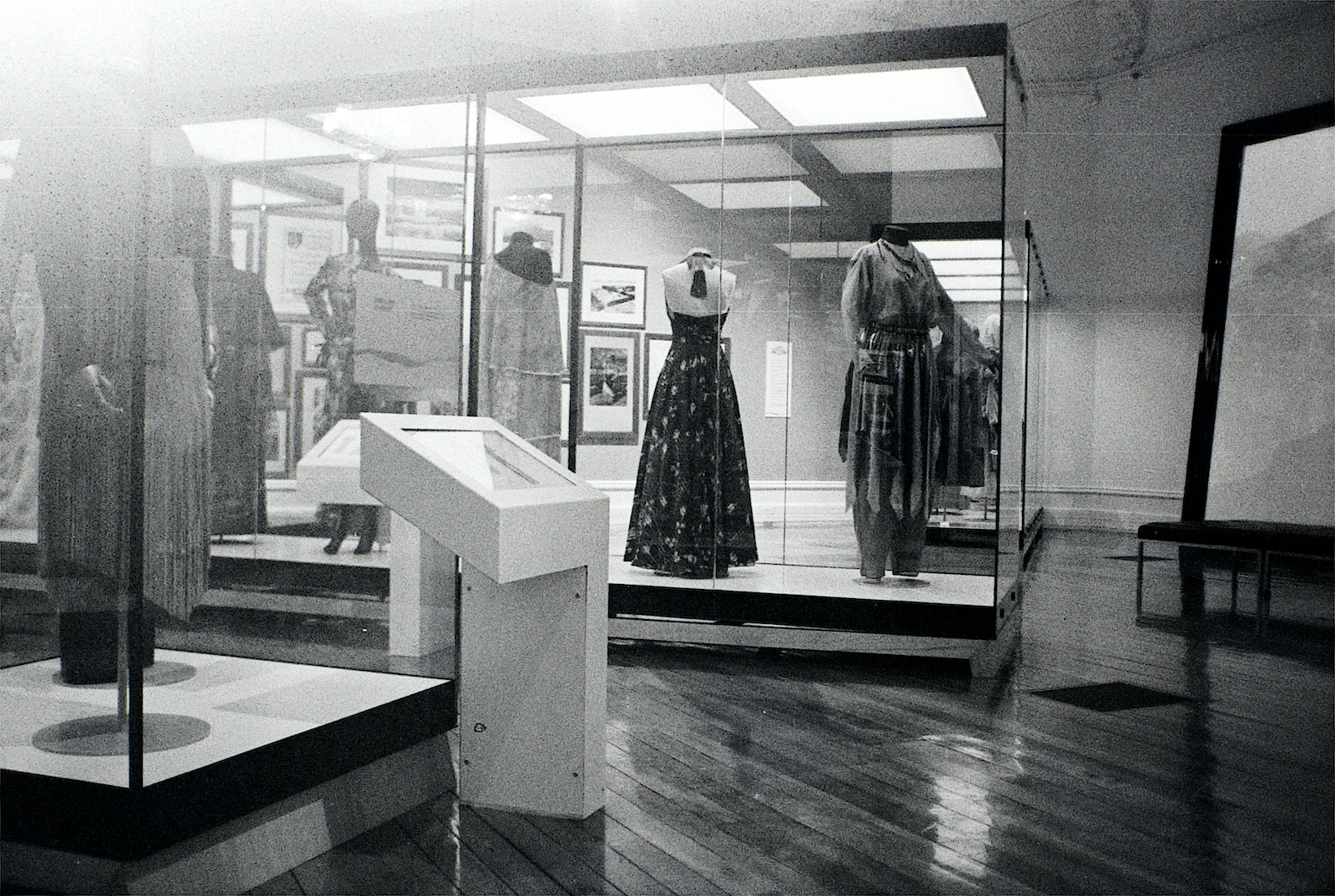
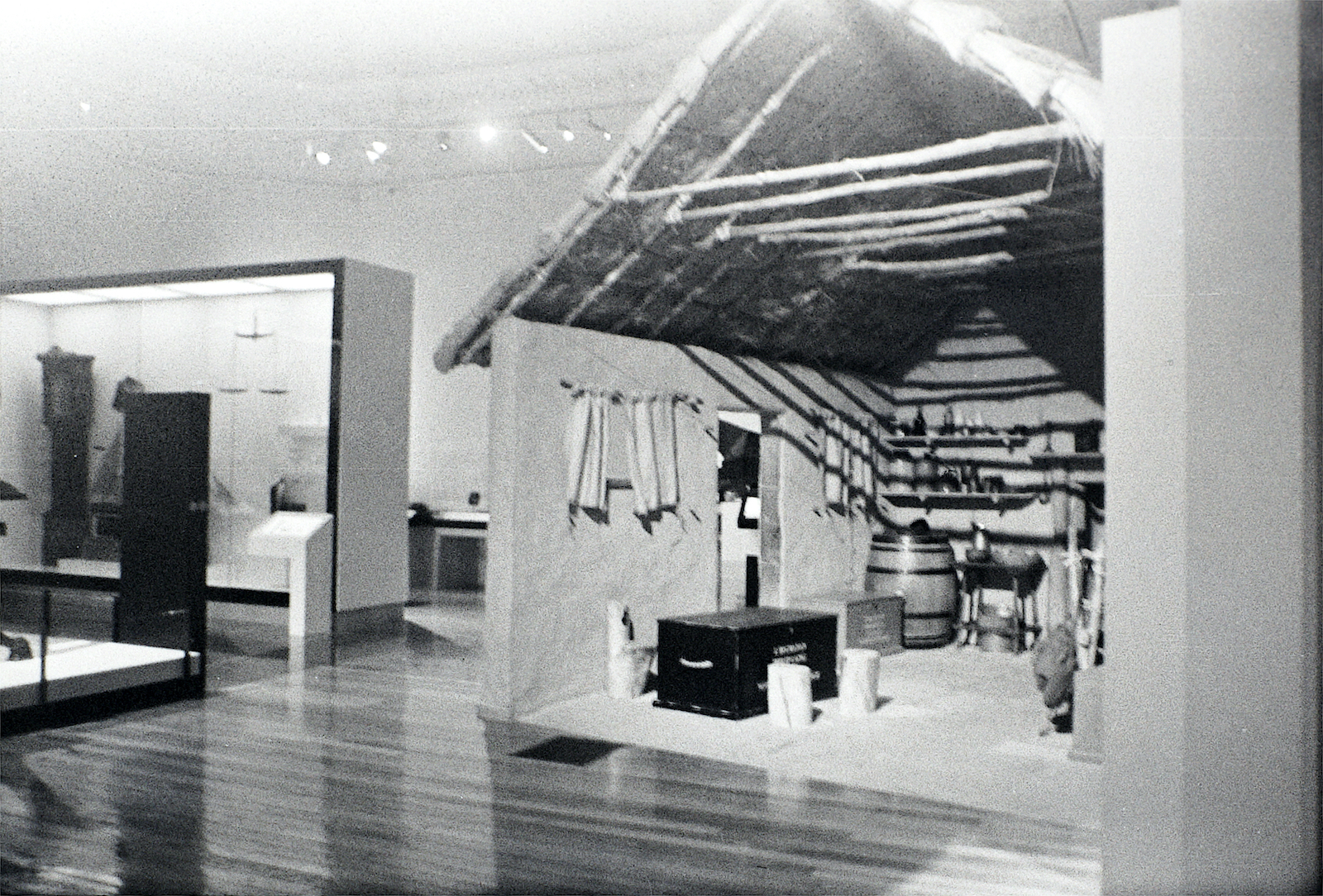
Final set. The museum houses exhibits that reflect the whole history of settlement in New Zealand, by both Maori who arrived in the 12th century and by European whalers from the 1700s. Formal, permanent settlement began in the early to mid 1800s The museum’s exhibits paint a picture of what life was like in those early days. They range from domestic items, clothing, personal transport, public transport and railways to gold mining, early entertainment, radio and TV, and so much more. Only the shot of the Motor Club car is not taken with the Pentax, that one with a Kalloflex TLR. Quality rather depended on what support I could give the camera, tripods and flash being frowned upon.
Closing thoughts
It is so easy to take “today” for granted. Places like this can show us what has gone before, good and not so good, for us to be able to enjoy what we have now.
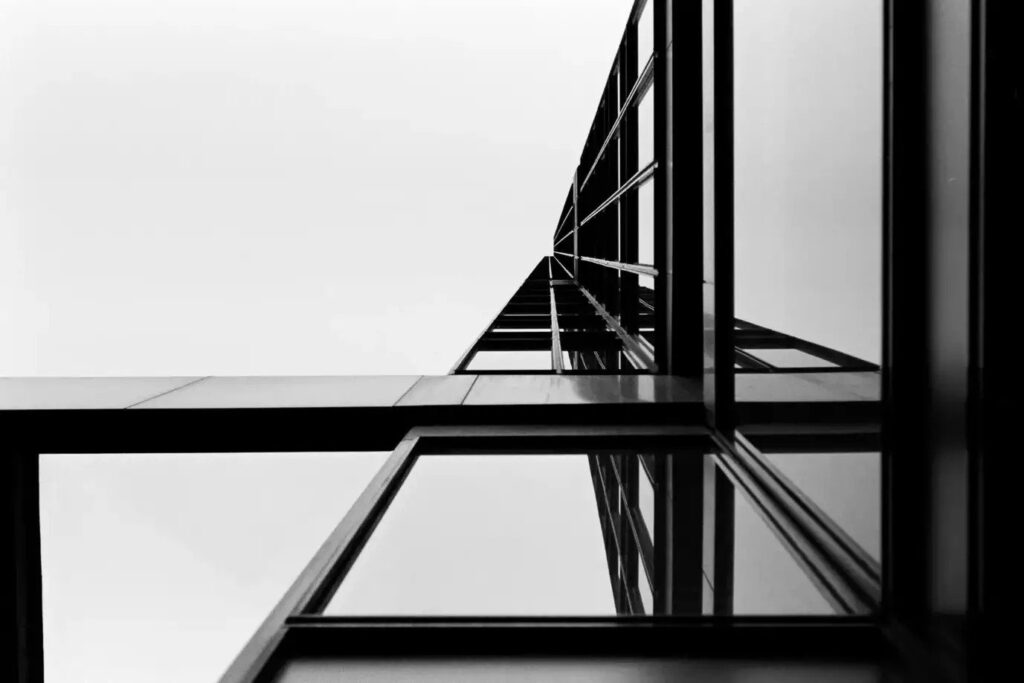
The feature image is taken on the Pentax 110 and the similar one in the first set on the Zeiss Box Tengor. A tribute to both cameras, lenses and films. The Pentax had Rollei Superpan 200 in it, the Zeiss having ISO 25 Ilford Ortho Plus. There is less difference than you might expect.
I had intended selling the Pentax on but these tiny lenses are so good I have invested in an adapter to fit them to my mirrorless Sony. The body is so beyond repair I think I will just take it apart and find out how it ticks.
Share this post:

Comments
Jeffery Luhn on Another Dunedin museum
Comment posted: 26/08/2026
It's interesting to see the quality from both a box camera and a 110 camera. In the right hands, they can still work!
I'd never heard of the Zeiss Tengor camera. Anything Zeiss piques my interest, so I did some research. According to some websites I visited, the Tengor first appeared in 1926 and stopped production in 1956. There were various models with upgrades, but the box design remained simple.We all know about the Kodak Brownie box cameras from 1900 through the mid 1930s with okay results under ideal conditions. The same seems to be true with the Tengor, although the Tengor lens was superior. It amazes me that a box camera would continue production as late as 1956, when there were so many more sophisticated cameras with high quality optics and modern features. Specifically Zeiss folding cameras from the mid-30's. I guess the price point on the Tengor, along with point and shoot Kodak plastic models with plastic lenses, were attractive. My family was one of millions that took loads of sub standard snap shots with box cameras. Fortunately, my great uncle owned early Retina cameras and left us with some sharp images that stand out. I applaud your efforts to use these old box cameras and newer mini-formats. It informs us about various models that will turn out decent images when used thoughtfully. Thanks for your posting. Jeffery