

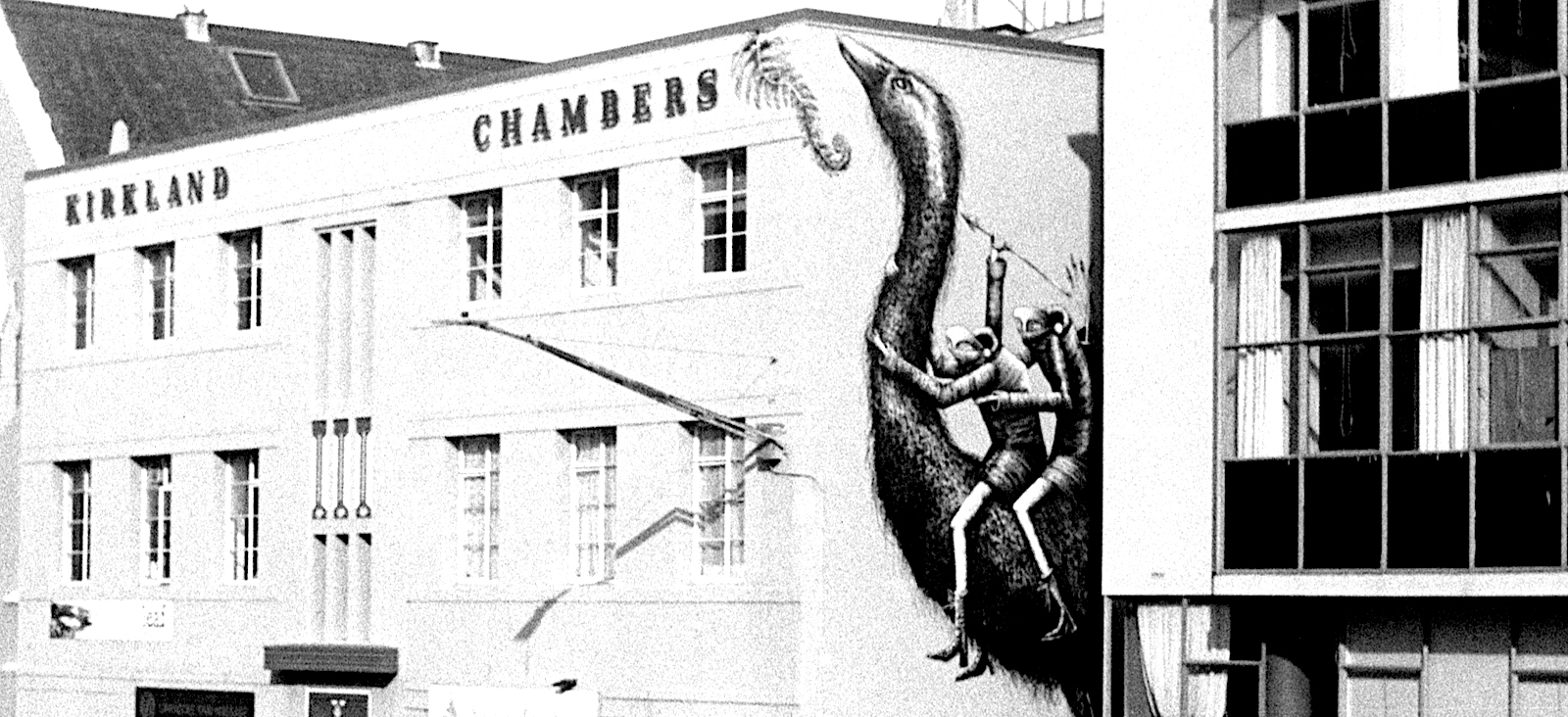
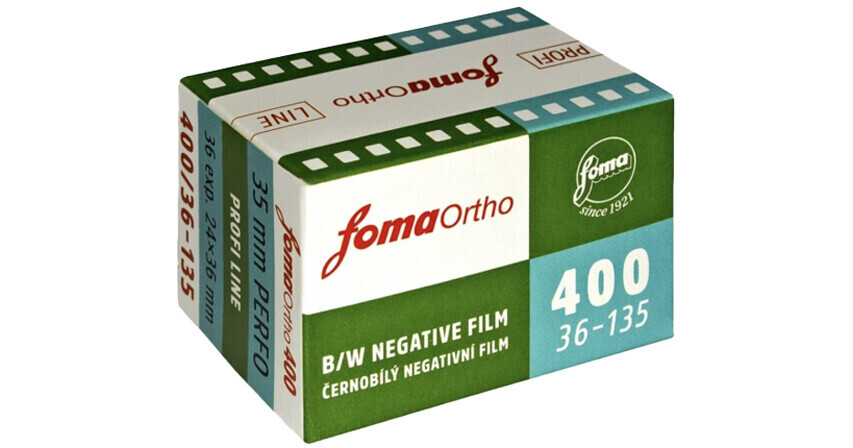
I recently received a roll of this film in substitution for an out of stock order. I had never heard of it until then and it turns out to be another film with the rather contradictory description of orthopanchromatic.
Rollei’s literature describes the film as…”an orthopanchromatic high contrast film. As a b&w creative film it can be exposed from ISO 25/15º to ISO 100/21º with a nominal sensitivity of ISO 64/19º. The images are characterised by phenomenal sharpness, finest light transmission and charismatic contrasts.” It also gives further information and detailed processing times and developers. Extremely high resolution at low sensitivity is claimed.
The previous film I had tried that had the orthopanchromatic description had been Adox CMS II Pro when I had found that the only the red filter had any noticeable effect on tone reproduction and then only by cutting through haze. Learning from the Adox I decided to use it without any filters. Rating it at ISO 100 led me to expect it would not have such harsh contrast. These emulsions I gather are based on security film which accounts for the wide tonal response and clarity.
I decided I would shoot in sunny, early autumn light because I liked the results I had had with the Adox in similar conditions. It may well perform differently in other light and speed ratings.
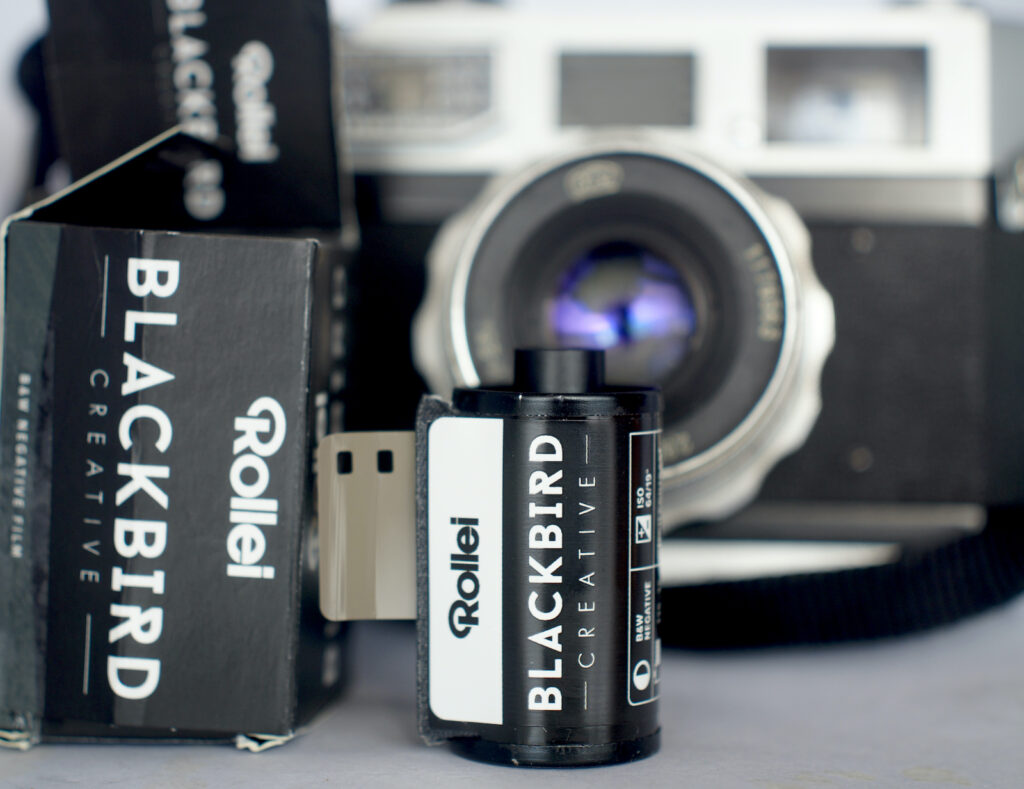
Processing
Helpfully, details of development in various solutions are printed on the inside of the box once opened out. My Rodinal is there, 11 minutes at 1:50 dilution and 21 ºC. It can be exposed at speeds between ISO 25 and ISO 100 depending on the developer in use.
I had some difficulty loading it into my tank, caused I believe by the Canon 7 I was using taking up the film emulsion side out, the reverse of the usual, giving it a slight set that curled the end outwards, binding slightly on the spiral. It is a very slippery material though and should not be a problem with conventional winding.
The other thing is the film base which needs scissors to seperate the film from the cassette. It is a very clear, tough polyester material I believe and doesn’t tear across the cassette lip, my usual method with more usual bases.
I took a nicely exposed film out of the tank so the Canon’s meter is accurate. One gap of several frames was due to me leaving the lens cap on! My feeble excuse is that I was shooting it after using an SLR.
In the camera
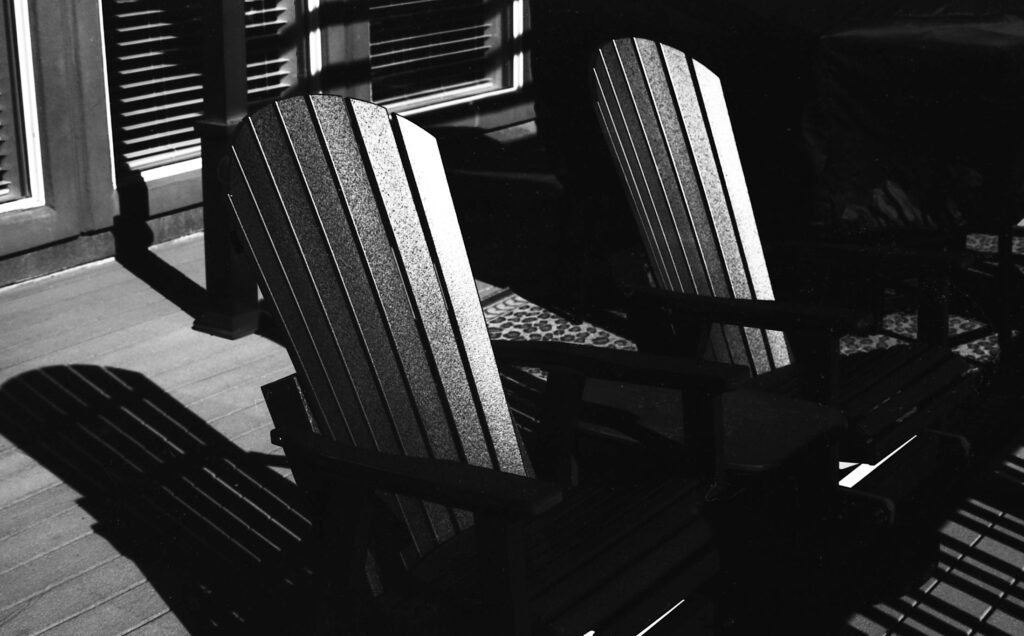
I shot the film in my Canon 7 using the Industar 26M for all these examples.
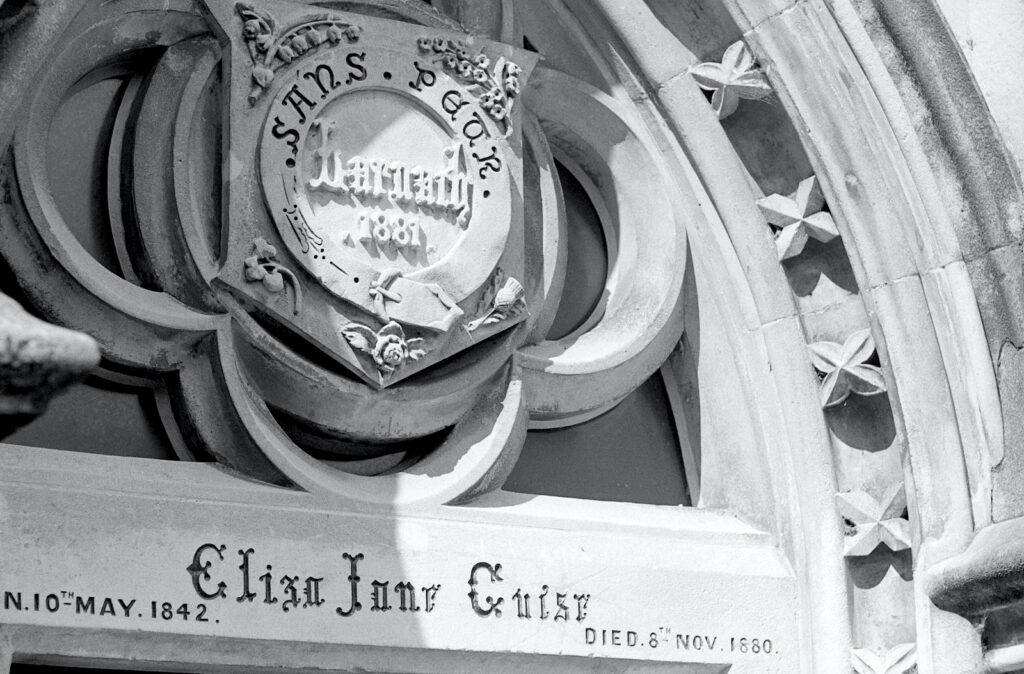
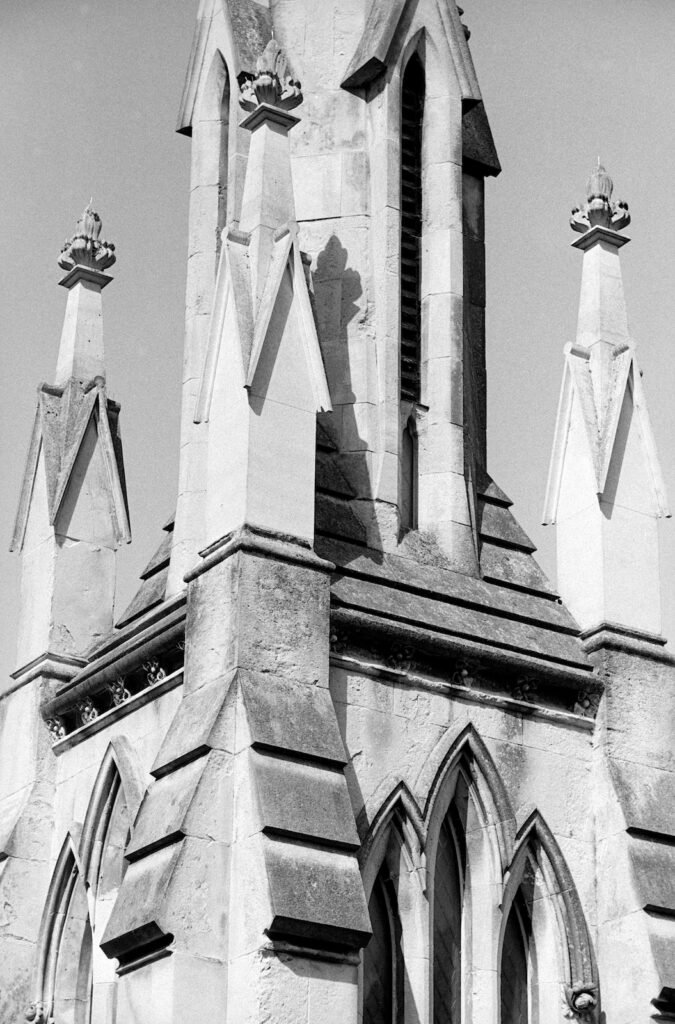
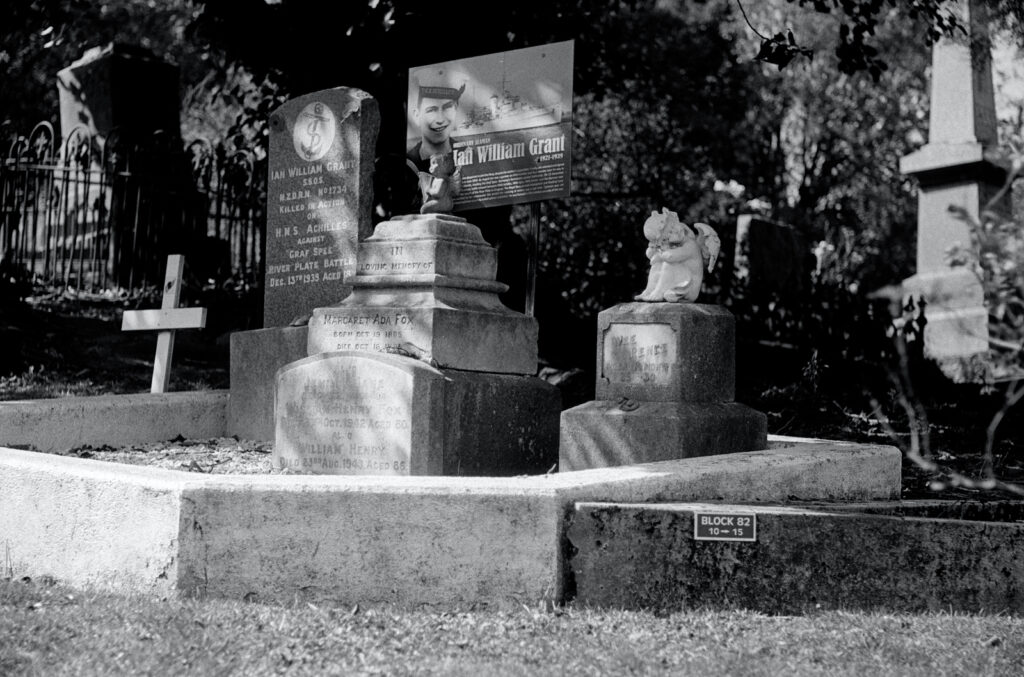
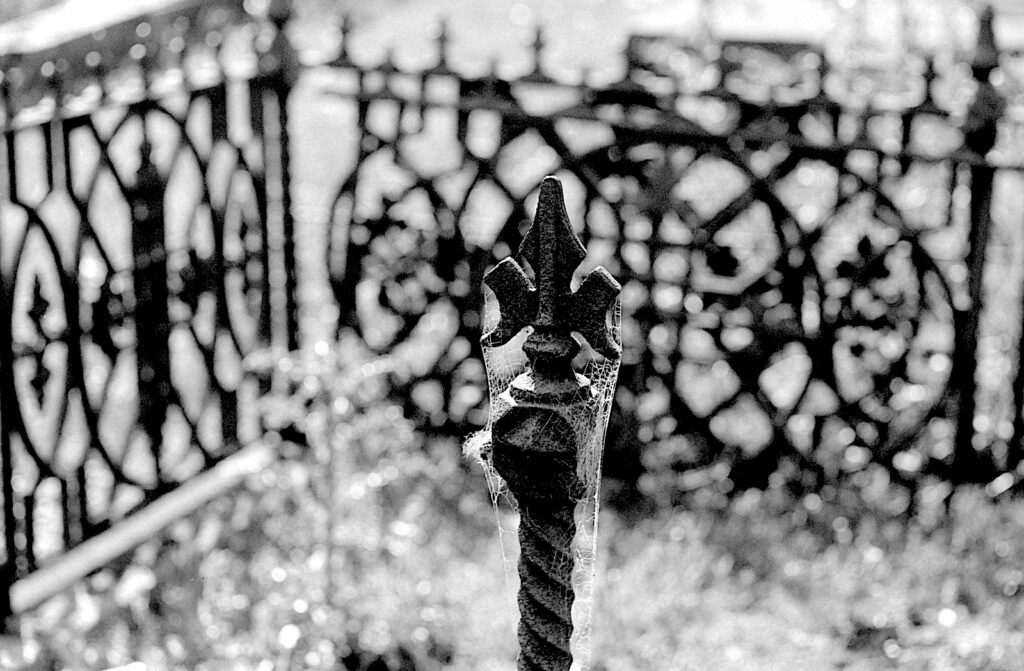
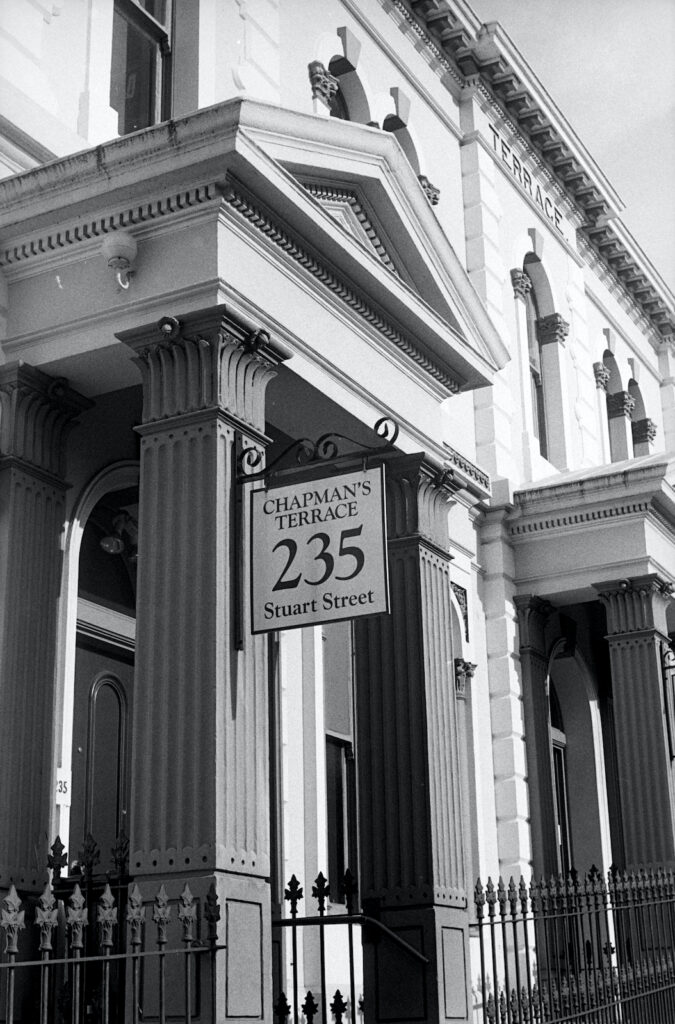
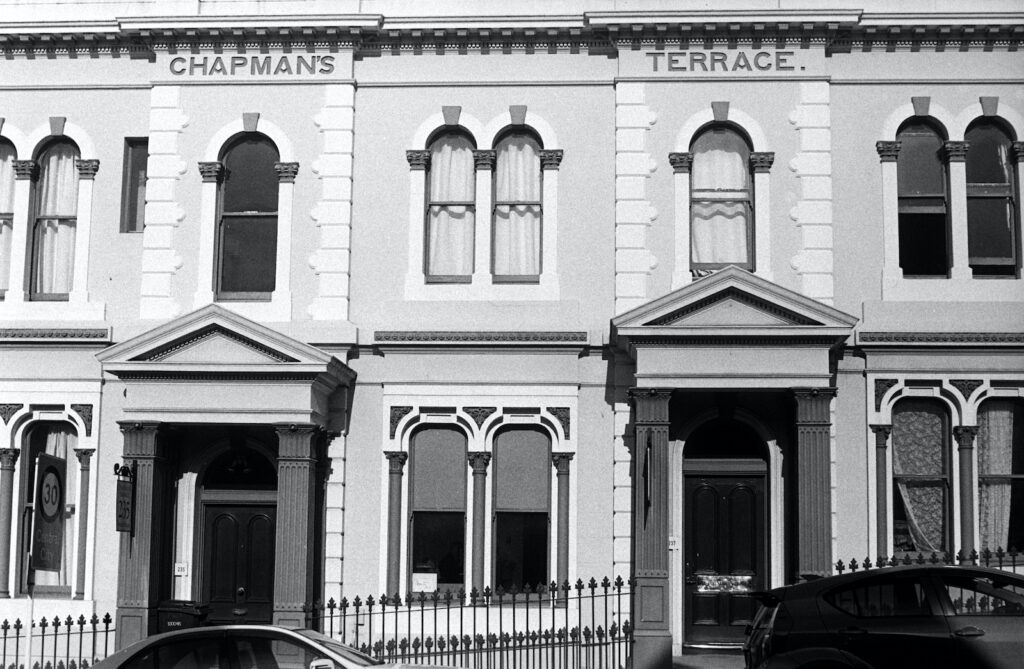
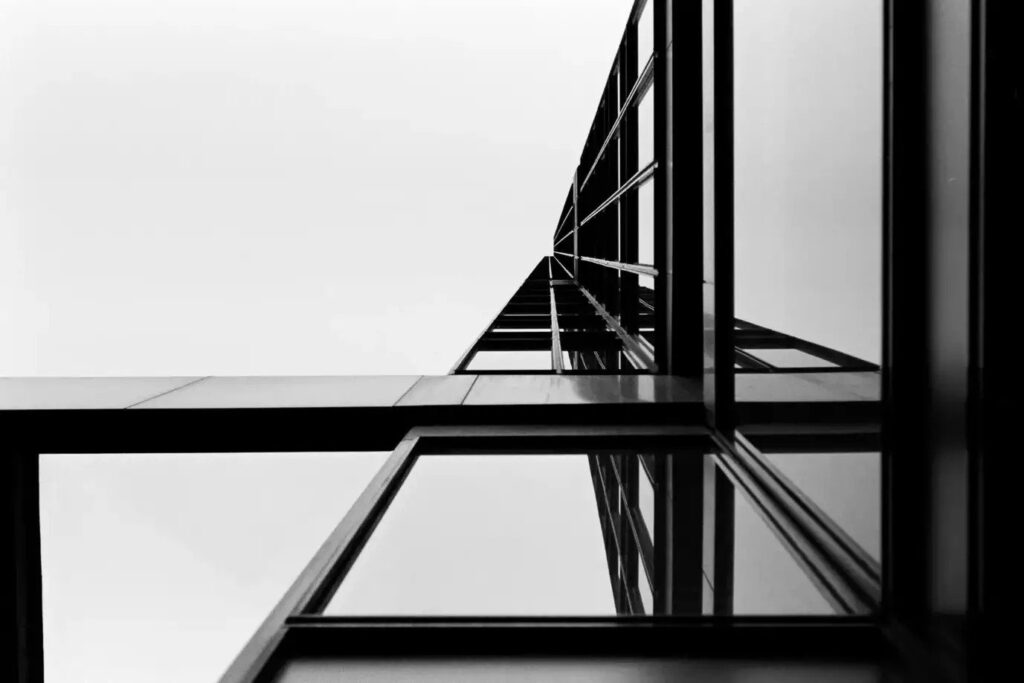
With less contrasty scenes a full tone range is possible, excellent for architectural record.
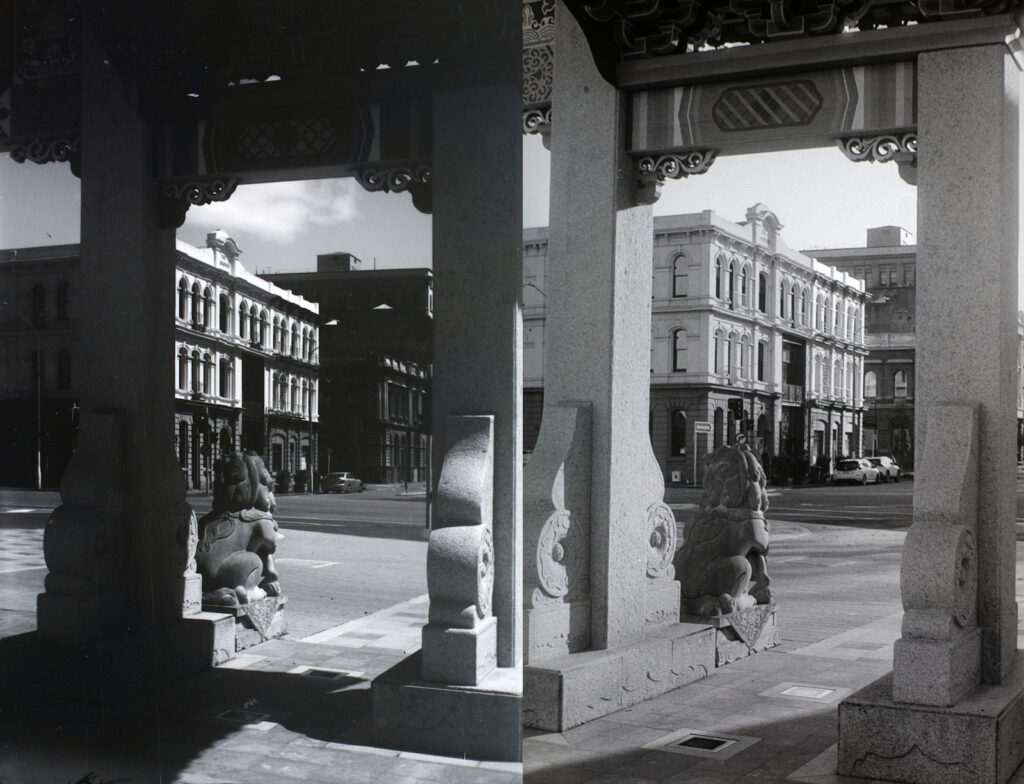
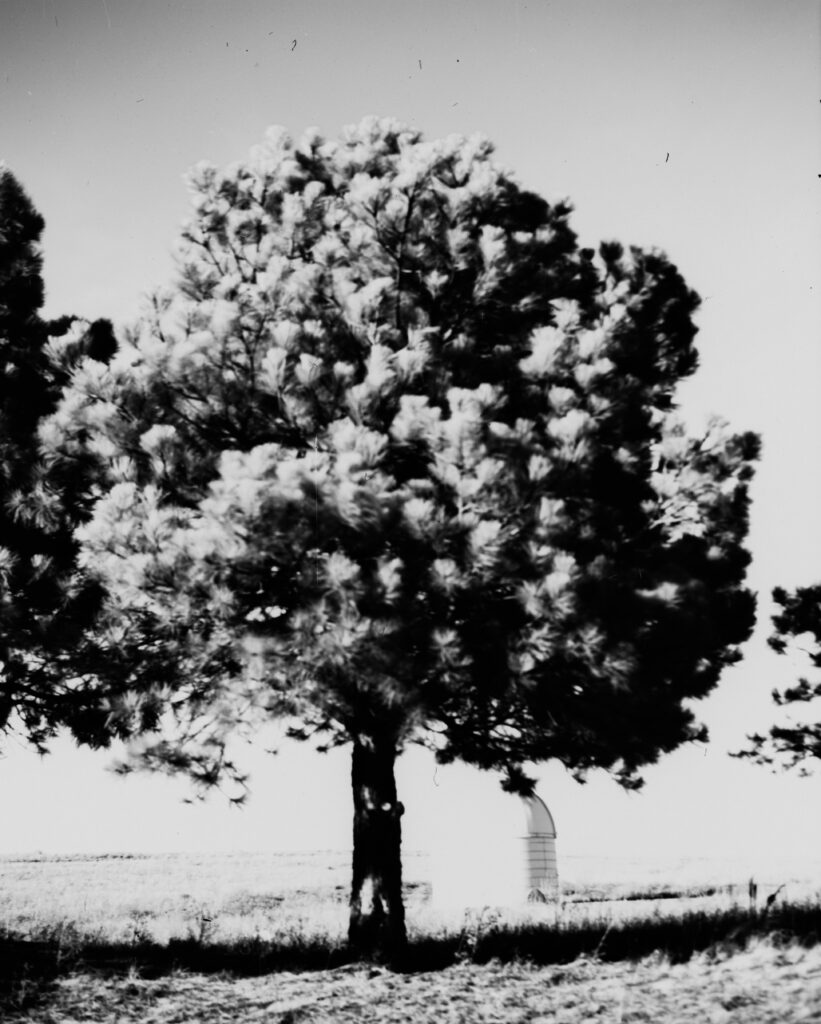
And overall and at this speed rating it is much less contrasty than the Adox CMS II Pro. It does give a kind of micro contrast that brings up detail quite strongly.
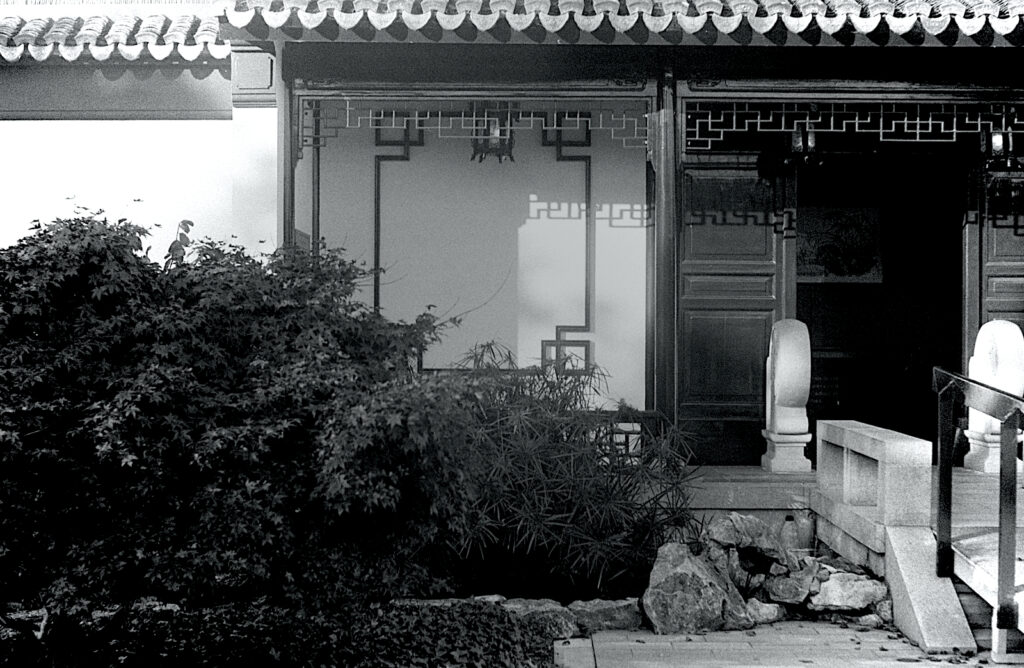
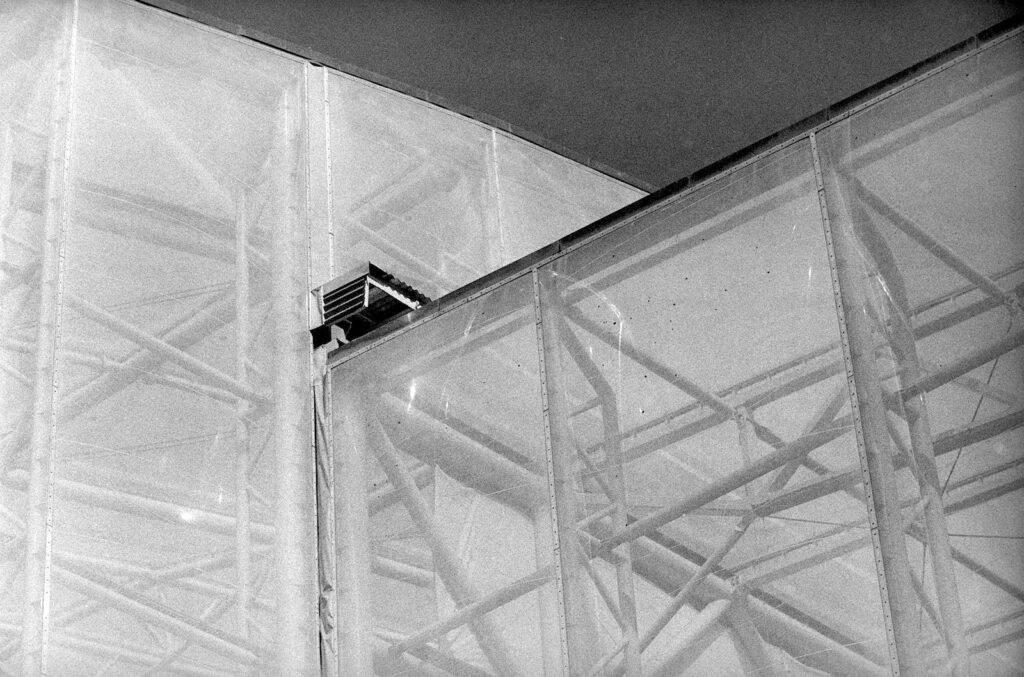
One of its strengths has to be architectural subjects where the tone range and detail rendition comes out so well.
Closing comment
This film has a distinctive character and is certainly less demanding than the Adox mentioned which has similar, if more extreme, characteristics. It allows quite extensive manipulation beyond simple, full tone rendering I have tried to bring out with the feature image. It responds well in Rodinal rated at ISO 100 producing fine, even grain which can become visible in even toned areas. It renders skies well without filtration.
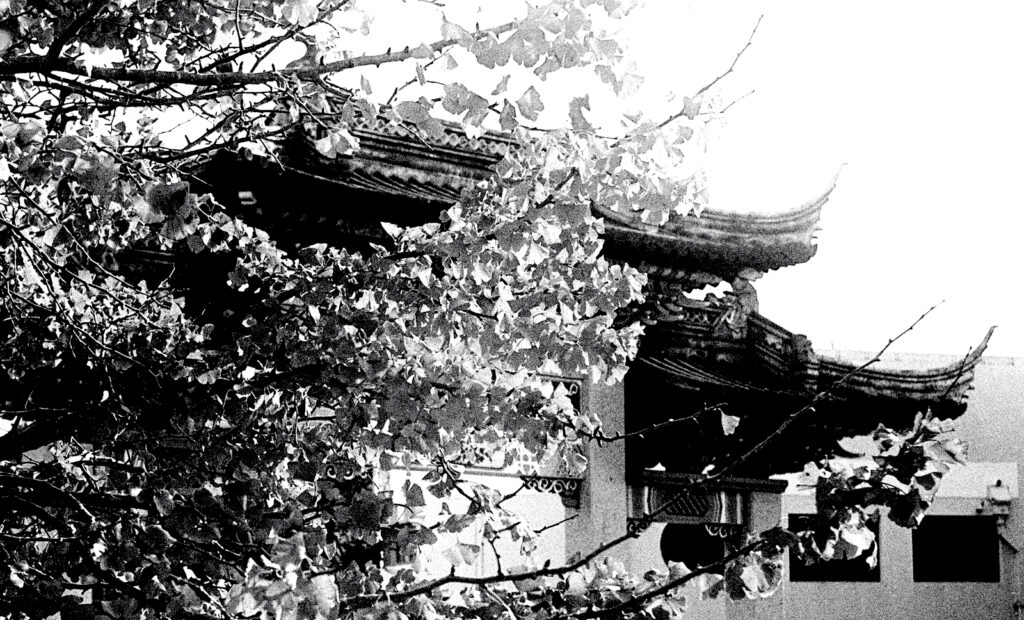
I can see why it was decided to call it Rollei Blackbird. The blacks in the results have that intense, very solid inky black seen on a blackbird’s plumage.
Currently only available in 35mm but with such high level of performance probably doesn’t need to go larger. I suspect my ageing Industar lens is not doing it justice and it may suit other styles of photography more than mine.
I am tending to favour Rollei’s Superpan and Retro films these days. Like this film, they render skies well without filtration, so two less glass surfaces between the subject and film is a good thing. And one less thing to lose. Still, for more specialised purposes it is a film to have in mind, especially architecture as I have said.
Share this post:


Comments
Simon Foale on Rollei Blackbird Creative Film
Comment posted: 26/05/2026
Comment posted: 26/05/2026
Gary Smith on Rollei Blackbird Creative Film
Comment posted: 26/05/2026
Comment posted: 26/05/2026
Omar Tibi on Rollei Blackbird Creative Film
Comment posted: 26/05/2026
Comment posted: 26/05/2026
Walter Reumkens on Rollei Blackbird Creative Film
Comment posted: 27/05/2026
MACO has been in existence for decades and is a wholesaler of photographic products that acquired the Rollei brand rights in 2004. It does not produce its own films; all Rollei films are sourced from various suppliers and packaged in-house. The Rollei Blackbird is an aerial photography film and is produced by Agfa-Gevaert in Belgium.
Don’t get me wrong, the film is fine, and so is your processing technique, as you can see from the results. If I were to rely on a standard modern lab workflow, I’d get a negative for €14 per 36-exposure roll that’s similar to FOMAPAN 100 Classic, which costs less than half the price. To put it simply, you can only achieve this level of quality by developing the film yourself. Thanks for sharing.
Comment posted: 27/05/2026
RichardH on Rollei Blackbird Creative Film
Comment posted: 27/05/2026
I have tried the Adox CMS II stock with Rodinal 1:50, but the grain dominated my results. I will look for some of this Blackbird stock.
Comment posted: 27/05/2026
Scott Ferguson on Rollei Blackbird Creative Film
Comment posted: 28/05/2026
Comment posted: 28/05/2026
Ibraar Hussain on Rollei Blackbird Creative Film
Comment posted: 28/05/2026
I personally would avoid this now, once I would've jumped at it as was a fan of Rollei Retro 80s.
I think either Fuji Acros 100 or Ilford Pan F would give almost as inky black but still manage to keep highlights in check.
This reminds me of the Sverna film I used once
Comment posted: 28/05/2026
Comment posted: 28/05/2026