

Process. Process. Process.
Purpose dictates decisions about kit (as well as timing, location etc.): do I have a pre-planned set of images I want to take, or is it a photo-walk serendipitously spotting images? This may indeed require the digital not film route (but lets ignore this infrequent possibility) and influences all the following decisions.
I pick up the camera (mostly a rangefinder), check the battery (if any), select a lens (typically 50mm) or lenses, get appropriate filters, check lens/filters for marks, and choose film(s) (usually one of FP4+, Delta 100 or Fomapan 100). I get the hand-held incident light meter and brush up my dusty Sunny 16. After thinking about the developer I’m going to use (typically PMK Pyro) I set the appropriate ISO on the camera and/or meter taking filter factors into account (and this may change during the time taking photos), and I also need to put that developer’s characteristics into my mindset to help select the best images. These initial decisions have already constrained the type of images and lighting that I can effectively work with – and on the other hand removes questions like which lens?, colour or black and white? – I’m already mentally focused on B&W and set angular dimensions.
I pack my small shoulder bag, adding wallet, keys, emergency chocolate, cold drink in summer, phone for when I get lost, medicines, bear and mosquito repellent, condom (you never know), …
Then I travel to my destination – which may be a flight away or outside the front door. Let’s suppose it’s somewhere I’m not familiar with and I’m there for a couple of days. I will have looked at various sites on the net to get an idea where might present the subject matter I like to photograph. Going outdoors I assess the light (brightness, contrast, possibly rethink my developer plans) and go for a recce, and as I go I OBSERVE (the possible image, direction of the light and time of day, the surroundings and how there might be a reason or purpose for the subject that caught my attention, are there related subjects nearby also worth photographing, what is the environment – wealthy/impoverished/natural/man-made ….), and taking images, noting location and possibly taking a phone shot with GPS marker. Then and the following day (early morning or late at night included) take my images revisiting interesting places I have been to and exploring further.
For each image I need to think how best to expose the film. And here I’m talking about 35mm/MF film not LF film (where the subject is more complicated with options of plus or minus development and choice of developer for each individual image). Are the highlights key to the image or if they are burnt out will they be distracting? Are the lowlights important or is it fine to bury them? Should I be composing differently? Is including the sky important or helpful to the shot? Would incident or reflected light metering be best, or something else? This is where I am lost in the moment – distractions not allowed and my brain is totally focused on the image. Many of these decisions are specific to film – digital can often ‘correct’ poor image selection in post.
Walking around, interesting scenes or opportunities might unfold, chance interaction with other photographers or local residents who may even have suggestions for other photo opportunities or somewhere good to eat.
Back home film gets trimmed, loaded into the developing tank and developer, fixer, wash water and final rinse-aid wash prepared. Pyro development requires regular agitation giving me an opportunity in between to do squats. After development, rinse, fix, and a return to the developer for toning, then the wash cycle and after the final rinse the film is hung to dry overnight – with a sigh of relief and satisfaction if all is well. A congratulatory wee dram awaits.
All the time computers and software are nowhere to be seen, I’m not sitting at a desk but I’m interacting with the world and myself not a bunch of plastic, chips and naughts and ones.
Of course some of the steps described above are common with digital but the main difference is SEQUENCE. For film many decisions are made before or at the moment of taking the image constraining what can be done and forcing deeper thought; for digital those decisions can be made later sitting at a desk in front of a computer screen (did that for 40 years, no more).
A film photograph captures not just the image but your thought processes at the time of taking the photograph.
Next day film is sleeved and we go on to the printing process – but that’s another story for later.
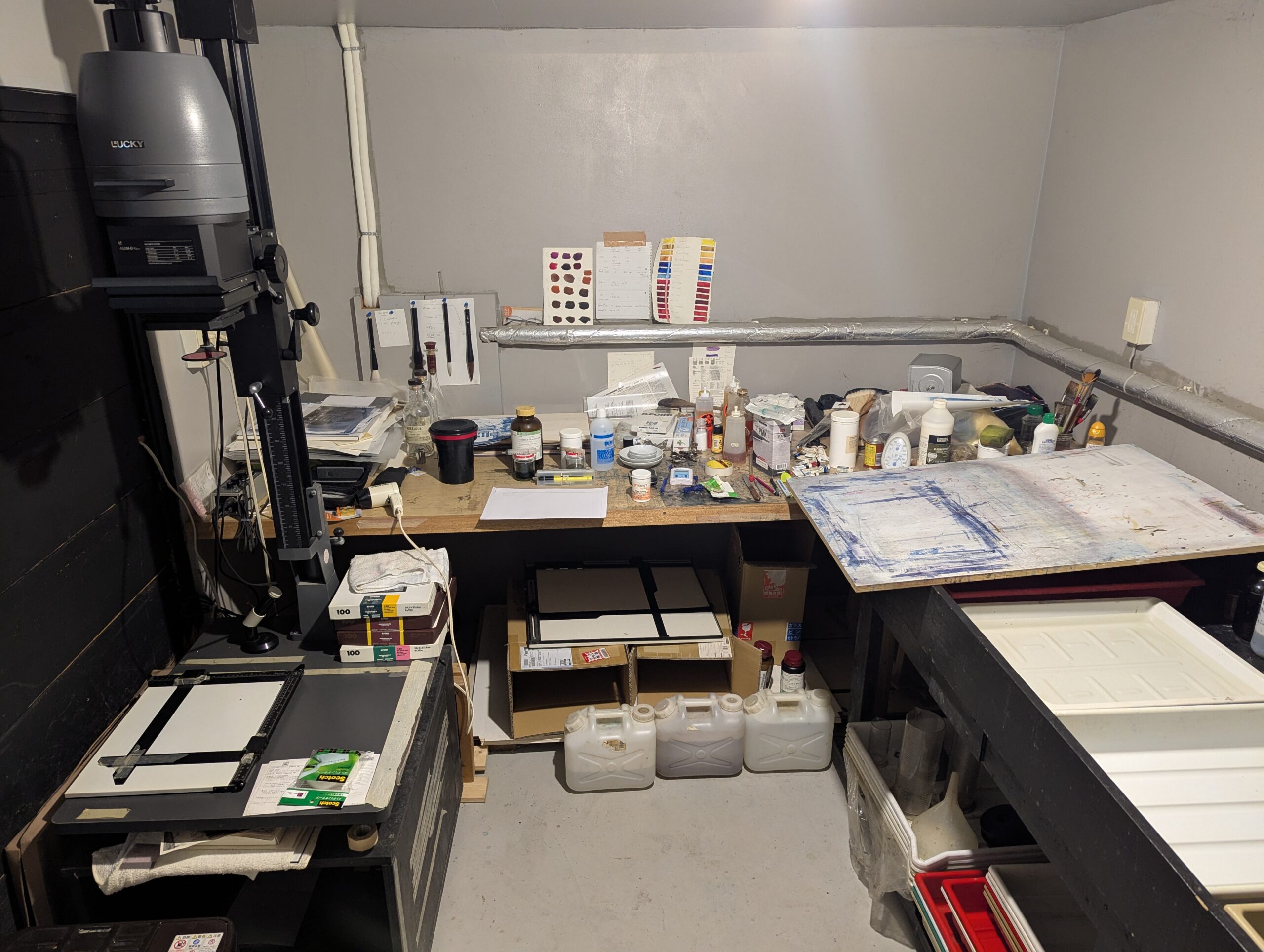
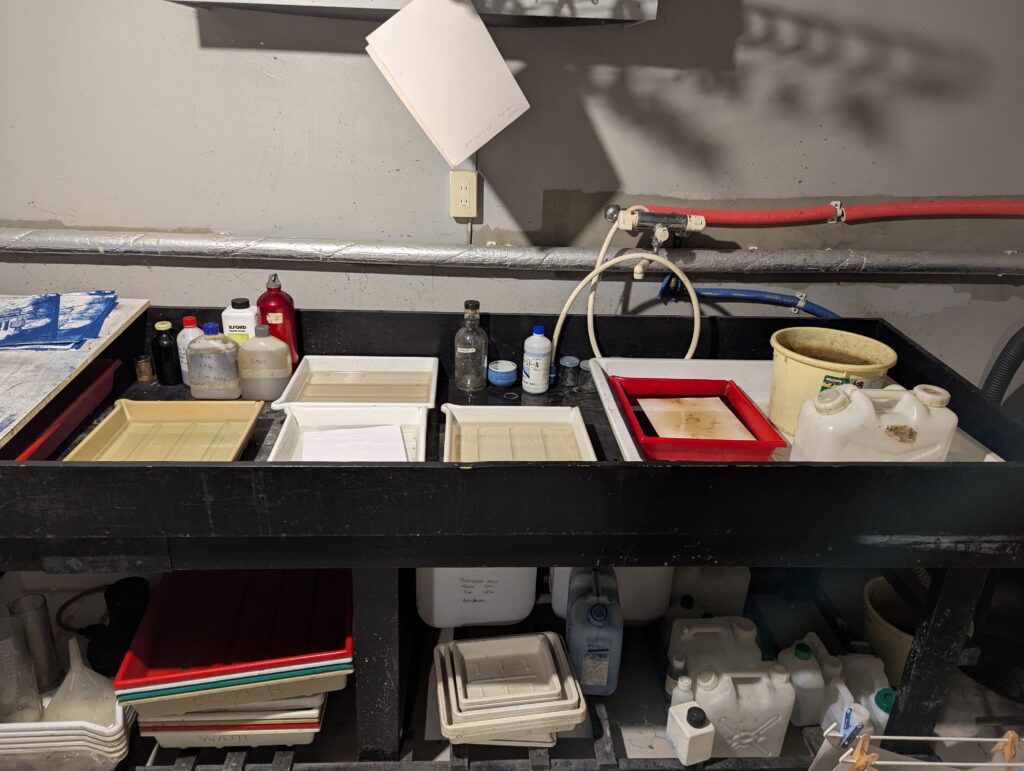
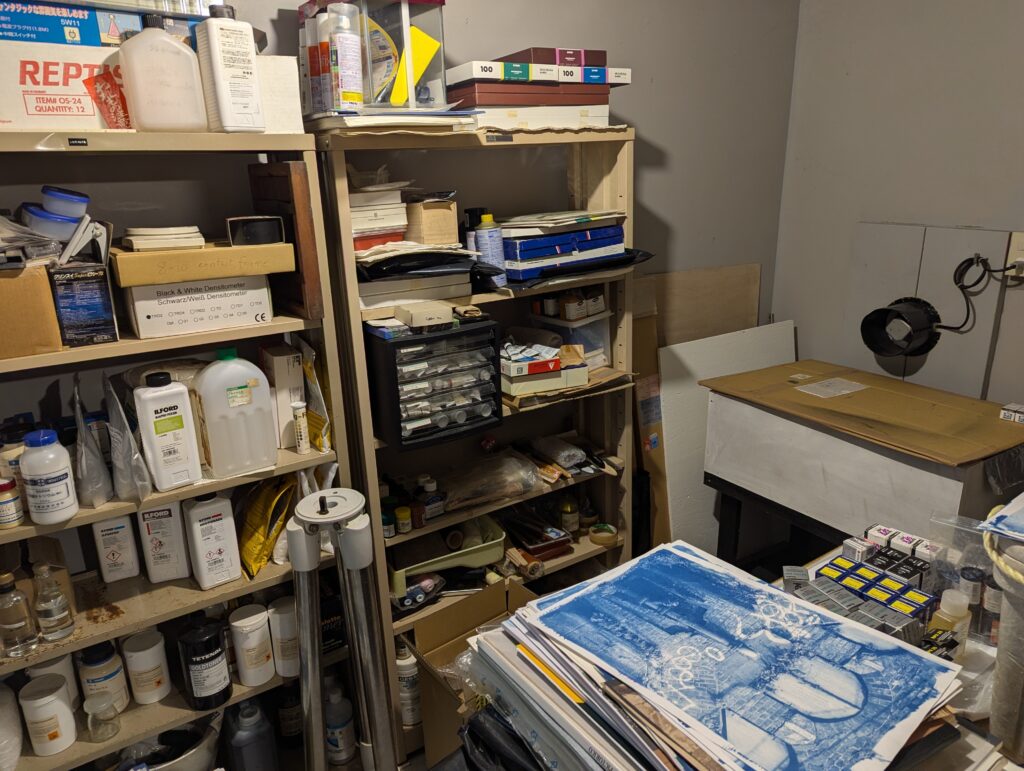
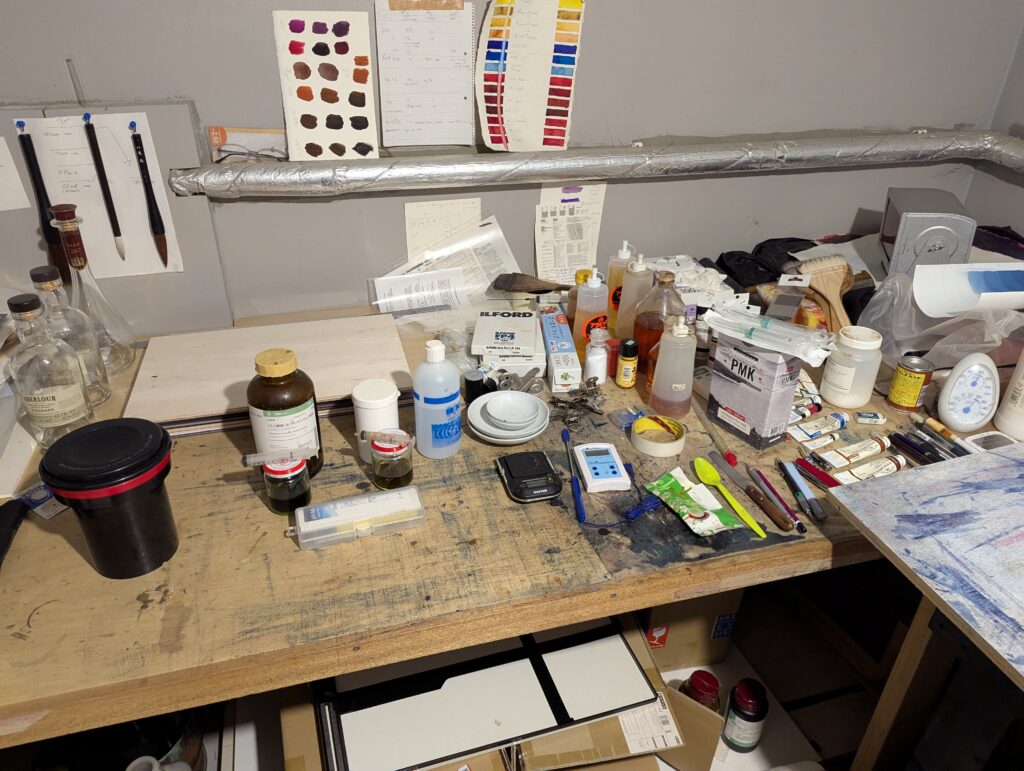
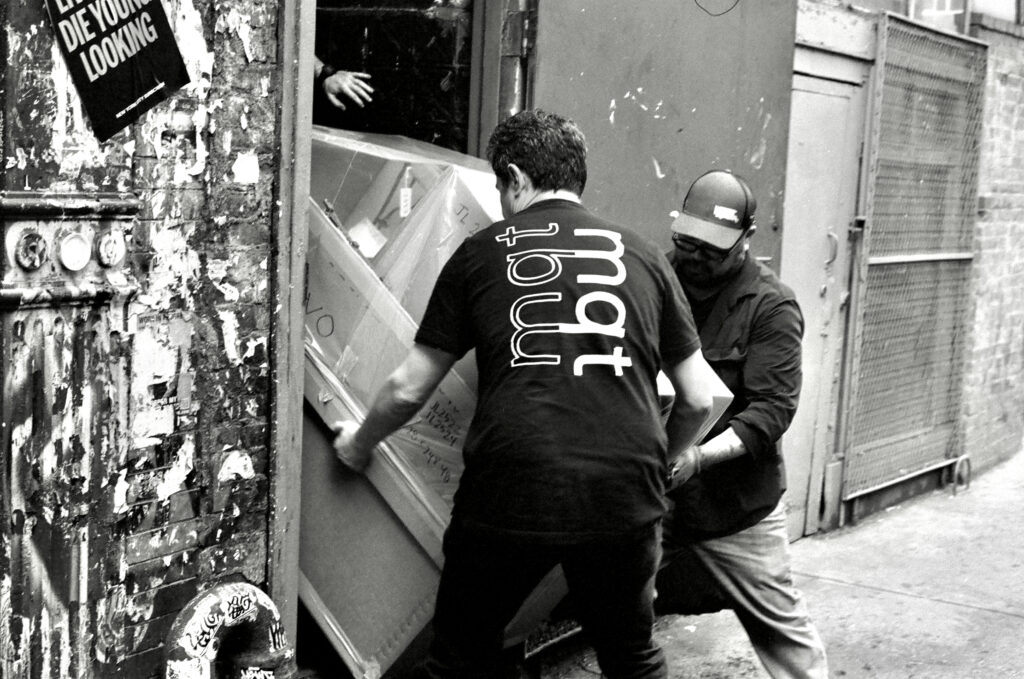
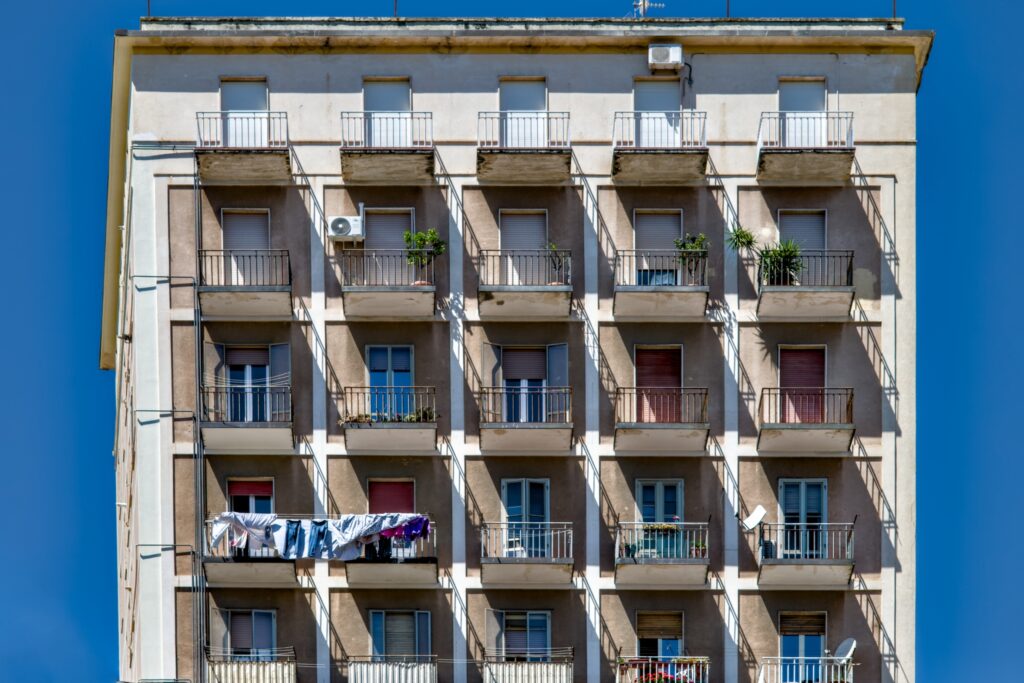
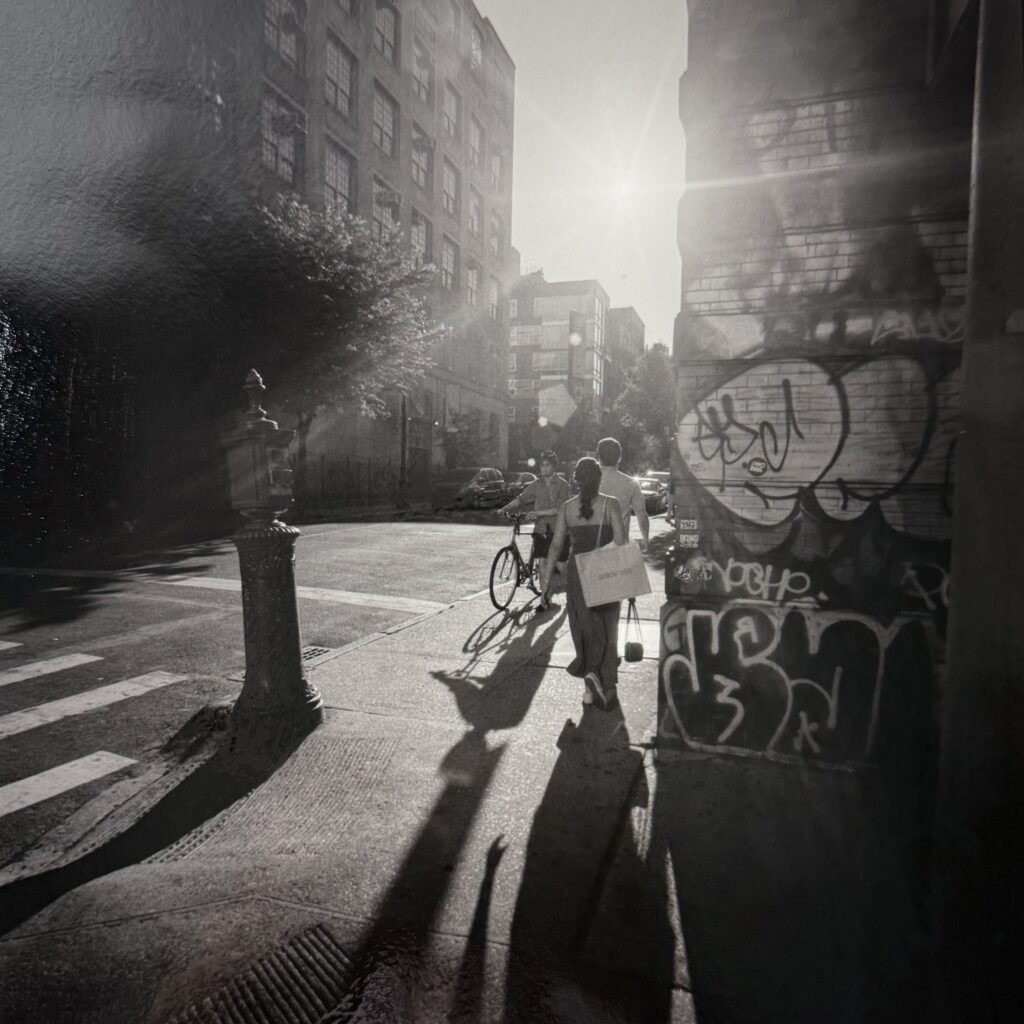
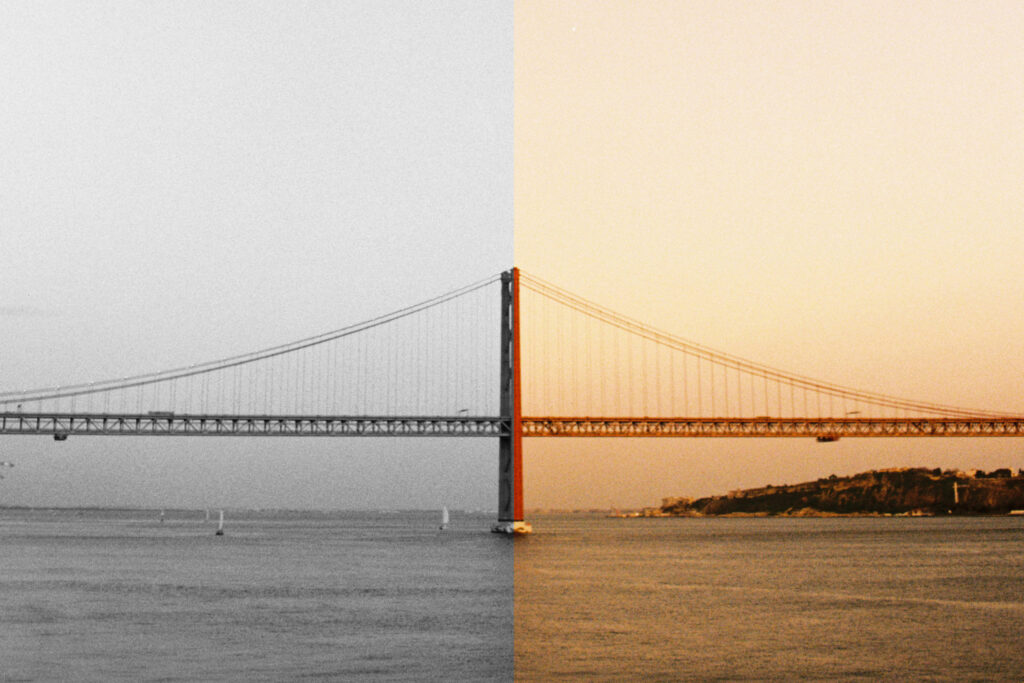
The featured image and those below show my playroom.
Aster made the following comments in response to my article on ‘filters on digital’ which I wholeheartedly agree with
I generally prefer practical effects to editing. I find it keeps photos grounded and plausible. And maybe it’s crazy, but it feels rewarding to take that extra beat to read the scene, decide what the photo needs, and not have the option to take it back later. In a digital world with endless possibilities and infinite undos, I like to hold on to some creative constraints.
I’m a process person and while digital is amazing for ‘getting’ the shot, I struggle to replicate the joy of ‘making’ the shot.
Share this post:





Comments
Chuck on Why I shoot film
Comment posted: 02/08/2026
I learned to use a home darkroom in my high school days. (Sunny 16 rule, etc). In our little city there were about three darkrooms available. Now just one.
My best cameras were by inheritance and gifts. Lucky me! Most recent rolls were shot with 1. an Olympus D2 ... gift from my dad (RIP), and 2. a Kodak Pony 135 (made approx 1955 ... appears brand new). My favorite photos are informal portraits. I have a couple of 100 ft rolls to use up.
My dad advised me ... before I leave the house, I set the exposure to the outside lighting, and set the distance to about 15 ft.
I hope you will post some photos.
Chuck
Michael Kaplan on Why I shoot film
Comment posted: 02/08/2026
Enjoyed this article immensely. I really appreciated the break-down of process. Actually beckons back to an article I wrote back in 2020 on the “Act of Photography.” Interestingly, I’m at the approximate place but at a polar opposite. After 50 years shooting film, I have switched over to digital completely. Your process, which was pretty much the basis for my aesthetic undertaking for so long, had finally reached a point where it was proving to be more of a hurdle than a creative construct. Too many factors (financial, time, physical limitations, etc.) blocked my process and stunted my aesthetic growth. In a moment of clarity, I succumbed to the inevitable and bought my last roll of film at the end of last year. Your article reminded of what I loved most about photography and celebrated it for half a century. Now to look forward with refreshed insight. Thanks for the prose.