

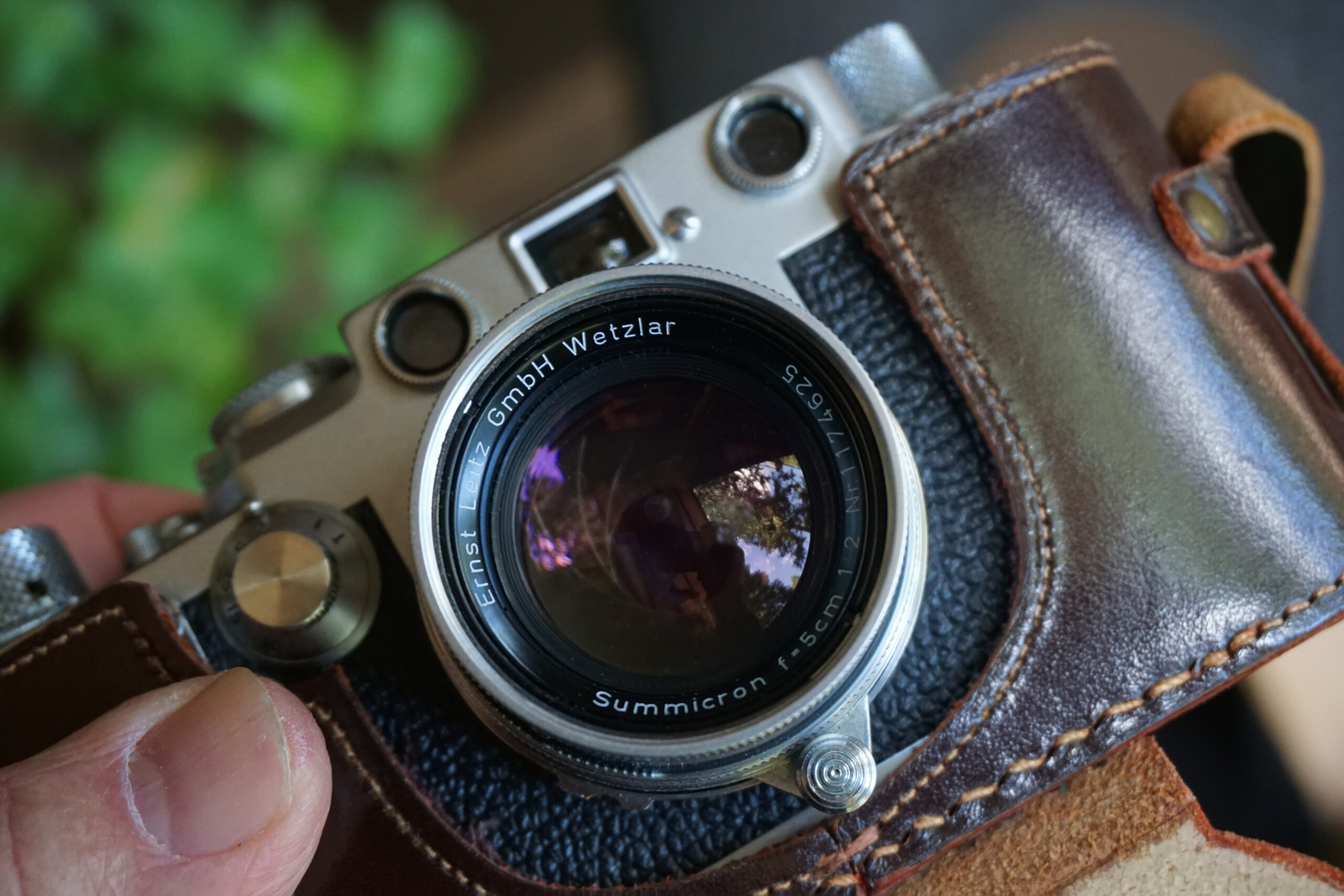
Am I un-Leica? No… Well in the case of a IIIf, yes I am.
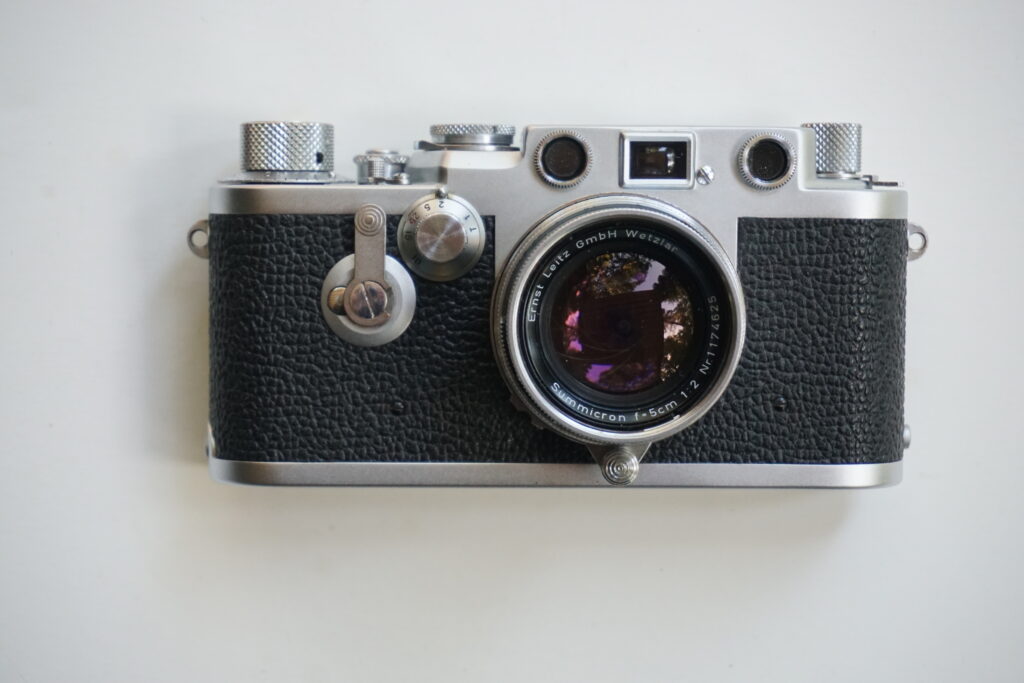
I’ve been giving some thought as to why I’m not a Leica user. It’s not because I don’t like them. What’s not to like? I did attempt a conversion a year ago when Thad, a fellow photography instructor, offered me his IIIf with several accessories for $300. It was a gift price, especially because it had been recently CLA’d and was cosmetically perfect. In my 74 years I’d never shot with a Leica, so I looked forward to this opportunity. It felt great to hold and I loved the collapsible lens. I shot some tests.


It was difficult to load, hard to focus, film advance was a chore, and the results were meh. I could not operate the camera fast enough to match my workflow. Something was wrong. I shot another roll and photographed some subjects I usually shoot with any newly acquired camera. I compared the IIIf results to shots with a Zeiss Contessa, Fed 3, Canonet G-III, Konica-III, Kodak Retina IIa, and Nikon S-2. As before, the Leica was a disappointment. Harder to use in every way and not sharp, even when stopped down. I redid the shots using a LTM Industar Russian lens. Those results were much the same as the Leica Summicron. I borrowed a Summilux lens from a friend and ran a roll of film. Better sharpness, but only a bit. How could millions of Leica users be wrong? Maybe the rangefinder needed adjustment? I checked it with a measuring tape and to the best of my efforts, it was accurate. Am I cursed?
Thad had the same experience with it and didn’t want it back. He asked me to sell it on eBay. It sold for $950 in less than an hour! It had several accessories, so the price was right. The buyer has since posted feedback that was gushingly positive. At least someone is happy with it. For me, that Leica model wasn’t right.
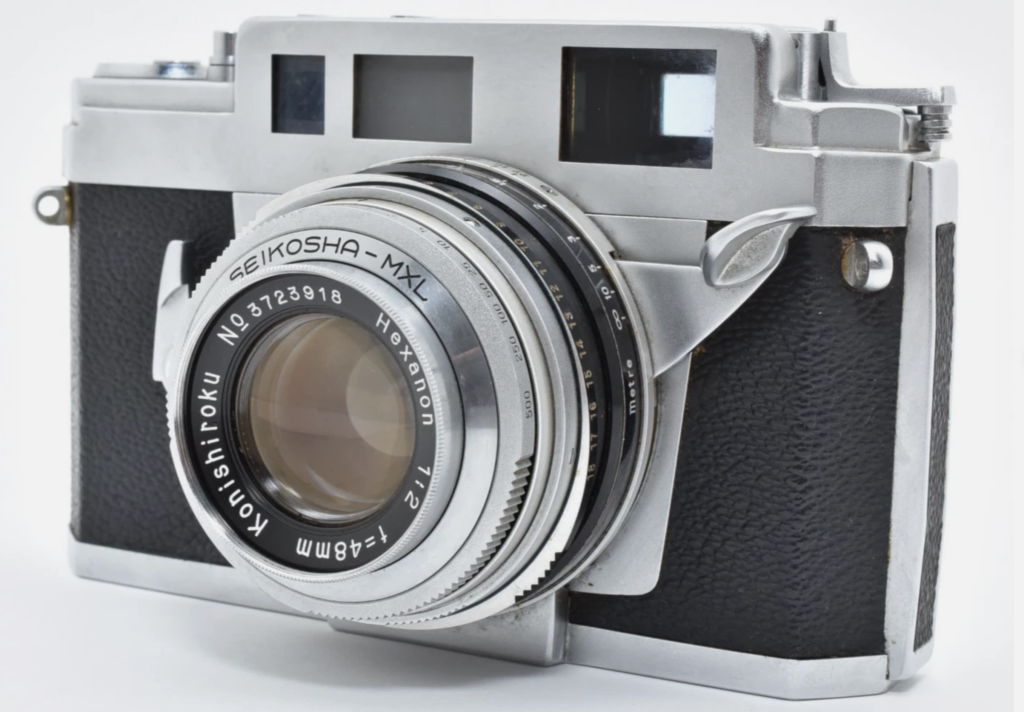
In my opinion, if a person is going to shoot primarily with a 50mm, there are fixed lens rangefinders that will perform better than the Barnack era Leica I tested. From 1954, the Konica III is a great camera. The film advance is located on a ring around the lens and is operated with the left thumb. Wow, that is convenient and fast! The F/2 48mm Hexanon lens is tack sharp. My model is in great shape, and the rangefinder is accurate at the closest distance of 3 feet. It cost me $154 USD in Feb of 2026, including shipping from Japan. It is the fastest rangefinder for focusing and film advance that I own. It feels great. Bright 1:1 viewing. I believe the Konica III is the best bang for the buck in its category.
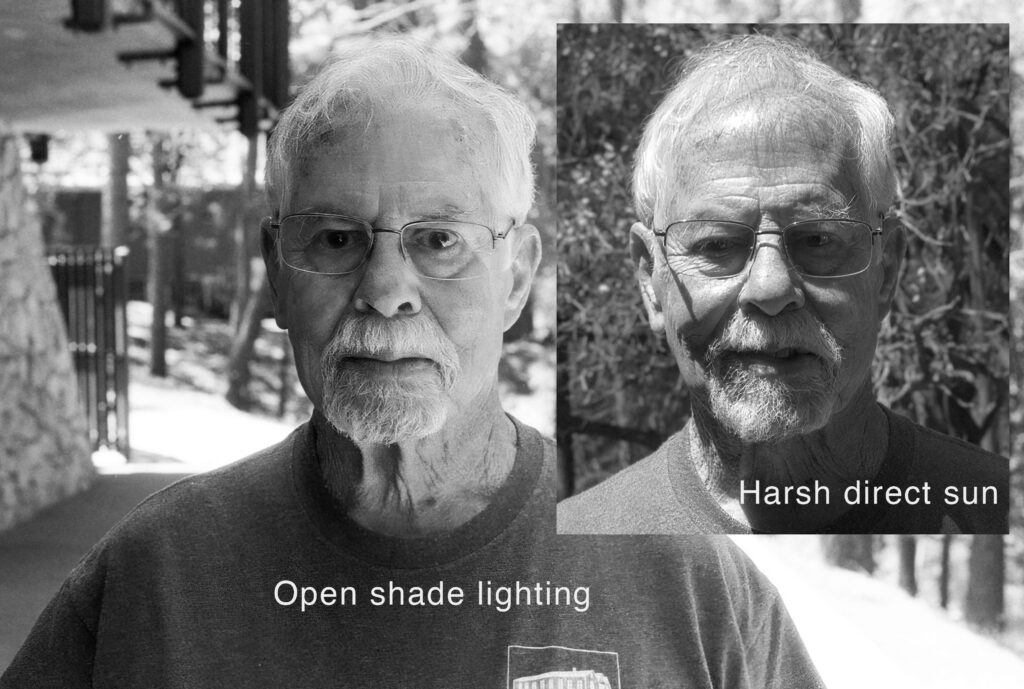
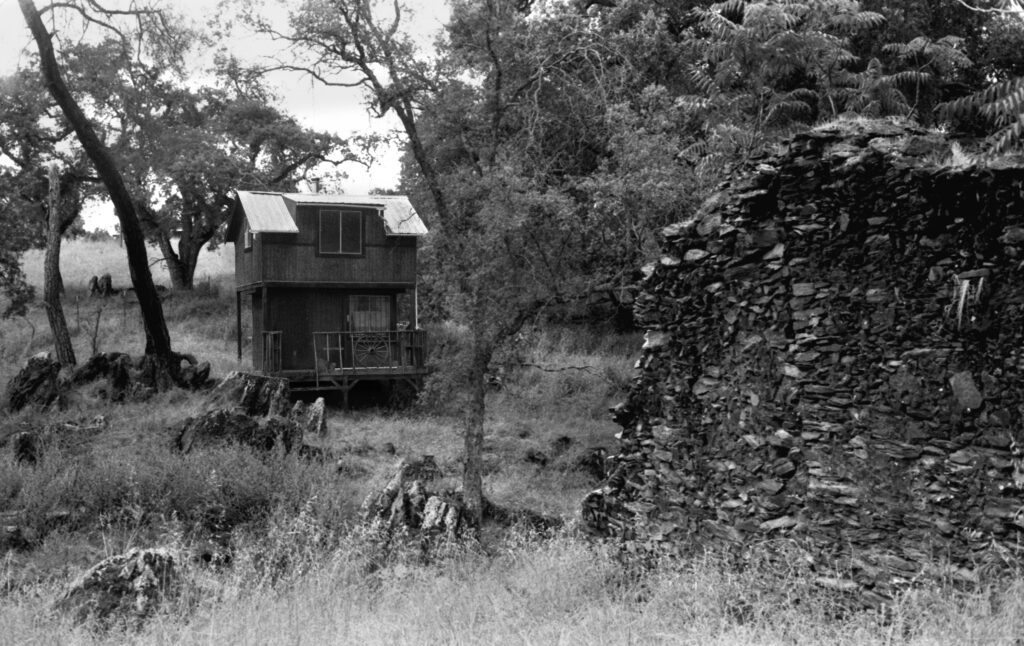
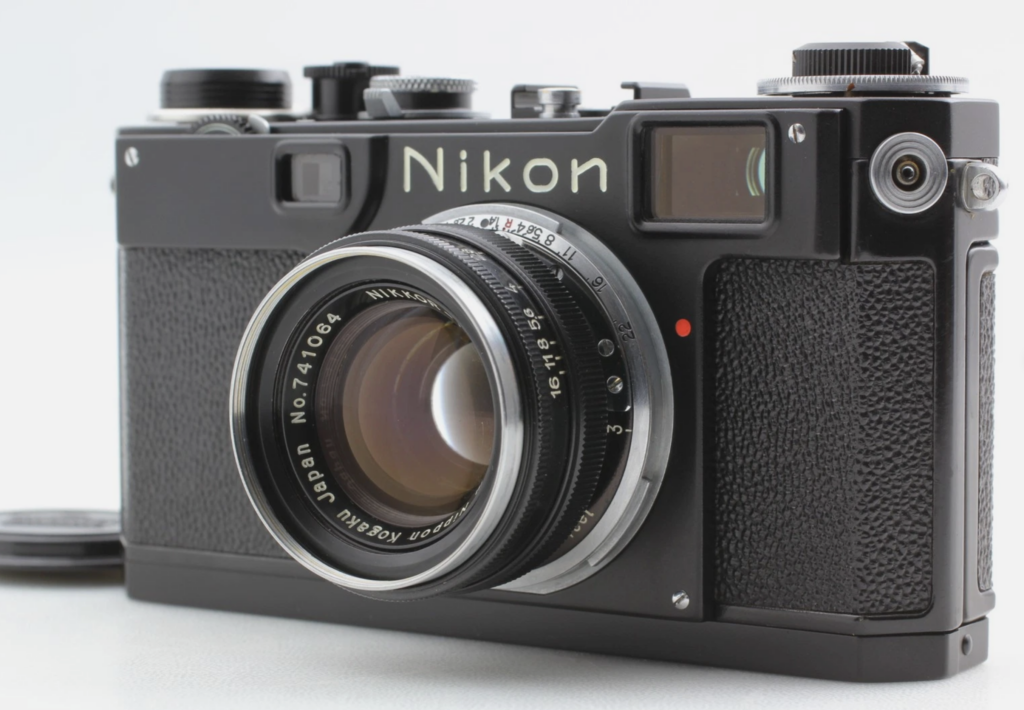
Another rangefinder from the same era is my beloved Nikon S2. The film advance is a thumb driven one-stroke lever in the conventional location. I find the focus to be quick and bright. It’s not as silent as the Leica IIIf, but the ease of focus and film advance makes up for that. The three lenses I have are all sharp, but the 35mm is a real standout. I paid $750 in June 2025 for the camera, 35mm, 50mm, 135mm, viewer, manual, and vintage Nikon leather case. A Nikon S2 with a 50mm is normally about $550.

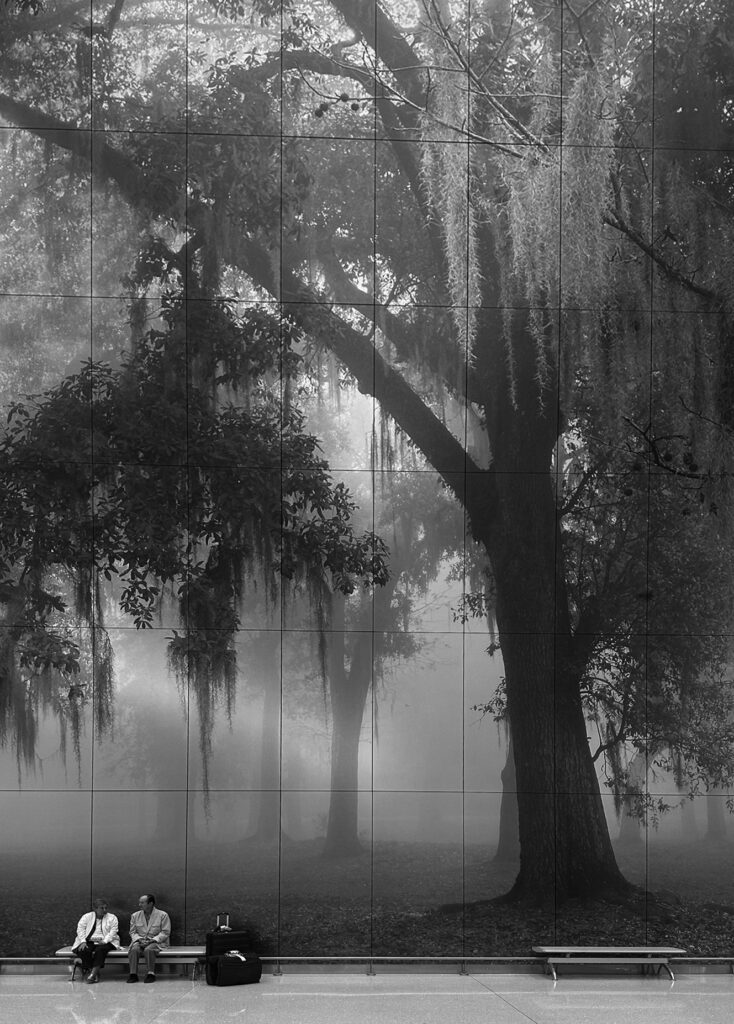


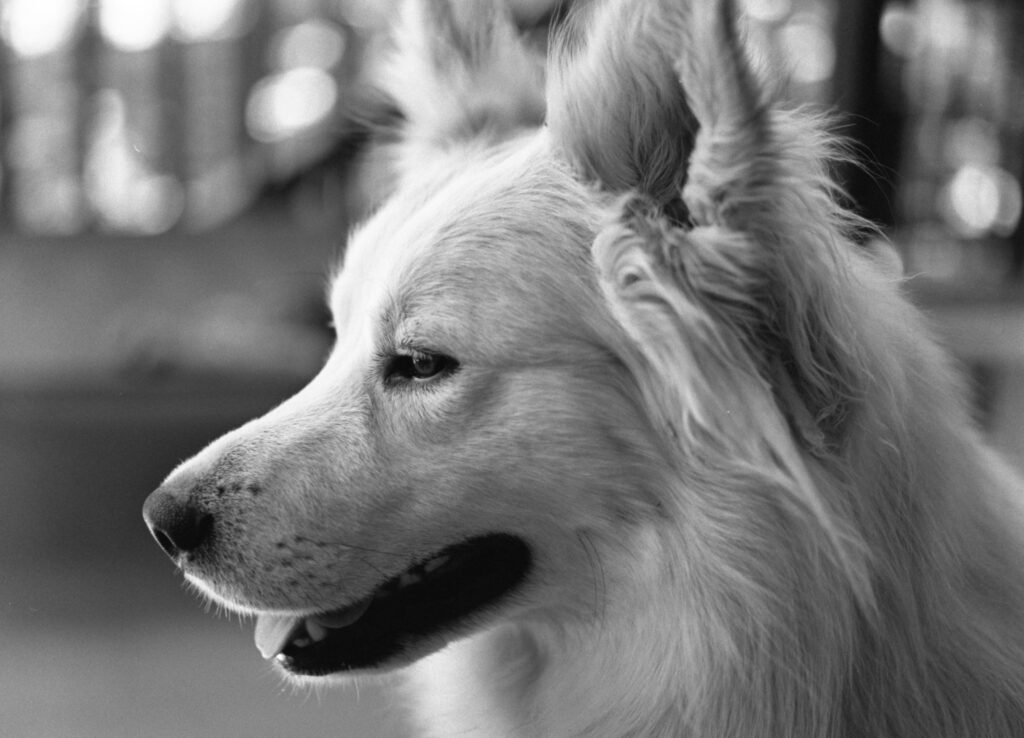
Another camera that’s worth mentioning is the Kodak Retina IIa. It folds into a small form and fits into the back pocket of a pair of jeans. I inherited mine in 1969 and used it on endless backpacking trips. The Schneider 50mm lens is sharp and easy to focus. Sadly, I dropped my Retina IIa through the ice into the Stanislaus River. I bought another but haven’t done much with it yet. These photos were taken about 40 years ago!
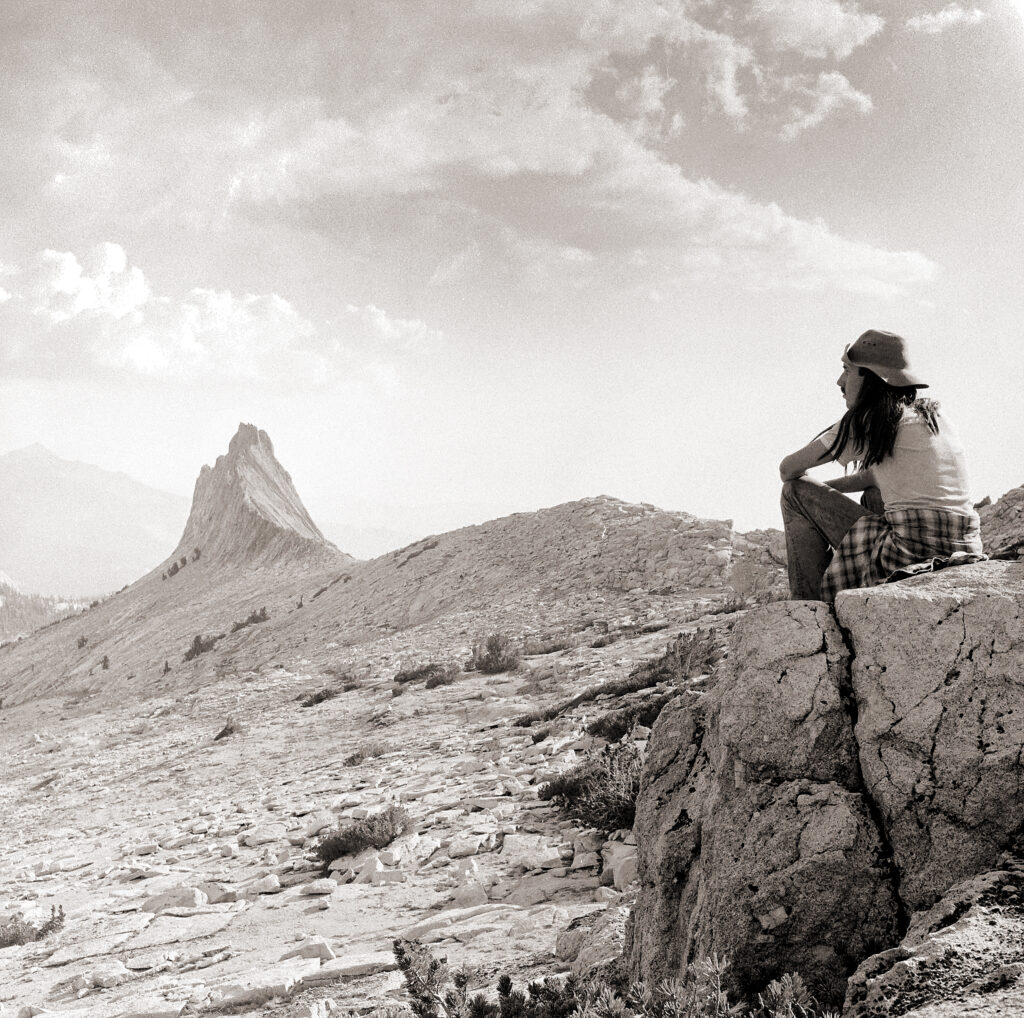

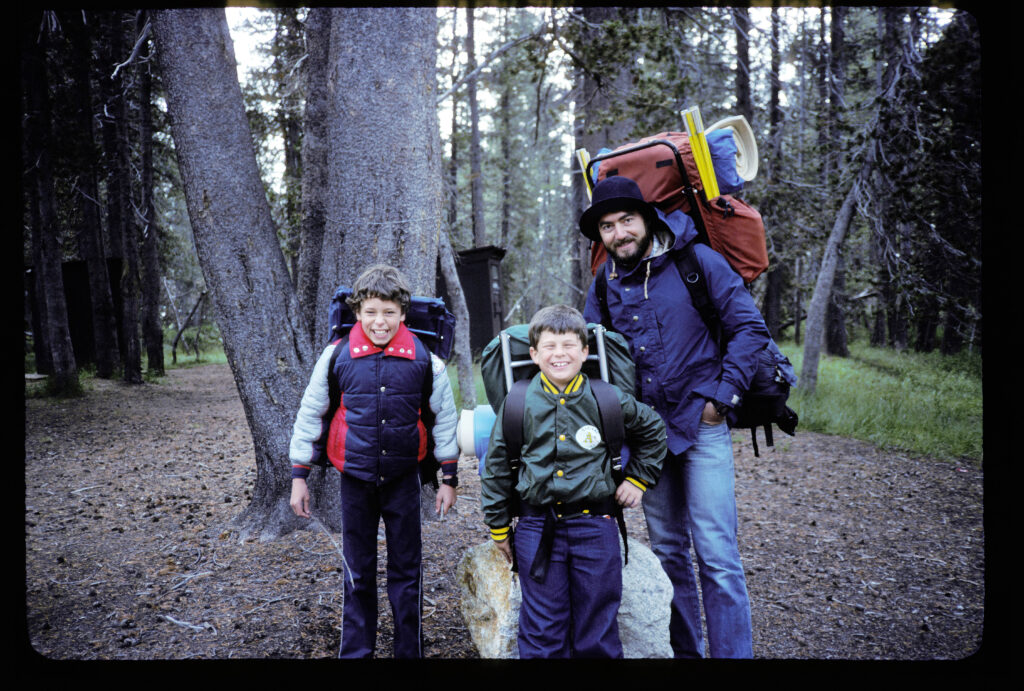
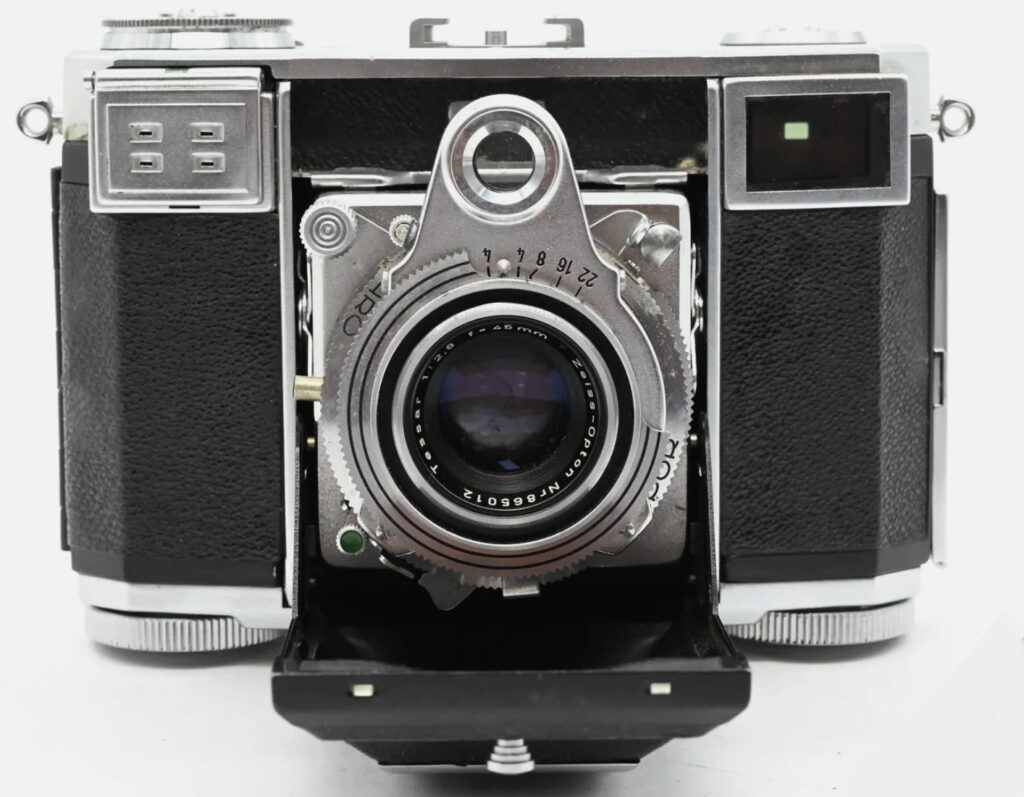
The Zeiss Contessa is very compact folding 35mm rangefinder with a stellar lens. Sharper than the Retina it replaced. My models (I have three) all miss focus at the 1 meter mark. I’ve learned to be a half step back to compensate. All other distances are accurate. If you’re an active person and want a fine camera with a small form factor, you can’t beat the Contessa. All of my fully functional models cost less than $150. each. Why do I own three? Because I loan them out to students. Risky, I know, but no fatalities so far.

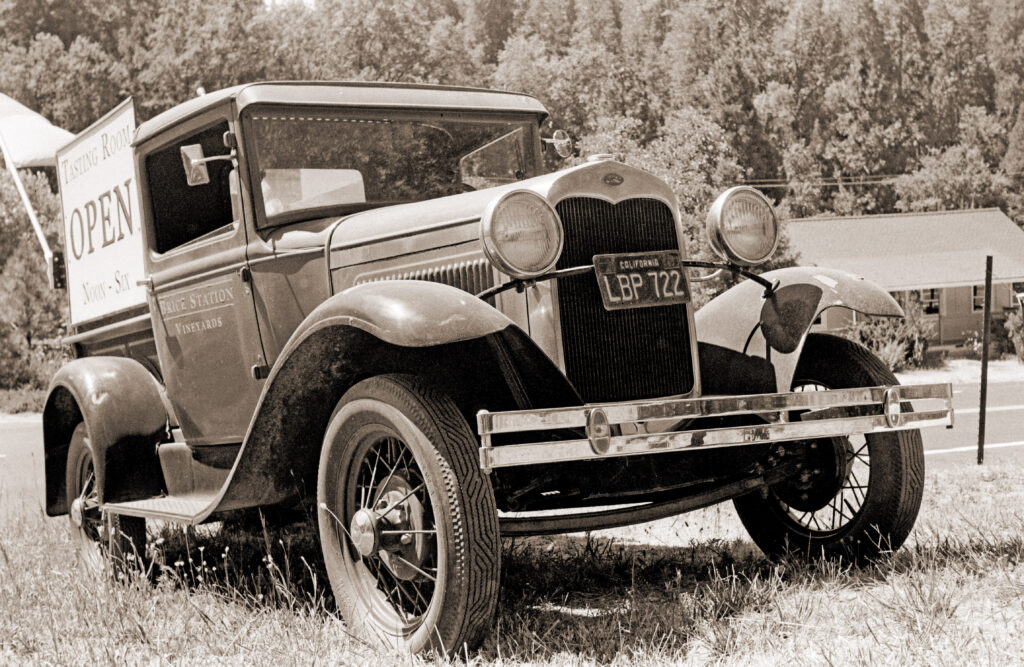
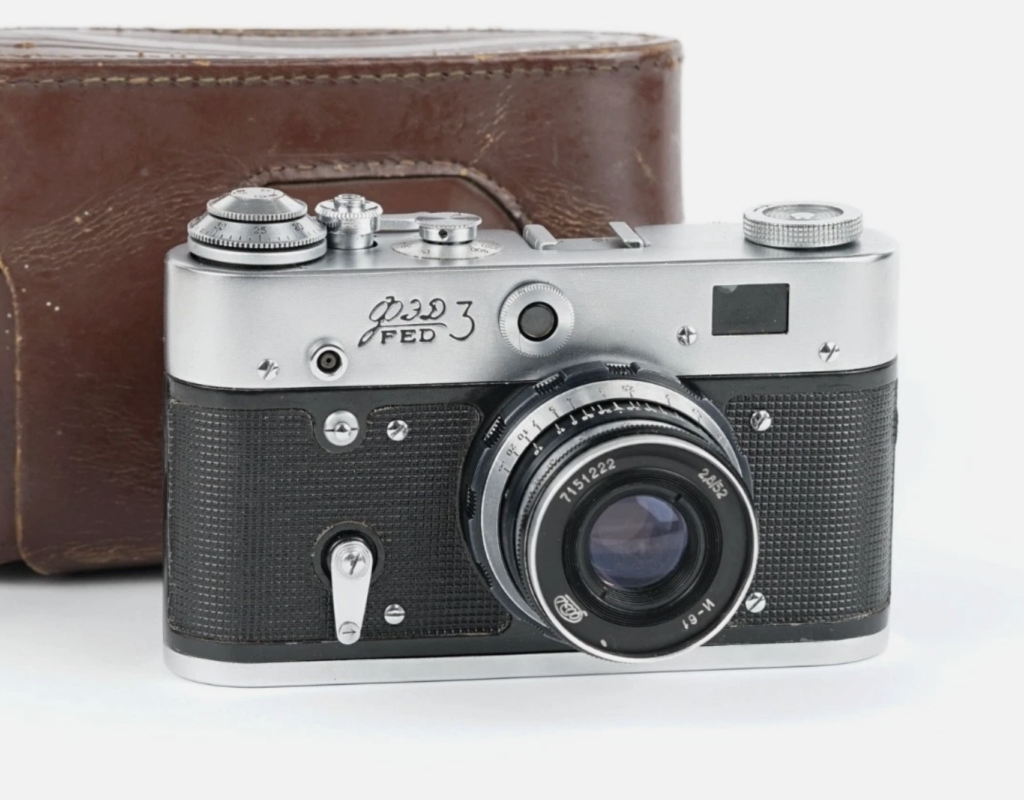
One may also consider a Russian Fed-3. It is a pleasure to use. The adjustable eye piece lens is a nice feature if you must wear glasses while shooting. I have N26 and N61 lenses. Both are F/2.8 50mm. I think these are Industar lenses. The N61 is soft, but the N26 is quite good at f/8 and f/11. From what I’ve read, the optics are not consistent. I wish I knew which ones were made on Mondays, because vodka hangovers may be a factor. I paid $60 for this camera from a dealer in Ukraine. I loan this camera out to students because it’s robust.
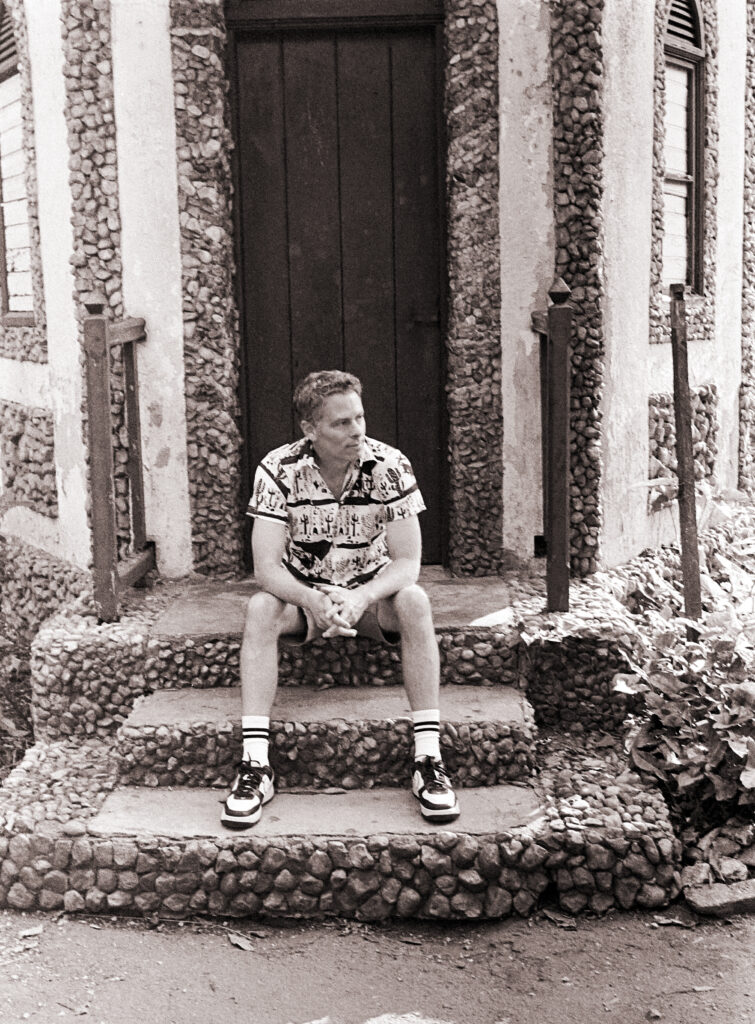
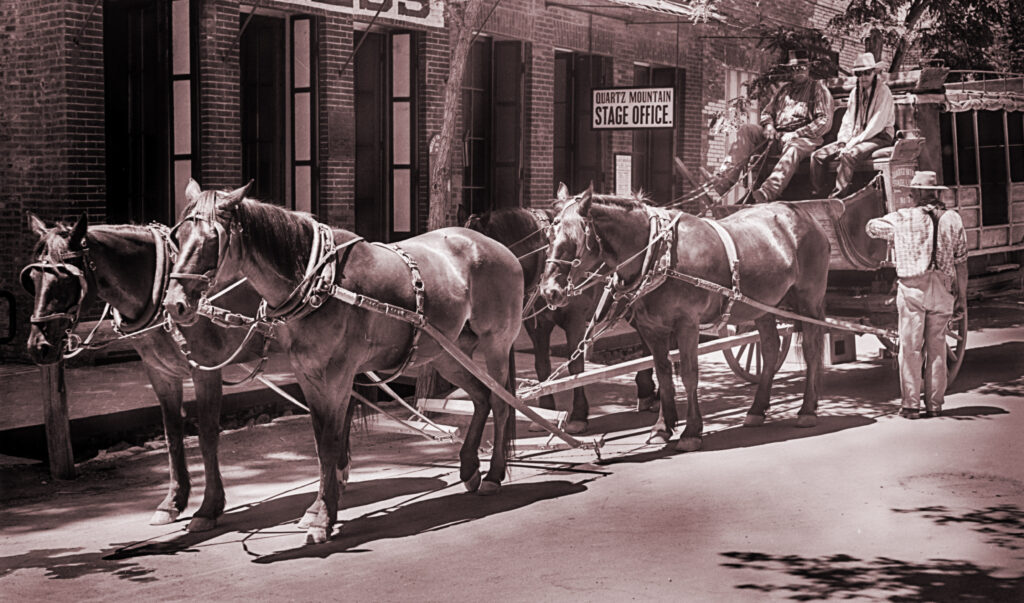
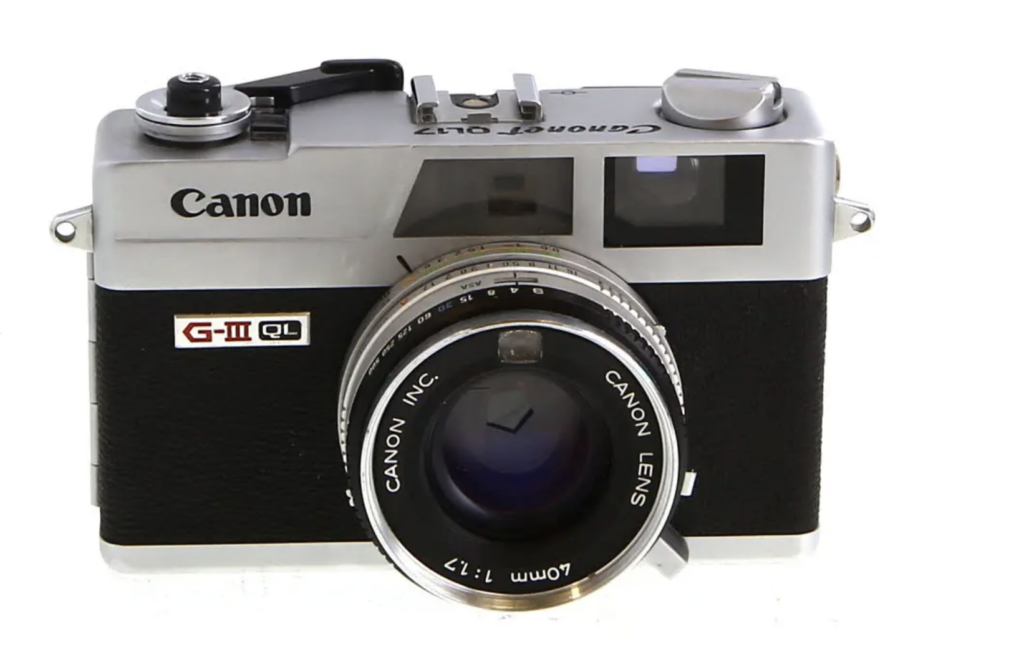
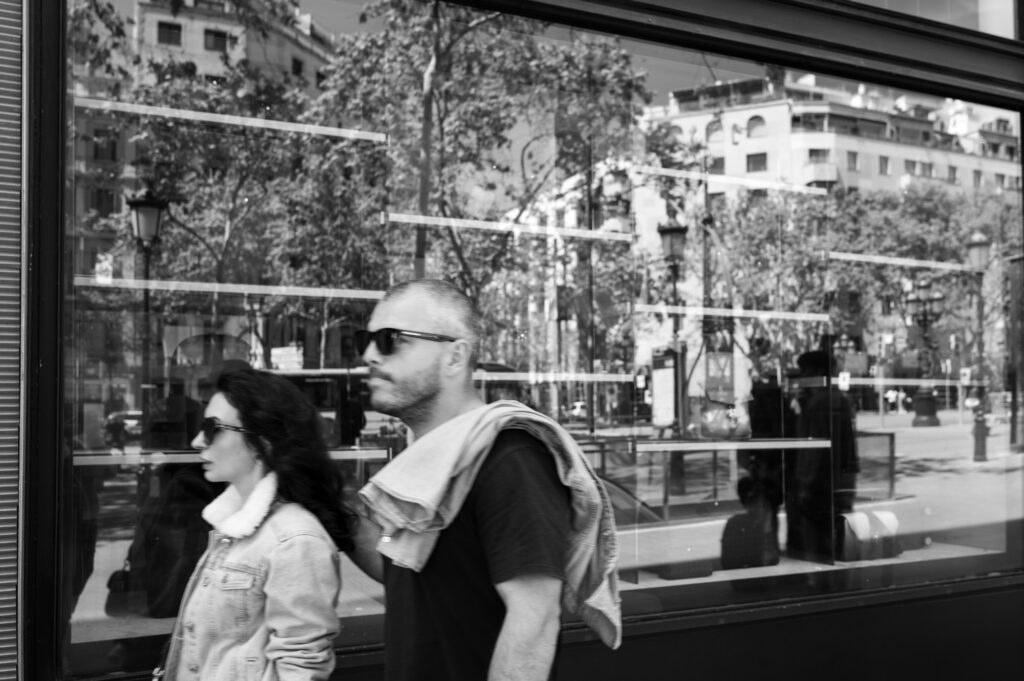
Lastly, I’ll mention the Canonet GIII QL. This camera is from the 1960s, so it’s newer than the others on my hit parade. I love everything about this camera. The bright rangefinder is easy to focus and it’s accurate from 2 1/2 feet to infinity. The 40mm coated lens is a bit wider than the competition, which makes it very nice for street shooting. The lens is a 6-element in four groups Planar design. Very good contrast and color rendition. It has a battery powered meter that works! Another plus for street shooters is the Canon ‘Quick Load’ feature. No threading the film into a spindle. Just lay the film leader in place and close the back. You never have a problem, and you get two extra shots. I paid $60 for two of these on eBay in May 2025. They both required new light seals, which I bought online for $12 each. Easy fix.
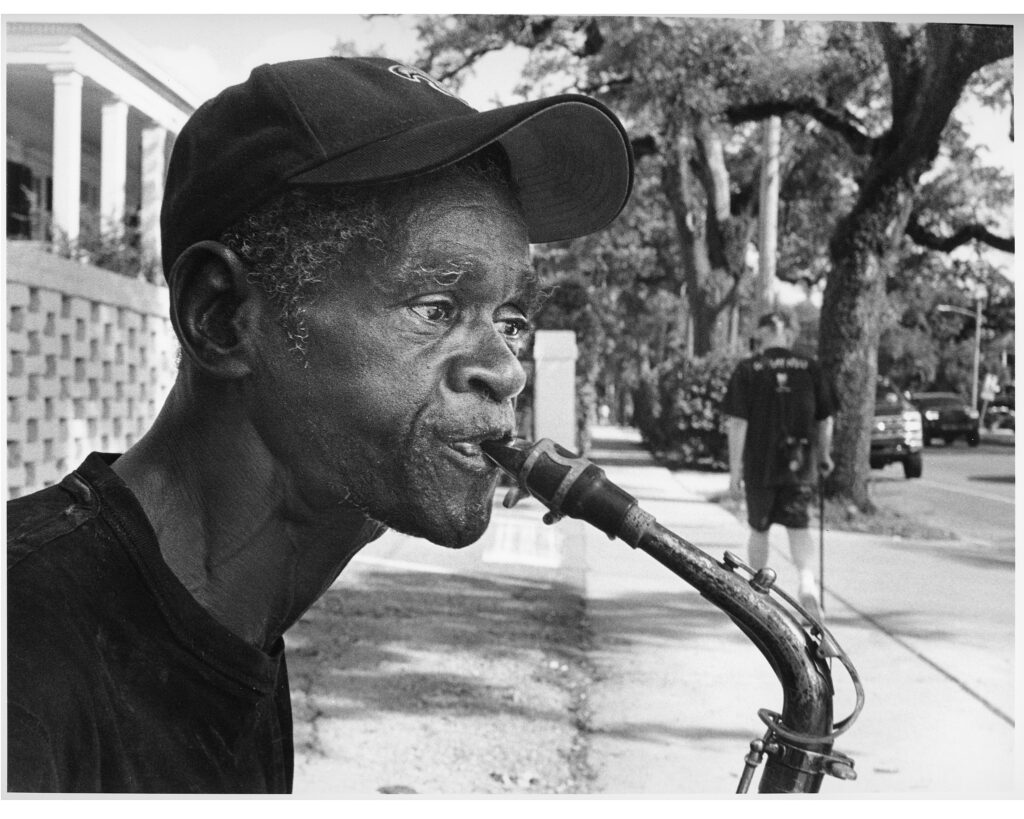
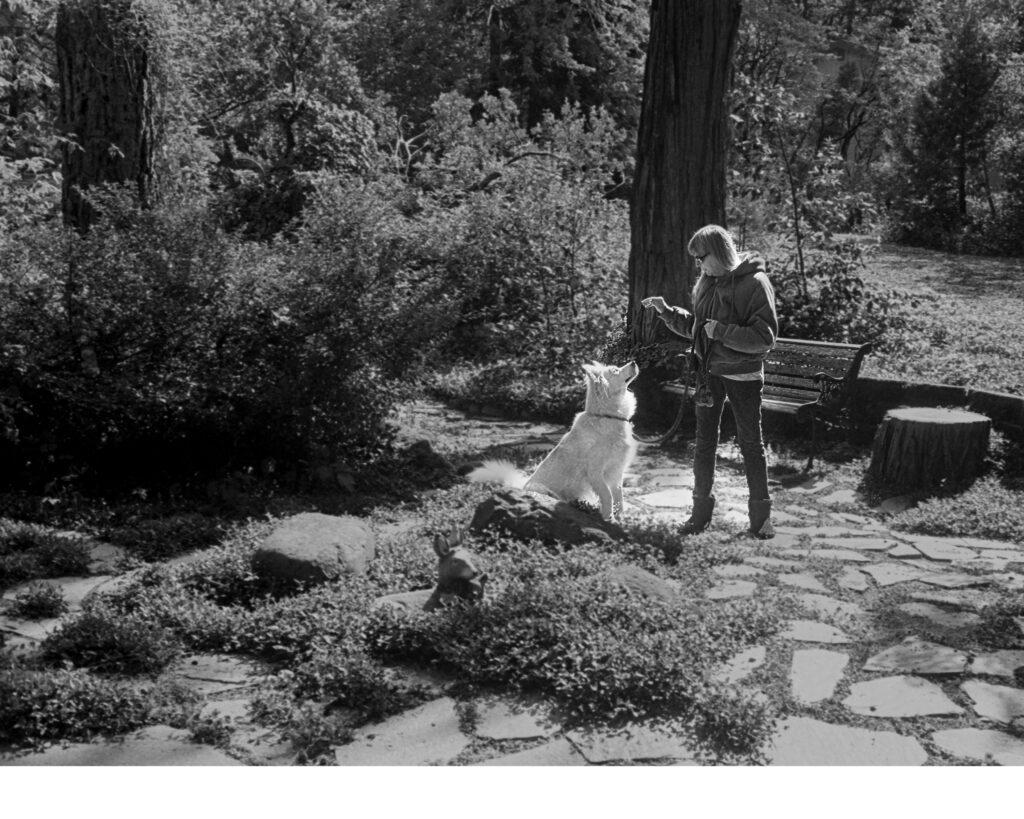
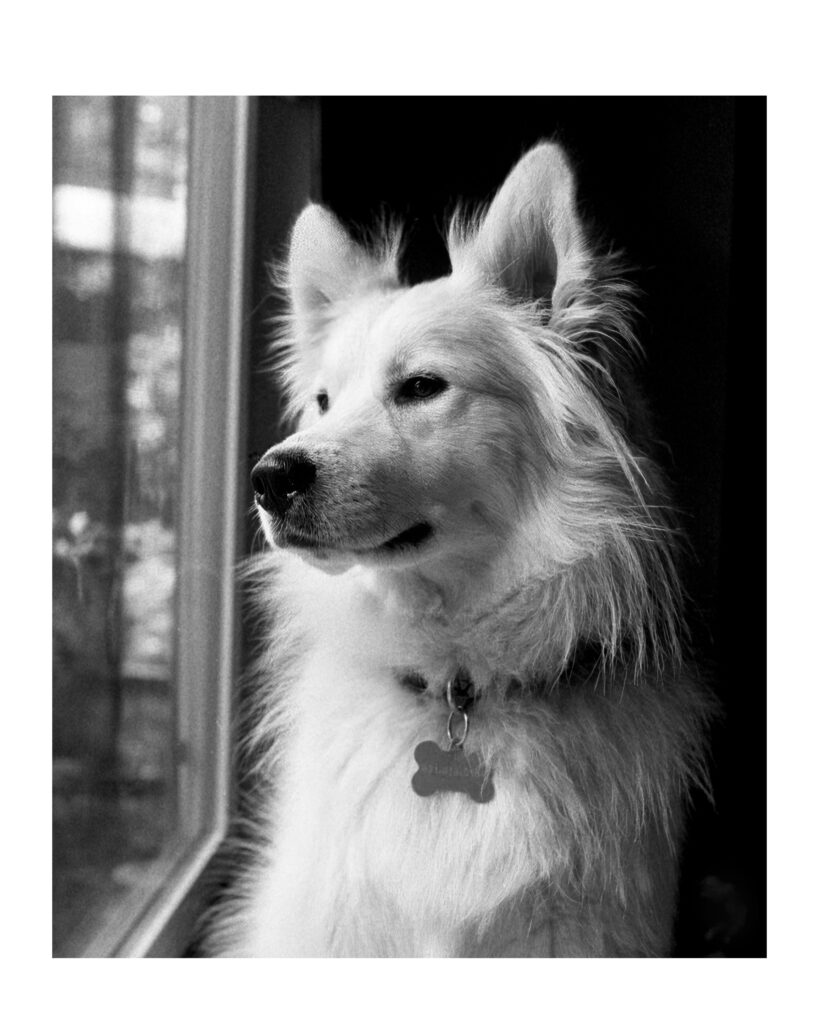
I am not anti-Leica. I enjoy reading about and viewing Leica photos as much as any others. I will certainly try a newer Leica if I have a chance. I just wanted to share with you the possibility of owning a collection of good cameras for the price of one Leica IIIf.
Share this post:

Comments
Michael Sherman on Being Un-Leica
Comment posted: 20/08/2026
Comment posted: 20/08/2026
Geoff Chaplin on Being Un-Leica
Comment posted: 20/08/2026
Comment posted: 20/08/2026
Alexandre Kreisman on Being Un-Leica
Comment posted: 20/08/2026
To be fair, the pre M are well nice on a shelf but not practical to use. Even earlier Ms, didn't had a speedloader and I found a 3d printed one that works beautifully on My M2. Then it depends the kind of lens you want, some have better frame lines for certain lenght.
Very beautiful work and nice article!
Comment posted: 20/08/2026
Sergio Palazzi (aka @CanonF1) on Being Un-Leica
Comment posted: 20/08/2026
Comment posted: 20/08/2026
John Hillyer on Being Un-Leica
Comment posted: 20/08/2026
Comment posted: 20/08/2026
David Pauley on Being Un-Leica
Comment posted: 20/08/2026
Thanks for this piece and for the excellent photos. Your frames from the Nikon rangefinder are especially lovely. My first Leica was a mid-50s IIIf that I happily sold months after purchasing in 2019 owing to rangefinder misalignment (in hindsight) and frustrations with the film loading procedure. I cycled through an M6, found the .75 rangefinder resolution too small, sold it, bought two M3's (kept one) and also own a trio of early Barnacks. Of the whole lot my favorite by far is my 1933 black enamel Leica III. It's tiny and once I get into the slower rhythm of working with it seldom disappoints image-wise. It's also a great conversation starter, like my Rolleis. The original 1934 nickel Elmar 50 f3.5 is probably my most used lens; except when shooting into bright sun (flares like crazy) it always delivers sharp images. I don't think I'll ever part with it or that tiny black camera. I can't say the same for any of my other Leicas, all of which feel like "loaners" I will someday throw back into the rushing stream of the auction site. I've recently picked up a Nikon FE with a suite of lenses for less than what one knockoff Leica M lens would cost. I can see the appeal of 35mm systems not made in Wetzlar, Germany...the huge through the lens finder in the FE, aperture priority shooting, great glass in any focal length you can imagine, effortless flash integration, and an appealing all metal form factor. Despite this experience, clearly some part of me is still under the Leica spell. It's good to know that you and many photographers I admire have never been bitten by that particular bug! Also, if you'd like to borrow my M3 and see if it rocks your world (I rather doubt it), send me an email and I'd be happy to send it your way. Cheers!
Comment posted: 20/08/2026
John Bennett on Being Un-Leica
Comment posted: 20/08/2026
Evidence: The Decisive Moment; The Americans; Life is Good & Good For You in New York. Three books without which we'd all be over at the bowling alley, discussing the relative merits of human vs. automatic pin setters.
Comment posted: 20/08/2026
Art Meripol on Being Un-Leica
Comment posted: 20/08/2026
Comment posted: 20/08/2026
Walter Reumkens on Being Un-Leica
Comment posted: 20/08/2026
Comment posted: 20/08/2026
Comment posted: 20/08/2026
Comment posted: 20/08/2026
Comment posted: 20/08/2026
Comment posted: 20/08/2026
Andrew on Being Un-Leica
Comment posted: 20/08/2026
What I do still use is a Fujifilm X-Pro 2. That has very clever electronically superimposed frame lines in the viewfinder, which not only correct for parallax, but will also zoom allowing a zoom lens to be fitted. Very, very clever, and allows you to use an optical viewfinder with almost no other restrictions on the equipment. Perhaps it is the versatility which has led me to keep that and dispose of the Leicas….?
Comment posted: 20/08/2026
Comment posted: 20/08/2026
David on Being Un-Leica
Comment posted: 20/08/2026
Comment posted: 20/08/2026
Matt C on Being Un-Leica
Comment posted: 20/08/2026
Having said that, I see using a Barnack Leica as something to do because it's fun, not because it's 'the best'. Like driving a vintage car. If I want ease of use and superb quality, I'll use my Nikon FM2 or FE.
Comment posted: 20/08/2026
Scott Ferguson on Being Un-Leica
Comment posted: 20/08/2026
Great post! Your article makes me want to try out 2-3 new cameras, including a Contessa and a Retina, and your results with the Nikon are super impressive. I am a devoted Leica shooter, and I will not deny that the brand's lofty reputation has played a large part in how I came into that brand, but perhaps not why I have continued to use it and invested in a variety of M mount lenses to work on that platform. I've tried a variety of other cameras since returning to film, including 35mm SLR's, a TLR, a couple of digital cameras, and nothing 'took' compared to a film Leica M. I also tried out a Barnack iiif, and returned it to the camera store immediately, I found the handling & ergonomics very fiddly and optics of the viewfinder made me feel like I was shooting through a microscope compared to my M3's 0.91 viewfinder, so I'm not surprised you didn't love that camera. However, I kept the lens, which was a 1949 Summitar 50mm f2, which was under $300US, and after some fairly extensive comparison shooting emerged as my favorite Leica branded lens. One of the other discoveries from those lens tests, is that I am not a fan of the early 1st edition M mount Summicron, which left me feeling a bit flat compared to my other Leica lenses. They might have better edge to edge sharpness compared to my older lenses, but much less dimensionality and 'pop' than the 1949 Summitar, and can't compete on sharpness with my modern Summilux, and nowhere near the personality of my 1957 Summarit. Since those tests, with greater knowledge of the look that each brings, the only one I haven't had the urge to get out of the bag is the Summicron. Also since those tests, I've started to branch out into other lenses, and I think the Zeiss Sonnar formula may be my favorite for a 50mm, based on trying an Omnar Bertele and a Jupiter 8, both using the classic Sonnar formula. One of my theories is that in the 1930's, Zeiss was rated above Leica as the superior system, and the Summitar was Leica's "answer" to the Bertele Sonnar -- I find the rendering of the Summitar, including very satisfying sharpness (without showing every micro pore), beautiful color rendering, nice contrast in b&w, some very interesting bokeh and 3D pop at wider apertures as close to the Sonnar as any of the Leica lenses I've tried. With the Summicron, Leica started to move into their more modern formulas, and I believe the Summicron improved greatly in subsequent editions. I think there are probably multiple reasons why Leica became dominant while Zeiss/Contax faded away, that someone like Walter Reumkens might be able to expand on, some of them based on geography and which side of East or West Germany the manufacturing facilities ended up on. I'm also interested in how the two companies behaved during the War, with a strong sense that Leica and Leitz behaved overall more admirably during that era, but that may be fodder for another thread. All that being said, I think you'd find the experience of shooting with an M very different and much more user friendly than a Barnack, and I'd advise trying another lens besides an early Summicron.
Great post!
Comment posted: 20/08/2026
Comment posted: 20/08/2026
Comment posted: 20/08/2026
Comment posted: 20/08/2026
Graham Line on Being Un-Leica
Comment posted: 20/08/2026
Comment posted: 20/08/2026
Alastair Bell on Being Un-Leica
Comment posted: 20/08/2026
I now have a Voigtlander Vitomatic IIa and I love it. Huge viewfinder with an easy to use rangefinder and metering visible in the viewfinder too! Fixed 50mm and a bit of a tank weightwise but its a lovely thing. My favourite though has to be the tiny little Braun Super Paxette II = Smaller than a Barnack and much easier to use. The only issues being the film advance is 2 strokes and the viewfinder is tiny, really tiny. That said the Schneider Kreuznach 50mm f/2 lens is superb (and is interchangeable).
Strangely I'm now looking at Leicas again. Not sure why - especially given the stupid prices and exorbitant lenses.
Comment posted: 20/08/2026
Eric Rose on Being Un-Leica
Comment posted: 20/08/2026
Comment posted: 20/08/2026
Gary Smith on Being Un-Leica
Comment posted: 20/08/2026
Comment posted: 20/08/2026
David Kieltyka on Being Un-Leica
Comment posted: 20/08/2026
Comment posted: 20/08/2026
Alan Chin on Being Un-Leica
Comment posted: 20/08/2026
Once you really practice with a Barnack Leica, you figure out its weaknesses and you work around them. You learn to make your first frame as soon as you have sharp focus without switching to the window for framing. You learn to advance film by holding the knob with your right hand and swinging the entire camera with your left — surprisingly fast.
But of course a Nikon S2 is a far better camera to use — although production dates overlapped, it’s fully a two generations newer design. Really apples and oranges there.
And you cannot compare it to anything with a fixed lens — also apples and oranges. I get why you wrote this post — demystifying Leicas is a good thing — but all you’ve basically said is that you think the technological advancement in the 1950s was a good thing — and so it was ! :)
Comment posted: 20/08/2026
Comment posted: 20/08/2026
Comment posted: 20/08/2026
David Brancaleone on Being Un-Leica
Comment posted: 21/08/2026
What can I add to all these insightful comments?
1. I have a Zeiss Ikon 1950s Contessa on order that I can't wait to try out. So it is very encouraging to hear the positive remarks from a long-term user of this camera. Now I know, I'll remember to step back for 1-metre portraits.
For me the design was key in choosing one. Second, that coated Tessar lens. Third, the range finder. Years ago, I used SLRs and forgot about viewfinder cameras with a fixed lens. And those photographs!
But I agree with whoever said earlier that, to paraphrase, the masters did a lot despite technical limitations. So maybe that's another thing to learn from them.
Comment posted: 21/08/2026
Alexander Seidler on Being Un-Leica
Comment posted: 21/08/2026
Comment posted: 21/08/2026
Ed on Being Un-Leica
Comment posted: 24/08/2026
Comment posted: 24/08/2026