

I started my film photography journey with 35mm, like most people do. I remember getting my first film camera around 2022. It was a Nikon F70. Bought it from a vintage camera repair shop, and the camera feels like a good starting point. It’s familiar (been using a Nikon DSLR before), practical, lenses widely available, and produces amazing shot without much effort.
As I became more familiar with film, I naturally started exploring what else was out there. Series of GAS pushed me into endless youtube reviews, vintage-shop hopping, and like any analog photography enthusiast out there I ended up collecting a few cameras. More than I ever needed. I expanded my collection into vintage cameras, SLRs, rangefinders, medium formats, and of course later on, the 110 format.
If I see other photographers’ direction, it has always been towards getting bigger. Bigger negatives, bigger brands, or bigger names. Once people become more serious, they tend to gravitate towards medium format alternatives, or more expensive lenses. It’s understandable, the more dedicated you become, the more you look for more detail, more information, and maybe a slower and more deliberate way of working. I understood that appeal.
But my curiosity slowly started pulling me in the opposite direction. My journey with film photography tends to become smaller. I stop asking how much more information I could fit into a negative, and start asking the opposite: How small a negative could hold, and still carry something meaningful?
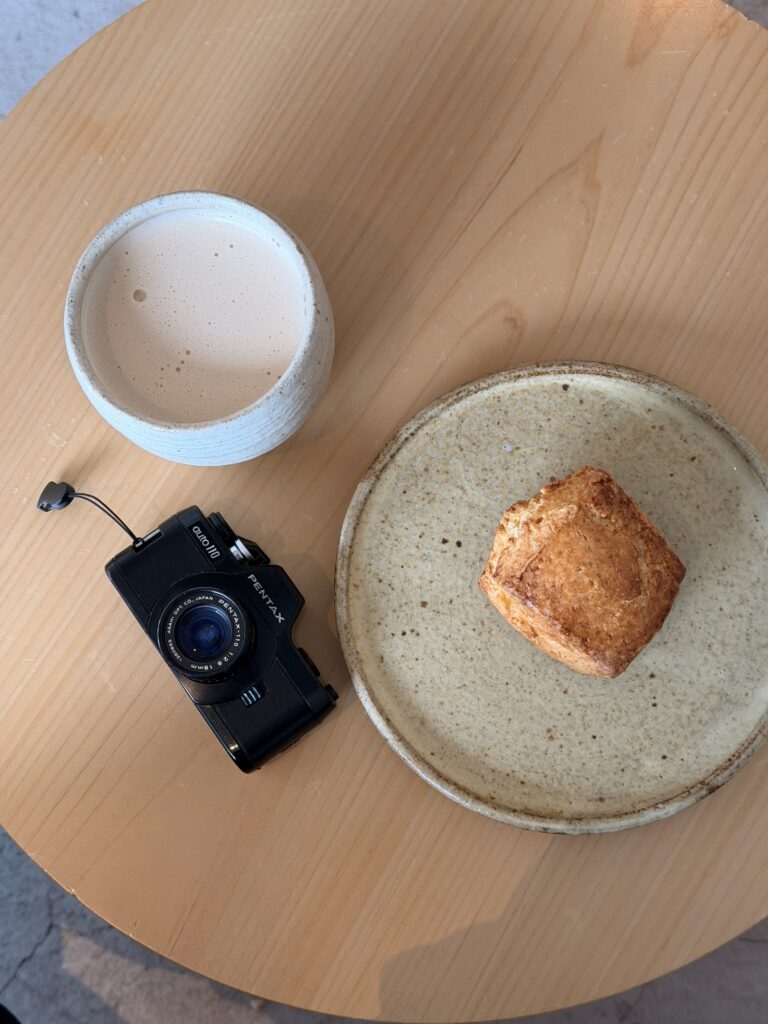
I remember my first ever 110 camera. It was a Pentax Auto 110 I bought out of Finland. When I bought that camera back then, did I think about setting up a body of work using 110 format? Definitely not. I bought the camera simply because it’s cute. I reckon it’ll be a conversation starter among other classic Pentax users, and it still does. It has interchangeable lenses and looked like a proper SLR shrunk to fit hidden under my palm. I enjoyed using it. I like the cute factor of it. And before I know it, I have at least tens of 110 cameras inside my drawer. And now, I run an Instagram account fully dedicated to this format (You can find me on @tinyframetales).
The 110 format itself has an interesting backstory. Kodak introduced 110 in 1972 as a cartridge system designed to make photography easier and more accessible. Instead of loading film onto a spool and worrying about sprocket holes, people could simply drop a cartridge into a camera, close the back, and start taking pictures. Kodak could sell the simple plastic instamatic cameras cheaply and make more money through recurring film sales and development. But I also see the format as an important moment in the democratization of photography. It puts cameras into ordinary people’s pockets in a way that reminds me, in spirit, of what the iPhone later did for digital photography.
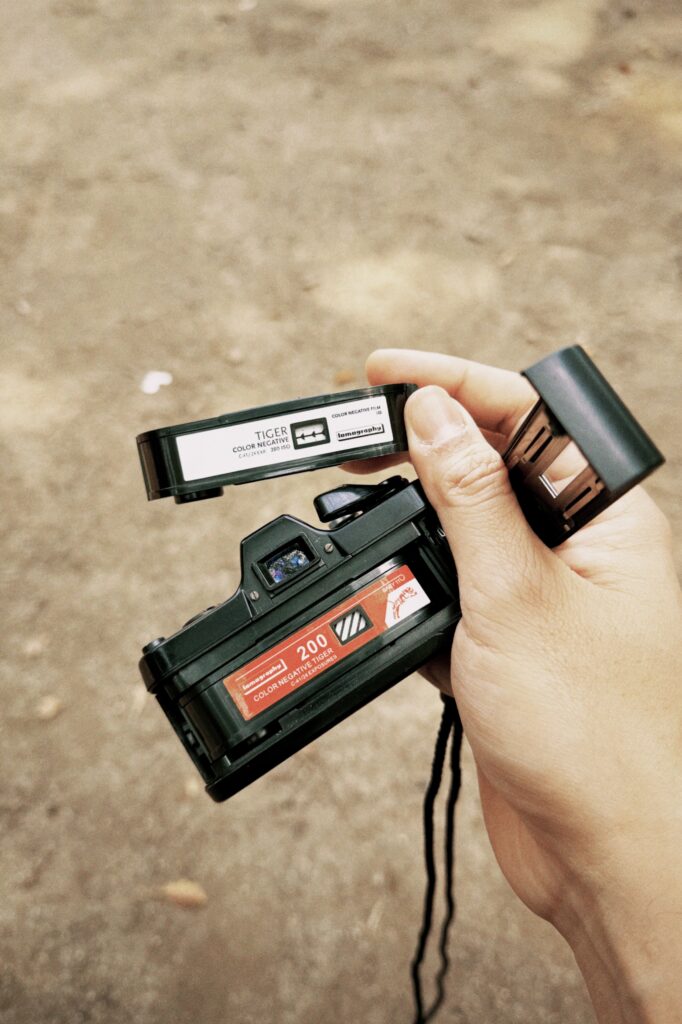
Everytime post a picture of the camera, or the results from 110 films, I get lots of comments from people around the nostalgia of using such a format. Somebody grew up owning a 110 plastic camera given by their families and relatives. In short, it was their first camera. Kids growing up taking pictures with a camera shaped like a toy, and able to document their childhood with it.
For many people, these were not the format used for exhibitions, journalism, or large framed prints. They were the cameras sitting inside family homes, taken on holidays, passed around at gatherings, and used for the pictures that ended up in private albums.
Ordinary moments were recorded on these tiny negatives, and for many families those photographs became some of the first visual records of their everyday lives. The format is small, but definitely not the scenes, things, memories that people trusted it to capture.
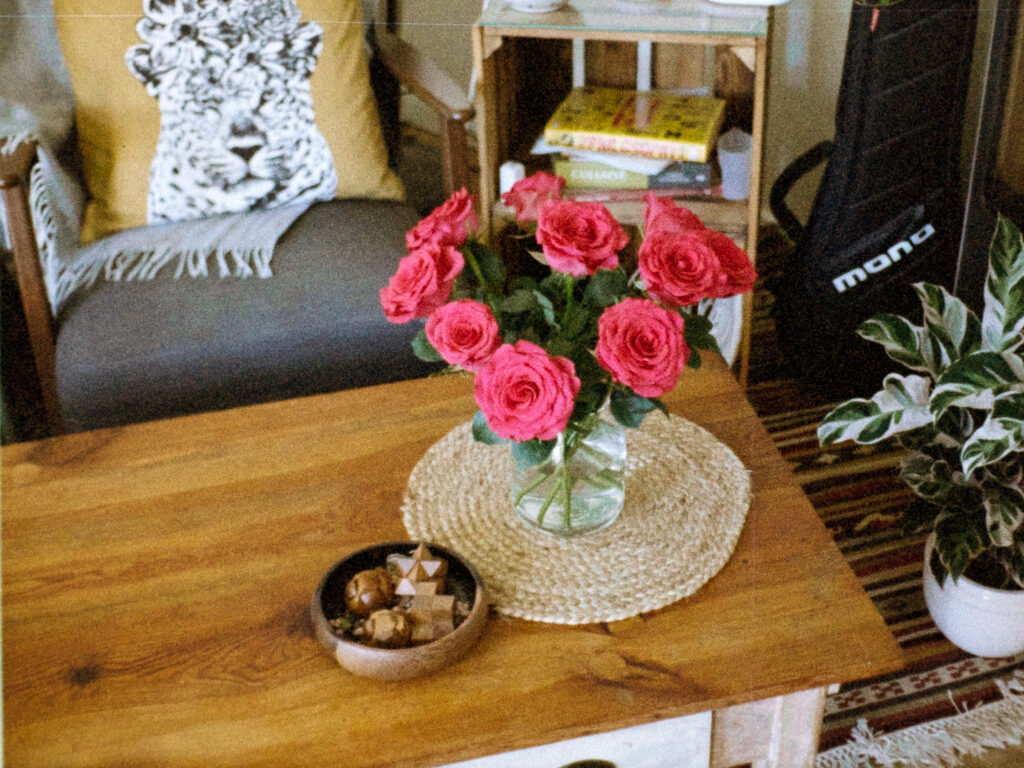
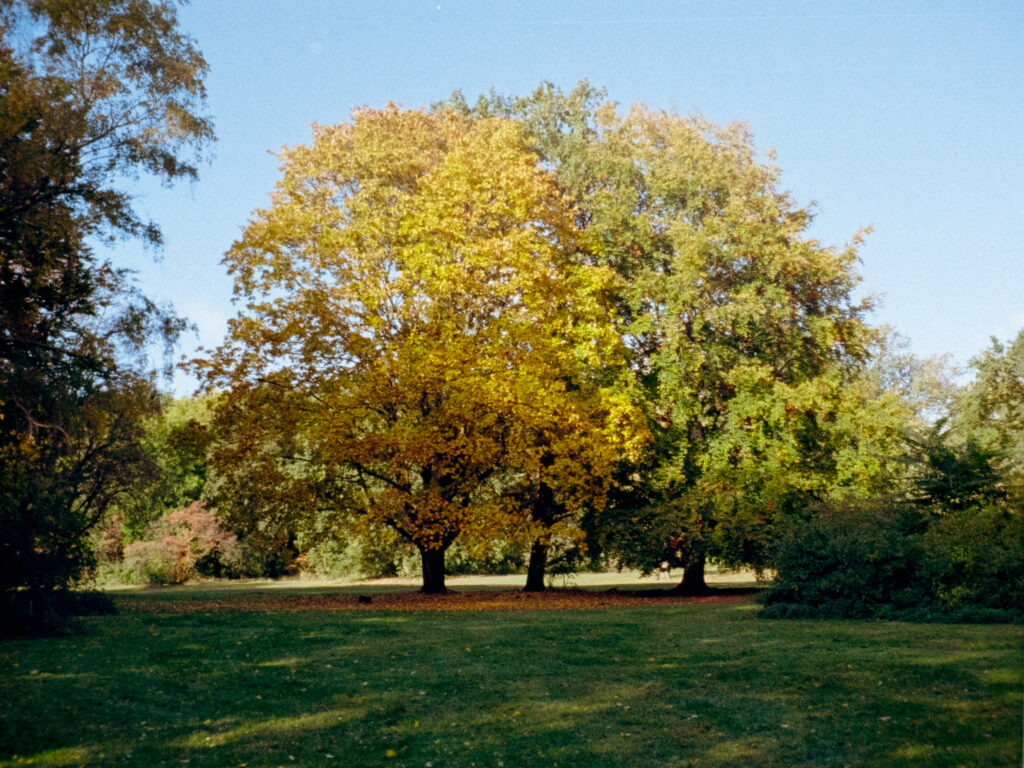
Fast forward to recent days when 35mm film rolls became more prominent, 110 is often associated with grain, softness, and low image quality. Of course, when you compare the 13 x 17 mm negative with 35mm or medium format, there is less information to work with, and the limitations become visible quickly when the image is enlarged. I understand where that reputation comes from, but I increasingly think that people are often judging not only the negative, but also the way it has traditionally been processed and scanned. A lot of common 110 workflows were never designed to extract much from such a small frame in the first place.
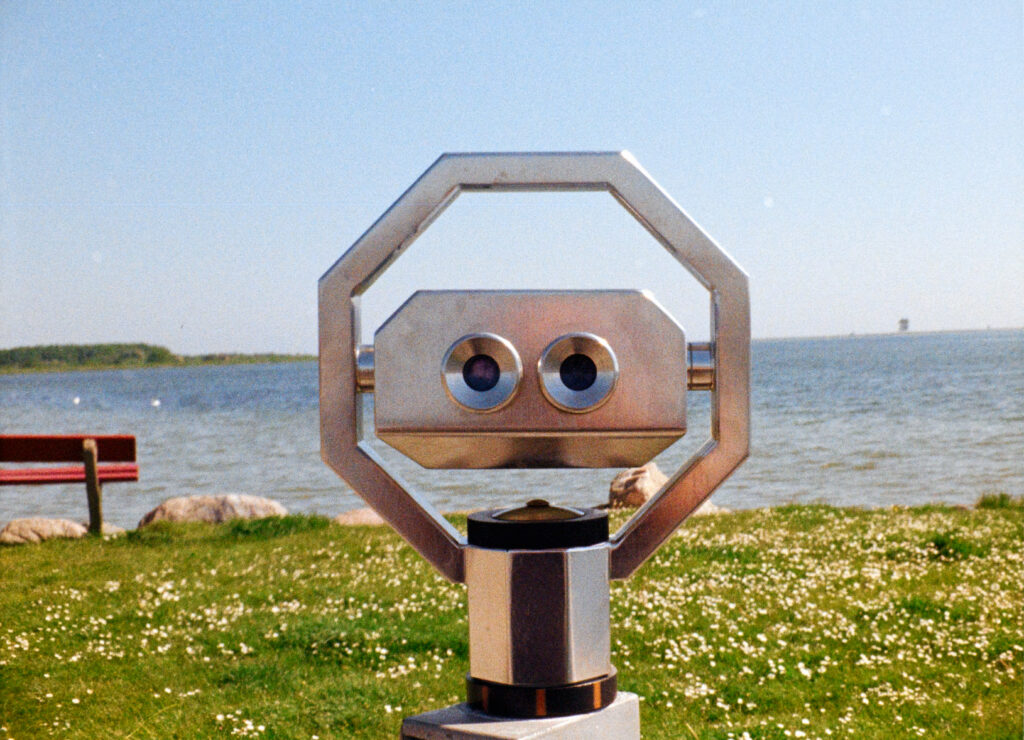
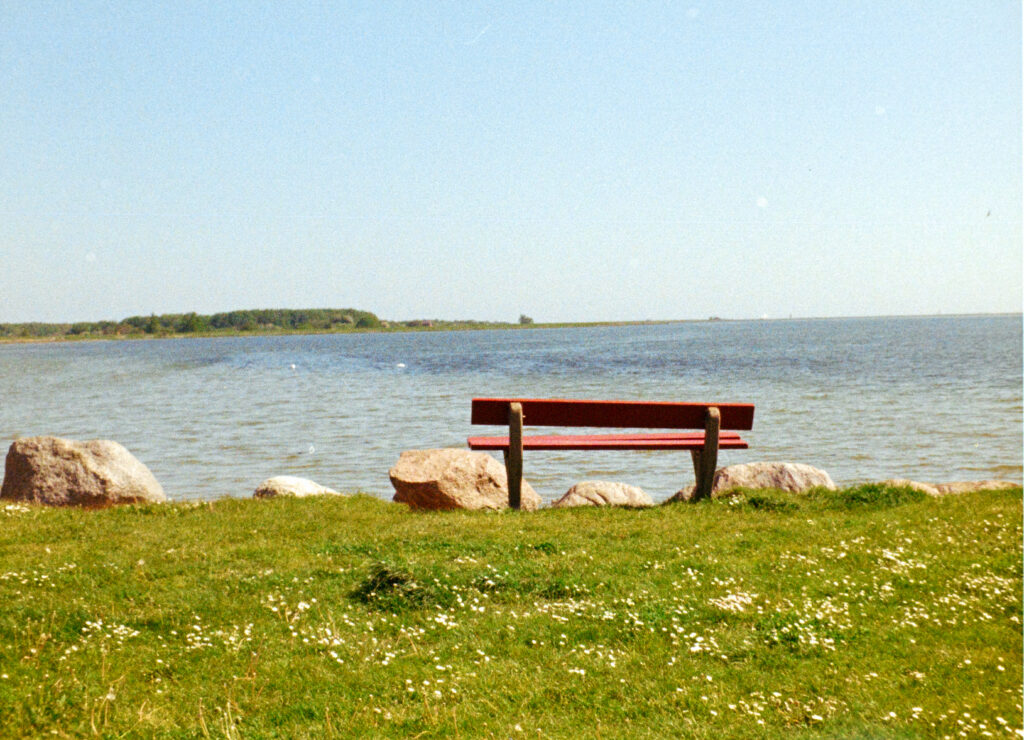
Personally, I love the grainy result of 110 so much, and using the camera had been a total joy too. I love shooting with it so much that I want to take more control on scanning and processing this format. Investing in more modern scanning method (mirrorless scanning) changes that equation quite a bit. Camera scanning, better digital sensors, more careful processing, and a more deliberate workflow can pull considerably more information from a 110 negative than many people expect.
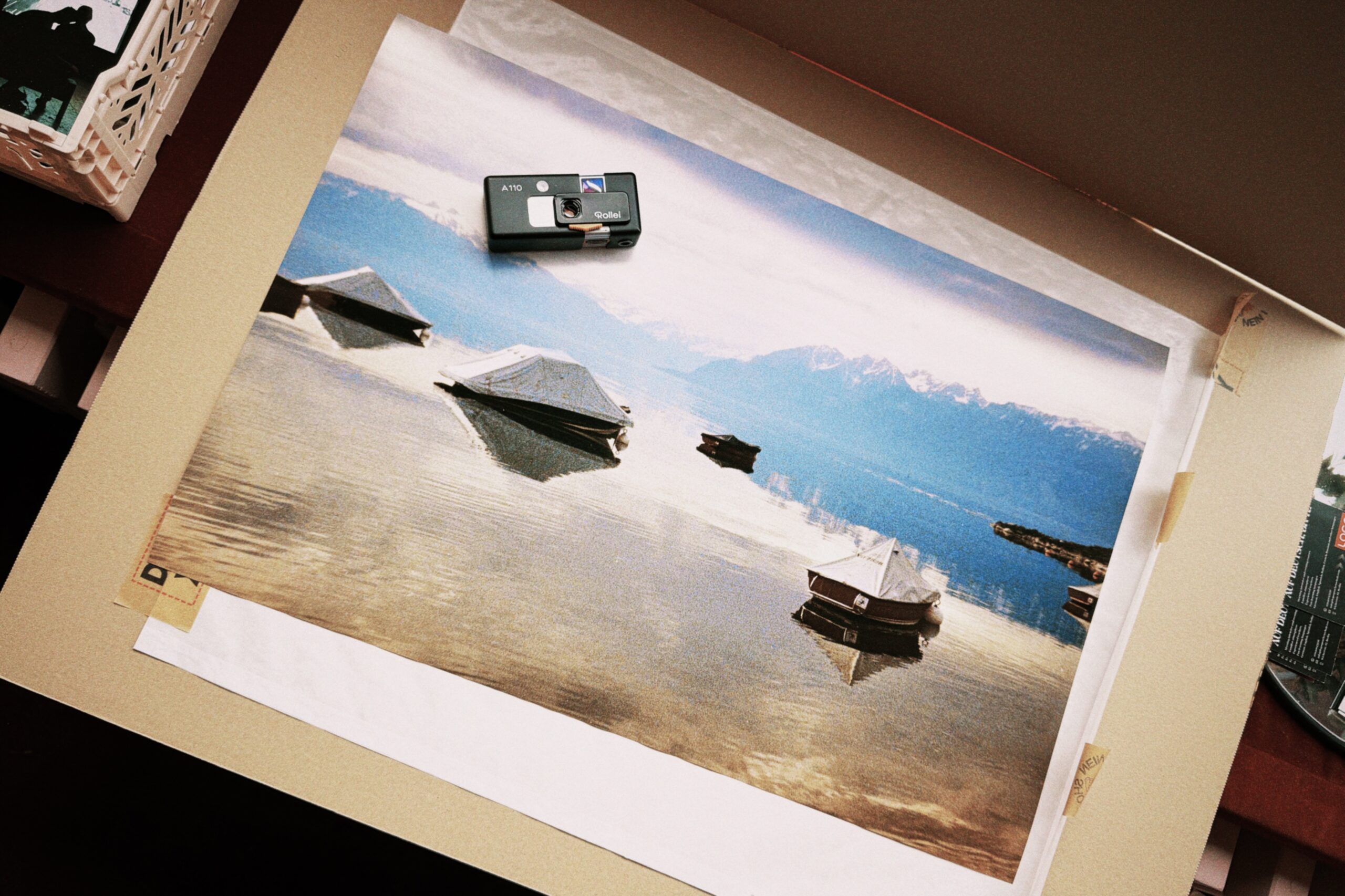
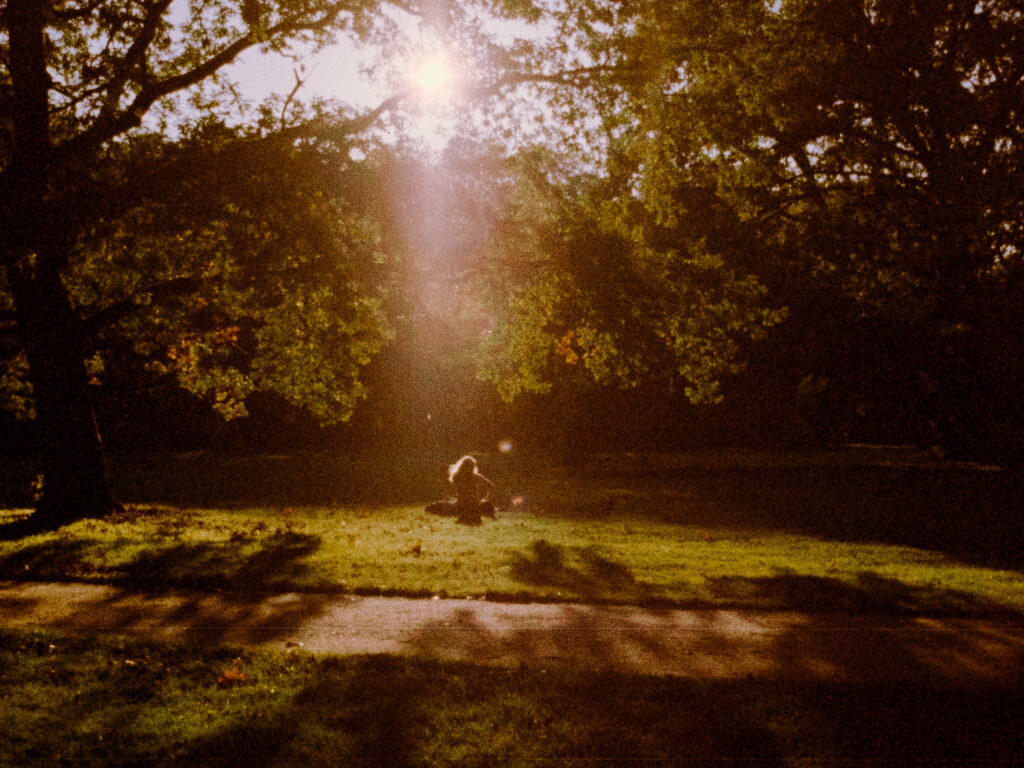
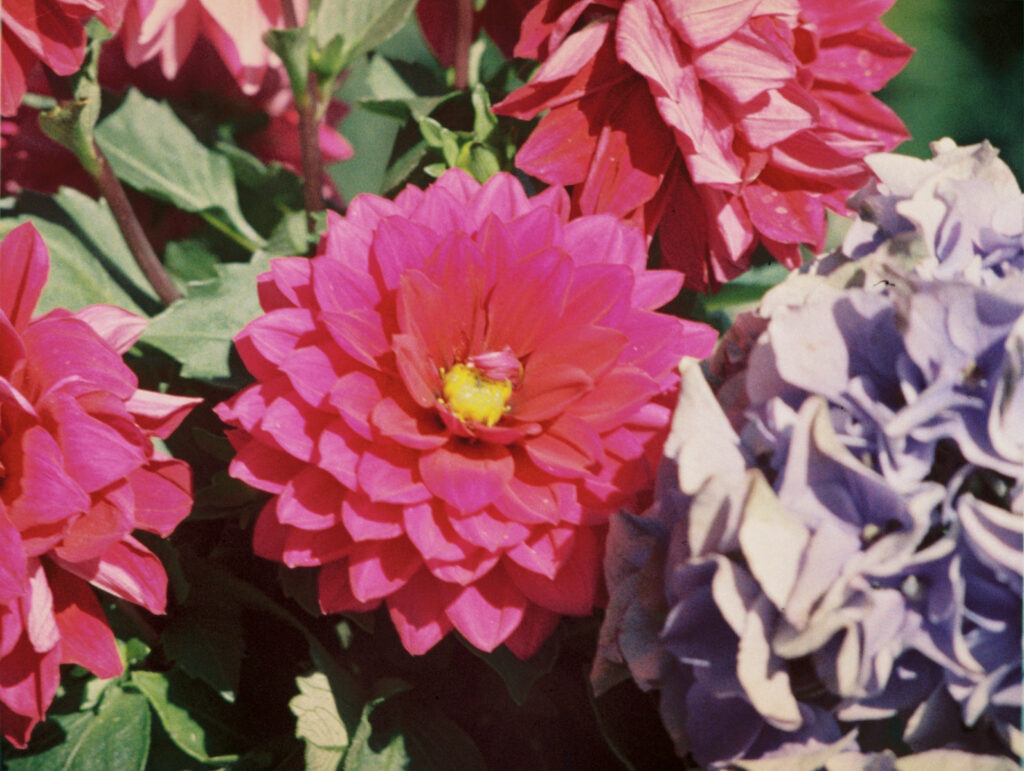
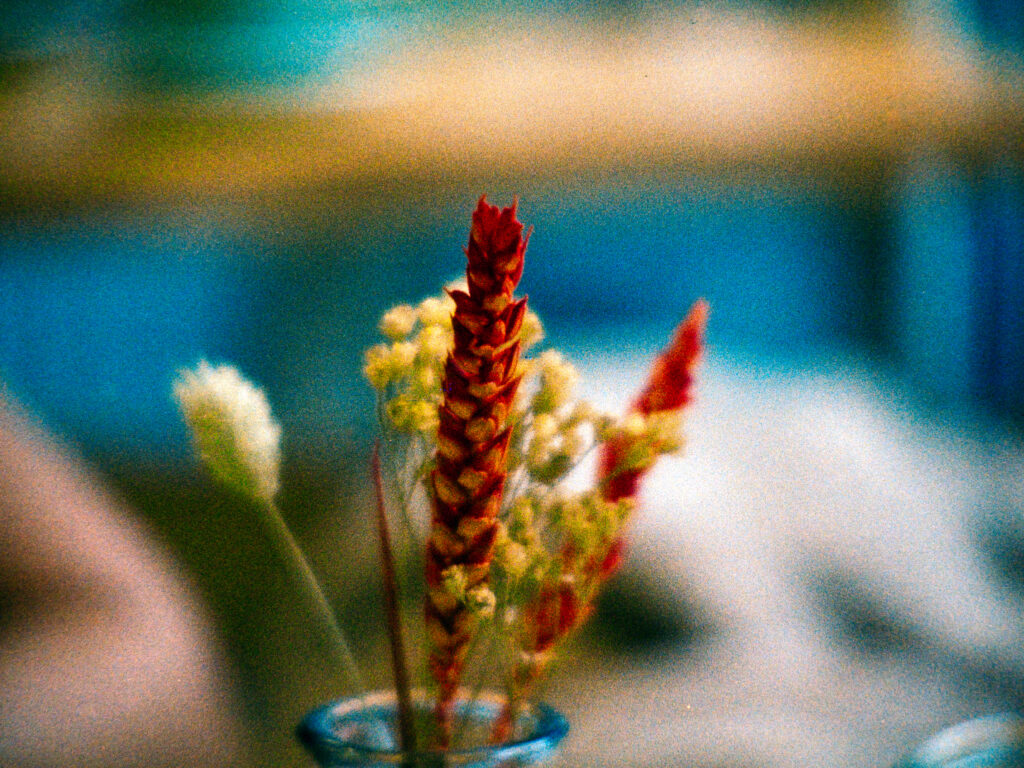
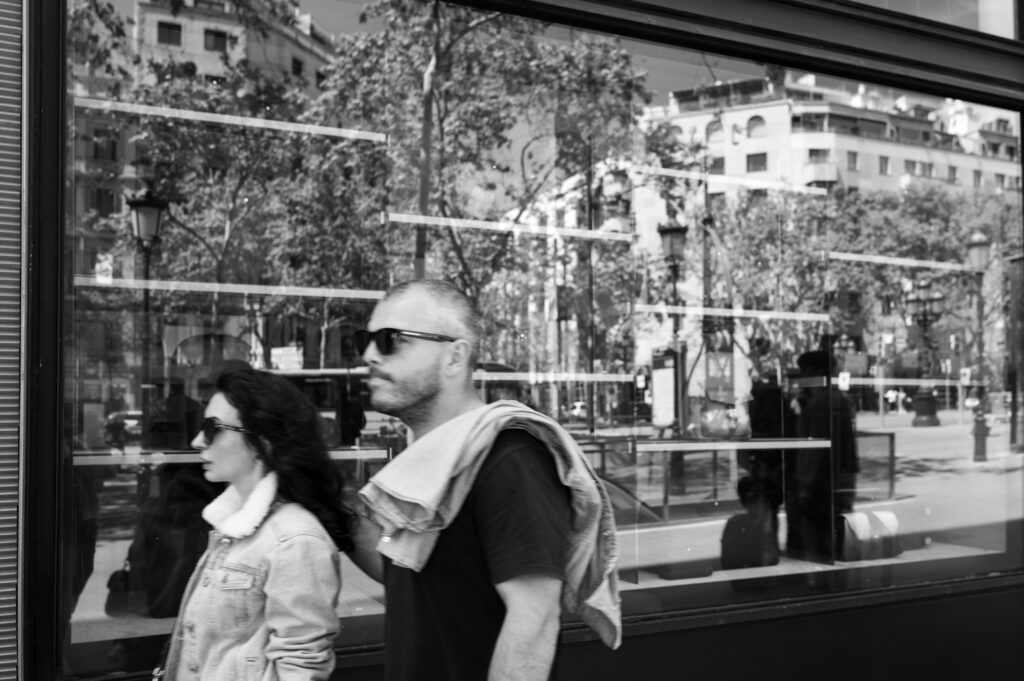
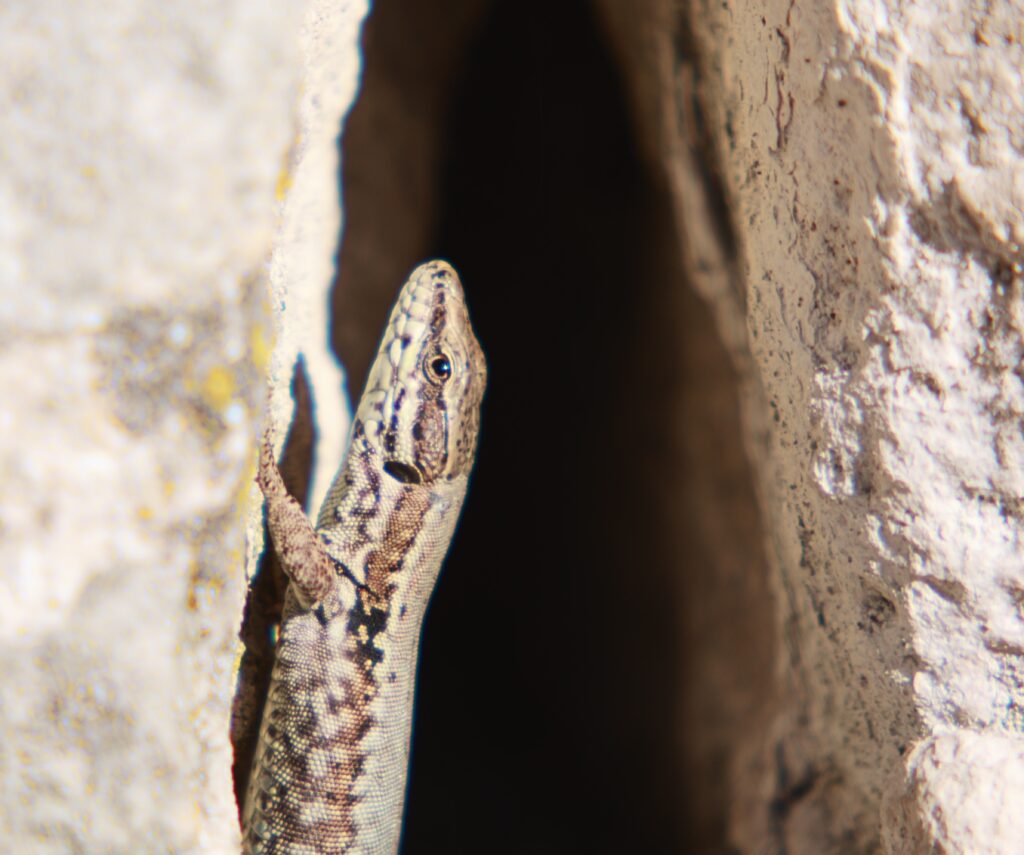
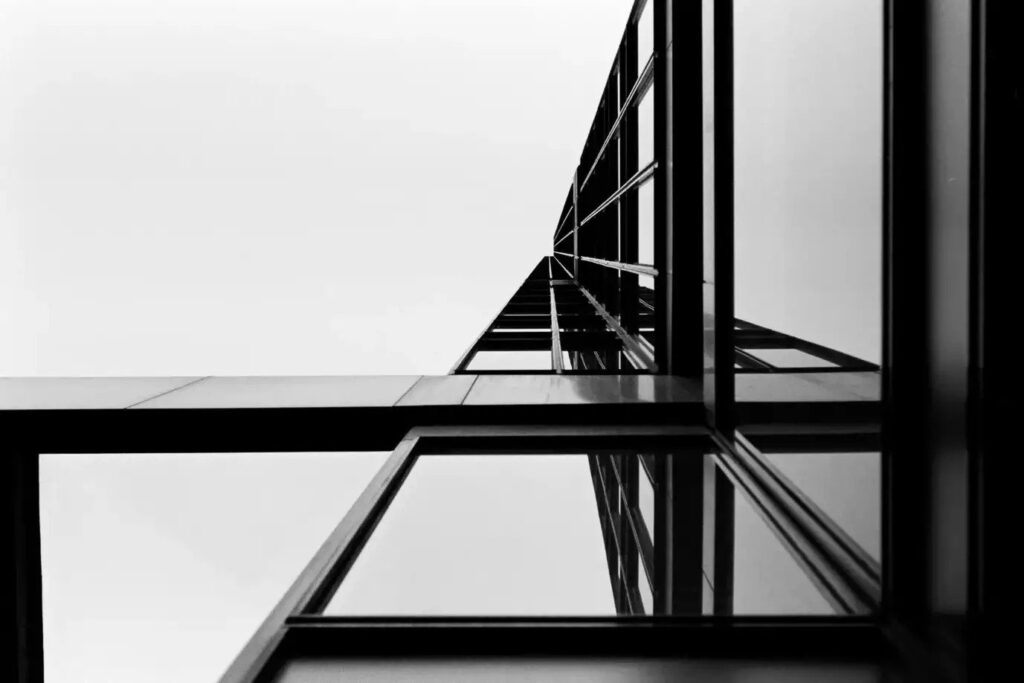
I think I have successfully captured this. I am now able to capture what a 13 x 16 mm negative can possibly capture. These are some of the pictures that I am most proud of throughout my journey shooting this format.
I have had labs surprised when they learned that a 60 x 40 cm print came from a 110 camera, and I have continued pushing the format further. What I find more interesting, though, is that better scanning does not erase what makes 110 look like 110. The grain is still there, the softness is still visible. The difference is that these film characteristics no longer have to become distractions caused by poor presentation.
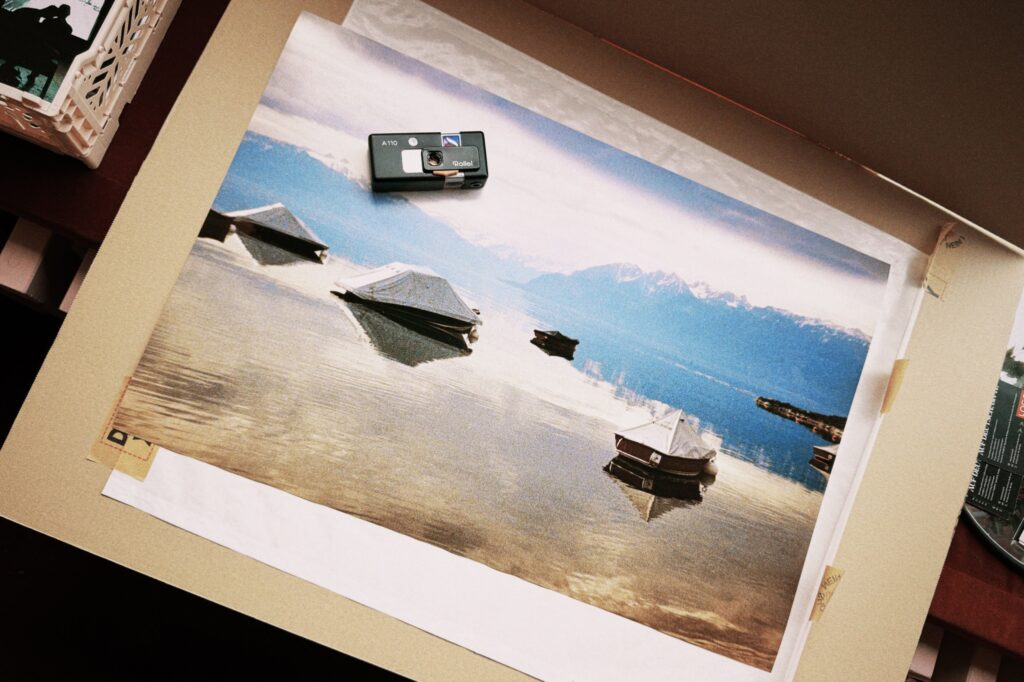
That lo-fi characteristic then gradually became part of the language of the format for me. A 110 frame never captures every single detail a 35mm film or medium format can. And I started to see that as something closer to the way the human mind works.
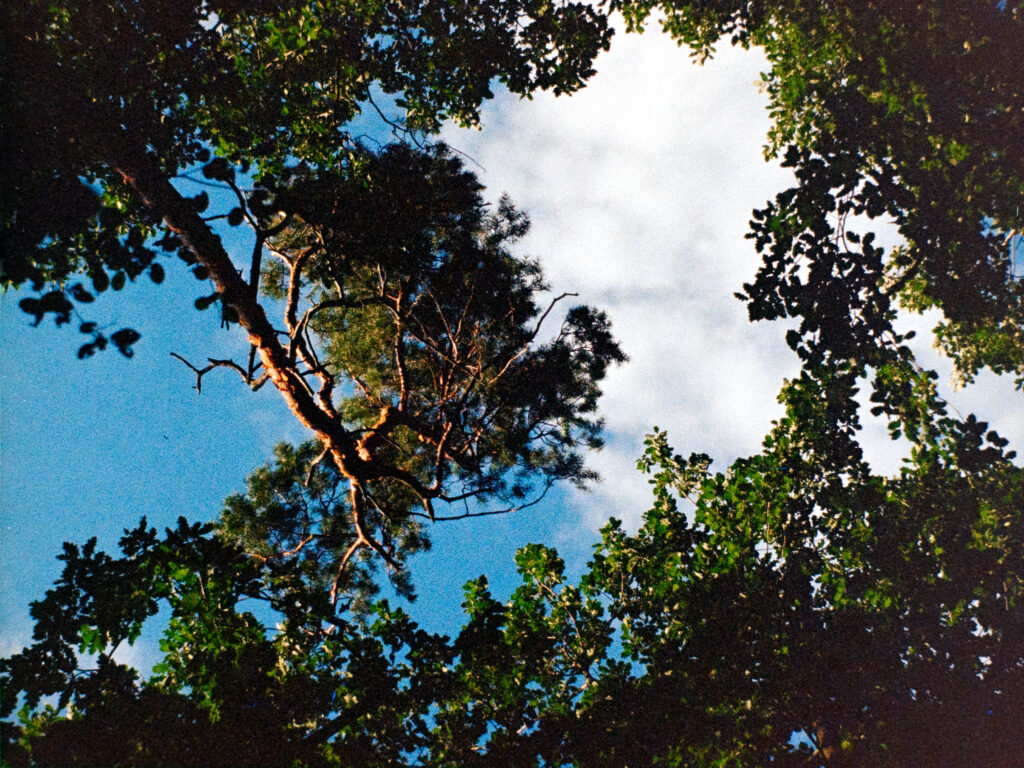
Our memory don’t remember experiences with perfect clarity. We forget the edges first, then textures, exact colours, exact objects, and perhaps the order in which things happened, until what remains is a fragment that feels complete only because we give it meaning. A pocketfilm negative does something similar: details fall away, grain gathers around what remains, and the picture becomes less about total accuracy and more about what survives from what we decided to capture.
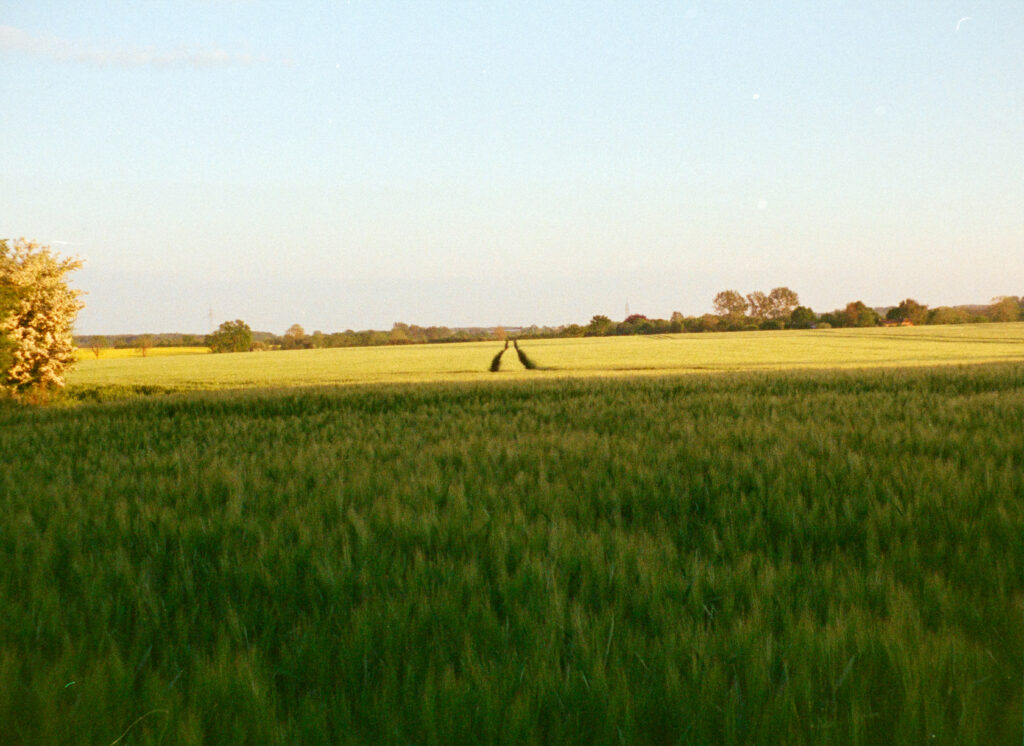
This is also why I like bringing a 110 camera everywhere. The cameras are small enough that they remove a lot of friction, and that changes the relationship I have with photographing ordinary life. I can put a Rollei A110 in a pocket or carry the Pentax Auto 110 without feeling that I have deliberately gone out to make photographs. Mundane settings, accidental moments, regular sights, or things that would otherwise disappear into memory become tangible simply because the camera happened to be there. The picture later does not necessarily make the moment more important, but over time the meaning we attach to that photograph can make the moment feel larger than it was. At least that has been my experience,
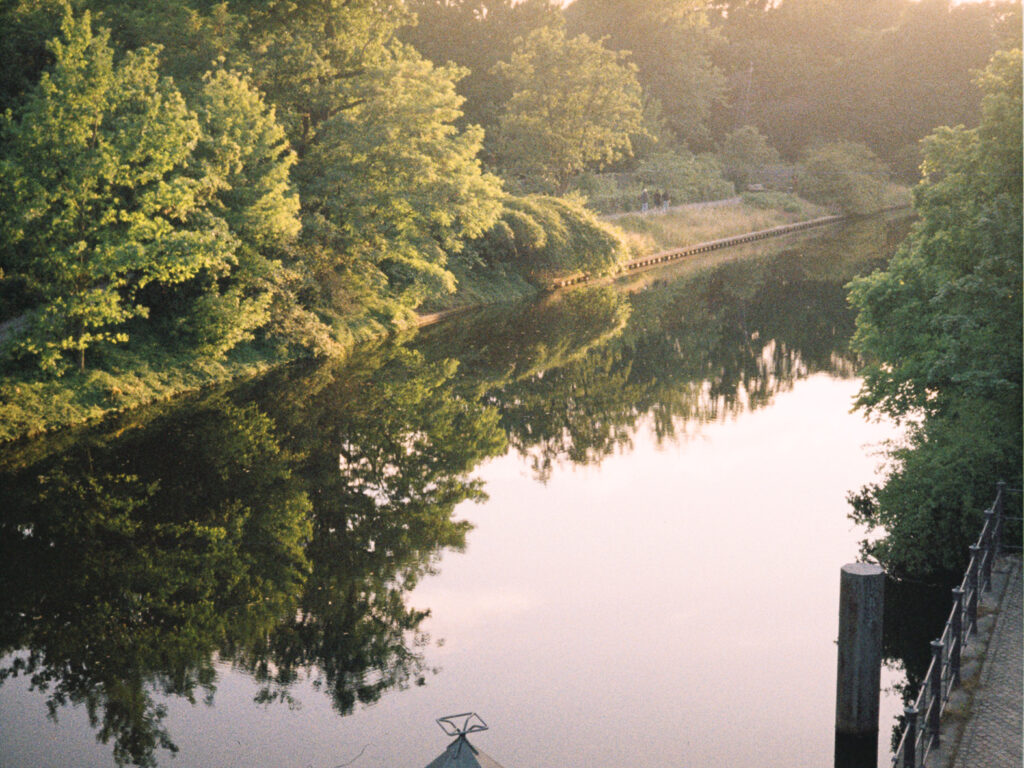
So this is where 110 becomes especially interesting to me, because the image is never entirely captured in the best detail by the film. When information is incomplete, the mind starts filling the gaps. A blurred figure becomes someone we half recognize, a blurry texture translates into feelings, a shadow becomes a story, and an imperfect frame can invite more interpretation than a technically precise one. The viewer is not only looking at the image, but helping to complete it, bringing their own memories and associations into whatever the negative failed to describe.
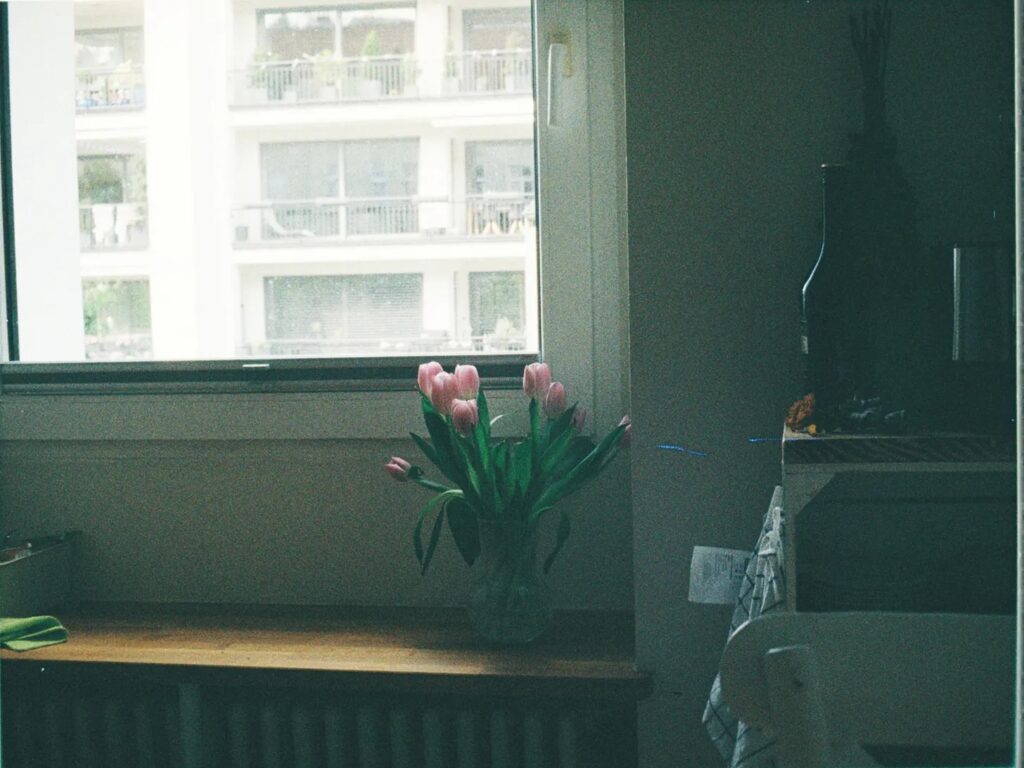
Maybe that is what keeps bringing me back to the format. I started with 35mm, explored larger and smaller systems, and eventually found myself building a deeper workflow around 110 than I ever expected. What began because the cameras looked small and cute, became something more useful to me. It is now a way of thinking about limitation, memory, and what a photograph actually needs to contain. The negative is small, the information is grainy, incomplete, and the image asks something more from the person looking at it. For me, that makes 110 one of the most collaborative photographic formats I have ever used.
To read more about my adventure shooting 110 format, follow me at @tinyframetales, or subscribe to my newsletter Tiny Frame Journal on Substack.
Share this post:

Comments
Bob Janes on Giving small negatives the justice they deserve
Comment posted: 23/10/2026
Comment posted: 23/10/2026