

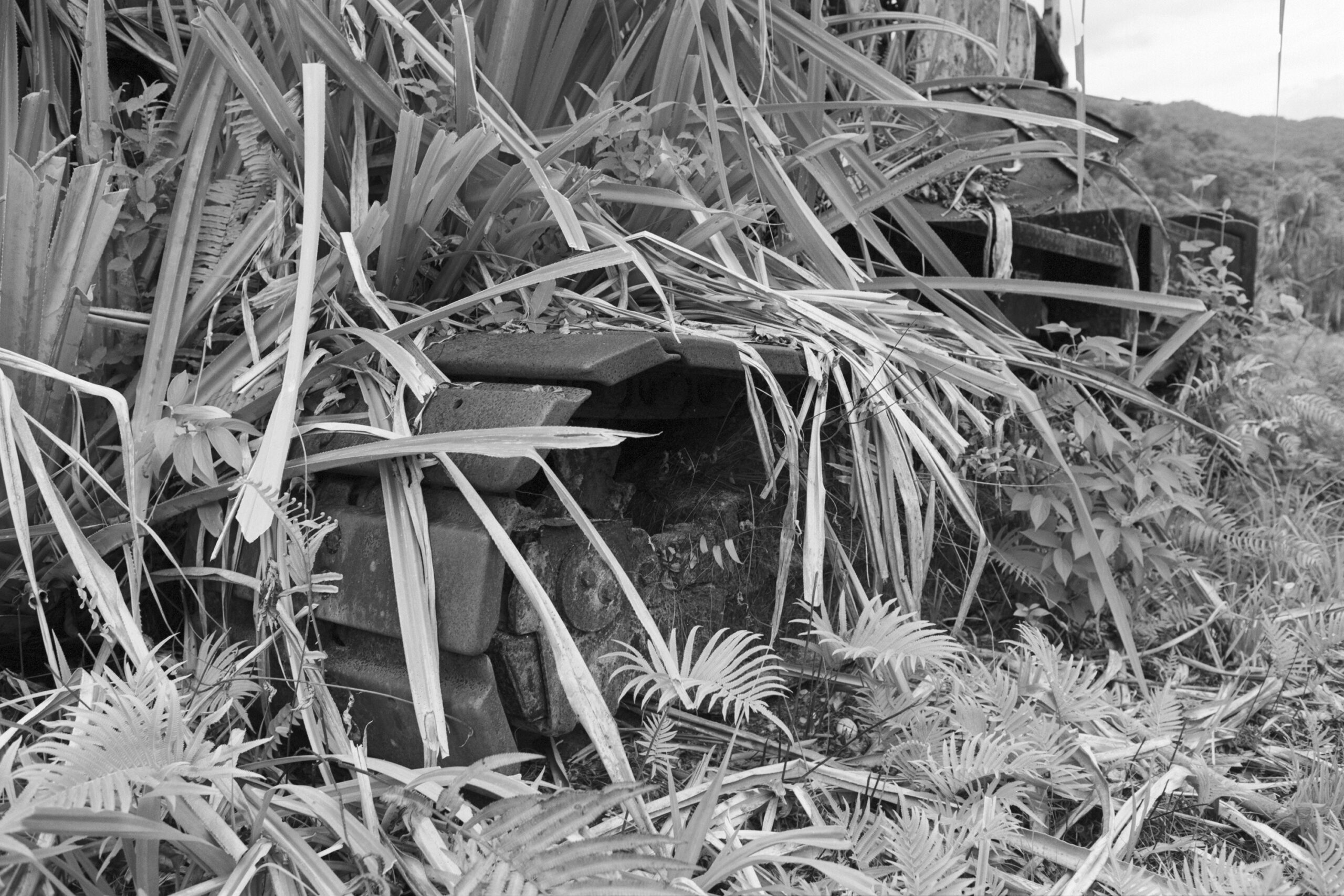
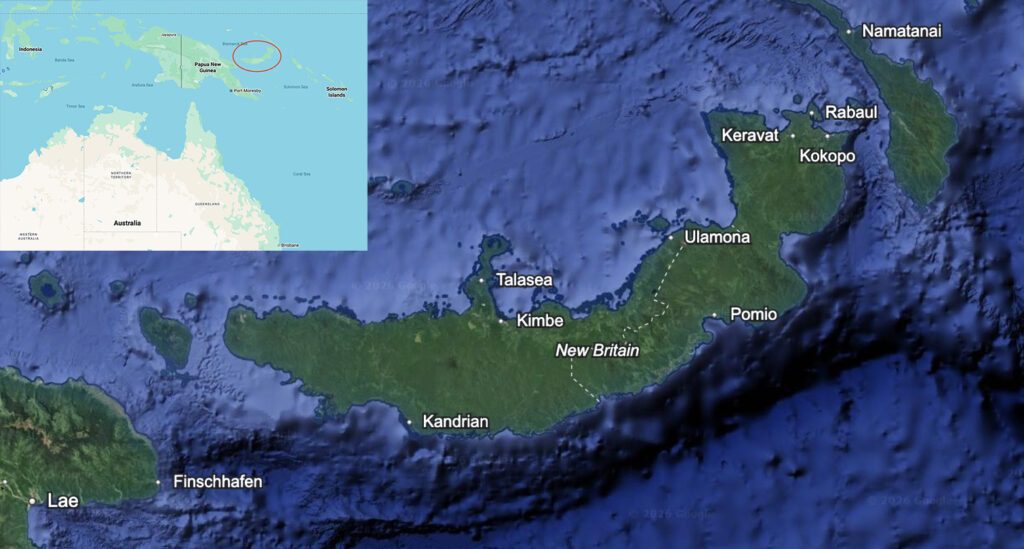
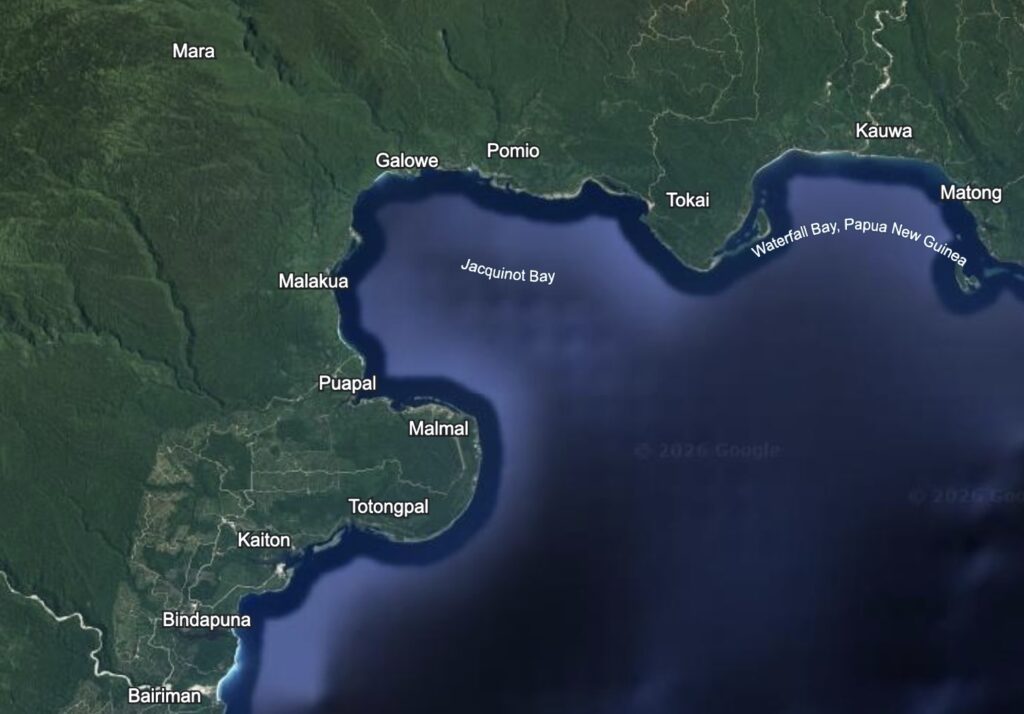
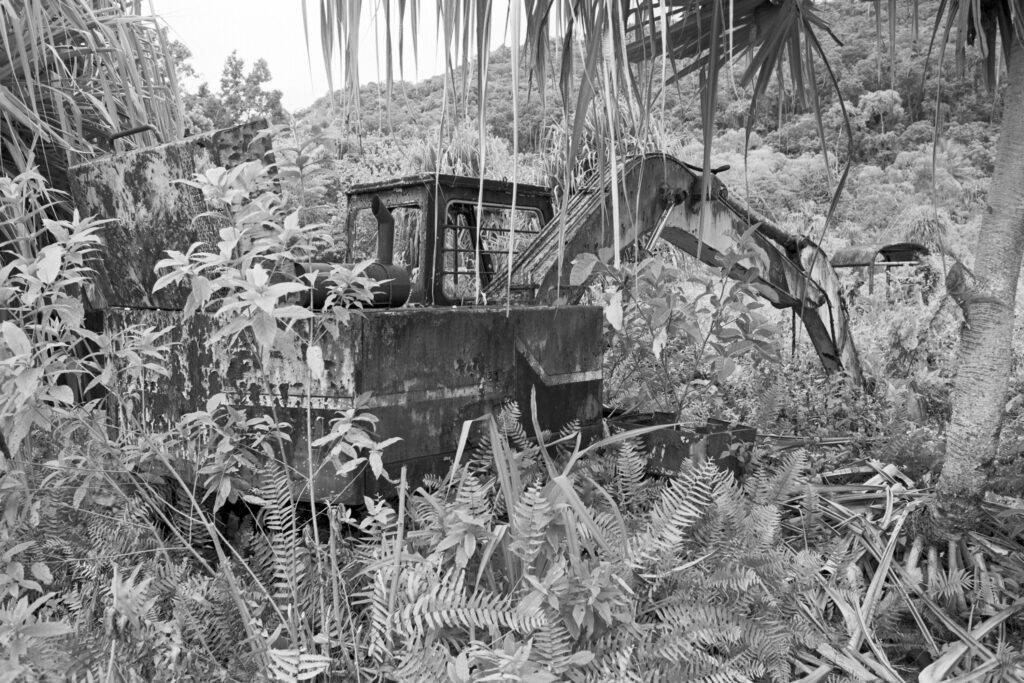
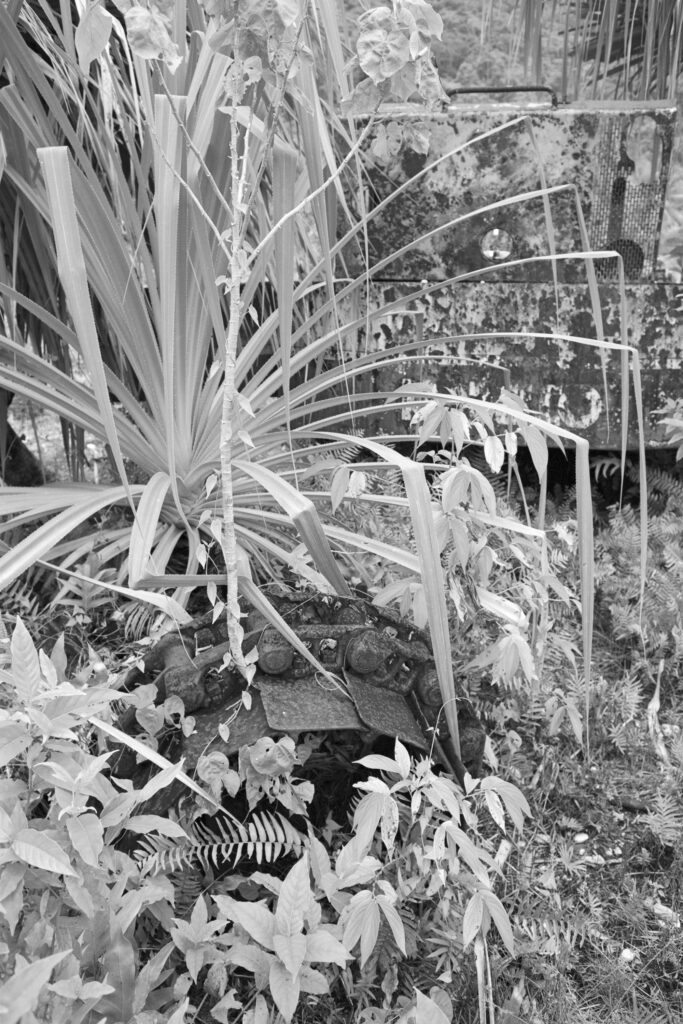
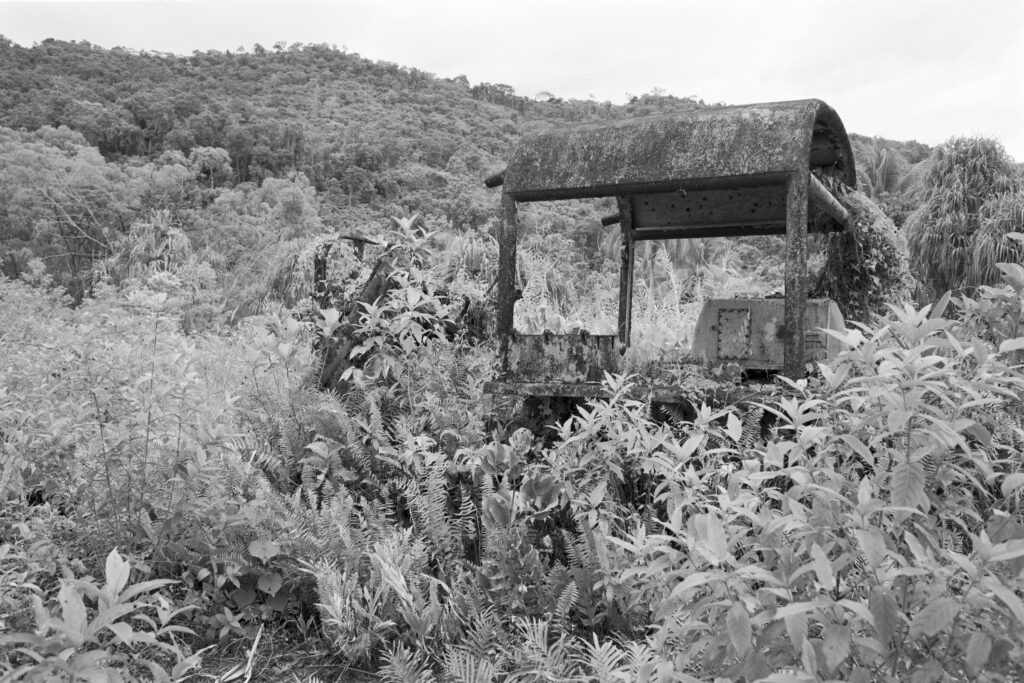
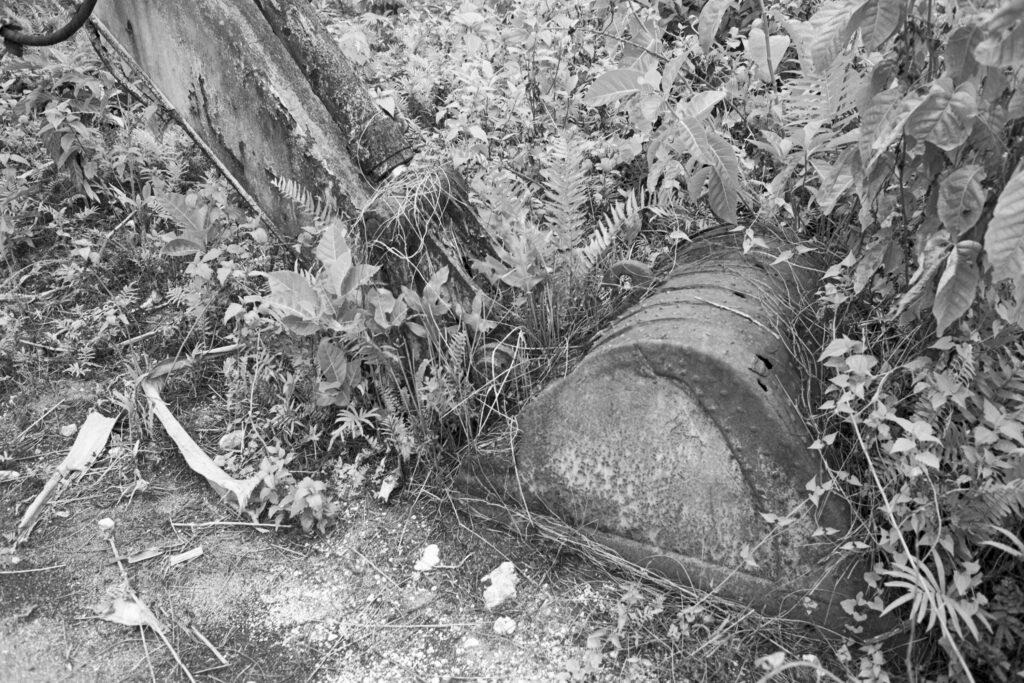
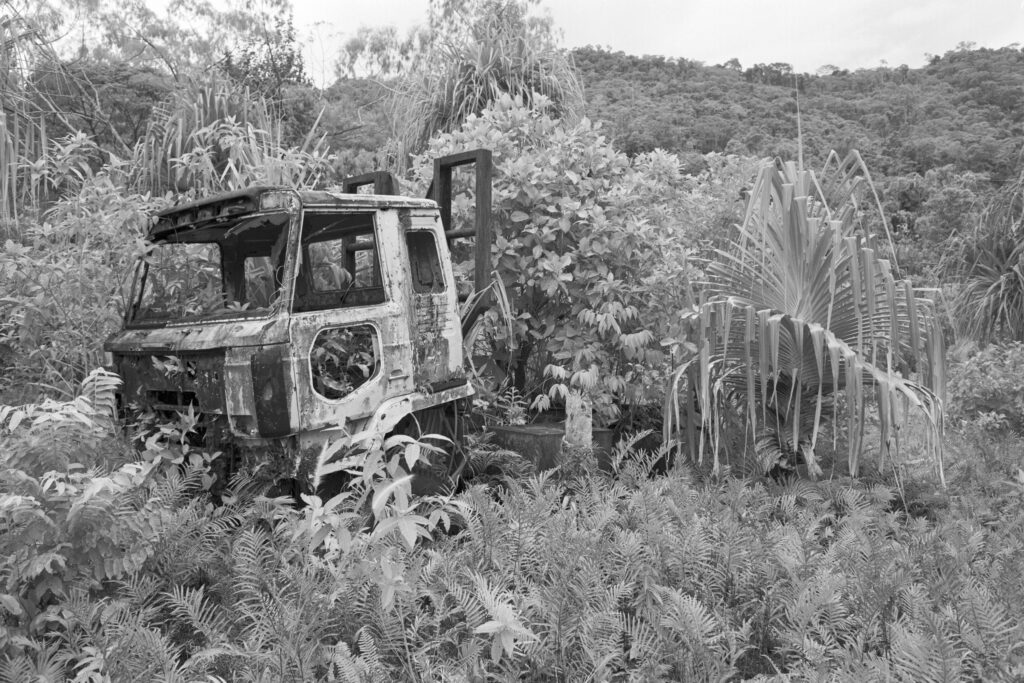
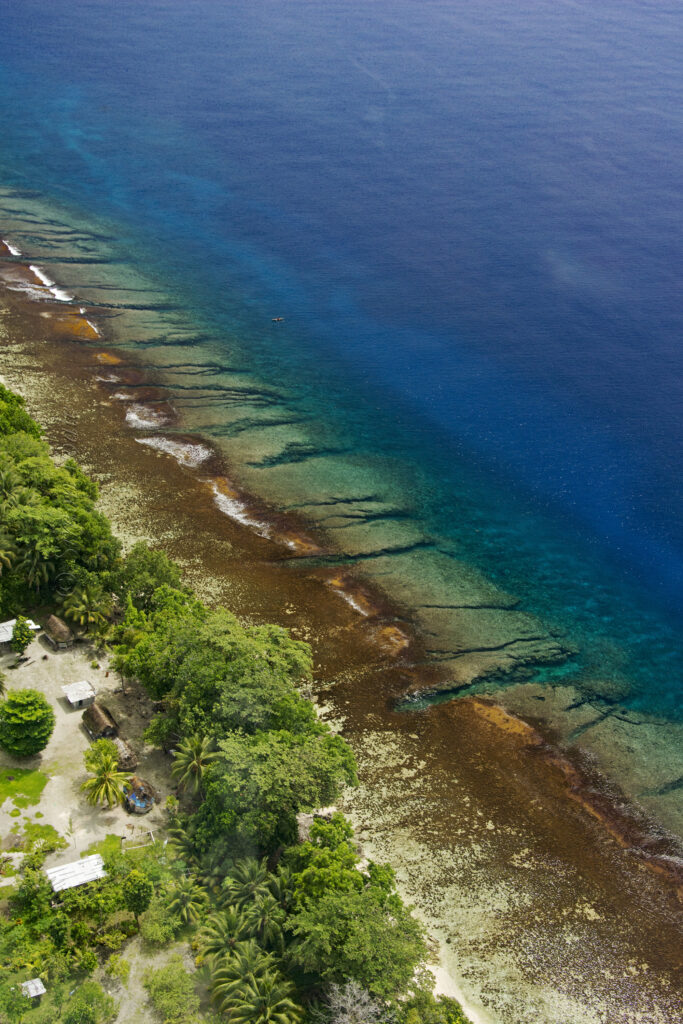
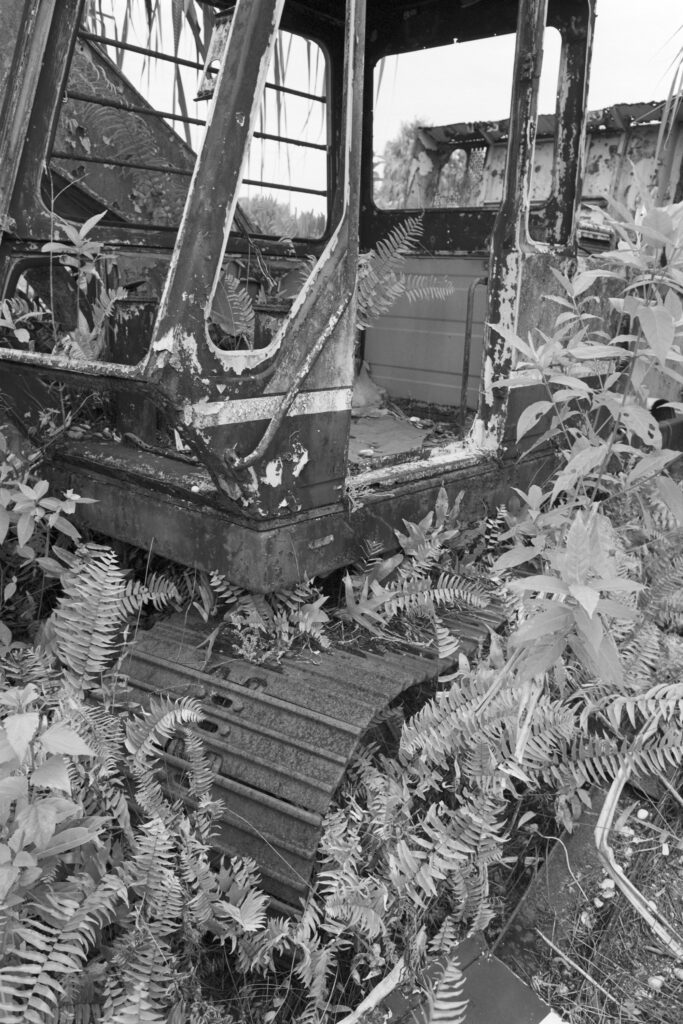
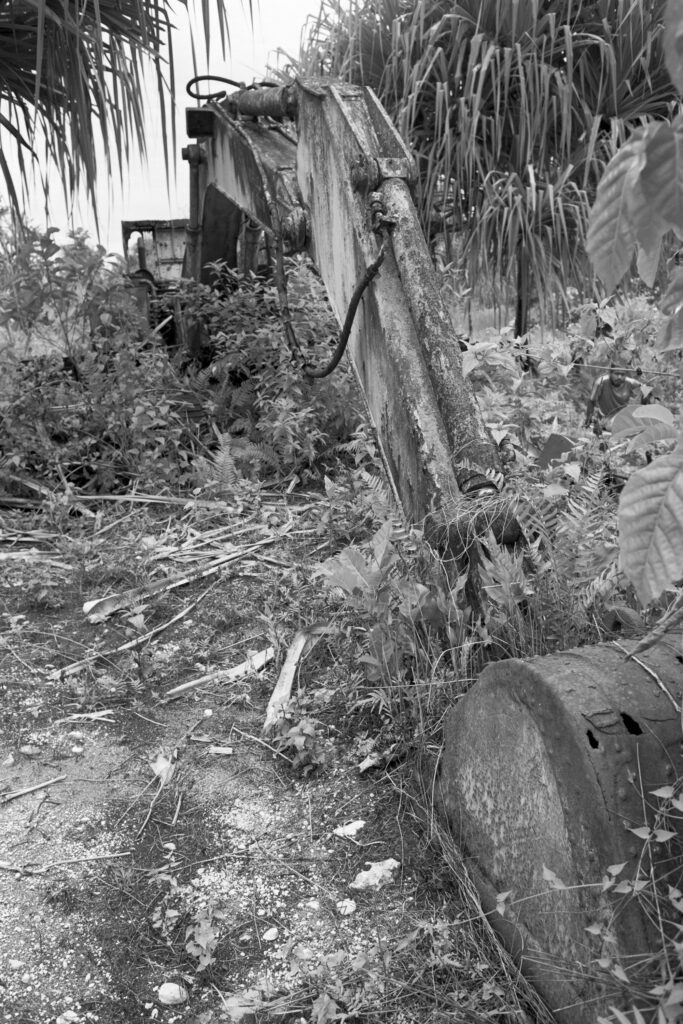
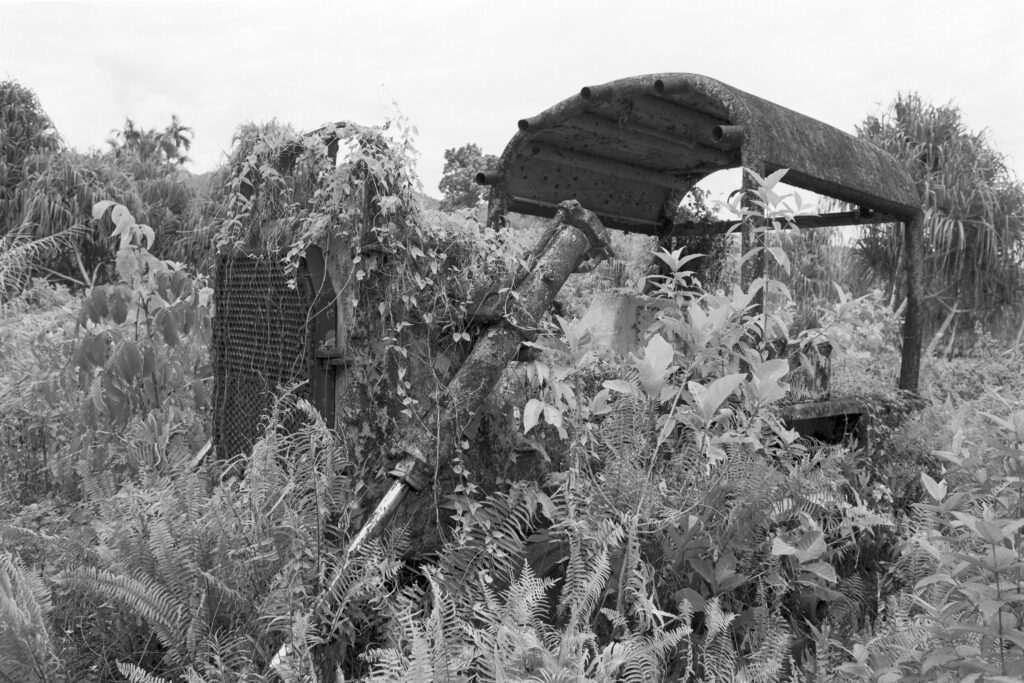
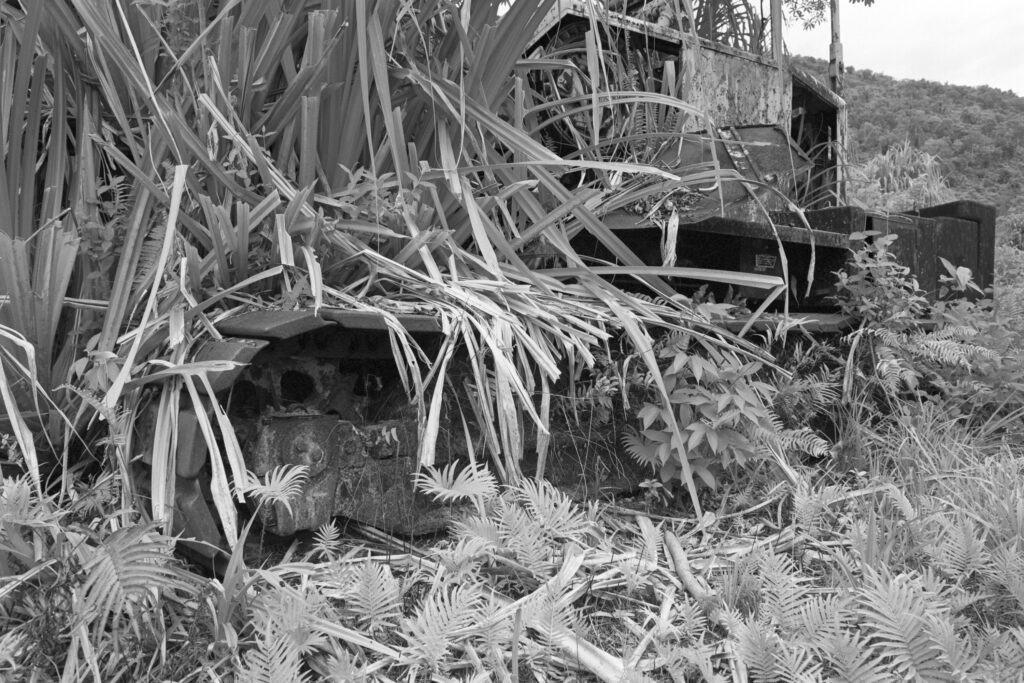
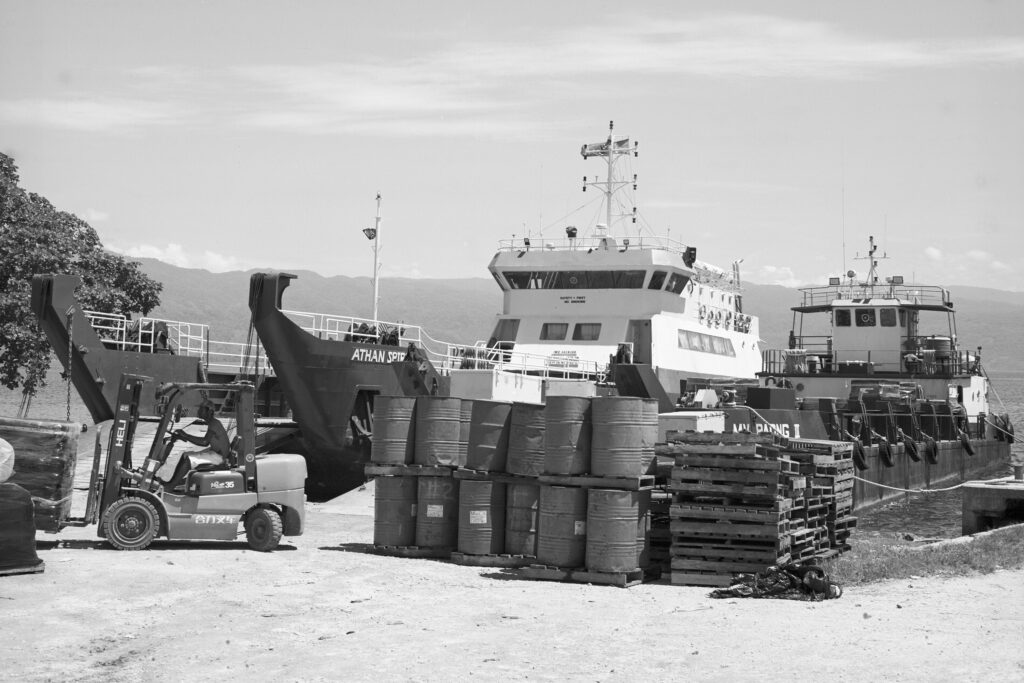
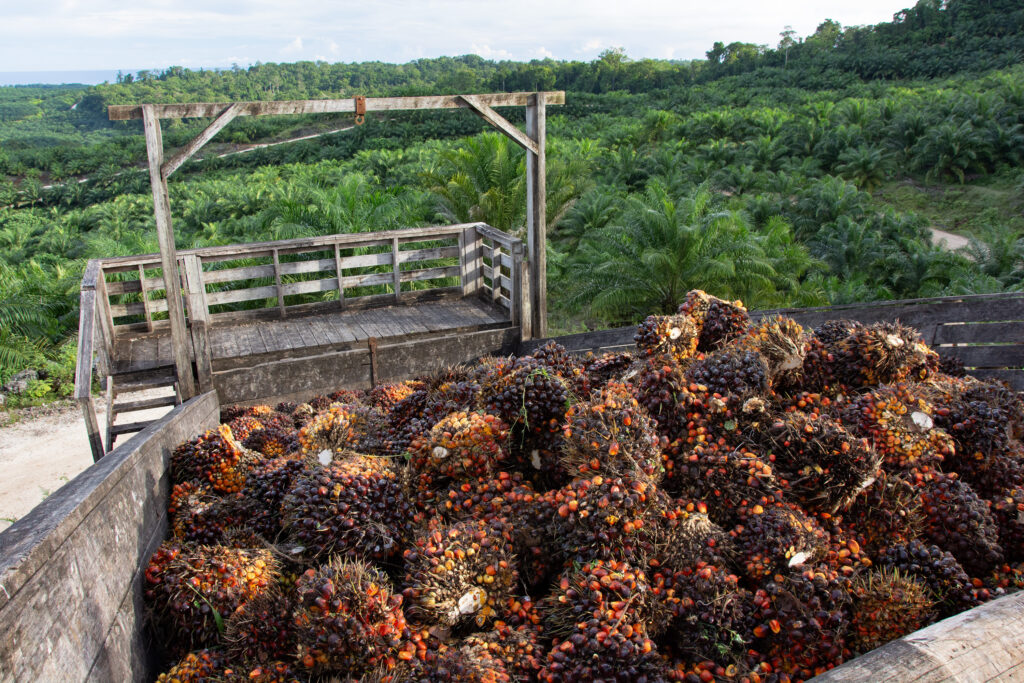
As the title and feature image of this article suggest, this is a story about abandoned logging machines that have become overgrown with vegetation in a vaguely Indiana Jones kind of way that I decided was worth representing on film. The location is Galue Village in the north of Jacquinot Bay, Pomio District, East New Britain Province, Papua New Guinea. I have been involved in social and environmental research projects in this area since 2015. Jacquinot Bay is the southern gateway to the Nakanai Ranges, a remarkable area in the central part of the Island of New Britain that has been nominated for World Heritage Listing based on geological, biodiversity and cultural values. It also happens to be at the frontier of two of colonial capitalism’s tried and trusted mainstays of predatory wealth extraction: logging and plantations (oil palm in this case).
I can only guess at why this particular logging company (I know that it was an Asian one, but haven’t learned its name yet) decided it was cheaper to leave the machines behind than to take them home on the barge once the logs had all been exported. Maybe it was a tax dodge, or maybe the machines had been flogged so hard during the project that their calculated resale value was less than the cost of transporting them to somewhere they could be sold.
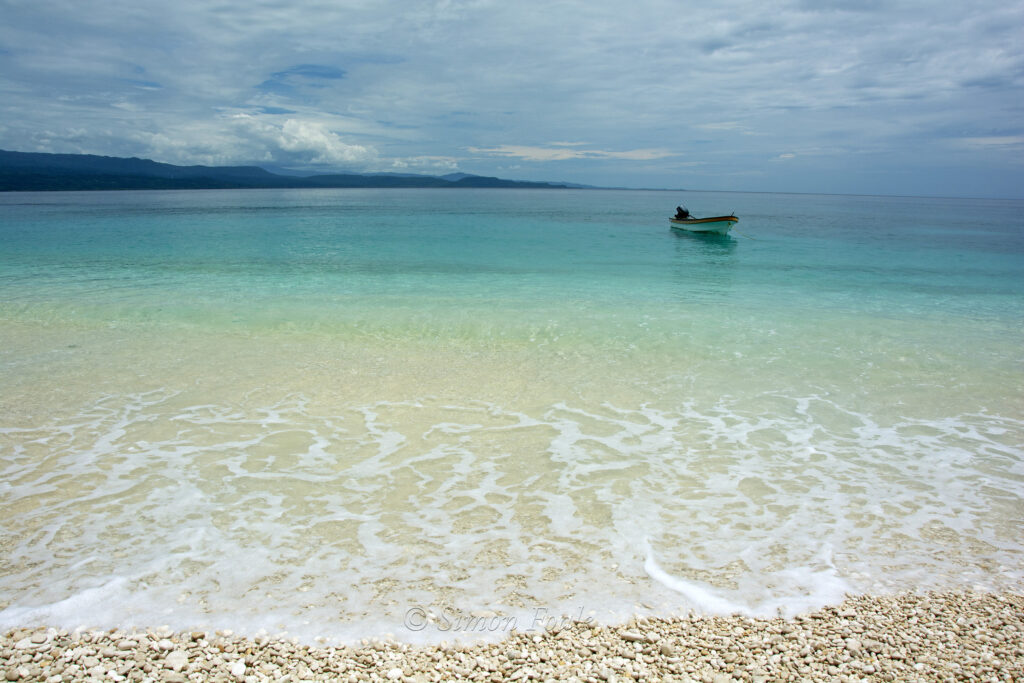
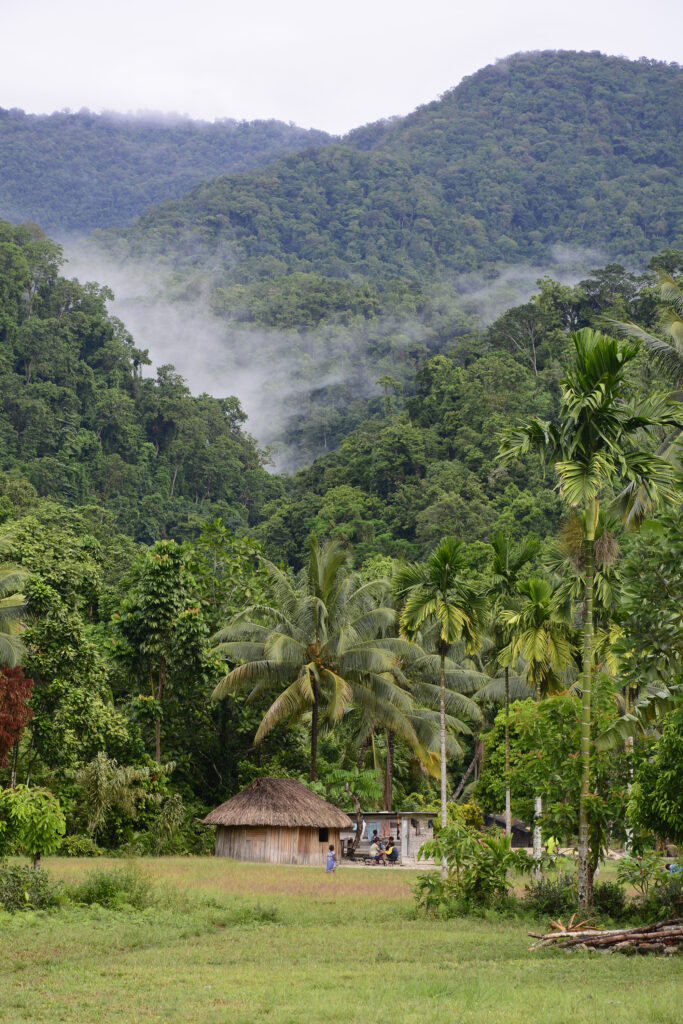
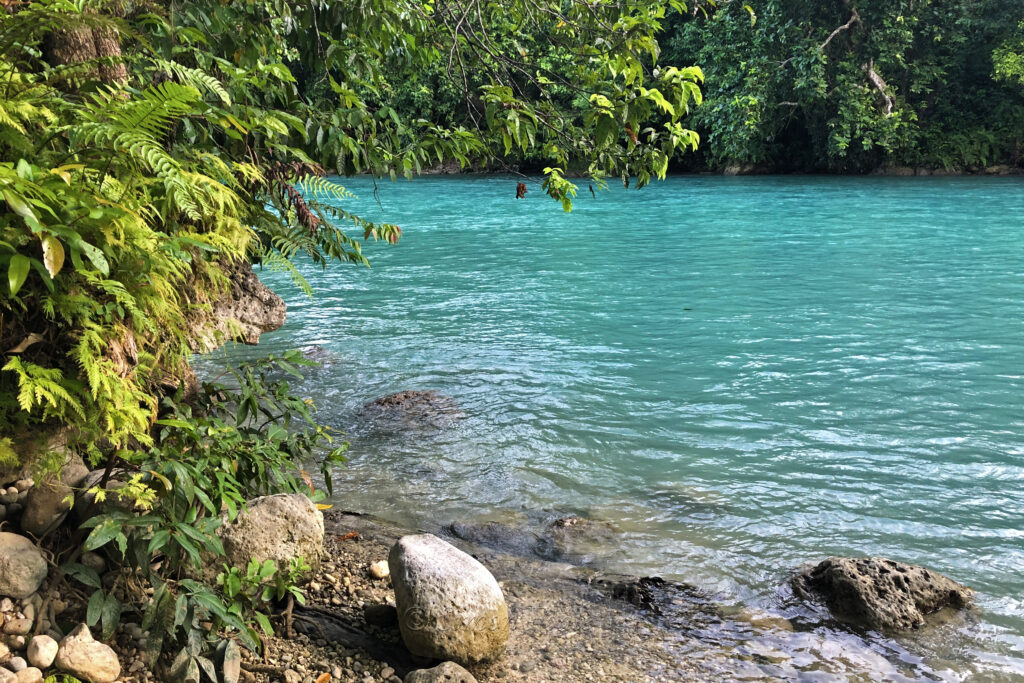
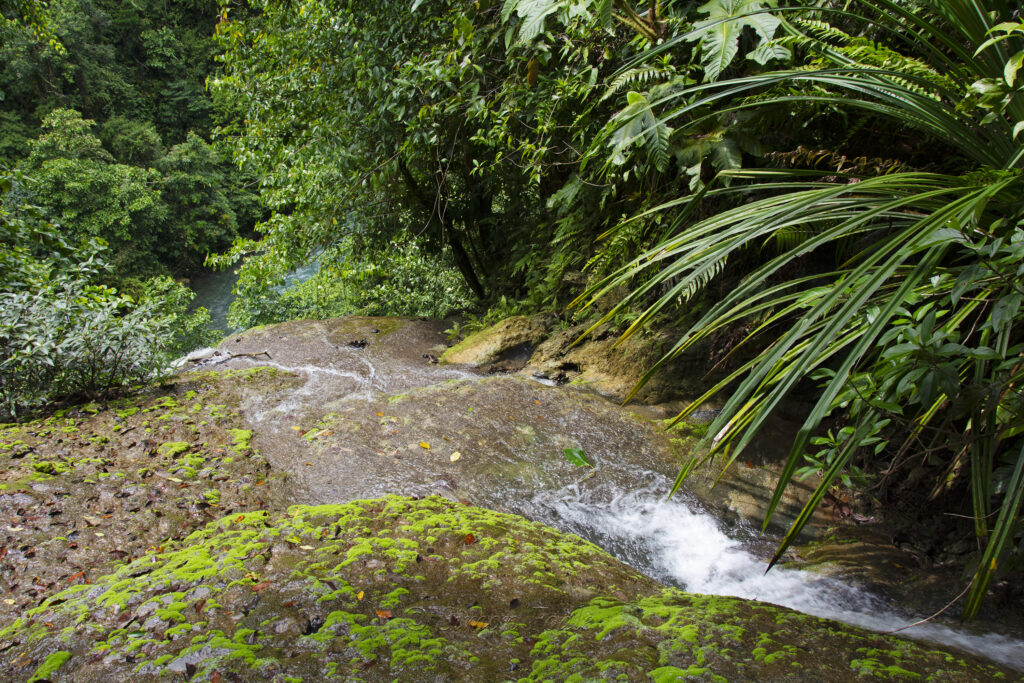
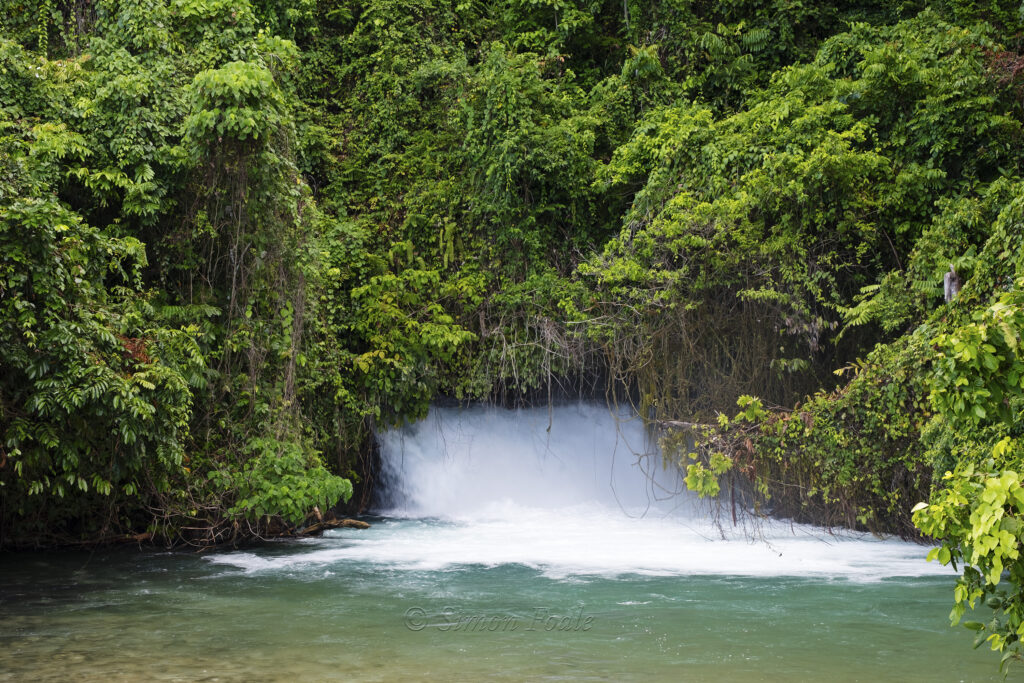
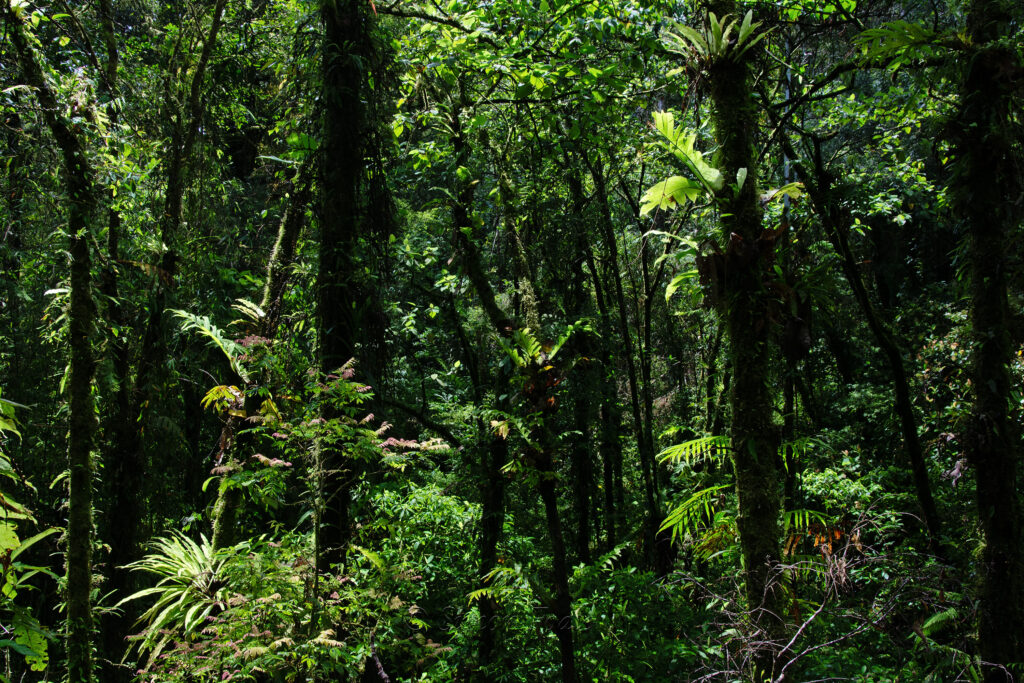
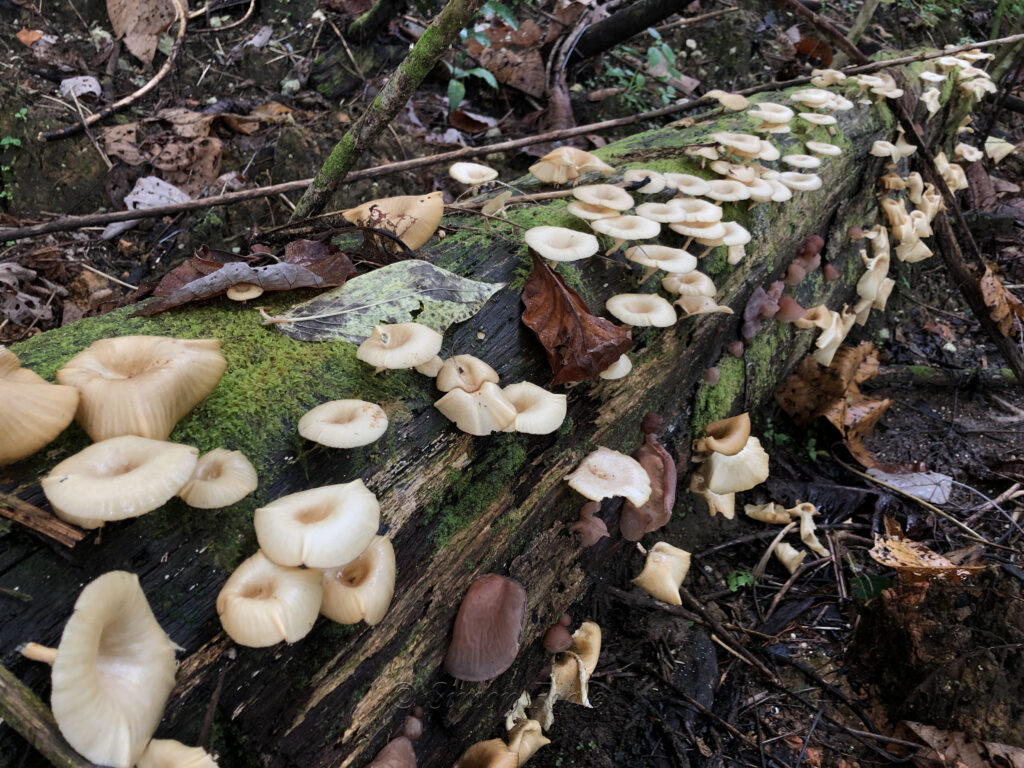
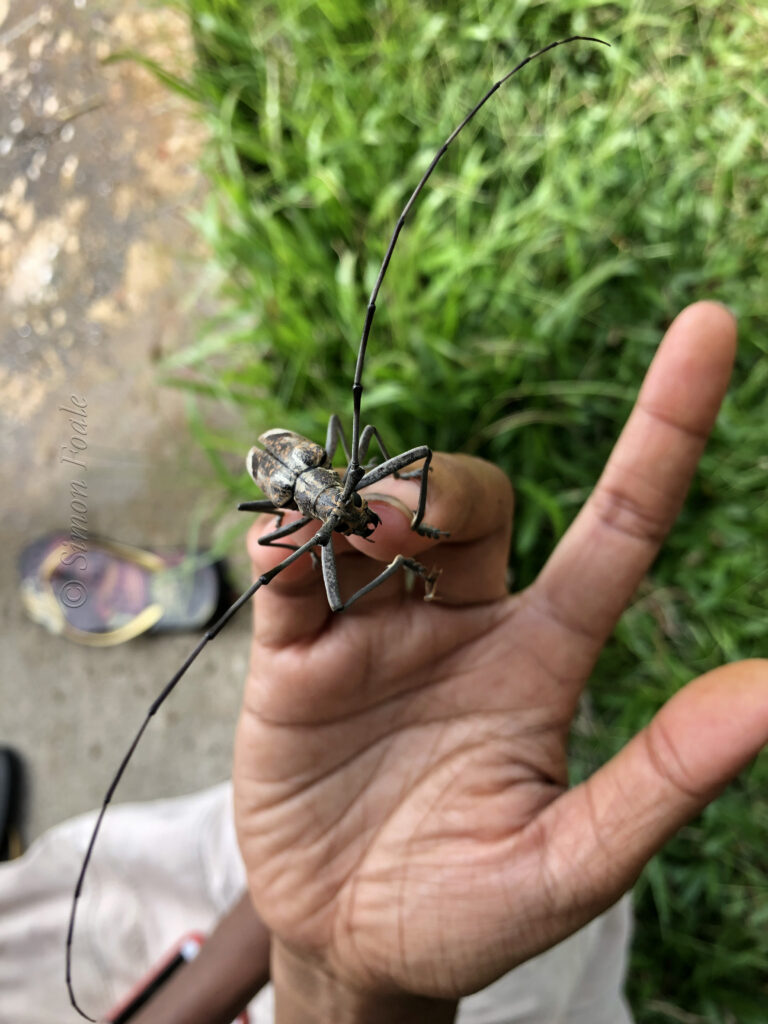
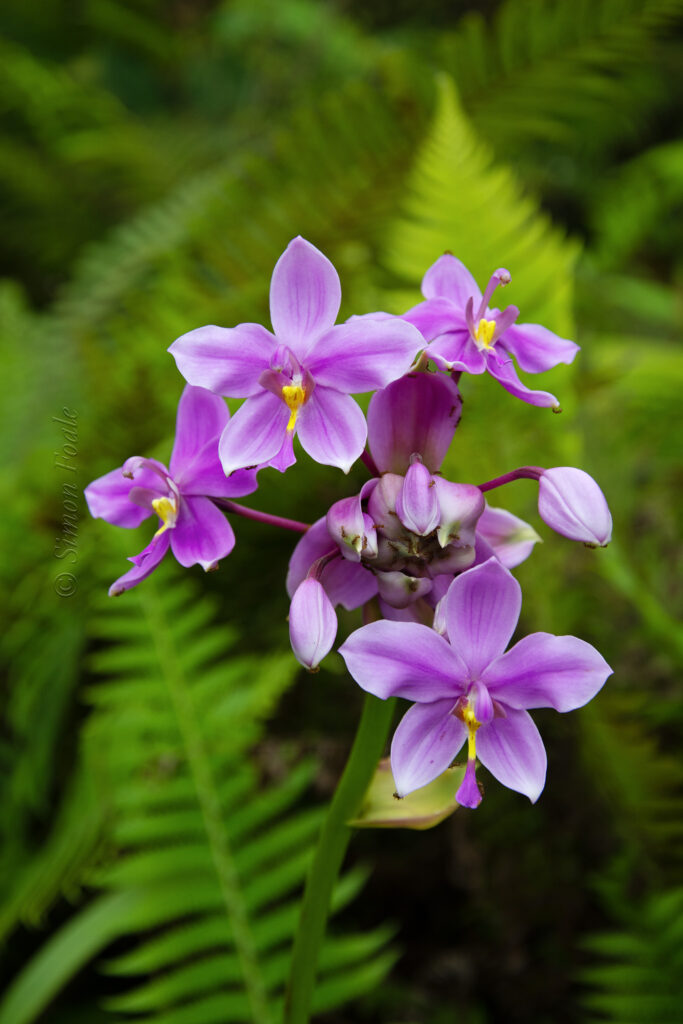
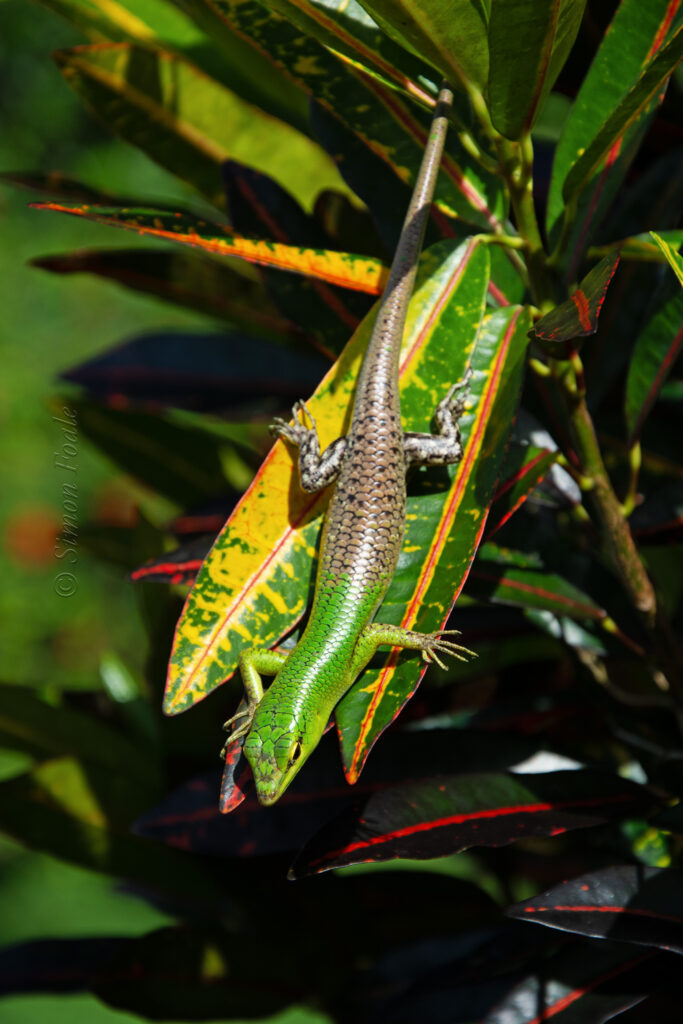
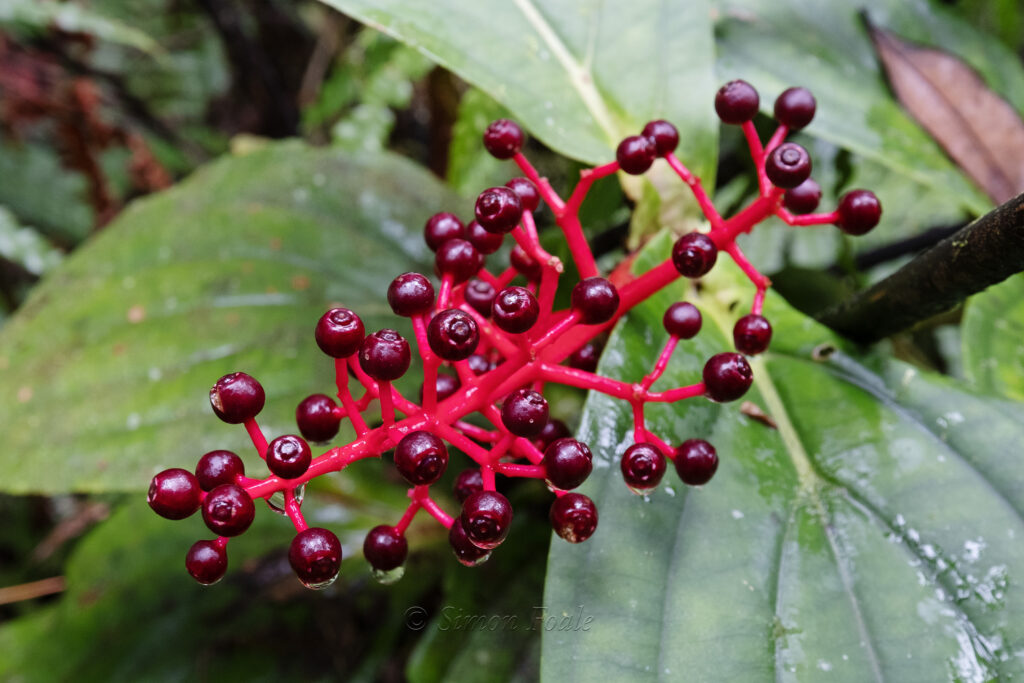
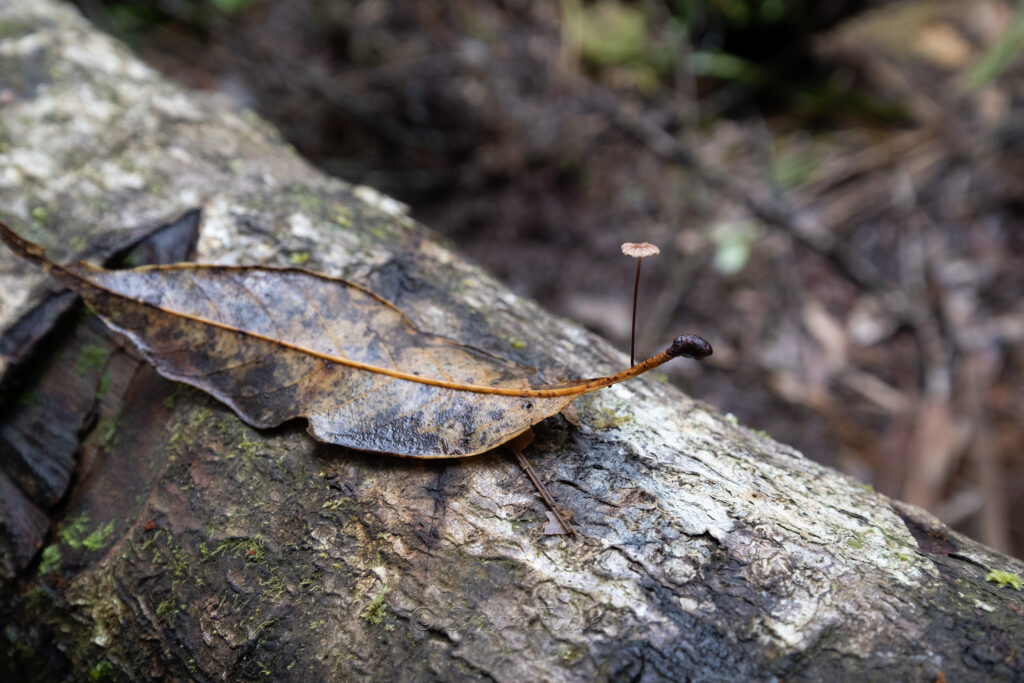
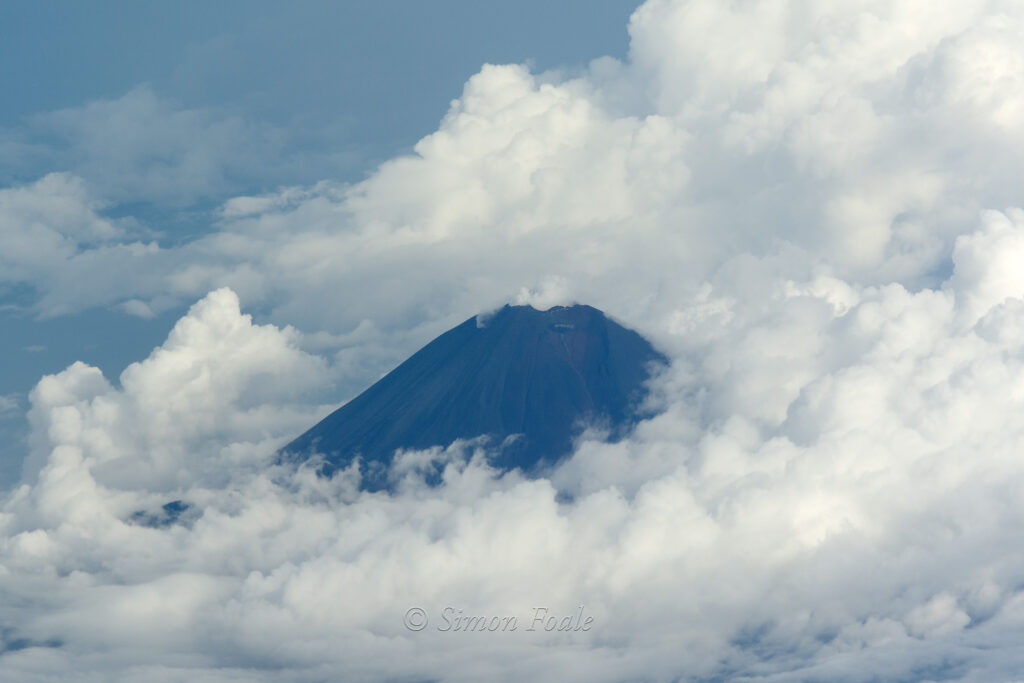
I’m going to intersperse the images of the machines (made with Svema Foto 100 film, mostly shot with a Nikon FE, Voigtlander Color-Skopar 20mm F3.5 SL and an orange filter) with some digital pics that I’ve made over the years, mostly using a Nikon D7100 and 18-105mm zoom (a plasticky but optically excellent lens, which has since died), to give you an inkling of the extraordinary beauty of the place. If you are curious to learn more, my good colleague Dr Jennifer Gabriel is the lead author of an excellent freely downloadable e-book about the Nakanai Ranges here.
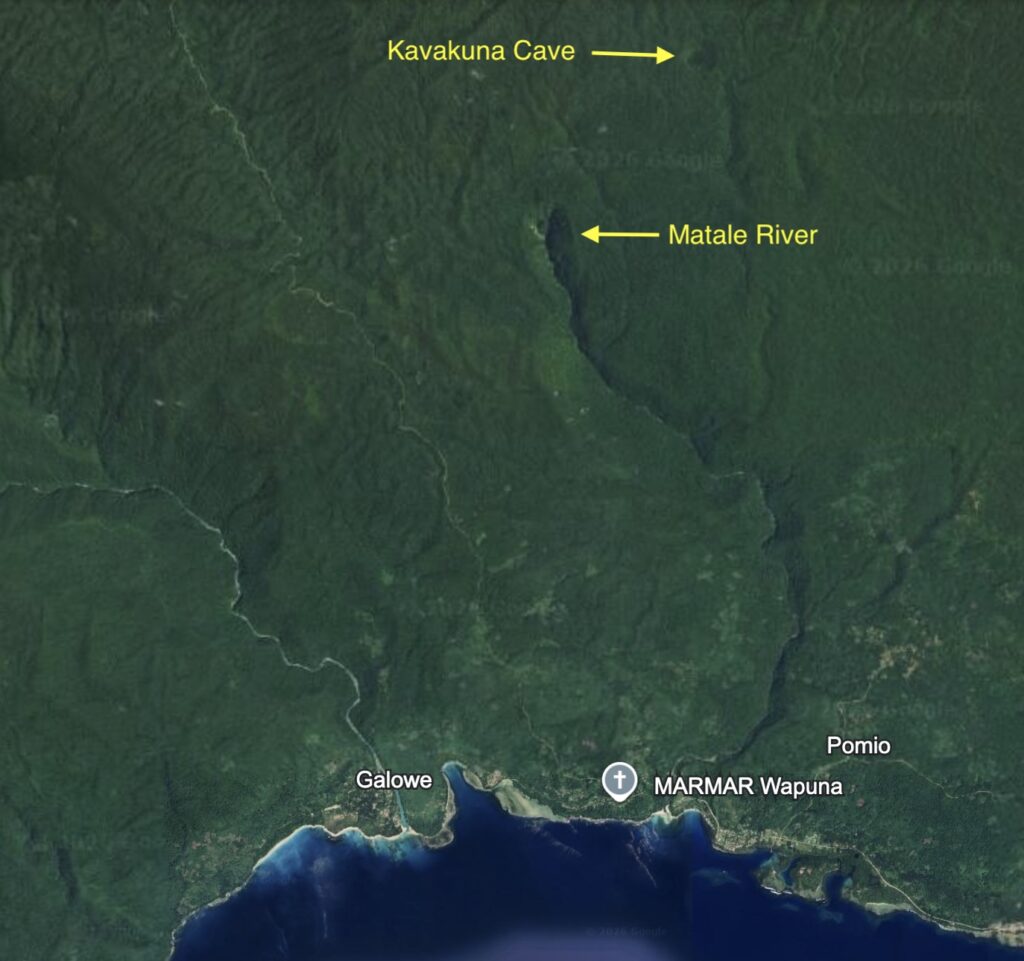
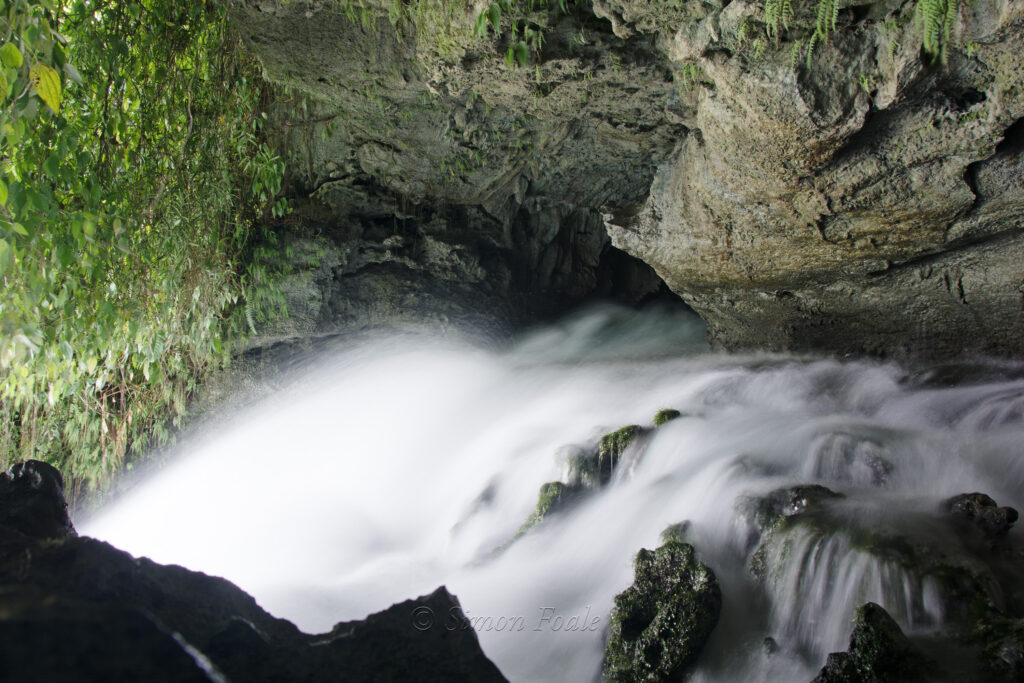
The geology of the Nakanai Ranges is probably what it is most famous for outside of PNG. The central section of New Britain is an immense block of uplifted limestone karst that, over geological time, has developed vast cave systems, dolines (giant conical depressions in the landscape), and extensive underground rivers. Some of these rivers emerge spectacularly from caves, one of which can be easily viewed from the coast near Malakur Village. The massive Kavakuna Cave has a river running though it that disappears down a huge drain right at the entrance to the cave, which itself is at the base of a giant doline. The river then re-emerges from a cave high up a sheer limestone cliff and constitutes the source of the Matale River. The area is something of a caver’s Disneyland.
The island is also famous for its volcanoes. Tavurvur and Vulcan blew up in September 1994, carpeting the then provincial capital of Rabaul in metres of ash and forcing the population to relocate to Kokopo, which became the new provincial capital. Dust and haze from that event severely reduced visibility as far away as Honiara (I know because I was there at the time!). Closer to Nakanai is Ulawun on the central north coast, which sent a plume of ash 19km high in June 2019 (conveniently between two of my visits in March and October!).
The volcanic activity is driven by the subducting Solomon Sea Plate which features the 9km deep New Britain Trench (you can see it on my first Google Earth screen grab, above). Movie director James Cameron took his submersible the DeepSea Challenger to the seabed at 8221m there in March 2012. My friend Rob Vanderloos (about whom I have written here) told me recently that he provided logistical support to Cameron on that expedition.
I’ll provide some further comments about the natural and cultural values of Jacquinot Bay and the Nakanai Ranges with the images.
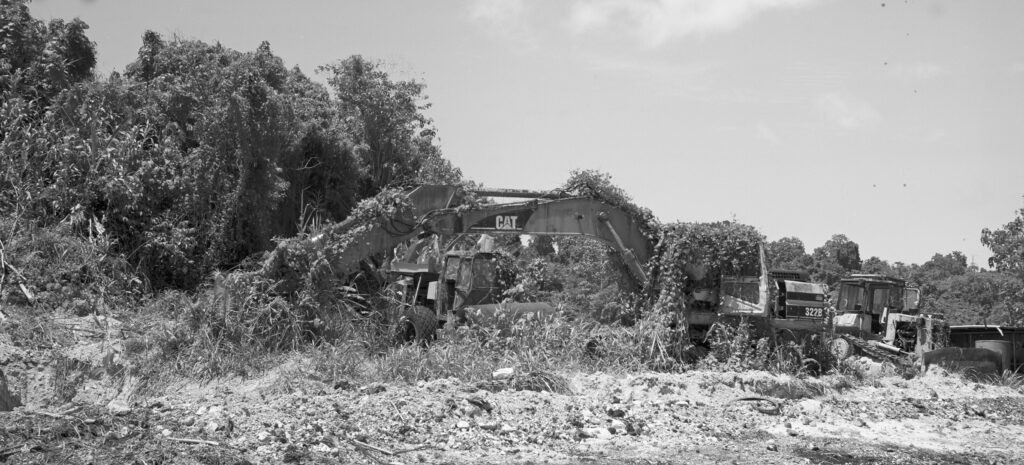
A quick note about Svema Foto 100. I like the 35mm version of this film. It seems to have a true ISO 100 speed, virtually no grain and, like Aviphot Pan 80, it has a spectral response extending well into the infrared band. I developed it with XT-3 (1+1) for 10 minutes at 20C with standard agitation. The negs (and raw scans) were actually far less contrasty than I expected (some reviews have claimed it is a contrasty film), so I have curved most of the scans to increase the contrast. I managed to find some 120 rolls of it via a French retailer, but it has the same problem as Aviphot Pan 80 of the backing paper leaving lots of marks on the film, effectively ruining the images. BTW this is the first time I have published digital images on 35mmc (apart from feature images of cameras) and it probably won’t be the last. You’ll see I’ve put a watermark on the digital pics, as a (doubtless futile) defence against AI piracy (at least with film we have possession of the actual physical medium, for whatever that’s worth).
Thanks for reading.
Share this post:

Comments
Geoff Chaplin on Revenge of the Forest
Comment posted: 28/11/2026