

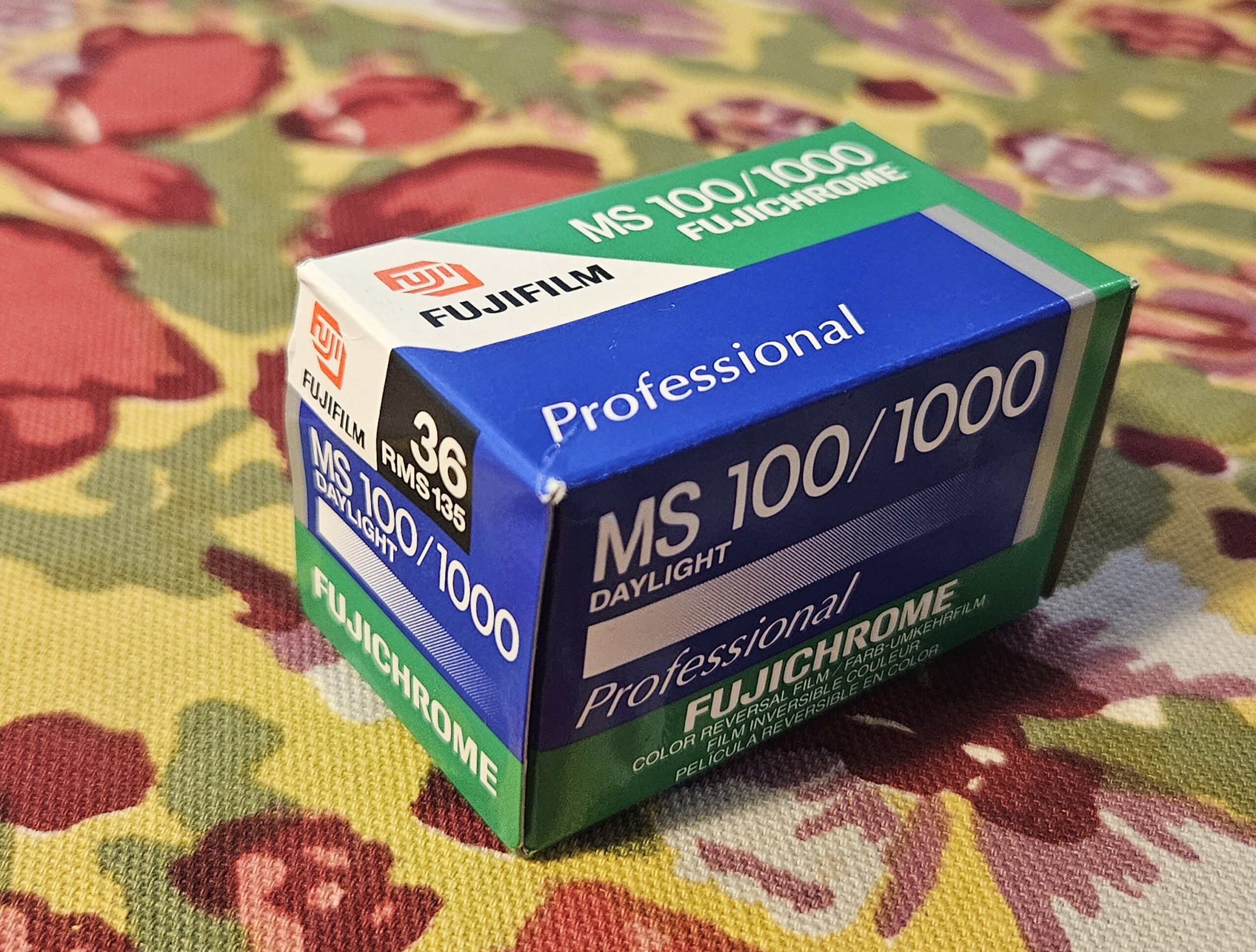
What on earth is Fuji MS 100/1000?
That was the question I had as well when I first saw the box. Everyone knows Velvia and Provia, plenty appreciate Sensia, and some still prefer the look of Astia, but MS 100/1000? A brief search online revealed barely any proper example photos for reference, let alone people pining for its return.
Reading the little material available revealed that this obscure film was formulated by Fuji back in 1999, specifically for pushing up to 4 (!) stops, all the way to an EI of 1000 from an ISO of 100. The goal was to maintain consistent, realistic colors when pushing, so that a photographer could shoot different rolls at different speeds, and then be able to mix them together without noticeable color shifts or differences in quality. It’s clear that Fuji went all in on promoting its push-ability, the box even gives a small table of development times:
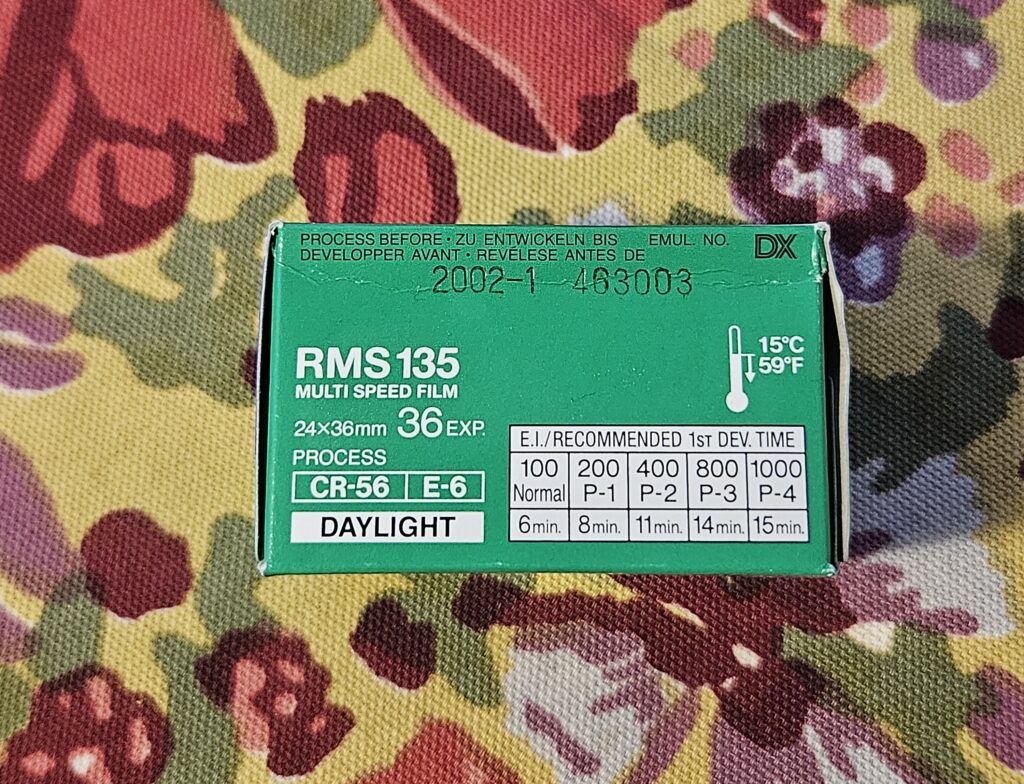
Technically, it’s quite an impressive feat, especially compared to ~1 stop for Velvia and ~2 stops for modern Provia and Ektachrome, so hats off to the scientists who made it possible. Broadly, it seems kind of useful, but if you’re wondering who would pick this over just buying a natively faster slide film… well, that’s the question the market asked too. Sadly, it was killed off without direct replacement after only a few years in 2003, when Fuji updated their slide film chemistries. My batch expired in January 2002, making it one of the first batches of 35 mm produced, possibly even before the turn of the millennium. How’s that for expired?
I rarely push films period, these rolls are nearly a quarter century old, and given that I send these out to my local lab for hand processing, pushing it is, without a doubt, irresponsible. Yet, this film was made to be pushed! So I thought, why not experiment and see what happens? I picked an EI of 400 (+2 stops) because that was the maximum push, when fresh, that would still retain its base exposure latitude, and I didn’t want to tempt fate too much by going higher.
Shooting it was a bit of a challenge. As I detailed in my article about metering slide film, I like to keep the exposure latitude of the film in mind when metering. The lack of information made it difficult to know what that range actually was. From what I found it is comparable to Velvia 50, but given the degradation over time, I didn’t know if I could still trust it. So, I focused on shooting scenes with low dynamic range and even lighting, to maximize my chance of success.
Unsurprisingly, when I got the slides back, everything had a strong magenta cast and crunchy grain. Surprisingly, and to my relief, most of the slides were still useable with some care in post. I’m not normally a lomo kind of guy, but here, I’ll take it!

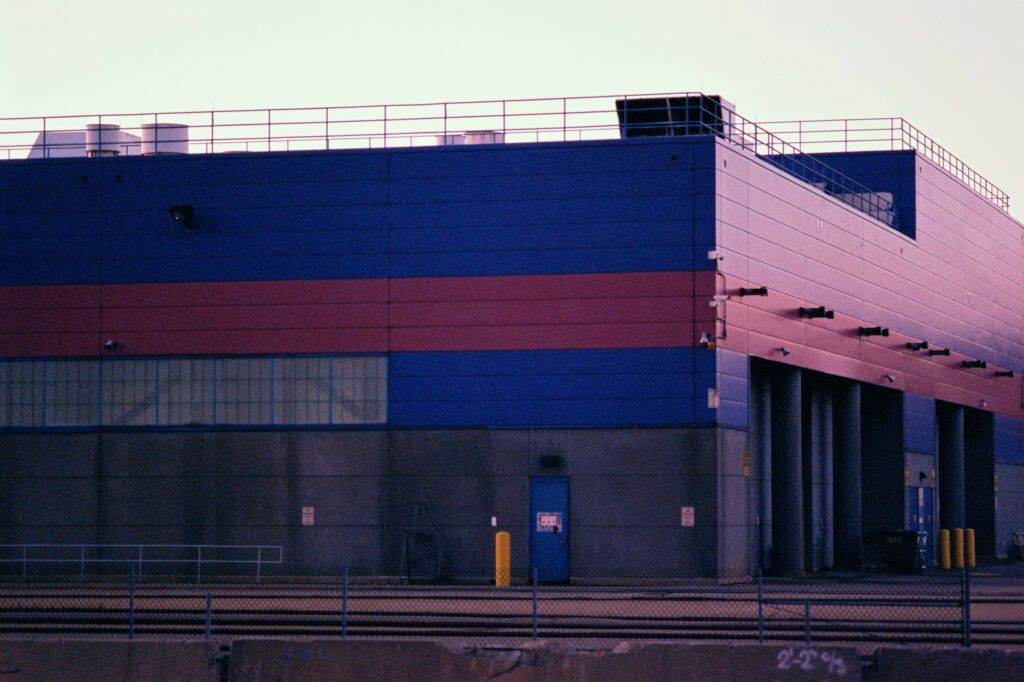
This shot of dockside silos is probably my favorite off the roll. The grain is strong but it adds a nice texture particularly for the corrugated iron details. Dynamic range isn’t as bad as I was afraid it’d be – there is still shadow detail, and despite the magenta cast the colors are otherwise accurate albeit surreally enhanced. Contrary to my worries, the contrast came out rather normal for reversal, which makes me more comfortable shooting MS 100/1000 in the future.
Looking at the other frames in this roll though, most of them aren’t as nice as this, and the best ones are almost all the same formula – even, strong available light.
On the other hand, for this train depot, I sacrificed the sky in exchange for building shadow detail. I think it was the right choice for this shot. This came out the best of my few dusk/sunset photos, as they are all heavily magenta-tinted, and many of them have too high of a contrast. Such as this shot:

Probably even if I hadn’t tried to have it pushed it wouldn’t have worked, the sky’s exposure is just too many stops away from the ground. Not the best subject matter for slide film. I like the dusk sky’s color in this shot though, as it is saturated but not inaccurate to that night.
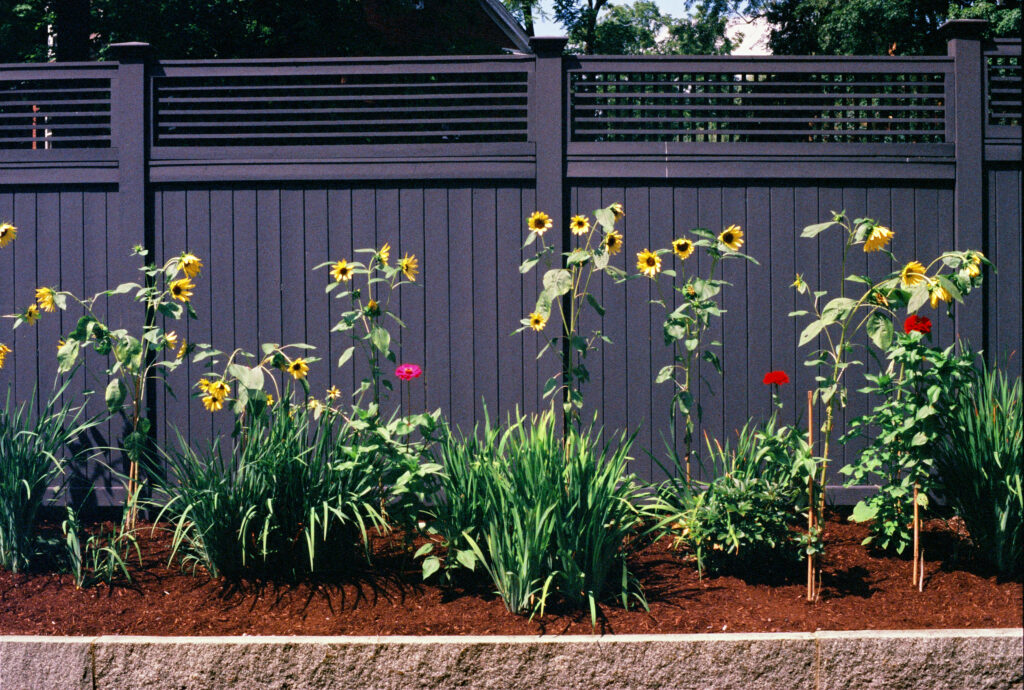
As befitting of a Fuji film, greens really stand out even with the torture I’ve inflicted on this stock. The saturated reds/pinks and lush greens remind me a bit of what I see with Provia, and so to avoid losing that I had to minimize the amount of color correction on this shot, hence the very warm browns and greys. I can imagine that the color fidelity when shot normally must be excellent.
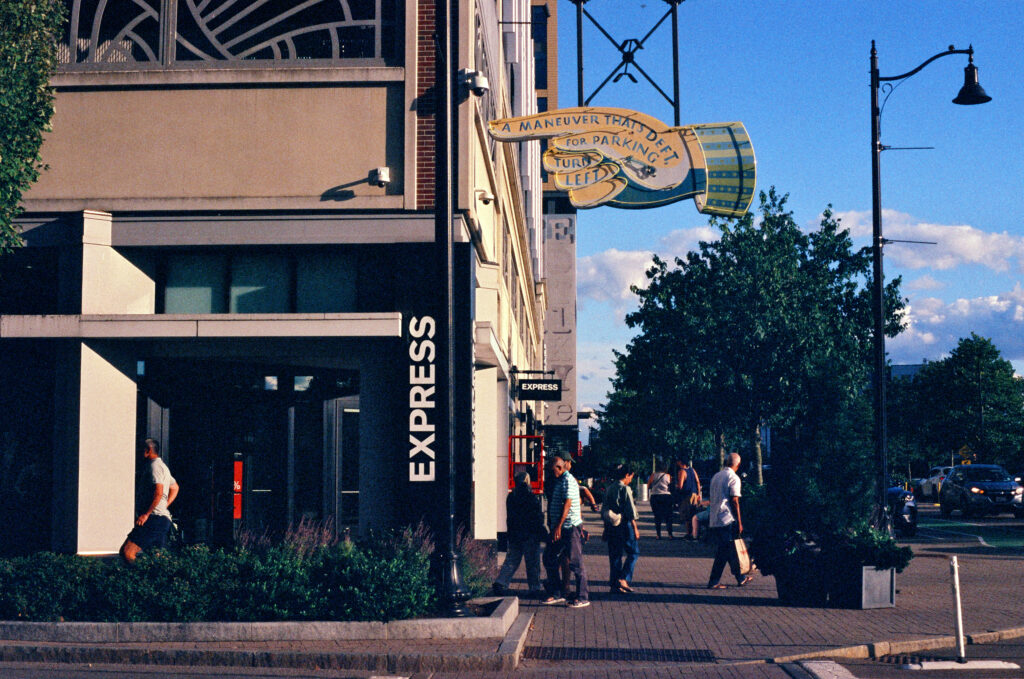
Those who’ve read my articles before know that I don’t particularly do much people photography, but for the sake of trial I took this shot at a shopping center. It’s not super surprising that a magenta shifted film would make people look roasted I suppose, just like with Ektar highlights. The signage looks on point, so architecture – again in even light – is still potentially viable pushed. The one example portrait I found online from that time, also shows rather tanned/burnt looking skin tones, so perhaps MS 100/1000 is just not people friendly? Next roll I shoot, I’d like to see if it still behaves this way at box speed.
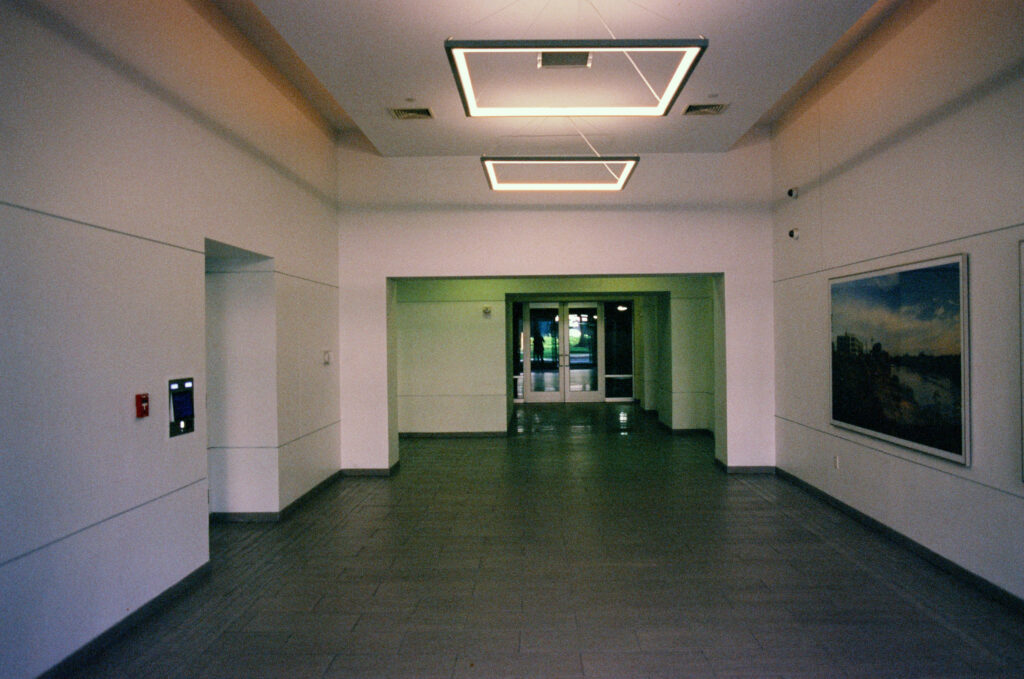
Indoors is really where this roll acts the most normal. Of course, there’s still some magenta, but it’s a lot more balanced. Does it have to do with the color temperature of the light bulbs? It’s not clear to me, but it fits again with the theme of consistent light being the best for my shots.
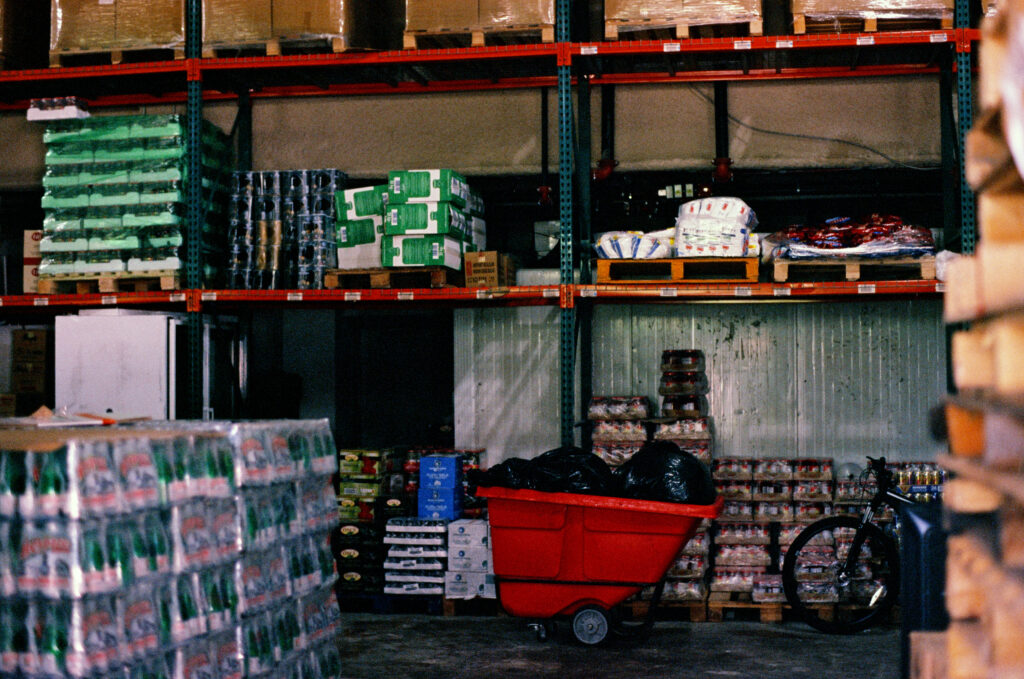
Would I do this experiment again? The simple answer is of course, not this exact way; as can be seen the consistency isn’t there. I’m unsure how much of this is simply age versus an issue with development, since again, this was done by my local lab. However, if I can develop it myself at home, I’d be more willing to try a push and see what happens.

In addition, shooting this made me realize that I don’t actually benefit that much from increased speed, at least for my style of photography. Most of my photos on this roll, just like the ones I’ve shown, are outdoors in bright or partially cloudy daylight, I only had a couple of scenes in low light or indoors, and pushed, the former were not particularly great. Yes, shooting high speed slide is fun, but I only noticeably benefited from it indoors, otherwise I really just took shots that I could’ve taken with Velvia 50 or Ektachrome. I suppose my findings ended up repeating the market’s back then too.
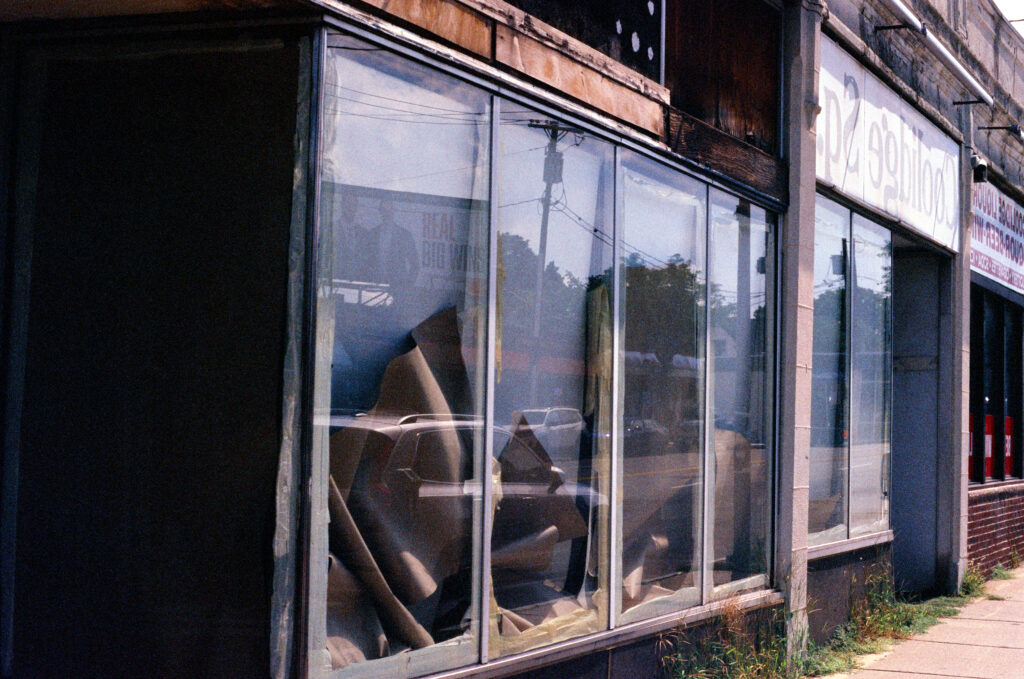
Despite the funkiness of my attempt, this is still a decent 100 speed slide film, and I can never be sad about having more reversal to shoot. Next time, I’ll try it as normal and see what it is like, especially when it comes to people being in the shot.
A big thanks to Hamish and the whole 35mmc family for this wonderful community!
If you’d like to see more of my work, come follow me on Flickr here.
Share this post:



Comments
Simon Foale on Fujichrome MS 100/1000 – Irresponsible Pushing
Comment posted: 25/10/2026