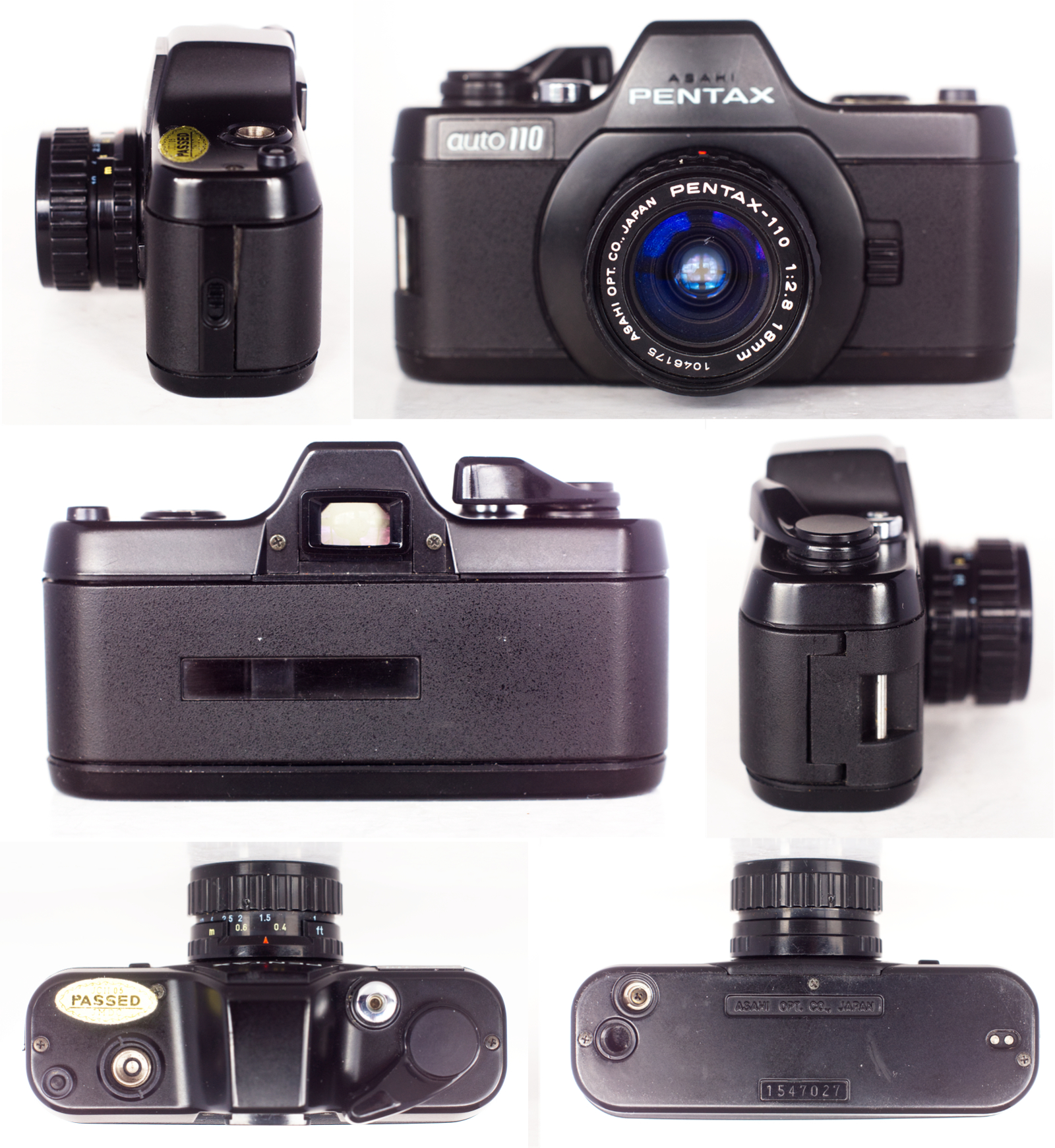
The camera before the latest damage.

Pentax Auto 110 – A favourite camera and thoughts on film for subminiature.

By Tony Warren

In pre-digital days, I would rarely own more than one camera, adding a second for colour as home processing colour negative gained ground. As a post-digital, long time empty nester it has been possible to afford several modest examples to chose from over the past 20 years though never reaching the giddy heights of the really big names. I have my favourites of course and these tend to get more use so when one of them seems to have made its last exposure I have to see if I can get one last film out of it.

The Camera

The camera in question here is a Pentax Auto 110 SLR. It came to me in pretty poor condition to start with having suffered from very bad battery leakage and some attempts at repair with incompatible adhesive that had turned some of the body into powder. That had worsened the effects of the brittle plastic these little cameras are unfortunately known for putting it realistically beyond economic repair. The film speed sensor had come loose, leaving ISO 80 the only option, plus extensive damage to the body around the battery area. Recently, the film door came away when the end of the body next to the battery compartment and carrying the hinge pins broke off. Several eroded threads in the plastic added to the difficulty of getting at anything. Even though I thought it was curtains for this very sophisticated subminiature I thought it deserved a final outing.
The three lenses, wide, standard, tele. Slight vignetting is visible at times because the lenses are only designed to cover the standard, 13 x 17mm 110 frame, not the larger, 13.5 x 19mm one using the full gate opening in the camera body. The other 110 cameras taking reloaded cartridges I have tried have covered the larger frame comfortably.

Addressing the problem

Reading up on the problem I came across a suggestion that the back hinge could be replaced by some tough tape. It only needs to keep the cassette firmly pressed in register after all and would only need to be light tight. I epoxied the part of the outer body that had parted company back into position but without the hinge pins which I hadn’t been able to gat back in place. I then applied the fabric repair tape as suggested, reinforced with duct tape. This proved quite effective though a little light leakage crept in when the camera was exposed to the sun so taping over the joints would be needed for security outdoors
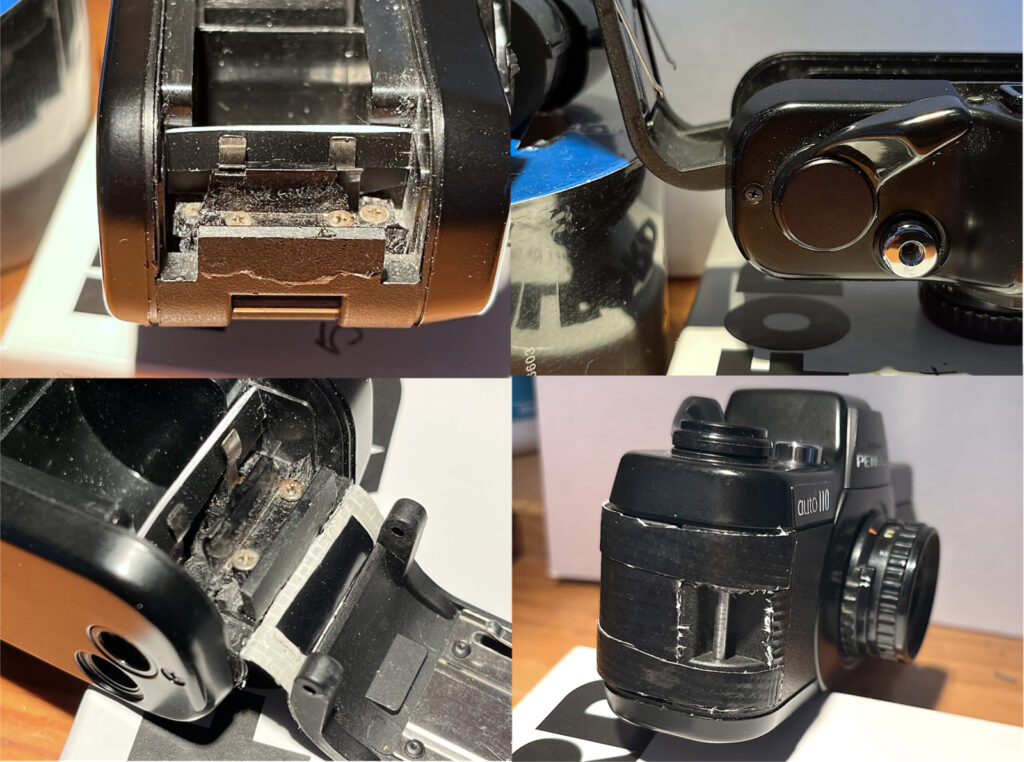
Composite of the repair.

The back hinge is an offset design which pivots it away from the end of the camera as it is opened. Unlike a butt hinge, this type needs a bit of masking to stop the repair tape sticking to the exposed end of the camera and preventing it from opening.

The film factor
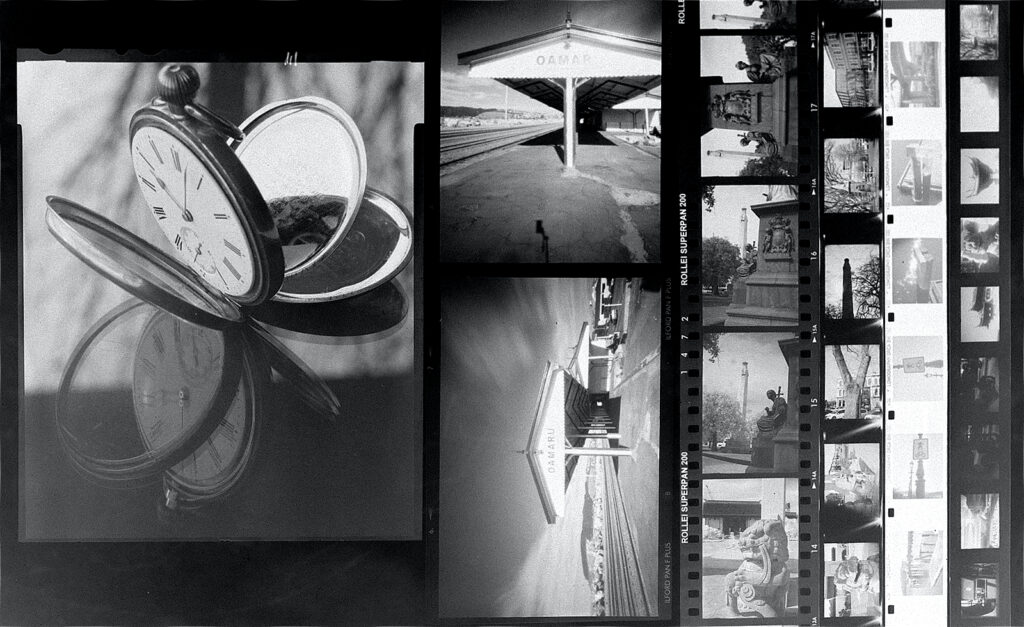
Format comparison that demonstrates the challenge faced for films in these small formats. Left to right, 5x4, 120, 35mm, modified 110, standard 110 and 16mm.
Format comparison that demonstrates the challenge faced for films in these small formats. Left to right, 5×4, 120, 35mm, modified 110, standard 110 and 16mm.

What has impressed me the most throughout my exploration of 16mm gauge formats over the past few years has been the huge advances made by manufacturers of monochrome films. These latest films, many based on surveillance emulsions it appears, have such fine grain, wide latitude and keen acuity, even in my favoured Rodinal, not the very best choice for finest grain. They are a perfect fit for these tiny formats and combined with my first film slitter that provides three lengths of 16mm from a 120 roll, it is economic into the bargain. This, despite having to wrestle coils of film and backing paper in complete darkness, not great for my blood pressure. The 35mm version I made later is a little less economic, only two films per cassette, but much easier to manage with no backing paper to confuse the issue.
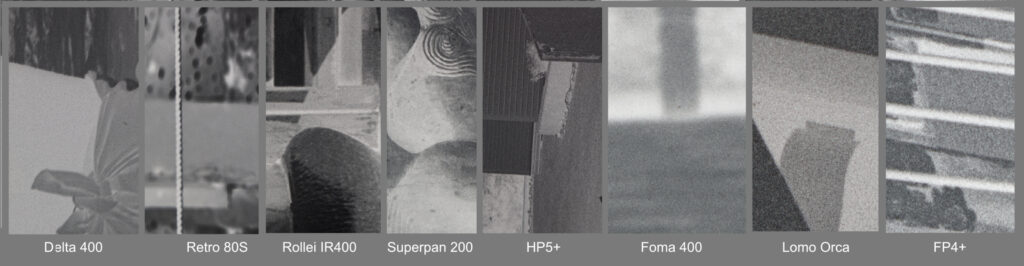
A selection of enlarged details from an earlier exercise. The complete image in each case would be 6ft or 1.8meters on the long side at 72 dpi.
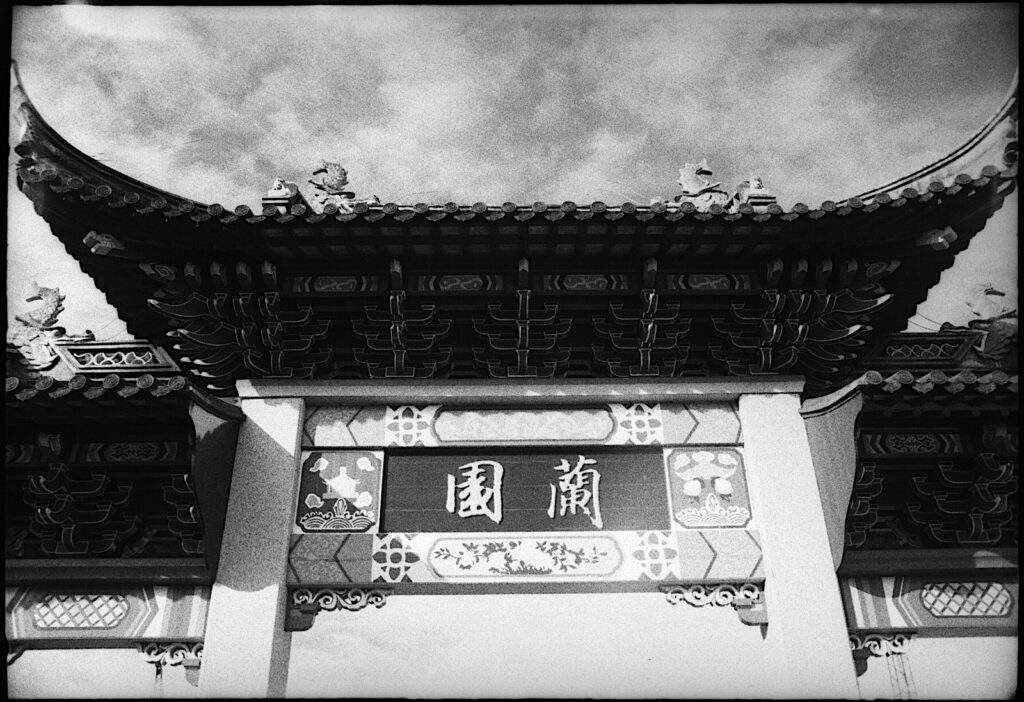
Pediment of the Chinese Gardens entrance in Dunedin from the first film I shot.

I had had decent results from Rollei’s Superpan 200 at box speed in Rodinal 1:50 for the very first outing with the camera and before the latest damage. It was 1 1/3 stops over exposed but I have repeated things for this exercise.
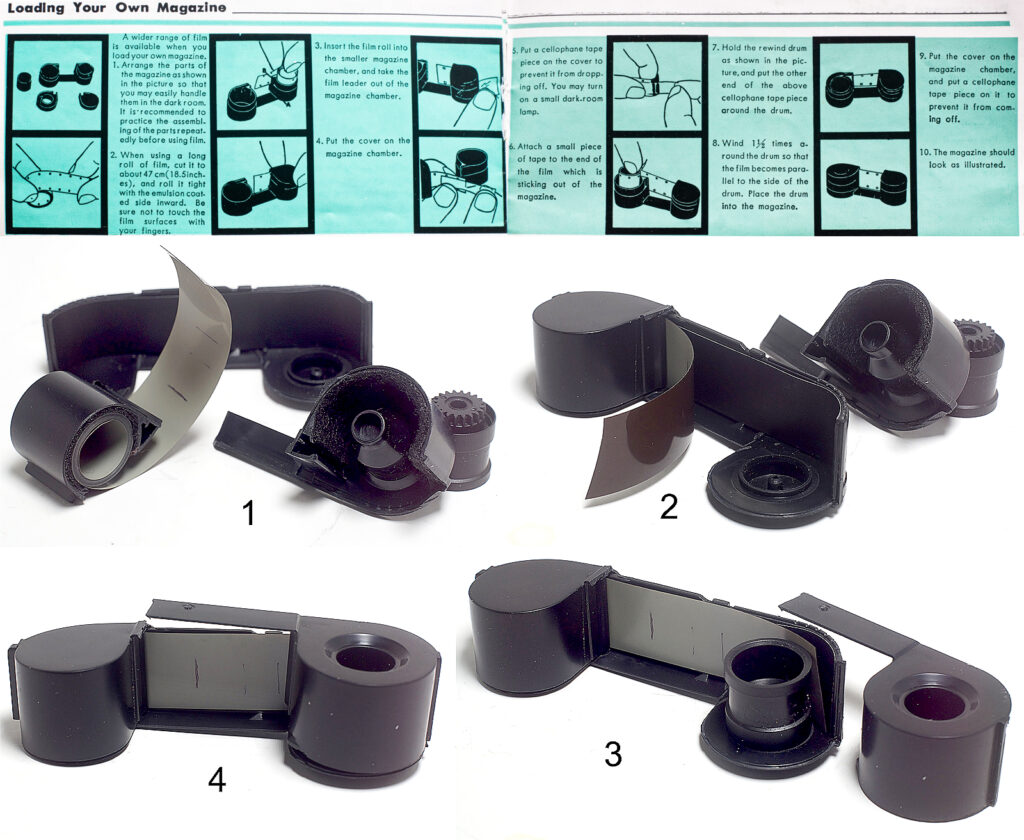
Composite of stages of loading cassette.

Having stripped another three lengths they were loaded into recycled cassettes, a new Lomo Orca one, unmodified, and two I have modified to load in a similar way to Minolta 16mm cassettes as shown above along with the Minolta instructions.

Examples

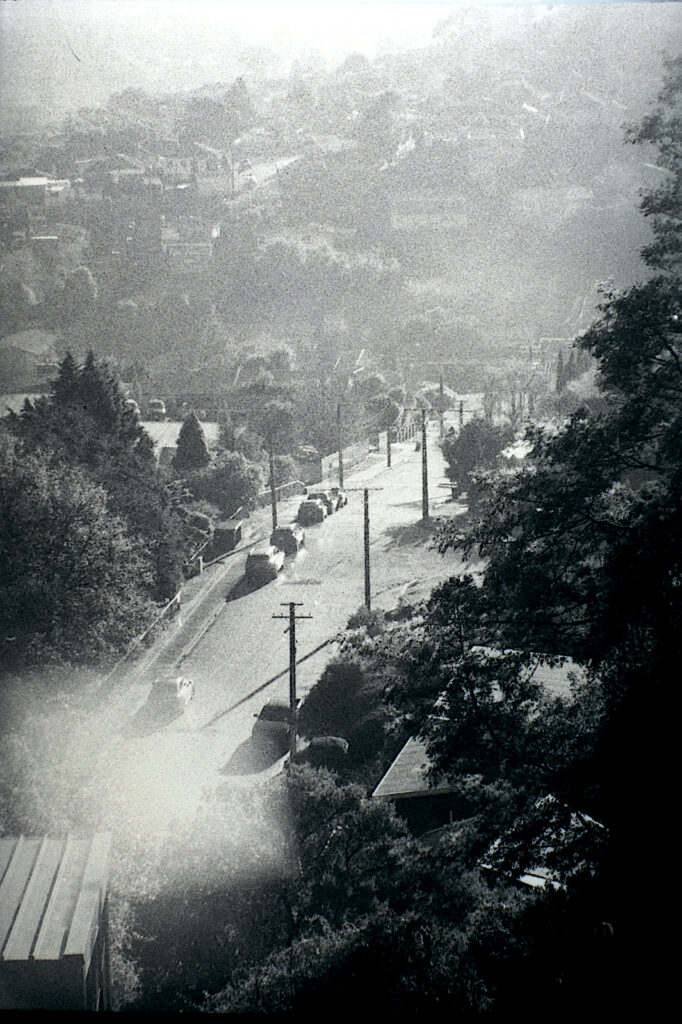
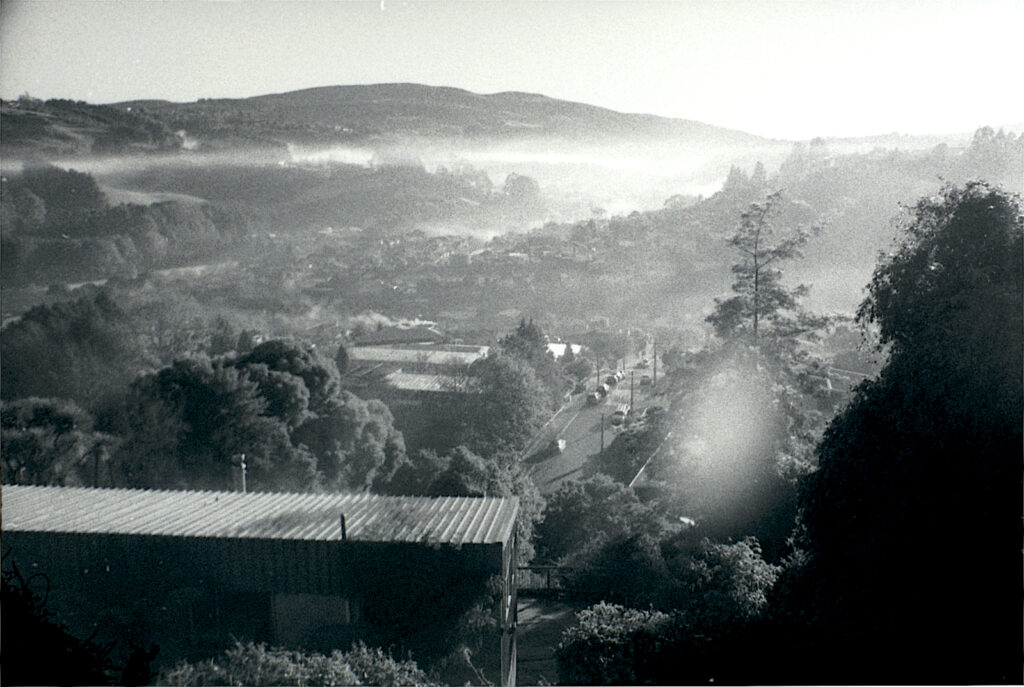
The following examples are on Rollei Superpan 200 processed in Rodinal 1:50.
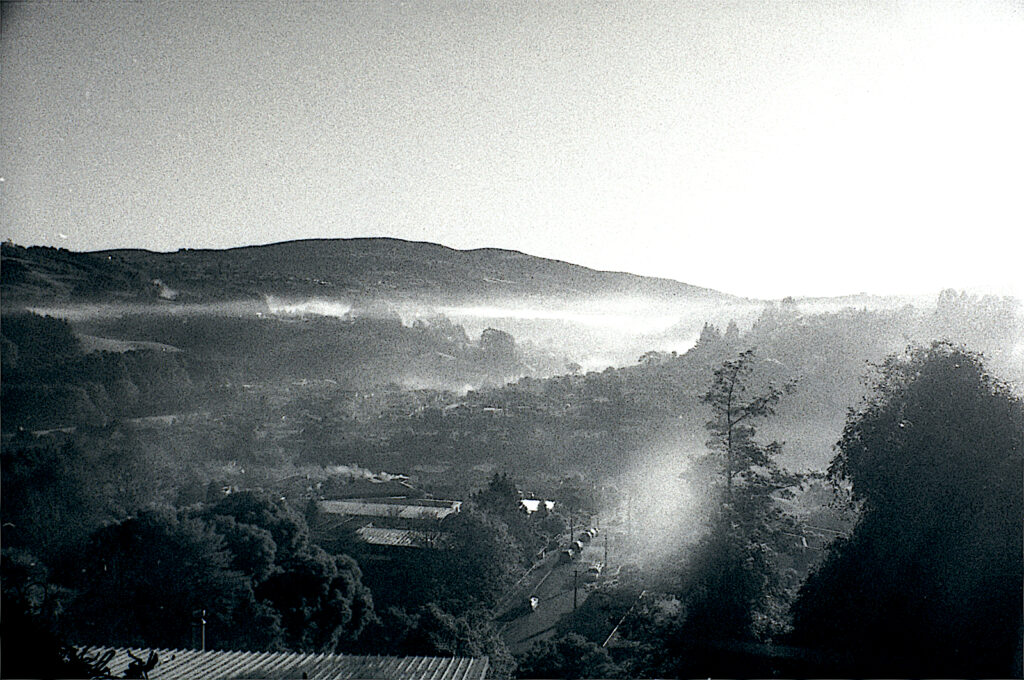
Some flare with the wide angle but no lens hood was used.
Flare again without lens hood on tele lens.
Again no lh and a flare patch but in an extreme situation with low, frontal lighting. All the lenses would benefit from a lens hood in these conditions it would seem.
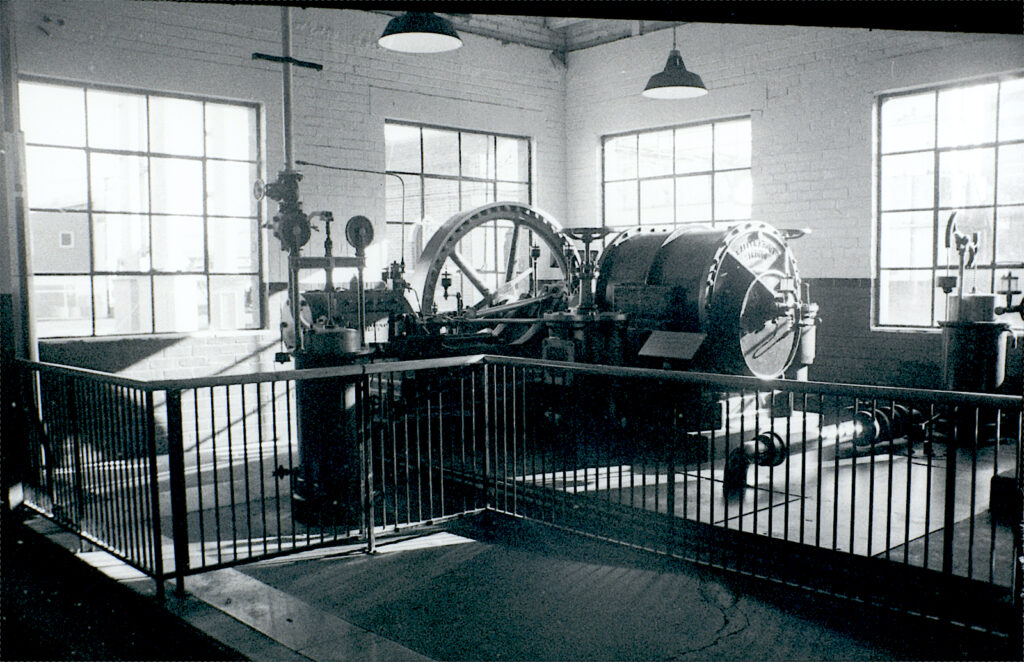
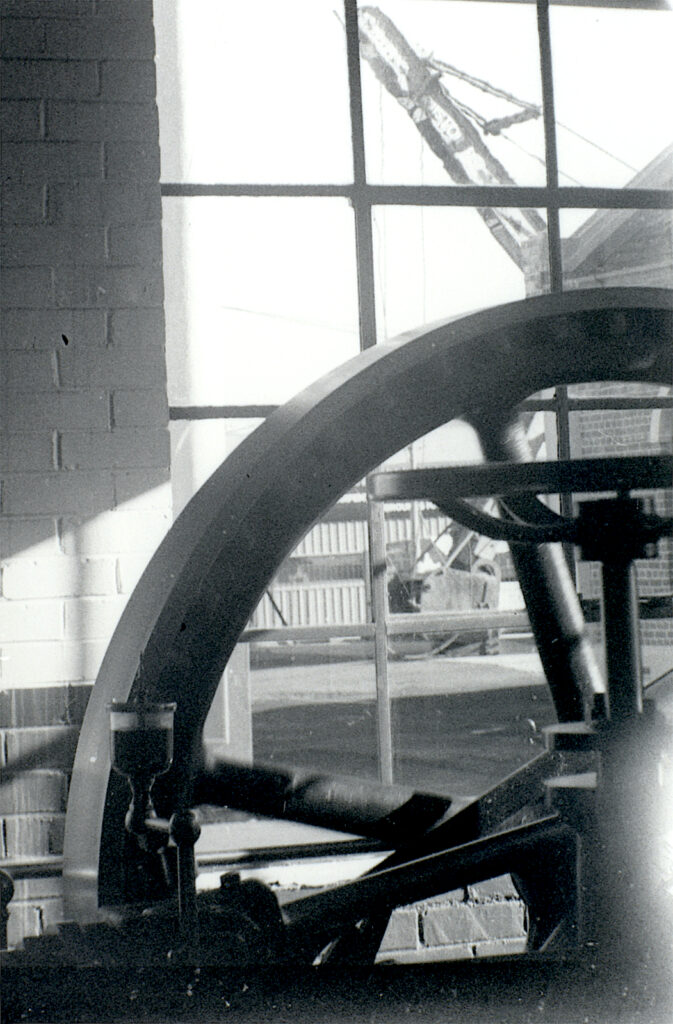
In Dunedin’s Gasworks Museum, one of the few surviving examples in the world. Wide angle lens.
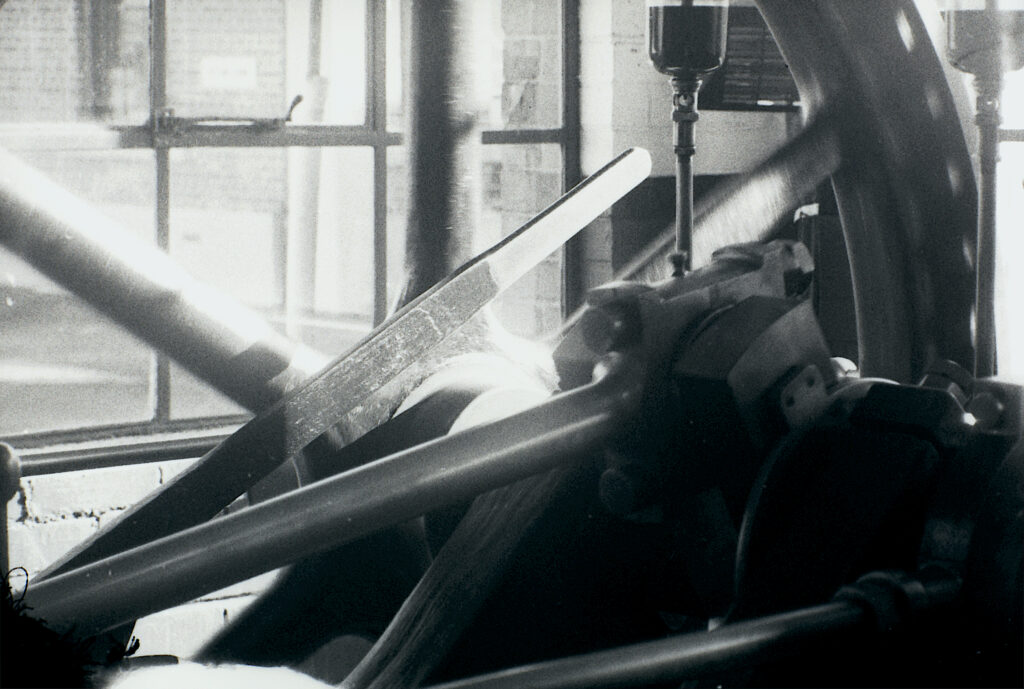
A lever for adjusting something. Presumably when the huge flywheel was stationary!
The same flywheel with a huge, UK made, caterpillar tracked, mobile crane in the yard outside.
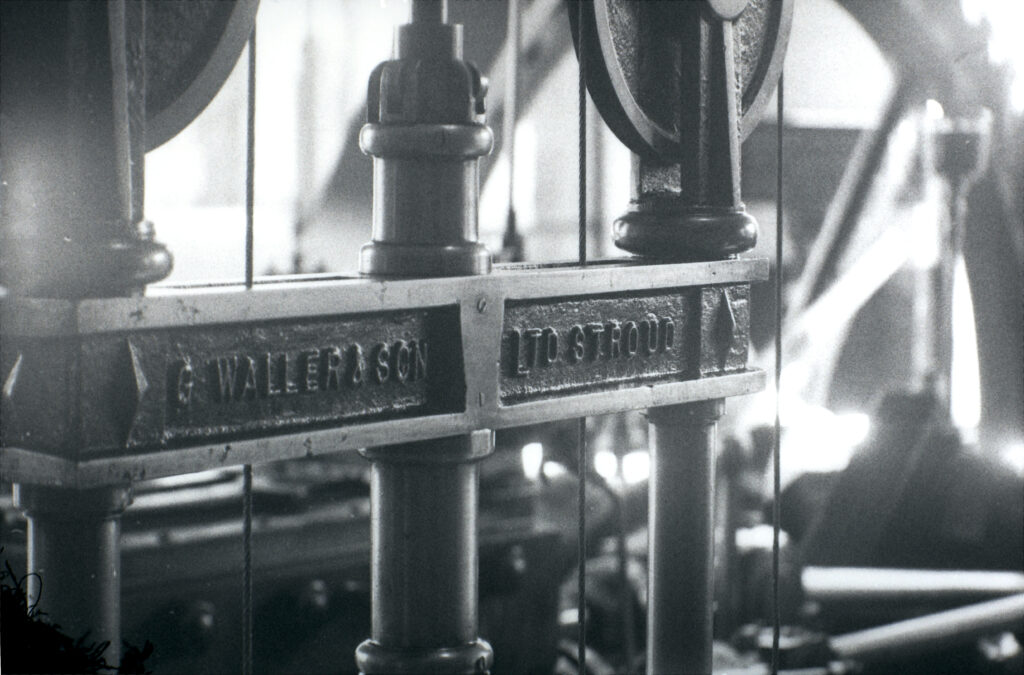
Detail of maker’s name plate on part of the machinery.

Conclusion

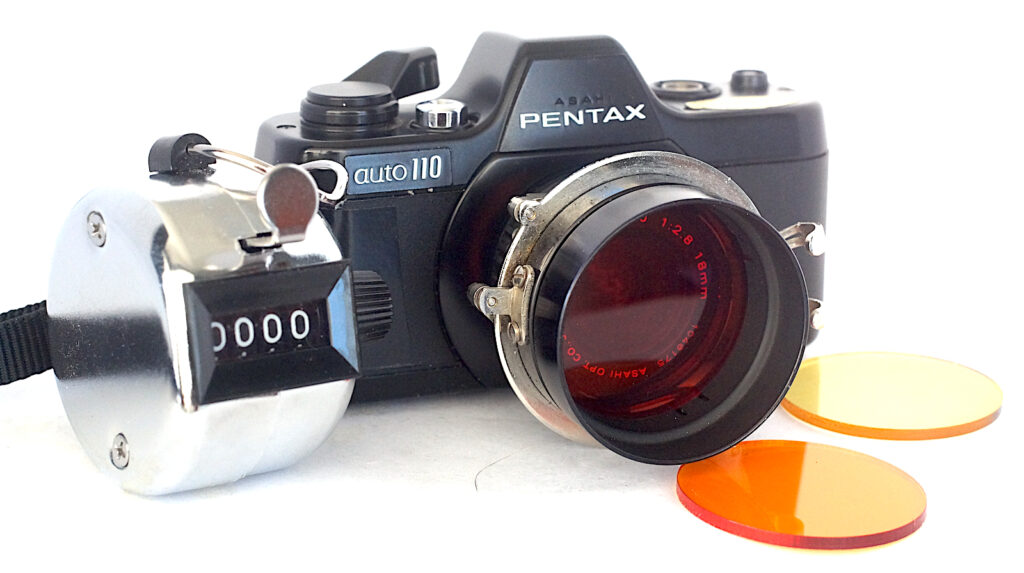
Camera with Handcross and filter in place on the wide angle lens with a clicker to keep track of exposures.
Filtered results with the WA lens - none, yellow, orange, red. There is considerable vignetting but it doesn’t show up in the finder. The finder is only 87% coverage plus the extra size using stripped film which probably explains it. There is not much difference between the orange and red results.
Filtered results with the WA lens – none, yellow, orange, red. There is considerable vignetting but it doesn’t show up in the finder. The finder is only 87% coverage plus the extra size using stripped film which probably explains it. There is not much difference between the orange and red results.

I am very pleased to be able to give this camera a final chance to show what it can do. It was sold originally as a very comprehensive kit with flash unit, motor drive, filters and close up lenses and still commands decent prices, even body only. What I have is a very capable, basic outfit. The Handcross clip on filter holder/lens hood I use with many of my older cameras allows me to use filters accepting the vignette. The camera is also extremely compact and accepts reloaded 110 cartridges without modification but with no control of frame spacing. Overlap is not a problem, spacing simply becoming very generous, just fewer frames per film, 19 or 20 exposures rather than the proscribed 24 with commercial film.

While I really enjoy using this sophisticated little camera, my eyesight is not up to the task of focussing it easily any more and some of the results bears this out. But it deserved another, final outing to stretch the legs of its decent little lenses before it went off to another home. Apart from digital, a TLR or scale focus will have to be my main choices from now on.

From a purely hobby point of view, there is something very satisfying about teasing decent results from less than perfect gear but sadly I have to say goodbye to this little gem.

Share this post:

About The Author

By Tony Warren
In my 60 or so years of serious involvement in photography I have seen the demise of the viewfinder, the rise of the SLR and the eclipse of them all with the meteoric development of the digital camera. Through it all, however, and above all else, the image is what it is all about so I now use film alongside digital. Whatever is the most appropriate or practical. My contributions will hopefully be useful for anyone interested in using film and also how a died-in-the-wool antique like me is continuing his life-long addiction in the digital age, using both platforms. The major benefit of an extended retirement is that I can spend most of my time nowadays with photography and writing about it.
Read More Articles From Tony Warren

Find more similar content on 35mmc

Use the tags below to search for more posts on related topics:

Donate to the upkeep, or contribute to 35mmc for an ad-free experience.

There are two ways to contribute to 35mmc and experience it without the adverts:

Paid Subscription – £3.99 per month and you’ll never see an advert again! (Free 3-day trial).

Subscribe here.

Content contributor – become a part of the world’s biggest film and alternative photography community blog. All our Contributors have an ad-free experience for life.

Sign up here.

Make a donation – If you would simply like to support Hamish Gill and 35mmc financially, you can also do so via ko-fi

Donate to 35mmc here.

Comments

Bob Janes on Pentax Auto 110 – A favourite camera and thoughts on film for subminiature.

Comment posted: 06/08/2026

"Is this the death of little Ricoh?"
- apologies, but I couldn't resist the gag... Surely it is worth looking for another Auto 110 Tony?
Reply

Leave a Reply

Your email address will not be published. Required fields are marked *

Tony Warren replied:

Comment posted: 06/08/2026

Good one Bob. No, I am hopefully passing along the two 110 cameras you so kindly gave me early on with one or two bits I have gathered together to help to another contributor to 35mmc to see what he makes of it. More info when finalised. It has been an enjoyable few years I must say and I understand why it so fascinated your good self, your writings on the format being a major factor in getting me hooked. The lenses will live on, including the 24mm you also gave me, via an adapter onto my digital workhorse. Best wishes.

Reply

Leave a Reply

Your email address will not be published. Required fields are marked *

Martin on Pentax Auto 110 – A favourite camera and thoughts on film for subminiature.

Comment posted: 06/08/2026

The Auto 110 is a nice camera, Tony and I envy you skills to bring it back from the (almost) dead. Thank you also for the interesting read! I'm not sure if I'll ever have the patience to slice my own film for 110 and to fiddle with cartridges. I think I'll start with 16mm and Minox sometimes.
My favourite 110 camera is the Minolta 110 Zoom SLR Mk.2, BTW. I prefer it over the Pentax because of its slightly bigger size. I find it difficult to use the Pentax without winder mounted becuse it is REALLY small.
Take care and best regards from Austria
Reply

Leave a Reply

Your email address will not be published. Required fields are marked *

Tony Warren replied:

Comment posted: 06/08/2026

Thanks Martin. The Pentax is indeed a tiny device and the Minolta is much more handling friendly I imagine though I have never used one. The zoom must be better than focussing and changing the tiny lenses on the Pentax. All the best.

Reply

Leave a Reply

Your email address will not be published. Required fields are marked *

David Pauley on Pentax Auto 110 – A favourite camera and thoughts on film for subminiature.

Comment posted: 06/08/2026

I'm blown away by your patience, Tony, and by your eyesight! I would need a jewelers' loupe just to load the camera, let alone perform surgery on it! There's a timeless quality to the photos, the landscapes and especially the big flywheel, that is very appealing. I hope also someday you'll post about that fine 4x5 shot of the pocket watch (if indeed that's yours). I realize you included it only for comparison's sake but it looks like a stunner.
Reply

Leave a Reply

Your email address will not be published. Required fields are marked *

Tony Warren replied:

Comment posted: 06/08/2026

Thank you David. I have already done a piece which included the pocket watch image and others herA Final Chapter for Large Formate. It was taken with a Linhof Super Technika.

Reply

Leave a Reply

Your email address will not be published. Required fields are marked *

Ed on Pentax Auto 110 – A favourite camera and thoughts on film for subminiature.

Comment posted: 06/08/2026

Hi Tony - thanks for this excellent article. It's very helpful to have the film comparisons. I don't think I will get in to respooling other films. I tried handling 110 negatives and it was too finicky for my fingers. Doing something similar without any sight would be a recipe for disaster for me! The work you have done to keep your little camera going is extraordinary. It seems the weak points of the camera are the battery holder (although mainly user error, leaving spent batteries in the compartment), the incredibly fragile winding mechanisms, and the film door. Your efforts to work with 2 out of these 3 is amazing. The cameras are absolute gems. I feel very lucky to have sourced a good example to use after going through a couple of fragile versions. They are such a joy to use. Thanks for setting out your journey for us to read and enjoy. Ed
Reply

Leave a Reply

Your email address will not be published. Required fields are marked *

Tony Warren replied:

Comment posted: 06/08/2026

Thank you Ed. Yes they are great little cameras. The very small negatives are what is making me pass the baton on 110 and go back to my favourite 120 plus lots of adapters to take the lenses I have accumulated on a digital. The Pentax lenses nicely cover APS-C I find. The adapter has just arrived. As you say, the damage all originated with the battery leakage. That area was quite a mess when I bought the camera and only got worse. You also mention the winder problems. The unique method of allowing the shutter to be fully wound after the spacing has stopped took some understanding initially. The slipping clutch really can slip and need an extra swing of the lever to fully cock the shutter. This leads to some quite wide spacing using un-perforated film but has no effect with perforated.

Reply

Leave a Reply

Your email address will not be published. Required fields are marked *

Neal Wellons on Pentax Auto 110 – A favourite camera and thoughts on film for subminiature.

Comment posted: 06/08/2026

I really enjoyed this article and have some old man advice. Like you, I was having trouble focusing not only my Pentax 100 but all the way up to my Kodak Medalist II. For the last two years, I've been zone focusing or just guessing the distance, with better results than focus screens or rangefinders. Old vision just doesn't work the same as it once did. This focusing makes shooting faster, easier and with better results. It is not guaranteed for close subjects in low light but for me, that's less than 1% of my shooting.
I slit my 16mm but leave 110 film to Lomo.
Reply

Leave a Reply

Your email address will not be published. Required fields are marked *

Tony Warren replied:

Comment posted: 06/08/2026

I quite agree Neal. We have to adjust all the time as things wear out and need to be taken into account. Scale focusing works for me too but most of all I like a TLR screen, which I may have mentioned occasionally. Flipping up the magnifier but still viewing at waist level nicely enlarges the centre of the screen for quite fine focus. The Medalist looks like an interesting camera but not one I have experienced. Looks a bit like a oversize Super Paxette. Can you still get 620 or do you respool 120?

Reply

Leave a Reply

Your email address will not be published. Required fields are marked *

Neal Wellons replied:

Comment posted: 06/08/2026

I respool but it is very easy. It takes two to three minutes. I respool for my Kodak Senior 620 too that I bought because I am a senior at 80 too.

Reply

Leave a Reply

Your email address will not be published. Required fields are marked *

Tony Warren replied:

Comment posted: 06/08/2026

I am 7 years ahead of you Neal but happy to still function moderately well. I never had much kuck respooling 120. Couldn't seem to geyt it rolled tightly enough. Must look up the Senior 620, not heard of that before. All the best.

Reply

Leave a Reply

Your email address will not be published. Required fields are marked *

Gary Smith on Pentax Auto 110 – A favourite camera and thoughts on film for subminiature.

Comment posted: 06/08/2026

Once again I am amazed by your abilities Tony! What an interesting article!
That said, I'll leave the 110 format to others.
These days I'm trying to resist a GR IV Monochrome (I have my gx9 set to mono with the M.Zuiko 17 mounted, we'l see how that goes).
Reply

Leave a Reply

Your email address will not be published. Required fields are marked *

Tony Warren replied:

Comment posted: 06/08/2026

Too kind Gary. Thank you. I always say about anything, whatever floats your boat. It is a hobby after all and meant to be enjoyable.

Reply

Leave a Reply

Your email address will not be published. Required fields are marked *

Chris Giles on Pentax Auto 110 – A favourite camera and thoughts on film for subminiature.

Comment posted: 07/08/2026

Great article Tony. I have a number of 110 cameras including the Pentax 110, a couple of good Minoltas and a Canon. The Pentax is the one I prefer, with it's quality and flexibility it is also quite discreet and excellent for street photography. I really appreciate your advice on film to use in the 110 format. To date I have only used Lomography ready loaded cartridges, but you have inspired me to start loading my own, I have a lot of empties to use.
Reply

Leave a Reply

Your email address will not be published. Required fields are marked *

Tony Warren replied:

Comment posted: 07/08/2026

Thanks Chris. It is worth trying different films, particularly the recent ones. Orca is good but definitely grainier. Rollei's Superpan 200 is a good all rounder I have found. If you are re-using cartridges have a look at Bob Janes and my posts on the subject.

Reply

Leave a Reply

Your email address will not be published. Required fields are marked *

Alexander Seidler on Pentax Auto 110 – A favourite camera and thoughts on film for subminiature.

Comment posted: 07/08/2026

Thanks Tony, for your great article !
Reply

Leave a Reply

Your email address will not be published. Required fields are marked *

Tony Warren replied:

Comment posted: 07/08/2026

Thank you Alexander.

Reply

Leave a Reply

Your email address will not be published. Required fields are marked *

davesurrey on Pentax Auto 110 – A favourite camera and thoughts on film for subminiature.

Comment posted: 07/08/2026

I have a special affection for the Pentax Auto 110 system. As I have written about before it allowed me to travel to far off places where a “normal” camera would not have been possible.
Mainly for nostalgic reasons I have a full set including a Safari body and pan-focus, 70mm telephoto and zoom lenses. But the Super body has eluded me so far, at least one which works.
It does have weaknesses, not just finding somewhere that will do a good job of processing but also, as others have pointed out, mainly the winder mechanism which is a point of failure. But I still find it a little marvel.
Reply

Leave a Reply

Your email address will not be published. Required fields are marked *

Tony Warren replied:

Comment posted: 07/08/2026

I read your piece about the Pentax recently. It certainly fitted with you. I suppose it was quite early in using modern plastics and the small dimensions of everything made the problems worse. But it is indeed a little marvel I agree.

Reply

Leave a Reply

Your email address will not be published. Required fields are marked *

Leave a Comment

Leave a Reply

Your email address will not be published. Required fields are marked *