

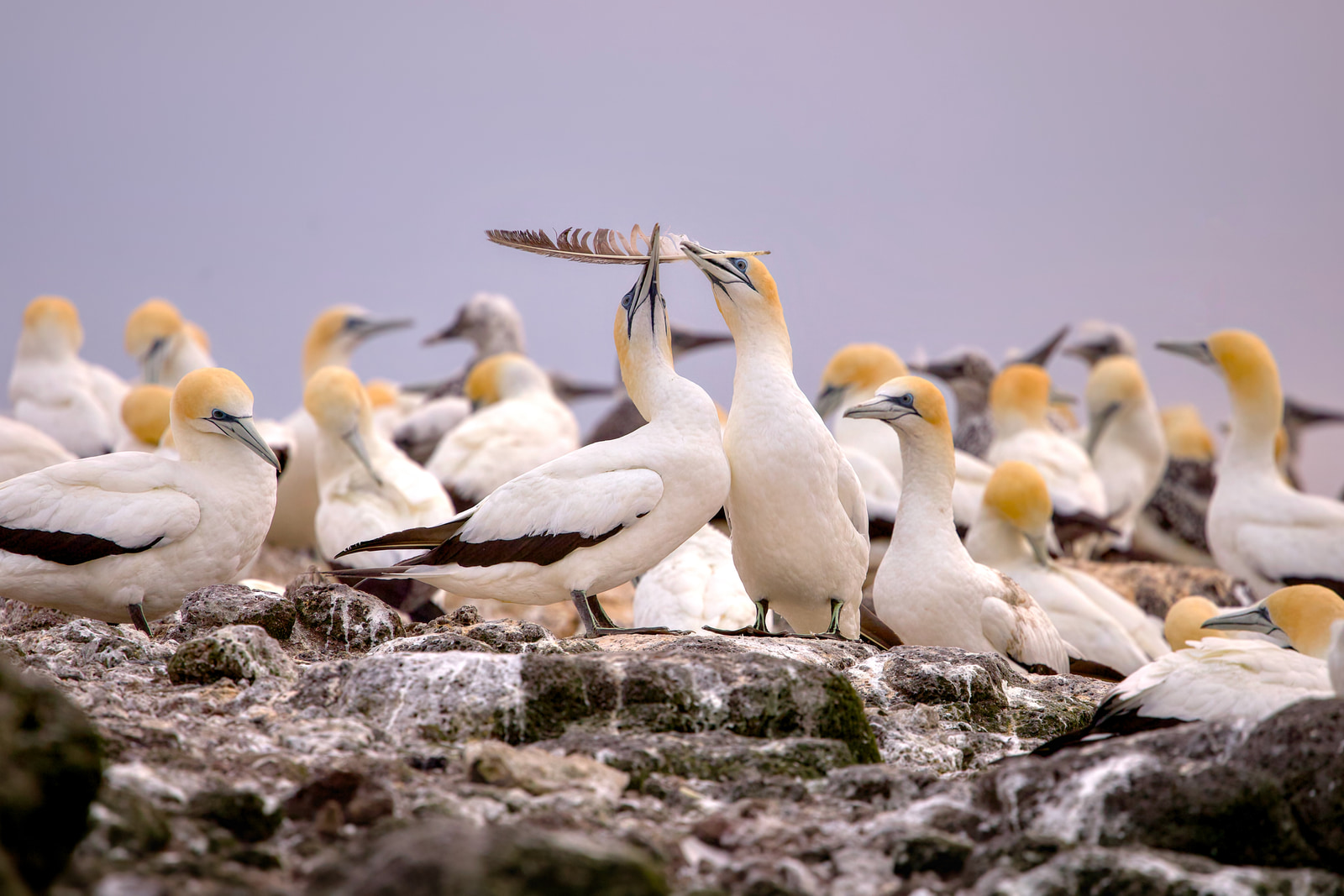
I wanted a website for my photography, but I did not particularly want a website project.
Social media gave me somewhere to post individual photographs, though not the way I wanted to present a larger selection. A photograph would appear in a feed among advertising, recommendations and other people’s posts, then gradually disappear beneath whatever came next. That is part of how social media works, and it can be useful for sharing something new. It simply was not the experience I wanted for my portfolio.
A conventional website offered more independence, but also came with a long series of decisions. I could choose a template, alter the typography, construct the navigation and decide how every page should work. I could export images at different sizes, check the result on different screens and keep adjusting everything as the site changed.
Photography services removed some of that work, but many were designed around something broader than the public portfolio. Some connected the website to client proofing, delivery, bookings and business management. Others led into a marketplace or a community organized around discovery and interaction. These are useful services for photographers who need them, but they were not what I was looking for.
I wanted somewhere made specifically for showcasing photographs, without having to reinvent the website around them. That was the starting point for ISO100, which I now use for my own photography portfolio.
A portfolio is not a feed
Posting a photograph and publishing a portfolio involve different decisions.
A social post is usually viewed on its own and in the moment. A portfolio asks someone to move between photographs, see how they relate and continue into another gallery. It remains useful long after the day on which it was published.
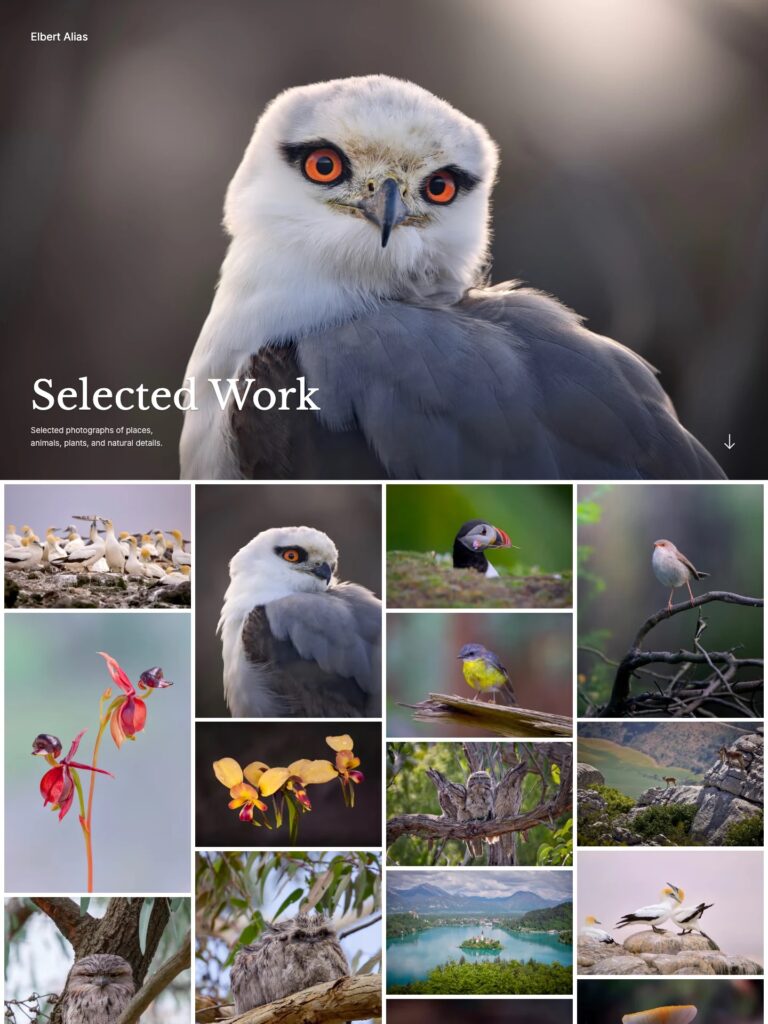
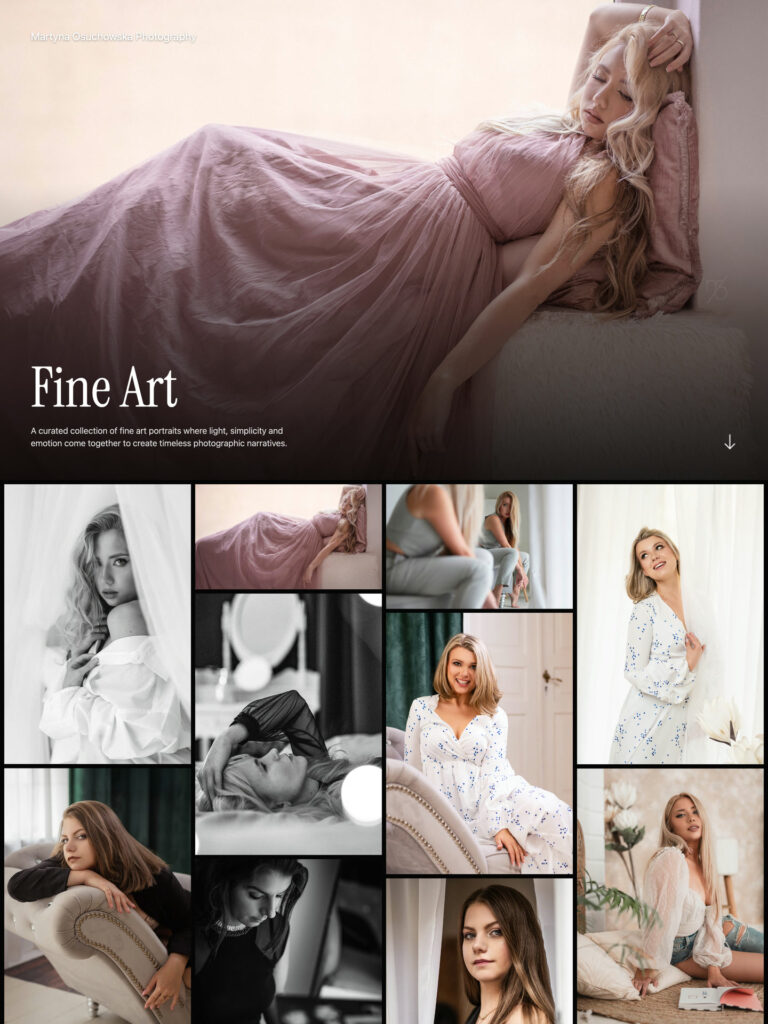
ISO100 therefore begins with the complete portfolio rather than a stream of posts. Photographs can be grouped into galleries for a project, place, subject, trip or any other selection. Each gallery can have its own cover, sequence and presentation while remaining part of the same site.
The selection can continue to change. A gallery can be assembled privately, previewed and published when it is ready. Later, photographs can be reordered, replaced or removed without presenting every revision as something new.
Each gallery also has its own address, so a photographer can share a particular selection directly. Galleries intended for a limited audience can be protected with a password and kept out of the public portfolio navigation.
There is no reason a photographer has to choose between a portfolio and social media. A feed can help new photographs reach people; the portfolio gives them somewhere to see more. They are different formats with different purposes.
Making the design decisions manageable
Starting from a blank page offers complete freedom, but most of the resulting decisions are not unique to a particular photographer. Every portfolio still needs readable navigation, sensible spacing, suitable typography and layouts that continue to work on a phone.
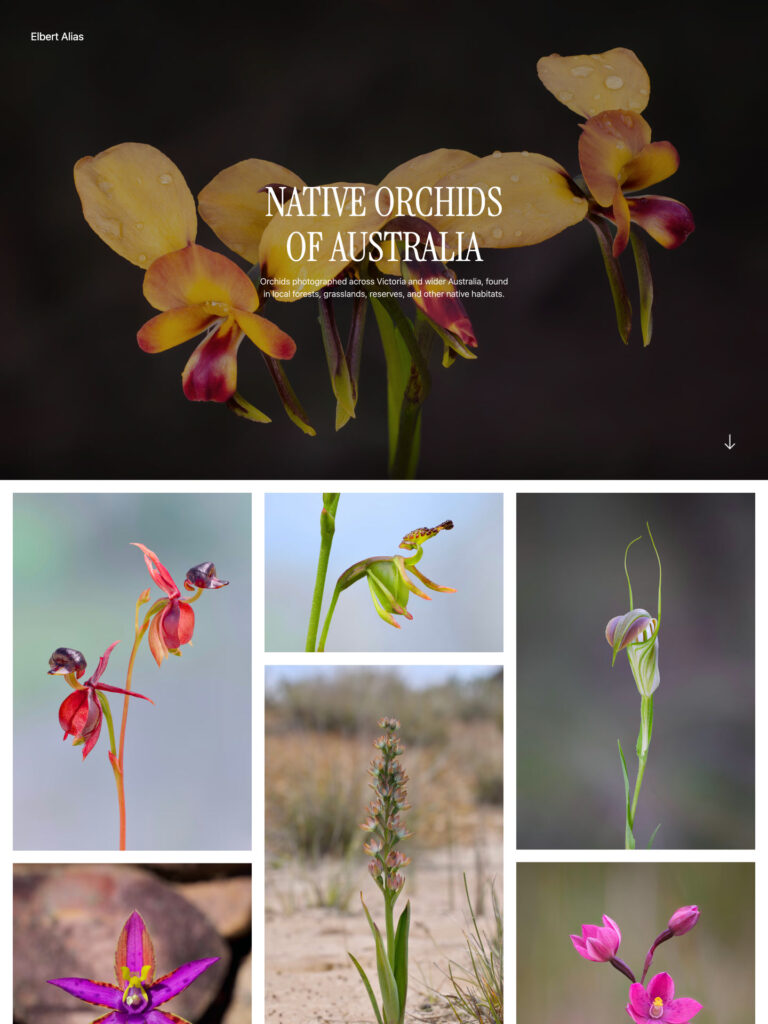
ISO100 provides curated layouts in which those underlying decisions have already been resolved. The photographer chooses how the portfolio should feel through its cover, typography, background, gallery arrangement, image proportions and spacing, without having to position every element individually.
The choices are designed to work together. Changing the typography does not mean reconstructing the page around it, and trying another gallery layout does not disturb the photographs or their order. The complete result can be previewed before it is published.
This balance is important to ISO100. A rigid template can leave too little room for the character of the photography, but an unrestricted design system can make the website itself the main project. The aim is to provide meaningful control while preserving consistent typography, spacing and navigation across the portfolio.
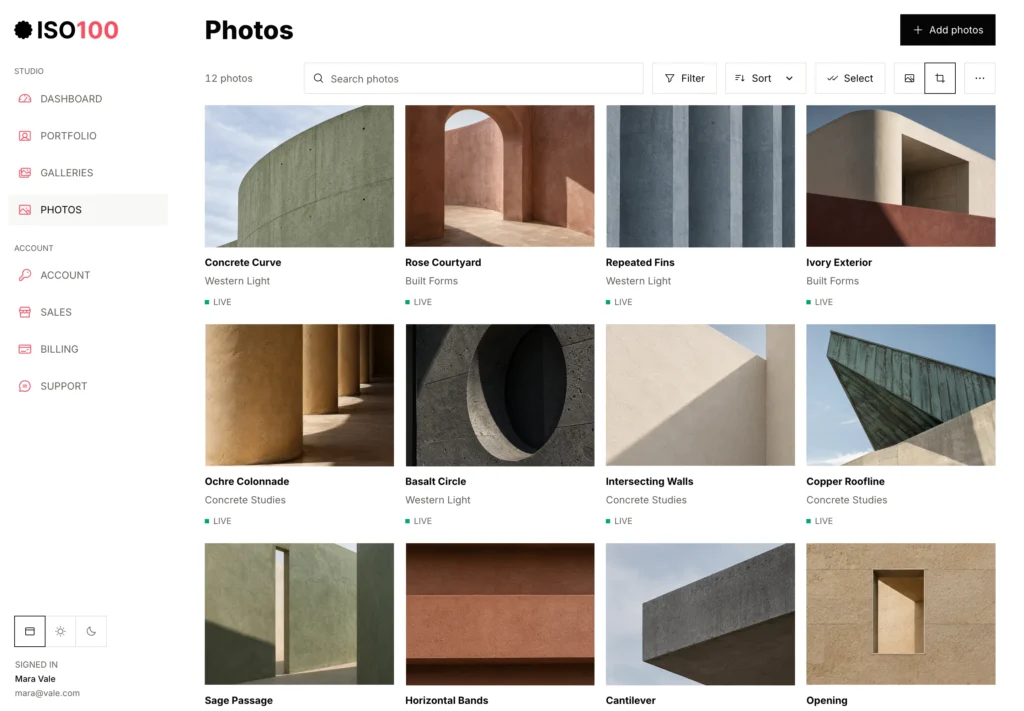
The same thinking continues into Studio. Photographs can be uploaded directly, imported from Google Photos or sent from Lightroom using the ISO100 plugin. From there they can be placed into galleries, reordered, captioned and given any other context the photographer wants to include.
Studio is organized around the portfolio rather than page construction. The photographer works with photographs and galleries, previews the result and publishes it. ISO100 takes those decisions and produces the site around them.
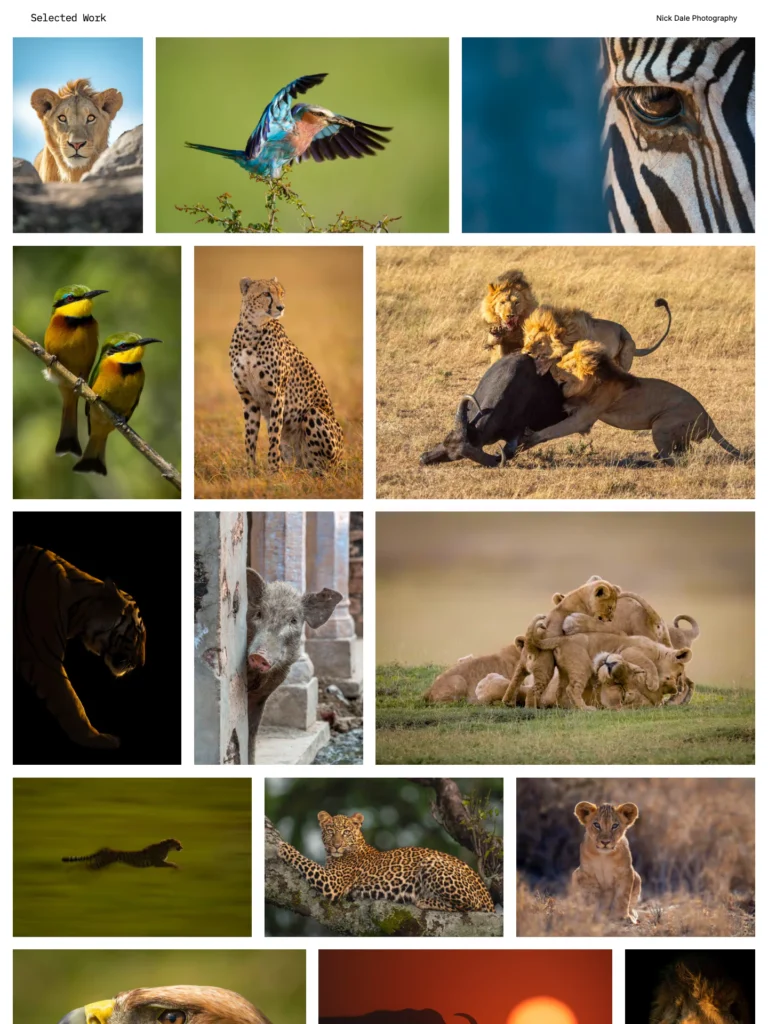
Publishing does not have to be the end of the process. Studio shows how the portfolio is being viewed, including visits, gallery views and individual photo opens. It also shows which galleries and photographs are receiving the most attention, where visits came from and the kinds of devices people used.
Together, these figures answer practical questions. Are visitors moving beyond the portfolio page? Is a gallery being opened when it is shared? Are people looking more closely at individual photographs? The answers can inform the next update without suggesting that the most-viewed photograph is necessarily the most important one.
Details that matter when the subject is photography
Some of the most important presentation problems only become apparent when a photograph has to work in several contexts.
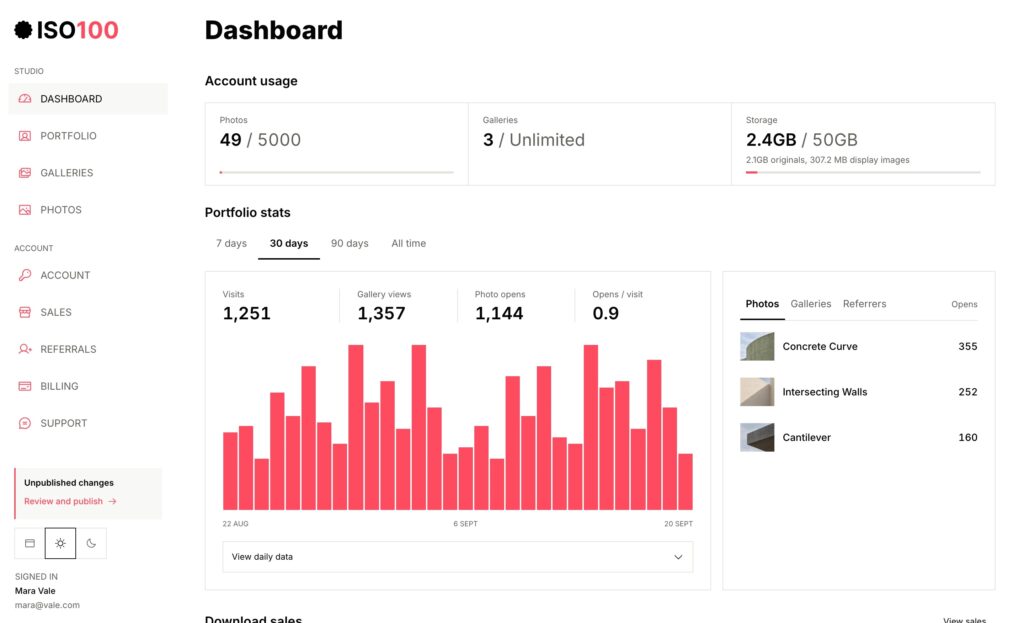
A cover might be wide on a desktop screen and much narrower on a phone. Simply centering the crop can cut through a face, an animal or another important part of the composition. ISO100 uses subject detection to set an initial focal point automatically, giving its layouts a better idea of what should remain visible as the available proportions change.
Automation cannot know every photographer’s intention, so the focus can be adjusted manually. Photographs can also be shown in full when cropping would not suit them. The useful part of the automation is not that it makes the artistic decision; it provides a sensible starting point and reduces the number of images that require correction.
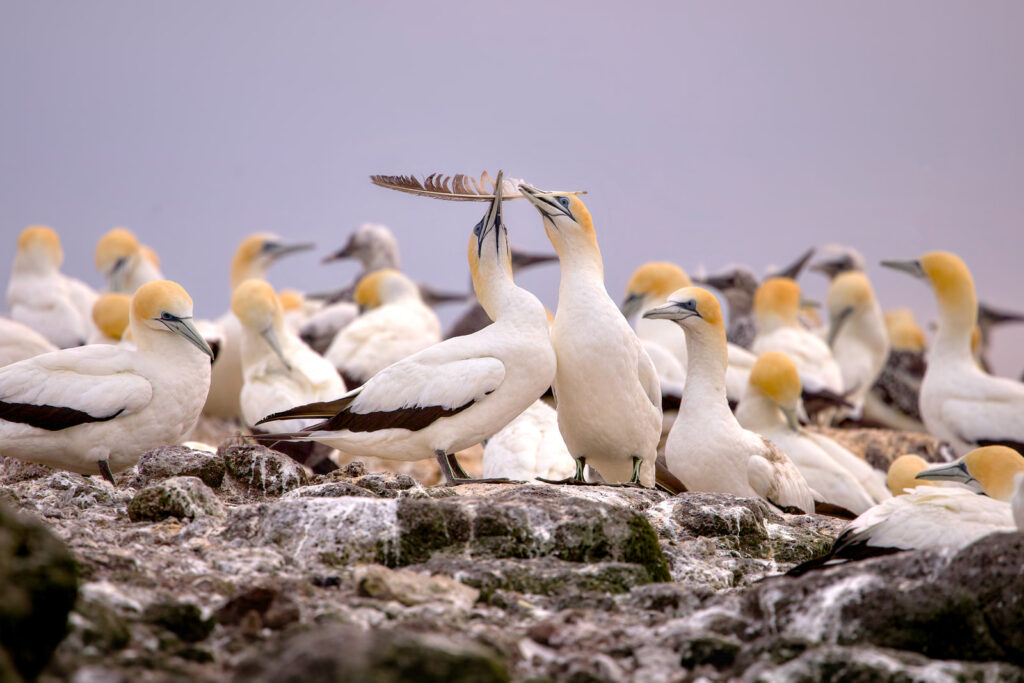
ISO100 takes a similar approach to alt text. It generates a draft description for each uploaded photograph, which can then be reviewed and edited. The draft saves the photographer from beginning with an empty field, while names, locations, species and other details can be corrected or added when the image alone does not provide enough information.
Photographs can also carry some of their technical context into the portfolio. Selected EXIF information, including the camera, lens and exposure settings, may be shown alongside an image. A photographer can list cameras, lenses, film and other equipment, along with notes about how or why it is used.
None of this has to appear beside every image. A caption may complete one photograph and distract from another. Equipment may be central to a project made with an unusual process and irrelevant to a different gallery. The photographer decides how much information belongs with the photographs.
Watermarks are optional too. ISO100 does not add a compulsory watermark, but a photographer can place a text or logo watermark on larger viewing images when the intended use of a gallery calls for one. Covers and thumbnails remain unobstructed, as do purchased downloads.
Taking care of the website underneath
Much of the work involved in publishing photographs should not require the photographer’s attention every time.
Large image files need to be prepared for different screen sizes and delivered without making visitors wait for files much larger than their displays require. ISO100 keeps the original upload private and creates the versions used by the public portfolio. There is no need to maintain a separate set of web exports for phones, tablets and larger screens.
This technical work is most successful when it is barely noticed. A visitor opens a gallery, sees the photographs and moves between them. The photographer can change a layout or replace an image without having to rebuild the delivery system behind the page.
Search brings its own requirements. Page titles, gallery descriptions, alt text and other portfolio information help search engines understand what has been published. ISO100 turns that material into the metadata and site structure needed for search, while leaving the photographer in control of whether the portfolio should be indexed.
Search indexing and AI model training are separate settings. A portfolio can appear in conventional search results while stating that its photographs should not be used for AI training. It can also remain available through its direct address while being excluded from search results.
No setting can force every organization on the internet to behave responsibly, but these controls make the photographer’s preferences clear and apply them consistently across the portfolio.
The portfolio can also support direct sales without becoming a marketplace. Photographers may offer selected images as digital downloads, and ISO100 takes no commission from those sales. The option is there when it is useful; otherwise, a gallery can simply be viewed.
Why another photography portfolio service?
The answer is not that photographers lacked any way to build a portfolio. There were already many options. What I felt was missing was a service willing to keep the portfolio itself at the center.
That narrower purpose affects more than the appearance of the finished site. It shapes the import process, Studio, the layout choices, crop handling, image delivery, metadata, navigation and search controls. Each part is considered in relation to publishing photographs rather than adapted from a more general website or business platform.
ISO100 handles the repeated design and technical decisions while the photographer decides what to show and how it should be presented. Portfolios can still differ substantially because their photographs, galleries, covers, typography and presentation choices differ. The consistency lies underneath, in the parts that should continue working without needing to be redesigned.
ISO100 is developing quickly, but presenting, publishing and maintaining photography portfolios will remain its purpose. Photographer feedback will shape how it develops within that boundary.
Often, the most useful feedback describes a moment of friction rather than naming a feature: a photograph that is difficult to present correctly, an import that does not fit an existing workflow or a publishing step that takes more effort than expected. Those experiences show where the service needs to improve.
Photographers will bring subjects, equipment and ways of working that I cannot anticipate. Their feedback will help set ISO100’s direction without changing the reason it exists.
ISO100 can be used for free. If you try it, I would genuinely like to hear what works for you, what gets in your way and what you would like it to do next.
Share this post:

Comments
Martin on ISO100 — Why Another Photography Portfolio Service?
Comment posted: 06/11/2026