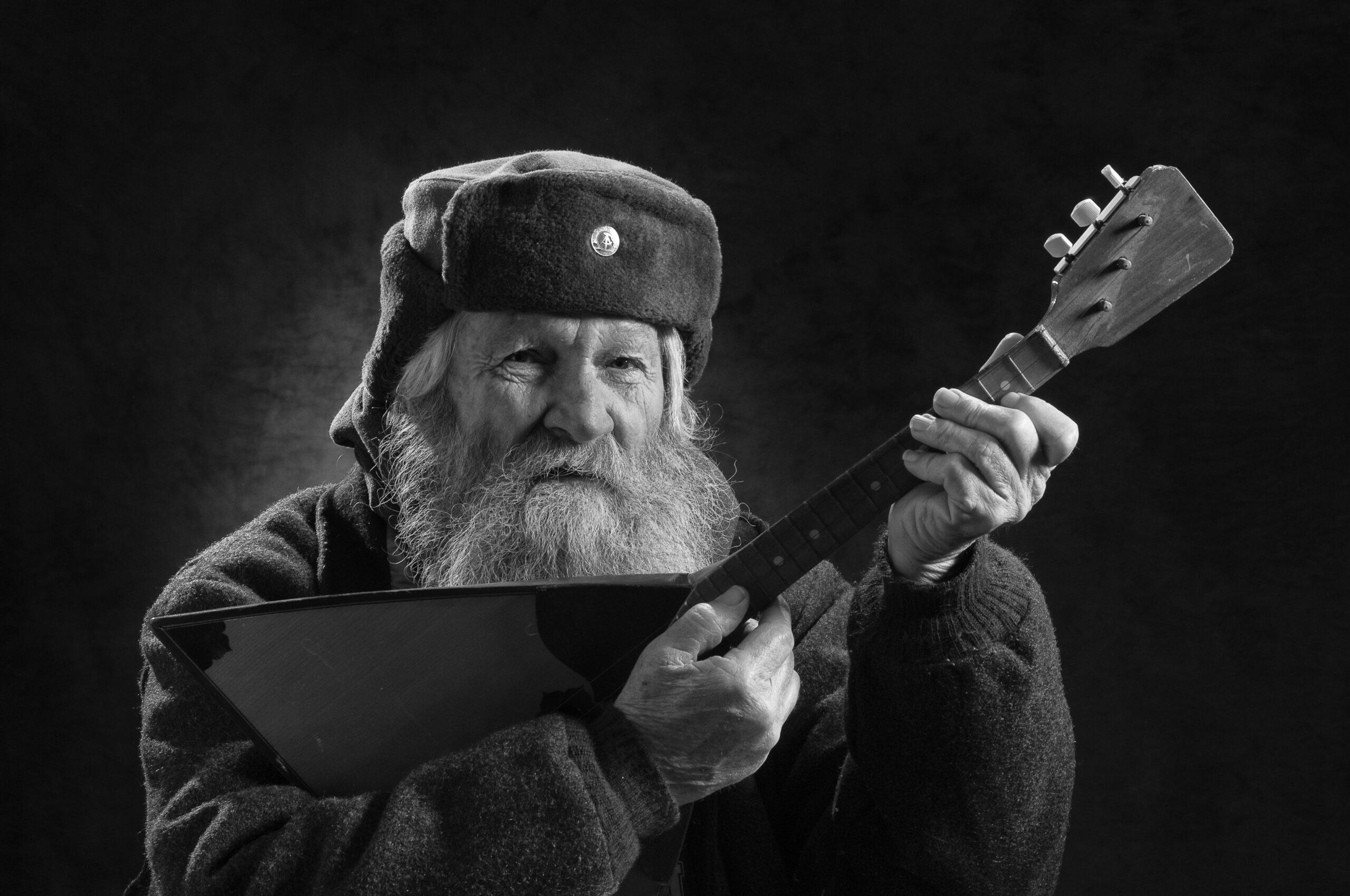
Mockva, Moskva, Mockba, Moscow… whatever – Grandpa Genrikh, his Cameras and Portraits

By Jeffery Luhn

“My grandpa Genrikh is visiting from Kiev and he brought a bunch of cameras with him. Could you help me sell them on eBay?”
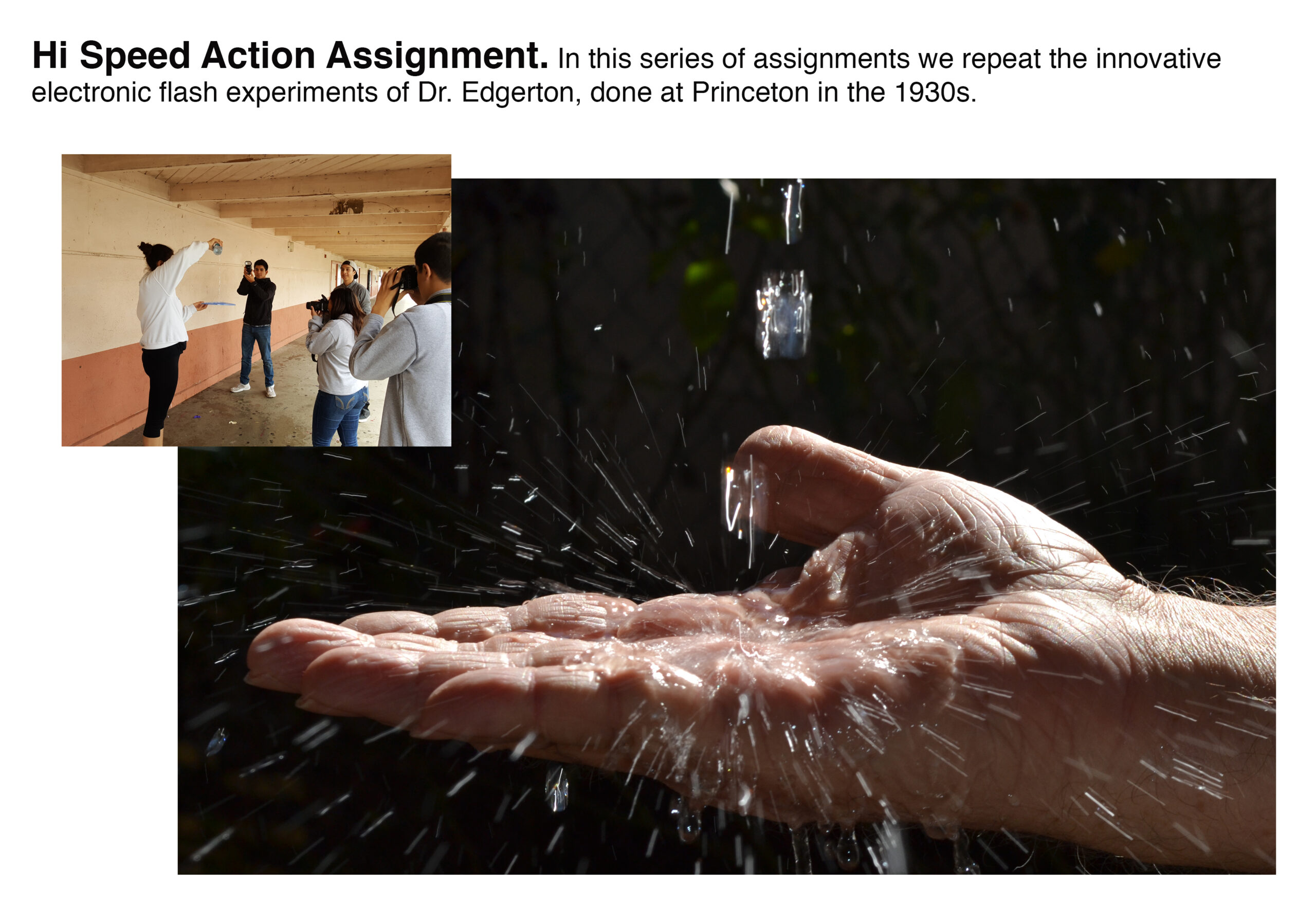
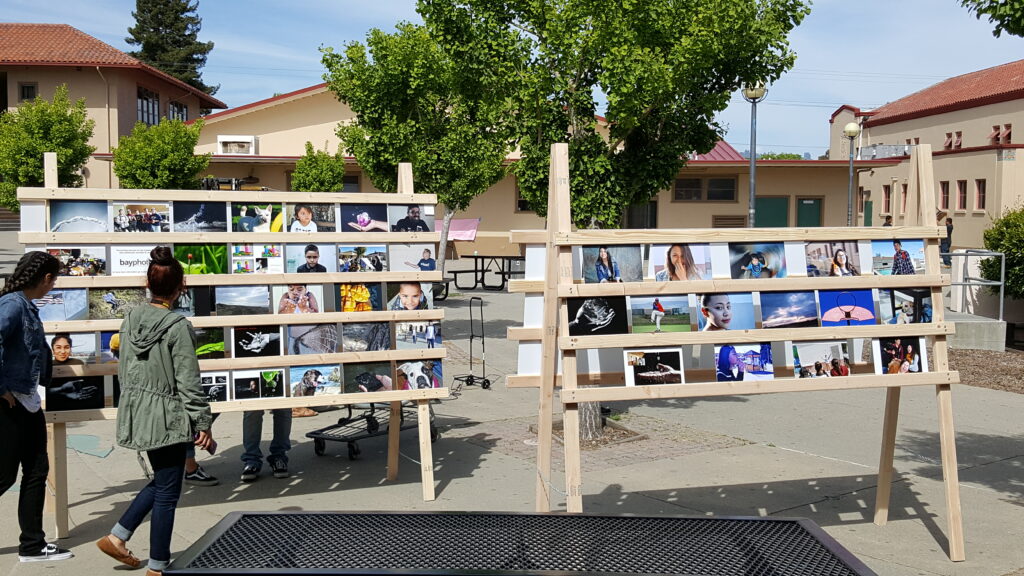
“Sure,” I replied to Micah. She was one of six non-Hispanic students out the 105 kids that were enrolled in my three sections of photography at Watsonville High in California. Micah had only been in the states for 10 months, but she had already developed a host of friends because they enjoyed her humor, weird Ukrainian clothes, and the funny accent she had when she spoke Spanish. I mean she spoke Spanish well! This girl was a wiz at everything she did.  Check out this photo for the Edgerton assignment. That’s my wrinkled hand in Micah’s shot.
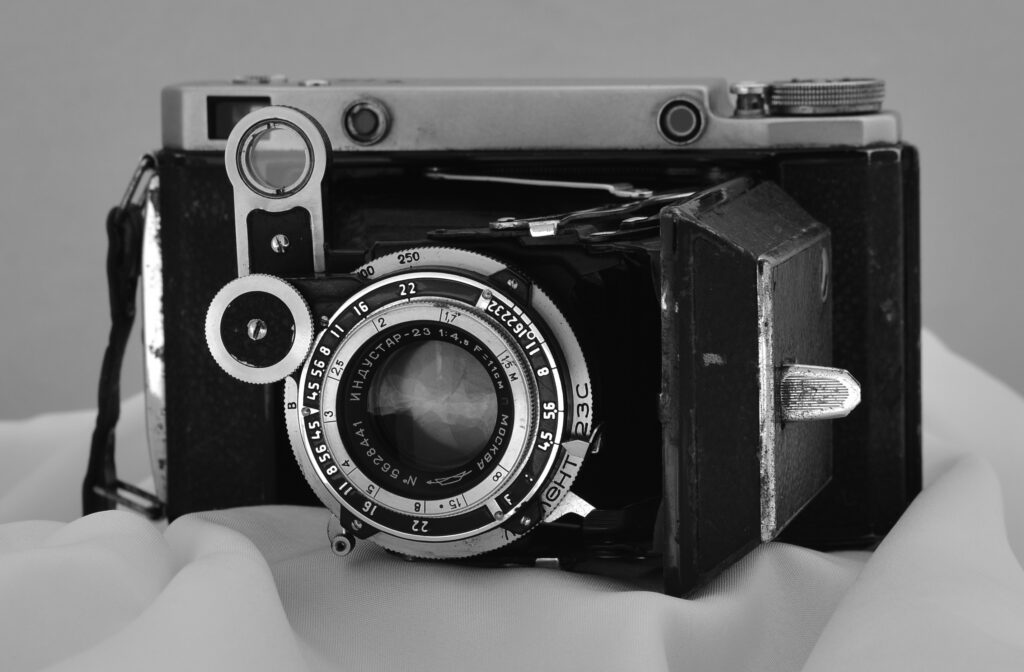
‘A bunch of cameras’ was an understatement. Grandpa Genrikh had brought 2 frayed leather covered steamer trunks full of cameras with names like Zorki, Zenit, Horizon, Moskva, Kiev, Fed, Chaika, Smena, and others. The family had set up several tables in the garage to sort through the collection of cameras, dolls, and religious icons. Micah and her grandfather hoped I could help them price the cameras and list them on eBay. It was an overwhelming task.

We began by doing eBay searches, which back in 2017 did not list every brand. Interest in film cameras was a lot lower then than it is now. More to the point, the asking price for film cameras was low and I could see the disappointment on the faces of the family as we organized things.
We took a break after a couple of hours and sat down to a dinner of dishes that seemed to come right out of my Ukrainian grandmother’s kitchen. The story of how Genrikh had acquired these cameras and how he hoped they would be a windfall for the family unfolded.

Genrikh had been a photographer all his life and owned a photo shop that sold equipment and processed pictures. When his wife passed away, he decided to retire. He sold off the best inventory and was left with boxes of gear nobody wanted. Somebody had told him Americans were wild about Russian stuff. Apparently not. As the reality of the situation sunk in, the family switched gears and brought out the vodka, platters of baked goods, and a stack of great photos grandpa had brought from the old country.
This is where my memory starts to get fuzzy, because I’m a lightweight with alcohol. Genrikh spoke no English and I spoke no Russian or Ukrainian, but the family was fluent in Yiddish, so I could understand about 10% of the animated conversation. It has always amazed me that people with a difficult past can laugh about life.

Around midnight the room was spinning, and I needed to get home. Micah’s father drove my car and her mother followed in the family station wagon. When I awoke the next day, which was fortunately a Saturday, I was in my underwear beneath the covers of my bed with no memory of how I got there. My wife later related how it had been a group effort to put me to bed, involving much laughter. On my kitchen table were a few nice cameras. That’s how I acquired my Moskva.

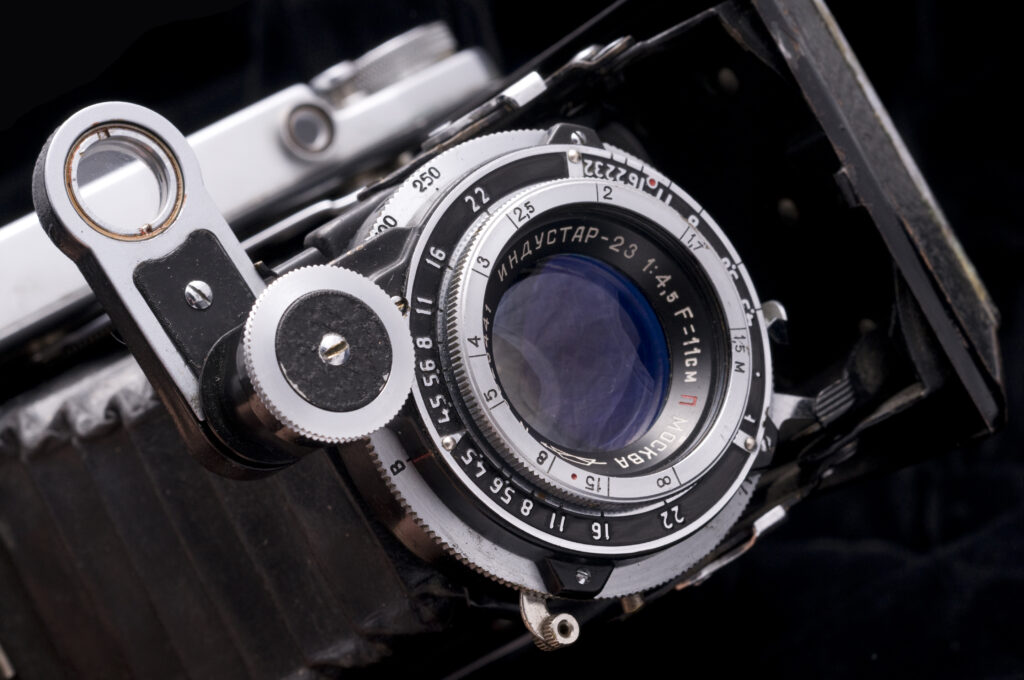
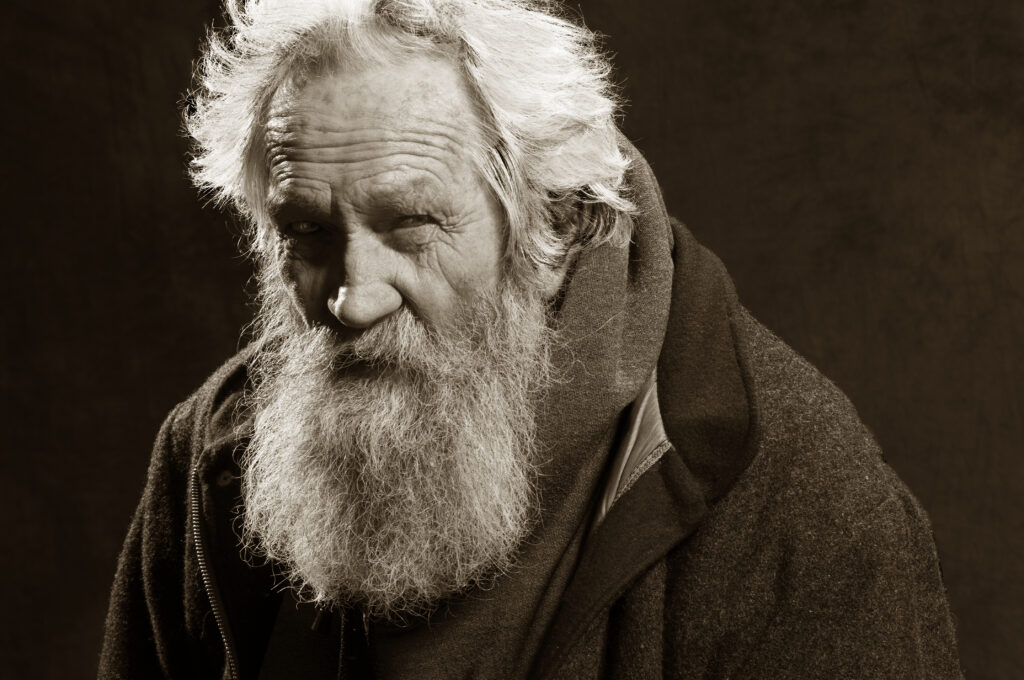
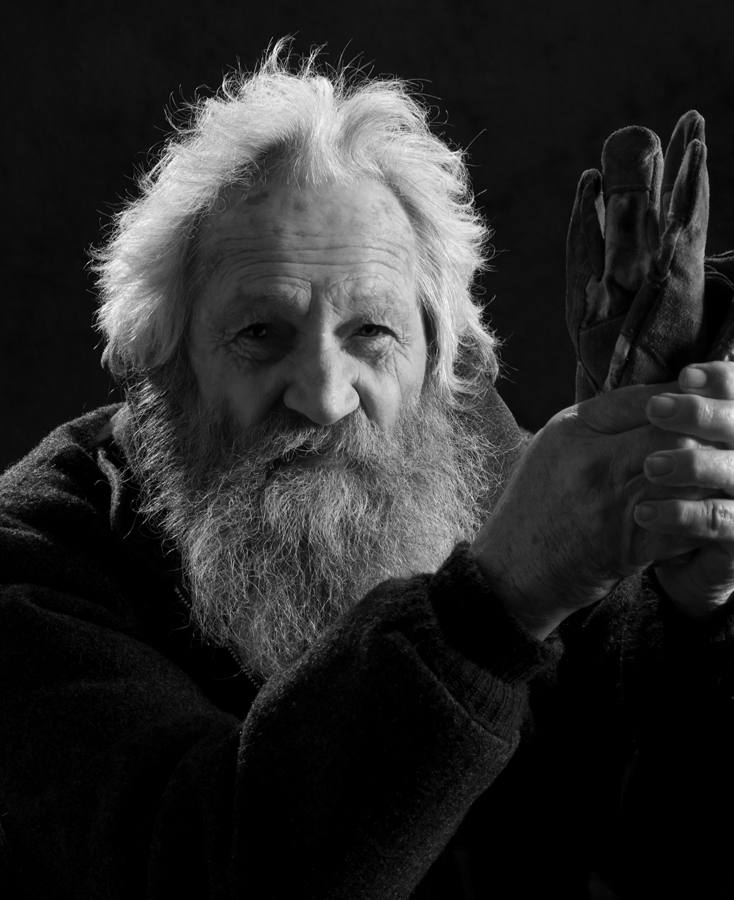
I last saw Genrikh when the family came to school to view the student photo show. I photographed him in the photo studio, which I had set up in a vacant classroom. I used the Moskva for some pix, but the digital shots look much better, so I’m using them for this posting. I think the family did okay on the sale of cameras, little Matryoshka dolls, icons, and jewelry. They are nice people and I think things are working out for them.
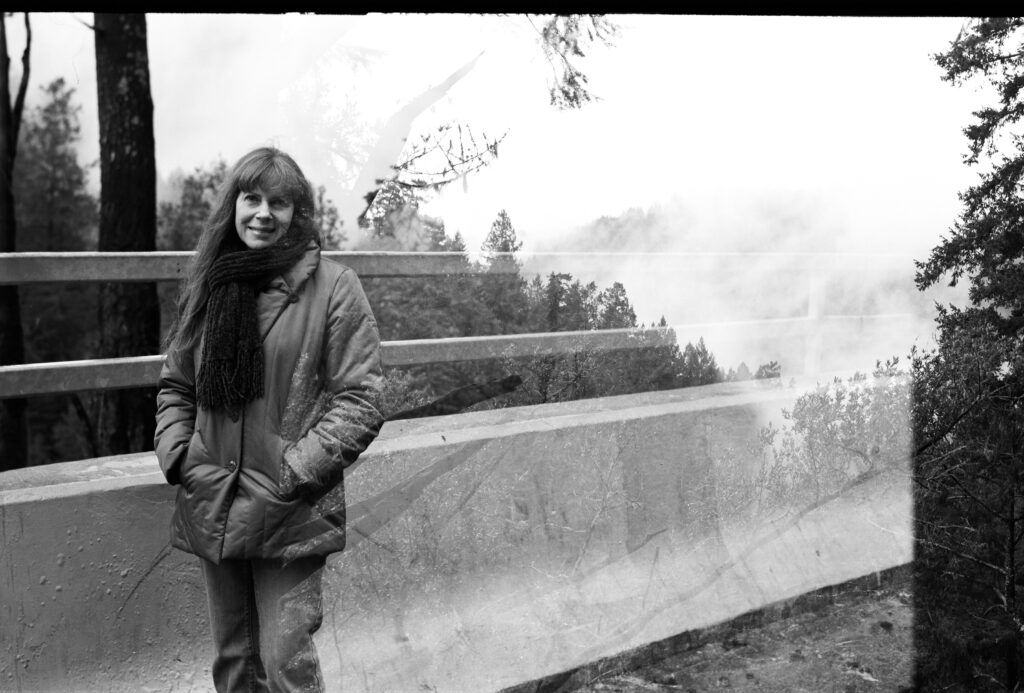
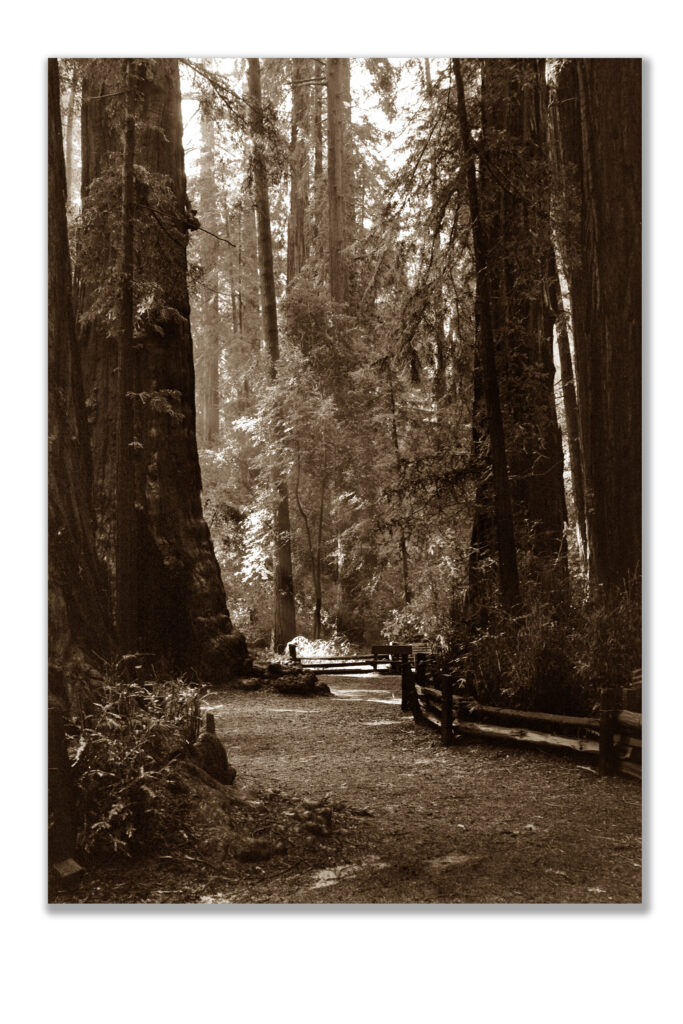
Here are some shots taken with the Moskva.

The first attempts with the Moskva had overlapping frames because the counter is broken. I rather like the double image in this picture of Lauren, my wife. After this roll, I relied on the little red counter window to avoid overlapping.
You need to stop the lens down to at least f/8 to avoid sharpness loss in the corners. This shot was at f/4 and the corners are not sharp.
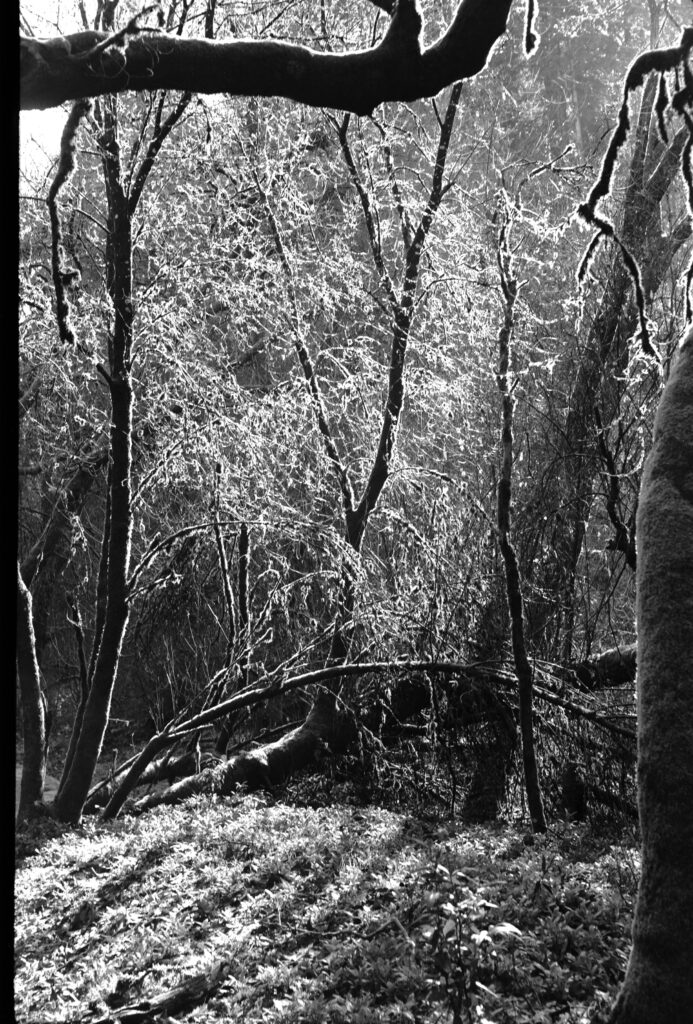
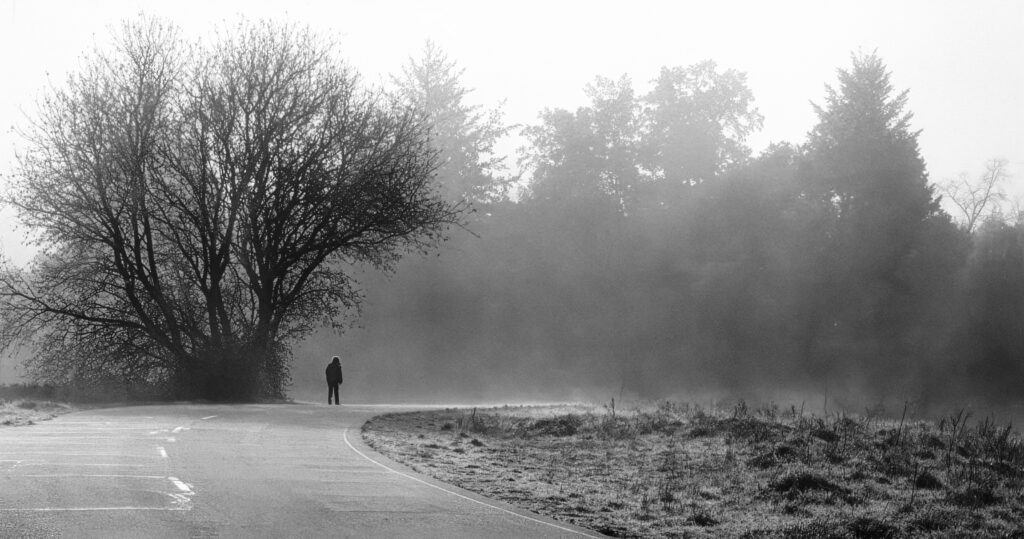
This shot was done on a tripod with a cable release. Straight print from the negative, with no sharpening or other alterations. Considering the age of the camera and the lack of lens coating, I think the result is pretty darn good.
Let’s have a last look at Grandpa Genrikh, the man that gave me my Moskva, or Mockba, or however you say it.
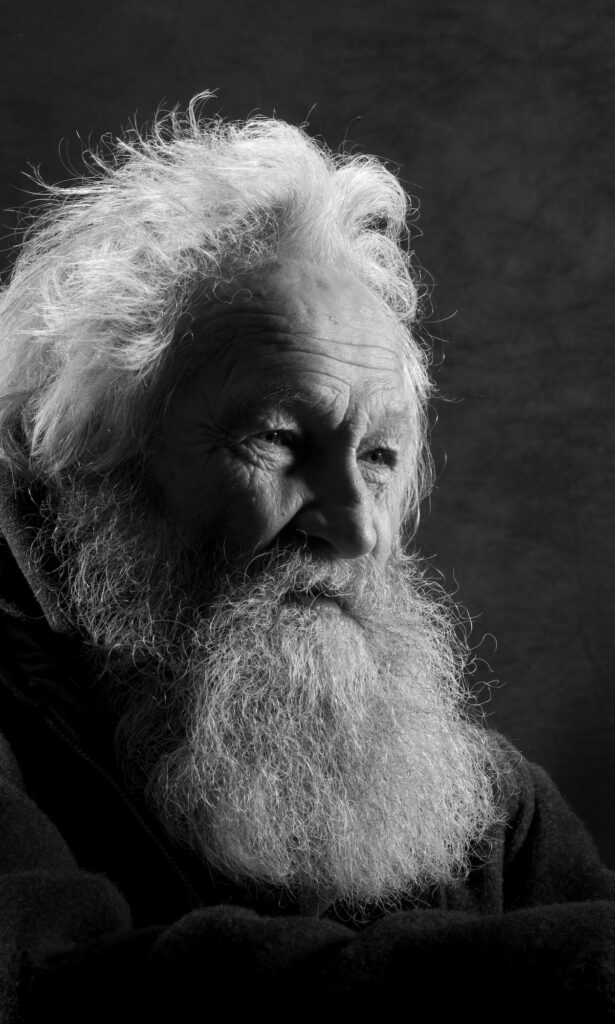
Technical notes: All of the portrait images in this posting were done handheld with a Nikon D-610 and 24-80 Nikkor zoom lens. Lighting was accomplished with strobes. The shots taken with the Moskva are scans of negatives except the last one, which is a scan of a sepia print.

Final comment

These Moskva cameras are available in 6×4.5, 6×6, 6×7, and 6×9. If you’re looking to buy one, I’d recommend investing in a film tested clean version, even though the price could be $150 or more. There’s a lot that can go wrong with old folding cameras, like bellows leaks, sticky shutters, and fungus in the lenses. Just like anything else in the vintage world, buyer beware. I paid with a hangover and I think that price was worth it.

Share this post:

About The Author

By Jeffery Luhn
I started as 'pro' photographer at 17 when I was hired to photograph 'The Hippie Invasion of Europe' by United Press International in 1969. It was a great assignment, from what I remember! Photography and video production has been my career. Teaching photography has been my sideline from 1980, but is now my main job. I love film. I also publish novels on Amazon.
Read More Articles From Jeffery Luhn

Find more similar content on 35mmc

Use the tags below to search for more posts on related topics:

Donate to the upkeep, or contribute to 35mmc for an ad-free experience.

There are two ways to contribute to 35mmc and experience it without the adverts:

Paid Subscription – £3.99 per month and you’ll never see an advert again! (Free 3-day trial).

Subscribe here.

Content contributor – become a part of the world’s biggest film and alternative photography community blog. All our Contributors have an ad-free experience for life.

Sign up here.

Make a donation – If you would simply like to support Hamish Gill and 35mmc financially, you can also do so via ko-fi

Donate to 35mmc here.

Comments

Neil Lloyd on Mockva, Moskva, Mockba, Moscow… whatever – Grandpa Genrikh, his Cameras and Portraits

Comment posted: 08/10/2026

I enjoyed reading this lovely article and great portraits. Great response to realising the cameras may not have been worth what they thought, just get out the Vodka, brilliant. I also own a Moskva 5 and enjoy using it, they certainly punch well above their weight. Yours is unusual as it appears to have a Moskva 4 lens/shutter on it, unless it's a very early production one.
Reply

Leave a Reply

Your email address will not be published. Required fields are marked *

Jeffery Luhn replied:

Comment posted: 08/10/2026

Neil, Thanks for your kind comment. I don't know the production date of my Moskva. It is possible that it was combined with different parts because Genrikh repaired cameras in his studio and retail business. I later acquired a nicer looking one that seemed to be newer but had gummed up focusing problems. I loaned it to a student...and never saw it again after he transferred to another college. BooHoo. My experience with Russian cameras has led me to puzzlement: If you're going to copy a Zeiss folding camera or a Leica or a Hasselblad, why not copy everything? Sure, Russian factories weren't as clean and advanced as those other brands, but couldn't the Russians have gotten more stuff right? I'd use my Moskva and Fed-3 more if they didn't have some weird controls and film advance issues. They are, however, fun. Great conversation starters.

Reply

Leave a Reply

Your email address will not be published. Required fields are marked *

Walter Reumkens replied:

Comment posted: 08/10/2026

Jeffery, there’s one thing you’re overlooking here: the production figures and the target audience for these cameras. The Russian cameras were manufactured for the mass market; Zeiss, Leica and Hasselblad produced, in total, only a fraction of a single Russian mass-market model. Zeiss produced rangefinder cameras for professional photographers, whilst Leica catered for amateur photographers with deep pockets. (Some may doubt this, but that’s how it was) – not for the ordinary man in the street, who had to save up to buy one. Under these conditions, within the context of a planned economy, it was impossible to achieve consistently high quality. And the cameras were also used in everyday life; they didn’t spend their lives in a display cabinet, like some Leicas, or be used only for a few holiday rolls of film. Thank you for the article – an interesting story and great photos.

Reply

Leave a Reply

Your email address will not be published. Required fields are marked *

Jeffery Luhn replied:

Comment posted: 08/10/2026

Walter, Yes, I know the reasons for the quality issues. I just wonder why they tried to reinvent the wheel. The Japanese made some improvements to the cameras they copied. On a related subject: I've looked for a library of old Ukranian and Russian 'common folks' photos, but come up short. There are lots of German, French, Polish, etc, files, but I can't find old Russian Ukranian stuff. Any ideas? There were millions of cameras there, right? Jeffery

Reply

Leave a Reply

Your email address will not be published. Required fields are marked *

Walter Reumkens replied:

Comment posted: 08/10/2026

Did they really want to reinvent the wheel? Shouldn’t they rather have simplified the manufacturing process in order to meet the government’s target? Here is an article on the subject: https://kosmofoto.com/2021/02/the-man-who-can-bring-almost-any-soviet-camera-back-to-life/ I own several Russian cameras, and right now a Kiev 4M is on its way back from being serviced by this Oleg, who is now living in Slovakia due to the war. All the cameras and lenses have now had the servicing they needed after so many years, and they’re working perfectly. Here in Germany, I don’t have unrestricted access to the internet in Russia and Ukraine. Who would allow or encourage the photos to be shown in the Western world? There are no global corporations behind them using them to advertise their latest cameras, as the marketing department at Leica AG does. What did the Japanese copy? They quickly put their own innovative ideas into practice – ideas that engineers in Germany were not allowed to implement because poor management saw no need for them; the Japanese and the needs of photographers were completely underestimated. Leica only survived because, following the withdrawal of Zeiss and Nikon, it was the sole supplier of rangefinder cameras. There was no innovation there either. For the R-series, they needed help from Fuji and Minolta, and for digital cameras, from Panasonic. Even to this day!

Reply

Leave a Reply

Your email address will not be published. Required fields are marked *

Jeffery Luhn replied:

Comment posted: 08/10/2026

Yes, the Soviet system did not support innovation except in the space race and weaponry, so I guess that has something to do with the quality. They probably tried to lower production costs by dropping features. Not actually re-inventing the wheel, but certainly not beginning with an accurate copy and making sure the changes enhance the product. But some controls and handling issues on my Moskva and other Russian cameras are strange. Why redesign a perfectly great design? They can be weird. The Japanese, on the other hand, usually make improvements and lower production costs. The Mamiya 6 is a good example. It's basically like a Zeiss folder, but it's easier to use with an unusual focusing mechanism that's super accurate. The film plate moves, so the lens doesn't focus. It doesn't spin, so no issues with the helical getting gummed up. It has perfect auto spacing on the frames. X synch. Big bright rangefinder. There are other Japanese breakthroughs that left Europe far behind. Especially the great SLRs. So, your'e right about how Leica were the only quality 35mm rangefinder business. Thankfully it was Leica that remained standing, and not Zorki. About seeing old Soviet photos: I started looking at old Soviet photos when I was about 15. Half of my family is from Ukraine, and the other side from Prussia. I've always wanted to know what it was like back then. What kind of house did they live in? in 1965, the library was the only place I could go for info. I didn't find any Russian books back there, although Margaret Bourke-White and other non-Russian photographers had some photos. There are archives of photos in most western countries. Magazines. Picture books. Wedding albums. Street scenes. Vacation pictures. I didn't see any of those images from Russia and Ukraine when I was 15, and I don't see archives now. I've run across propaganda photos, but they don't show the real true place. I think it's really tightened upsince the war, but Russia was always unwilling to help outsiders. So, if you run across a good data base, please let me know.

Reply

Leave a Reply

Your email address will not be published. Required fields are marked *

Walter Reumkens replied:

Comment posted: 08/10/2026

There will be no databases that we in the West can access. The socialist business model lacks the incentive for this, and serious photography is of interest to very few people these days. Even in Turkey, the most famous photographer, Ara Güler, was forced to self-publish his old photographs. There does appear to be an EU-funded initiative in Lithuania, which I’ve linked to below. The film about the photographer Antanas Sutkus provides some insight. Two of his books – *Children* and *Street Life* – have been published by the German publisher Steidl, and I own and cherish them. I think we in the West find it difficult to truly understand the planned economy. The developments in the USSR and Japan at that time cannot be compared at all. That is why, for a better understanding, I recommend the article by Oleg Khaliavin in *Kosmofoto*. https://www.e-kinas.lt/ekinas-movie/movie/1038

Reply

Leave a Reply

Your email address will not be published. Required fields are marked *

Jeffery Luhn replied:

Comment posted: 08/10/2026

Walter, That link is very good, thanks. It's what I was looking for. I couldn't understand the voice over, but the images do the talking, so nothing lost there. I ran the name of the exhibit and it lead to an English translation of a long interview with Sutkus. A very frank and open discussion of his motivations and results. Great stuff. Thanks for the tip!

Reply

Leave a Reply

Your email address will not be published. Required fields are marked *

Martin on Mockva, Moskva, Mockba, Moscow… whatever – Grandpa Genrikh, his Cameras and Portraits

Comment posted: 08/10/2026

Great portraits and fine read!
Reply

Leave a Reply

Your email address will not be published. Required fields are marked *

Jeffery Luhn replied:

Comment posted: 08/10/2026

Thanks, Martin!

Reply

Leave a Reply

Your email address will not be published. Required fields are marked *

Simon Foale on Mockva, Moskva, Mockba, Moscow… whatever – Grandpa Genrikh, his Cameras and Portraits

Comment posted: 08/10/2026

Great story, terrific portraits!
Reply

Leave a Reply

Your email address will not be published. Required fields are marked *

Jeffery Luhn replied:

Comment posted: 08/10/2026

Thanks, Simon.

Reply

Leave a Reply

Your email address will not be published. Required fields are marked *

Chuck on Mockva, Moskva, Mockba, Moscow… whatever – Grandpa Genrikh, his Cameras and Portraits

Comment posted: 08/10/2026

Jeffrey: Thanks for posting. Your portraits and landscapes are great. I really enjoy my Russian cameras (and the selenium light meter)!
I have a Fed 2, a Fed 3 and a Lubitel. No batteries needed for any of them. I went on a group tour and used the Fed 2. Fellow travellers referred to me as the guy with the big camera. They were all using digital cameras the size of a cigarette package. They didn't know I had a 120 sized TLR at home.
Reply

Leave a Reply

Your email address will not be published. Required fields are marked *

Jeffery Luhn replied:

Comment posted: 08/10/2026

Chuck, Thanks for your comments. I have a Fed-3 and it works pretty well. That's funny for people to call it big. Once when I was shooting with my little 35mm Zeiss Contessa, I heard a kid ask, "Mommy, why is that man playing with a toy camera?" It's all relative, I guess.

Reply

Leave a Reply

Your email address will not be published. Required fields are marked *

Scott Peterson on Mockva, Moskva, Mockba, Moscow… whatever – Grandpa Genrikh, his Cameras and Portraits

Comment posted: 08/10/2026

Wow, fantastic pictures and portraits!
Reply

Leave a Reply

Your email address will not be published. Required fields are marked *

Jeffery Luhn replied:

Comment posted: 08/10/2026

Thanks, Scott. Genrikh is a good subject and a very interesting person. It's been a long time since I've seen him and I don't know if he's still alive. I hope so. I heard the family moved to Seattle. The last of my relatives left Ukraine when Russia invaded. I hope that awful war comes to an end soon. Jeffery

Reply

Leave a Reply

Your email address will not be published. Required fields are marked *

David Voss on Mockva, Moskva, Mockba, Moscow… whatever – Grandpa Genrikh, his Cameras and Portraits

Comment posted: 08/10/2026

Fascinating story and wonderful portraits. One correction: Harold Edgerton's work was done at MIT not Princeton.
Reply

Leave a Reply

Your email address will not be published. Required fields are marked *

Jeffery Luhn replied:

Comment posted: 08/10/2026

David, Thanks for pointing out my error concerning Doc being at MIT, not Princeton. I'll change that. As coincident would have it, I have a grand niece of Doc in my photo class. Her maiden name is Edgerton! She also said he was at MIT when I showed a slide show about him last week. He is an unsung hero of many imaging technologies. Thanks for your kind words. Jeffery

Reply

Leave a Reply

Your email address will not be published. Required fields are marked *

Art Meripol on Mockva, Moskva, Mockba, Moscow… whatever – Grandpa Genrikh, his Cameras and Portraits

Comment posted: 08/10/2026

Love the portraits of Grandpa Genrikh, especially the last one. My paternal grandparents came here from Ukraine and his photo looks a lot like some of my old family photos. Your work educating is special and I honor it. And that old Mockva still makes beautiful photographs. Great post Jeffery. Thank you!
Reply

Leave a Reply

Your email address will not be published. Required fields are marked *

Jeffery Luhn replied:

Comment posted: 08/10/2026

Genrikh sure has the Ukrainan look, doesn't he? I have old photos of my family and the men all have beards like that. I can tell if someone is speaking Russian or Ukranian, but I can't tell the difference between the two. I'd like to visit but it will be a while before it's safe. I pray this awful war will end.

Reply

Leave a Reply

Your email address will not be published. Required fields are marked *

Tony Warren on Mockva, Moskva, Mockba, Moscow… whatever – Grandpa Genrikh, his Cameras and Portraits

Comment posted: 08/10/2026

Super model for these excellent portraits. An absolute natural. I used a Mockba/Moscow 5 in the 1960s so it was probably in good condition. I had some good results from it. Very rugged Super Ikonta copy/development.
Reply

Leave a Reply

Your email address will not be published. Required fields are marked *

Jeffery Luhn replied:

Comment posted: 08/10/2026

Tony, Thanks for your comments. It is a rugged camera. Mine is pretty beat up, but the lens and shutter is fine. The film advance/counter is out of wack, so I have to use the little red window. I suppose I can figure out how far to advance between frames. Considering the age, it is a usable camera.

Reply

Leave a Reply

Your email address will not be published. Required fields are marked *

David Pauley on Mockva, Moskva, Mockba, Moscow… whatever – Grandpa Genrikh, his Cameras and Portraits

Comment posted: 08/10/2026

What a wonderful story and amazing set of photos, Jeffrey! The portraits, especially the last one, are stunning. I hope Grandpa Genrikh and his family got a copy of it. The landscape shots with the old folder are in their own way equally impressive. I especially liked the brown-toned one. Am only wishing you were on the East coast so I could take one of your classes. Philistine that I am, I've never heard of Edgerton or his flash experiments. Your students are lucky to have you! - David
Reply

Leave a Reply

Your email address will not be published. Required fields are marked *

Jeffery Luhn replied:

Comment posted: 08/10/2026

David, you are not a Philistine. No Philistines ever name their kid David. Not after that thing with Goliath. Thanks for your kind words. Portraiture with strobe is SHARP. Maybe a little too sharp with some people. With Genrikh, we eat up all that super detail, but ladies will not like that. I've had group shots of corporate people, and the ladies and egoistic men have complained that I 'made them look old.' So I have to retouch their faces. It is all a matter of taste, and the client can afford to have bad taste. Perhaps that's one big reason I'm semi-retired. I don't have to cater to clients. When I shoot for fun, I chose my subjects. No worries.

Reply

Leave a Reply

Your email address will not be published. Required fields are marked *

Geoff Chaplin on Mockva, Moskva, Mockba, Moscow… whatever – Grandpa Genrikh, his Cameras and Portraits

Comment posted: 09/10/2026

Wonderful portraits and the last two Moskva shots are lovely. Interesting story but disappointing for the family hoping for a windfall. How is selling going - I guess bit by bit rather than flooding the market?
Reply

Leave a Reply

Your email address will not be published. Required fields are marked *

Jeffery Luhn replied:

Comment posted: 09/10/2026

Geoff, When they were very disappointed about the low value of cameras and other stuff, they just brought out the vodka. The last I heard about the family is that Micahs father (Industrial designer) got a good job in Washington State maintaining bridges. The family moved up there. Her mother is a practicing doctor and is working on her state license. I assume they sold everything from the old country and Americanized. Deserving people.

Reply

Leave a Reply

Your email address will not be published. Required fields are marked *

Cosme Lapena on Mockva, Moskva, Mockba, Moscow… whatever – Grandpa Genrikh, his Cameras and Portraits

Comment posted: 09/10/2026

Jeffery, what a story. The cameras are almost the excuse here. What stayed with me is the dinner: a family facing a real disappointment and answering it with food, vodka and a stack of old photographs. That warmth comes through in the portraits too. Genrikh looks completely at ease in front of your camera, which says as much about the photographer as about the model.

It also reminded me that my own first camera was a borrowed one, a Voigtländer, when I was fifteen. Cameras that pass from hand to hand seem to carry their stories with them.

And I loved the double exposure of Lauren. A broken frame counter giving you a picture you’d never have planned is one of the small gifts of old cameras. As for the hangover, surely the fairest price anyone has ever paid for a Moskva.

Best, Cosme
Reply

Leave a Reply

Your email address will not be published. Required fields are marked *

Jeffery Luhn replied:

Comment posted: 09/10/2026

Thanks, Cosme. Photography brings us all together.

Reply

Leave a Reply

Your email address will not be published. Required fields are marked *

Ed on Mockva, Moskva, Mockba, Moscow… whatever – Grandpa Genrikh, his Cameras and Portraits

Comment posted: 09/10/2026

Thank you for these striking photos Jeffery, the portraits are stunning in particular. The story woven around the images is delightful. A very enjoyable read. Best wishes. Ed
Reply

Leave a Reply

Your email address will not be published. Required fields are marked *

Jeffery Luhn replied:

Comment posted: 09/10/2026

Thank you, Ed. I'm glad you enjoyed it. Jeffery

Reply

Leave a Reply

Your email address will not be published. Required fields are marked *

Michael Kaplan on Mockva, Moskva, Mockba, Moscow… whatever – Grandpa Genrikh, his Cameras and Portraits

Comment posted: 12/10/2026

Jeffrey,
Wonderful article. I enjoyed reading the backstory about the camera collection and seeing the images from the Moskva 5. I have a particular fascination with the Soviet film photography world. Way back in 2021, I produced a podcast called “The Ephemeral Machine: A Podcast About Collecting Cameras.” I was fortunate to interview Vladislav Kern from USSRphoto.com. A fascinating guy with an encyclopedia’s wealth of knowledge about the subject. Here the link to the episode (unfortunately I had to end the podcast after 13 episodes for professional reasons)
https://open.spotify.com/episode/3nzARVz6MVQnNu1pdgFYOt?si=Y4B7aUtlT9GnH_TTdmeaFQ&utm_source=copy-link
Thanks again for the great story and images!
Reply

Leave a Reply

Your email address will not be published. Required fields are marked *

Jeffery Luhn replied:

Comment posted: 12/10/2026

Thanks, Michael. I tried to open the spotify link but was unsuccessful. I guess I need to update my membership. I'll try again. Sincerely, Jeffery Luhn

Reply

Leave a Reply

Your email address will not be published. Required fields are marked *

Leave a Comment

Leave a Reply

Your email address will not be published. Required fields are marked *