

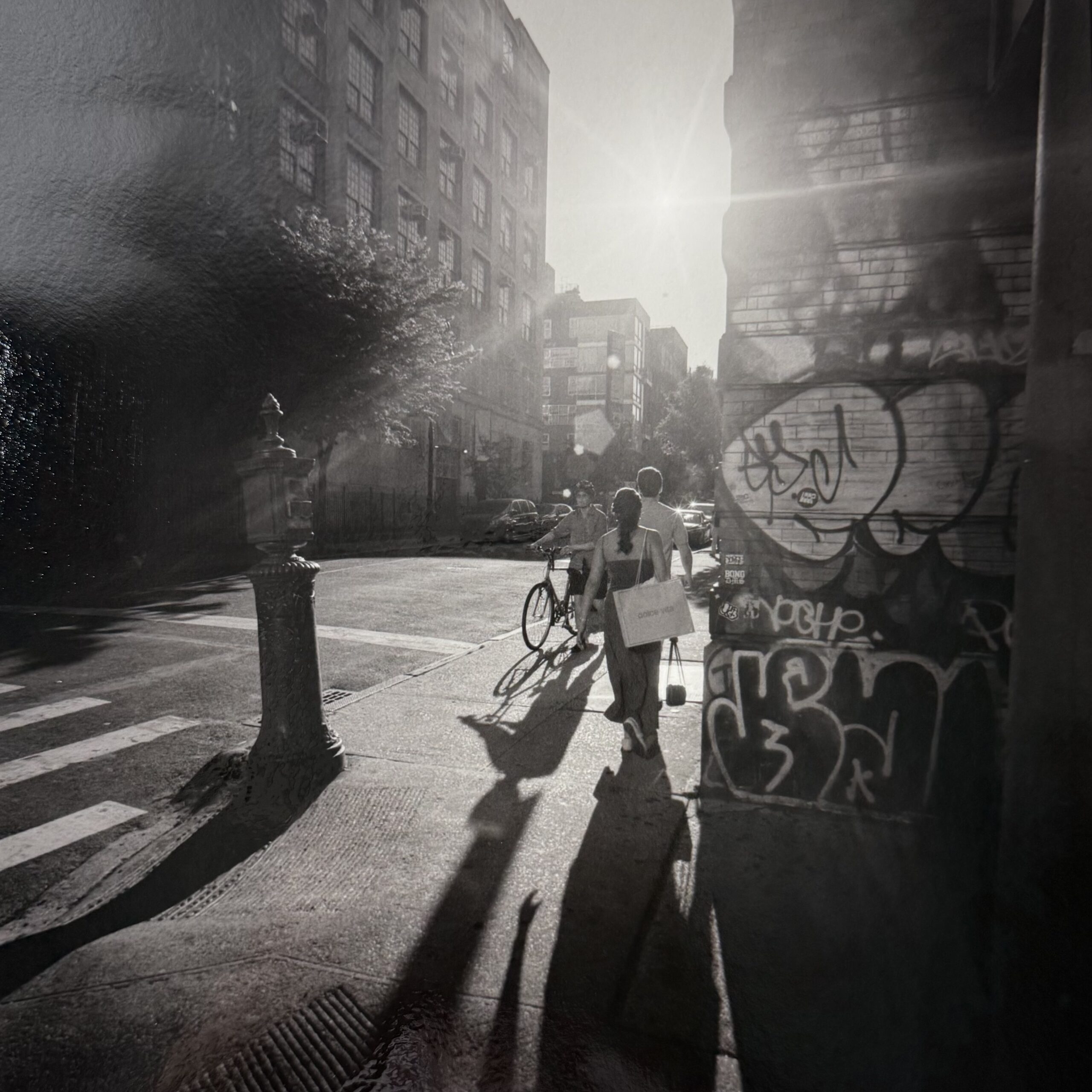
After a crisis involving a family member earlier this month, I found myself withdrawing to the darkroom, churning out prints at a breakneck pace. At first, this seemed perfectly sensible. I had in fact started a new course at the International Center of Photography just a short while before. Spending more time than usual under the safelights was on one level entirely expectable.
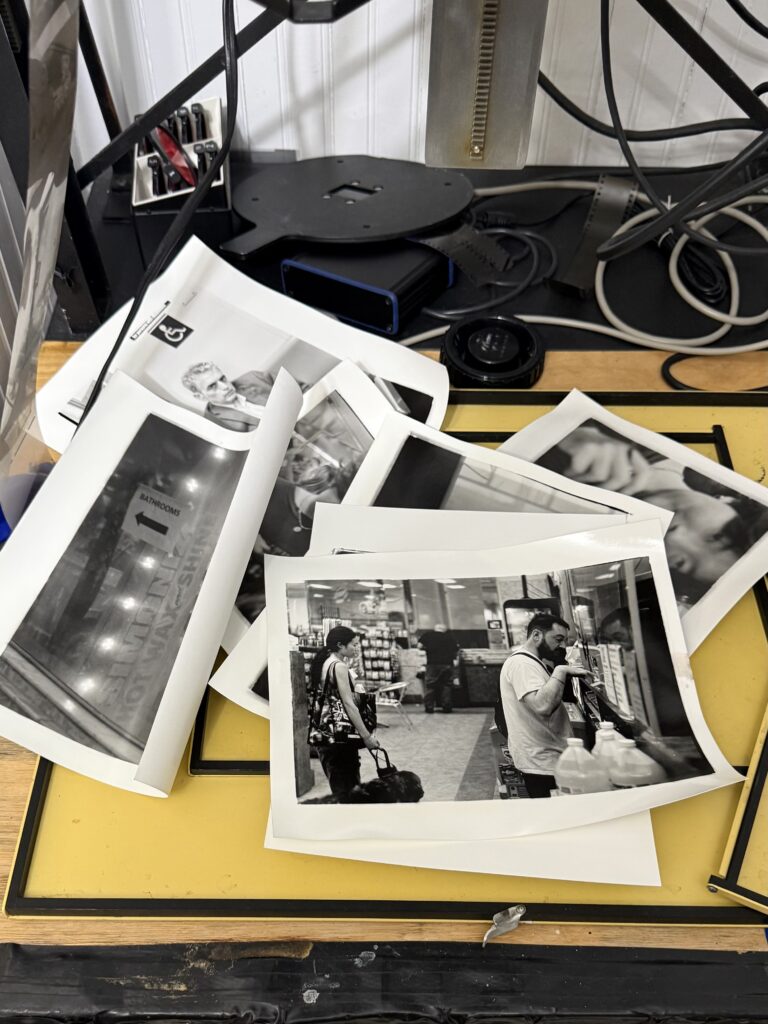
Only later did it occur to me that the work I was doing had little to do with the class. I was printing images from outings that I’d overlooked; frames made with little conscious intention; others that I’d worked on and been dissatisfied with. Their presence on paper briefly exhilarated me, in the way that often happens in the darkroom, but as the stack grew the whole exercise came to feel increasingly pointless.
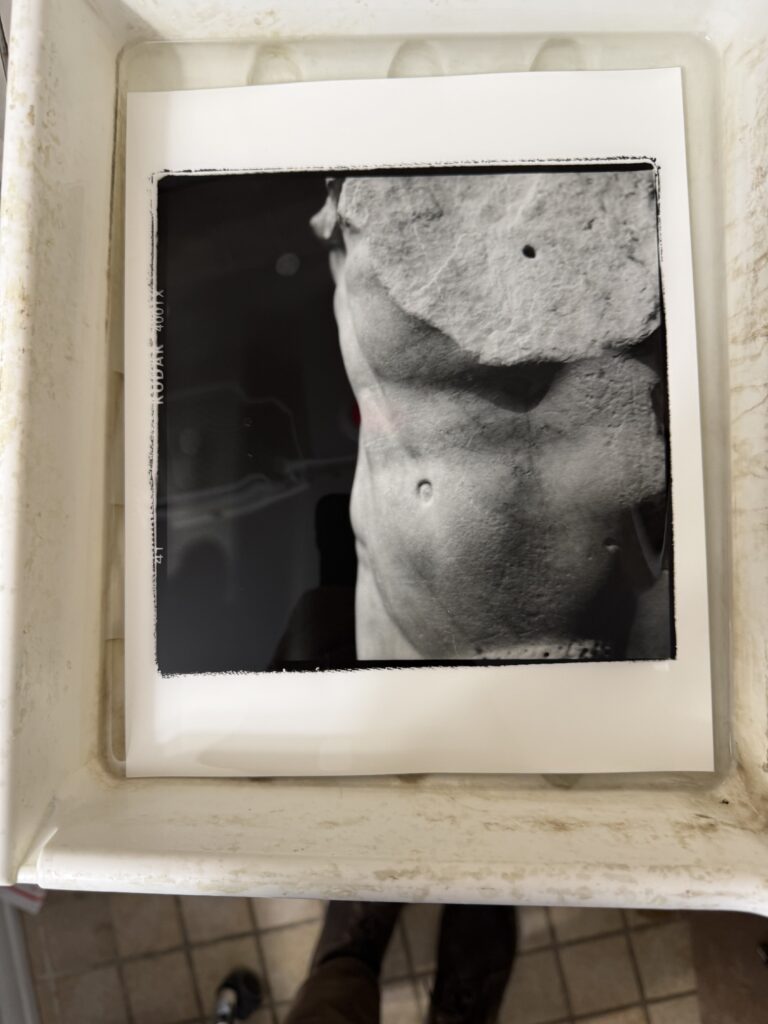
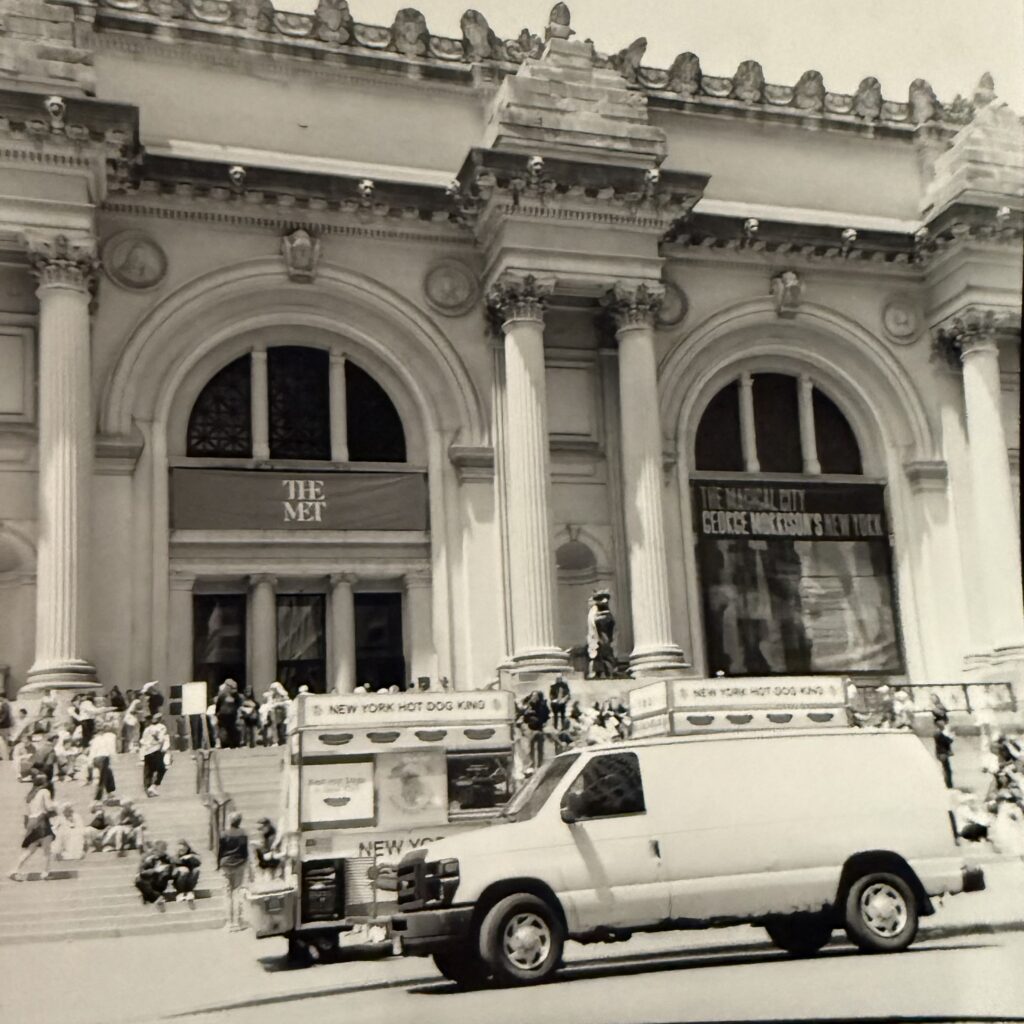
Who really needs another closeup of a Greek torso fragment from the Metropolitan Museum? Or a frame of the museum’s façade, composed quite deliberately to emphasize some food trucks at the foot of its grand staircase?
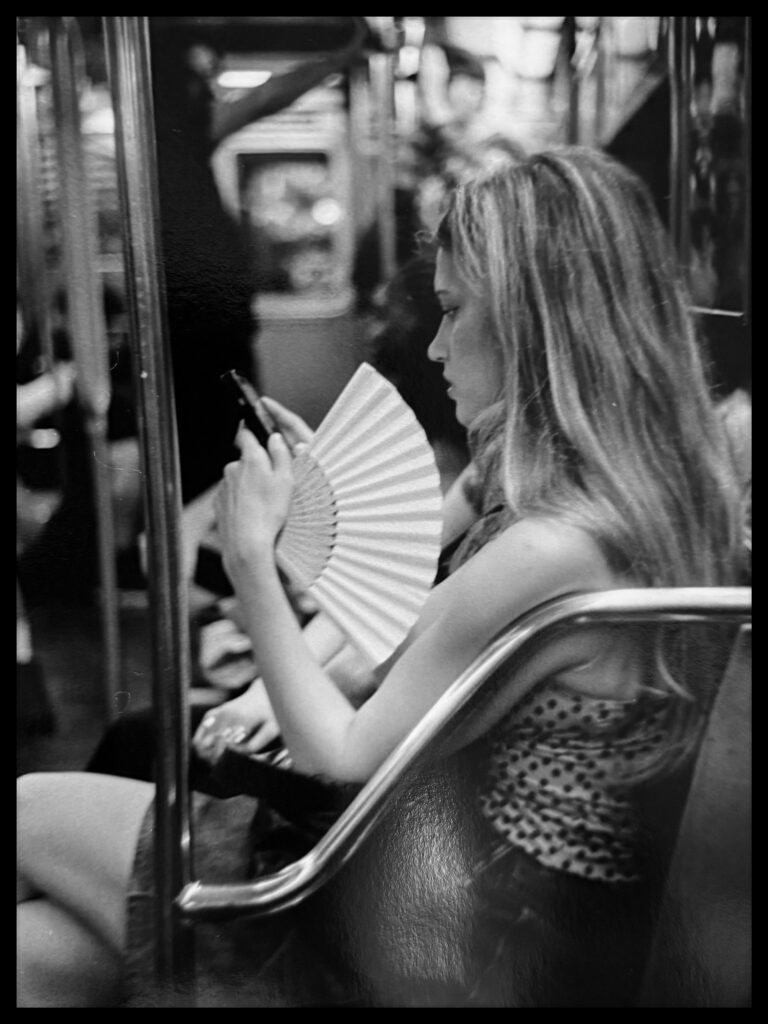
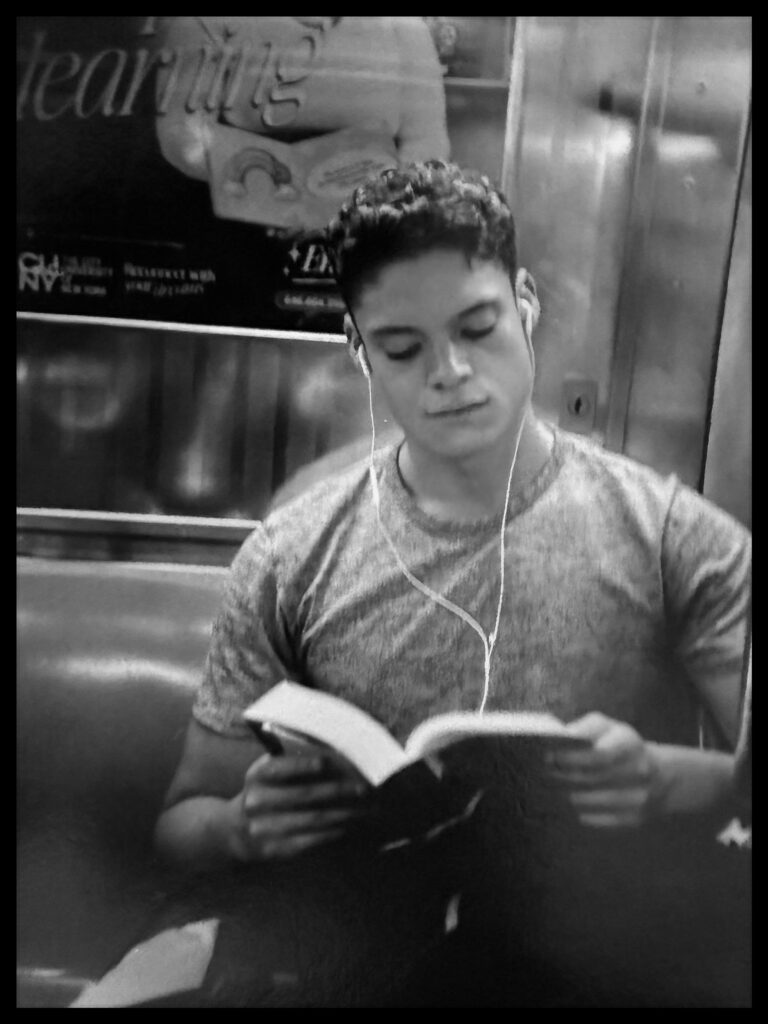
Or two recent subway portraits, the first a profile of a young woman clutching a Japanese fan; the second of a young man, a student perhaps, deep in the pages of a book, the faint smile on his lips signaling both absorption and pleasure?
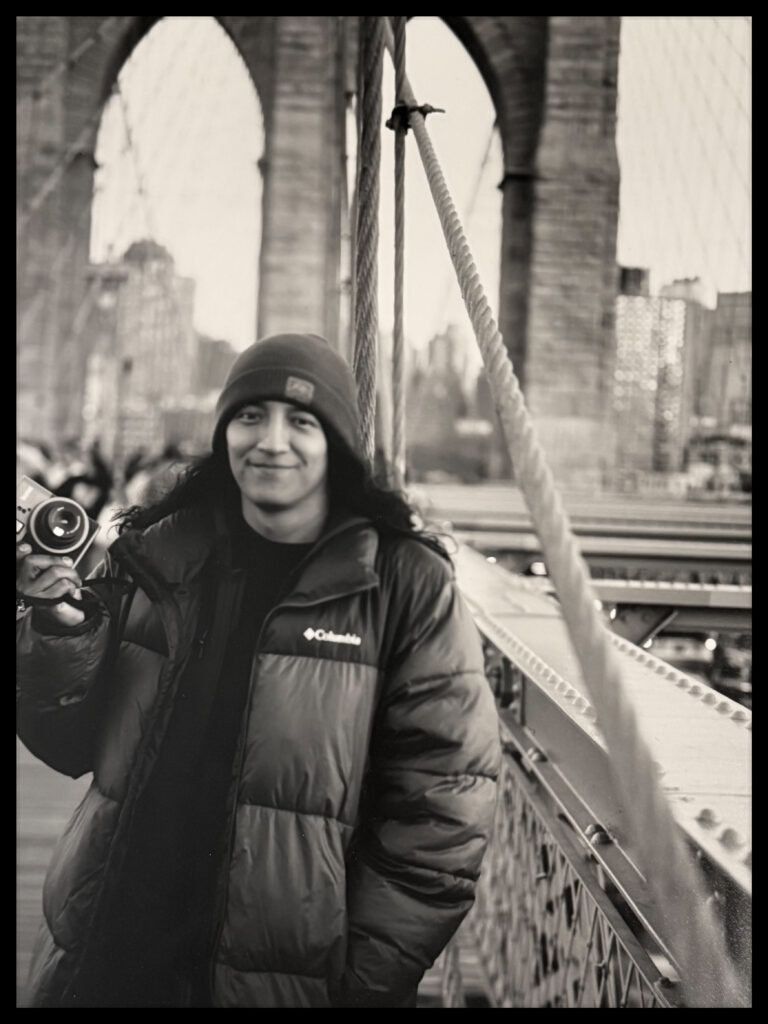
Or the 4×5 portrait of a Honduran photographer on the Brooklyn Bridge, proudly displaying the Instax camera he used to make snapshots for tourists? We agreed I would deliver my 11×14 darkroom print to him in person, though I never heard back after texting him, a silence that might have many explanations, but that feels ominous at the current moment.
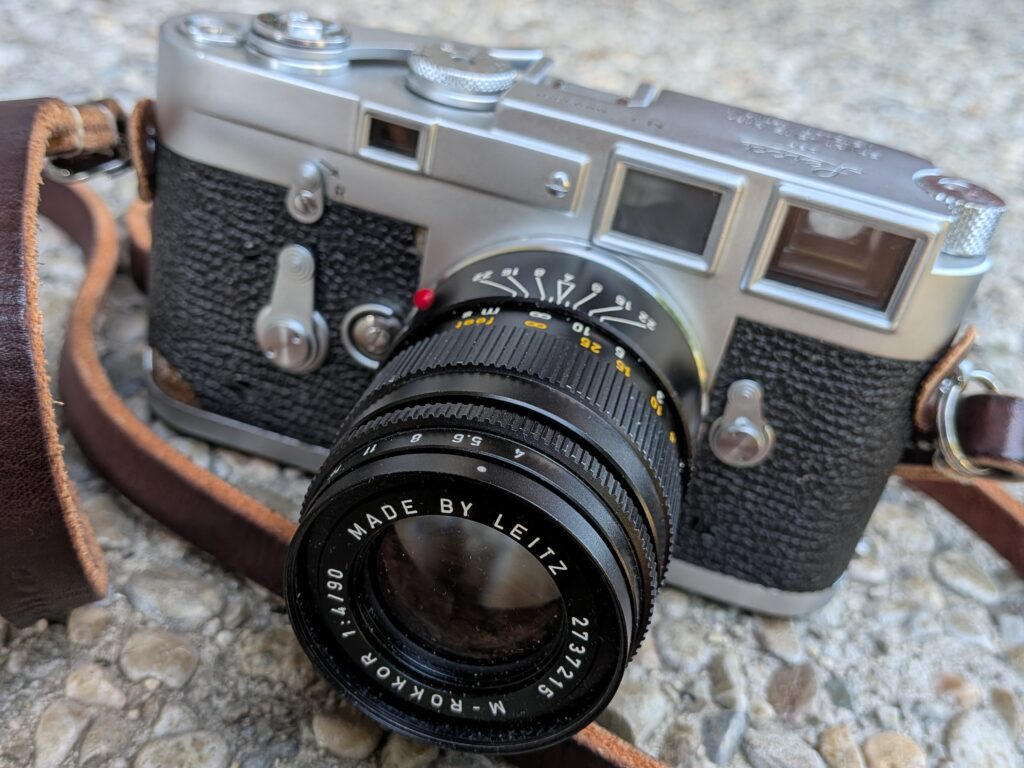
There were others—a small series taken with a Barnack Leica on a trip to a local car wash—that I now found excessively timid. If ever there was a subject fit for my 5×7 Deardorff, that bustling urban car wash might be it. Making such a study, however, would mean gaining the trust not only of the vulnerable immigrant workers and their customers but of their employer, a project that, beyond the considerable technical challenges, would likely outstrip my ability to offer reassurance.
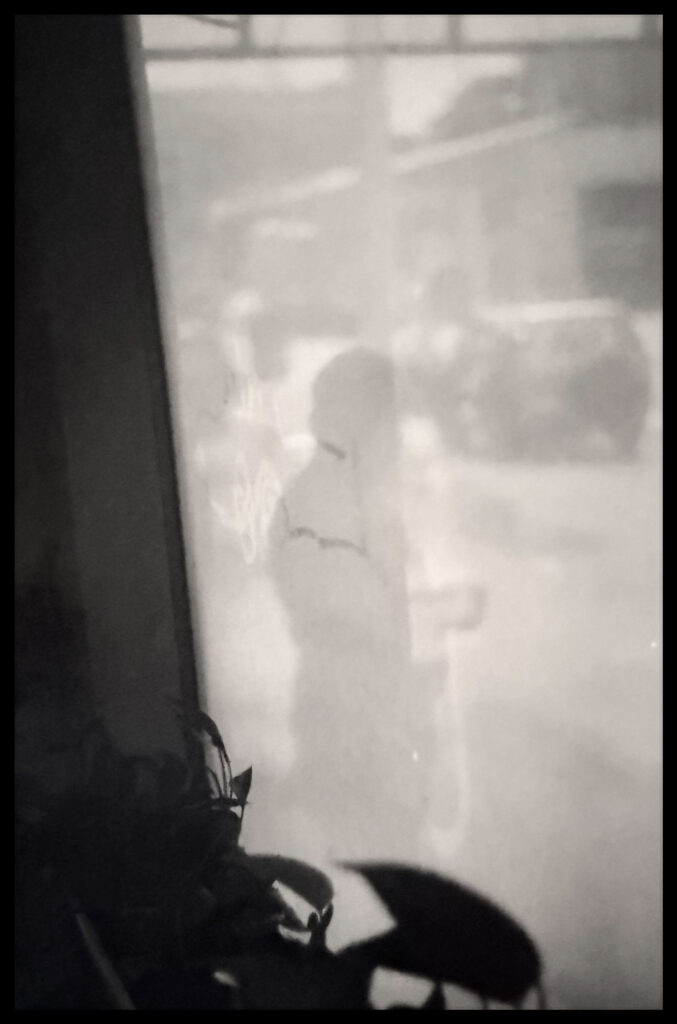
Amid the mounting disappointments, my thoughts circled back to my family, and to the crisis, one where I was forced to draw deeply on my clinical skills, a step I am ordinarily loath to take outside of my working life. Like many psychotherapists, I gained that reluctance through hard experience, having taken on the role of Family Counselor at a tender age, and persisted in it despite the relatively meager benefits it brought growing up in my large family of five brothers.
Over three decades as a psychotherapist, I’ve learned to draw a tight boundary around my office, the privileged zone where I work intensively with patients, sometimes three or four sessions per week. In the world beyond that enclosure I’m just one person among many, an imperfect being whose training confers no special right to opine on other people’s struggles (aside from urging them, when asked, to seek help).
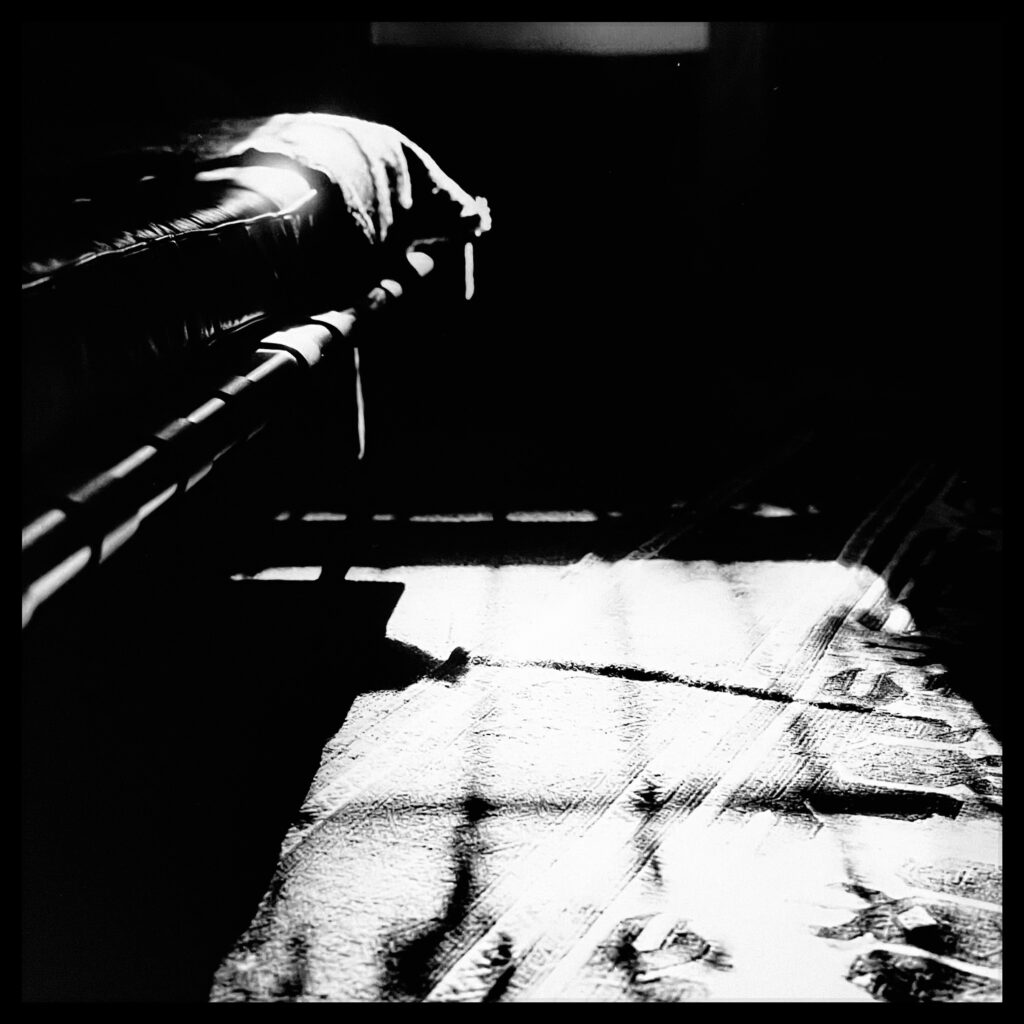
As it happens, and unbeknownst to my patients, my darkroom is adjacent to my therapy office. Its only entrance is a door located just next to my desk. Moving from one room to another during gaps in my schedule is a luxury, yet can also sometimes feel disorienting. It’s like stepping through a portal from a realm focused on listening—to stories, always intimate, at times traumatic—to a separate space built around seeing: vistas, faces, the unexpected ways that light can change a photo as the shutter fires.
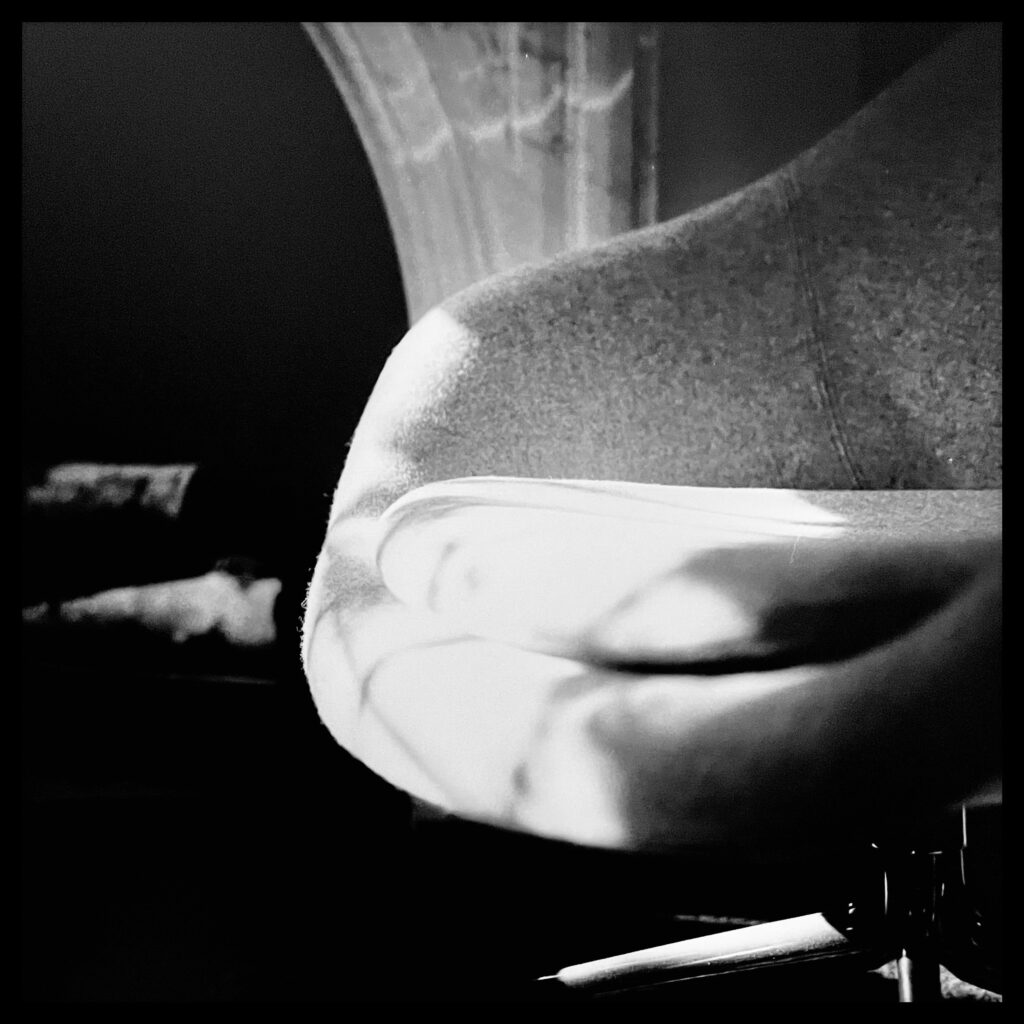
In temporarily lifting the cordon I’ve placed around my work as a psychotherapist, I now realize, my family’s crisis made the darkroom feel precarious as well. And there’s some truth in that. Just as I can’t always control which photos will work, or summon the energy for every creative project, my best efforts to be helpful—in my clinical role, or, as in this case, with family—always occur amid contingencies beyond my power. While the recent crisis threw this uncertainty into overdrive, most days I am satisfied with my efforts in both office and darkroom, grateful for the balance that photography provides me faced with whatever unfolds.
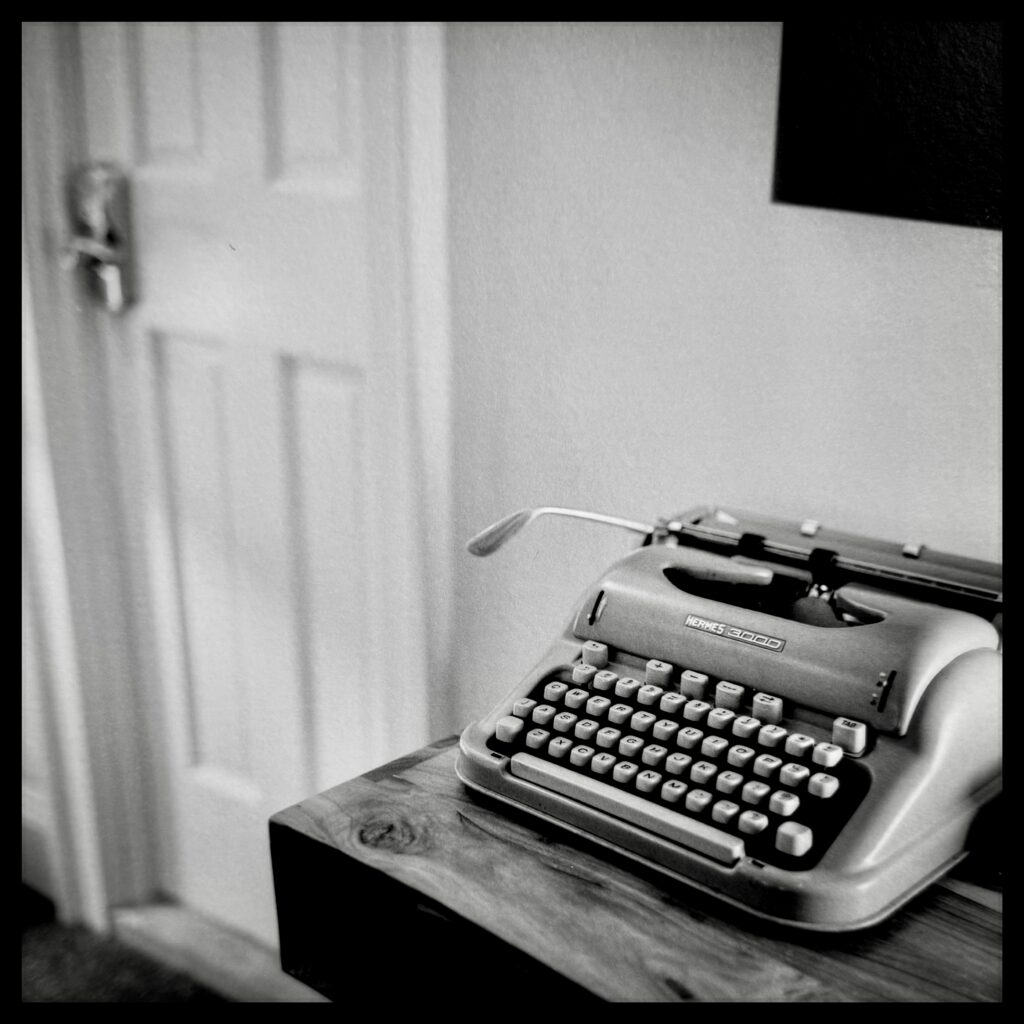
You can see more of my work at leica1933.com
FEATURED IMAGE: Forms and Shadows, Lower East Side, Hasselblad SWC/M, Biogon 38mm f4.5, Kodak Tri-X 400, FB Darkroom Print, Selenium toned.
Share this post:





Comments
Chuck Young on Striving for Balance in the Darkroom
Comment posted: 07/07/2026
they tell a lot of stories.
Comment posted: 07/07/2026
Art Meripol on Striving for Balance in the Darkroom
Comment posted: 07/07/2026
Comment posted: 07/07/2026
Comment posted: 07/07/2026
Gary Smith on Striving for Balance in the Darkroom
Comment posted: 07/07/2026
Sorry to hear about your brother David, we all struggle at times. Hiding in a (literally) dark room is one way to cope.
Thanks for sharing those shots! I like the 4×5 portrait of the photographer on the bridge.
Comment posted: 07/07/2026
David Hume on Striving for Balance in the Darkroom
Comment posted: 07/07/2026
Comment posted: 07/07/2026
Ibraar Hussain on Striving for Balance in the Darkroom
Comment posted: 08/07/2026
Have you heard / read Don McCullin’s thoughts about being alone in his darkroom? Worth a read / listen. Along with the late Simon Marsden.
My darkroom used to be a refuge of sorts - I’d just print any old shit as I enjoyed it!
Thanks again
Comment posted: 08/07/2026
Comment posted: 08/07/2026
Comment posted: 08/07/2026
Alexandre Kreisman on Striving for Balance in the Darkroom
Comment posted: 08/07/2026
I saw marvellous pictures in this post, I can understand that sometimes we put aside frames thinking it’s not worth it, however what I see here is brilliant work, and a real and humbling knowledge of wet printing.
For me too spending a few hours in front of my enlarger is pure meditation.
I do not have that feeling everywhere else except when practising actual meditations,
I hope your brother’s issues are not too serious and wish you the best.
Keep posting interesting stuff, it’s always a pleasure to read and to see your images
Cheers
Alex
Comment posted: 08/07/2026
Comment posted: 08/07/2026
Comment posted: 08/07/2026
Comment posted: 08/07/2026
Comment posted: 08/07/2026
Geoff Chaplin on Striving for Balance in the Darkroom
Comment posted: 08/07/2026
They look like some fine prints you have been making. I'm having a nightmare of a time in the darkroom at the moment -:nothing is going right and my own impatience doesn't help. I feel I need a counterbalancing task - I think I'll try a long wallk.
Comment posted: 08/07/2026
Alexander Seidler on Striving for Balance in the Darkroom
Comment posted: 08/07/2026
Comment posted: 08/07/2026
Michael Jardine on Striving for Balance in the Darkroom
Comment posted: 08/07/2026
It's a profound thing, and at one level just making these pictures is something that feels restorative. I've spent two decades on-and-off on the other side of the psychotherapeutic relationship and few things make me feel better than making photos. I do love the idea of a darkroom as part of the you-side of your workplace... sort-of makes me want to write some fiction where this is somehow a critical mechanism of plot.
Comment posted: 08/07/2026